
Some dogs look cool on social media, but living with them is a whole different story. The truth is, many popular breeds come with serious needs that casual owners do not expect.
Before you fall for a cute face or a trendy reputation, it helps to know what daily life is really like. This guide cuts through the hype so you can choose a dog that actually fits your home and routine.
French Bulldog
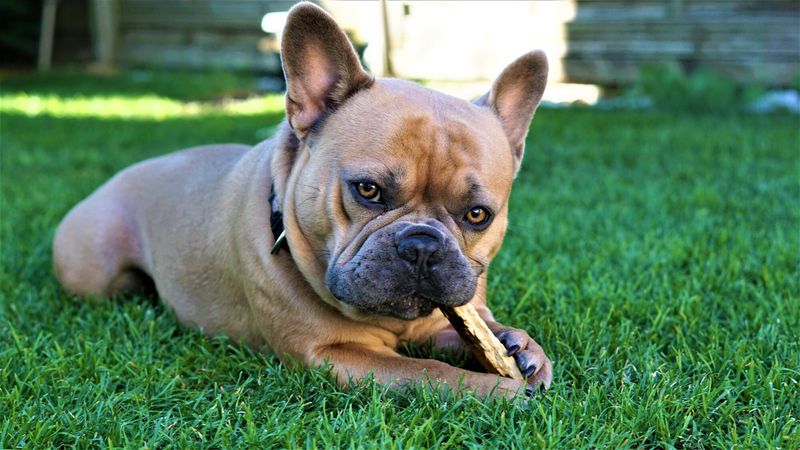
Frenchies seem effortless, but their breathing issues and heat sensitivity require constant vigilance. You will budget for potential airway surgeries, skin fold care, and insurance premiums that reflect common breed conditions.
Exercise must be gentle, and hot days call for strict cooling plans.
Training should focus on patience and positive reinforcement, since stubborn streaks can make housetraining slower. Snoring, gas, and drooling are part of daily life, not bugs to fix.
If you want long hikes or running buddies, this is not the breed.
Many owners underestimate costs and medical management. With mindful care and modest activity, Frenchies can be wonderful companions.
Choose them for their personality and your readiness, not for Instagram charm.
Siberian Husky
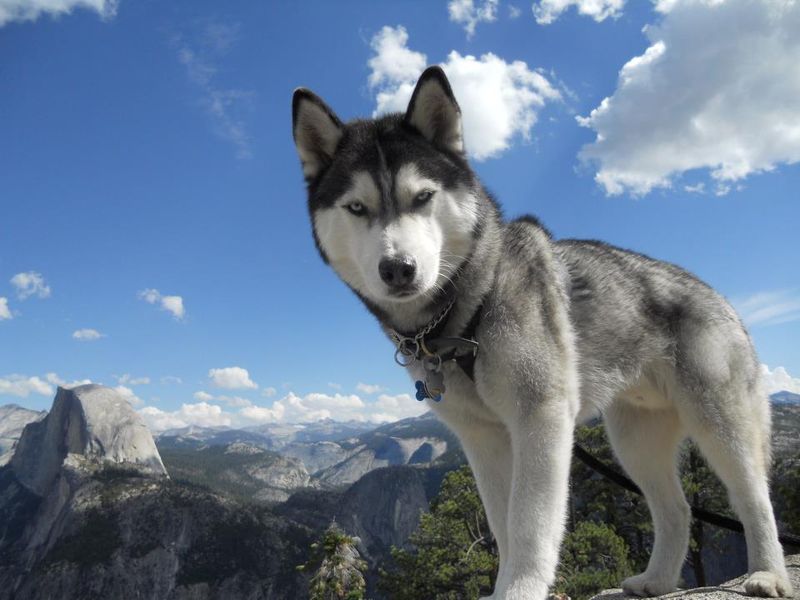
People fall for the striking eyes and wolfy vibe, then discover an escape artist with endless stamina. Huskies need serious exercise, mental jobs, and secure fencing to channel that drive.
Boredom leads to digging, howling, and Houdini-level exits.
The coat blows dramatically twice a year, filling vacuums and lint rollers. Prey drive can complicate life with smaller pets, and off-leash reliability is rare.
They bond deeply but are independent thinkers who do not chase praise.
If you love distance running, skijoring, or structured activities, a Husky can shine. Apartment life without a training plan is a recipe for frustration.
Choose this breed for adventure and routine, not a glamorous aesthetic.
Belgian Malinois
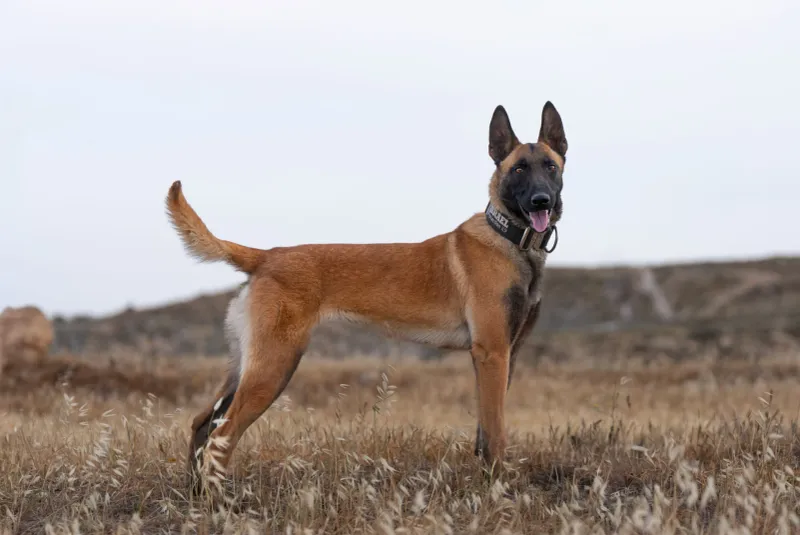
Admired in movies, Malinois are not casual pets. They are working dogs bred for intensity, needing structured training, daily jobs, and expert handling.
Without that outlet, their energy becomes destructive behaviors and frantic pacing.
Bite development and environmental neutrality take careful guidance, not YouTube shortcuts. They can outthink inexperienced owners and redirect when frustrated.
Mental stimulation must match physical work, from tracking and obedience to protection sports.
In the right hands, they are brilliant partners. In the wrong setup, they spiral quickly.
Choose this breed for real work and mentorship, not action hero mystique.
Border Collie
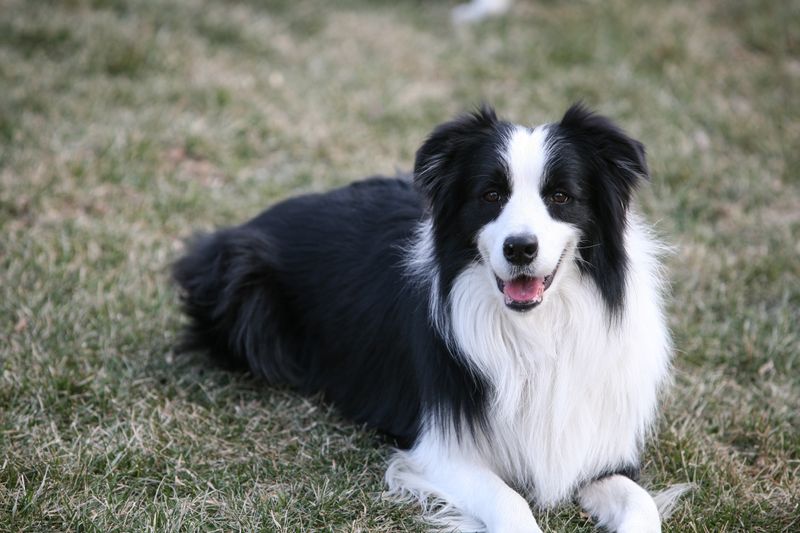
Border Collies look sweet, but their herding brain rarely shuts off. They crave complex training, sustained exercise, and problem-solving games daily.
Without that, they invent jobs like herding children, bikes, or light reflections.
Their sensitivity makes heavy-handed methods counterproductive. Obsessive behaviors can bloom if energy is not channeled into sports like agility or scent work.
A bored Border Collie will redecorate your home with precision.
They thrive with owners who enjoy structured activity and skill-building. Casual fetch in the yard will not be enough.
Choose them for their mind and work ethic, not just their photogenic stare.
Australian Shepherd
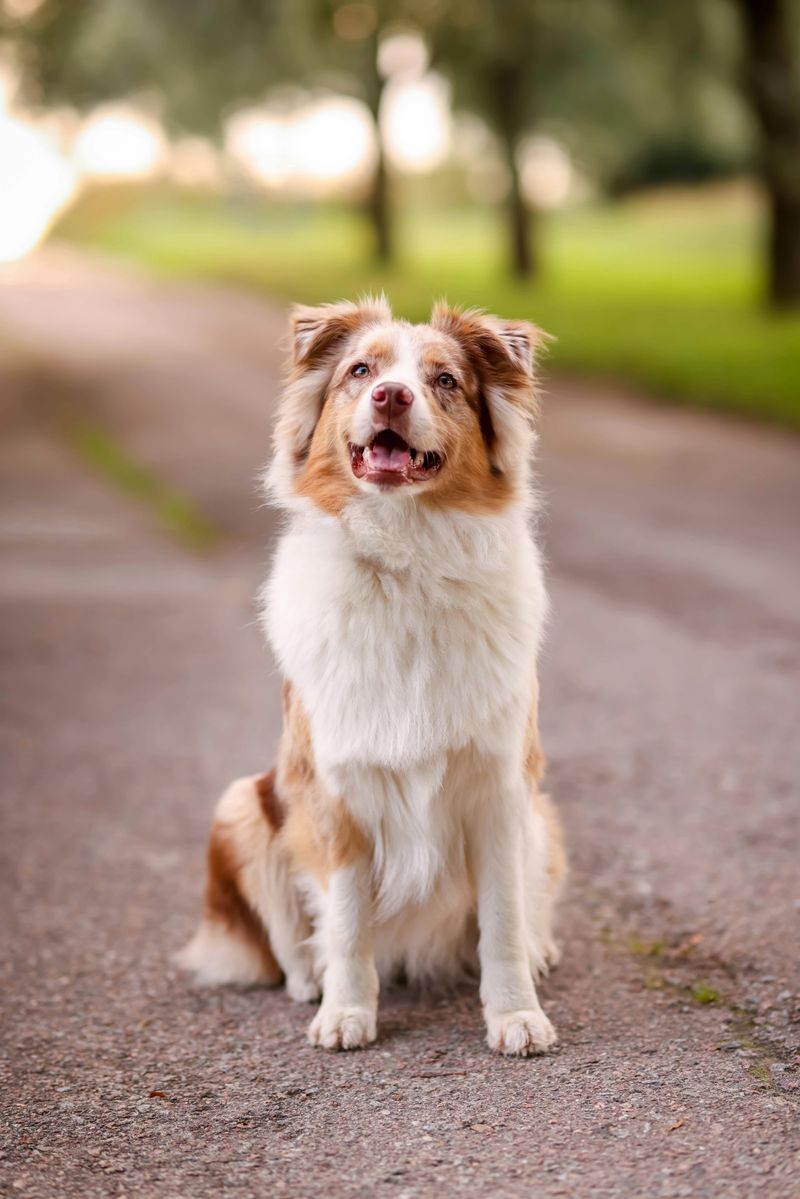
Aussies are gorgeous and goofy, but they are tireless herding athletes. Expect daily training, off-switch practice, and boundaries around nipping or heel-chasing.
Without outlets, they bark, herd kids, and outsmart routines.
Coat care is real, with seasonal shedding and mats behind ears and undercarriage. They are velcro dogs who may develop separation issues if not taught independence.
Mental sports like rally, disc, or nosework keep them balanced.
Family-friendly does not mean low effort. They need structure, variety, and consistency more than cuddles alone.
Choose an Aussie if you enjoy teamwork and time outdoors, not because the merle pattern is trending.
German Shepherd
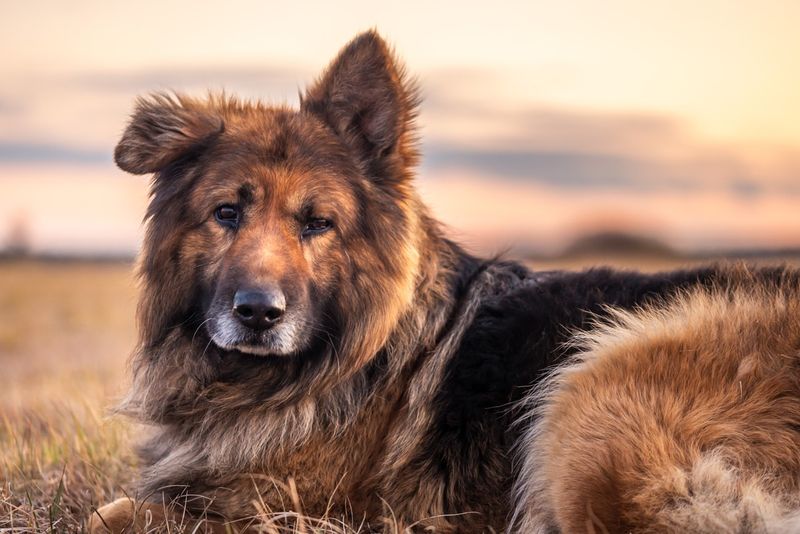
German Shepherds are iconic, but they are not turnkey protectors. They require thoughtful socialization, joint-conscious exercise, and ongoing training to manage reactivity.
Backyard guarding is a myth that breeds anxiety.
Genetic hip and elbow risks mean research on breeders and health testing matters. Their double coat sheds year-round, with seasonal coat explosions.
Mental work in obedience, tracking, or protection builds stability.
They bond intensely and can struggle if left to self-assign security duties. Clear structure keeps them confident and polite.
Choose them for partnership and training time, not for an automatic security system.
Cane Corso
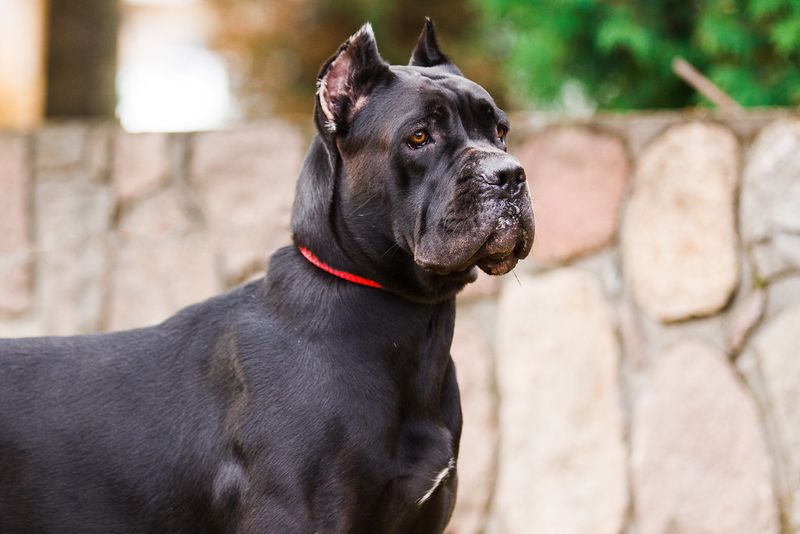
Corsos impress with presence, but they need experienced guidance and clear boundaries. Guardian instincts must be channeled through early socialization and fair, consistent training.
Unchecked, they can grow defensive and hard to handle.
They mature slowly, both physically and mentally, demanding patience and structure. Joint care, quality diet, and controlled exercise are essential for a heavy, athletic body.
Slobber, drool strings, and big-dog cleanup are part of the package.
Not a dog for chaotic homes or casual visitors coming and going. With committed leadership, they are steady, loyal companions.
Choose this breed for thoughtful stewardship, not intimidation factor.
Rottweiler
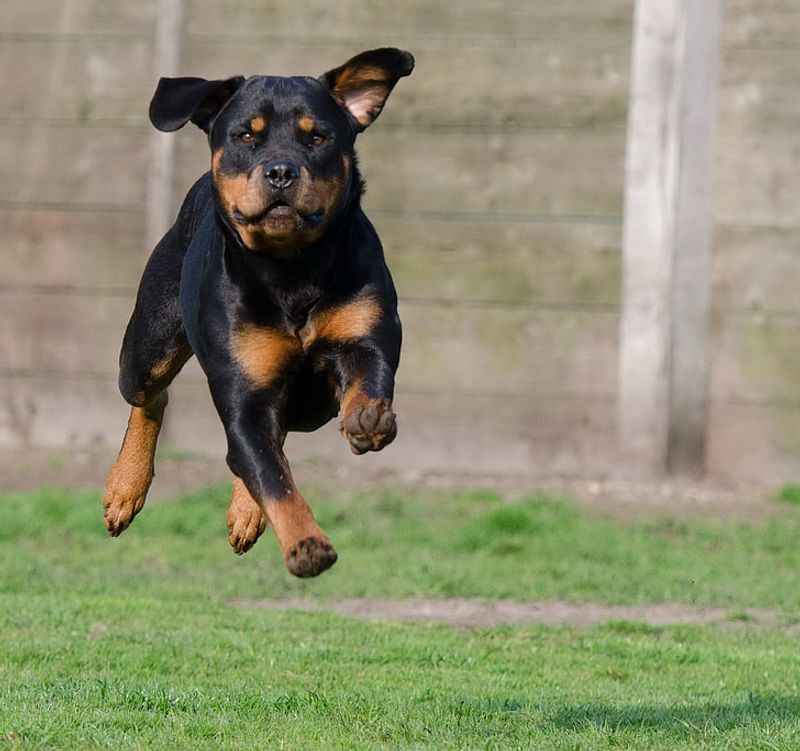
Rottweilers are loving family dogs when bred and trained well, but they are powerful. Early socialization and impulse control prevent pushy behavior and guarding gone wrong.
They need mental work, not just a yard.
Health testing matters to avoid joint and temperament issues. Expect drool, heavy shedding spurts, and strength that demands leash manners.
They thrive on clear jobs like obedience, carting, or scent work.
They are not status symbols or automatic protectors. Responsible routines create a stable companion who reads the room calmly.
Choose them for steadiness and structure, not to look tough.
Doberman Pinscher
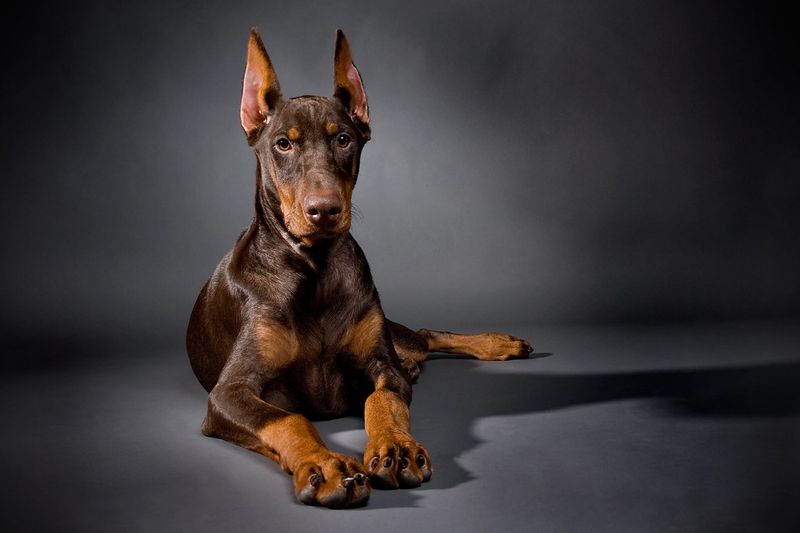
Dobermans are sensitive, fast learners who read your emotions sharply. They need firm yet fair training, daily exercise, and engagement to prevent anxiety or reactivity.
Neglecting socialization can amplify suspicion.
Genetic concerns like DCM demand careful breeder selection and cardiac screening. Thin coats mean they feel cold, needing weather-aware routines.
They excel in obedience and sport when communication is clear.
Left to guard themselves, they grow stressed and clingy. With boundaries and enrichment, they become elegant, affectionate shadows.
Choose a Doberman for partnership and consistency, not a sleek security badge.
Akita
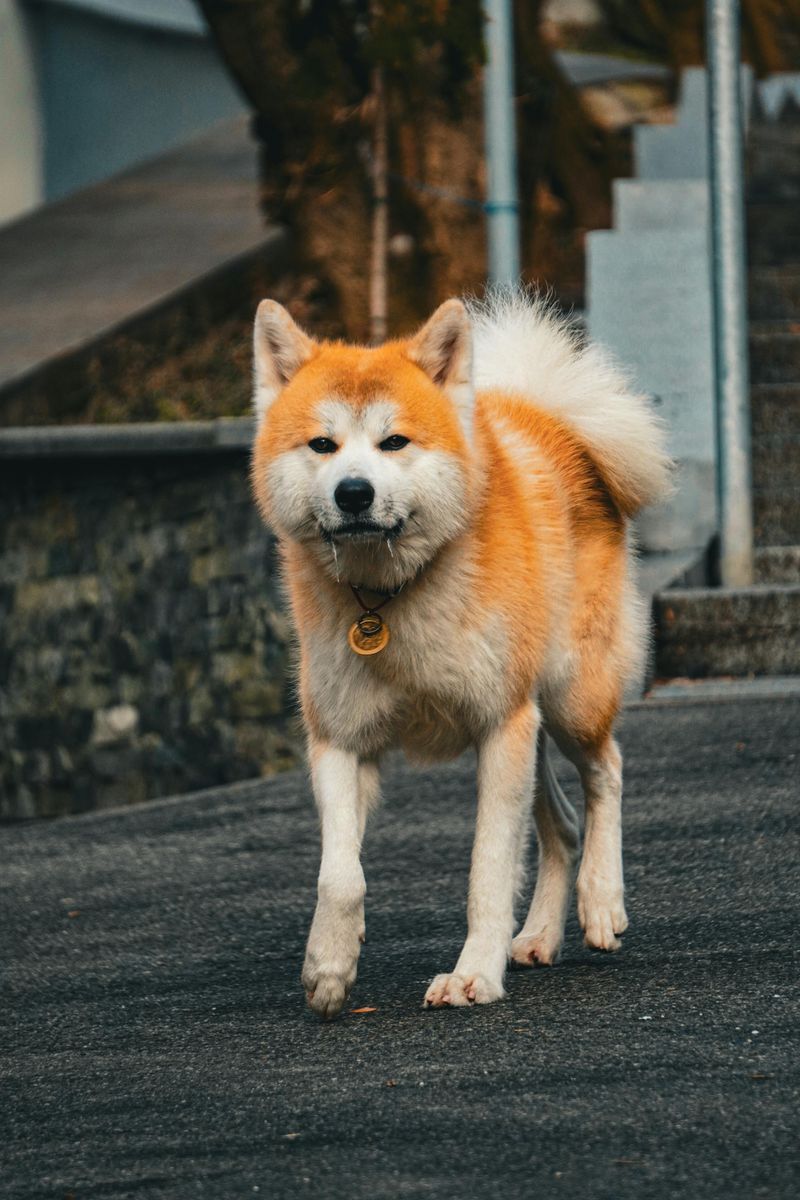
Akitas project quiet strength and beauty, but they can be aloof and strong-willed. Early, respectful socialization helps curb suspicion and same-sex dog intolerance.
Off-leash reliability is uncommon due to independence and prey drive.
The dense coat demands regular brushing and seasonal blowouts that fill bags. Firm, fair leadership beats harsh corrections, which breed resistance.
Household harmony needs clear routines and careful introductions.
They bond deeply yet reserve affection for their circle. Urban bustle can overwhelm without training.
Choose an Akita for calm, structured companionship, not a fluffy teddy bear.
Dalmatian
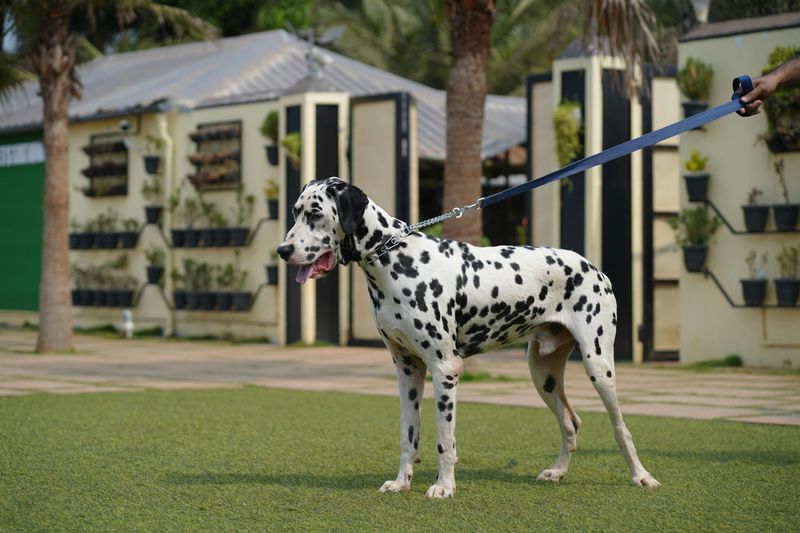
Dalmatians are athletic, intelligent, and built for stamina, not couch ornament status. They need consistent exercise and training to prevent restlessness and mischief.
Without outlets, they invent games like counter surfing and endless pacing.
Uric acid metabolism can predispose to stones, so diet and hydration matter. Their social nature thrives on involvement, yet they can be vocal when bored.
Short coats shed surprisingly all year.
They shine with active owners who like running, canicross, or structured play. Apartment life can work with routine and mental work.
Choose them for energy and engagement, not just iconic spots.
Chow Chow
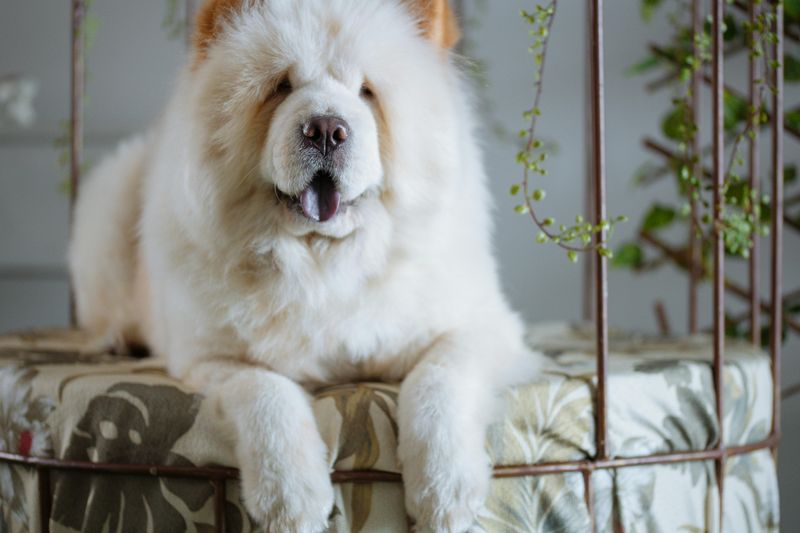
Chows look like plush bears, but they are dignified and independent. Early socialization and patient handling prevent defensiveness during grooming and vet visits.
Heat management is crucial with that heavy coat and shorter muzzle.
Grooming is nonnegotiable, with regular brushing and professional care to avoid mats and skin issues. They can be reserved with strangers and dislike pushy interactions.
Training benefits from calm consistency rather than cheerleading.
They are loyal to their people but not typically cuddly lap dogs. Respect their boundaries, and they blossom into steady companions.
Choose a Chow for quiet elegance and care, not fluff alone.