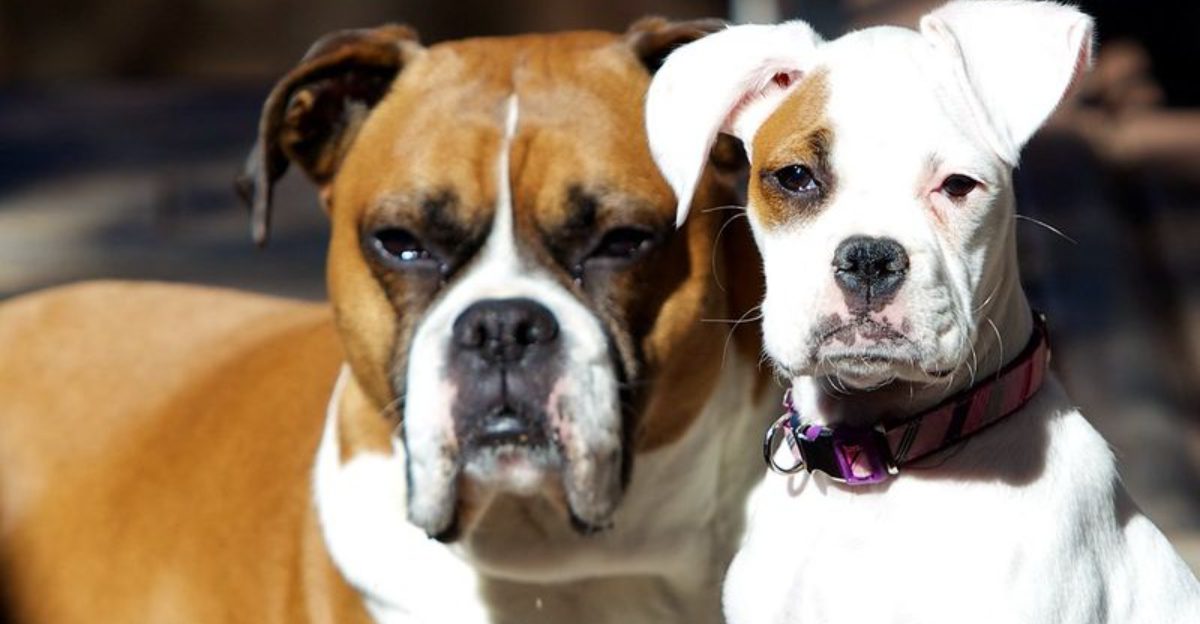
Some dogs are couch companions at home yet flip a switch the second you step outside. If you want a breed that relaxes indoors but reads the world like a seasoned scout, this list is for you.
These dogs blend steady temperaments with sharp outdoor instincts, giving you peace at home and confidence on the trail. Let’s find the guardians, partners, and adventure buddies that match your pace.
Bullmastiff
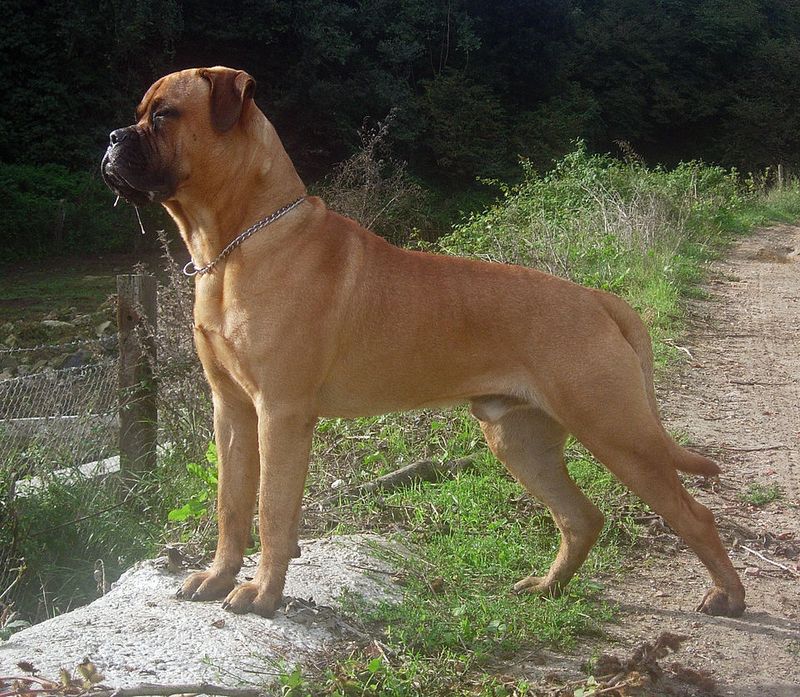
The Bullmastiff is a gentle homebody, often choosing a cool floor over constant movement and staying mellow with family. Indoors, you get a quiet presence that watches, not wanders.
That calm nature makes apartment living possible when exercise is structured and consistent.
Step outside, and the Bullmastiff’s senses sharpen. You will notice a confident stance, scanning perimeter lines, and a responsive head turn to distant sounds.
They are not frantic, just focused, reading your body language and the environment.
Training works best with firm fairness and short, purposeful sessions. Socialization helps prevent overguarding while protecting their thoughtful instincts.
Expect low to moderate activity bursts, strong leash manners, and a dog that balances serenity with unwavering outdoor vigilance.
Rottweiler
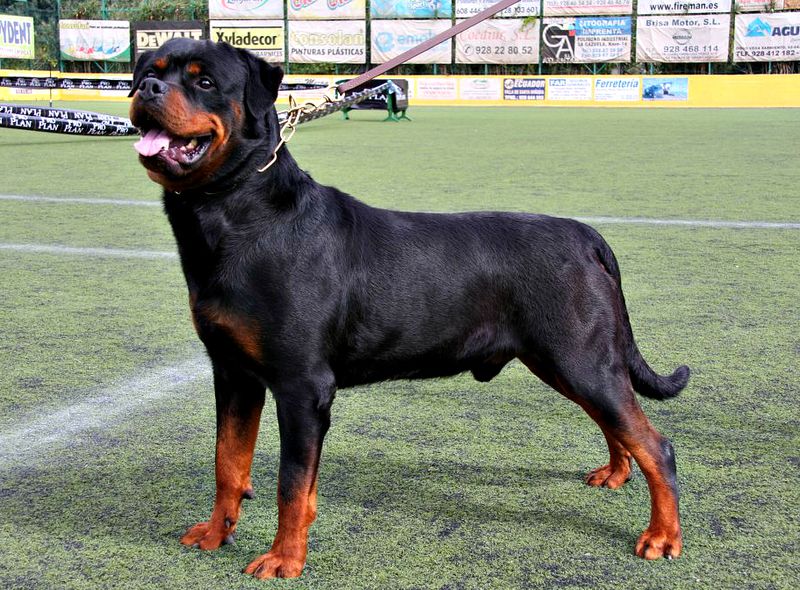
Rottweilers are famously steady indoors, preferring structured routines and close contact with their people. At home, you will often see a relaxed dog that conserves energy.
Clear boundaries help them settle quickly and respect quiet time.
Outdoors, the Rottweiler’s purposeful drive emerges. They track movement, notice shifting winds, and evaluate strangers with cool confidence.
This is not fussiness, but judgment, honed by training and social exposure.
Early obedience and impulse control are essential, with rewards that emphasize calm choices. Regular mental work like scent games or pattern heelwork adds satisfaction.
With consistent leadership, you get a dog that snoozes through a movie night yet becomes instantly ready to protect and guide when the leash clips on.
Cane Corso
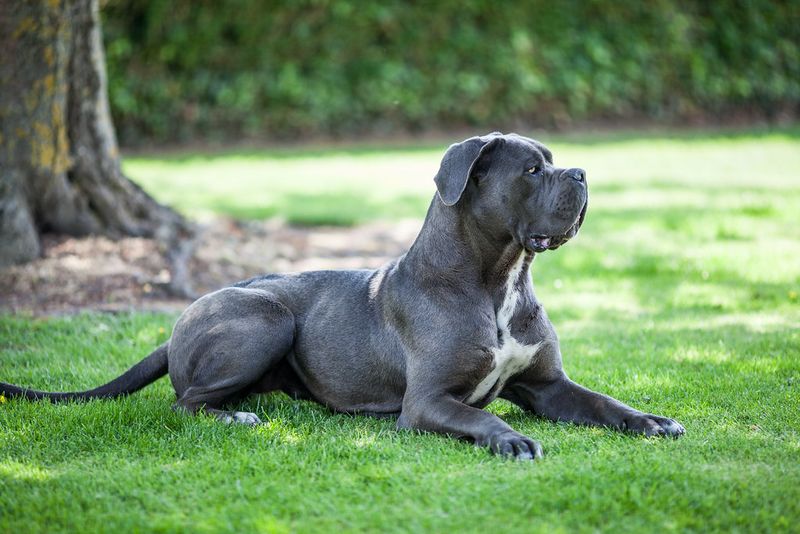
The Cane Corso brings a calm, watchful energy indoors, often shadowing you without being needy. With structure, you get a relaxed guardian that appreciates predictable rhythms and clear house rules.
Minimal fuss, maximum presence.
Outside, their working heritage switches on. You will notice a steady, ground-covering walk and quick responses to unusual movement or sound.
They are situationally aware, not reactive, gauging threats with a confident look before acting.
Training should be consistent and respectful, using food and meaningful praise. Socialization prevents suspicion from hardening into reactivity.
Provide purposeful jobs like controlled perimeter walks, carting foundations, or scent games. Done right, you enjoy a sofa companion indoors and a discerning field partner the moment boots hit grass.
German Shepherd
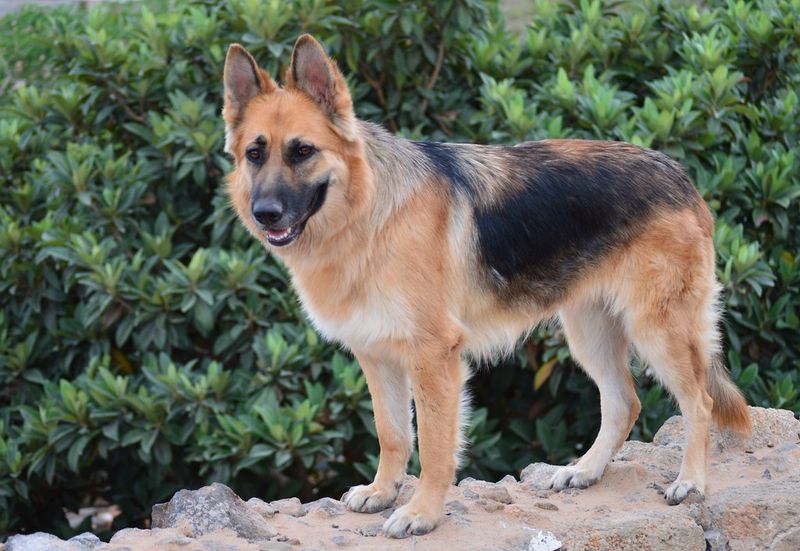
German Shepherds can settle beautifully indoors when mental work is part of the day. Expect a loyal shadow that picks quiet corners and tracks your routine.
With clear expectations, that famous intensity channels into calm coexistence.
Step outside, and their radar flickers alive. Ears tilt, nose works, hips ready.
They catalog motion, people, and routes, waiting for your next cue. Their balance of drive and obedience shines in open spaces.
Daily training pays dividends, especially engagement games and positions. Scent work, urban agility, and structured heelwork keep minds satisfied.
Provide decompression walks and a stable schedule. You will have a thoughtful housemate who becomes instantly proficient outdoors, reading your intent like a seasoned teammate.
Doberman Pinscher
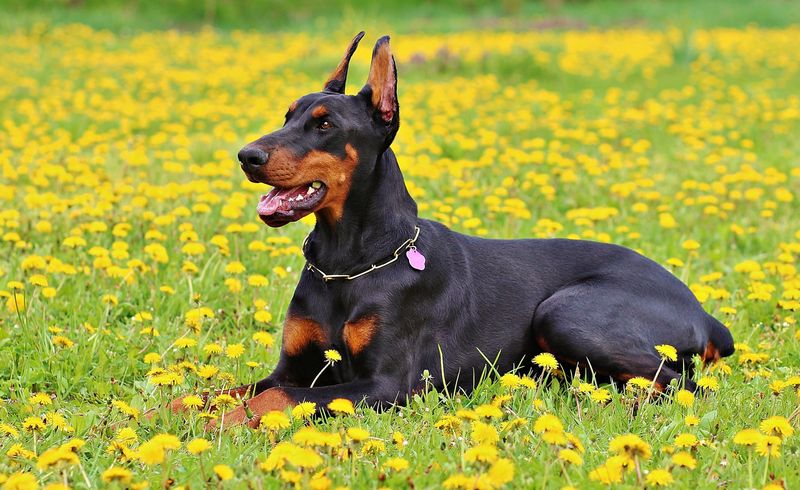
Dobermans excel at indoor composure when they understand routines and expectations. You get an elegant presence that settles fast after exercise and engagement.
They like being near you, but can relax if you lead predictably.
Outdoors, the Doberman becomes a tuned instrument. Head up, eyes scanning, confident gait.
They interpret micro cues, adjusting position to guard space while staying responsive to direction.
Reward crisp obedience and neutrality around distractions. Short bursts of precision work, followed by decompression, suit them well.
Socialization matters to keep confidence balanced with friendliness. With thoughtful leadership, your Doberman lounges like royalty at home, then turns into a poised, alert partner the moment the world demands attention.
Akita
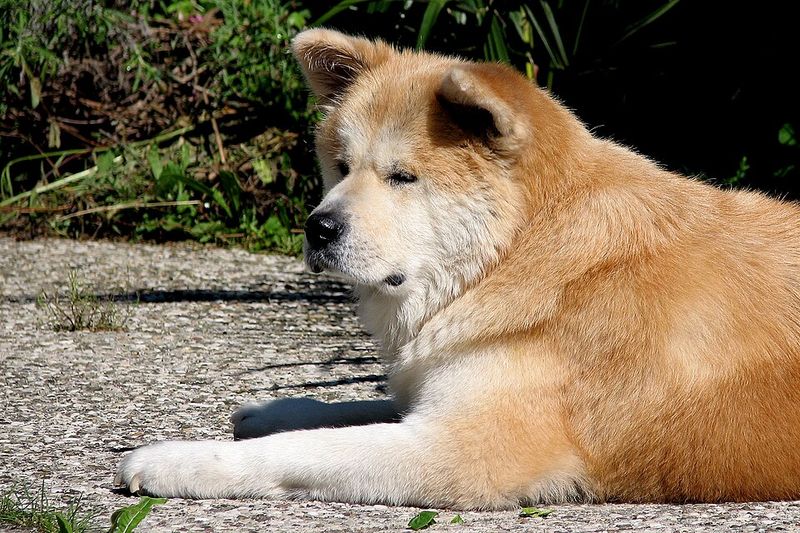
Akitas bring a reserved calm indoors, often choosing a vantage point to oversee the room. They are clean, polite, and surprisingly low key with adequate structure.
Affection comes on their terms, and that independence helps them settle.
Outside, the Akita’s ancestry shines. You will notice a steady, silent alertness, eyes measuring distances and footsteps.
They are discerning with strangers and attentive to environmental shifts like wind and wildlife trails.
Training should emphasize reliability, neutrality, and clear boundaries. Keep sessions short, high value, and respectful of their autonomy.
Early socialization broadens comfort without dulling instinct. Expect moderate exercise, dependable leash work, and a dog that moves from zen to sentinel the instant the door opens.
Great Pyrenees
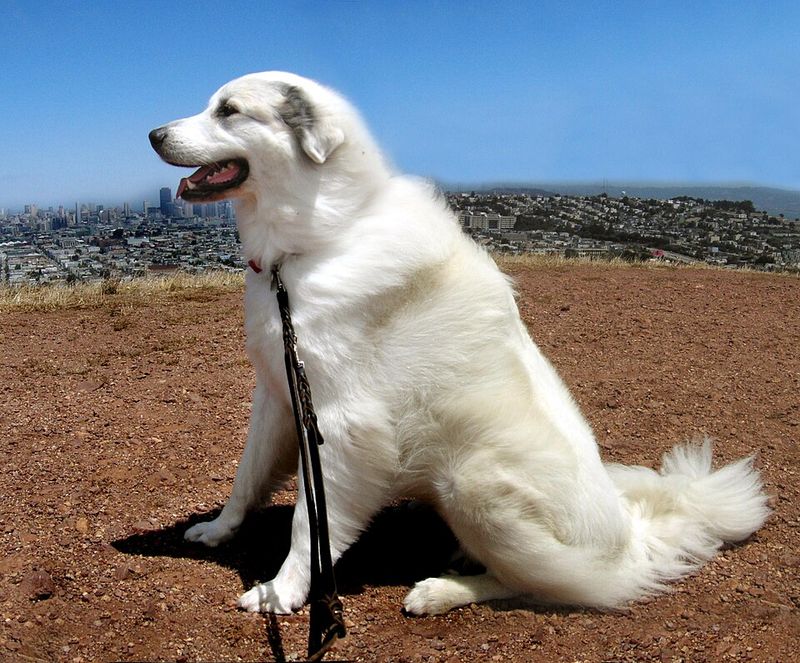
The Great Pyrenees is a master of indoor tranquility, often napping near thresholds like a quiet guardian. They thrive with gentle guidance and consistent routines.
Barking indoors is rare when needs are met and the home feels secure.
Outside, that calm turns into measured vigilance. You will see slow, deliberate scanning and a patient stance that belies fast reactions when necessary.
They read terrain and routes, not just passing distractions.
Training should be low pressure yet firm, rewarding independent problem solving and reliable recall. Night walks awaken their natural patrol instincts, so manage expectations.
Provide brushing time and joint friendly exercise. Expect a serene housemate who becomes an unflinching sentinel the moment fields or trails appear.
Anatolian Shepherd
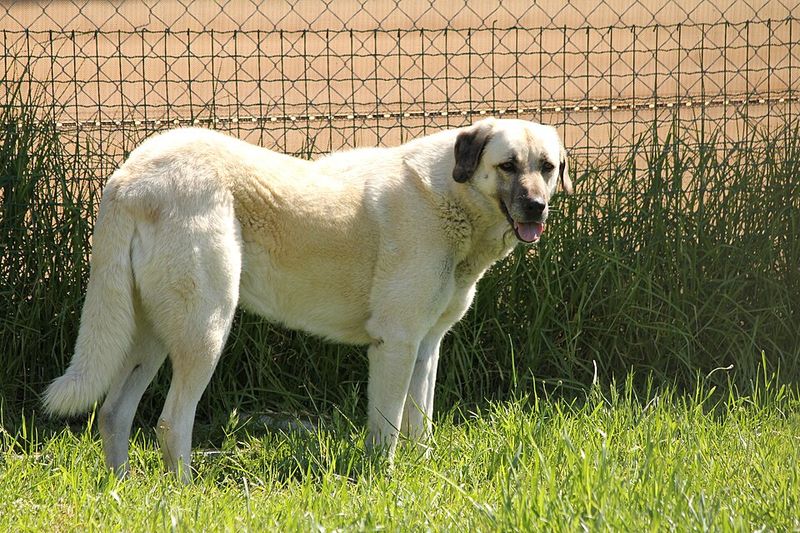
Anatolian Shepherds are composed indoors, preferring cool floors and quiet corners. With clear guidance, they maintain a low profile and conserve energy.
Their independence means less clinginess and more confident stillness.
Outside, you will see a sentinel come alive. They scan horizons, mark boundaries, and respond decisively to unusual movement.
It is protective instinct, not hyperactivity, shaped by centuries of guarding work.
Training should prioritize reliability and neutrality around strangers and livestock. Use calm rewards, fair corrections, and consistent routines.
Socialization is vital without overwhelming them. Offer spacious walks, perimeter checks, and mental challenges.
In return, you get a peaceful indoor companion that flips instantly into guardian mode the second open country stretches ahead.
Rhodesian Ridgeback
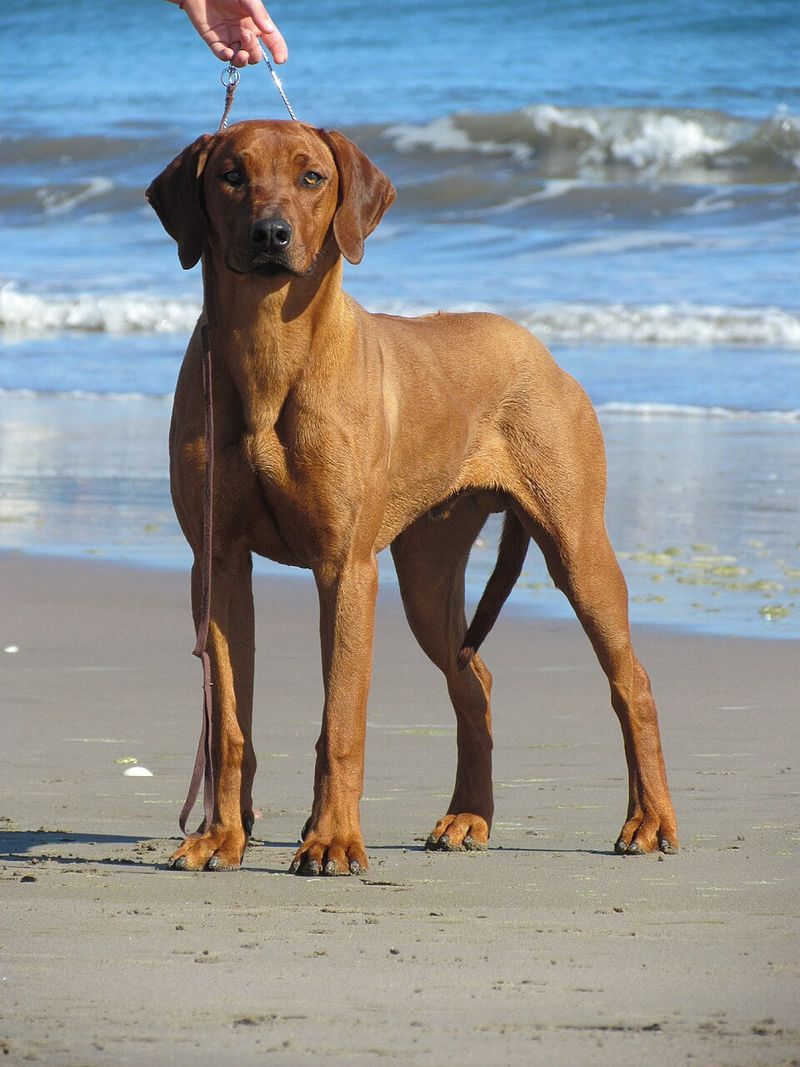
Rhodesian Ridgebacks are famously chill indoors, often curling into doughnuts and staying out of the way. Give them structure and moderate exercise, and they turn into low maintenance roommates.
Their humor and dignity show in small, relaxed rituals.
Outside, the Ridgeback’s hunting heritage wakes up. You will notice head lifts to scents, quick visual tracking, and efficient, ground-eating strides.
They stay tuned to you while monitoring the moving world.
Training should highlight recall, off switch skills, and polite neutrality toward dogs. Sprints mixed with steady trotting suit their bodies.
Enrichment like tracking lines and hill work keeps minds sharp. Expect a couch companion who converts instantly into a discerning, athletic scout when the horizon opens.
Giant Schnauzer
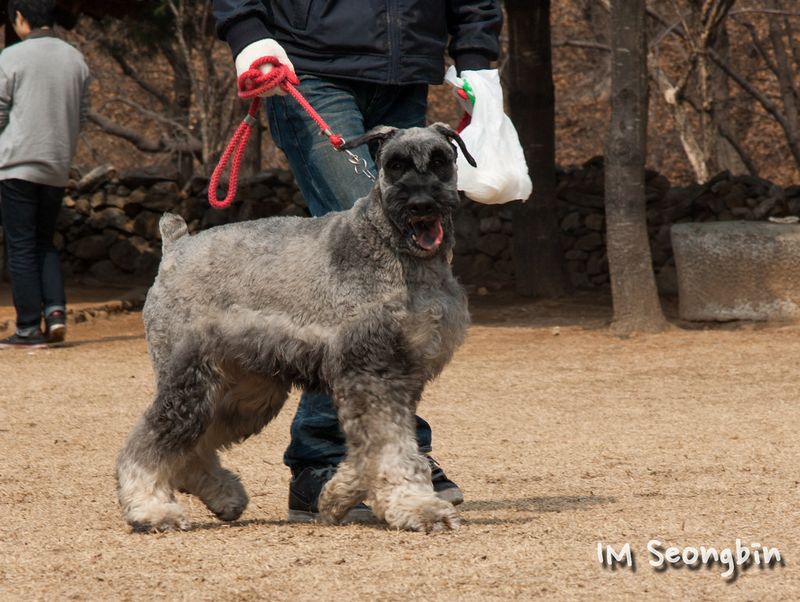
Giant Schnauzers can switch off indoors with clear routines and meaningful work. Expect a quiet presence once exercise and engagement needs are met.
They bond closely and choose rest over fuss when guided well.
Outdoors, their drive and intelligence sharpen. You will see crisp posture, brisk movement, and quick checks back to you for direction.
They thrive on jobs, whether carrying a pack or practicing precise heelwork.
Training should be structured, upbeat, and mentally demanding. Teach impulse control, scent tasks, and durable recalls.
Vary environments to maintain flexibility. Provide coat care and joint friendly conditioning.
In return, you gain a composed housemate that becomes instantly alert and purposeful the moment boots hit the trail.
Boxer
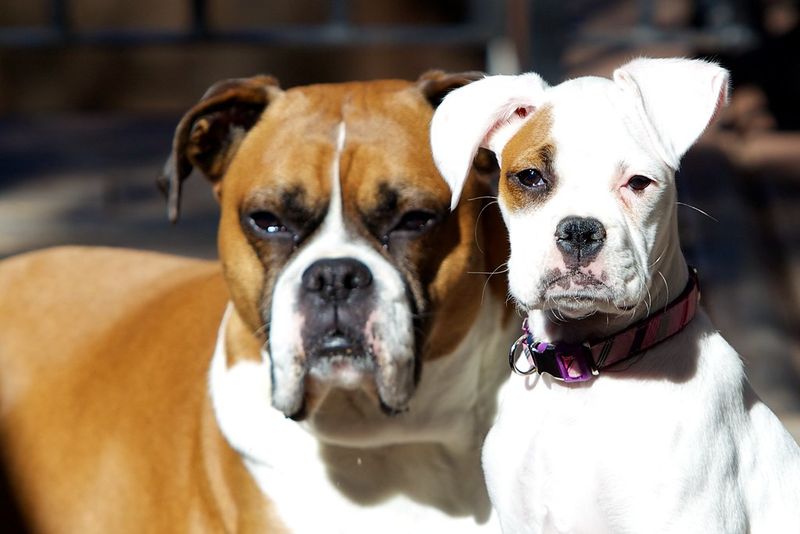
Boxers surprise many with their ability to settle indoors after thoughtful exercise. With routines and clear boundaries, that clownish energy turns into cuddly calm.
They love being near you and quickly match your vibe.
Outside, a Boxer’s athleticism and curiosity switch on. Ears perk, eyes track movement, and the body readies for quick pivots.
They are friendly yet protective, watching the environment while staying handler focused.
Training should be fun, fast paced, and consistent. Reinforce polite greetings and impulse control.
Mix interval runs with sniffy decompression walks. Keep minds busy using toy rewards and pattern games.
With that formula, you enjoy a mellow movie buddy indoors and an instantly alert, joyful partner outdoors.
Belgian Malinois
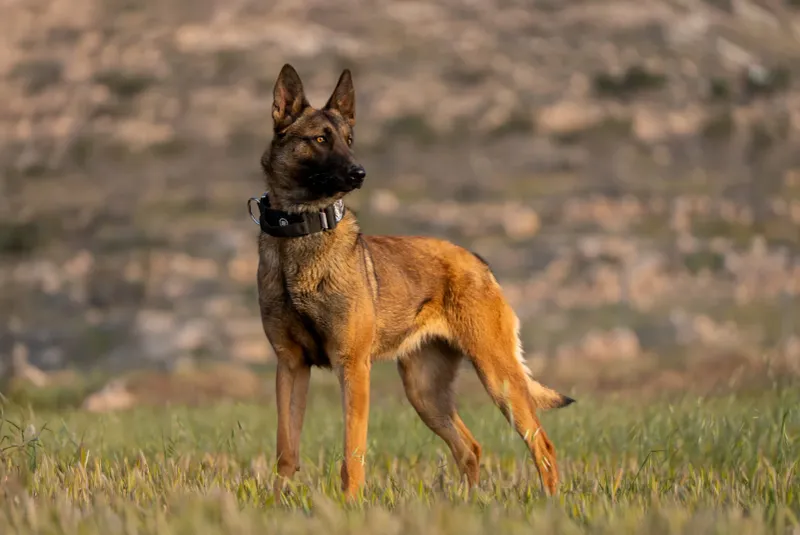
Belgian Malinois can learn to relax indoors with structured decompression and mat training. When needs are met, they become surprisingly quiet shadows.
Clear expectations prevent pacing and help them conserve energy.
Outside, the switch flips hard. You will see laser focus, explosive movement, and instant orientation to your cues.
They catalog stimuli and are ready to work at a moment’s notice.
Training must be daily, precise, and rewarding. Engagement games, bite sports foundations, and scent work provide outlets.
Balance with calm reinforcement of stillness and neutrality. Done thoughtfully, you get a composed house dog who becomes instantly alert and brilliant outdoors, turning your direction into their purpose.