
Home energy matters more to some dogs than others. These breeds can read your mood, pick up on tension, and respond in ways that might surprise you.
If stress rises, they often mirror it with restlessness, clinginess, or sudden misbehavior. Understanding their sensitivity helps you create calm routines that keep everyone comfortable and connected.
Border Collie
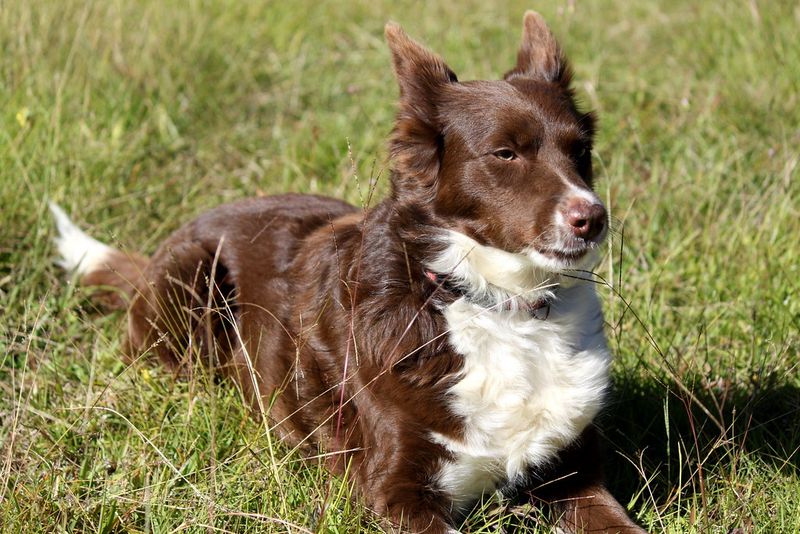
Border Collies are emotional barometers, quickly sensing when voices rise or routines slip. Their sharp minds crave structure and clear signals, so tension at home can feel like static in the air.
You might notice pacing, shadowing you from room to room, or over-fixating on small tasks like herding kids or toys.
They flourish with calm guidance and predictable outlets for energy. Brain work, like scent games and trick training, settles racing thoughts and gives purpose.
Keep instructions consistent, reward quietly, and schedule decompression walks. When the household is steady, your Border Collie becomes wonderfully cooperative, affectionate, and focused.
Australian Shepherd
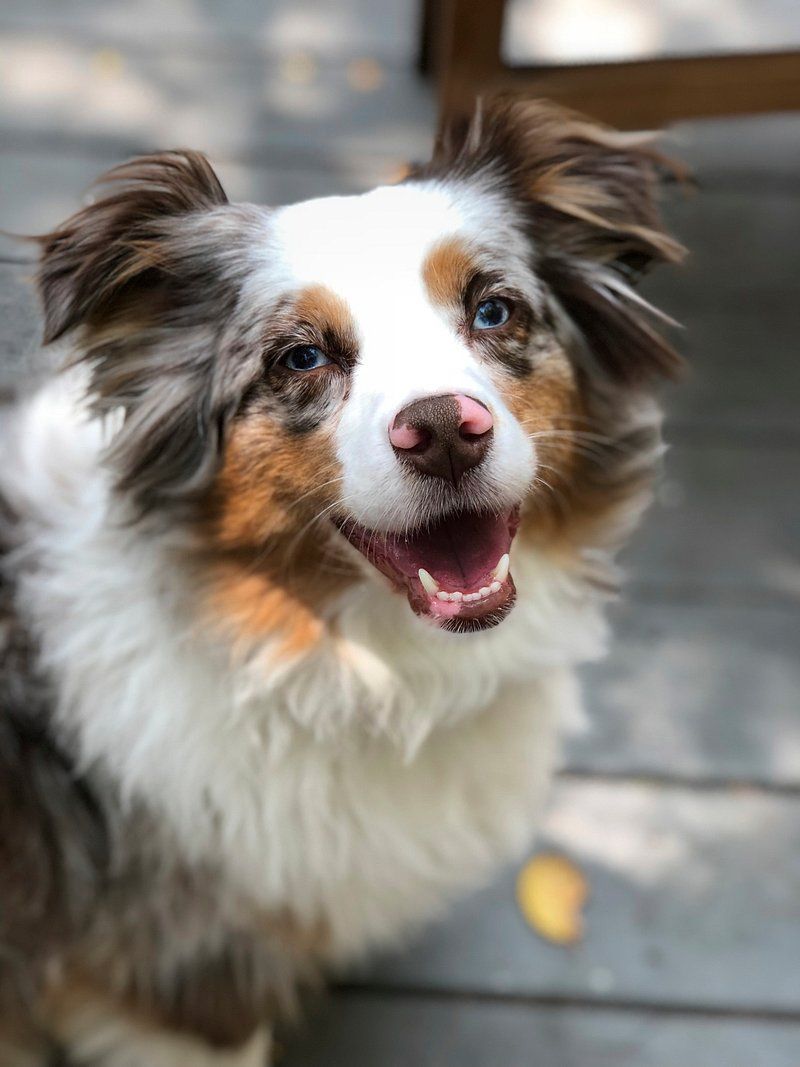
Australian Shepherds are tuned into human emotion and thrive on teamwork. When tension spikes, they can grow clingy, vocal, or begin micromanaging movement around the house.
They read your face, posture, and tone immediately, so sharp words or rushed changes in routine can ripple into anxious behaviors.
Give them jobs that channel intensity, like carrying a soft toy, practicing short obedience bursts, or targeting a mat. Quiet structure reassures them you are leading.
Rotate enrichment puzzles and low-impact exercise to prevent mental overload. With calm, consistent cues, your Aussie will relax, lean into you, and show that famously loyal, eager-to-please heart.
Shetland Sheepdog
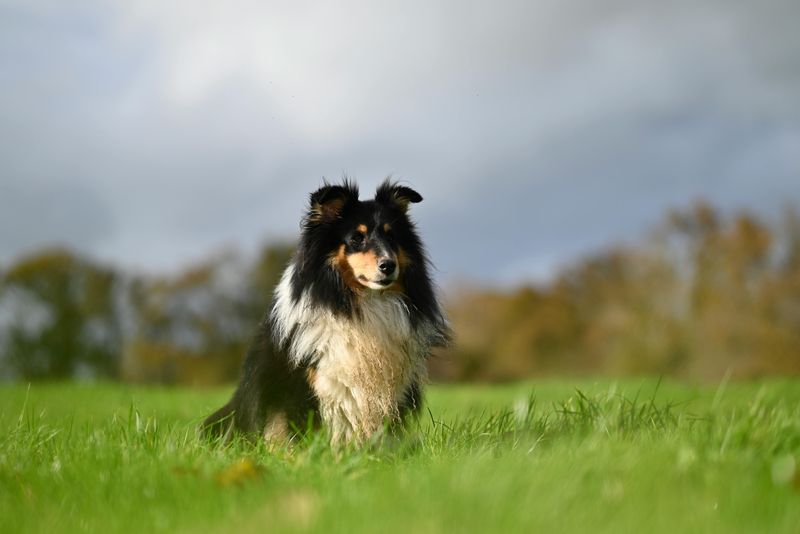
Shetland Sheepdogs notice everything, from a sigh to a slammed cabinet. They often respond to household tension by barking, spinning, or hiding under furniture.
Because they are communication-driven, sudden arguments or chaotic schedules can feel like the floor shifting under their feet.
Soft voices, predictable rituals, and gentle training reassure them. Provide a quiet retreat with a comfy bed and a chew to settle nerves.
Short, fun training games build confidence and keep their minds engaged without overwhelming them. When your home energy smooths out, Shelties blossom into delightful, responsive companions who tune into you with bright enthusiasm.
Collie
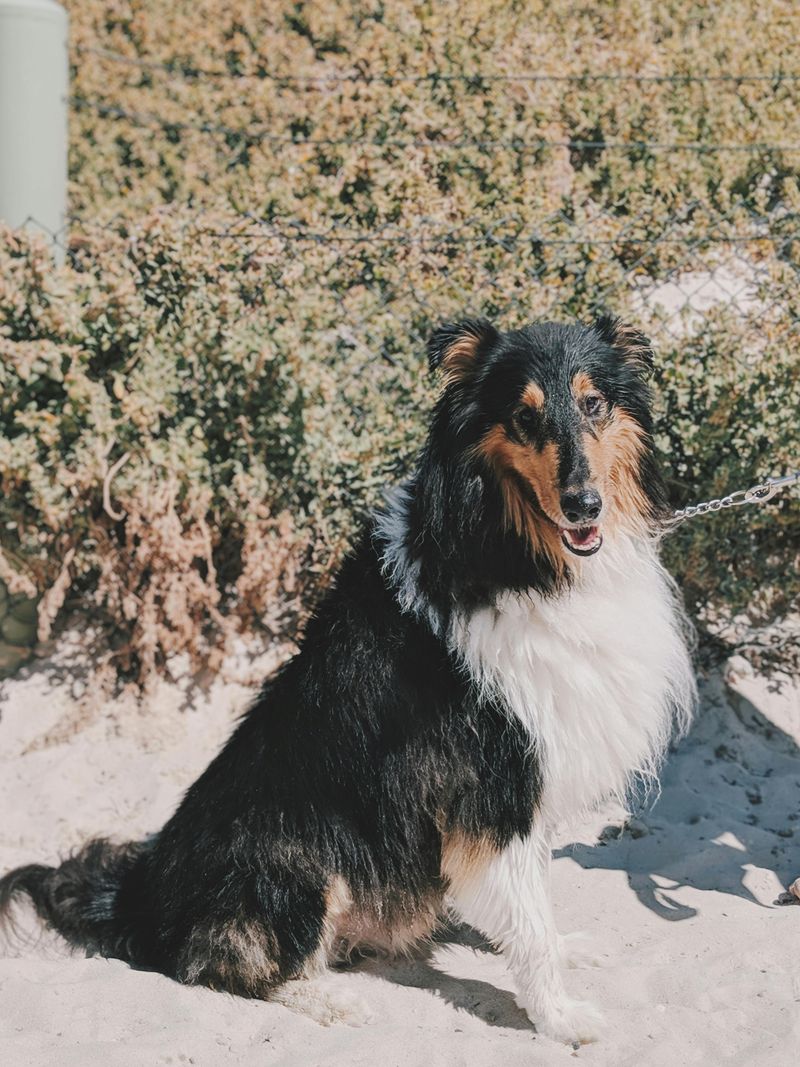
Collies are gentle observers with deep emotional antennas. In a tense home, they may pace, whine softly, or attempt to herd people into one room, hoping to restore calm.
Their kindness makes them sensitive to sharp tones, and they can shut down or become overly attentive if conflict lingers.
Maintain a soothing routine and use low-key praise. Teach a go-to place cue with a plush mat and reward relaxed posture.
Gentle brushing sessions, sniffy walks, and puzzle feeders help Collies decompress. When reassurance is steady, they return affection tenfold, offering that classic Collie devotion and steady companionship that brightens the whole household.
German Shepherd
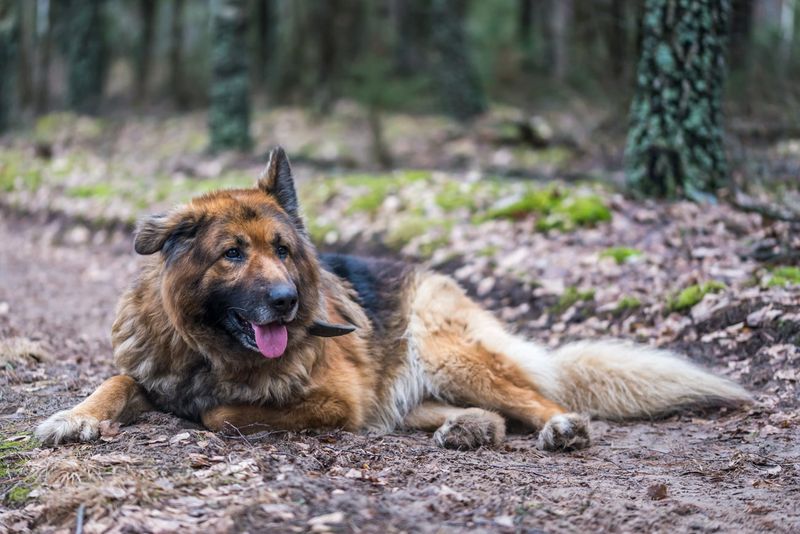
German Shepherds are guardians at heart, and tension signals threat. Raised voices or frantic movements can trigger hyper-vigilance, shadowing, and doorway guarding.
They want a clear job and confident guidance, so mixed messages or emotional swings may escalate reactivity.
Establish calm leadership through routines, structured walks, and clear boundaries. Teach a settle on a mat, and practice calm greetings with visitors.
Enrichment like sniff work and controlled tug sessions channels intensity constructively. With consistent, even-keeled communication, your Shepherd relaxes, becomes more discerning, and offers the steady loyalty that makes this breed such a remarkable partner.
Golden Retriever
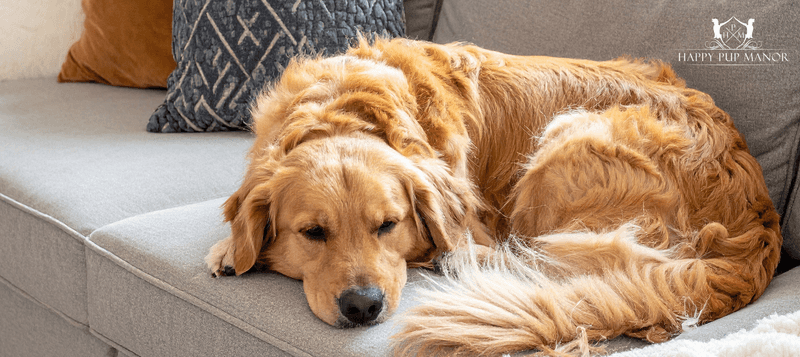
Golden Retrievers are emotional sponges who absorb your mood. Tension can make them needy, pawing for reassurance or following closely.
Some become quiet and withdrawn, while others escalate with excited barking or zoomies to break the mood.
Calm affection and predictable routines help them rebalance. Practice simple cues with gentle praise, and offer sniff walks or food puzzles for soothing focus.
If voices rise, redirect to a mat with a stuffed Kong. When the environment settles, Goldens radiate warmth, optimism, and easygoing charm, reminding everyone to breathe and reconnect.
Labrador Retriever

Labradors often look carefree, yet they read tension fast. When stress builds, they might demand attention, counter-surf for comfort, or overexcite during greetings.
Labs thrive on predictable outlets for energy and affection, so inconsistent rules during tense times can create confusion and mischief.
Use calm structure, not scolding. Short training games, scent work, and durable chews restore balance.
Keep expectations consistent across family members, and schedule decompression walks. When the household keeps routines steady, Labs return to their sunny, bouncy selves, leaning in for cuddles and offering that classic, big-hearted companionship everyone loves.
Poodle
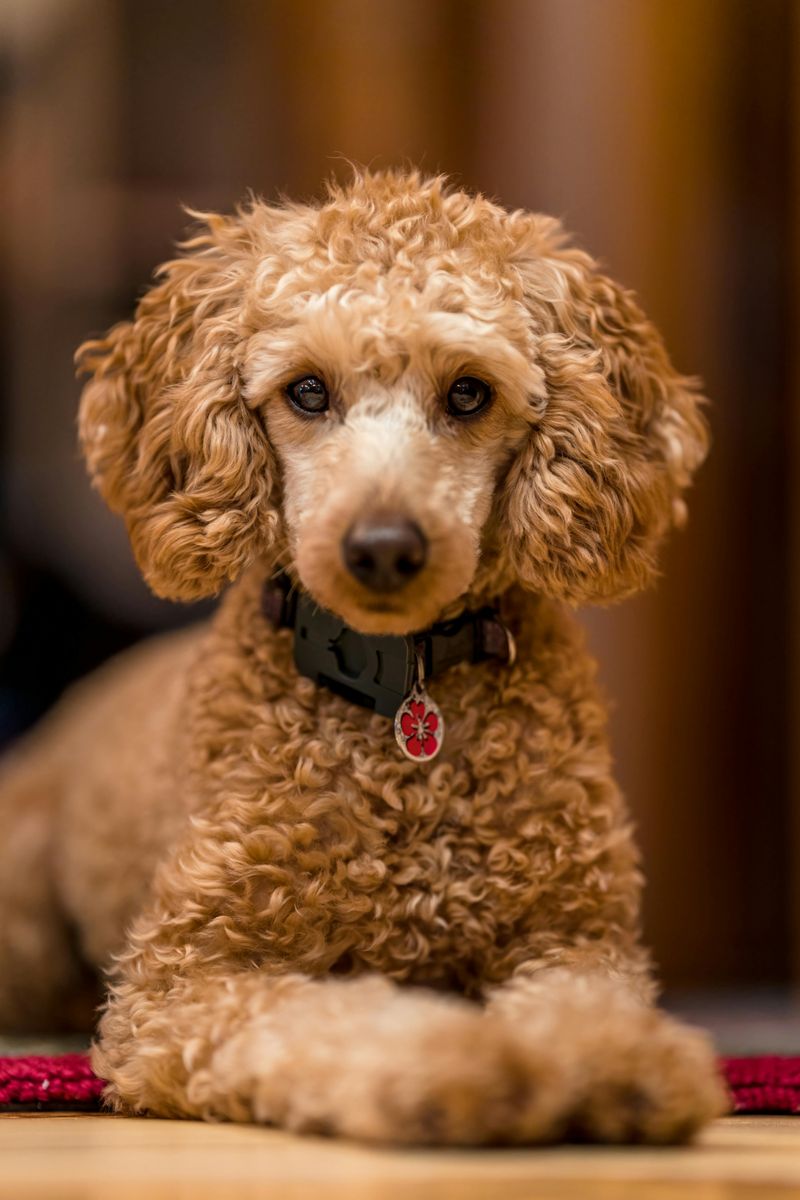
Poodles are keen observers with quick minds, so tension feels like a puzzle they need to solve. They may pace, vocalize, or offer trained behaviors repeatedly when the home energy turns sharp.
Because they learn fast, they can also pick up anxious patterns if the environment is inconsistent.
Provide brainy outlets like shaping games, nosework, and calm obedience in short sessions. Encourage restful routines with a designated relaxation spot and steady sleep schedule.
Speak softly and reward composed choices. In a stable atmosphere, Poodles shine with poise, humor, and astonishing responsiveness, bringing graceful calm back to daily life.
Cavalier King Charles Spaniel

Cavaliers are gentle companions who crave closeness. When tension rises, they may tremble, lip-lick, or cling to your lap.
Their soft temperaments can wilt under harsh voices, so consistent warmth and rhythm are essential.
Build security with cuddly routines, calm training games, and predictable naps. Provide a cozy crate or bed where they can retreat and feel safe.
Short sniffy walks and gentle massage melt away worry. When the home settles, Cavaliers blossom with tender affection, cheerful tail wags, and that velvety, heart-melting presence that makes everything feel lighter.
Havanese
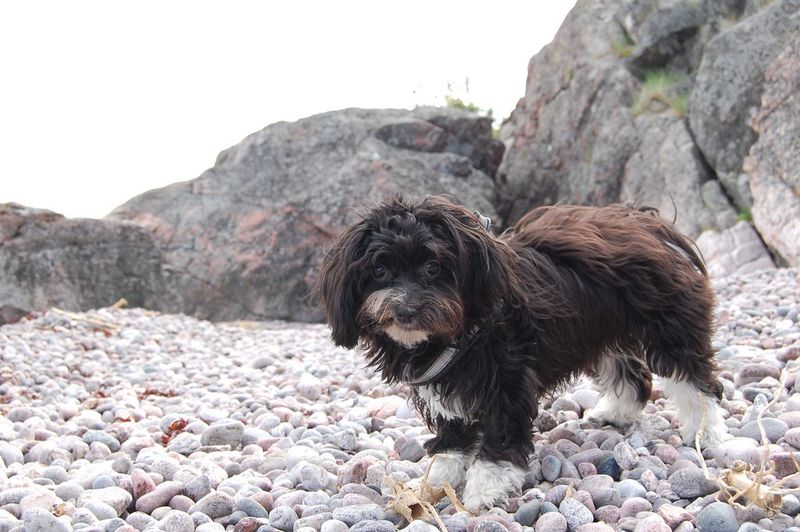
Havanese are social comedians, but they feel household tension quickly. Stress can flip the switch from playful to clingy or barky.
They may overreact to small noises, pace between family members, or struggle to settle when routines wobble.
Keep training light, fun, and consistent. Offer gentle enrichment like foraging mats and short trick sessions to direct energy productively.
A predictable bedtime and a cozy den help them decompress. With smooth rhythms and kind voices, Havanese relax, rediscover their goofy sparkle, and spread easy joy around the home again.
Papillon
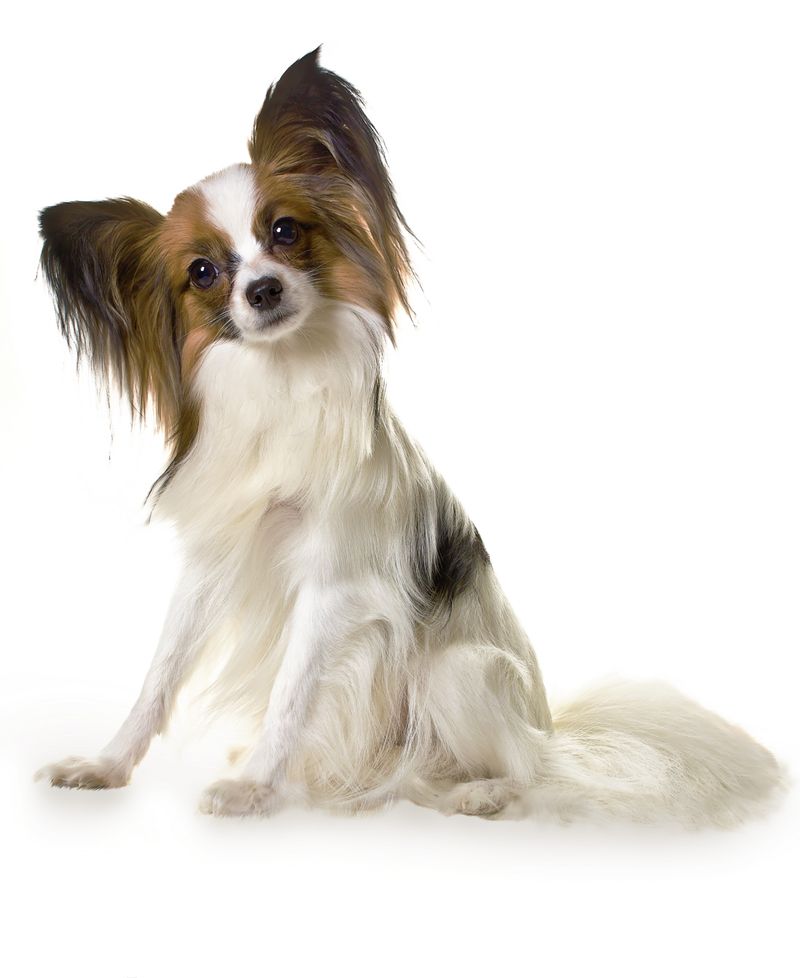
Papillons are tiny dynamos with radar for mood shifts. Tension at home can make them yappy, restless, or extra vigilant at windows.
Because they are sharp and sensitive, chaotic energy can unwind their focus into spirals of excitement.
Use gentle structure and settle cues, like a mat and a soothing chew. Keep sessions short and upbeat, rewarding calm choices.
Provide scent games and quiet play to prevent overstimulation. When the tone stays friendly and predictable, Papillons channel brilliance into delightful responsiveness, floating through the house with light, confident steps.
Vizsla
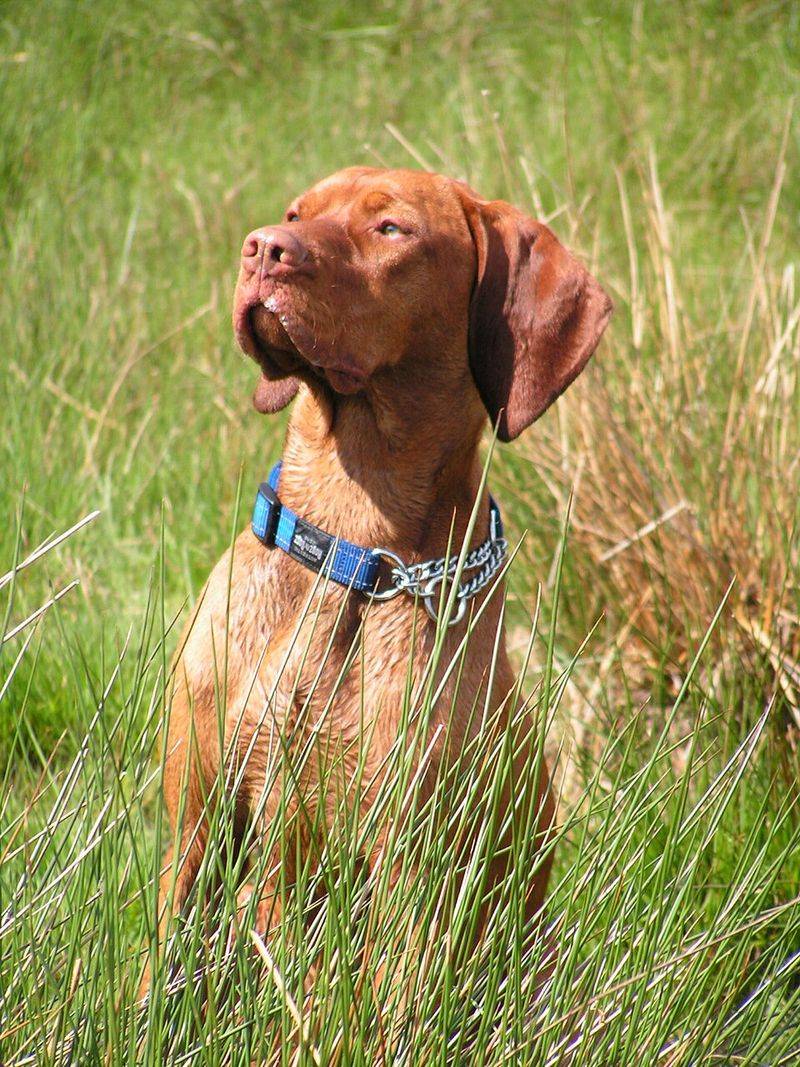
Vizslas are velcro dogs through and through. Household tension can send them into shadow mode, glued to your side, or conversely into zoomy restlessness.
They read micro-expressions, so harsh tones land hard on their hearts.
Offer physical exercise balanced with calm decompression, like sniff walks and structured fetch. Teach relaxation on a mat and reinforce independent settling.
Gentle, consistent routines reassure them that the team is okay. In a peaceful home, Vizslas glow with affectionate confidence, curling close and matching your calm breath for breath.
Weimaraner
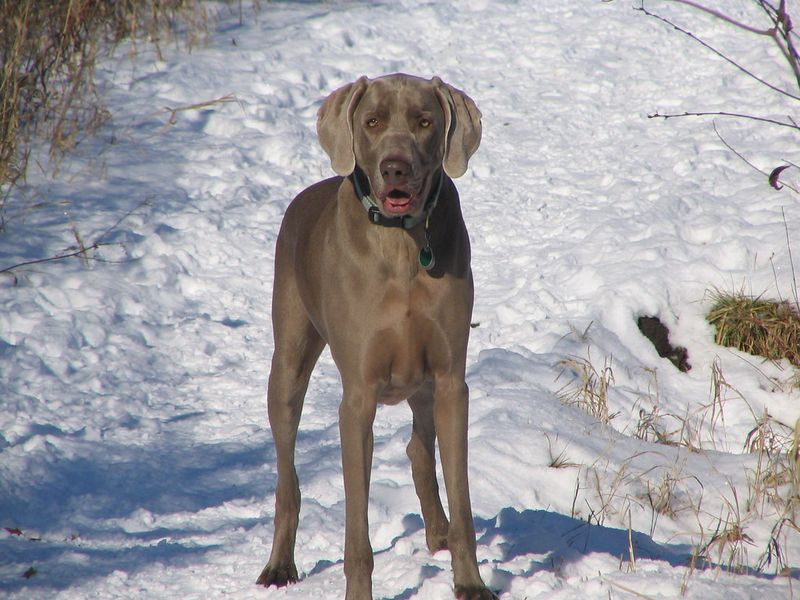
Weimaraners bond intensely and can unravel when household stress spikes. They might pace, vocalize, or become destructive if tension breaks routines.
Their big feelings respond best to steady guidance and meaningful outlets.
Combine mental tasks with regular exercise, then reward restful behavior on a designated bed. Keep cues calm and consistent, avoiding sharp corrections that can amplify anxiety.
Food puzzles, scent work, and quiet crate time help them settle. With patient structure, Weimaraners regain balance, showing affectionate loyalty and refined athletic grace around the home.
Italian Greyhound
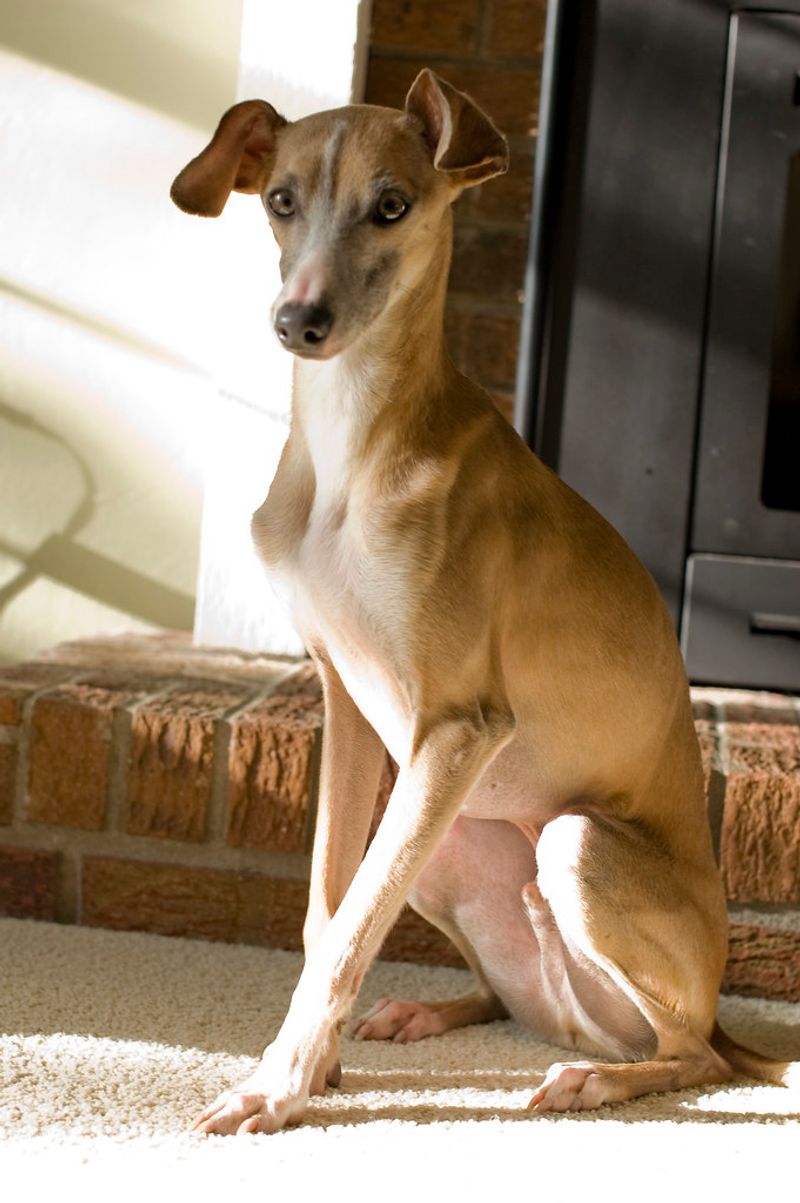
Italian Greyhounds are delicate souls who feel every ripple of mood. Tension can lead to trembling, hiding, or sudden potty accidents.
Loud arguments or abrupt movements startle them easily.
Provide warmth, predictable potty breaks, and a quiet retreat. Use soft voices and gentle handling, pairing calm with tiny rewards.
Short, positive training boosts confidence without pressure. When the atmosphere softens, Italian Greyhounds exhale, stretching into sunbeams and offering sweet, quiet companionship that soothes the room.
Great Dane
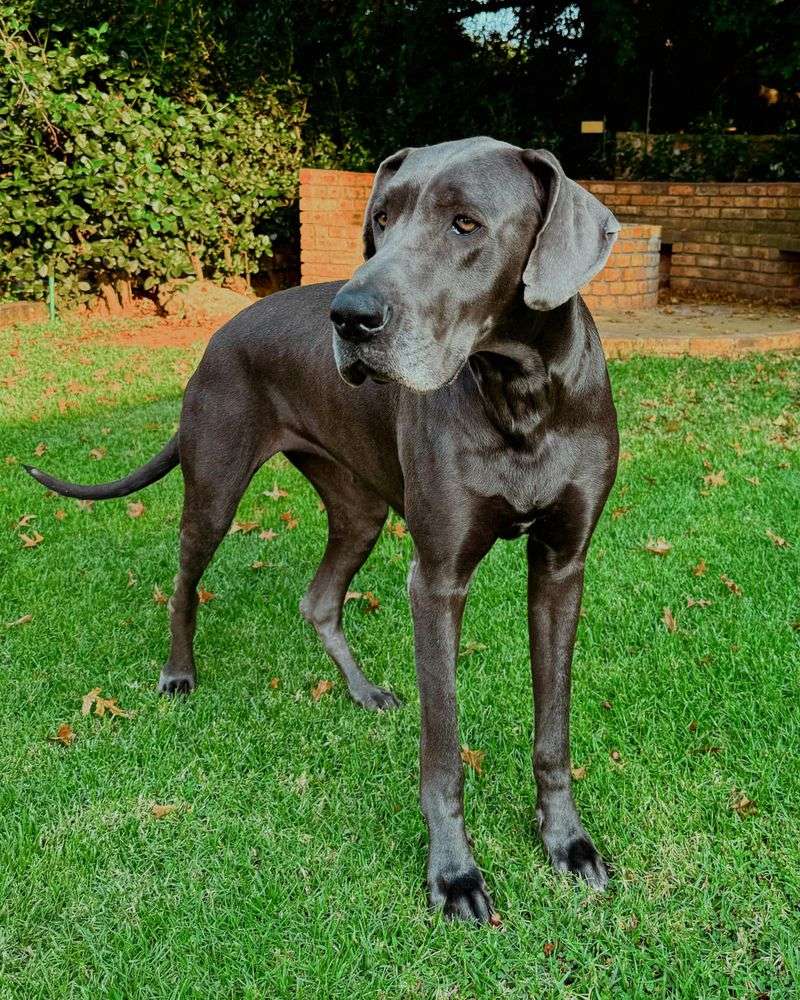
Great Danes are sensitive giants who mirror household energy. Tension can make them whiny, clingy, or awkwardly bouncy, not fully aware of their size.
They respond best to calm leadership and gentle, consistent expectations.
Keep routines steady and guide them to a comfy place during stressful moments. Low-impact exercise, enrichment toys, and quiet time restore equilibrium.
Speak softly, reward calmly, and avoid chaotic play when nerves run high. In a peaceful home, Danes settle into dignified sweetness, leaning in with that famous full-body hug that melts stress away.
Bernese Mountain Dog
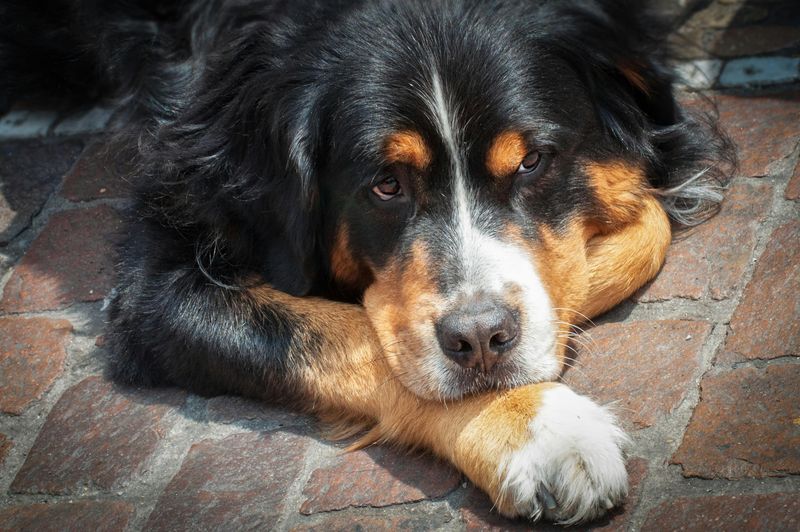
Bernese Mountain Dogs are gentle and people-focused, easily swayed by the home’s emotional weather. Tension can make them drooly, clingy, or hesitant to move through rooms.
Their steady hearts need predictable kindness and patient guidance.
Provide unhurried routines, comfy resting spots, and low-pressure training. Sniffy walks and massage help them decompress.
Keep voices even, and redirect to a settle cue when conflict stirs. In a calm household, Berners shine with soulful devotion, lumbering happily from nap to cuddle and lifting the mood with their peaceful presence.