
If your dog locks onto anything that zips past, you are not alone. Some breeds are practically wired to chase bikes, cats, joggers, and swirling leaves.
Understanding why certain dogs fixate on motion can turn daily chaos into calm, confident walks. Let’s break down the breeds most likely to stare, stalk, and spring, and how you can channel that energy into something amazing.
Border Collie
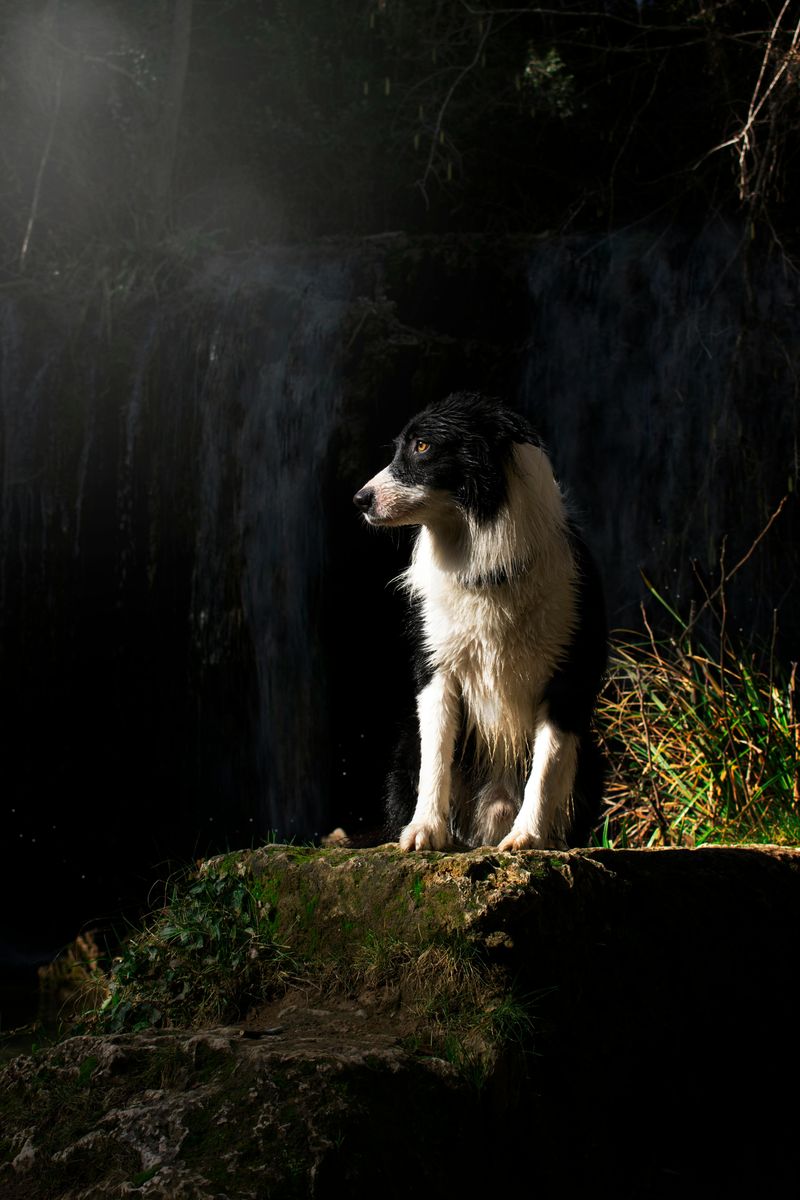
Border Collies are the poster dogs for motion fixation. Bred to manage sheep across fields, they use an intense eye, crouch, and strategic stalking to influence movement.
That laser focus feels impressive, but around city life it can spiral into obsessing over bikes, scooters, and kids.
You can help by giving their mind a job. Structured fetch with rules, scent games, and impulse control drills build thoughtful focus instead of frantic chasing.
Practice Look at That with distance, rewarding calm observation of moving triggers.
Daily decompression walks and strategic rest matter, too. Teach a settle on mat and reinforce check-ins on walks.
With fair outlets and boundaries, that fixation becomes brilliant teamwork and a calmer household.
Australian Shepherd
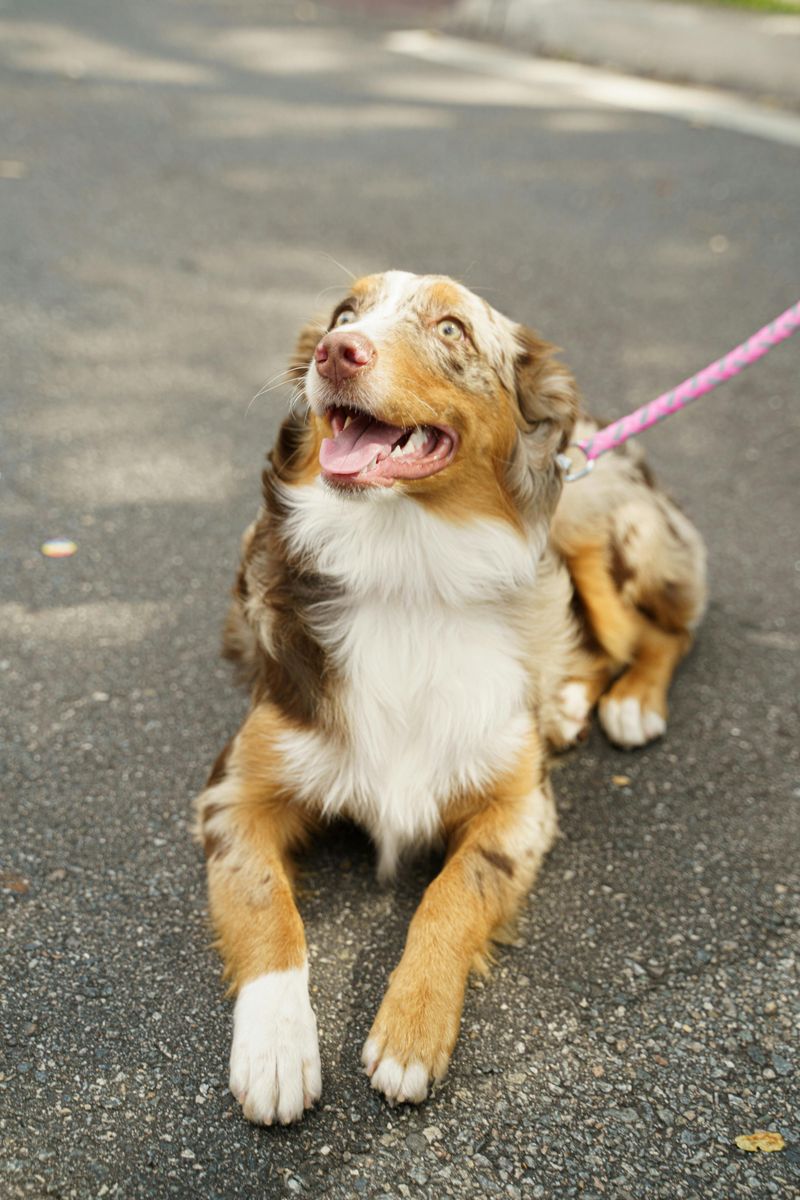
Australian Shepherds are quick thinkers with a herding heritage, so moving things flip their on switch. They may bump, circle, or eye-stalk anything that zips past.
Without guidance, this can become lunging or frantic spinning on leash.
Channel the need to control motion with structured herding-style games that use stop, go, and direction changes. Reinforce heel and a strong hand target so you can redirect before arousal spikes.
Reward calm looking at triggers from safe distances.
Rotate jobs: agility foundations, trick training, and sniffaris to lower cortisol. Use predictable routines and recovery time to avoid constant hyper-vigilance.
With consistent boundaries and brain work, that motion magnetism turns into responsive, joyful partnership.
German Shepherd Dog
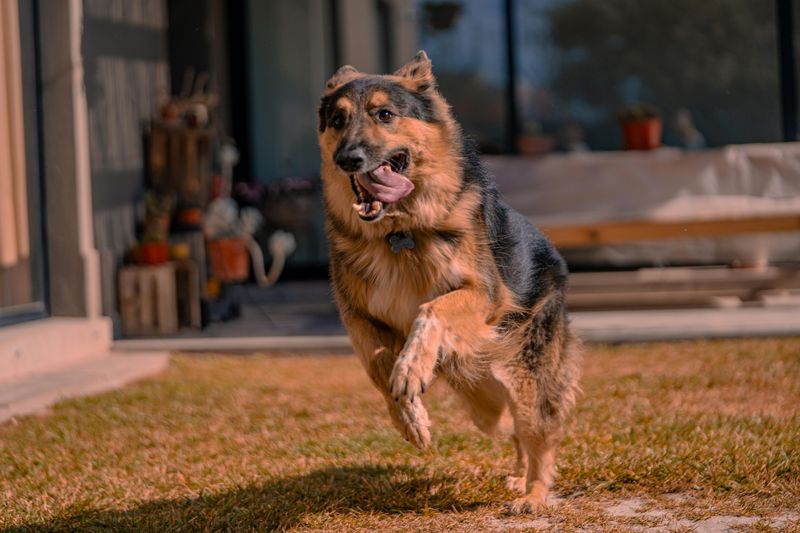
German Shepherd Dogs are bred for utility and vigilance, which can present as tracking every moving thing. That watchfulness is useful, yet it can tip into rehearsed chasing or barking at bikes and skateboards.
Clarity, structure, and impulse control exercises are essential.
Teach focus behaviors like middle position, auto check-ins, and a rock-solid stay. Use pattern games to lower arousal before exposure.
Pair distance with reinforcement so your dog learns that calm observation pays well.
Introduce moving triggers gradually, working under threshold. A sturdy harness and long line help you manage safely while skills grow.
Combine daily decompression, scent work, and balanced exercise to replace fixation with confident, thoughtful engagement.
Belgian Malinois
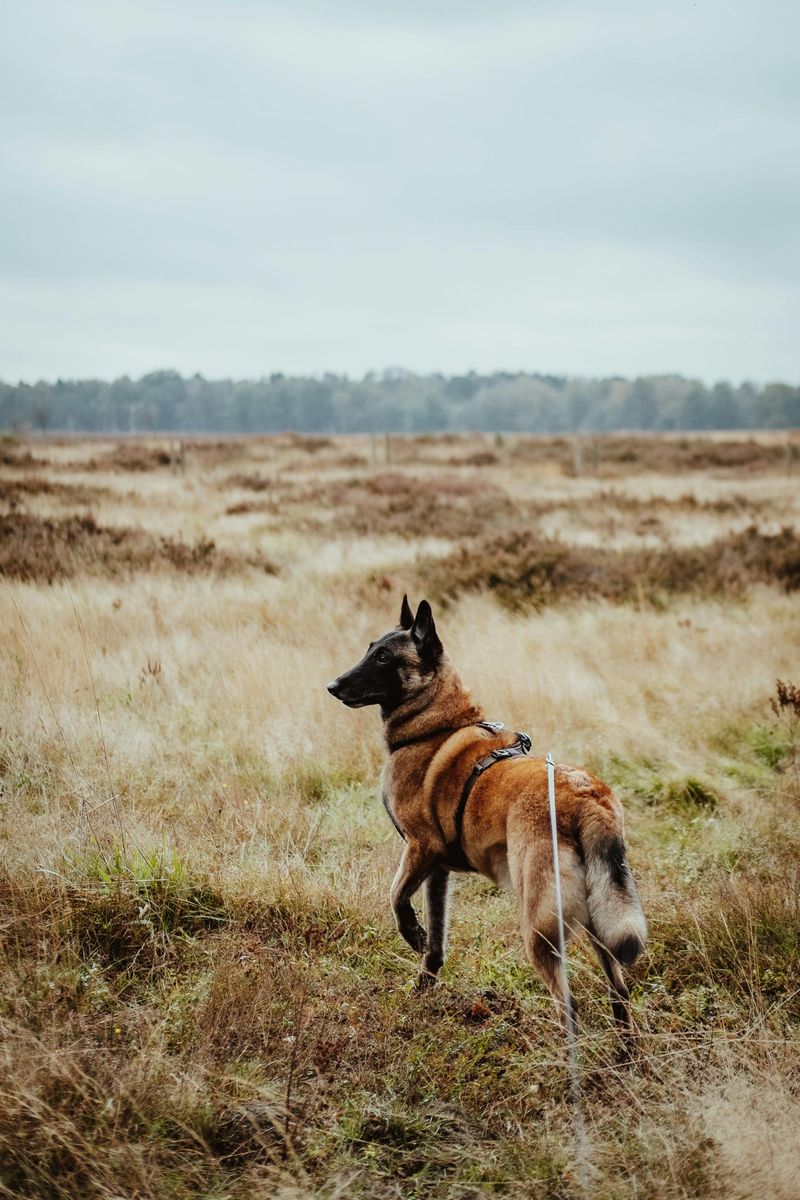
Belgian Malinois are motion-driven athletes with rocket fuel focus. Their genetics reward targeting and pursuit, which is incredible for sport and demanding for neighborhood life.
Without structure, they can latch onto scooters, cars, and cats instantly.
Build foundational obedience with clear markers, precise timing, and capped arousal games. Reinforce disengagement: eyes back to you equals reinforcement.
Introduce moving triggers in layers, practicing behind visual barriers before stepping forward.
Use bite-safe outlets like tug with rules and sprint recalls to release pressure. Short, frequent training keeps thinking engaged without overdosing adrenaline.
With savvy management and daily mental work, that fixation becomes a controllable superpower you can channel responsibly.
Jack Russell Terrier
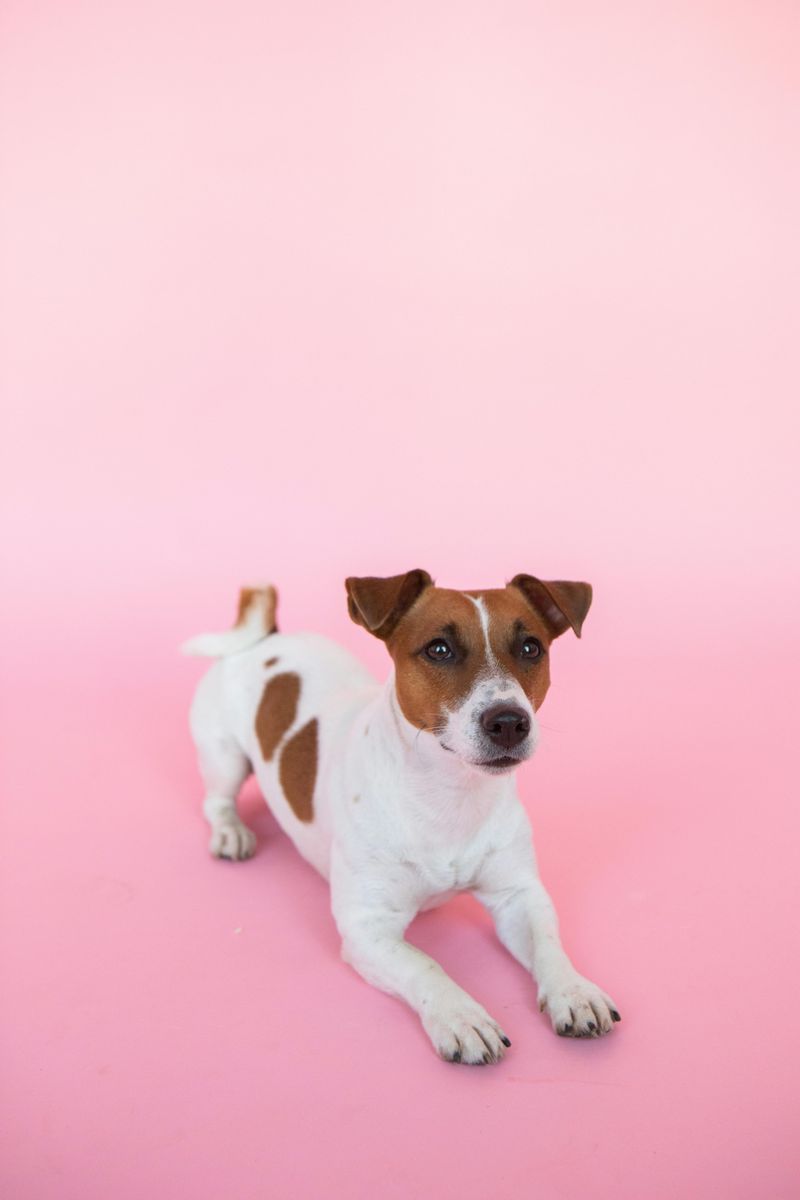
Jack Russell Terriers are tiny sprinters packed with prey drive. Quick, erratic movement flips their instincts faster than you can blink.
If you live near busy sidewalks or lively parks, plan ahead to prevent rehearsed chasing.
Pre-load walks with sniffing to lower arousal before triggers. Train a snappy leave it, hand target, and emergency U-turn.
Reinforce check-ins whenever wheels or squirrels appear at a comfortable distance.
Give daily outlets that satisfy hunting instincts like scent trails, flirt pole with rules, and food puzzles. Keep sessions short and upbeat to prevent frustration.
With consistent practice and safe management, your terrier learns to notice motion and choose you instead.
Australian Cattle Dog
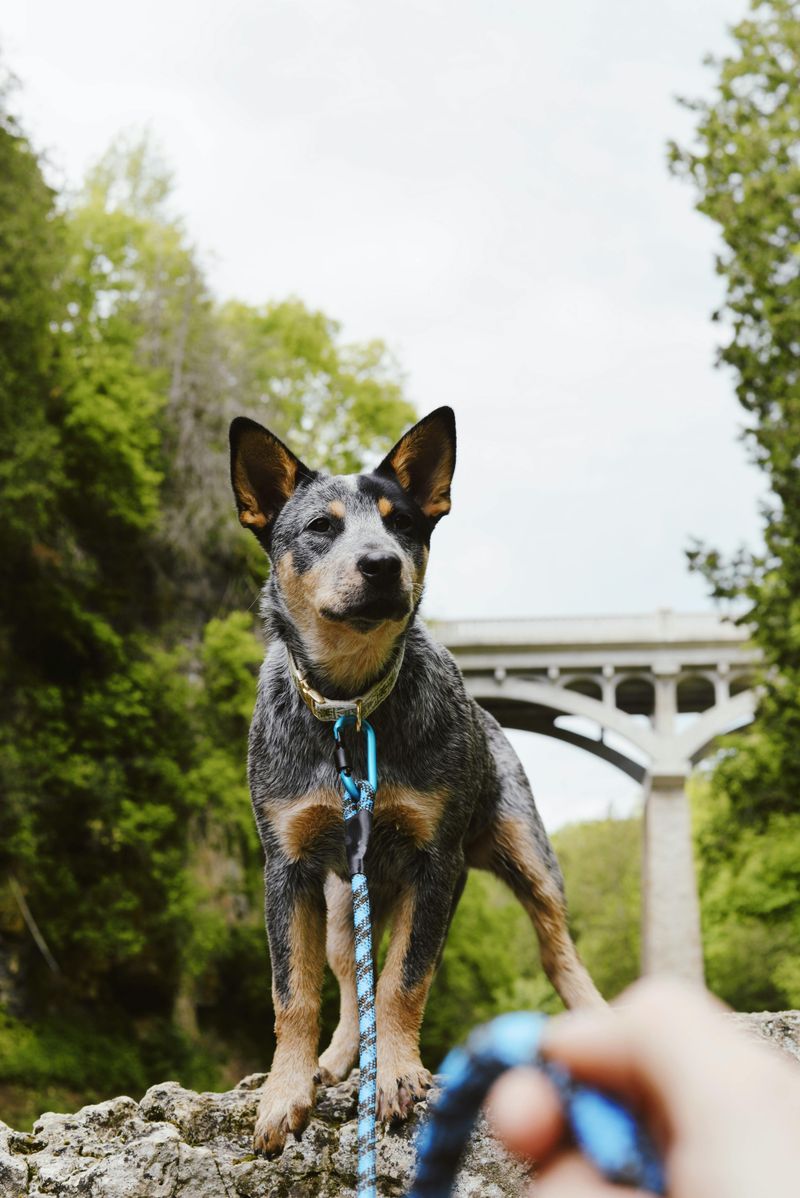
Australian Cattle Dogs were bred to control lively cattle by heel nips and strategic pressure. That skill easily transfers to herding kids, joggers, and bikes if left unchecked.
They often stare, stalk, then dart to influence movement.
Teach stop-go games with clear cues and reinforce stillness as power. Practice look at that and reward calm disengagement from wheels.
Add leash skills like lateral steps and 180 turns to reset brains before arousal spikes.
Provide heavy-duty mental work: shaping tasks, platform training, and structured tug. Mix sprint recalls with decompression walks to balance adrenaline.
With fair expectations and daily jobs, their fixation becomes purposeful focus instead of chaotic chasing.
Whippet
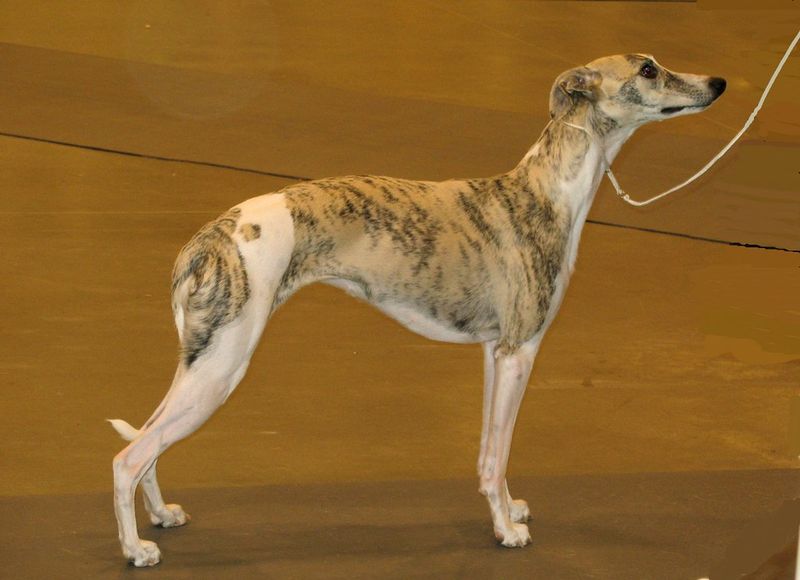
Whippets are sighthounds designed to spot and chase fast-moving prey. Their eyes catch motion at distance and their bodies explode into effortless speed.
In neighborhoods, that means sudden bolt risks if a squirrel dashes or a scooter flashes by.
Use long lines, fenced spaces, and high-value reinforcement to teach check-ins. Practice cueing stillness before releasing into controlled sprints, so on-off switches feel familiar.
Teach a solid collar grab and trade to boost cooperation.
Provide lure coursing or sprint games to satisfy the chase need safely. After speed, add calm decompression to reduce lingering arousal.
With thoughtful management, you keep that elegant athlete satisfied while preventing impulsive, unsafe pursuits.
Greyhound
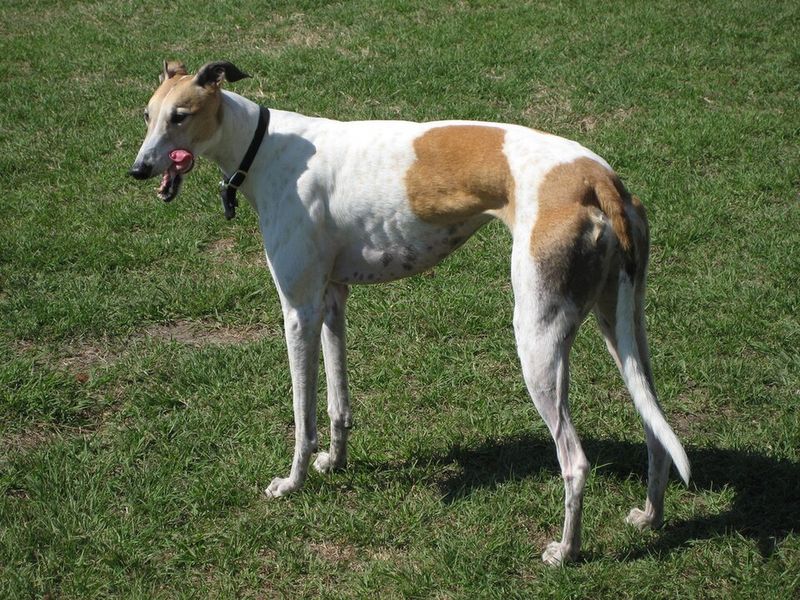
Greyhounds combine keen eyesight with explosive acceleration, so moving objects can trigger hardwired chase. Many retired racers learn to relax, but early on they might fixate on small animals or fast bikes.
Safety and gradual training are key.
Start with distance from triggers and reinforce calm glances back to you. Use a well-fitted martingale and consider a muzzle during early transitions, especially around small fluffies.
Pattern games help keep thinking accessible when arousal rises.
Offer controlled sprint sessions followed by quiet sniff walks. Teach a reliable recall with generous reinforcement and minimal pressure.
Over time, they learn that noticing motion does not equal chase, and life becomes beautifully peaceful.
Siberian Husky

Siberian Huskies are built for forward motion and love to pull, which makes moving things irresistible. That pull can escalate into fixation on runners, wildlife, or bikes.
Without outlets, you get nonstop scanning and sudden lunges.
Give appropriate pulling jobs with a harness on specific cues, then train off switch cues for regular walks. Reinforce loose leash and nose to ground sniffing as alternate behaviors.
Use distance, timing, and food to reward calm observation.
Provide cardio in safe ways: canicross, scooter joring, or long-line hikes. Add mental tasks like tracking and scatter feeding to reduce arousal.
With structure and routine, your Husky learns to channel energy without chasing everything that moves.
Doberman Pinscher
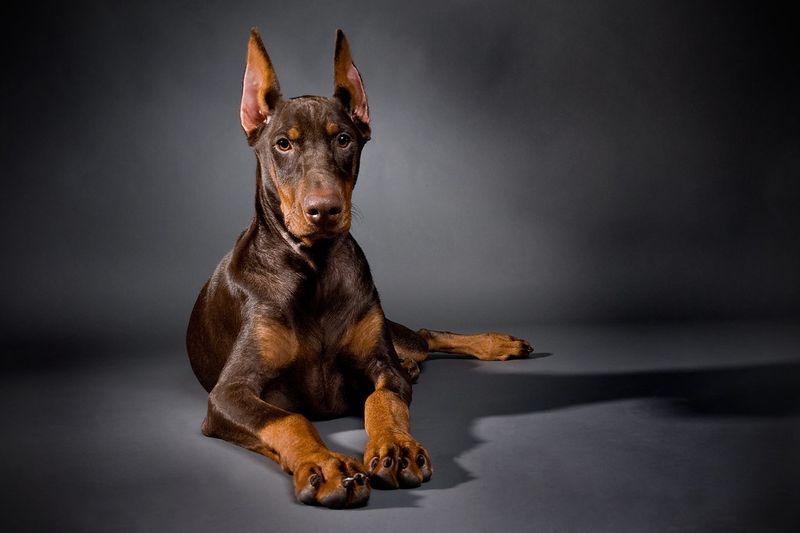
Doberman Pinschers are vigilant guardians with fast response times, so motion can cue investigation and control. They may track cyclists or joggers with intensity, then surge if arousal spikes.
Clear criteria and impulse work prevent rehearsed lunges.
Teach precision heel, auto check-ins, and a default sit when movement appears. Reinforce calm scanning followed by looking back to you.
Use strategic distance, then close the gap only when engagement stays effortless.
Mix power outlets like controlled tug with decompression and sniff walks. Keep training short, clear, and upbeat to avoid frustration.
With consistent leadership and meaningful jobs, your Doberman learns to notice motion, choose composure, and stay responsive.