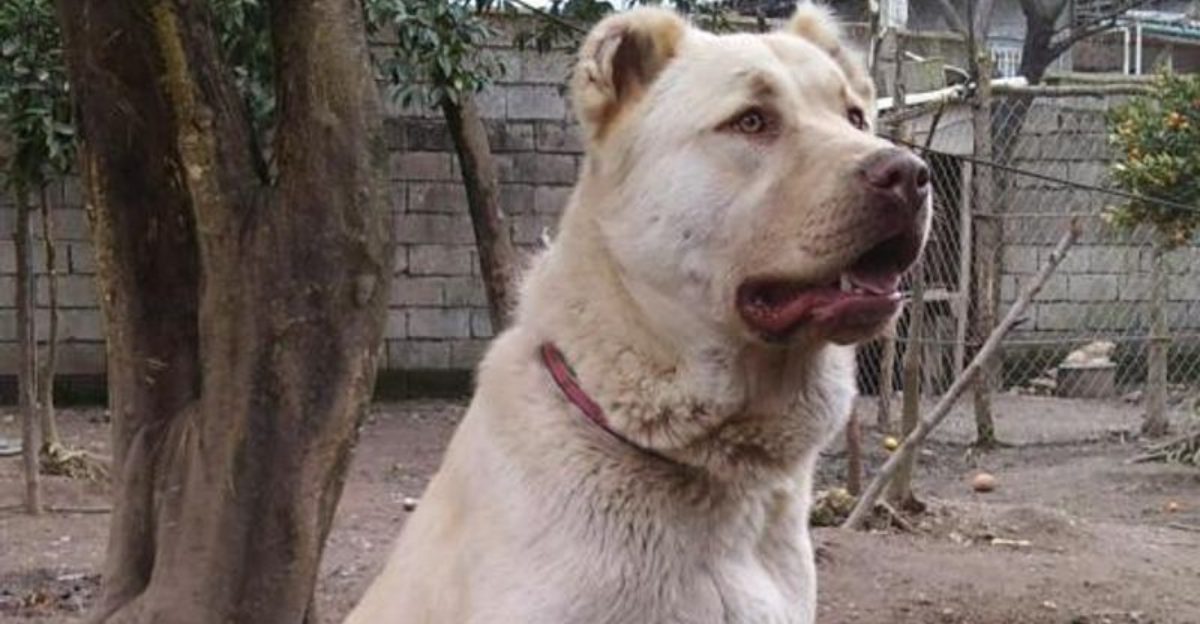
Some dogs light up a screen, while others quietly slip into the background. The breeds here are incredible in real life but never quite clicked with the lens or the limelight.
You will discover sturdy guardians, stealthy scenthounds, and rugged herders whose strengths rarely translate to splashy footage. Keep reading if you prefer authenticity over showy tricks and glossy studio moments.
Chongqing Dog
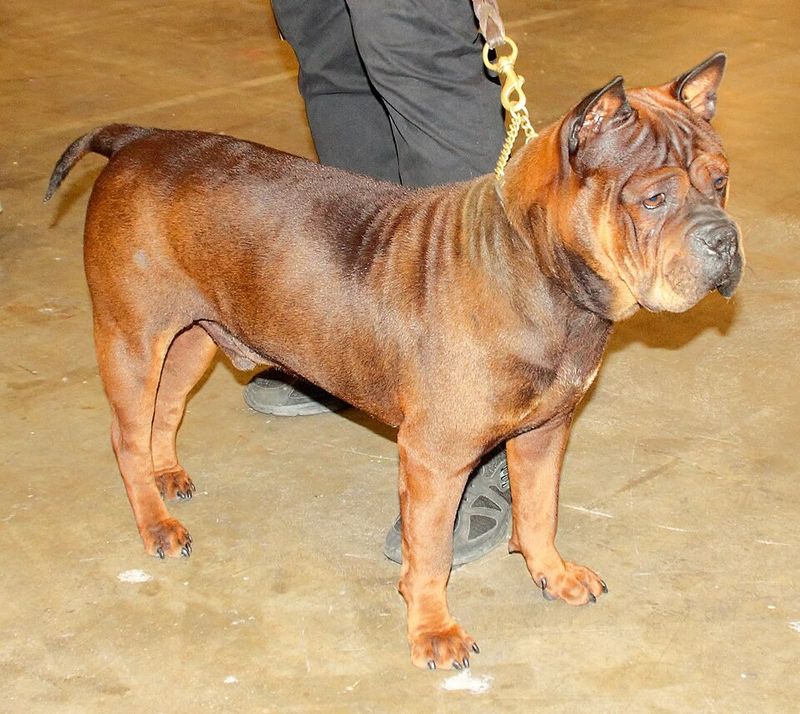
The Chongqing Dog carries a stern, almost statuesque presence that cameras often flatten. Its brick red coat and sparse hair can look patchy under harsh lighting, giving an unfair impression.
On set, this breed reads aloof, because it saves affection for trusted people, not strangers with booms and lights.
What makes the dog remarkable is its unblinking focus and territorial duty, which do not translate to playful footage. Quick, efficient movements confuse camerawork, since there are few big gestures to capture.
You will notice purpose in every step rather than theatrical charm.
Authenticity rules here. If you want attention seeking antics, look elsewhere.
If you value quiet loyalty, this dog performs exclusively for you, not the camera.
Xiasi Dog
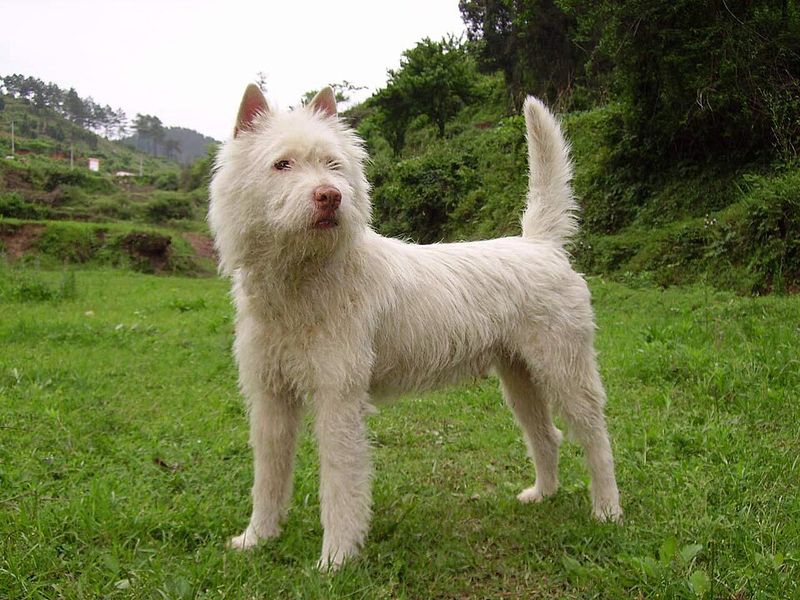
The Xiasi Dog is built for endurance hunts, not glossy portraits. Its coarse, wiry coat can look unruly on camera, especially when humidity lifts stray hairs.
Cameras chase expressions, but this dog works in quiet bursts of calculation, scanning terrain with minimal fuss.
Directors ask for repeatable beats, yet the Xiasi excels at improvisation in real landscapes. It reads micro signs from wind and ground, moments that look like stillness on screen.
You might miss the brilliance unless you are right beside it.
Its gifts live in function. Filming strips context, leaving a plain silhouette.
In person, though, you feel a steady pulse of intention that no stage direction can summon on cue.
Bakharwal Dog
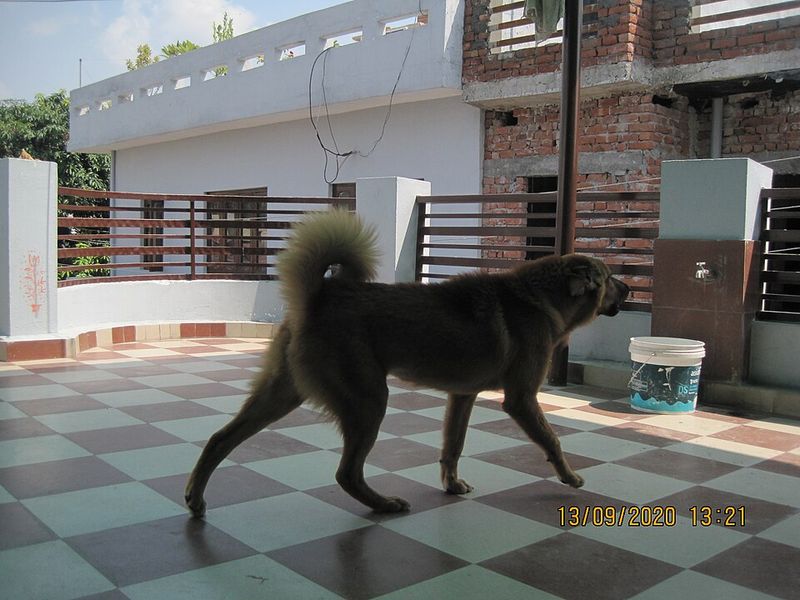
The Bakharwal Dog is a guardian of flocks and routes, tuned to silence and watchfulness. On camera, silence reads as empty space, not confidence.
Its thick coat can blow out highlights, and its dark eyes vanish under heavy brows, hiding emotion in a frame.
This breed does its best work at distance, scanning horizons where lenses crave close ups. Repetition for a second take feels meaningless to a dog that reads purpose, not performance.
You will notice a steady orbit around responsibility rather than stunts.
Producers often crave wagging charisma. The Bakharwal offers calm resolve and immovable duty.
That will never trend, but it will protect what matters when the crew packs up and leaves.
Bhutanese Sheepdog
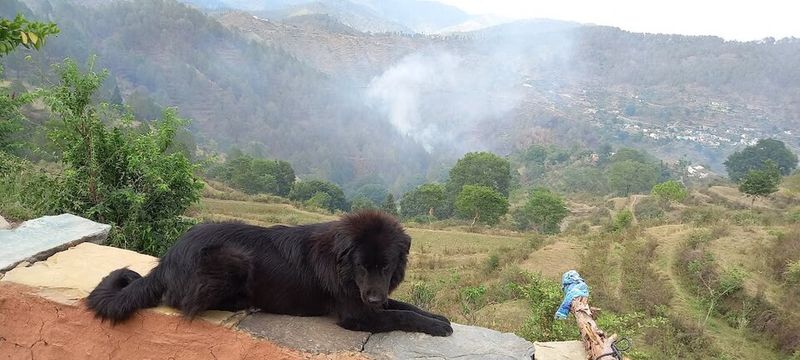
The Bhutanese Sheepdog thrives in demanding altitudes, where cameras struggle with fog and uneven light. Its dense coat masks expressions, so subtle signals vanish in footage.
Directors want big cues, while this dog communicates in tiny head tilts and patient tracking.
It is a partner to herders, not a prop. Asking for repeated marks clashes with a working mindset that prioritizes terrain and flock.
You will see grit, not theatrics, and that is exactly the point.
In person, presence radiates from its quiet stance. On screen, that resolves into a neutral silhouette.
Reward comes when you trust it to do the job, not when you ask it to play to the lens.
Himalayan Sheepdog
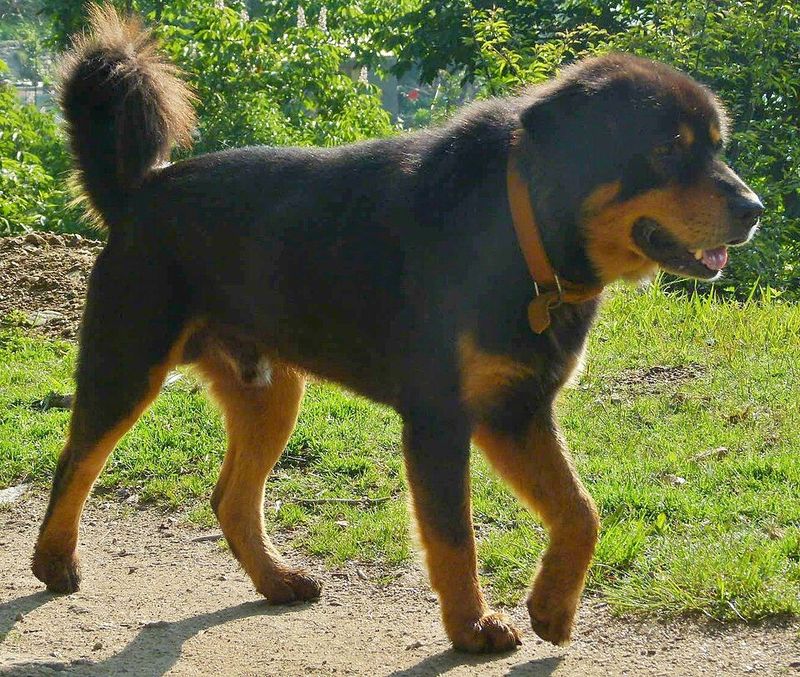
The Himalayan Sheepdog looks heroic in person, but footage often flattens its mass and muffles expression. Its coat absorbs light unevenly, creating muddy frames.
Directors seeking bounce and pep forget this dog measures energy, saving it for real work.
It guards, guides, and decides without drama. On camera, that control reads as low energy, which is unfair.
You will notice selective responsiveness, because it answers to purpose rather than applause.
When weather turns, the dog shines, though cameras hate sleet and glare. It will not redo a take if the job is done.
Let it keep its dignity, and the mountain will tell the story better than any studio.
Kuchi Dog
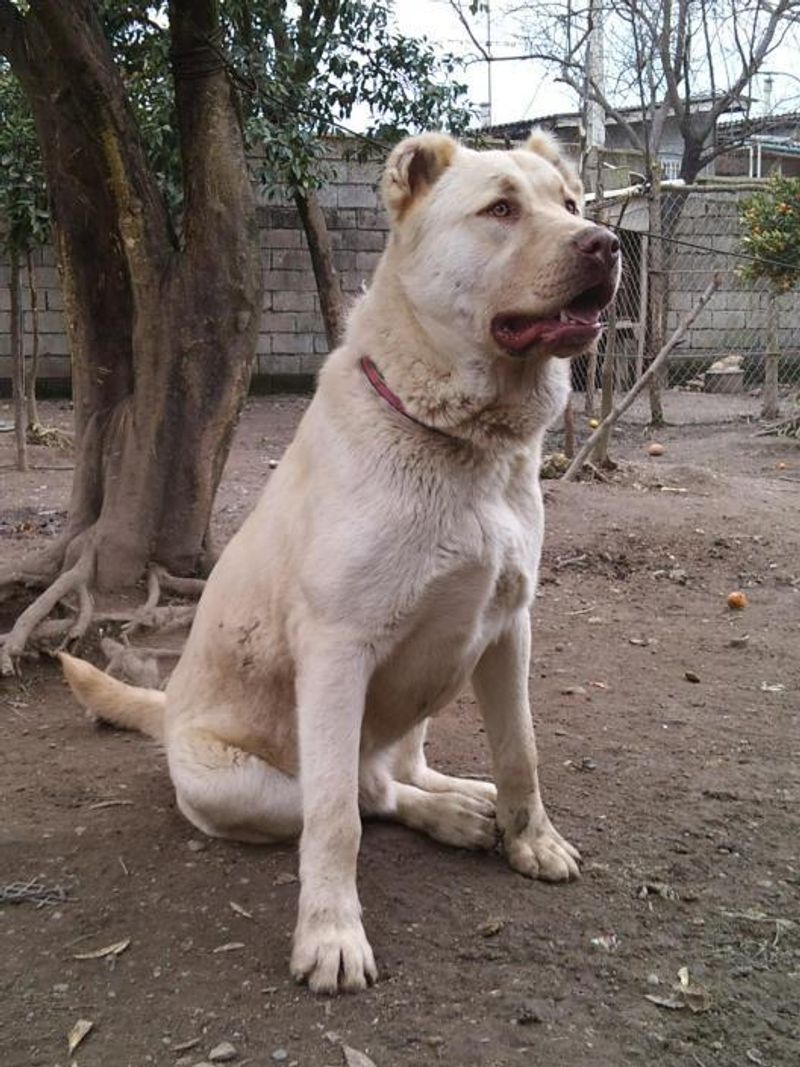
The Kuchi Dog is tuned to independence from nomadic life, not stage cues. Camera teams read independence as stubbornness, yet it is simply judgment honed by miles.
With strangers, the dog holds back, so lenses capture reserve instead of warmth.
Movement is efficient and economical, offering little showmanship. Directors ask for repeated actions, but the Kuchi dislikes pointless loops.
You will see a dog that assesses and proceeds, especially when livestock or boundaries need guarding.
Its charisma is situational, blooming only when trust forms. On screen, that slow reveal gets cut for time.
In the real world, patience pays off with fierce loyalty and practical brilliance.
Karakachan Dog
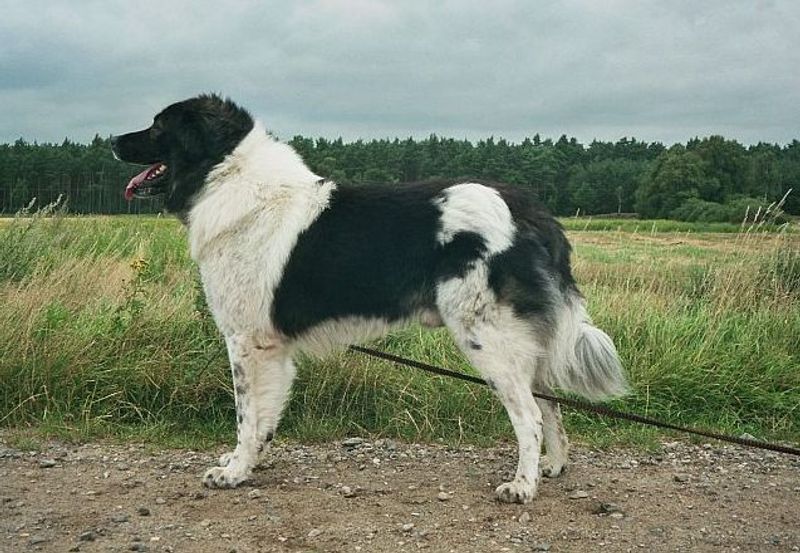
The Karakachan Dog projects a stoic calm that cameras misread as indifference. Its thick coat and broad head create heavy shapes that swallow eye highlights.
Editors crave emotive close ups, but this dog gives distance, scanning flock lines instead of the lens.
It hates repetition without purpose, so direction feels pointless. You will notice it takes positions rather than cues, always choosing the high ground or gate.
That tactical instinct disappears when framed too tight.
In person, the dog radiates a do not worry message. On screen, it becomes a quiet boulder.
Trust that rock, because it will anchor chaos long after the camera battery fades.
Greek Harehound
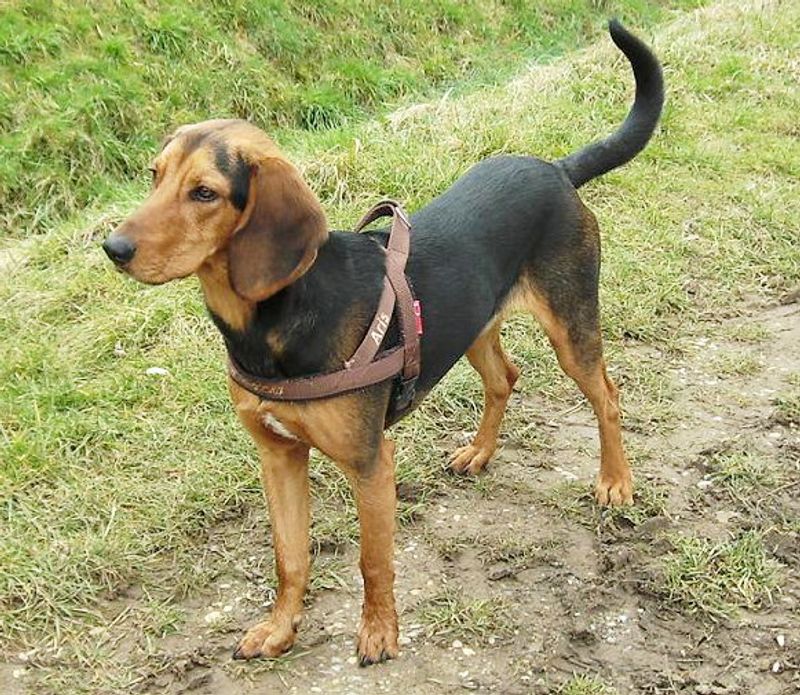
The Greek Harehound lives through scent first, sight second, which complicates filming. It puts its nose down and vanishes from frame, because the trail matters more than marks.
Directors want eye contact, yet this hound gives the ground its full attention.
Its voice carries beautifully in hills, but microphones clip the bay or drown it in wind. You will notice decisive pivots that confuse camera operators.
The dog communicates with terrain, not with viewers.
As a teammate, it is thrilling. As a star, it refuses the spotlight.
Let it hunt the story, and accept that the best moments happen just out of frame where it wins quietly.
Bosnian Broken-Haired Hound
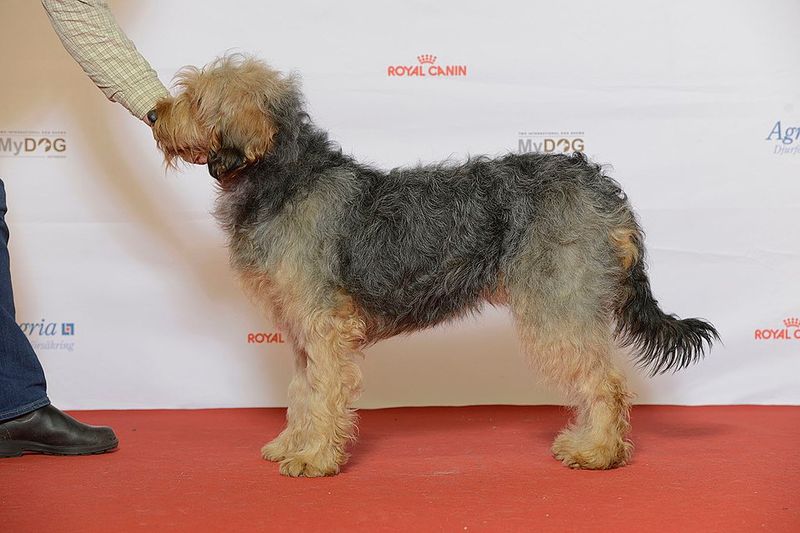
This hound’s bristly coat reads messy under studio rigs, even though it is perfect for wet brush. The camera chases facial drama, but this dog tells stories through cadence and nose.
You will see steady arcs through cover rather than expressive close ups.
Its best scenes are muddy, where gear hates to go. Repeating a track confuses scent lines, so reshoots lose authenticity.
Directors struggle when the dog insists on the honest path instead of a stagey one.
Give it a radius and purpose, then step back. The footage may look plain, but the work is masterful.
Trust your eyes on location, not the monitor’s craving for gloss.
Serbian Yellow Hound
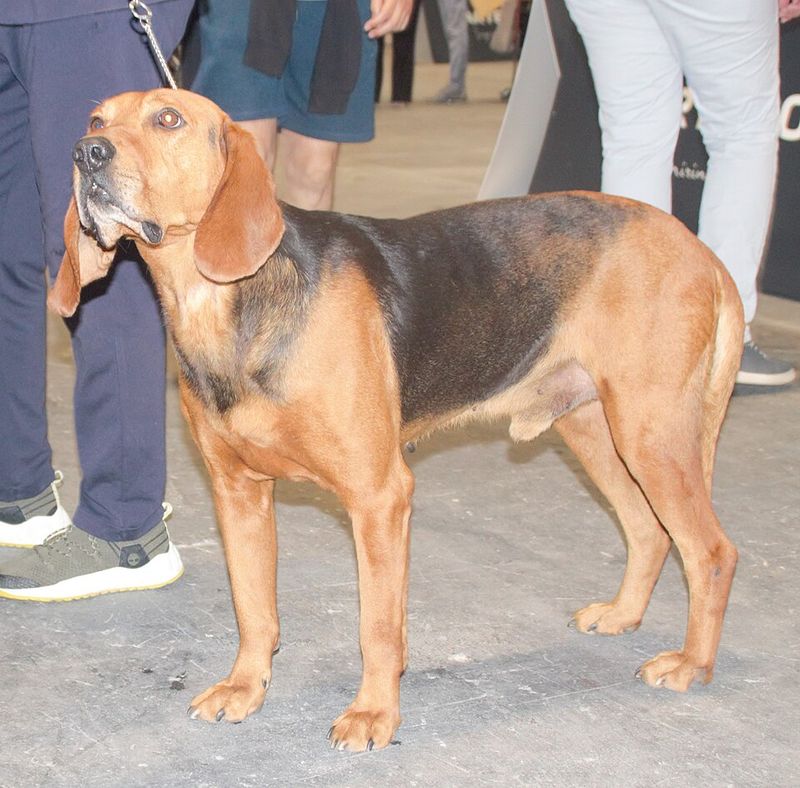
The Serbian Yellow Hound shines in motion, but camera crews chase control. It runs smart lines, which turn into streaks on screen without multiple cameras.
Close ups miss the big picture of how it reads the forest.
Its color glows in real sunlight, yet artificial lights wash it flat. You will notice brief flashes of brilliance that vanish before a cue can be called.
This dog works with time, not takes.
Ask for honesty and you will get it. Ask for performance and you may get stillness.
The best footage happens when you stop forcing marks and simply follow the rhythm it already understands.