
Letting your dog run free at the park feels like a dream, but some breeds see an open field as a ticket to adventure. Their noses, legs, or independent minds can pull them far away in seconds.
Knowing your dog’s natural instincts can keep them safe and save you a lot of worry. Here are ten breeds that need extra thought before unclipping the leash, plus three that usually stay close.
Siberian Husky: Born to Run Far
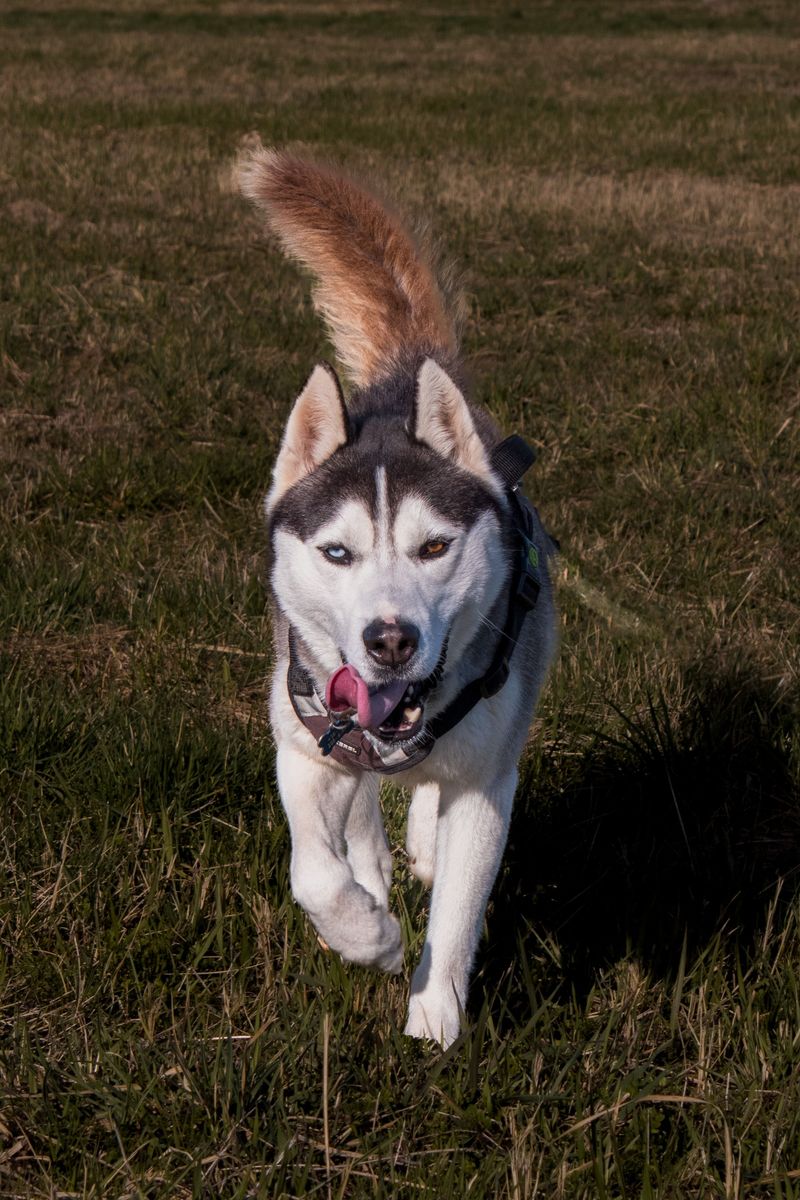
Picture a dog bred to pull sleds for miles across frozen Siberia. That drive never really turned off.
Huskies love to run, and they often run straight past the point where they can hear you calling.
Many owners swear their Husky is different, until a squirrel appears. A long training line or a fully fenced area is a smarter choice.
Bonus tip: check fences for gaps, because these clever escape artists dig and climb.
Beagle: A Nose With a Dog Attached
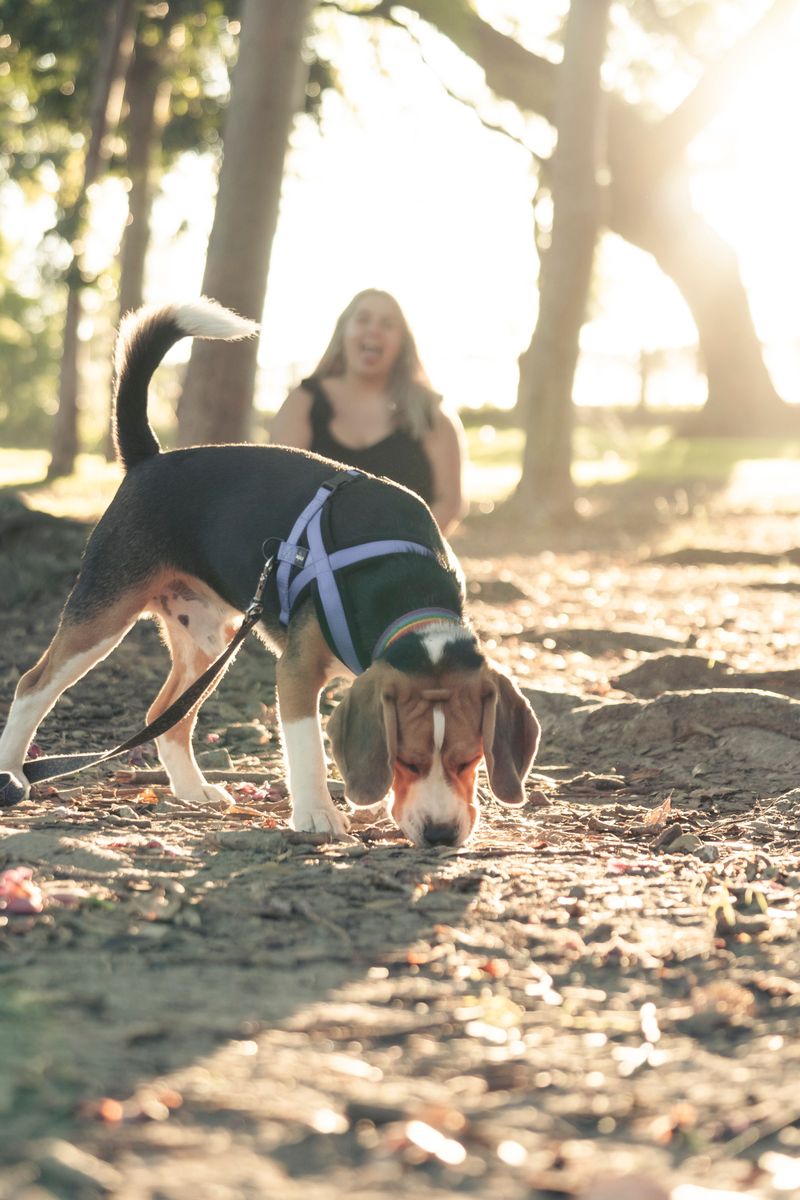
Ever tried talking to someone wearing headphones? Calling a Beagle on a fresh scent feels exactly like that.
Their noses hold around 220 million scent receptors, and once one catches a rabbit trail, your voice becomes background noise.
Beagles are sweet and silly, but they follow smells, not people. Practice recall with super tasty treats in safe spaces.
For hikes, keep a leash on and let them sniff freely within its length.
Shiba Inu: The Cat in a Dog Suit
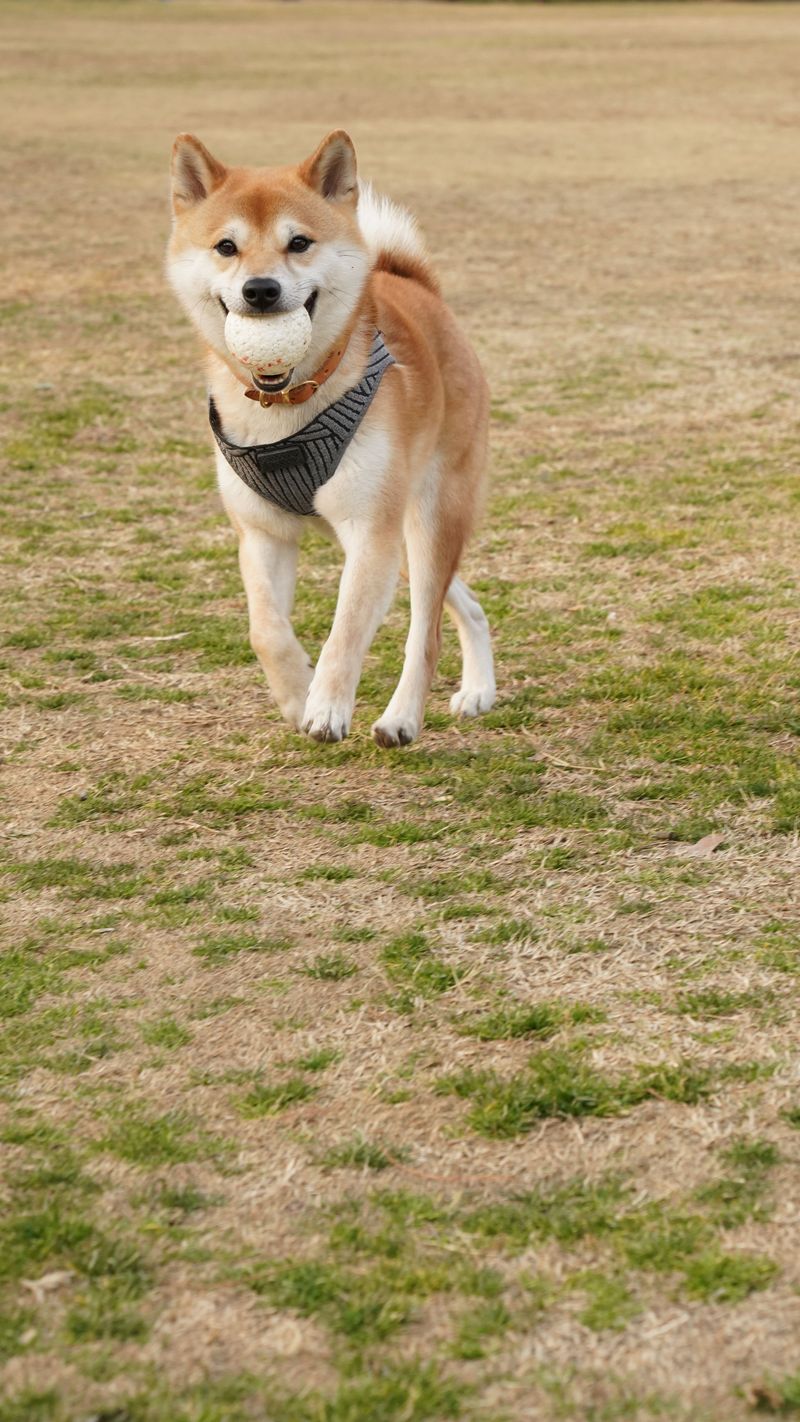
Shiba owners often joke that their dog hears every command and simply decides to ignore it. From Japan’s mountains, these small hunters were bred to think for themselves.
That independence is charming at home. Outdoors, it can mean a Shiba trotting off with zero interest in coming back.
Most trainers suggest treating off-leash time as a rare privilege. A fenced yard and plenty of mental puzzles help keep their busy brains satisfied.
Jack Russell Terrier: Small Body, Huge Mission
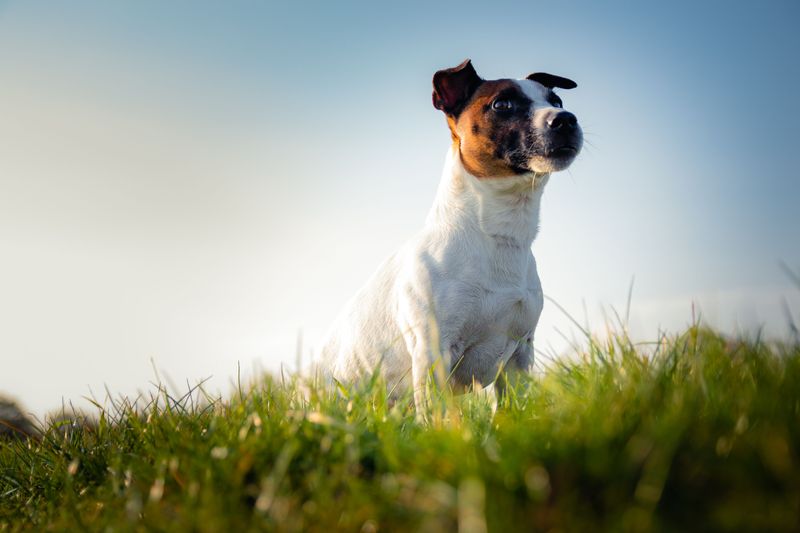
Here is a fun fact: Jack Russells were bred in England to chase foxes into underground dens. Today, that same fearless spirit sends them sprinting after squirrels, cats, and blowing leaves.
Don’t let their size fool you. These pint-sized rockets are fast, bold, and stubborn when prey is near.
Burn off their energy with fetch, tug games, and agility drills. A tired terrier listens much better than a bored one, though a leash remains wise near roads.
Dachshund: Tiny Legs, Big Determination
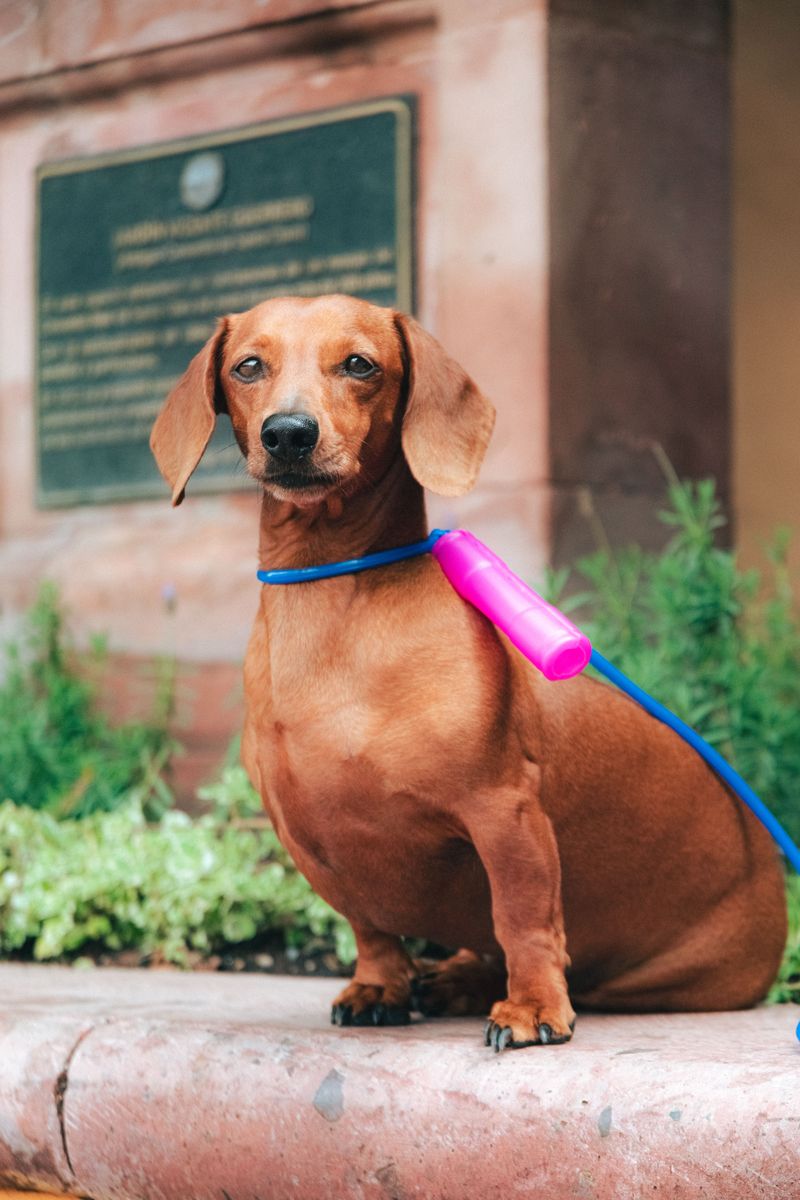
The name says it all. Dachshund means badger dog in German, and these low-riders once tackled badgers in their burrows.
So when a Doxie spots a chipmunk hole, expect digging, barking, and selective hearing. They may be short, but they cover ground surprisingly fast, and their stubborn streak makes recall tricky.
Keep sessions short and full of rewards. Also protect that long back by avoiding big jumps during their outdoor adventures.
Greyhound: Gone in a Blink
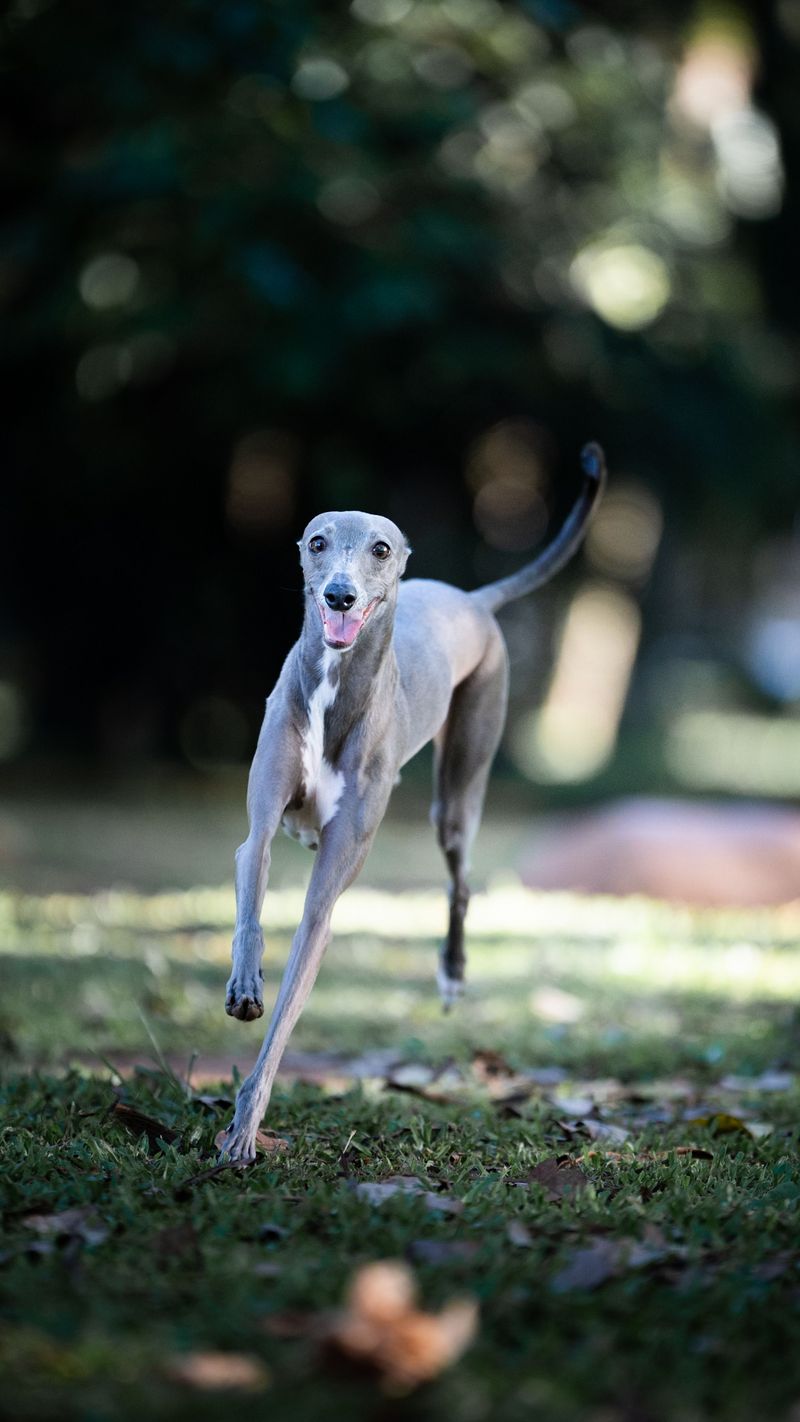
Forty-five miles per hour. That is how fast a Greyhound can run, and it only takes a few seconds to get there.
At home, these gentle giants are famous couch potatoes. But sighthounds chase what moves, and a fleeing rabbit can trigger a sprint before they even think.
By then, they could be across a busy road.
Many adoption groups advise never letting them off leash in open areas. Fenced dog parks give them safe zoomies.
Alaskan Malamute: The Powerful Wanderer
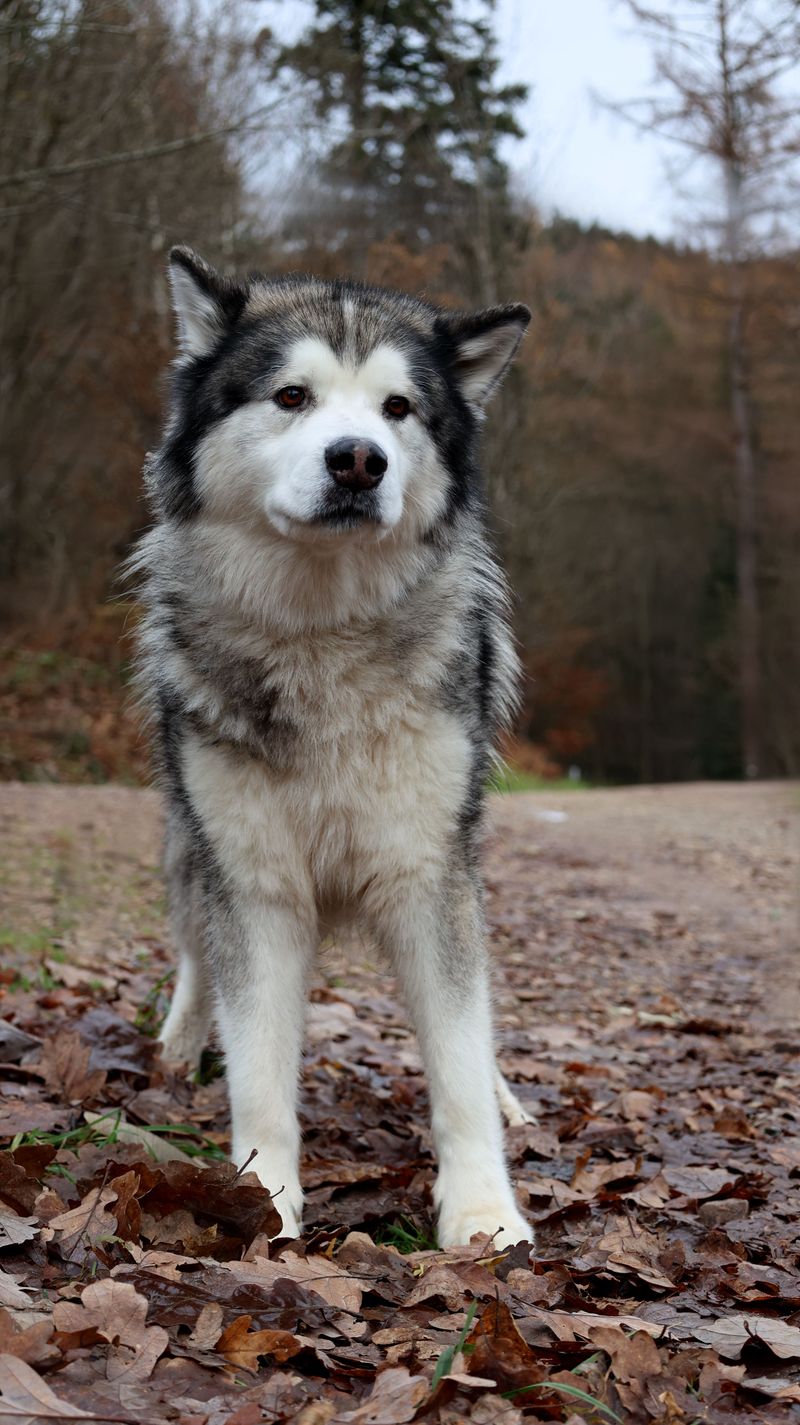
Imagine hauling heavy freight across Arctic ice for hours. Malamutes did exactly that for the Inuit people, building strength and stamina that still surprise owners today.
Bigger and more stubborn than Huskies, they love to roam and explore on their own terms. Calling them back can turn into a long negotiation.
Give them a job instead. Pulling a cart, backpacking, or skijoring channels their energy, and a sturdy harness keeps adventures safe and connected.
German Shorthaired Pointer: The Tireless Hunter
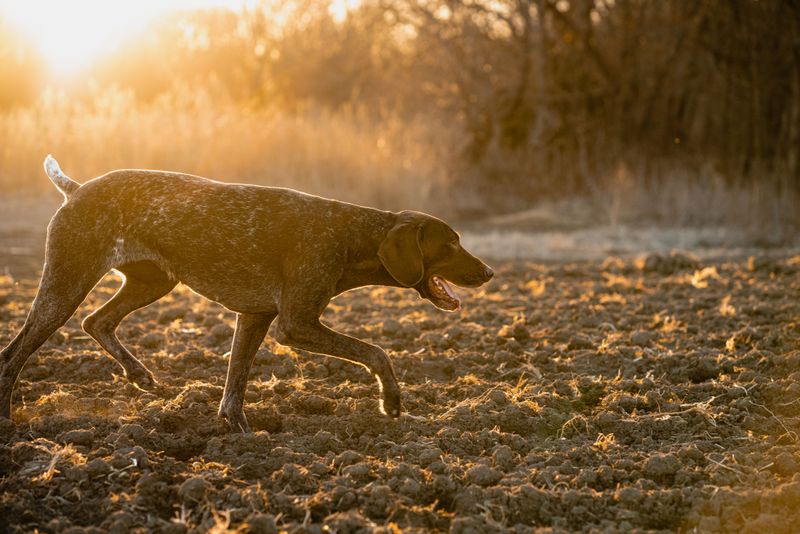
Hunters love these dogs for one big reason: they cover huge distances searching for birds. That same talent can make a casual park walk feel like chasing a rocket.
GSPs are smart and eager, yet their hunting focus is intense. Once they lock onto a scent, distance means nothing to them.
Training with a whistle and a long line works wonders. Daily running, swimming, or fetch helps keep this athlete calm and connected.
Rhodesian Ridgeback: The Lion Tracker
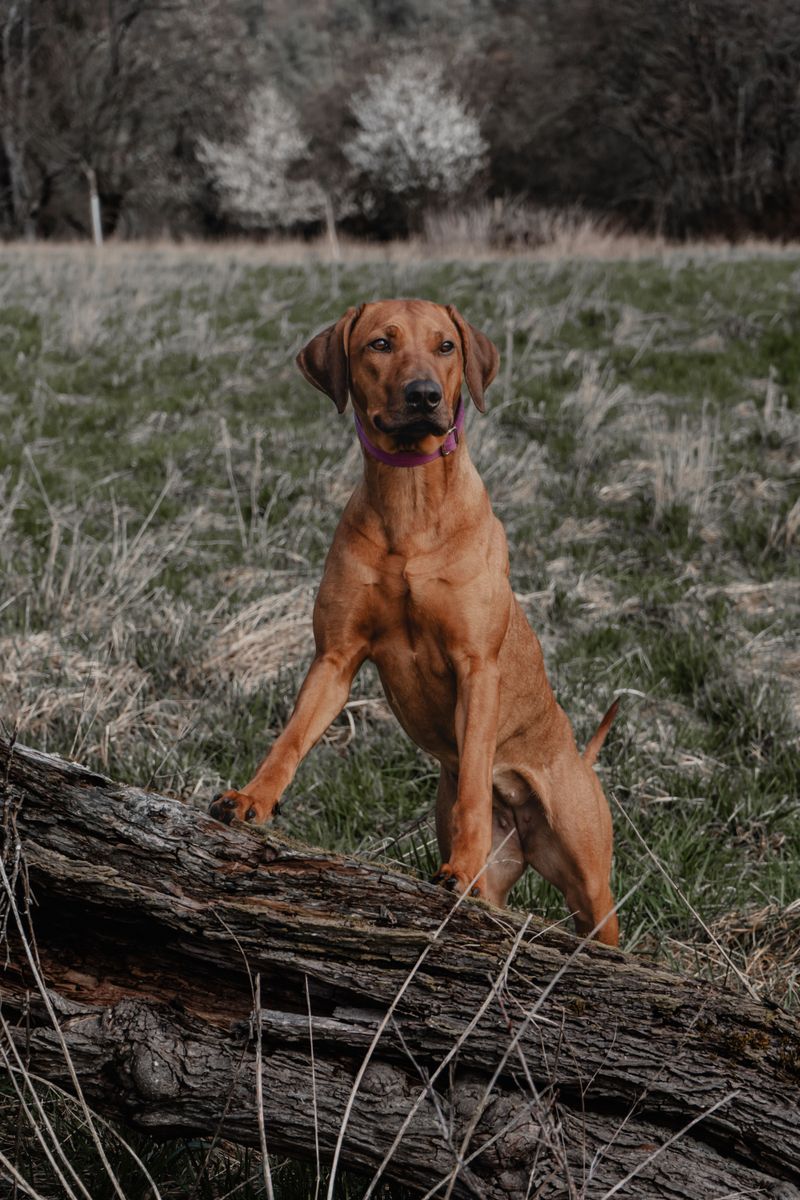
Back in southern Africa, Ridgebacks helped hunters track lions. Yes, actual lions.
That history gives them courage, speed, and a mind of their own.
They are loyal to family but famously independent. If something interesting moves in the distance, a Ridgeback may decide to investigate first and listen later.
Start recall training early with patience and positive rewards. Harsh corrections backfire with this sensitive breed, so keep things upbeat and consistent.
Weimaraner: The Gray Ghost on a Mission
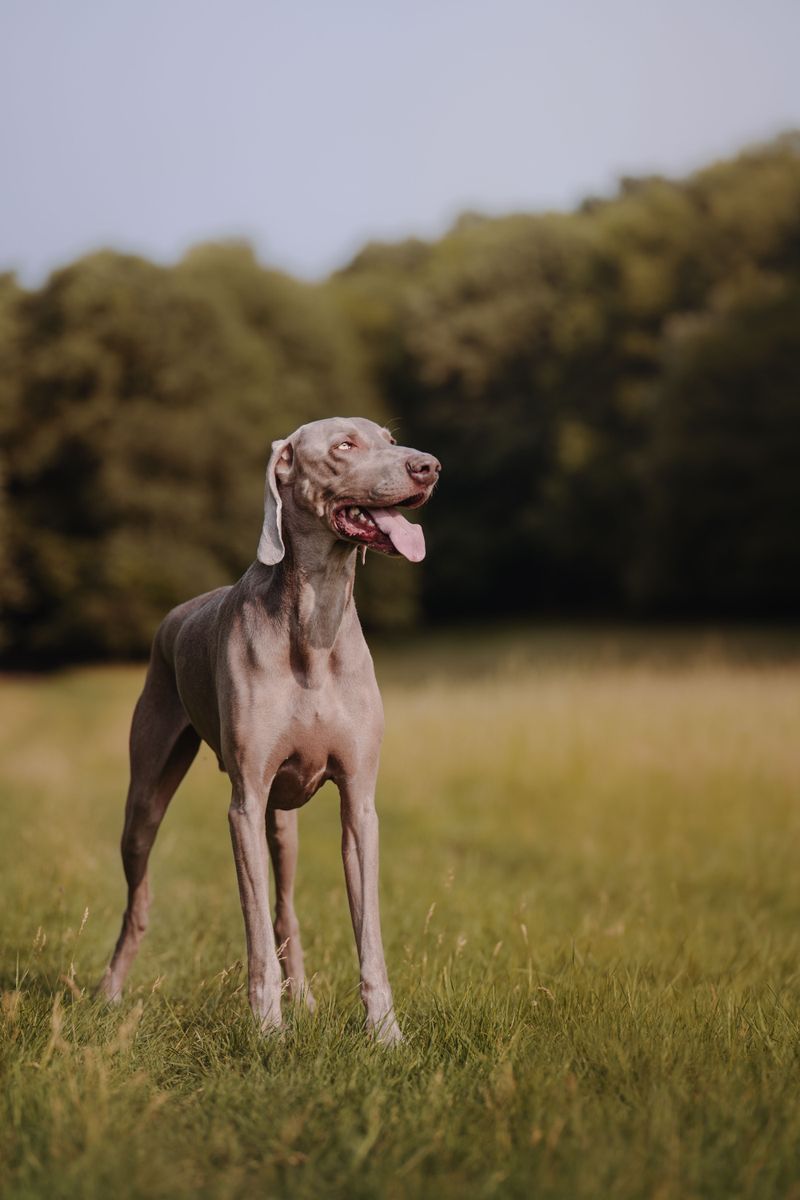
Nicknamed the gray ghost, the Weimaraner was bred by German nobles to hunt large game. Their silvery coat looks elegant, but underneath is a high-energy hunter.
Weims bond closely with their people, sometimes too closely, yet prey drive can still win out over loyalty. A deer sighting might send them flying.
Plan for at least an hour of hard exercise daily. Structured games like scent work give their sharp brains something useful to do.
Border Collie: Always Watching You
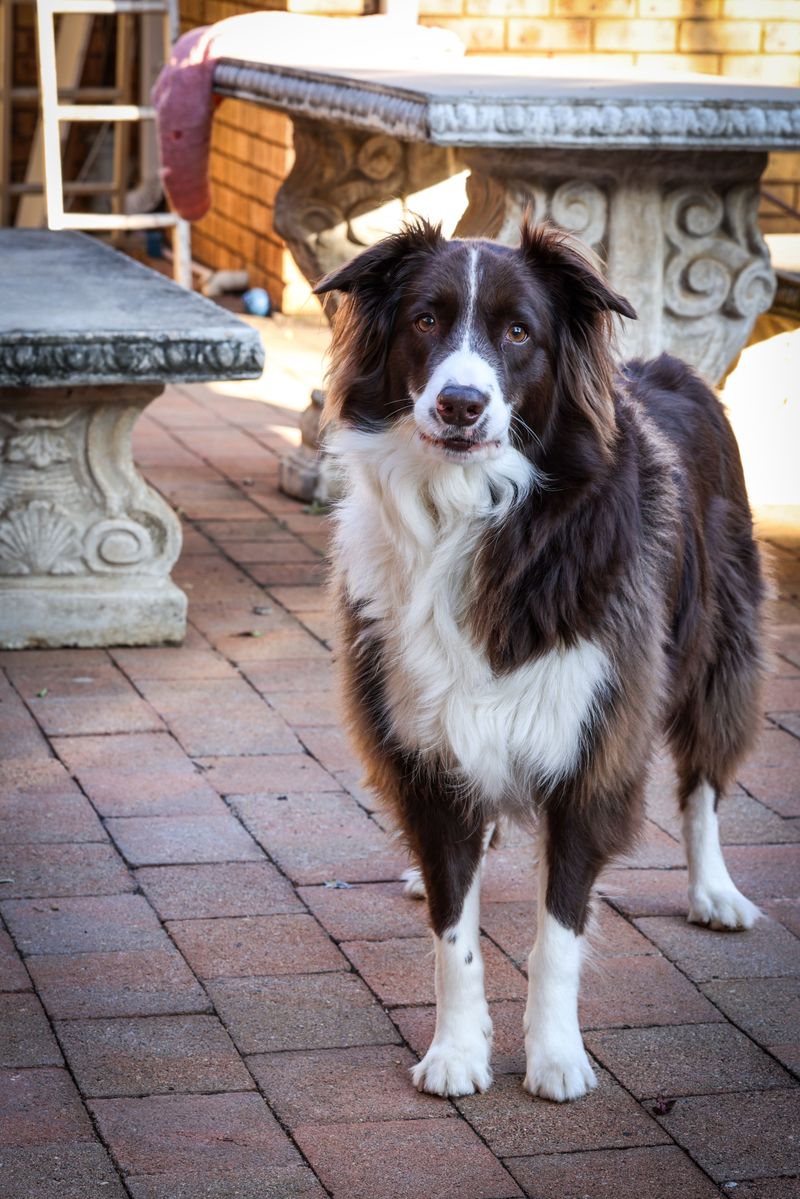
Watch a Border Collie at work and you’ll notice something special. Their eyes rarely leave the shepherd, waiting for the next signal.
Bred to herd sheep across Scottish hills while following whistles, they naturally check in with their handler. Many learn recall incredibly quickly.
One warning, though. Bored collies may herd cars or bikes, so give them daily tasks, training games, and frisbee sessions to keep that brilliant mind happy.
Labrador Retriever: Happy to Come Back
Did you know Labradors actually come from Newfoundland, not Labrador? Fishermen there needed dogs that would fetch nets and return them every time.
That retrieving heart makes Labs natural boomerangs. They love being near people and usually bounce back for praise or snacks.
Still, water and food can tempt them away. Teach a strong recall early, and carry treats, because a Lab will do almost anything for a tasty reward.
German Shepherd: Your Loyal Shadow
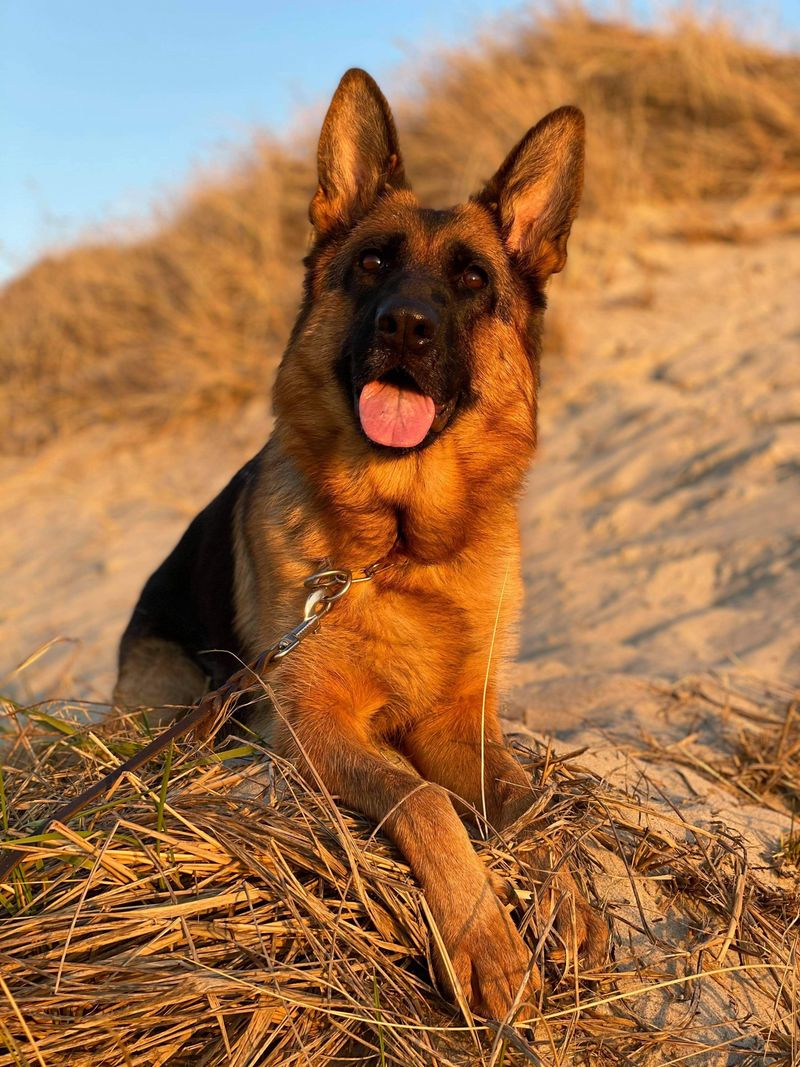
There’s a reason police and service teams choose German Shepherds. These dogs are wired to work closely with one person and stay alert to their every move.
Many Shepherds naturally hover nearby, keeping an eye on their family during walks. Their intelligence makes commands like come and stay easy to teach.
Socialize them well, though. A protective Shepherd should feel calm around strangers and other dogs before enjoying off-leash time in public spaces.