
Some dogs love everyone they meet. Others are more careful and feel safest with their own people.
Knowing which breeds can be reserved helps you set up kind, stress-free greetings. With the right plan, these thoughtful pups can relax and show their sweet side.
Akita
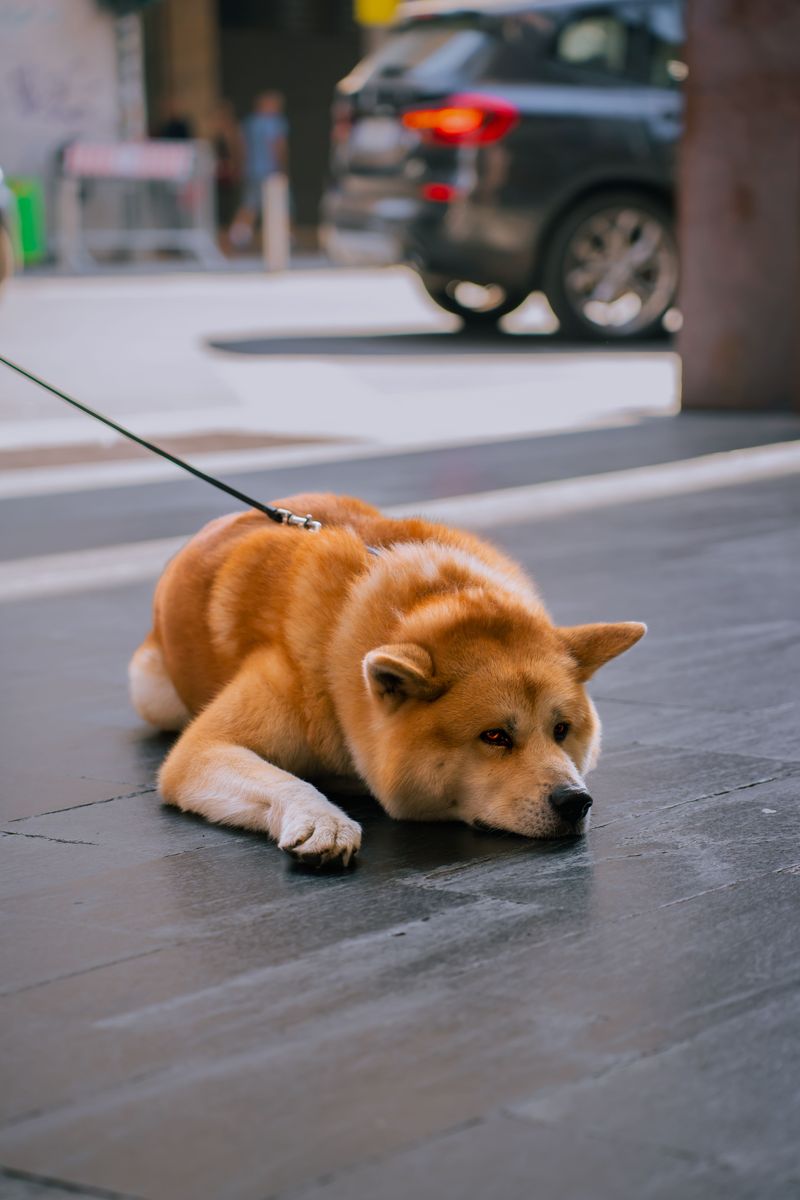
With a lionhearted spirit, the Akita bonds hard with family and often keeps strangers at arm’s length. Daily routines and clear rules help this thoughtful dog feel safe.
Many prefer calm greetings, not sudden pats from new people.
Keep visits short at first, offer treats from a distance, and let curiosity build. A walk before guests arrive burns off jitters.
Fun fact, Japan honors the Akita as a symbol of loyalty, which fits their nature.
Chow Chow
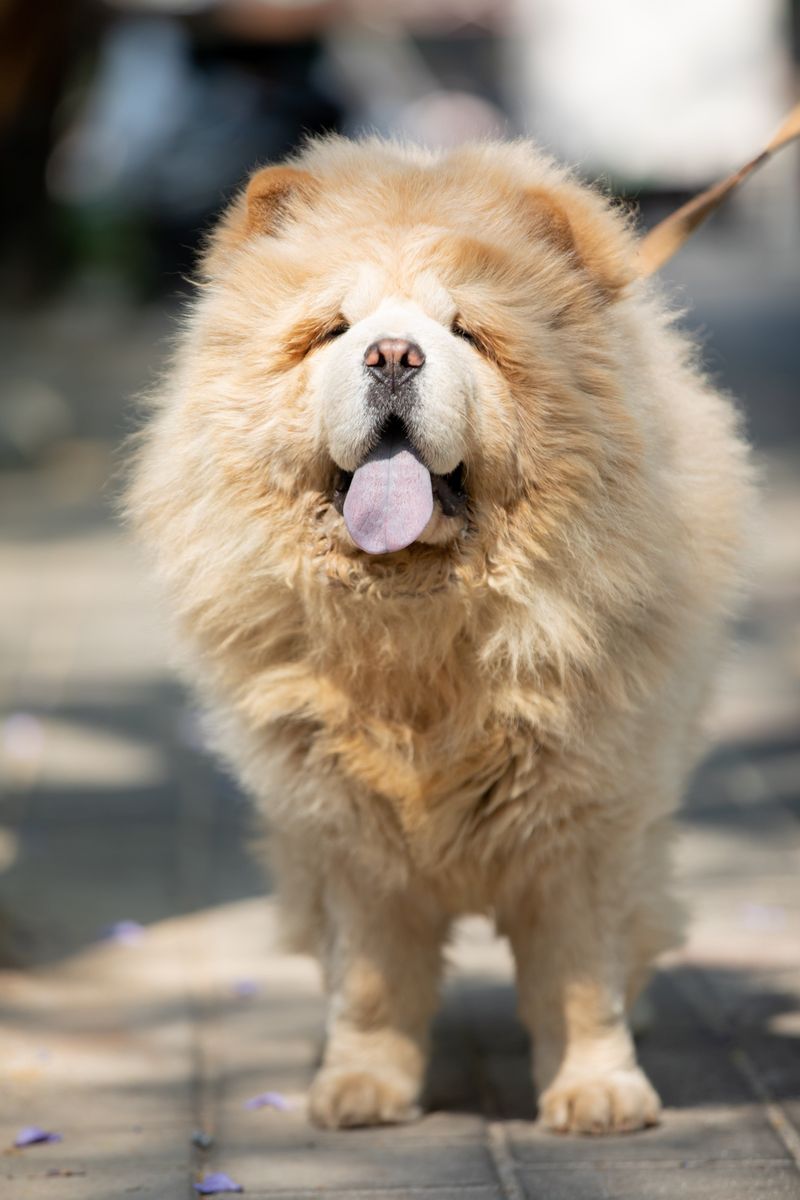
Like a dignified neighbor who keeps to themselves, the Chow Chow is selective about company. Strong bonds form at home, while outsiders get polite distance.
Soft handling and predictable schedules support their comfort.
Ask guests to ignore eye contact, toss a few treats, and let the dog approach. Short grooming sessions build trust and keep that plush coat happy.
Originating in northern China, this breed once guarded temples, which explains the cool, watchful style today.
Shiba Inu
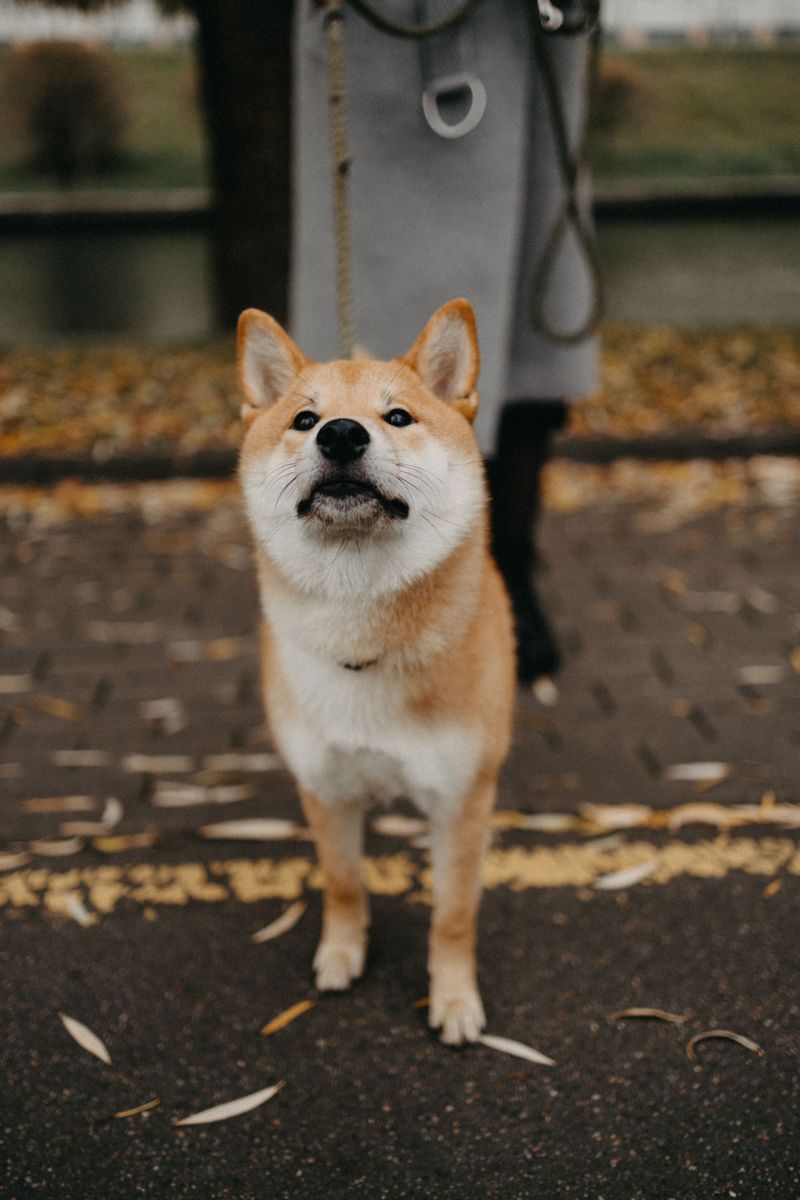
Small in size yet mighty in opinion, the Shiba Inu often saves affection for known friends. Unexpected hugs can feel pushy.
Patience, gentle voice, and food rewards go a long way.
Invite new people to play a simple nose-target game with treats. Quick wins boost confidence without forcing touch.
And here is a fun note, Shibas were once hunters in Japan’s mountains, which shaped their independent streak and alert nature at home for many families.
Basenji
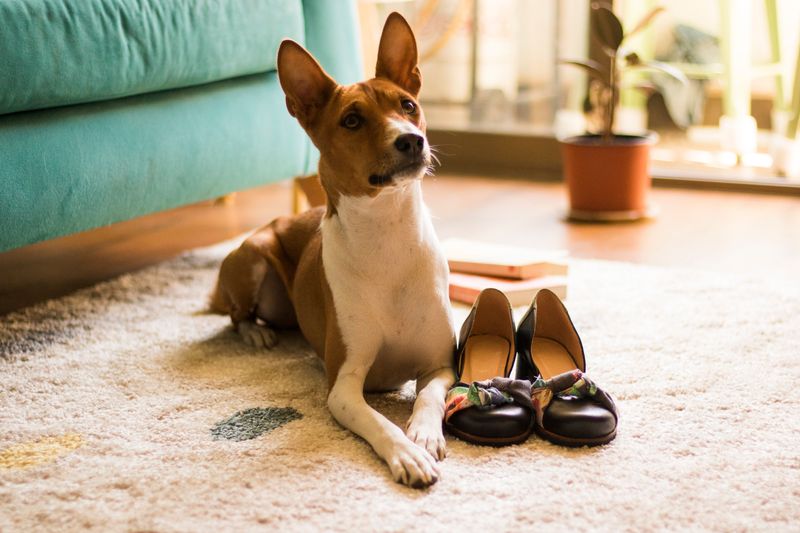
Known for a yodel instead of a bark, the Basenji values personal space. Aloof does not mean unfriendly, just careful.
Clear options, like a safe bed and an open crate, help them choose closeness.
When visitors arrive, play find-the-treat around the room to make good memories. Keep sessions short, then let them rest.
Origin stories trace to Central Africa, where keen sight and quick feet were prized, shaping their thoughtful way with newcomers, even today.
Chinese Shar-Pei
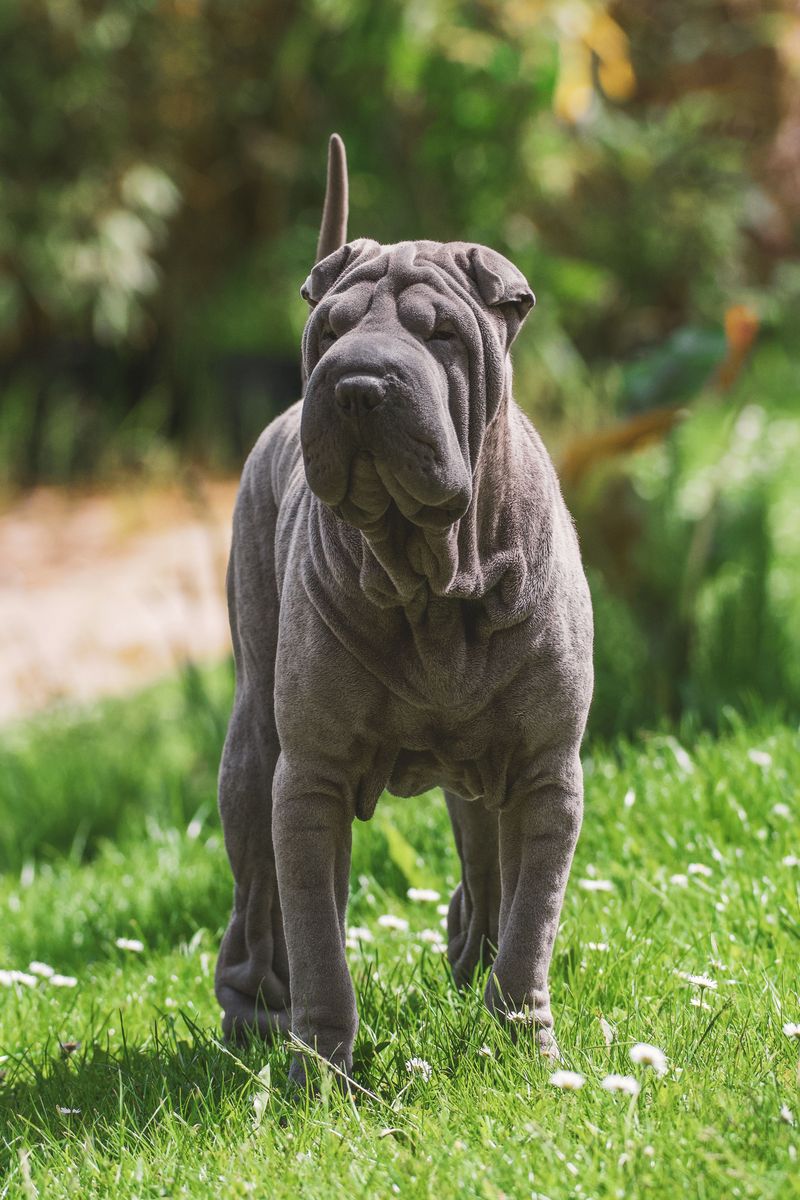
Wrinkled skin, thoughtful eyes, and a loyal heart describe the Shar-Pei. Many warm up slowly to people outside the circle.
Calm routines and early training turn caution into confidence. They notice details and read rooms.
Ask visitors to practice the treat-and-toss game, then take a relaxed walk side by side. Movement helps the dog breathe easier.
Historically developed in China as a multipurpose farm guardian, the breed still shows steady nerves when guided with respect.
Tibetan Mastiff
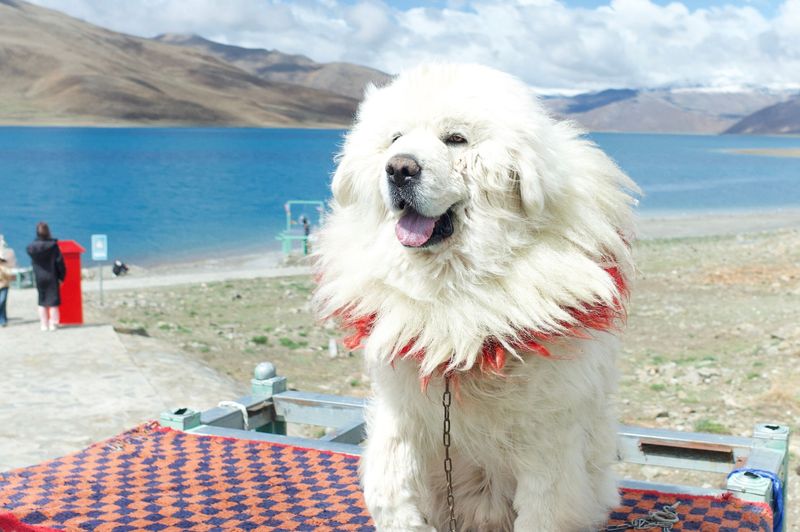
Picture a night watchman with a fluffy mane. The Tibetan Mastiff takes duty seriously and prefers family over strangers.
Quiet strength and clear boundaries help everyone feel secure, every single day.
Before guests come over, park the dog behind a baby gate with chews and a comfy mat. Let them observe at a distance, then reward relaxed choices.
Bred to guard Himalayan villages and flocks, they thrive when work, rest, and fair rules stay consistent.
Anatolian Shepherd Dog
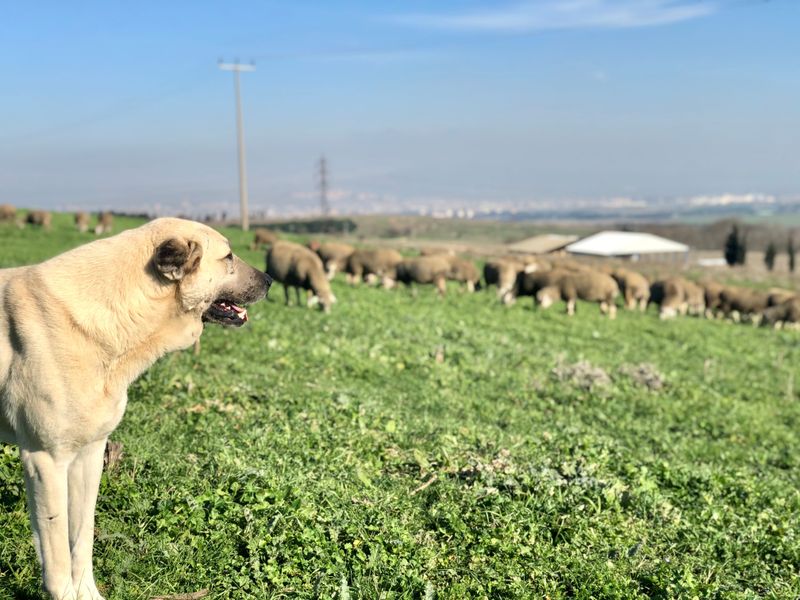
Out on open land, the Anatolian Shepherd scans first and greets later. That mindset can carry into city life.
Respect for personal space builds trust. Slow introductions are a winning plan for this guardian.
Introduce newcomers on neutral ground, take parallel walks, and reward check-ins with soft praise. Keep voices low and movements simple.
Originating in Turkey as a flock guardian, this powerhouse reads the environment constantly, so predictable patterns at home make greetings smoother.
Cane Corso
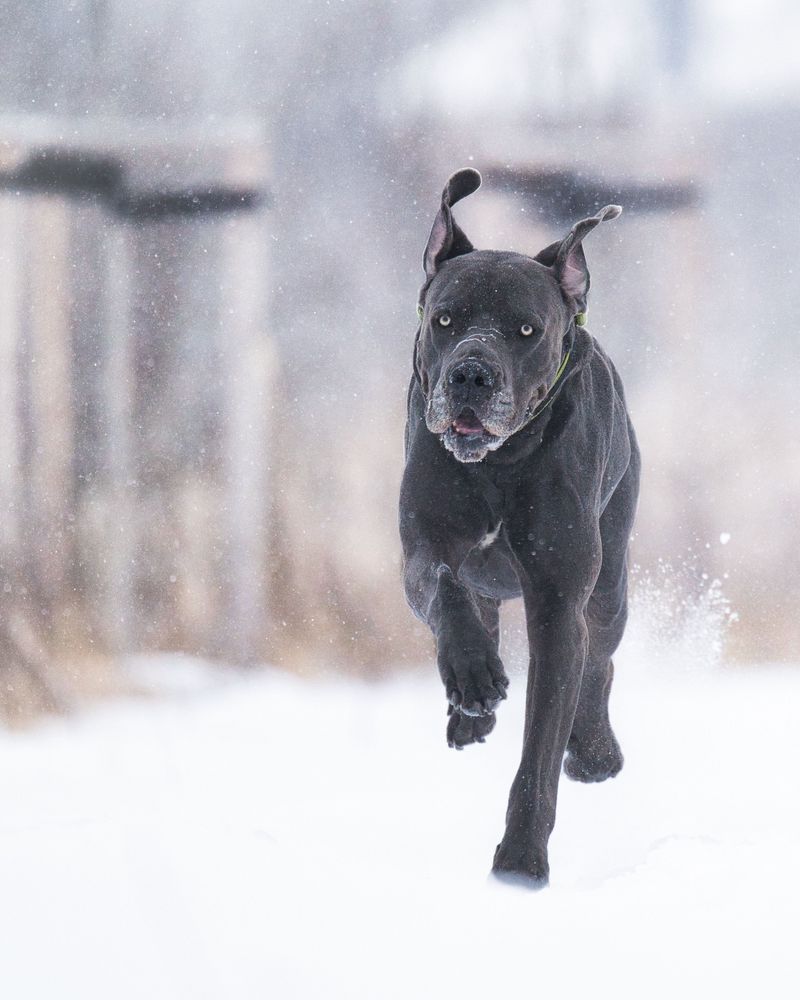
Big head, bigger heart for family, the Cane Corso watches new people with care. Structure helps them shine.
Short training games turn focus into manners. Daily exercise keeps tempers nicely balanced and happy.
Ask visitors to stand sideways, offer a tossed treat, and avoid reaching over the head. Clear choices prevent worry.
Descended from Roman molossers, Corsos enjoy a job, so give them tasks like holding a down-stay while guests sit, then release for sniffing.
Komondor
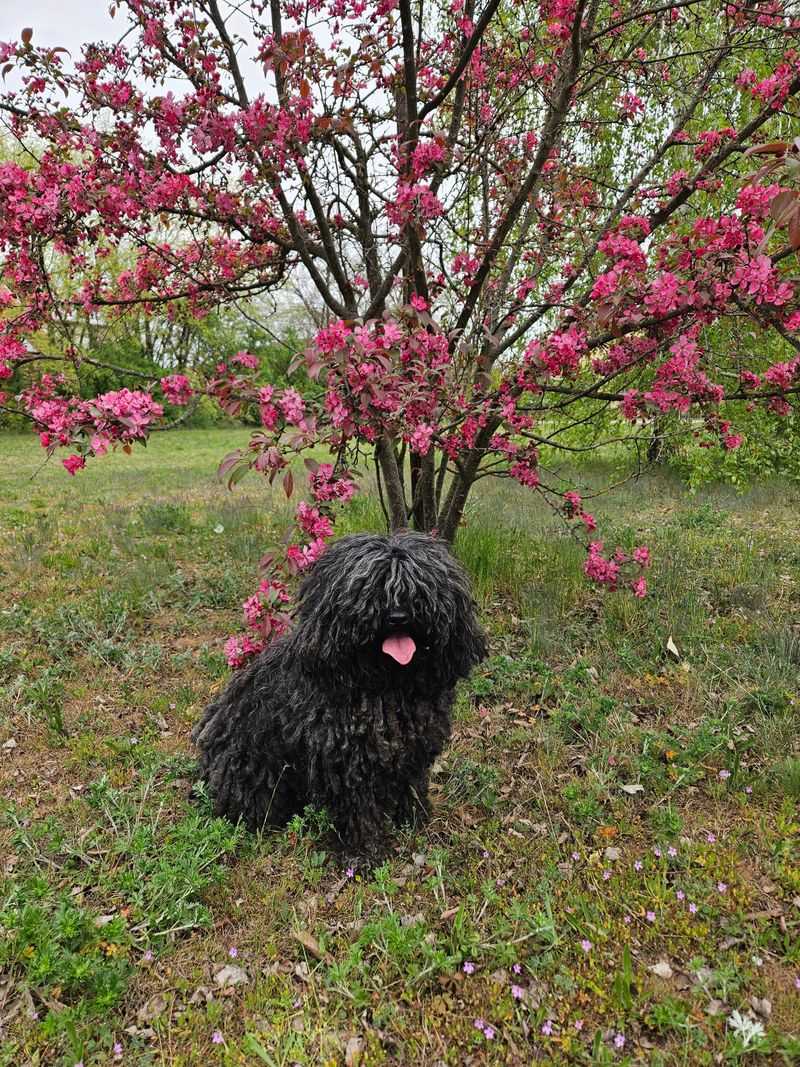
At first glance, the corded coat steals the show, but the Komondor’s mind is the star. Loyalty runs deep at home.
New faces get a careful read. Give time between introductions for comfort.
Create a safe station with a mat, give long-lasting chews, and reward quiet watching. Guests can drop treats and move on.
From Hungarian pastures protecting flocks, this breed learned to think alone, so steady leadership and clear jobs make social moments smoother.
Kuvasz
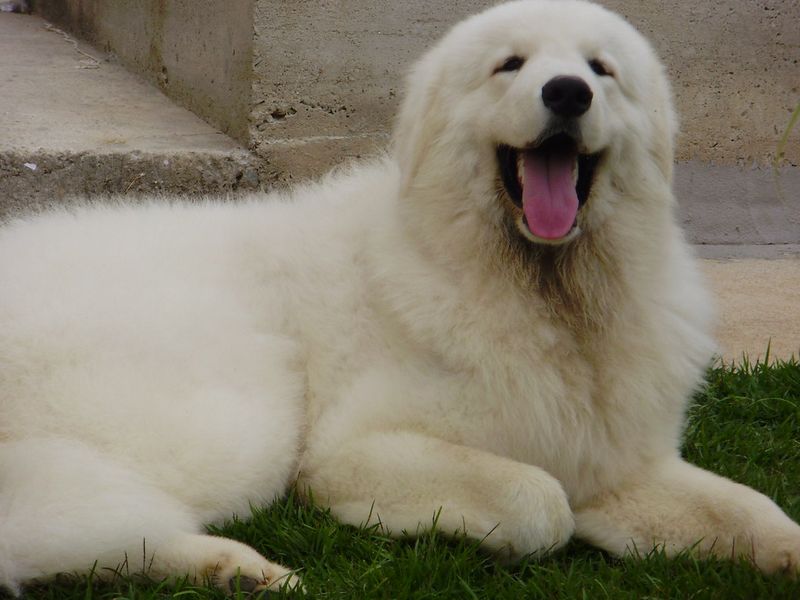
Snow-white coat aside, the Kuvasz brings sharp judgment to every meeting. Family ranks first.
Outsiders must earn trust through calm behavior. Slow pacing lowers stress for everyone at home.
Plan structured visits, keep greetings brief, and let the dog choose when to approach. Reward nose sniffs and loose body language.
With roots in Hungary as a royal and farm guardian, the Kuvasz does best with fair training, meaningful exercise, and a quiet spot to retreat.