
Some dogs read the world like a map, watching your body language, wind direction, and terrain more than waiting for words. If you have ever felt your dog move before you speak, you have met a master of environmental cues.
These breeds excel by scanning context, tracking subtle shifts, and making smart choices on their own. Ready to meet the canine experts at reading the room and the field?
Lagotto Romagnolo
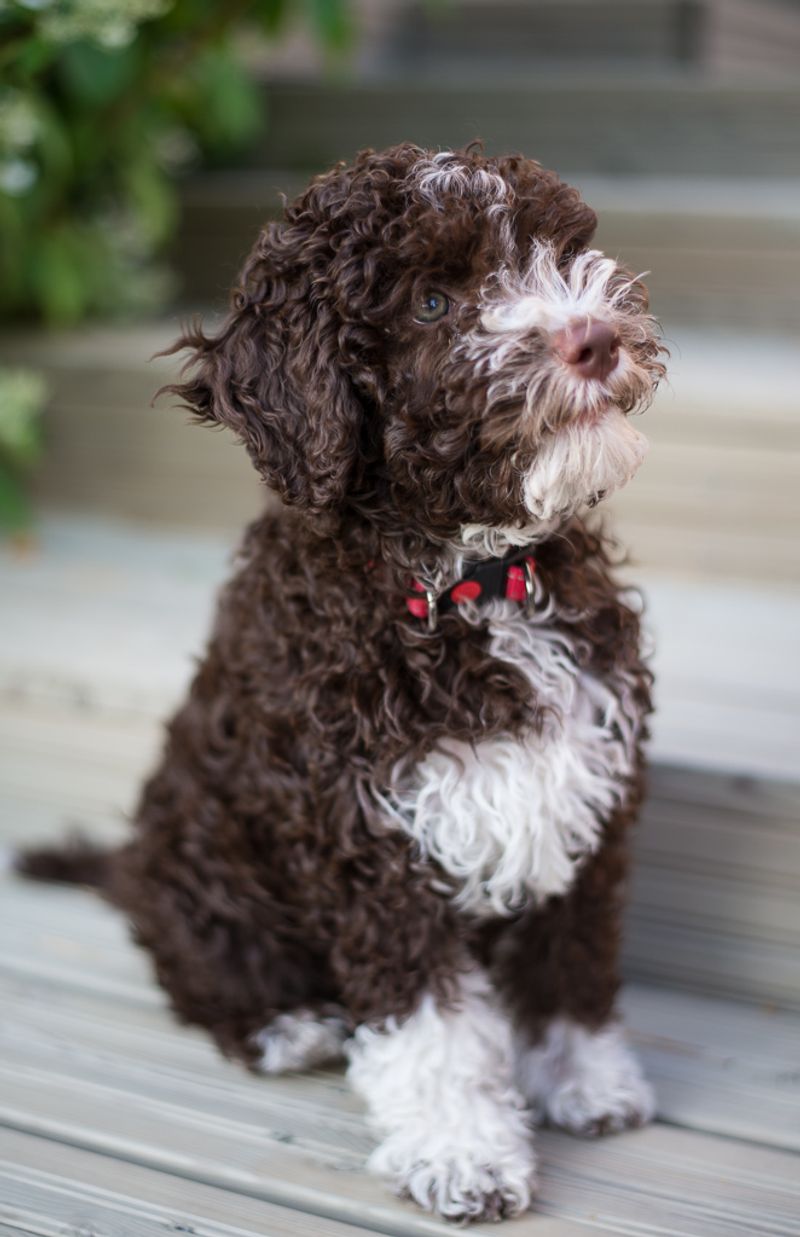
The Lagotto Romagnolo is wired to scan scent plumes, soil moisture, and your pace more than listen for chatter. You will see a head tilt when the wind shifts, a quick zigzag when ground texture changes, then a confident pause when the target zone feels right.
A calm gesture beats a noisy command every time.
Because truffle work is quiet and precise, this breed thrives on subtle cues you barely notice. Shape the task with body orientation, route planning, and consistent routines.
Reward the decision as soon as the nose plants at source. With patience, you get a partner that anticipates your plan by reading the land.
Nederlandse Kooikerhondje
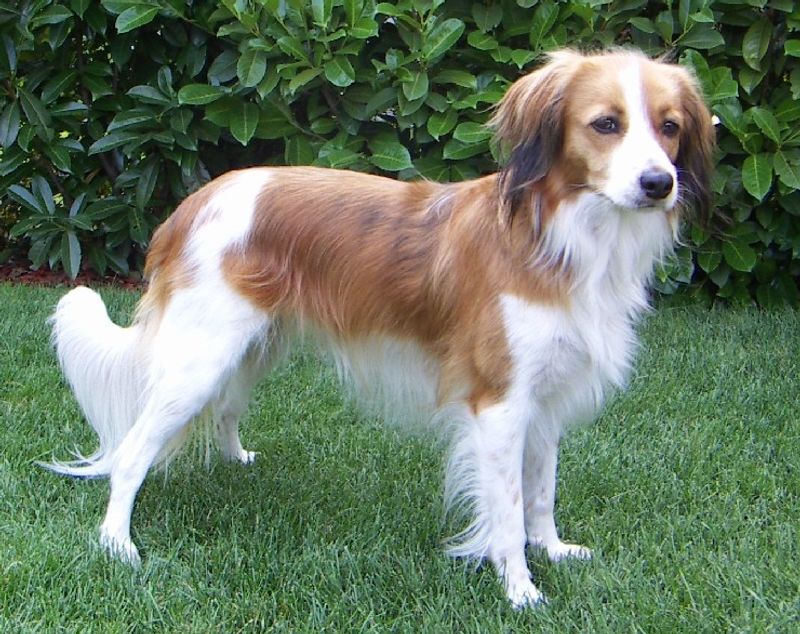
The Nederlandse Kooikerhondje traditionally lures ducks by reading water ripples, bird attention, and handler positioning. Instead of waiting for words, it tracks your shoulders and the tail flag cue to adjust speed and distance.
A slight crouch or sidestep tells it more than a sentence could.
To train, emphasize rhythm and placement. Set clear lanes, predictable pauses, and simple visual signals.
Your calm posture and consistent path become the language. The dog notices shoreline bends, wind over the reeds, and the flock’s mood, then mirrors your intent.
This teamwork feels almost telepathic when you trust the pattern. Keep feedback quiet and timely, and the Kooiker will shine.
Wetterhoun
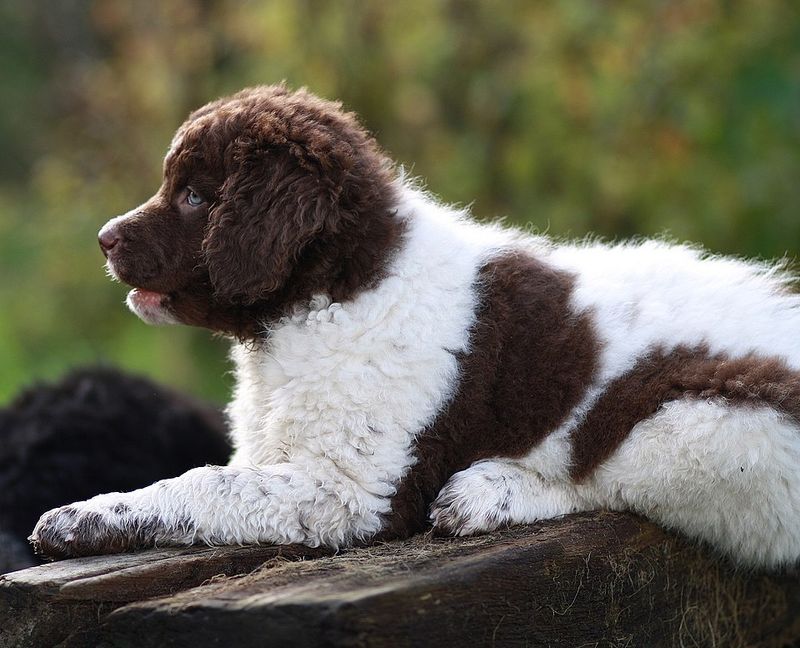
The Wetterhoun watches water first, words second. You will notice it reading ripples, scent cones, and your line of travel to choose entries and angles.
A quiet hand signal combined with shoreline geometry usually guides better than repeated commands.
Build routines around launch points and retrieval arcs. Mark areas with your stance and speed rather than voice.
The dog interprets wind on whiskers, current against chest, and your body’s pause as a go cue. Reinforce the moment it solves the puzzle independently.
Because this breed values purpose, keep sessions purposeful and steady. Minimal noise, maximal clarity.
The result is a powerful partner that thinks with the environment.
Drentsche Patrijshond
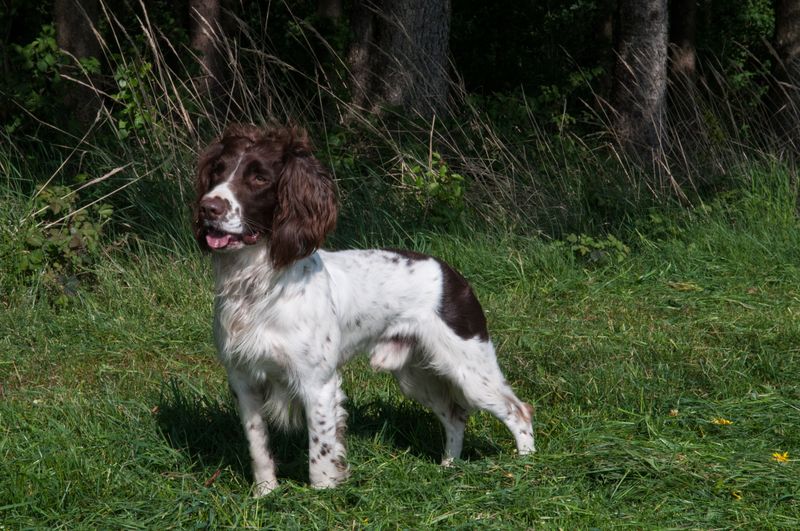
The Drentsche Patrijshond thrives on cooperative hunting, glancing from your hips to the horizon before changing pace. It reads wind shifts, terrain seams, and your stride to set search patterns without chatter.
A subtle arm sweep or turn of the shoulders redefines the field.
Use consistent casting arcs, quiet pauses, and reliable body orientation. Reward check ins and independent yet aligned choices.
This dog excels when you let the landscape teach. It learns where birds hold by vegetation and contour, not just commands.
Keep feedback low volume, and let timing speak. Over time, you will feel the dog syncing to your route like a metronome, floating through cover with effortless teamwork.
Small Münsterländer
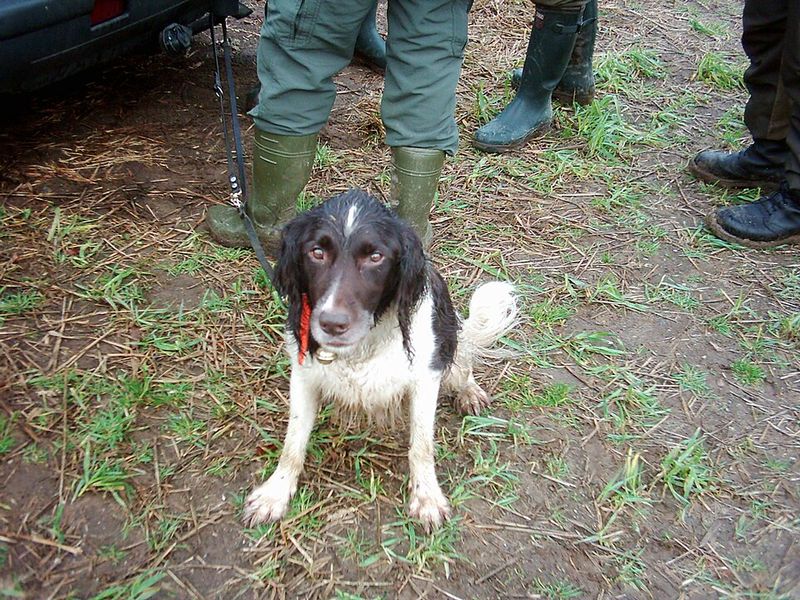
The Small Münsterländer is a reader of micro signals: your foot angle, the breeze on grass tips, the slowing heartbeat in a quiet pause. It sets its quartering by terrain edges and follows your path geometry more than your words.
Silence amplifies learning for this thoughtful worker.
Create predictable patterns and understated gestures. Use the environment like a whiteboard: hedgerows for lanes, ditches for boundaries, wind for scent lines.
Mark success the instant it self selects the right move. Avoid over talking.
The dog’s confidence grows when choices are noticed and rewarded. Soon, you will feel the hunt unfold like dialogue without noise, a fluent conversation between you, wind, and dog.
Large Münsterländer
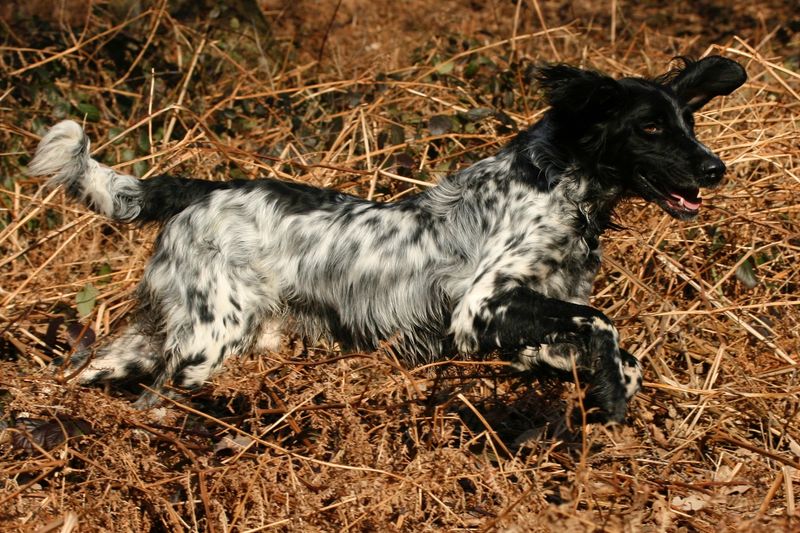
The Large Münsterländer can scan big country with one eye on you and one on the wind. Verbal commands often lag behind the action, so it keys on your pace, arm angle, and path to set cast width.
Terrain changes act like commas in a sentence, telling it when to turn.
Build cue clarity through repetition. Walk consistent lines, stop decisively, and use broad gestures only when needed.
Let cover edges and wind become guide rails. Reinforce independent solutions that still honor your direction.
Keep corrections quiet and brief. With practice, the dog moves like a partner who reads the field script alongside you, not a robot awaiting words.
Stabyhoun
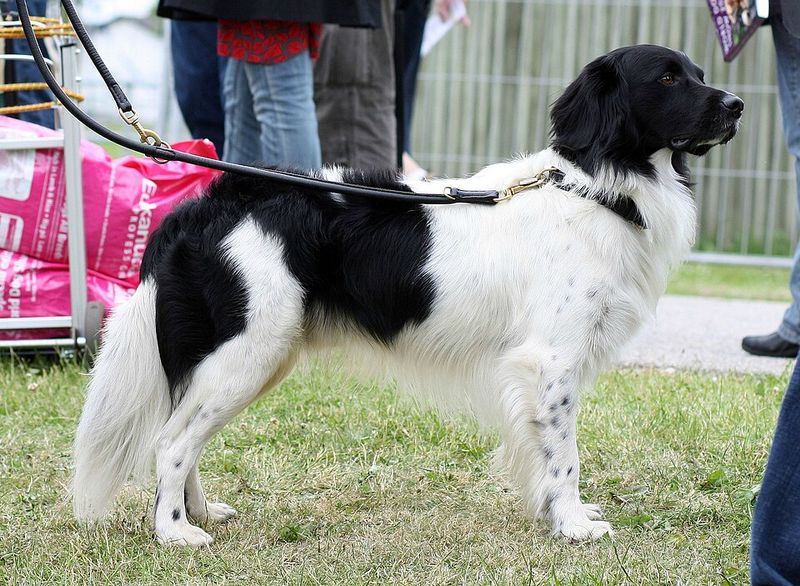
The Stabyhoun balances sensitivity with thoughtful independence, preferring steady routines and meaningful context over chatter. It watches your shoulders, pauses at ditches, and uses hedgerows like markers.
A single nod or turn often proves clearer than a string of commands.
Design sessions where the route communicates. Walk deliberate lines, pause at decision points, and keep your hands quiet.
Reward the dog for aligning with your path and the land’s logic. Wind, moisture, and cover density become the lesson plan.
Consistency builds trust, and trust unlocks initiative. Soon, the Stabyhoun anticipates gracefully, checking in without breaking flow.
You feel guided together by the environment’s gentle hints.
Pont-Audemer Spaniel
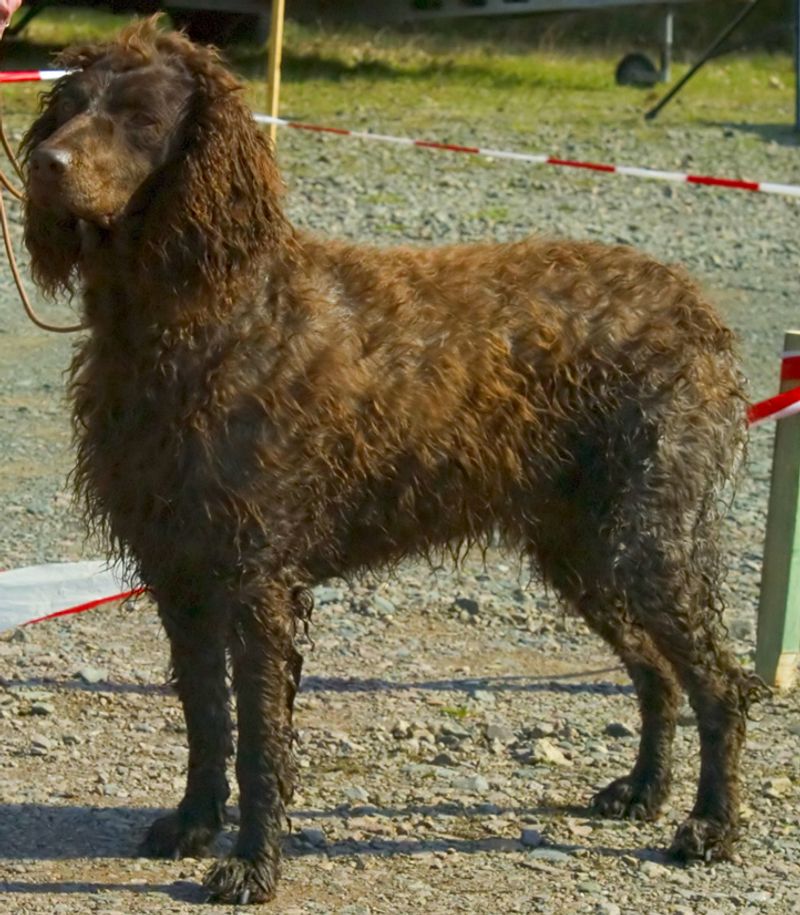
The Pont-Audemer Spaniel is tuned to wetlands where voice carries and spooks game. It reads your line into the wind, the pressure of water against legs, and the shape of reed walls.
A lifted hand or stillness becomes the go sign, not a shouted cue.
Train with quiet setups. Establish entry points, casting lanes, and reliable hand targets.
Let current and wind guide retrieves. Reinforce fast when the dog self corrects angle or depth.
Keep talking minimal to preserve the marsh calm. Over time, your partnership feels choreographed by reeds and ripples, a seamless ballet of intention and terrain that rewards thoughtful, context driven decisions.
Blue Picardy Spaniel
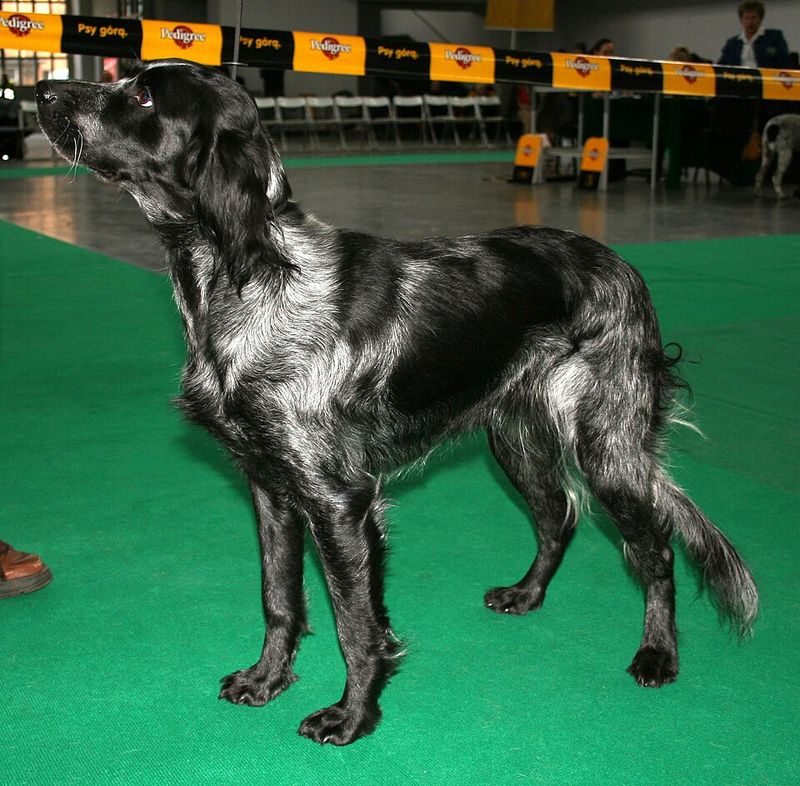
The Blue Picardy Spaniel glides through varied cover, syncing to your posture and the wind’s storyline. It adjusts speed when grasses thicken, shifts angle with your shoulders, and holds longer when the air feels promising.
Words are secondary to rhythm and terrain.
Set a cadence the dog can trust. Use intentional starts, clean stops, and gentle hand sweeps.
Let dune lines and hedges shape casts. Reward calm points and deliberate retrieves.
Keep noise low so environmental cues stay loud. With repetition, you get a team that navigates like sailors reading currents, steering by feel and shared focus rather than constant commands.
Auvergne Pointer
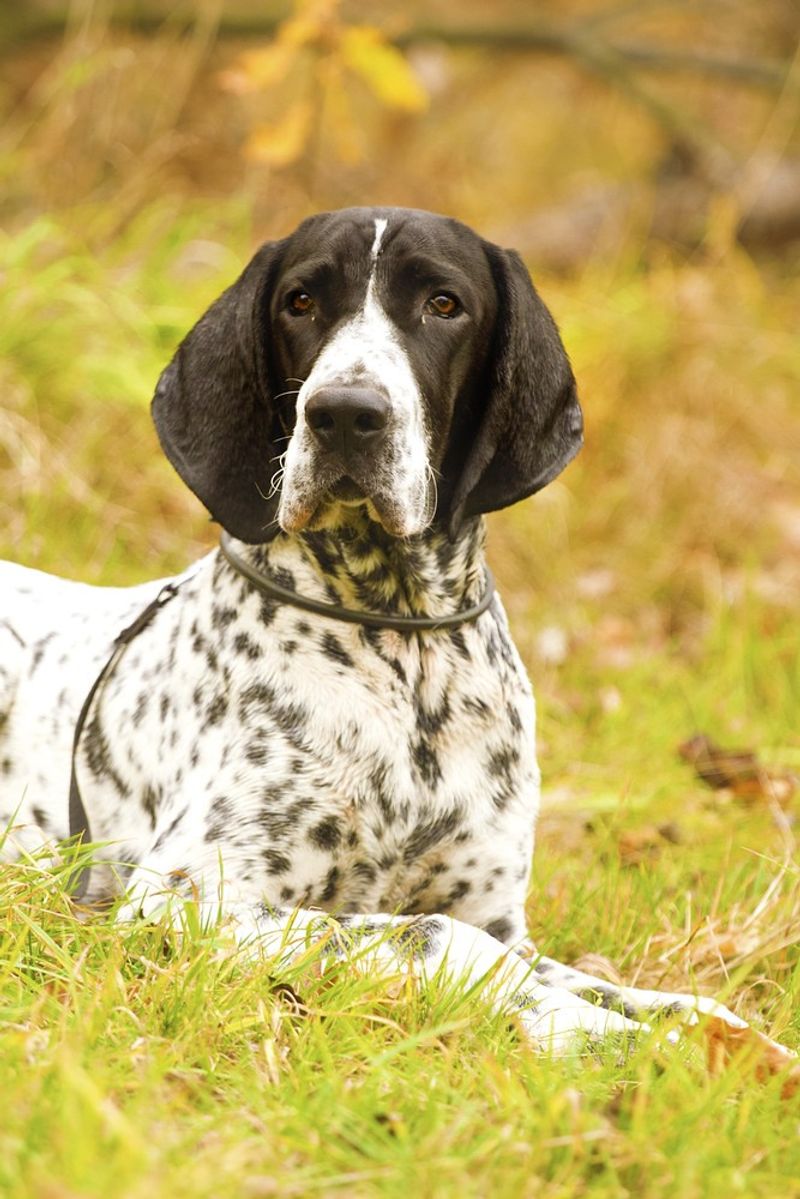
The Auvergne Pointer is a minimalist listener and a maximal observer. It leans into wind language, slope angles, and your silhouette to set lines.
A single arm cast, a stop in stride, or a shift in pace becomes crystal clear when paired with terrain.
Train by drawing lines with your movement. Keep your body quiet but decisive.
Use land features as punctuation, and let the dog write sentences between them. Promptly reward self disciplined points and clean relocations.
Keep voice cues sparse and consistent. You will feel the partnership click when the dog starts predicting your choices because both of you are reading the same map.