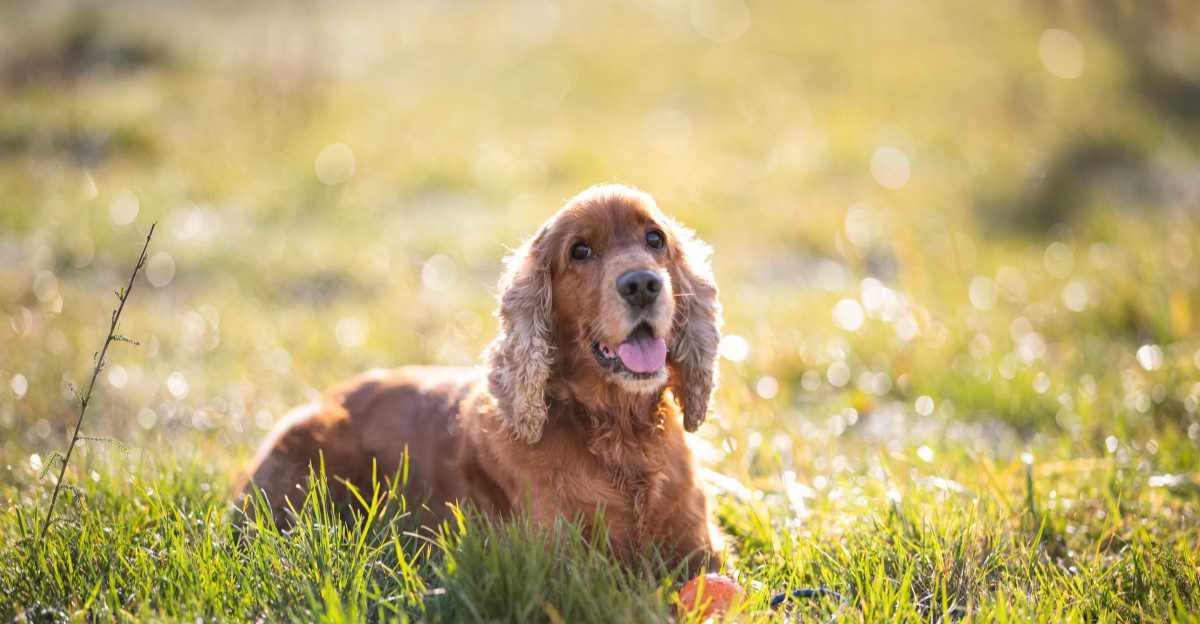
Some dogs want a spot beside you in almost everything you do, while others enjoy having a little more space. Knowing the difference can help you choose a dog whose needs fit your daily life.
The first ten breeds often love being included, while the last four tend to show more independence. Every dog is an individual, though, and even independent dogs need attention, training, and care.
Boxer: The Family’s Playful Sidekick
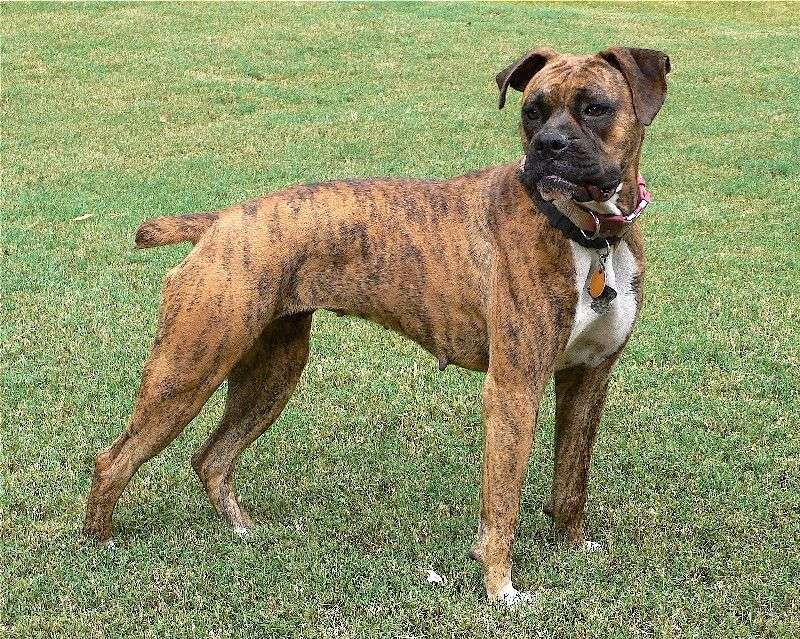
A wiggling body and goofy grin often announce that your Boxer wants in on the fun. Many enjoy staying close to their people, whether everyone is playing outside or settling down after dinner.
Offer daily walks, short training games, and chances to join family routines. Teach polite greetings early, since excited jumping can knock someone over.
Practice brief, comfortable periods alone, too, so being included does not mean needing constant company every single day at home.
Havanese: A Little Shadow With Big Charm
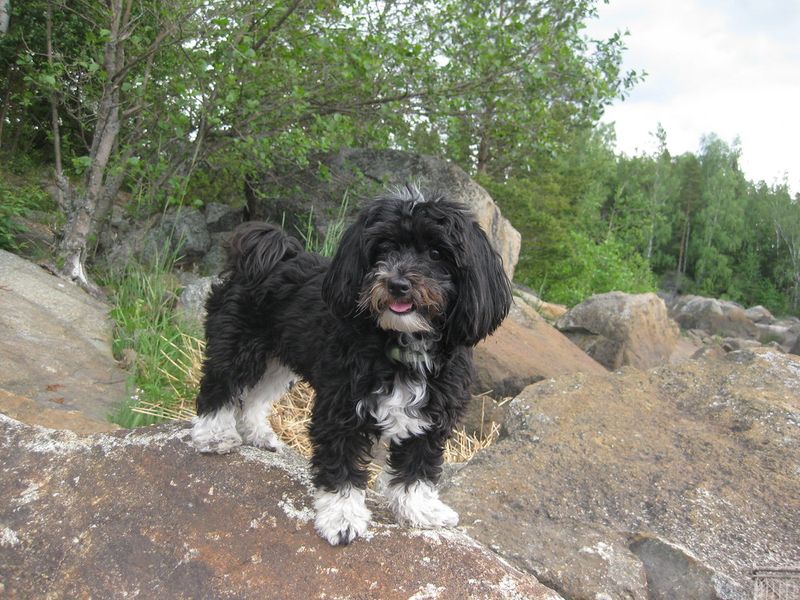
Even folding laundry can become a social event with a Havanese nearby. Bred as companion dogs, these small charmers often prefer sharing ordinary moments over spending long stretches by themselves.
Let yours join quiet household activities, and add short walks and playful lessons throughout the day. Regular brushing helps prevent painful tangles.
Build confidence with gentle separation practice, starting with tiny absences and rewarding calm behavior rather than making every departure a dramatic goodbye each time.
Labrador Retriever: Happiest With a Shared Job
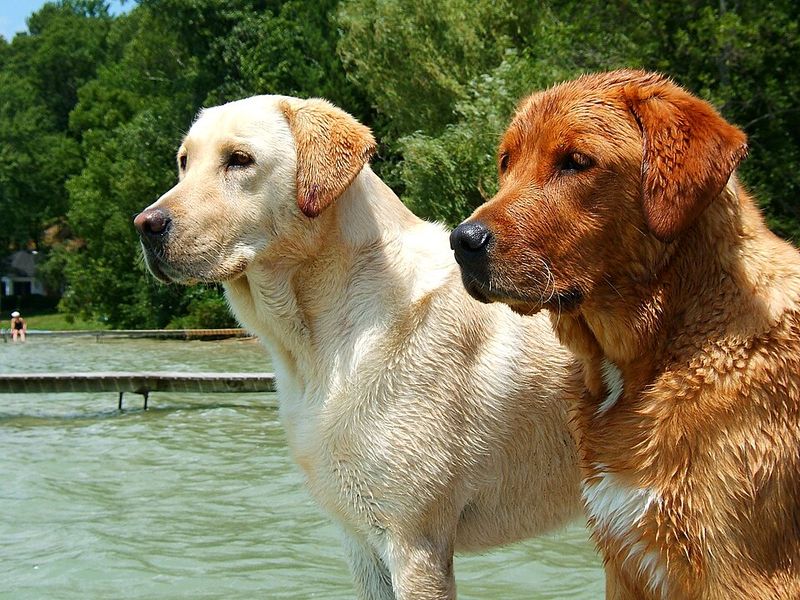
Hand over a retrieving toy, and you may have just made a Labrador’s afternoon. Many Labs enjoy teamwork, especially when it involves movement, praise, or something interesting to carry.
Include your dog in walks, supervised swimming, or simple search games around the house. Food rewards work well, but count treats toward daily meals because excess weight strains joints.
A steady routine with exercise and rest helps this eager partner settle comfortably beside you after busy outings.
Golden Retriever: Warm Company for Everyday Life
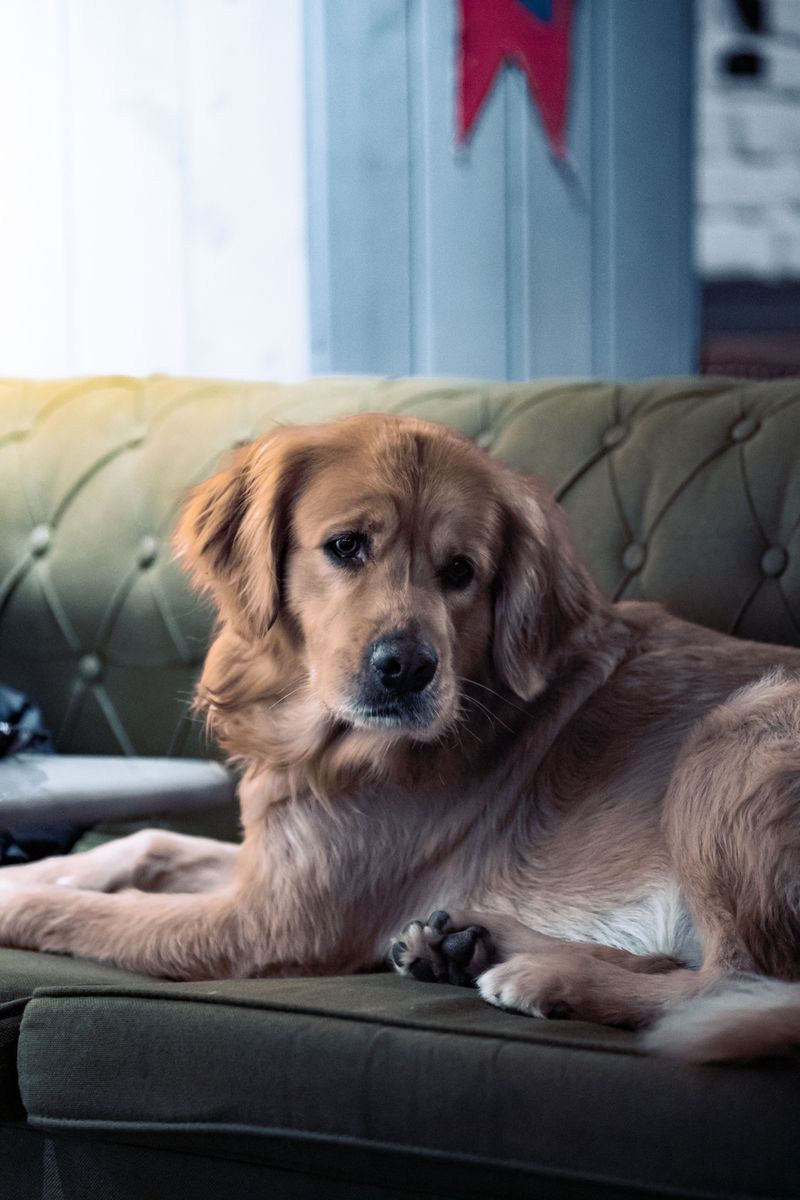
A quiet seat beside your chair can mean as much as a lively game to a Golden Retriever. Many seek friendly contact and enjoy feeling part of the household’s daily rhythm.
Balance shared downtime with exercise, reward based training, and games that use their noses. Brush regularly to manage shedding and watch for skin or ear trouble.
Teach children to respect resting dogs, and give your Golden a peaceful retreat whenever family activity becomes too much.
Cavalier King Charles Spaniel: Close Company Comes Naturally
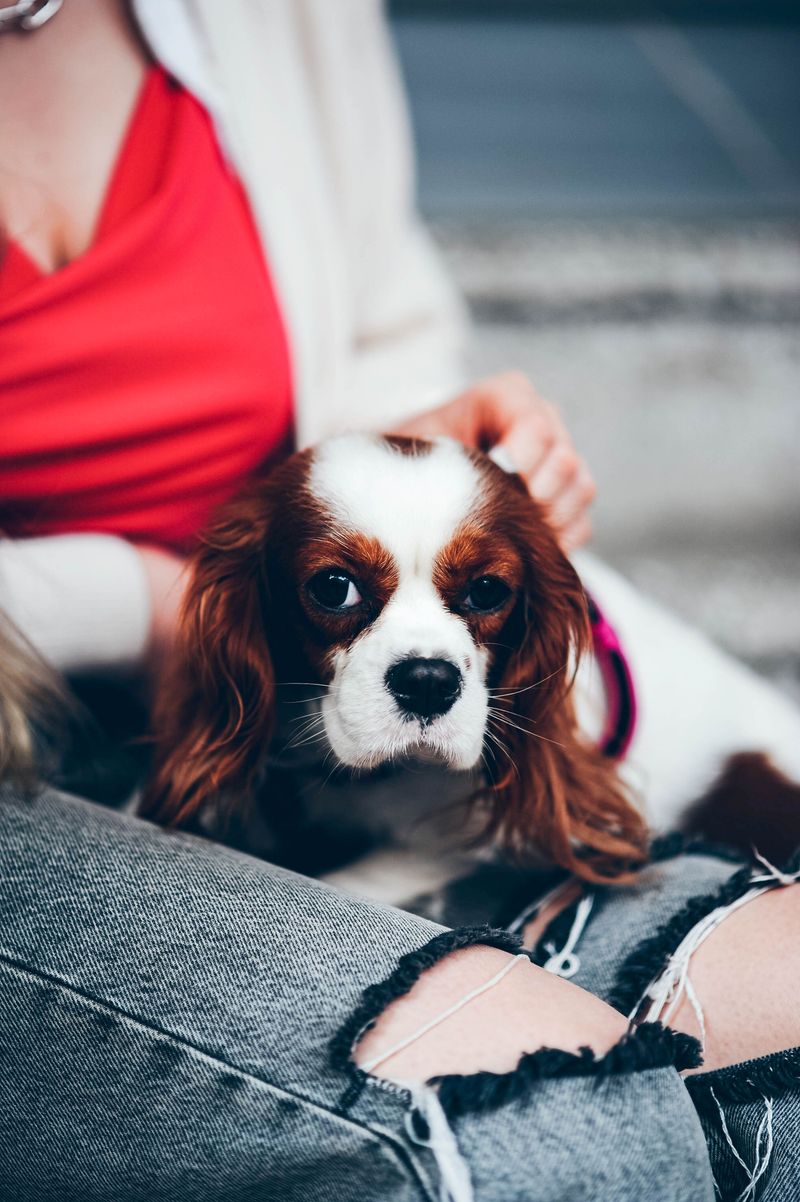
Your lap may become the most popular seat in the house with a Cavalier around. These affectionate spaniels often enjoy close contact, although they still need walks, sniffing time, and chances to explore.
Plan gentle outings and make room for companionship without encouraging constant dependence. Ask your veterinarian about heart screening and other breed related health concerns.
Choose responsible breeders who perform recommended tests, and remember that a small dog needs thoughtful training, not just cuddles.
Staffordshire Bull Terrier: A Strong Dog With a Social Heart
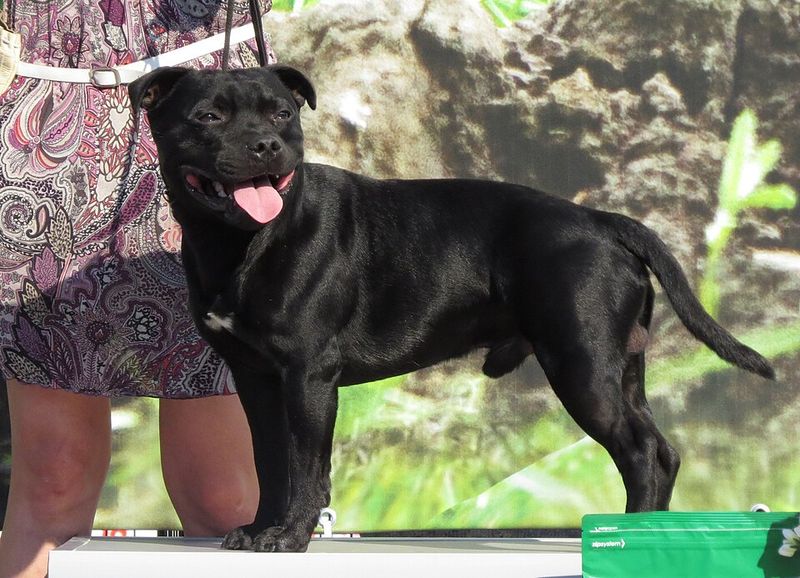
Behind that sturdy build, many Staffords are enthusiastic fans of human company. A shared game or a cozy evening nearby often suits them better than being left outside away from family life.
Channel their strength into structured play, loose leash walking, and cheerful training sessions. Supervise interactions with children and assess dog friendships individually, since comfort around other dogs varies.
Provide sturdy toys, but check for damage and remove pieces that could be swallowed during play.
Vizsla: An Active Partner Who Likes Staying Close
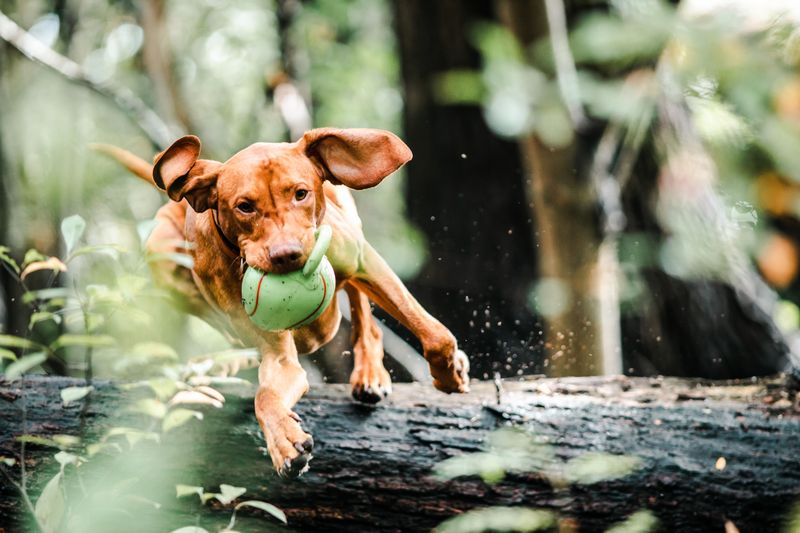
Room to room, your copper colored companion may follow as if you are a team on patrol. Vizslas often form strong bonds and need both human contact and plenty of suitable activity.
Try scent games, hiking, and training that rewards focus rather than nonstop excitement. Build exercise gradually, especially with young dogs whose joints are developing.
Teach relaxed settling and comfortable alone time early, so your energetic friend can handle days when adventures must wait awhile.
Cocker Spaniel: A Cheerful Helper With a Busy Nose
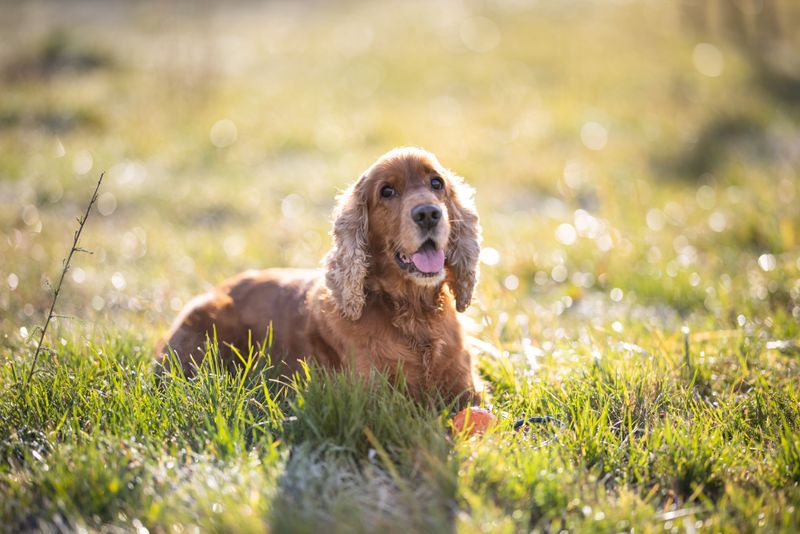
A rustle in the grass can turn an ordinary walk into a fascinating mission for a Cocker Spaniel. Many combine curiosity with a strong wish to stay connected to their people.
Give that busy nose safe outlets through sniffing walks and hidden treat games. Keep lessons upbeat, since harsh handling can undermine trust.
Their flowing coats need regular care, and ears deserve frequent checks. Schedule calm companionship alongside activity rather than expecting endless entertainment all day.
Bichon Frise: A Sociable Spark in a Small Package
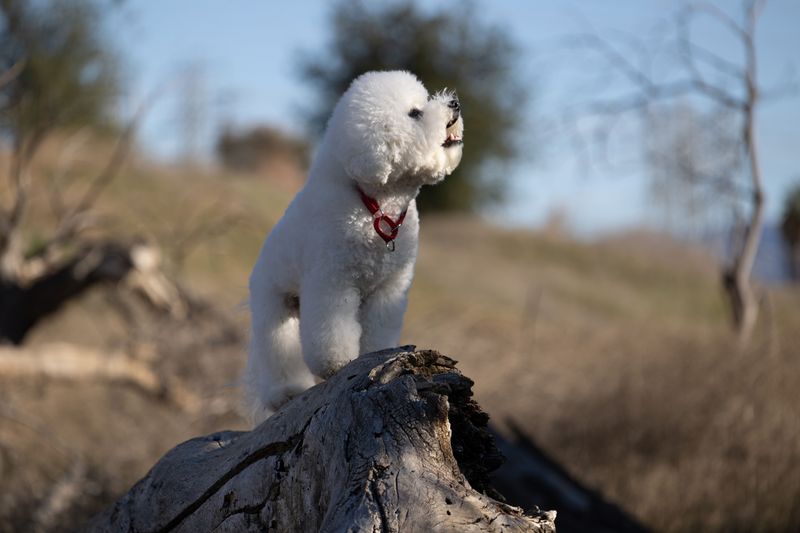
Visitors may find a fluffy little host waiting to join the gathering. Bichons often enjoy attention and playful interaction, making shared household time especially rewarding for them.
Practice simple tricks, offer short walks, and reward calm greetings instead of frantic excitement. Professional grooming and brushing at home help keep their coats comfortable.
If your schedule includes absences, arrange suitable breaks and teach independence gradually; a social personality does not automatically make being alone easy for them.
English Springer Spaniel: Ready for the Next Team Adventure
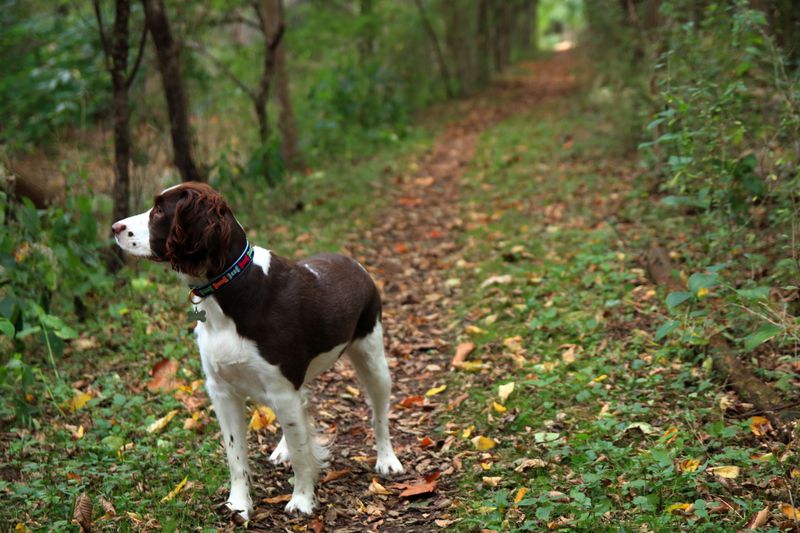
Few invitations sound better than heading outdoors together to an eager Springer. Developed to work with hunters, these spaniels often enjoy cooperation and want meaningful activity rather than simply watching life happen.
Mix walks with retrieving, scent searches, and short obedience sessions. Teach a reliable recall, but use a leash or secure area until skills are dependable.
After muddy adventures, inspect ears, paws, and coat for debris, then offer a quiet place to rest near you.
Akita: Loyalty With a Need for Personal Space
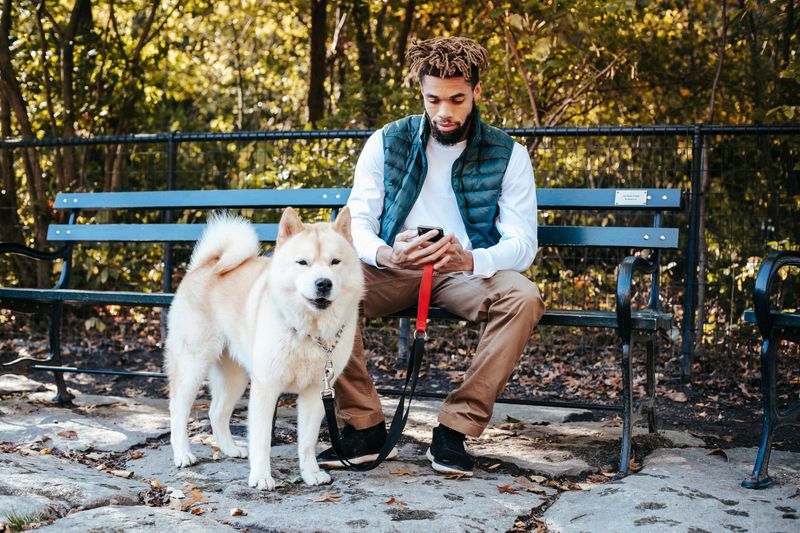
Affection does not always arrive as a request for constant petting. An Akita may show attachment by quietly staying aware of its family while choosing a little distance.
Respect that space and use patient, consistent training with worthwhile rewards. Early socialization should build calm confidence, not force greetings with strangers or unfamiliar dogs.
Their size, strength, and possible dog selectivity call for capable handling. Independence never removes the need for daily companionship, exercise, and careful supervision.
Shiba Inu: Small Dog, Strong Opinions
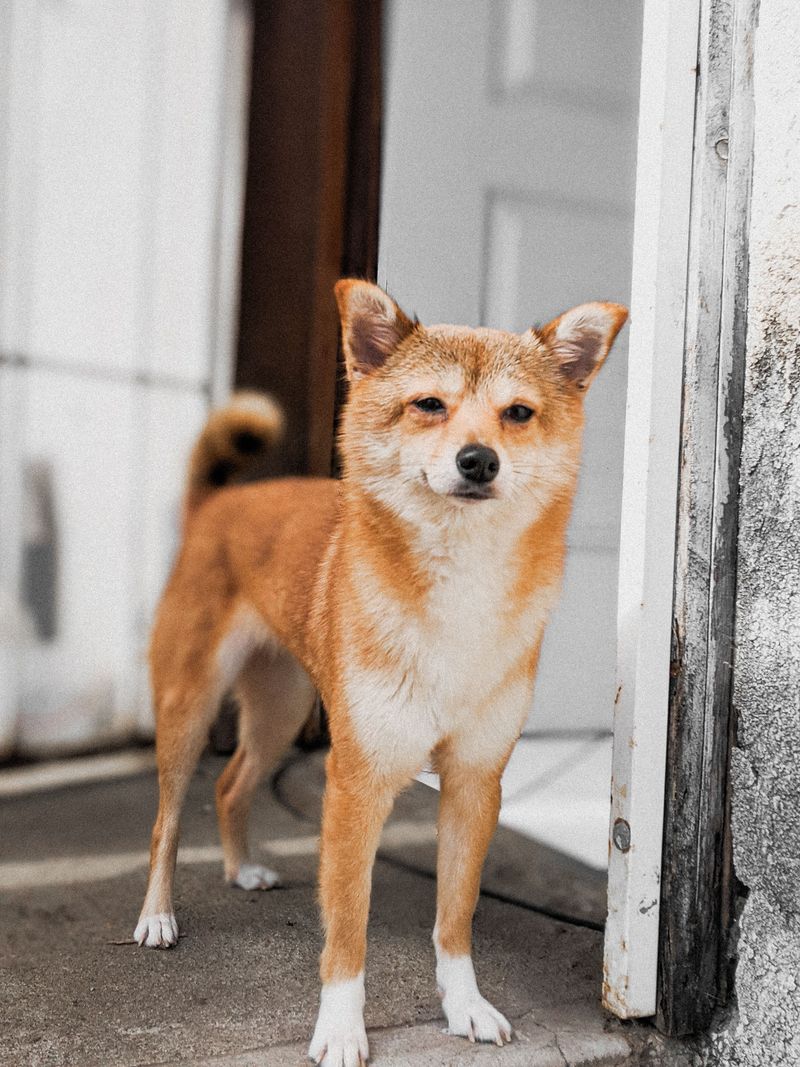
Negotiating can feel like part of daily life with a Shiba Inu. Many have clear preferences and enjoy making choices, even when their person has a different plan.
Keep training brief and rewarding, and avoid turning disagreements into battles. Secure fences and leashes matter because chasing small animals can outweigh a practiced recall.
Allow affection on your dog’s terms while teaching useful handling skills. A thoughtful routine gives this independent thinker freedom within safe, predictable household limits.
Chow Chow: A Reserved Companion Who Appreciates Respect
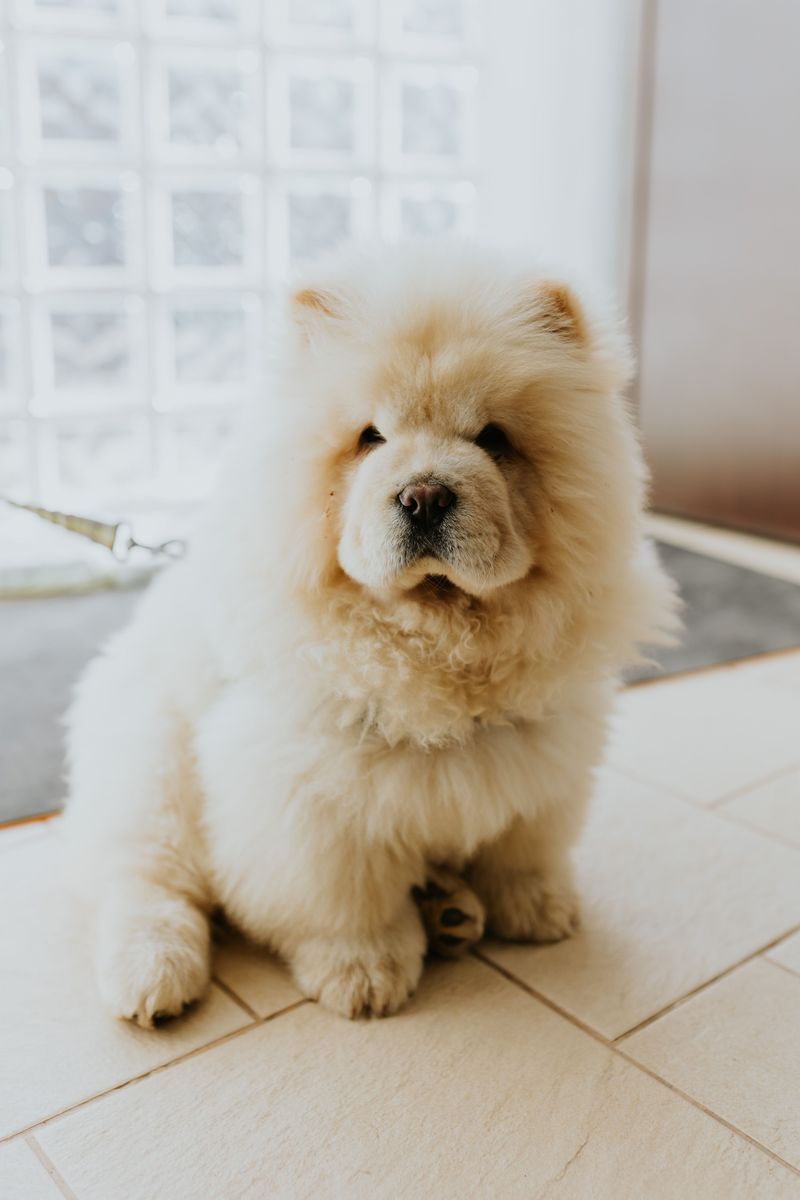
A lionlike ruff does not mean its owner wants to be hugged by everyone. Chows often approach relationships with reserve and may prefer calm familiarity over busy social gatherings.
Introduce new people gently, rewarding relaxed behavior without requiring physical contact. Brush thoroughly, plan exercise during cooler hours, and discuss coat care with a groomer.
Consistent training and early socialization are essential. Give your dog a quiet resting spot, while still making daily interaction part of life.
Basenji: Curious Explorer With an Independent Streak
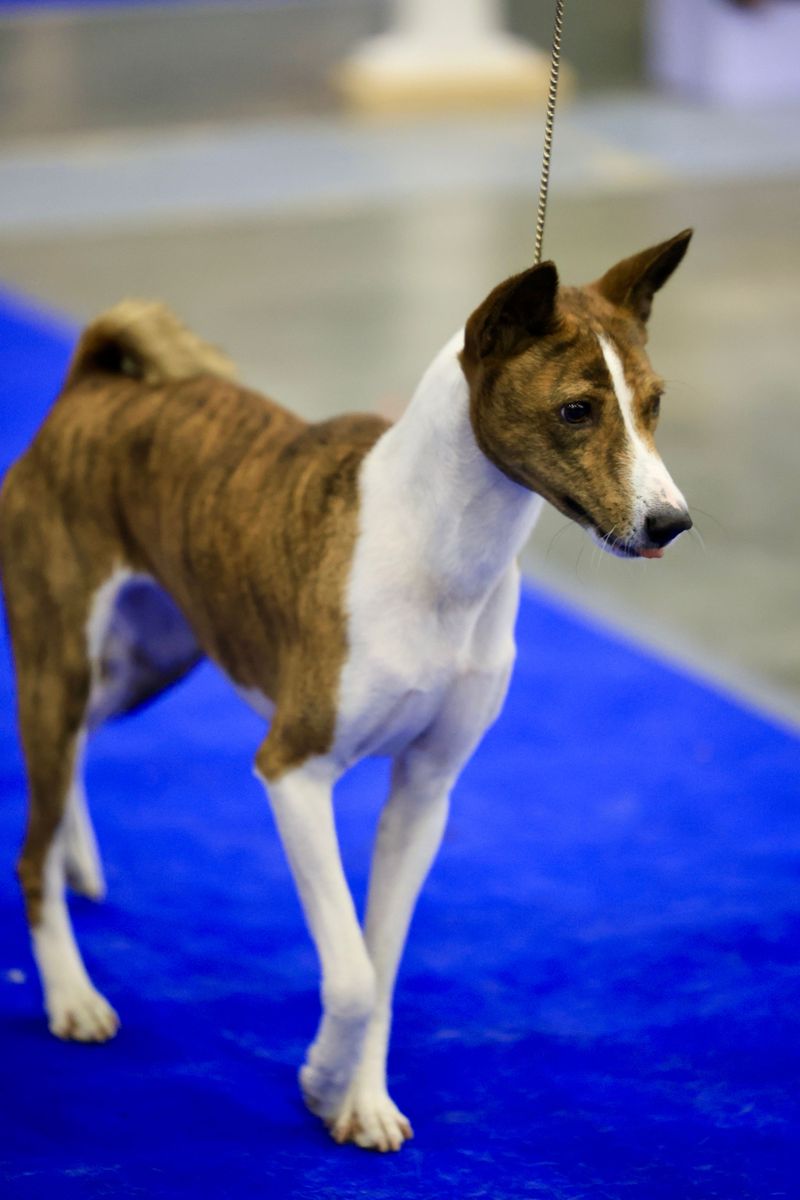
An interesting scent can quickly outrank your carefully planned lesson for a Basenji. These clever hounds often enjoy investigating things for themselves, and their unusual voices may include yodels rather than typical barking.
Use secure spaces, food puzzles, and short training games to make cooperation worthwhile. Never assume independence means low energy or easy care.
Watch for climbing and escape attempts, and provide daily exercise plus friendly contact without expecting your dog to obey like a robot.