
A cute face or small body can make a worried dog seem harmless. But freezing, growling, or turning away can mean a dog needs space, whatever its breed.
The breeds below are not dangerous by default, and each dog has its own personality. Learning to notice their signals can help keep both people and pets safe.
Chihuahua: Small Size, Clear Boundaries
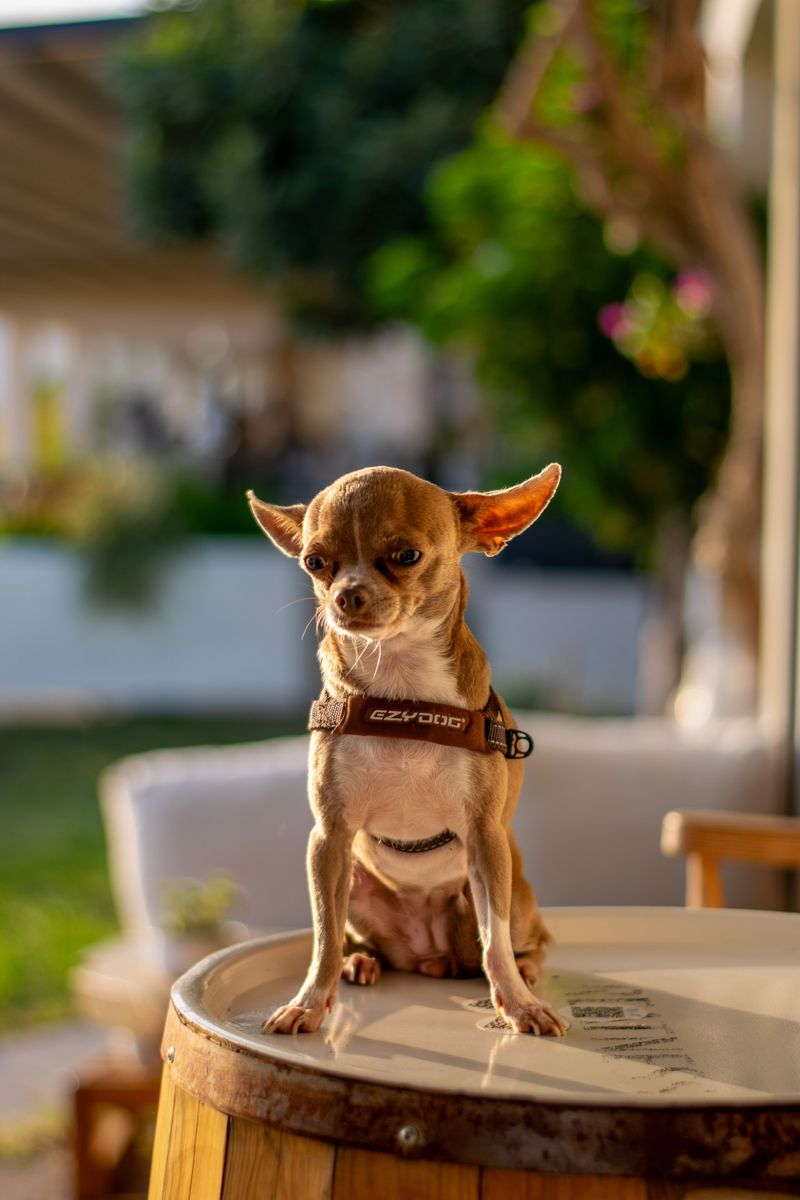
A tiny dog can feel cornered when a hand reaches down from above. Chihuahuas may turn away, tuck their tails, or growl when handling feels scary.
Those signals deserve respect, not laughter or another attempt to pick them up.
Let the dog approach you, and avoid leaning over its head. Teach children to keep their faces back.
If touch suddenly causes snapping, arrange a veterinary check for pain rather than assuming the dog is simply bossy.
Dachshund: Give That Long Back a Break
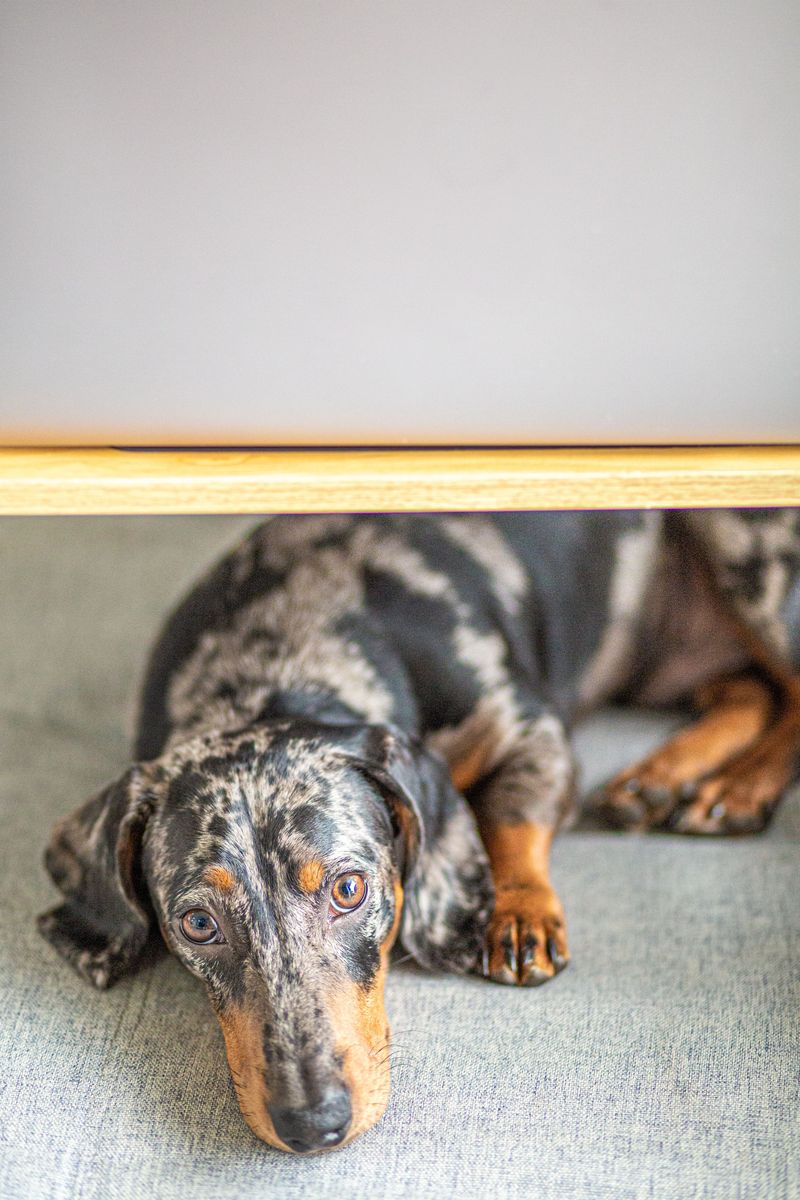
That long body and lively nose can steal the show. Yet a Dachshund that stiffens, yelps, or objects to being lifted may be hurting, not misbehaving.
Back problems are a particular concern for this breed.
Stop handling the dog and contact a veterinarian if pain appears. Weakness or trouble walking needs urgent care.
For everyday greetings, invite contact instead of grabbing. Keep children from hugging, climbing on, or chasing a dog that is trying to leave.
Jack Russell Terrier: Pause Before Play Gets Too Rough
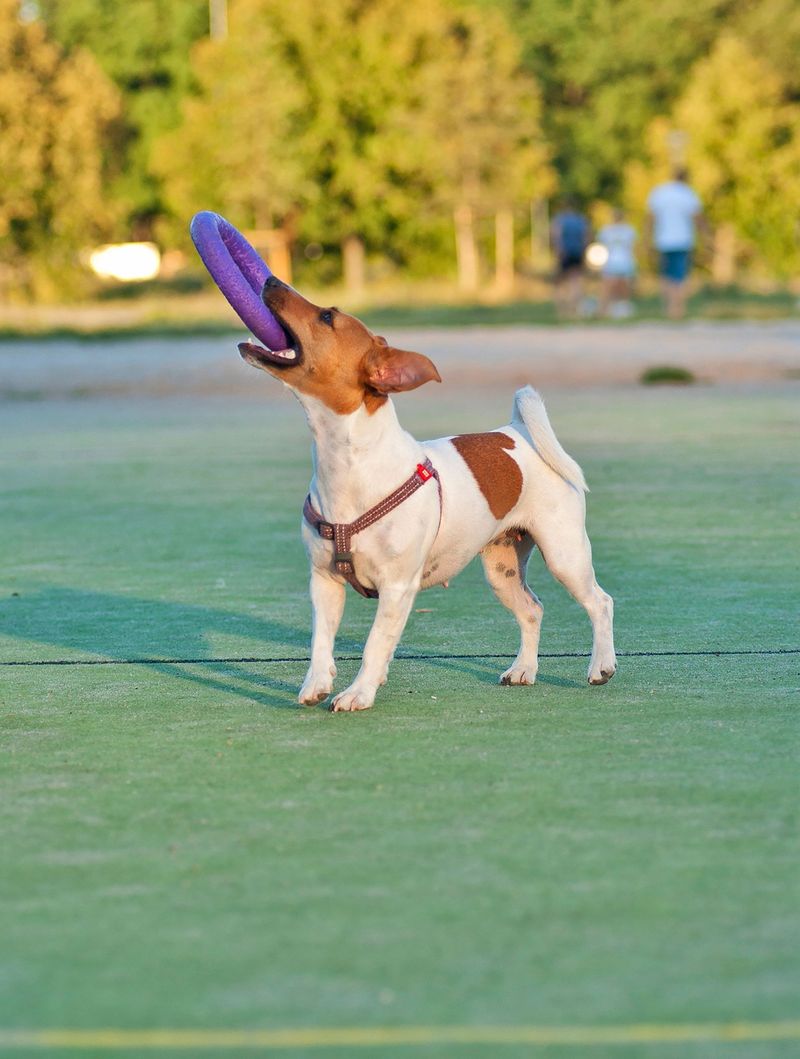
Playtime with this busy terrier can feel like a tiny sporting event. Watch for a sudden freeze, hard stare, or tense mouth when excitement rises.
A wagging tail alone does not prove that the dog welcomes more action.
Pause the game before things boil over. Offer quiet breaks and reward calm behavior.
Never wrestle away a guarded toy; practice trades with treats instead. Repeated guarding calls for help from a qualified trainer who uses reward methods.
Cocker Spaniel: Look Beyond the Soft Expression
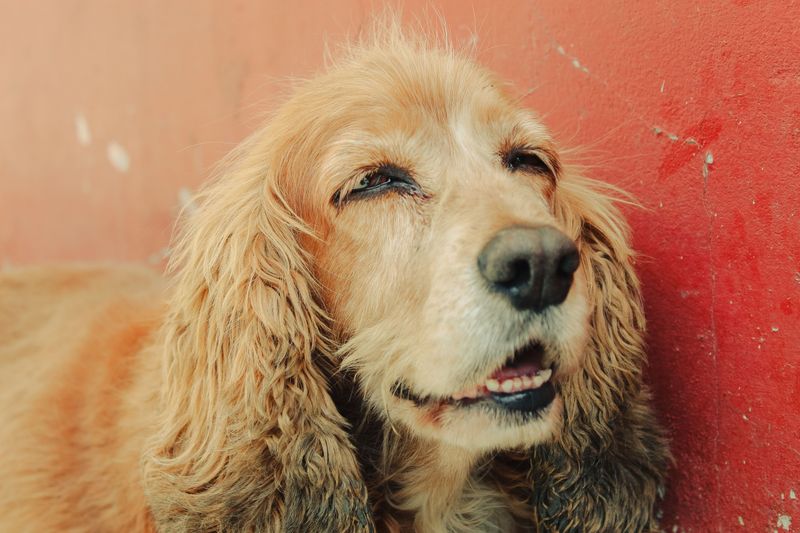
Soft ears and sweet eyes can hide an uncomfortable moment. During brushing or petting, a Cocker Spaniel might lick its lips, turn its head, or become still.
These can be signs that the dog needs a pause.
Stop and let your pet move away. Ear trouble, skin irritation, or tangled fur may make touch painful, so ask your veterinarian about new sensitivity.
Keep grooming sessions short, use rewards, and never punish a growl that warns you.
Shiba Inu: Respect the Request for Space
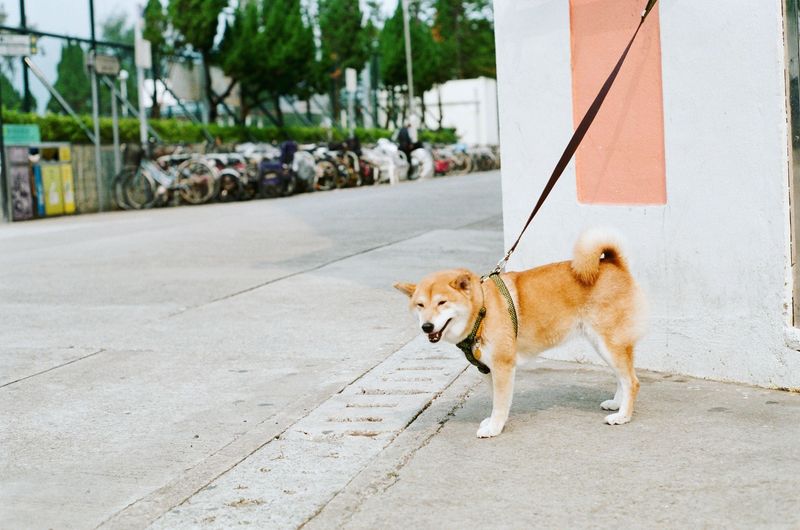
A foxlike face does not mean an open invitation to cuddle. Some Shiba Inus prefer greetings on their own terms, especially with strangers.
Moving away, leaning back, or stiffening during contact tells you to ease off.
Give the dog a clear escape route rather than holding it in place. Invite brief contact, then pause to see whether it returns.
Teach handling gradually with treats. Judge the individual dog’s comfort instead of relying on its breed’s reputation.
Miniature Pinscher: Confidence Can Cover Worry
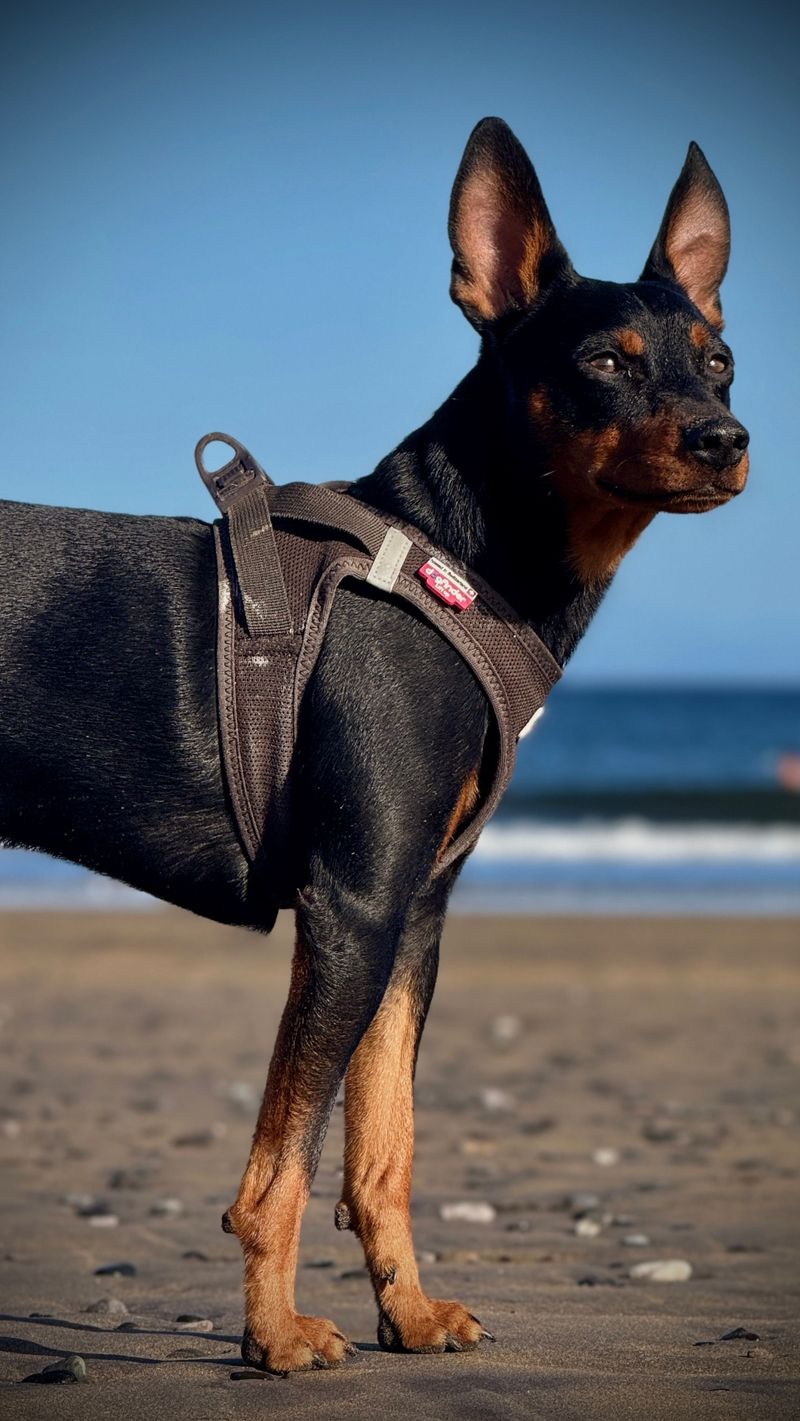
With a proud stance and quick steps, this little dog can look fearless. Barking at visitors, however, may reflect worry rather than boldness.
Watch for backing away, tense muscles, or repeated attempts to avoid an approaching person.
Ask guests to stand sideways and leave greetings to the dog. Provide a quiet room behind a gate when company feels overwhelming.
Reward relaxed behavior from a comfortable distance, and avoid forcing introductions just to prove your pet friendly.
Pomeranian: Fluffy Does Not Mean Ready for Hugs
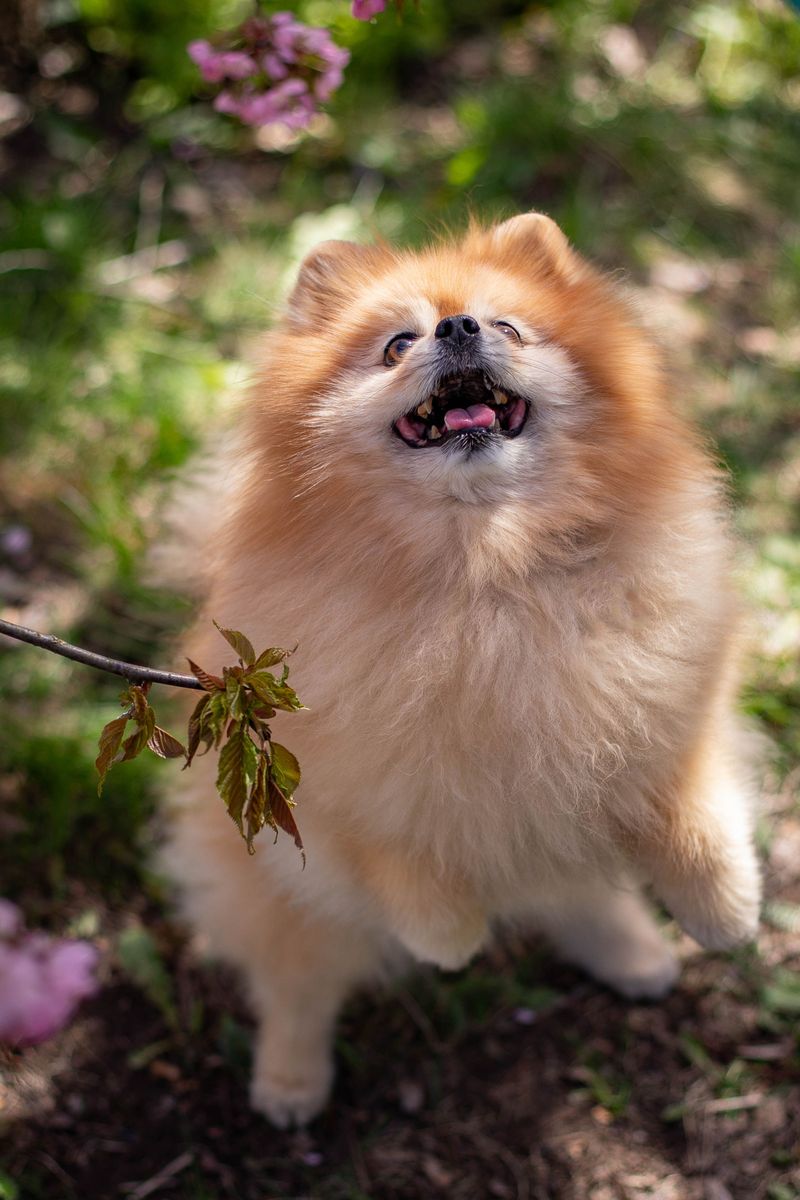
Under that cloud of fur is a dog with real limits. A Pomeranian may feel trapped when someone scoops it up or squeezes it close.
Flattened ears, head turning, and growling can signal that handling should stop.
Choose floor level greetings instead of surprise lifts. Show children how to offer space and wait for an approach.
Because thick fur can hide body tension, watch the face closely. Sudden resistance to touch deserves a veterinary visit too.
Beagle: Watch the Mood Around Meals
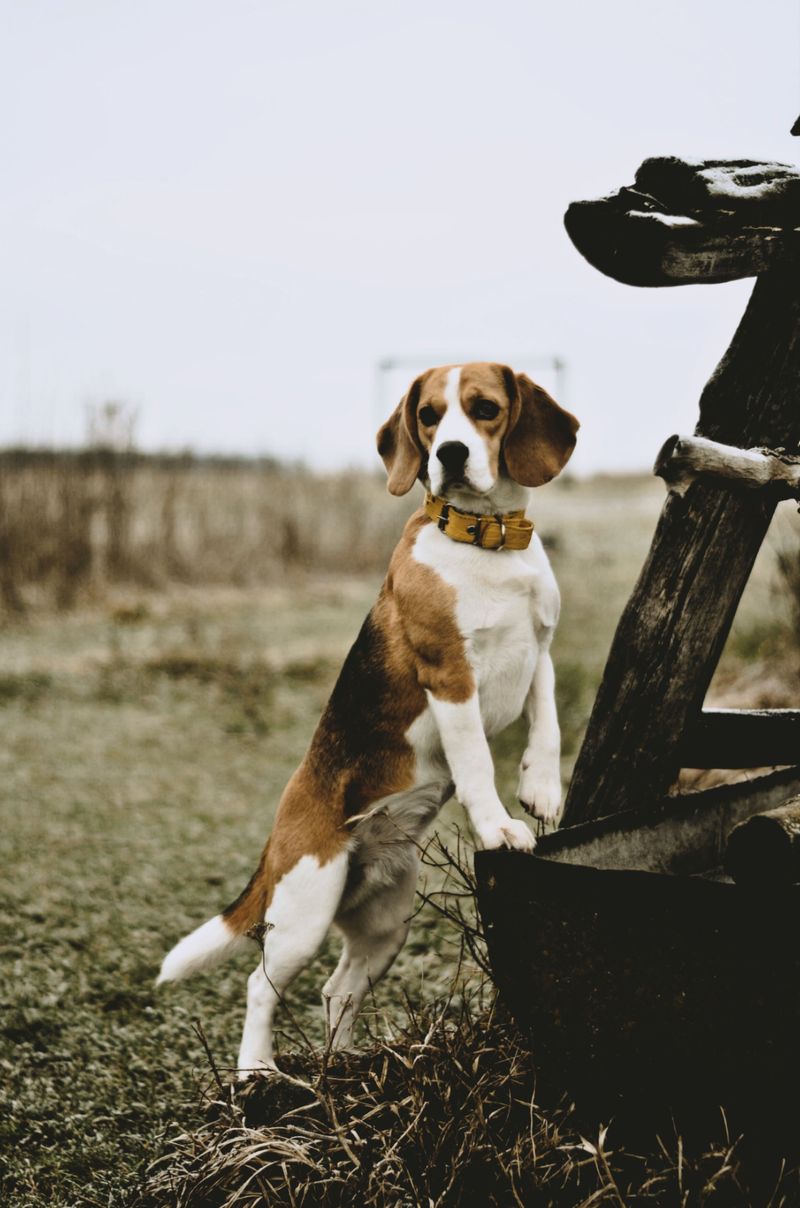
Follow that famous nose, and you may end up beside a snack. A Beagle, like any dog, can become uneasy when someone approaches valued food.
Freezing over a bowl or showing a hard stare means you should step back.
Feed pets away from busy walkways and curious children. Do not test tolerance by taking meals away.
A qualified behavior professional can guide safe training for guarding. Growling is useful information, not a challenge you must win.
Miniature Schnauzer: Listen Before the Bark Gets Bigger
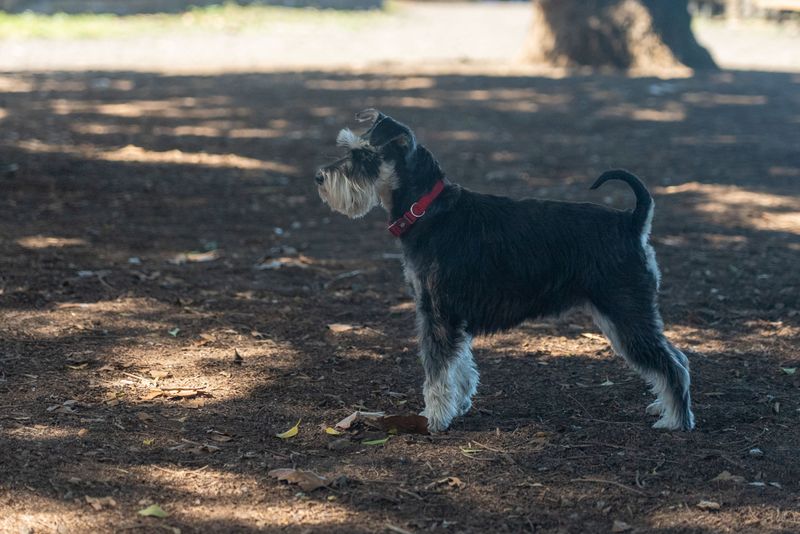
That bearded face often comes with plenty to say. During walks, barking and lunging may mean a Miniature Schnauzer is struggling with nearby dogs or people.
A rigid posture or fixed stare can appear before the noisy reaction.
Create distance early instead of waiting for an outburst. Cross the street, turn around, or use parked cars as visual cover.
Reward looking back at you. Avoid leash jerks, which can add discomfort and make encounters more stressful.
Yorkshire Terrier: Let Sleeping Dogs Rest
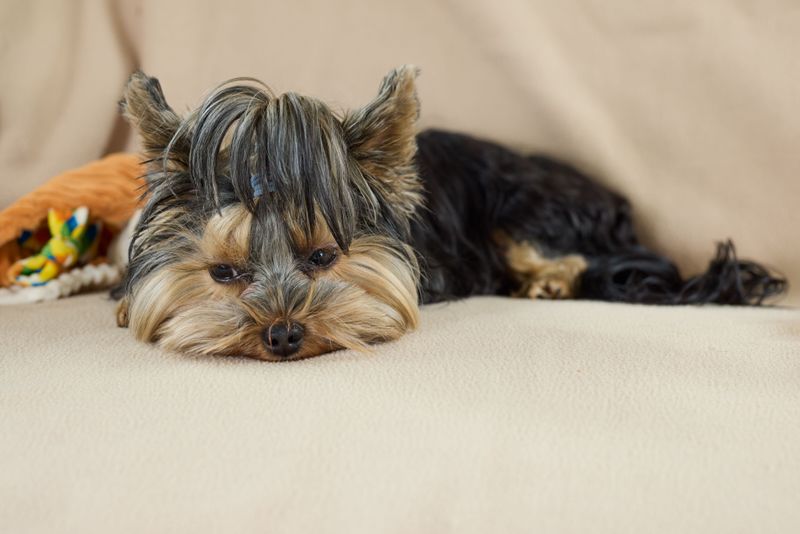
A lap sized companion still needs a private place to rest. Yorkshire Terriers may startle when touched during sleep or feel cornered on furniture.
Turning away, freezing, or growling should end the approach, even if the dog looks adorable.
Call your pet gently before touching it, and wait until it is awake. Keep resting areas off limits to children.
If reactions change suddenly, seek a veterinary assessment. Respecting small warnings helps prevent the need for bigger ones.