
If your dog seems timid, jumpy, or unsure, small daily habits might be chipping away at their courage. The good news is that confidence is teachable, and it starts with what you do today.
These common mistakes are easy to miss but even easier to fix once you see them. Let’s walk through practical shifts that help your dog feel safe, brave, and ready for the world.
Inconsistent rules and boundaries

Dogs thrive on predictability, and mixed messages make them anxious. One day the couch is fine, the next you scold, and confusion sets in.
When rules change with your mood, your dog stops trusting choices and hesitates.
Pick simple boundaries and stick with them every time. Use the same cues, reward the same decisions, and correct gently, not emotionally.
Tell family, walkers, and sitters the plan so your dog gets a steady, safe roadmap.
If a mistake happens, reset calmly and guide the right behavior instead of nagging. Consistency is not rigid or harsh, it is kind structure that frees curiosity.
With clear patterns, your dog practices success, builds confidence, and meets new challenges with heart every single day brightly.
Harsh or punishment-based training
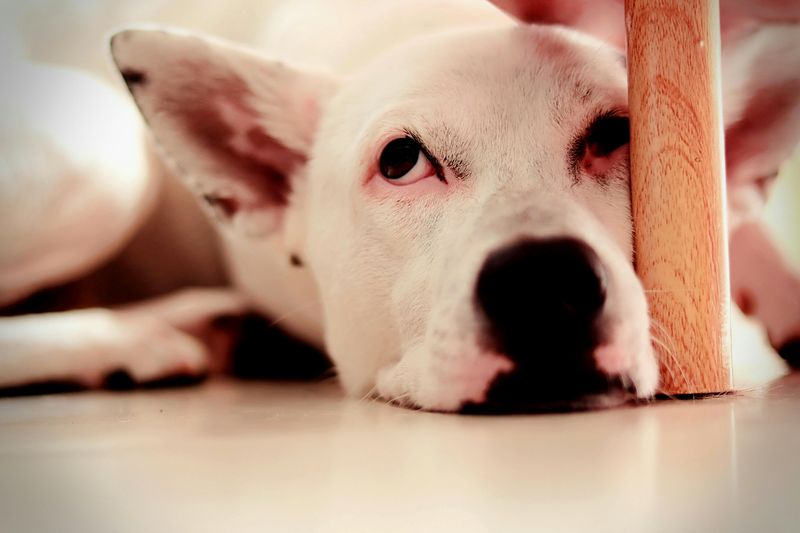
Punishment can shut a dog down and make learning feel unsafe. Yelling, leash pops, or alpha style tactics may stop behavior short term but erode trust.
When a dog fears mistakes, curiosity fades and problem solving disappears.
Teach with rewards, timing, and clear criteria so your dog knows what earns success. Mark the instant they choose right, then reinforce generously with food, toys, or praise.
Interrupt unsafe choices calmly, redirect, and give an easy win immediately after.
Fair training builds resilience because mistakes become information, not threats. Confidence grows when your dog predicts outcomes and trusts your guidance.
You will see brighter eyes, faster engagement, and a wag that returns quickly after setbacks big or small because progress feels fun.
Lack of socialization early on
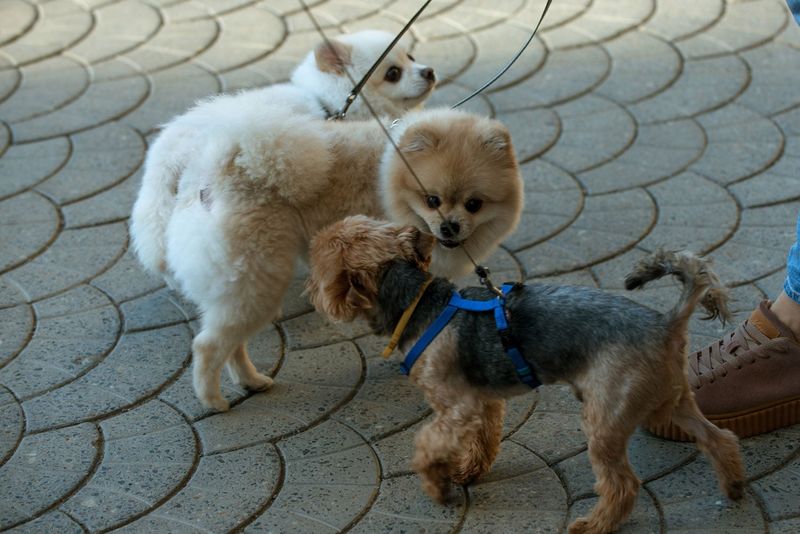
Puppies need gentle exposure to people, dogs, sounds, and places during critical windows. If that window closes with little practice, novelty can feel scary instead of interesting.
Later, fear may show up as barking, avoidance, or freezing when the world changes.
Go slow, pair new things with treats and distance, and let your pup choose. Create positive micro adventures like sitting near a school, watching traffic, or meeting calm friends.
End sessions while your puppy still wants more so confidence snowballs.
If your dog is older, you can still build comfort using the same principles. Work under threshold, celebrate tiny tries, and back up when stress surfaces.
Consistency turns the big world into a friendly map your dog can navigate.
Ignoring positive behavior
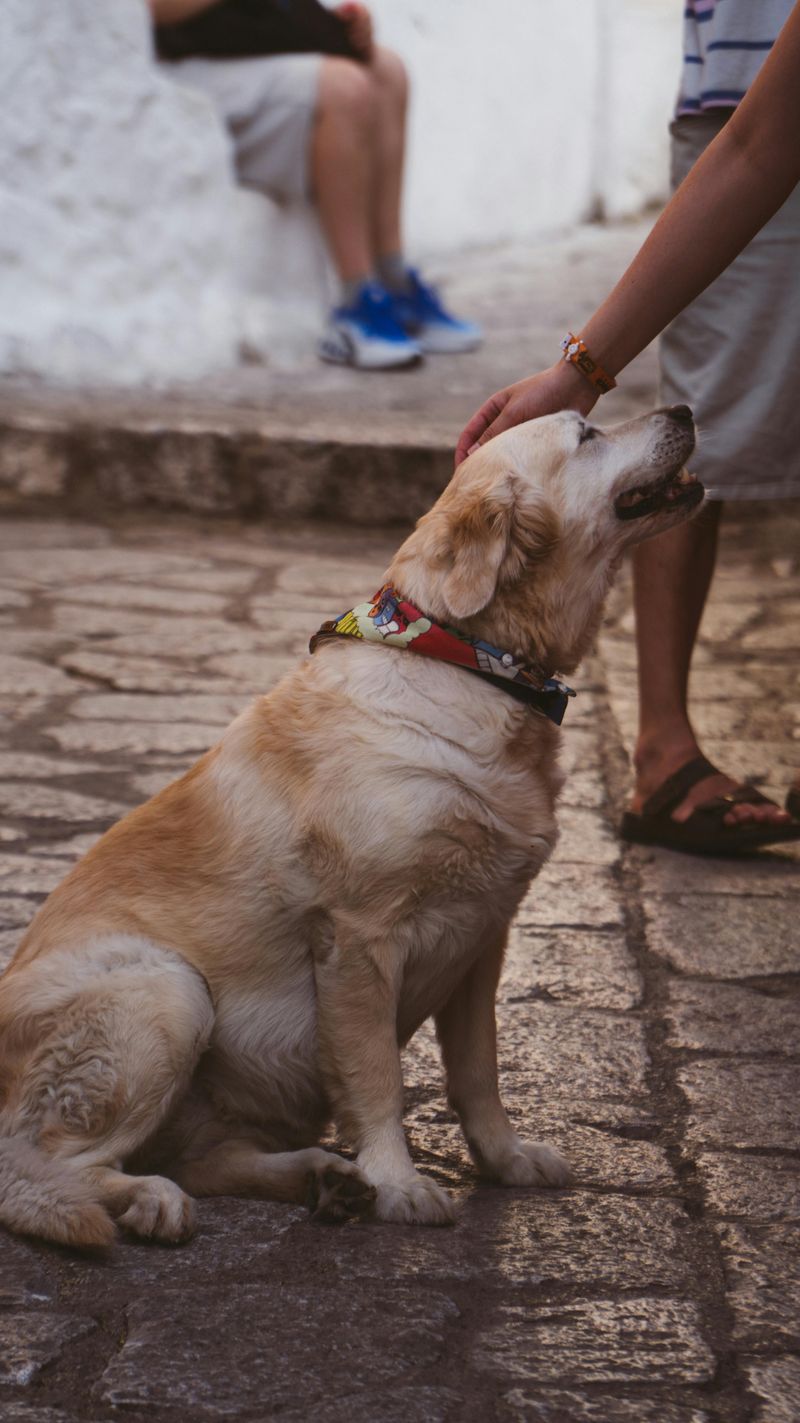
Dogs repeat what works, so silent good choices fade while noisy mistakes get attention. If you only speak up when things go wrong, you teach your dog to gamble.
They try louder behaviors because that is when rewards or interaction finally arrive.
Catch the good in real time, even quiet moments like settling on a mat. Name it, mark it, and pay it with praise, food, play, or access to sniffing.
Make the right thing obvious and worthwhile so your dog chooses it again.
Balance is key, so you still interrupt trouble but immediately show a better option. Over days, the reinforced behaviors grow while the rest quietly shrink.
You will notice calmer routines, smoother walks, and happier home energy.
Overprotecting or not allowing exploration
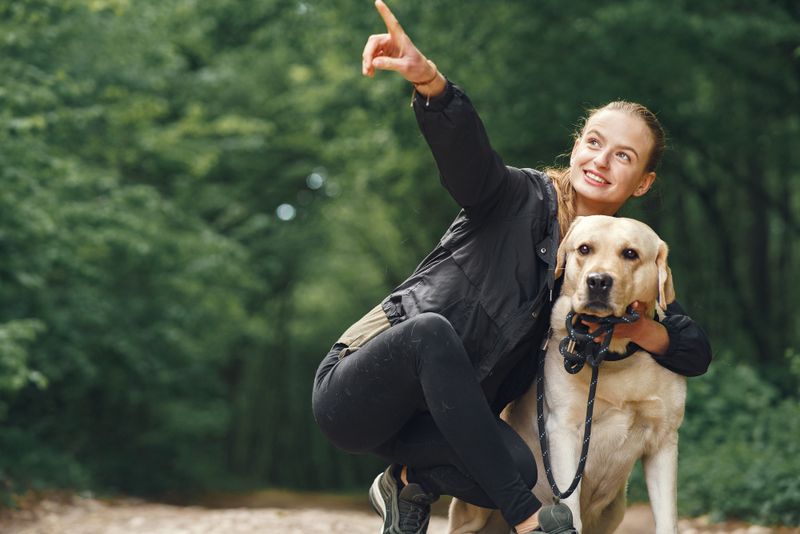
Hovering over every step can teach your dog the world is risky and fragile. Constant lifting, blocking, or rescuing prevents natural problem solving and self soothing.
Without small chances to try, dogs may cling or panic when novelty appears.
Set up safe explorations with long lines, harnesses, and predictable environments. Let sniffing lead the way, pause often, and watch body language for comfort levels.
Encourage tiny braves like stepping on new textures, hopping low logs, or meeting friendly shopkeepers.
Cheer progress softly, and give space when your dog checks in for reassurance. With smart freedom, curiosity blooms and independence grows alongside trust.
Your dog learns I can handle this and brings that confidence home most days and nights with you.
Yelling or showing frustration
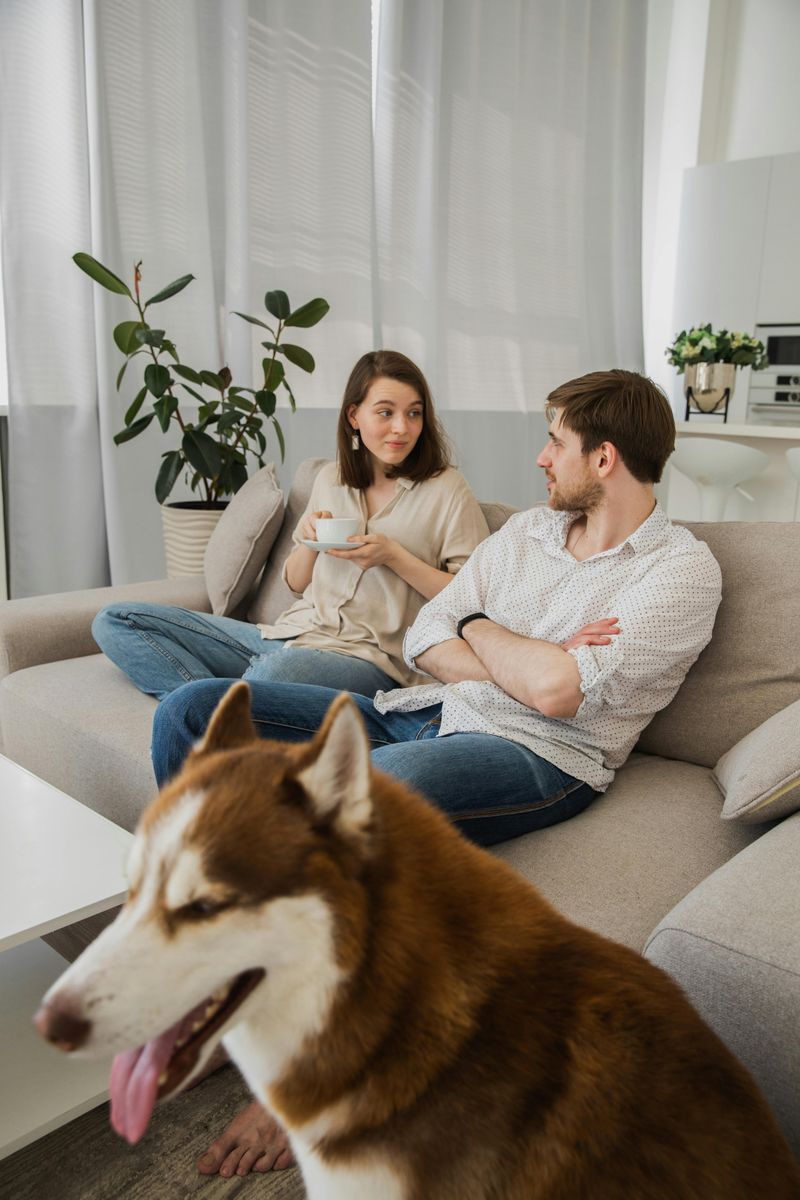
Raised voices and tense body language can scare sensitive dogs and muddy communication. When you sound unpredictable, your dog focuses on your tone, not the lesson.
Stress spreads quickly through the leash, making simple tasks suddenly feel heavy.
Exhale first, soften shoulders, and speak in short, friendly cues your dog already knows. Practice saying good, yes, and try again in a calm rhythm.
End sessions on a small win to prevent lingering frustration for both of you.
If emotions spike, take a reset walk, sip water, and start simpler. Model steadiness so your dog learns to mirror it under pressure.
Calm coaching keeps confidence intact and protects your relationship through tough days, busy parks, and unexpected surprises out there together.
Not providing enough mental stimulation
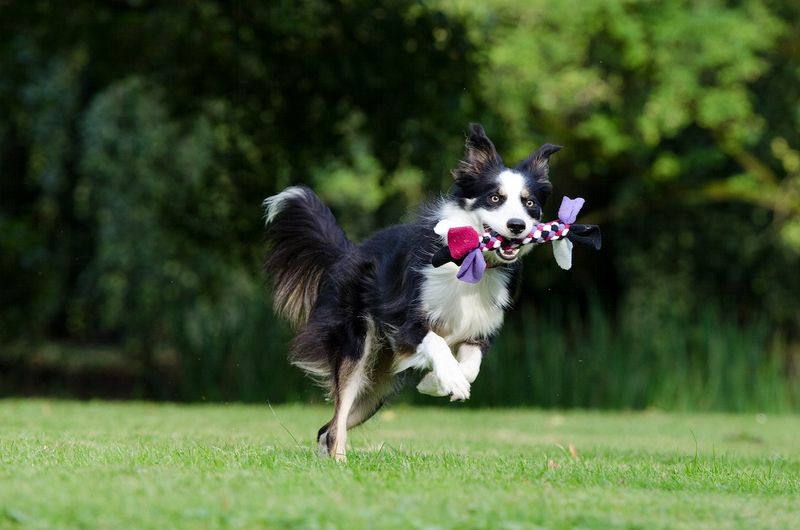
Bored dogs invent hobbies like barking, digging, or shredding because energy needs an outlet. Without brain work, confidence can stall since challenges build problem solving muscles.
Daily enrichment turns aimless energy into purposeful wins your dog can control.
Mix sniff walks, puzzle feeders, training games, and chew sessions across the week. Rotate toys and make meals interactive so routine moments become little quests.
Teach nosework, scatter feeding, or hide and seek to spark confident choices.
Short sessions beat marathons, ending while your dog still wants more. Track what lights them up, then repeat successes and adjust the challenges.
A mentally satisfied dog rests easier and greets the world with steady optimism at home and on walks most days overall too.
Comparing your dog to others
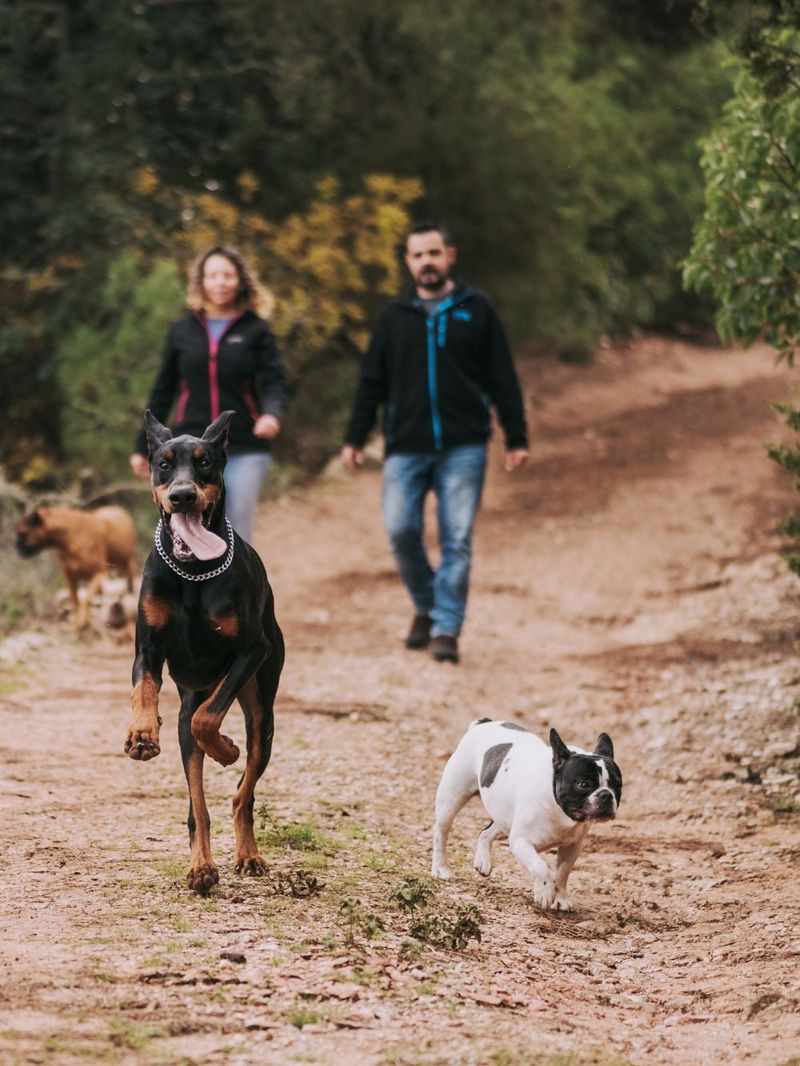
Comparisons steal joy and pressure you to rush milestones your dog is not ready for. Every breed, history, and temperament creates a different learning curve.
When progress feels behind, dogs sense stress and start second guessing choices.
Set goals based on your dog today, not a neighbor’s highlight reel. Celebrate your unique partnership, and measure growth by comfort, recovery time, and curiosity.
Keep a training journal so you notice upward trends even when emotions wobble.
When you honor their pace, confidence blooms naturally without extra pressure. Small wins compound quickly when you cheer the try, not the timeline.
You will find relief, and your dog will stand taller in everyday life from sidewalks to living rooms and training classes everywhere.
Forcing uncomfortable situations
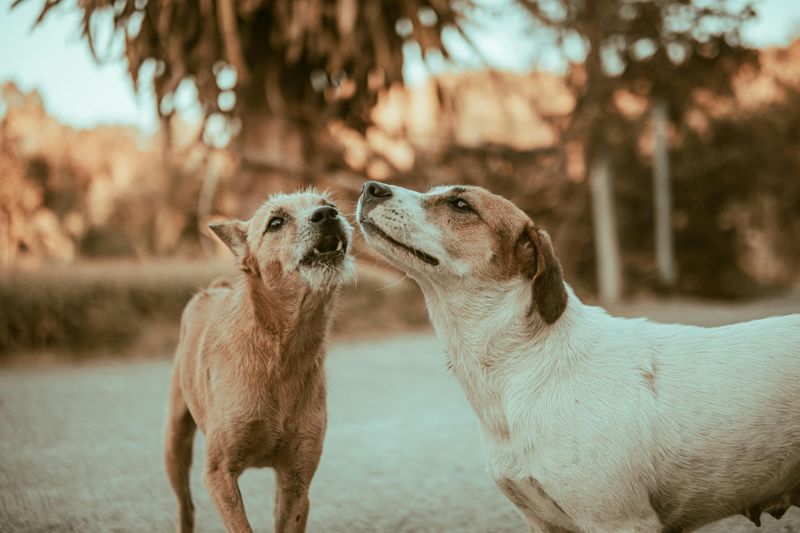
Pushing a scared dog into crowds, grooming, or greetings can backfire into bigger fear. They may shut down, snap, or learn that you will not protect boundaries.
Flooding rarely builds resilience and often creates learned helplessness.
Instead, use gradual exposure with control over distance, time, and intensity. Ask for tiny behaviors like looking away, sniffing, or taking a treat, then retreat.
End before fear spikes so your dog remembers safety, not overwhelm.
Let them consent when possible by offering a choice to approach or pause. Partner with vets and groomers who respect thresholds and can pace care thoughtfully.
Confidence grows when your dog learns you listen first and advocate in busy spaces and quiet rooms alike every single time consistently.
Lack of routine and structure
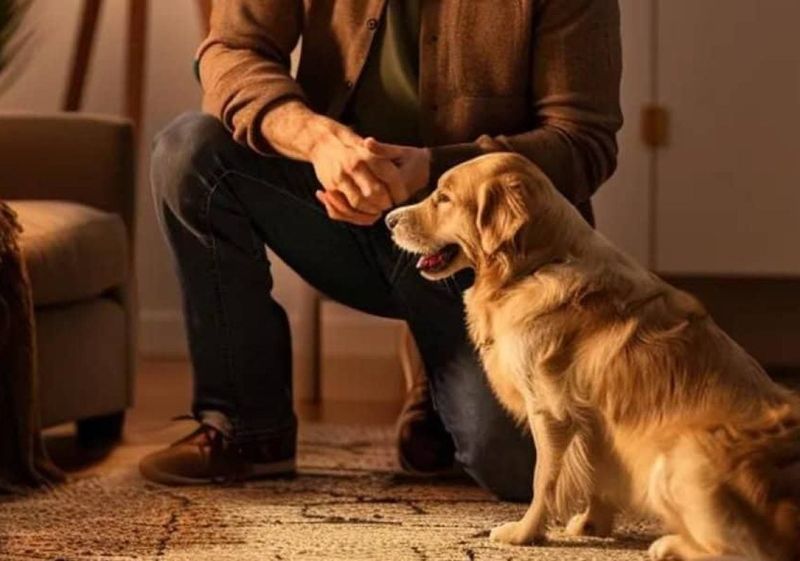
Random schedules make needs hard to predict, leaving dogs restless, vocal, or on edge. Without patterns, they struggle to relax because the next event might surprise them.
Unclear timing can also disrupt housetraining and sleep.
Create simple rhythms for meals, potty breaks, play, walks, and rest. Use anchors like morning training, midday sniff walks, and evening decompression.
Post a family schedule so everyone supports the plan consistently.
Predictability does not mean boring, it means your dog can exhale between adventures. When routines hold steady, coping skills strengthen and confidence shows up faster.
Soon you will notice deeper sleep, easier transitions, and happier training sessions. Structure gives freedom because your dog knows when to rest and when to explore with you.