
Good dogs do not turn aggressive overnight. It usually happens slowly, fueled by small mistakes that stack up until stress boils over.
The good news is you can spot these pitfalls early and make simple changes that keep everyone safe. Let this guide help you course correct with confidence and compassion.
Poor socialization early in life
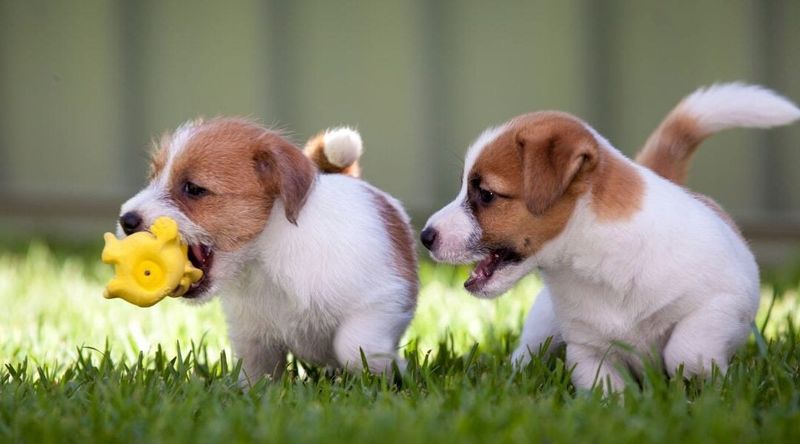
Poor socialization in puppyhood quietly plants seeds of fear that later look like aggression. When a dog misses safe exposure to people, dogs, sounds, and surfaces, the unknown feels dangerous.
You start seeing barking, lunging, or freezing when everyday life happens.
You can change the trajectory with patient, bite sized introductions. Pair new sights and noises with treats, distance, and choice so your dog feels safe.
Enroll in well run puppy classes, invite calm friends over, and practice short field trips to quiet places, then gradually busier spots. Keep sessions playful, end on success, and track tiny wins to build lasting confidence.
If setbacks appear, step back, lower difficulty, and reward calm breathing before trying again tomorrow. Go slow always.
Punishment-based training
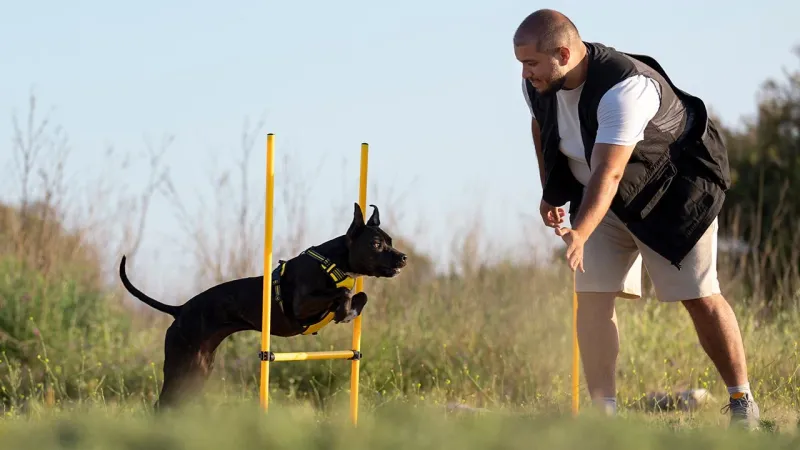
Punishment based methods can suppress behavior while inflaming stress that later erupts as aggression. Collar pops, yelling, or shock create pain associations with you and the environment.
Dogs learn to avoid signaling discomfort, so early warnings vanish and bites seem to appear without cause.
Switch to reward centered training that teaches what to do instead. Mark calm choices, reinforce generously, and use management to prevent rehearsing unwanted behavior.
Hire a credentialed force free trainer who prioritizes welfare, timing, and clear criteria. Use equipment like harnesses and long lines to reduce conflict safely.
Track progress in tiny steps, celebrate calm, and keep sessions short to protect attention. When mistakes happen, reset the setup, lower difficulty, and try again with patience.
Consistently.
Encouraging guarding behavior
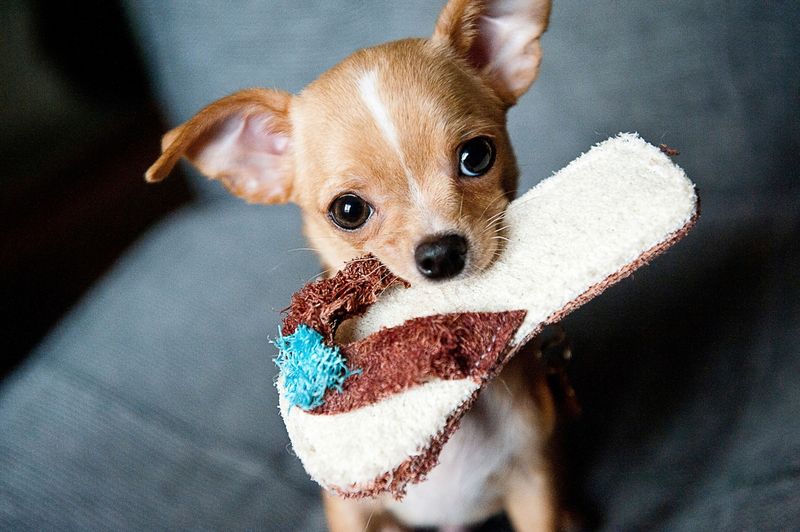
Cheering on growls over toys or food can teach a dog that threats work. Resource guarding often begins as fear of losing valued stuff, then escalates.
When family laughs or backs away, the behavior gets rehearsed and strengthened.
Switch the script with trades and consent. Teach drop and leave it using high value swaps, and add a predictable pattern that brings more goodies when you approach.
Feed in quiet areas, use gates, and protect rest time so pressure stays low. Coach kids to give space, and log triggers to spot patterns.
Work with a qualified trainer to build trust, using muzzles and distance when needed for safety. Progress slowly, pay generously, and stop before arousal spikes to keep learning.
Always.
Ignoring fear signals

When a dog trembles, lip licks, looks away, or tucks a tail, fear is speaking. If those whispers are ignored, dogs shout with growls and snaps.
Pushing through scary moments teaches that subtle communication does not work.
Start honoring small signals and give space. Add distance, turn away, or offer a sniff break so the nervous system resets.
Pair the trigger with tasty food at a tolerable distance, and stop feeding when it leaves. Track thresholds in a journal, aim for relaxation, and practice consent handling daily.
Recruit a veterinary behaviorist if panic persists, and rule out pain that mimics fear. Calm routines, predictable choices, and kind leadership help dogs feel safe, which reduces defensive reactions over time. at home.
Inconsistent boundaries
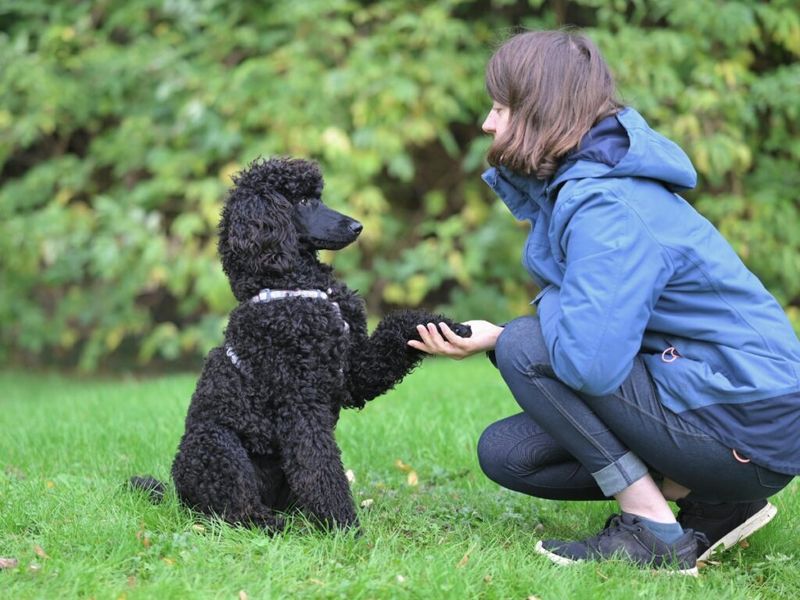
Mixed messages confuse dogs and invite conflict. If jumping sometimes earns cuddles and other times scolding, frustration builds and intensity rises.
Lack of clear rules around doors, furniture, and play can spark pushy behavior that looks aggressive.
Pick simple house rules and apply them every time. Teach an alternative like sit for greetings, and reward generously so the new habit sticks.
Use gates, leashes, or tethers to prevent rehearsals, and communicate expectations with short, consistent cues. Make a family plan, post it on the fridge, and track wins together.
When mistakes happen, calmly reset, help the dog succeed, and praise the smallest correct choice. Over time, clear patterns reduce uncertainty and lower arousal so cooperation becomes the default. for everyone.
Lack of exercise and stimulation
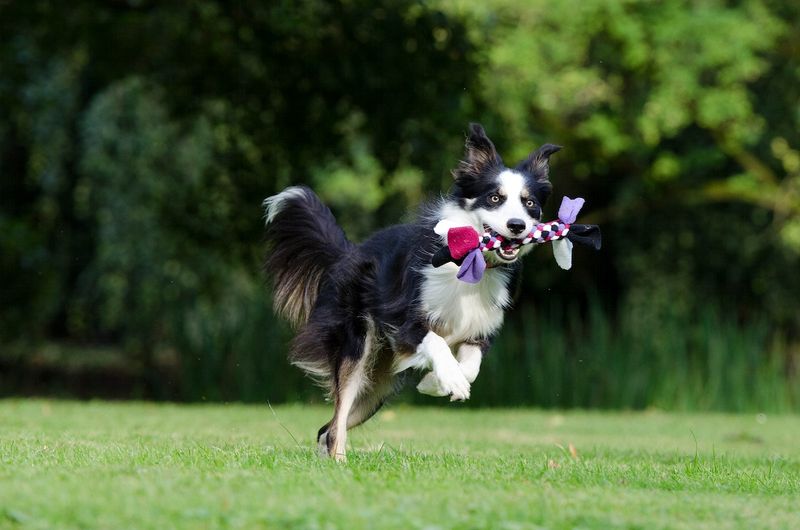
Under exercised dogs carry pent up energy that can spill into reactivity. Bored minds create their own jobs like barking out windows or chasing joggers.
Without outlets for sniffing, chewing, and problem solving, stress accumulates and tolerance for frustration drops.
Build a routine with walks, sniffaries, tug, and puzzle feeders that fit your dog. Rotate toys, scatter feed in grass, and structure play with start and stop cues.
Short training games tire brains, while rest windows prevent overtired meltdowns. On busy days, use snuffle mats, stuffed Kongs, and training during commercials to meet needs.
Track activity on a calendar, note behavior changes, and adjust doses to find the sweet spot for calm. Veterinary checks rule out medical contributors. to aggression.
Allowing uncontrolled dominance behavior
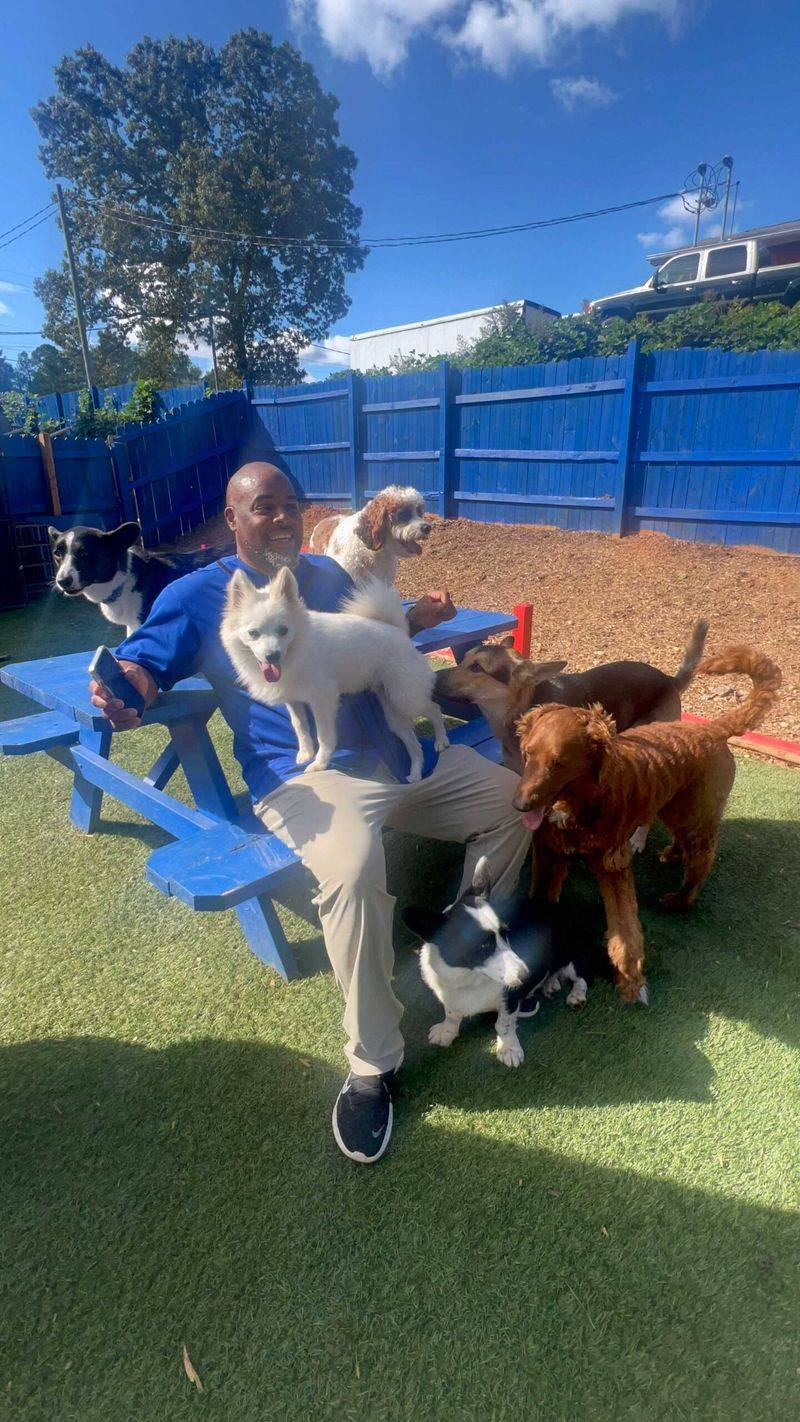
Letting pushy behavior go unchecked can create conflict spirals. Mounting, bulldozing during play, guarding furniture, or body blocking guests may start playful but escalate.
If dogs learn that brute force gains access or attention, frustration hardens into confrontational habits.
Teach polite alternatives and supervise interactions. Use timeouts from fun, leashes, and stationing on mats to interrupt arousal before it spikes.
Reinforce soft play, swaps, and disengagement, and separate dogs that cannot agree on rules. Avoid outdated dominance myths, and focus on consent, predictability, and earned privileges.
Bring in a qualified trainer to assess body language and design structure that reduces conflict safely. Consistency, clear cues, and fair consequences teach dogs how to win without pushing others around. in daily life.
Forcing stressful interactions
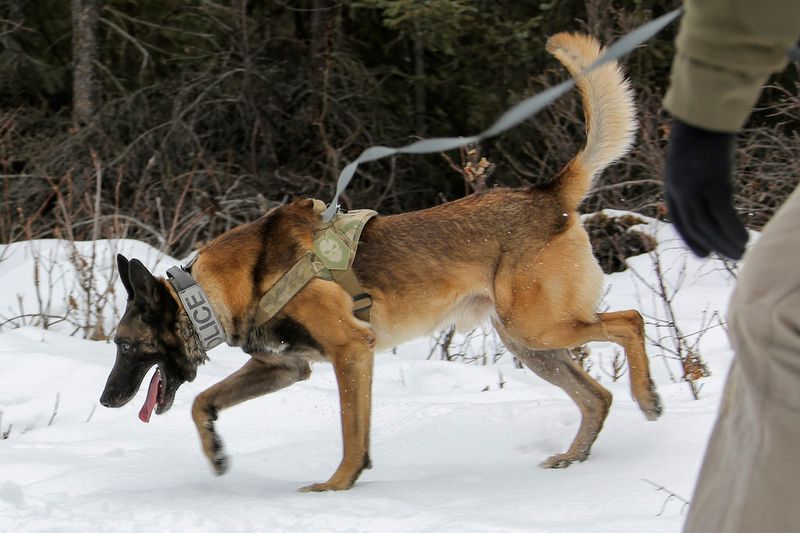
Making dogs greet every person or dog can backfire. Flooding them with contact when they feel unsure increases fear and creates explosive reactions.
Dragging a nervous dog into petting or crowded spaces erodes trust and removes their sense of safety.
Give choice and control. Let dogs observe at a distance, sniff, and opt out without pressure.
Teach a hand target or behind me cue, and build positive associations gradually using food, space, and short sessions. Advocate kindly with strangers, saying not today, and move away before arousal rises.
Celebrate relaxed body language, look for soft eyes and loose movement, and end early while everything feels easy. Progress slowly, track wins, and consult professionals for sensitive or fearful dogs. as needed.
Rewarding aggression accidentally

Sometimes barking, snapping, or charging works because it makes scary stuff go away. When that relief follows the outburst, the aggressive behavior is reinforced.
Owners may also soothe nervously in the moment, unintentionally adding attention that keeps the cycle running.
Break the loop with management and planned training. Increase distance early, pivot and feed for noticing calmly, and reward quiet choices before tension spikes.
Teach an emergency U turn, and practice so it feels automatic on walks. Log patterns, avoid triggering setups, and get help from a qualified, rewards based professional.
Over time, your dog learns that calm behavior makes the world predictable and safe. Consistency and timing matter most, so plan ahead and practice skills in easy places. first.
Keeping dogs isolated too often
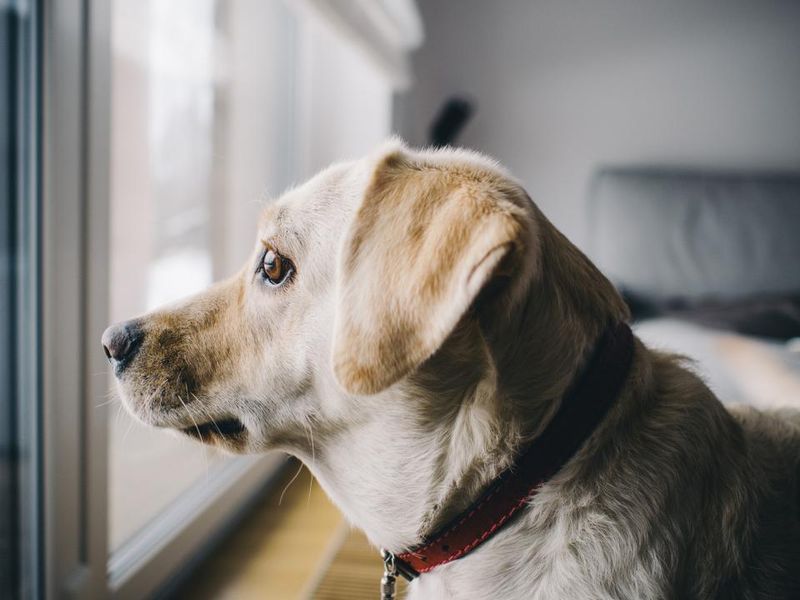
Long hours alone with little enrichment can create anxiety and reactivity. Dogs are social animals that need connection and mental work.
Isolation often leads to barrier frustration, over excitement on leash, and defensive behavior with visitors or dogs.
Balance rest with companionship and structured activity. Hire walkers, use daycare carefully, and schedule training games to break up lonely stretches.
Set up safe confinement with chew projects, soothing music, and window management to lower arousal between outings. Prioritize quality time, gentle touch, and calm play when together, then allow deep sleep.
If separation distress appears, involve your veterinarian and a qualified trainer early to prevent escalation. Small improvements add up, building resilience and lowering the risk of aggressive reactions. over time.