
Dogs are often misunderstood by their human companions, especially when it comes to behavior that might be perceived as dominance. This guide explores ten common behaviors that are often misjudged, helping you understand your furry friend better.
Jumping on Guests
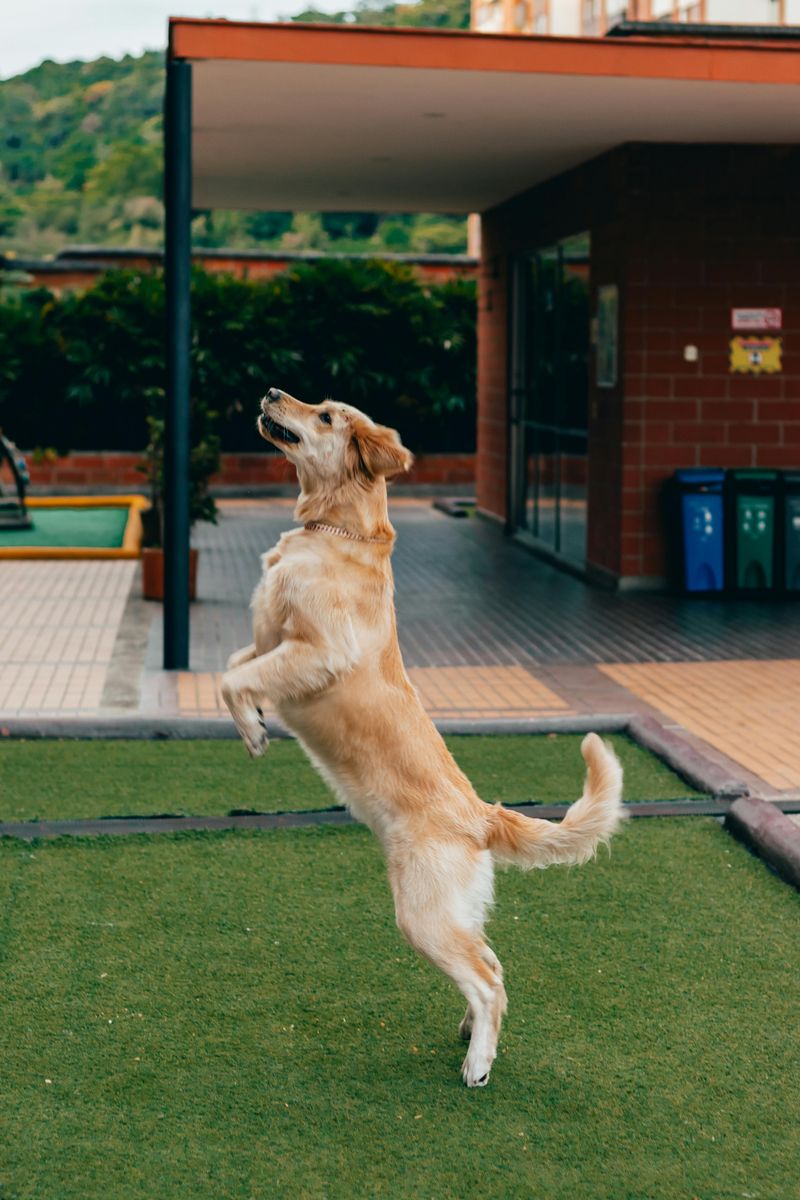
Imagine returning home to an enthusiastic greeting from your dog, jumping with joy. This behavior, while often seen as dominance, is typically a demonstration of excitement and affection. Dogs naturally express their happiness by getting close to human faces, and jumping helps them achieve that.
Training your dog to offer a more acceptable greeting can help manage this behavior. Commands like “sit” or “stay” before interaction can channel their energy positively. It’s a matter of teaching boundaries, not battling dominance.
Many dogs simply mirror their owner’s energy or excitement. Viewing this jumping as a need for attention rather than power allows for a more harmonious relationship.
Pulling on the Leash
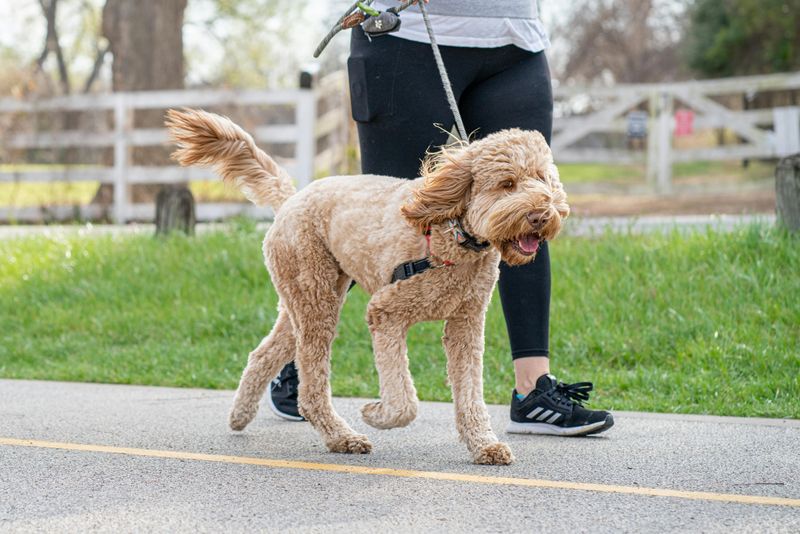
A determined puller on the leash might seem like a power play at first glance. However, it’s often an indication of curiosity or eagerness to explore the surroundings. Dogs have a natural desire to sniff and investigate, which can lead them to pull ahead during walks.
To address this, leash training with positive reinforcement can work wonders. Techniques like rewarding your dog for walking beside you can transform the walk into a cooperative adventure.
Leash pulling isn’t about dominance but rather a dog’s way of sharing their spontaneous excitement and zest for life.
Barking at the Mail Carrier
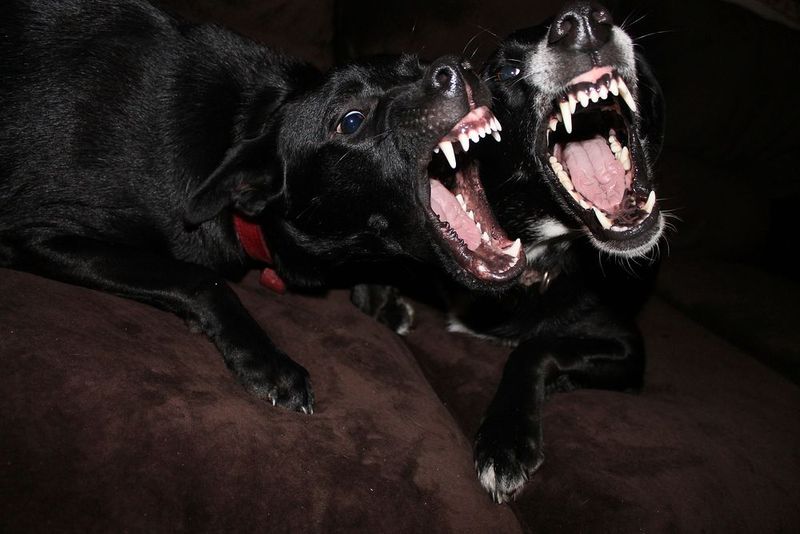
A loud bark at the mail carrier isn’t a declaration of authority but often a protective instinct. Dogs are territorial creatures, and the regular approach of a stranger triggers their need to alert their family.
Desensitizing your dog through gradual exposure to the mail carrier can reduce this behavior. Reward calmness with treats to gradually change their response.
Rather than dominance, barking in this context is usually about ensuring safety. Recognizing this can help foster understanding between you and your pet.
Guarding Toys
Holding on to toys might seem like a possessive act. However, it’s more about valuing their prized possessions. For dogs, toys can be a source of comfort, and guarding them is akin to humans keeping treasured items safe.
Introducing games like “trade” can help alleviate this behavior. Encouraging your dog to exchange toys for treats can make sharing more appealing.
Understanding that toy guarding stems from valuing rather than dominating can enhance the bond with your pet.
Ignoring Recalls Sometimes
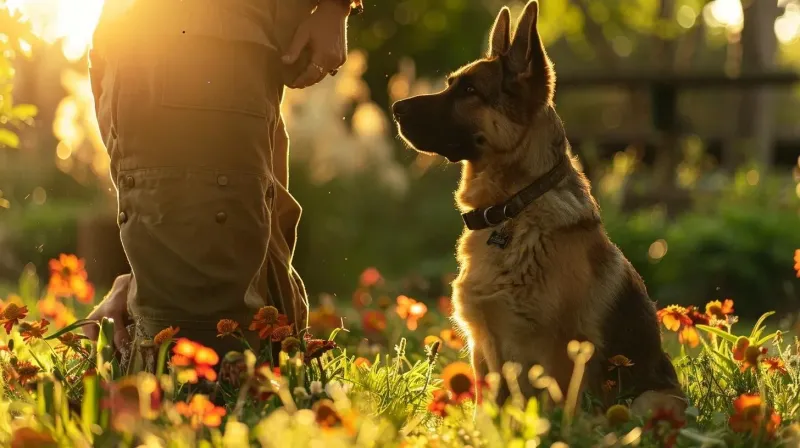
When your dog seems to selectively ignore recalls, it might feel like they’re challenging authority. More often, it’s simply a matter of distraction. Dogs live in a world full of intriguing smells and sights that can capture their attention.
Consistent recall training can improve responsiveness. Using enticing rewards or enthusiastic praise can make returning more appealing.
Ignoring commands isn’t about defiance but rather curiosity. Understanding this can improve your communication with your dog.
Mounting During Play
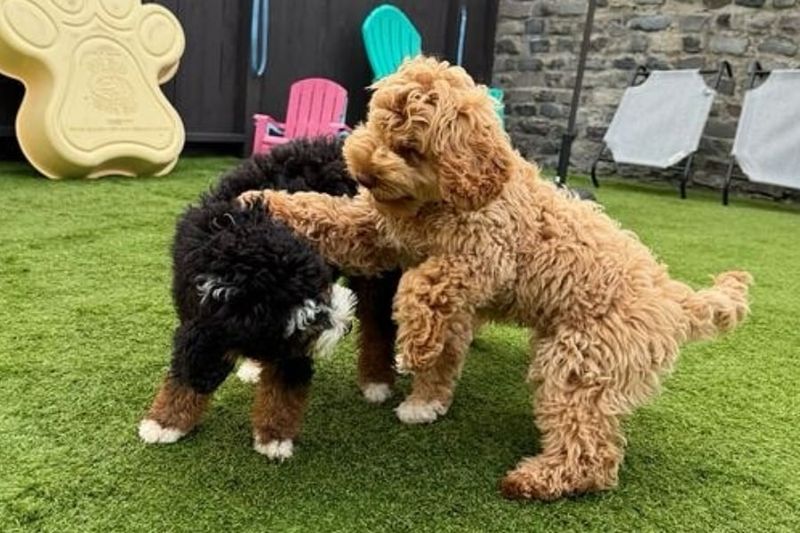
Mounting during play can raise eyebrows, often misinterpreted as dominance. In reality, it’s typically a display of excitement or overstimulation. Dogs sometimes mount to establish social relationships during play.
Redirecting this energy with commands or toys can mitigate unnecessary mounting. Observation and timely intervention can guide this instinct better.
Rather than asserting control, mounting is usually a playful or social interaction. Recognizing this helps in managing behaviors without misunderstanding their intentions.
Grabbing Food Before Cue
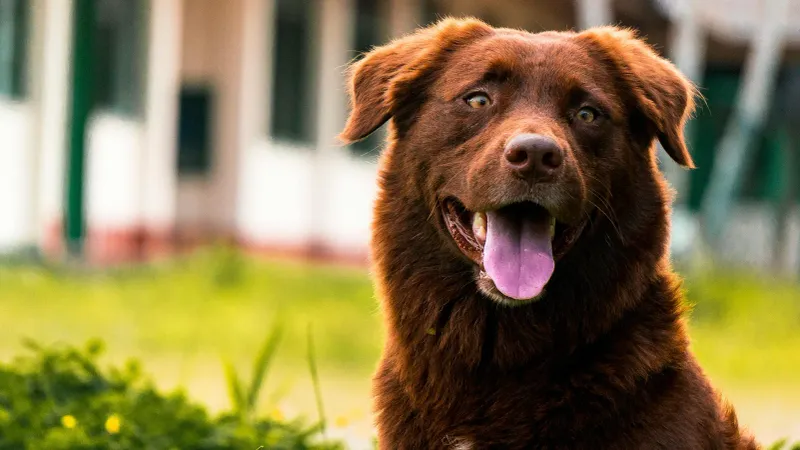
Grabbing food without waiting for a cue might appear audacious, but it’s often driven by impulse and excitement. Dogs have a strong sense of smell, and tasty treats can be irresistible.
Training patience with cues like “wait” can help manage this impulsiveness. Rewarding self-control can strengthen desired behaviors.
This behavior is less about seizing control and more about uncontrollable enthusiasm. Acknowledging this can lead to more effective training strategies.
Sleeping on Your Pillow

Finding your dog snuggled on your pillow can feel like an infringement of personal space. Yet, this action is typically about seeking comfort and companionship. Your scent on the pillow provides reassurance and warmth.
Encouraging use of their own bed or blanket can gently redirect this behavior. Offering rewards for staying off your pillow can reinforce the change.
Sleeping on your pillow isn’t a power move but a desire for closeness. Understanding this can foster a deeper connection with your pet.
Growling When Startled
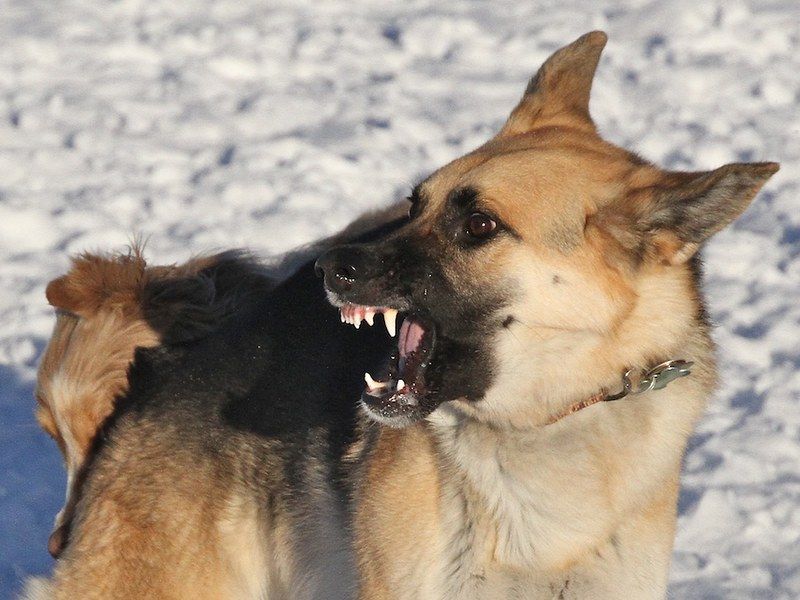
A sudden growl might sound threatening, but it’s often a natural response to being startled. Dogs, like humans, have reflexive reactions to unexpected occurrences.
Teaching children or guests to approach a sleeping dog gently can prevent startling reactions. Educating family members on canine body language can promote a peaceful environment.
Growling in surprise isn’t about dominance; it’s a spontaneous reaction. Recognizing this can help manage interactions more gracefully.
Hiding When Scared
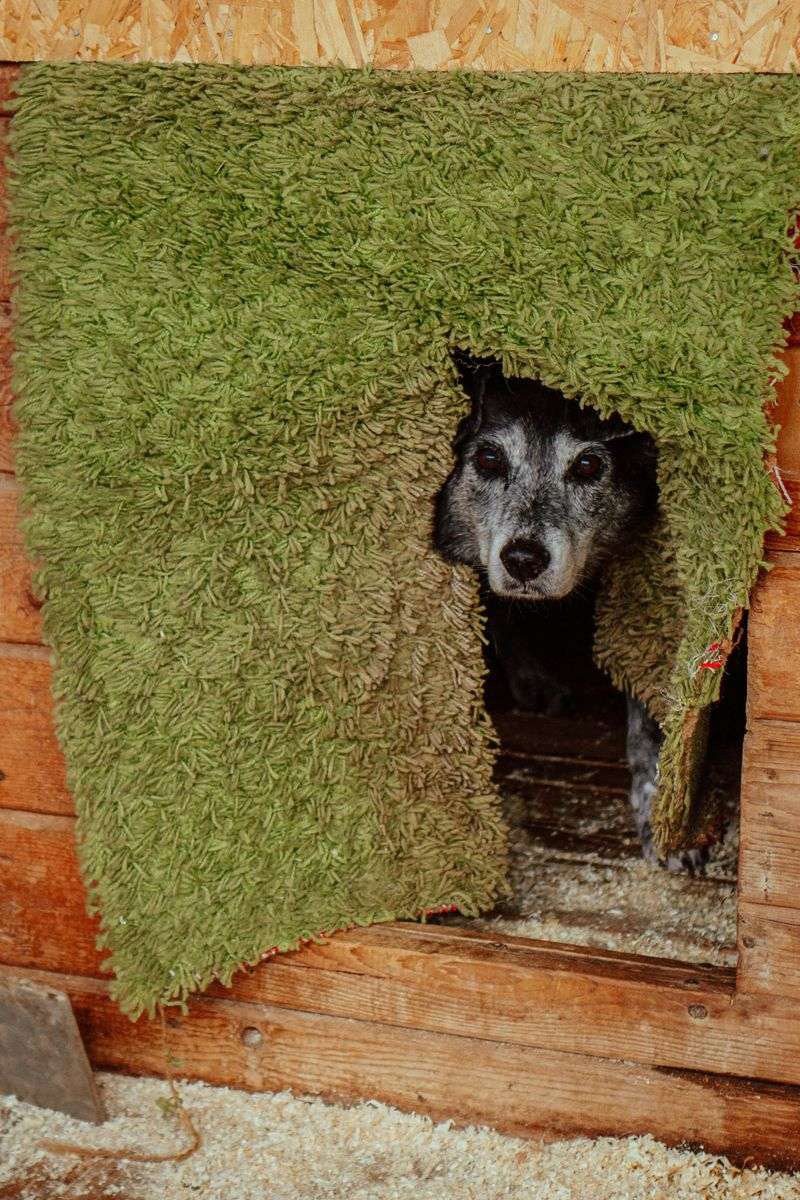
A fearful dog retreating to a hiding spot might seem like avoidance, but it’s an instinctive response to fear. Dogs often seek small, enclosed spaces where they feel safe.
Creating a safe haven with a cozy bed and familiar toys can offer comfort. Gradual exposure to the source of fear, paired with positive reinforcement, can build confidence.
Hiding isn’t about defiance but self-preservation. Understanding this can help you provide the right support for your dog.