
Some dogs carry a reputation that makes people cross the street, and not without reason. Power, speed, and protective instincts can become risky when training or management falls short.
The good news is that smart handling, ethical breeding, and steady routines can flip fear into respect. Here is how to understand these breeds clearly and keep everyone safe.
Pit Bull Terrier
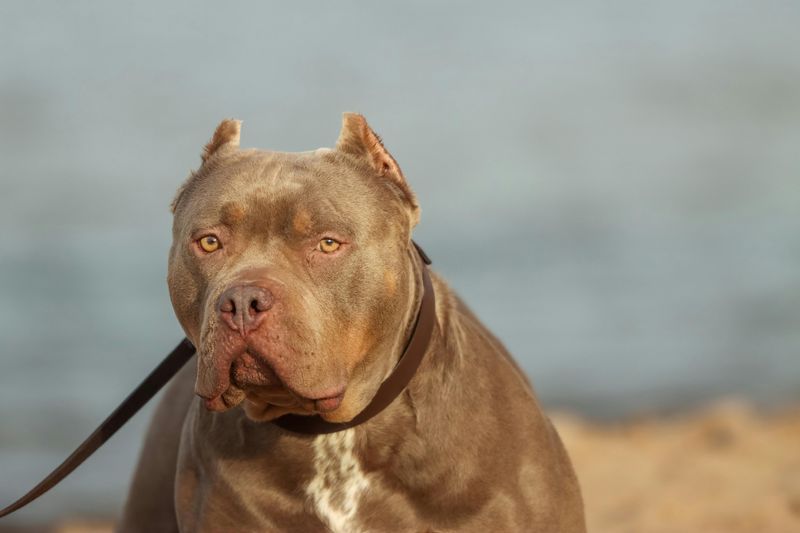
Pit Bull Terriers spark fear because their power is real, not imagined. Broad chests, explosive muscles, and high pain tolerance can overwhelm inexperienced owners.
When arousal spikes, rough play can escalate fast, which scares neighbors and fuels headlines.
Still, you can manage risk with structure and respect. Choose ethical breeders or rescues that temperament test, then double down on impulse control games, muzzle training, and rock solid recall.
Socialize thoughtfully, supervise around kids and animals, and commit to secure fencing. Insurance restrictions and breed specific laws can complicate housing and travel plans.
Train calm greetings and leash skills every single day. Clear rules, daily enrichment, and heavy bite prevention pay off.
The dog is not a villain. The responsibility is yours.
Rottweiler
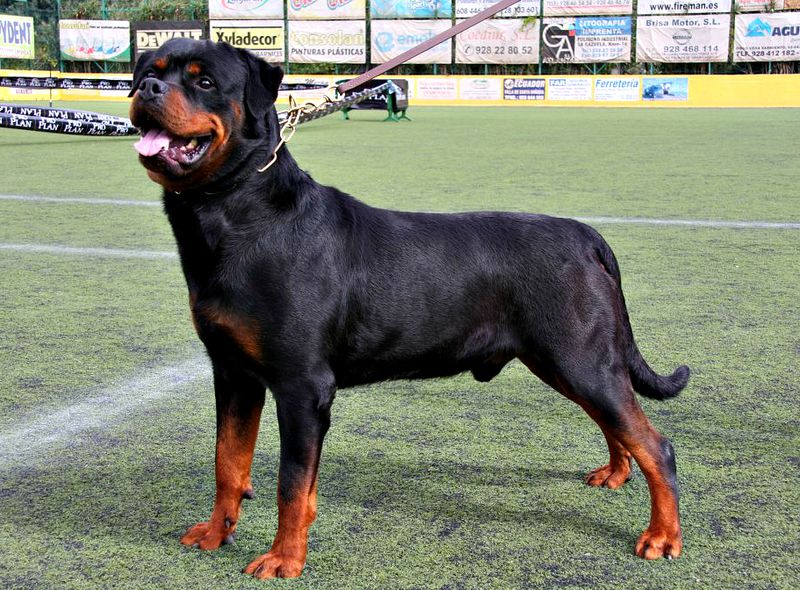
Rottweilers look imposing because they were bred to guard. Massive heads, deep chests, and a calm stare make strangers hesitate.
That confidence can flip to defense quickly if boundaries are sloppy or owners ignore early warning signals.
You lower risk by building neutrality. Prioritize health checks, because pain can magnify reactivity.
Start young with cooperative care, handler focus, and controlled exposure to deliveries, crowds, and doorways. Teach solid stationing, doorway waits, and neutral heeling.
Use clear markers, generous reinforcement, and thoughtful management like gates and tethers. Insurance, licensing, and neighborhood prejudice may follow a big black dog.
Clear signage and secure fencing protect you and curious visitors. Respect capacity limits, schedule downtime, and never rely on size to solve problems.
Doberman Pinscher
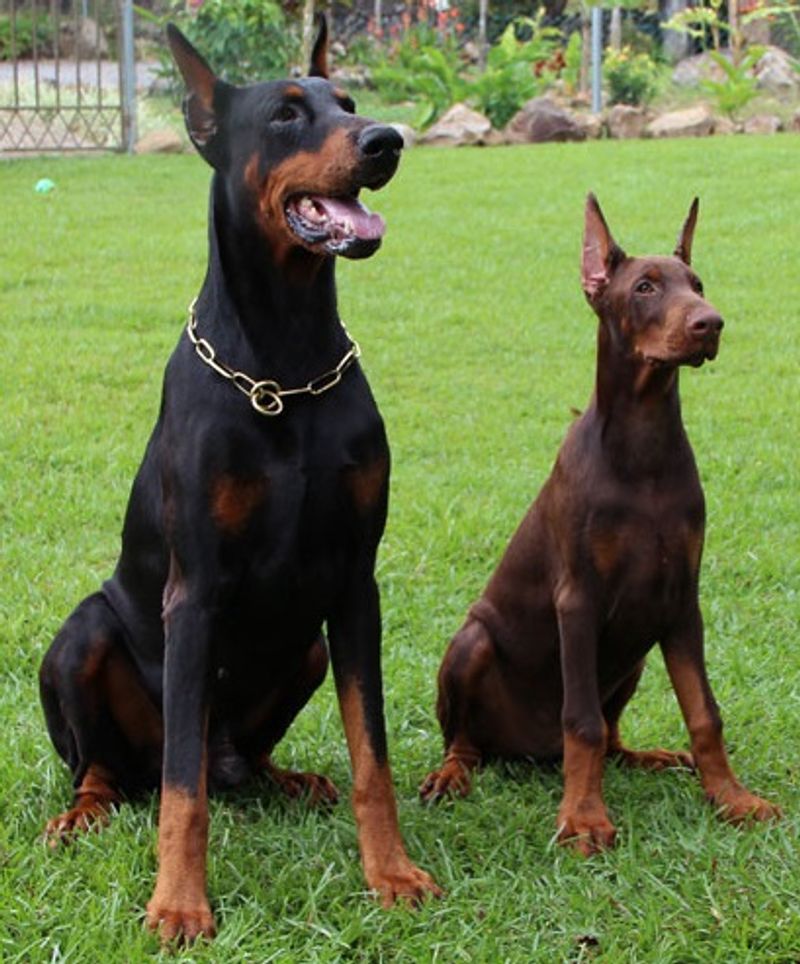
The Doberman is sleek, fast, and frightening when mismanaged. Selective breeding emphasized alertness and protective drive, so sudden motion can trigger instant investigation.
Their sensitivity means unfair corrections or chaotic homes create distrust, then sharp defensive reactions.
Do the opposite. Build predictable routines, reward eye contact, and teach a rock steady out cue for toys and doors.
Condition a basket muzzle early, pair it with snacks and games, and you remove fear of the vet. Practice mat work, car settling, and quiet observation near playgrounds.
Genetic testing and responsible breeders reduce nerve issues and unstable temperaments. Short nails, fit bodies, and enriching puzzles prevent restless mischief.
Keep arousal low before guests arrive. If you respect the brain, the body follows.
German Shepherd
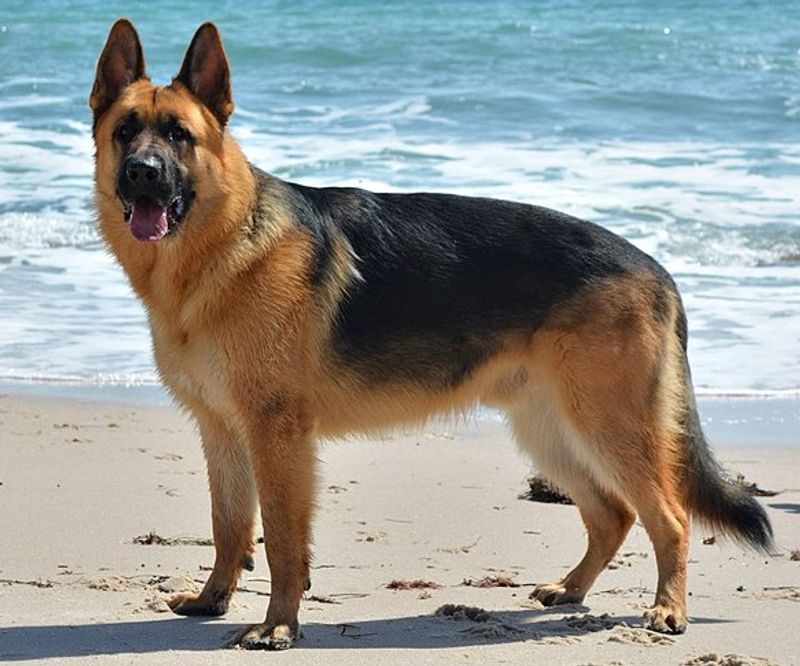
German Shepherds dominate police dramas, which biases expectations. Their versatility hides a nervous system that needs careful handling, especially in working lines.
Weak hips, skin pain, or poor nerves can mix with big prey drive and create reactive spirals.
You counter that with structure and clarity. Teach clean engagement, then alternate obedience, scenting, and decompression walks so adrenaline can drain.
Reward neutrality around bikes, joggers, and delivery carts. Muzzle train for vet care and urban errands.
Prioritize orthopedic health, traction rugs, and mental jobs like tracking or article searches. Consider balanced training tools introduced kindly under a skilled coach.
Clear boundaries at doors matter. For safety.
A fulfilled shepherd behaves safer than a bored one, and your neighbors will notice.
Cane Corso
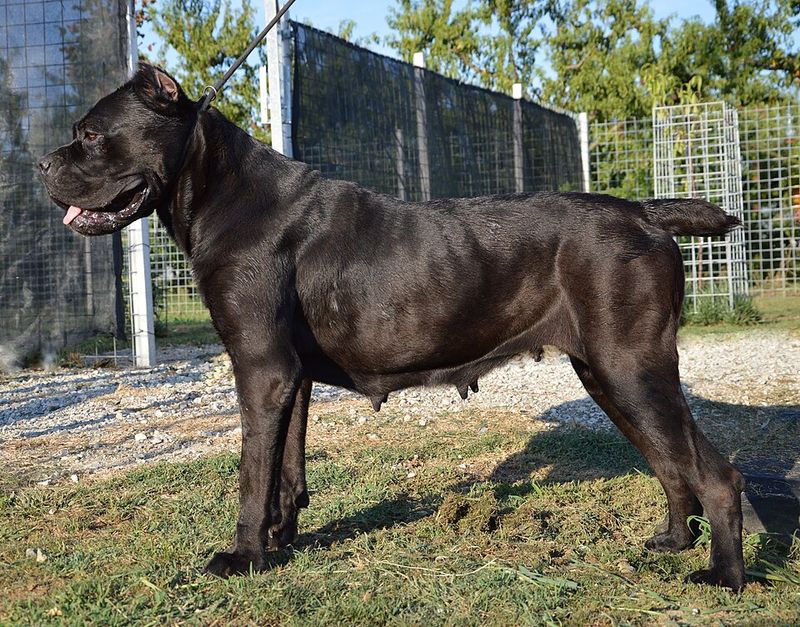
Cane Corso guardianship feels primal. Their size, head shape, and solemn gaze intimidate even confident visitors.
Instinct to block, body check, and hold space can overwhelm city life where tight hallways and elevators force close contact.
If you want one, build manners first. Leash pressure work, place training, and muzzle conditioning reduce risk immediately.
Hire a reputable breeder focused on health, nerve strength, and stability. Rotate decompression walks with rural field trips so the dog can breathe.
Double fence, post signs, and control greetings. Leadership here is calm, boring, consistent, and focused on preventing rehearsals of pushy behavior.
Insurance hurdles and landlord rules may be stricter with mastiffs. Commit to obedience titles or temperament testing to prove good citizenship.
Publicly.
Presa Canario
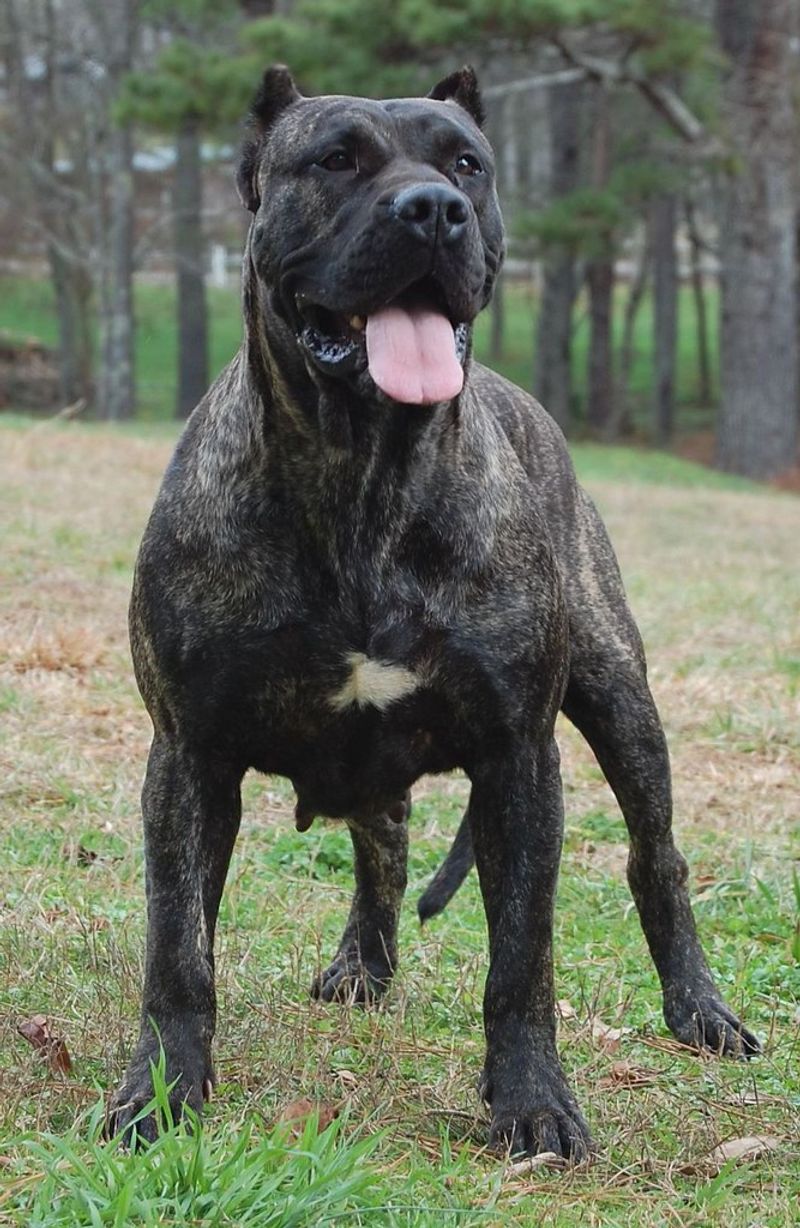
The Presa Canario is a gripping breed built for livestock guarding. That heritage brings massive confidence, strong thresholds, and sometimes low tolerance for rude dogs.
Crowded suburbs amplify mistakes, and media stories scare people before meeting a single individual.
You must engineer safety. Select ethical breeders, invest in functional obedience, and make muzzle training normal like a seatbelt.
Socialize with purpose, not chaos, and give decompression time after any arousal spike. Strengthen recalls, out cues, and neutral passes near fences.
Build bulletproof containment and respect legal requirements. When strangers feel safe near your dog, you earned it through repetition, fairness, and boring consistency.
Insurance, travel, and boarding can be difficult without references and proof of training. Plan ahead for emergencies.
Akita
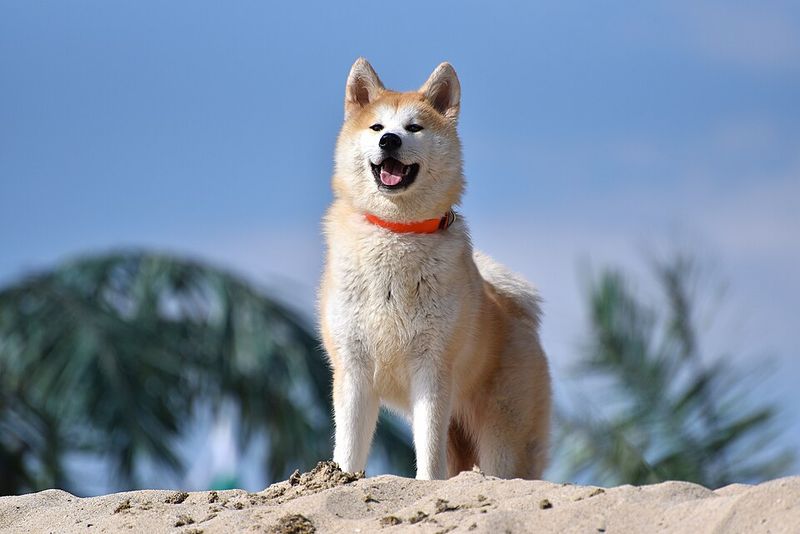
Akitas carry a quiet intensity that unnerves people. Catlike independence, history as hunters, and same sex intolerance can surprise new owners.
Their plush coats invite touch, yet many dislike strangers leaning in, which leads to awkward moments at parks.
Set clear rules from day one. Teach a solid leave it, heel, and disengage on cue.
Prioritize muzzle training, nail care, and cooperative grooming to avoid battles. Walk at off hours, practice neutral observation, and keep greetings short.
Respect same household dynamics with gates and rotation if needed. Give brain work through scent games and puzzles, because a satisfied Akita behaves like royalty.
Breeder support and realistic contracts matter when evaluating temperament and long term stability. Choose patient trainers.
Avoid coercion.
Chow Chow
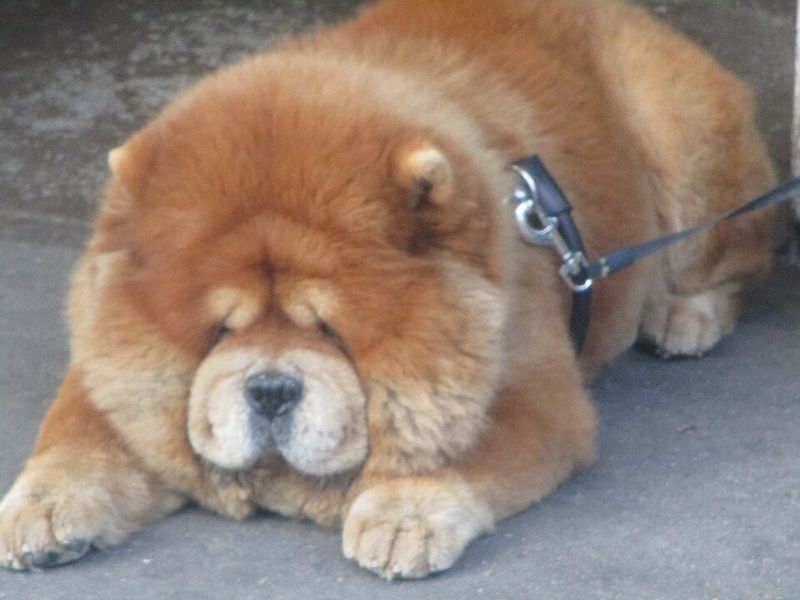
Chow Chows look like teddy bears, but they are dignified and suspicious. Limited facial expressiveness makes signals hard to read for strangers and kids.
Combine that with aloofness and guarding tendencies, and misunderstandings can escalate quickly.
You reduce risk by protecting space. Teach a happy chin rest for grooming, pair muzzles with treats, and make vet visits predictable.
Keep greetings brief, discourage petting by strangers, and advocate boldly at parks. Train leash skills, neutral heeling, and calm park lounging.
Provide structured exercise, puzzle feeders, and plenty of decompression. A confident, well managed Chow becomes a delightful neighbor instead of a mystery.
Screen breeders for glaucoma, entropion, and temperament to avoid painful surprises and defensive behavior. Insurance may care.
Plan signage.
Dogo Argentino
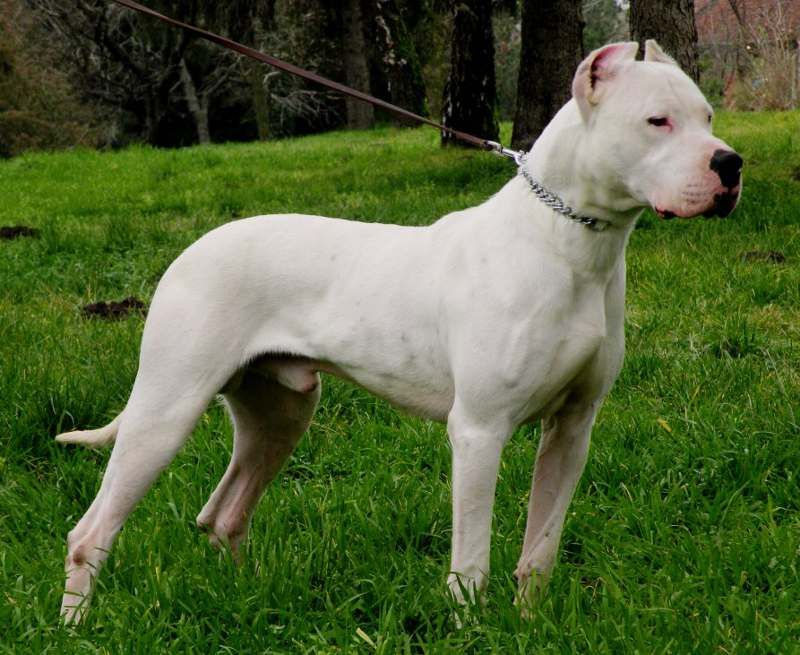
The Dogo Argentino was designed for persistence and courage. That determination under pressure can read as intensity in busy neighborhoods.
High prey drive and athleticism demand outlets, or frustration shows up as fence running, chasing, and barking.
If you choose this breed, build foundations relentlessly. Condition a muzzle, teach disengagement from movement, and proof recall against squirrels and bikes.
Use long lines, rural hikes, and structured fetch to drain energy safely. Teach a drop, out, and leave it you can count on while stressed.
Containment must be robust and tall. Responsible handling changes minds more than arguments ever will.
Vet clearances, ethical breeding, and sports like tracking or weight pull satisfy purpose and stabilize behavior. Community education helps.
Be transparent.
Belgian Malinois
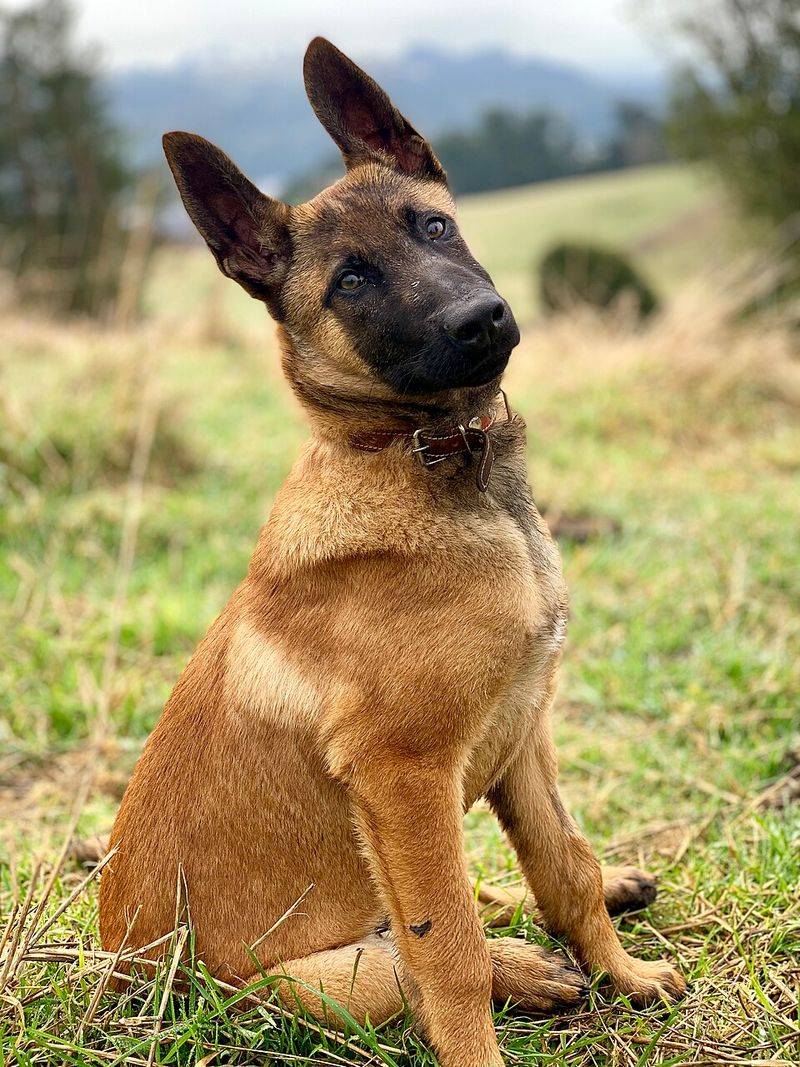
Belgian Malinois are working rockets. Their intensity, speed, and fixation on movement can terrify bystanders when training goes wrong.
Without real jobs, many invent chaos, rehearsing nips, wall running, and frantic scanning that looks scary because it is.
Channel the engine. Hire a sports trainer, teach grips ethically, and prioritize out cues before speed.
Build place duration, muzzle comfort, and off switches through scentwork and long downs. Use flirt poles sparingly, focus on impulse control games, and protect rest.
Crate train like professionals. If you cannot provide structure and sport outlets, choose an easier breed and enjoy peace.
Insurance rarely matters here, but unmet drive does, so plan daily coaching, cardio, and enrichment. Consistency saves everyone.
Schedule real recovery days.