
Some dogs act like every snack is a prize. Others need meals planned with extra care so they stay healthy and happy.
Knowing which breeds love food, and which ones need special routines, can help you feed with confidence. Here is a friendly guide to help your buddy eat well.
Labrador Retriever
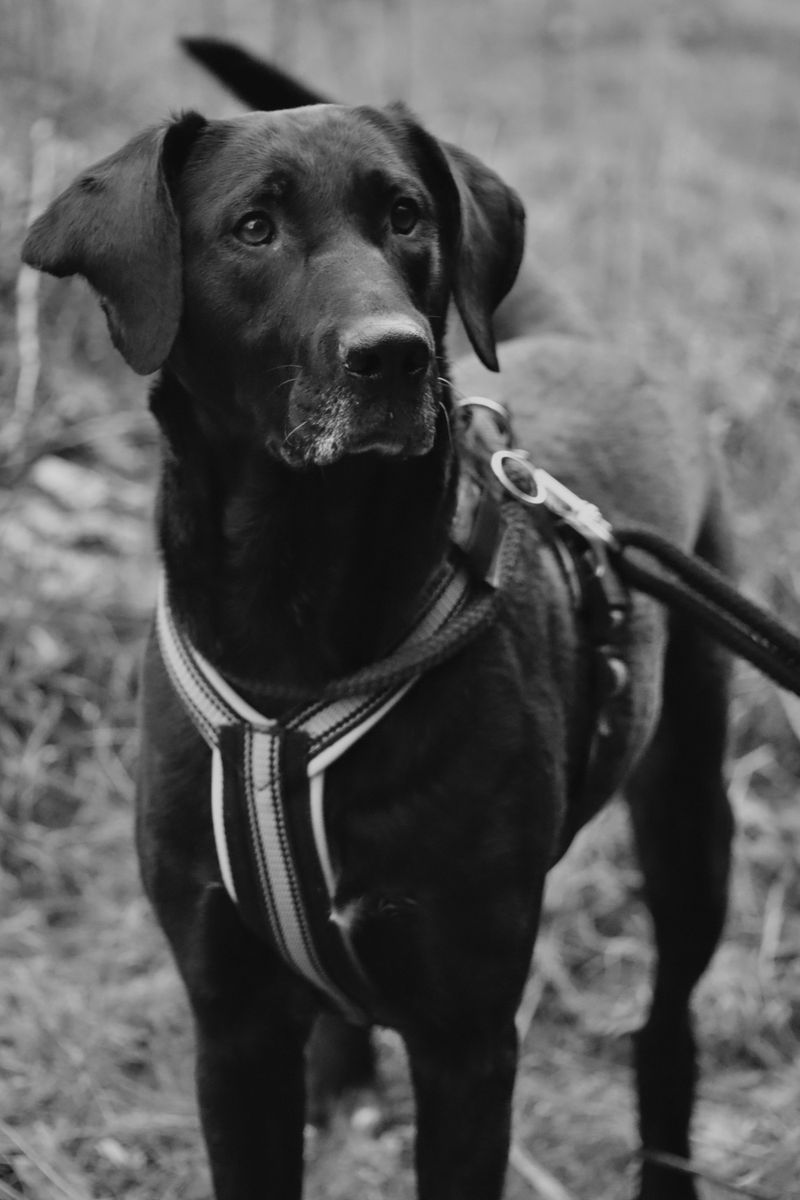
With a grin and a wag, many Labs act like every meal is their best day ever. Big hearts and bigger energy make them quick to burn calories, so hunger shows up fast.
Use measured portions, slow-feed bowls, and high-quality kibble with lean protein. Practice sit-and-wait manners to prevent gulping.
Add green beans or pumpkin for volume without extra calories, and keep chew treats for training, not boredom.
Beagle

Nose to the ground, a Beagle can track a crumb from across the room. Their hunting roots drive strong food interest, and that curious spirit makes counters and trash smell like treasure.
Lock lids, store snacks high, and schedule meals. Choose calorie-aware kibble, then enrich walks with scent games so the brain gets fed too.
For treats, use tiny bites of carrots or low-fat training bits to manage weight.
Pug
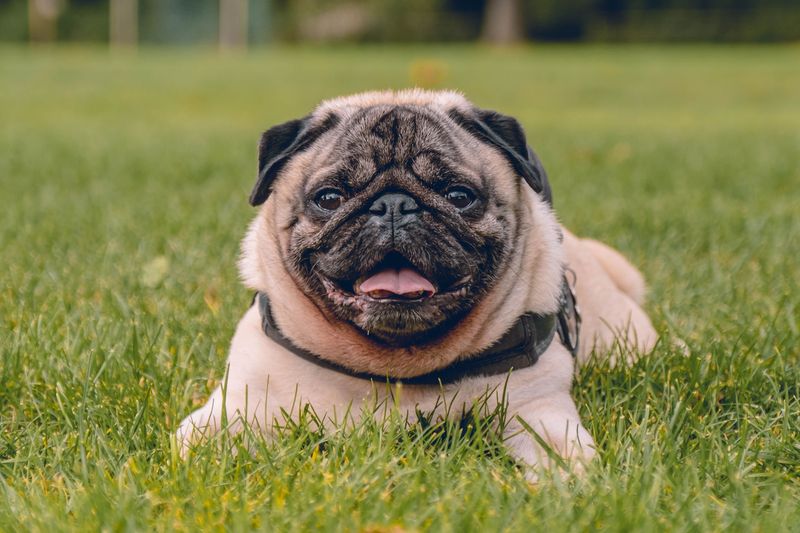
Big eyes, bigger charm, Pugs often beg like comedians on stage. Their compact build and lower activity can hide sneaky weight gain behind wrinkles.
They adore snacks.
Serve portioned meals, not free feeding, and pick formulas that support healthy joints. A slow pace walk twice daily helps, especially in cool weather.
Offer crunchy cucumber slices or kibble from puzzle toys to stretch mealtime without extra calories.
Basset Hound

Those soulful eyes can sell a second dinner, and the nose rarely clocks out. Bassets were built for steady tracking, not sprinting, so calories burn slowly.
Stick to measured scoops and limit table scraps. Elevate food bowls slightly to support comfort, and choose fiber-rich kibble to help them feel full.
Short, frequent walks protect joints while keeping weight in check, and puzzle feeders encourage thoughtful bites.
Dachshund
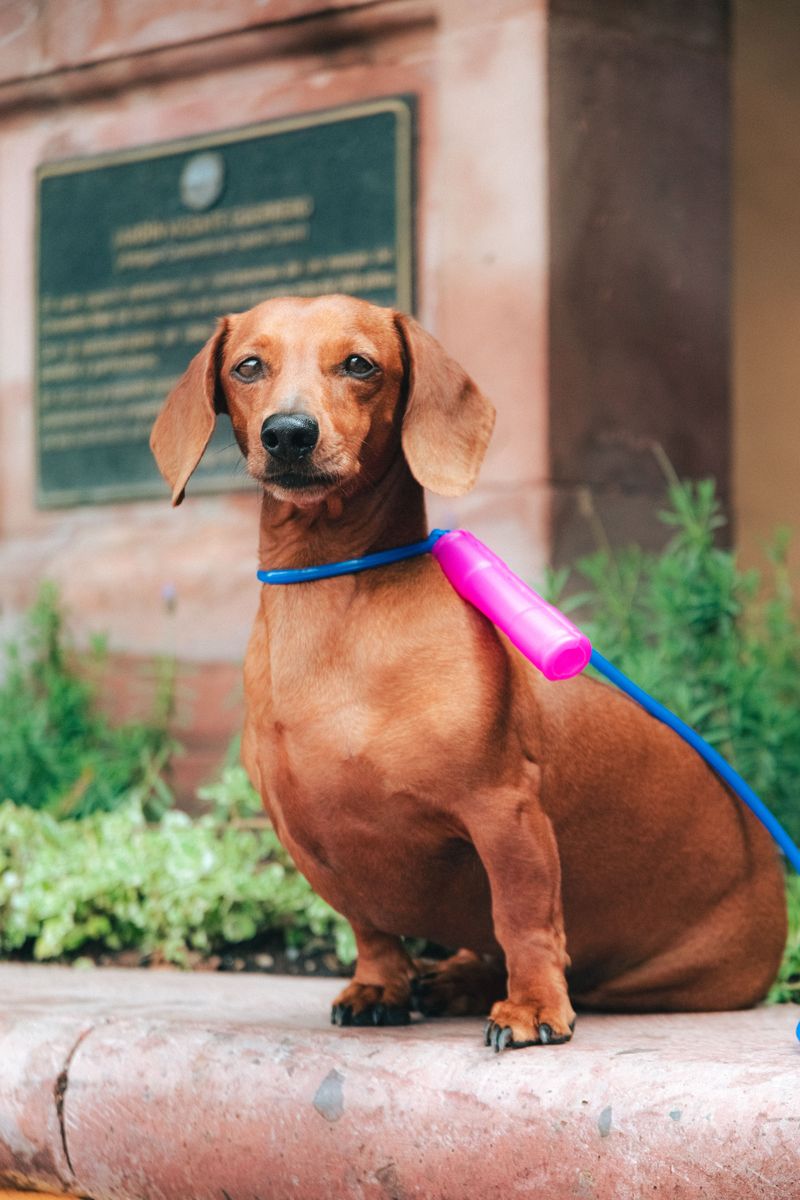
Small body, big appetite, the Dachshund often believes snacks are a birthright. Their long backs need less extra weight, so careful feeding protects that famous silhouette.
Split meals into breakfast and dinner, using a measuring cup every time. Choose joint-friendly nutrients and moderate fat.
Keep jumping to a minimum, use ramps when possible, and turn fetch into short sessions. For rewards, tiny training treats or apple bits work nicely.
Golden Retriever
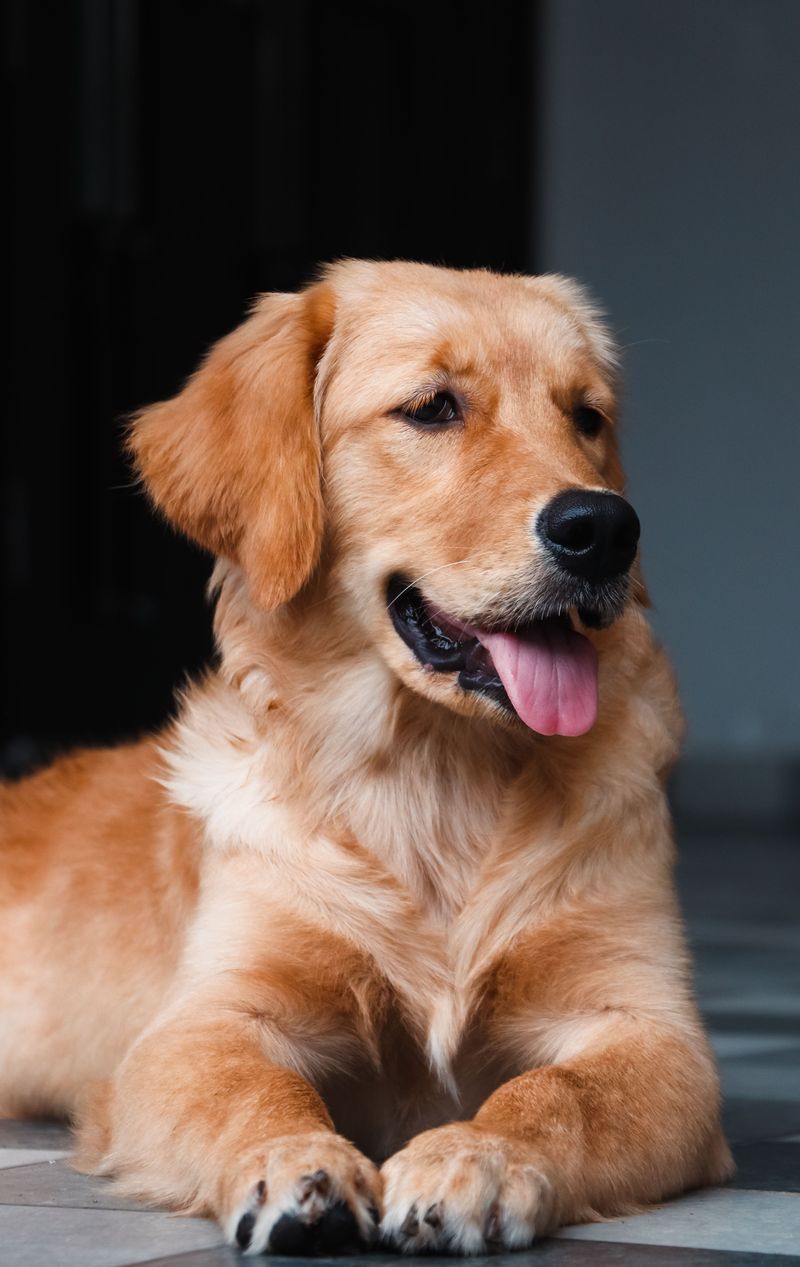
Friendly eyes and a hopeful sit can melt anyone during dinner time. Goldens love action and people, which means they burn fuel, then look for refills.
Balance energy needs with portion control, using a scale for accuracy on active days. Rotate activities like swimming, hiking, or fetch to keep muscles strong.
Choose foods with omega-3s for coat health, and use training treats sparingly. Vegetables like steamed broccoli add crunch without many calories.
Rottweiler
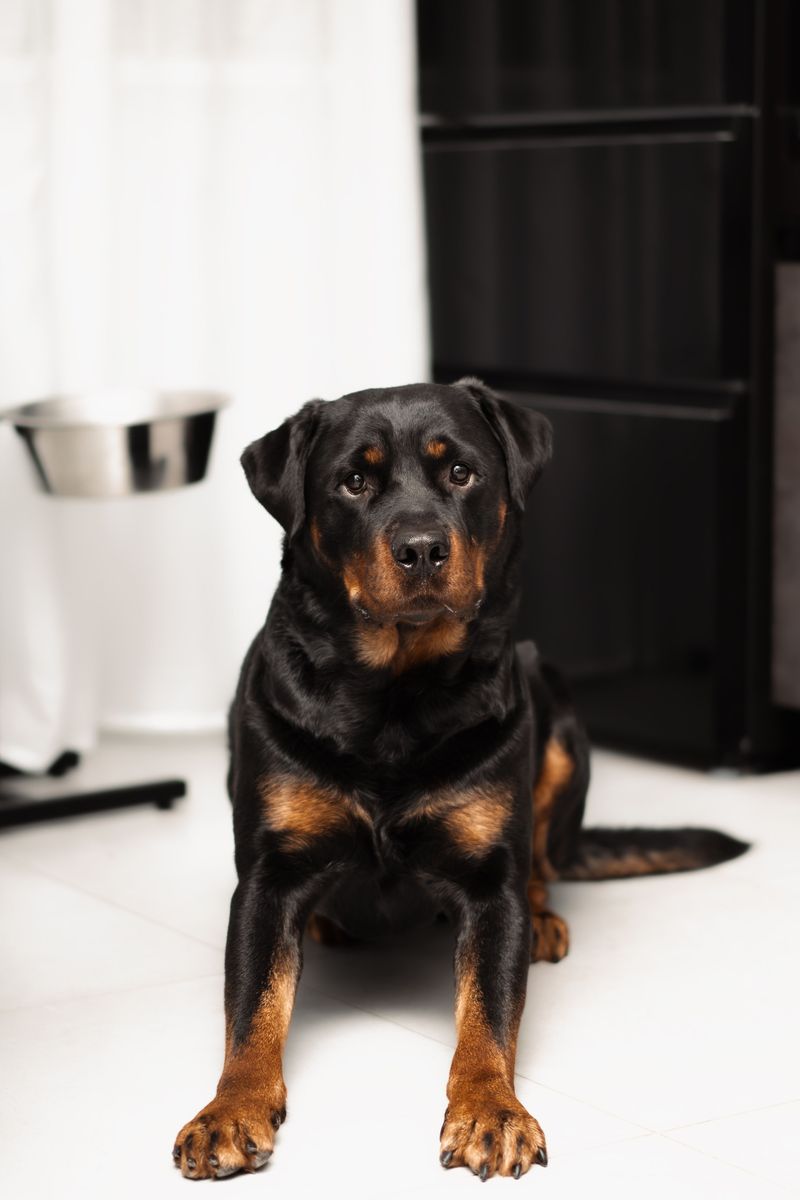
Powerhouse muscles can hide sneaky snacks, and a Rottweiler rarely turns down dinner. Growth and strength demand nutrition, yet extra pounds stress joints.
Pick a formula tailored to large breeds, with controlled calcium and balanced protein. Weigh food, not guesses, and schedule training before meals so focus stays sharp.
Regular strength work like hill walks or tug keeps bodies fit without overfeeding. Monitor body condition weekly with rib checks.
Pembroke Welsh Corgi
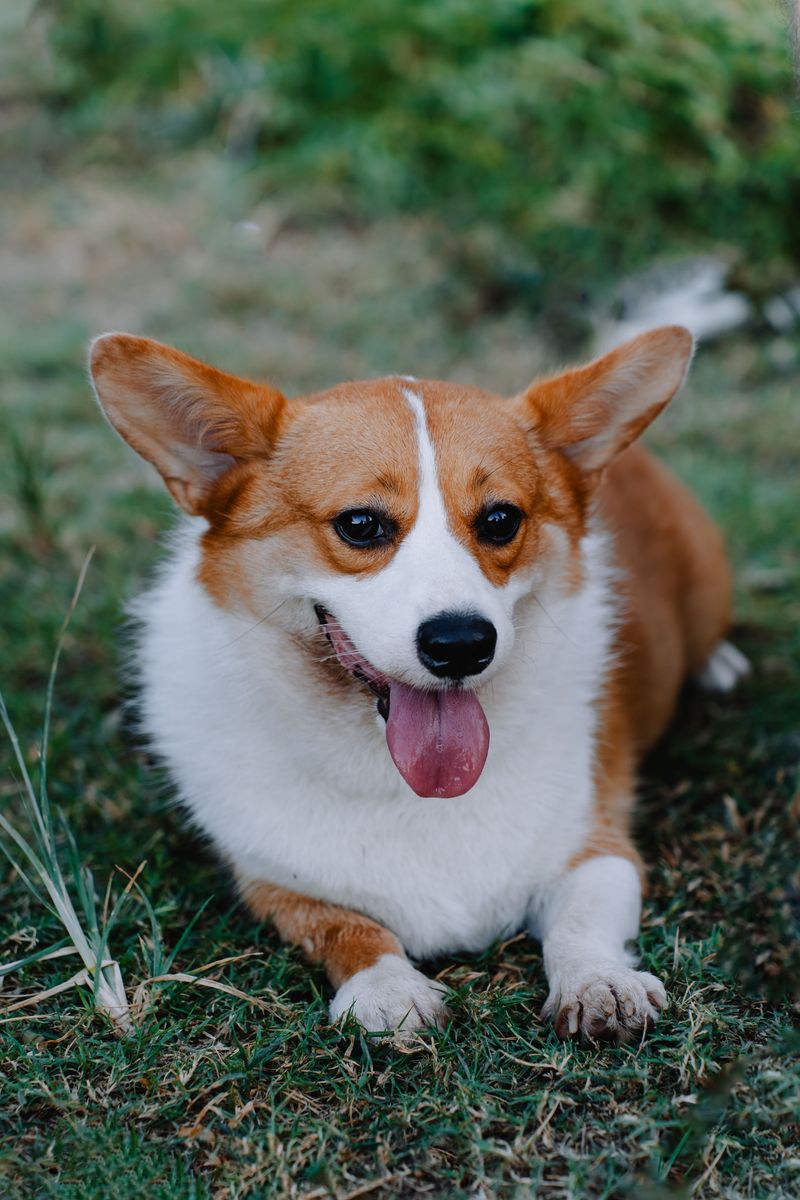
Short legs, tall appetite, many Corgis hustle for snacks with royal flair. Herding heritage brings energy, but long backs need careful weight management.
Measure meals, skip endless refills, and use low-calorie treat options. Practice heelwork and quick zigzag drills to challenge minds without pounding joints.
Raised food puzzles can slow eating and reduce begging. Keep an eye on the waistline from above, and adjust calories between busy training weeks and lazy days.
French Bulldog
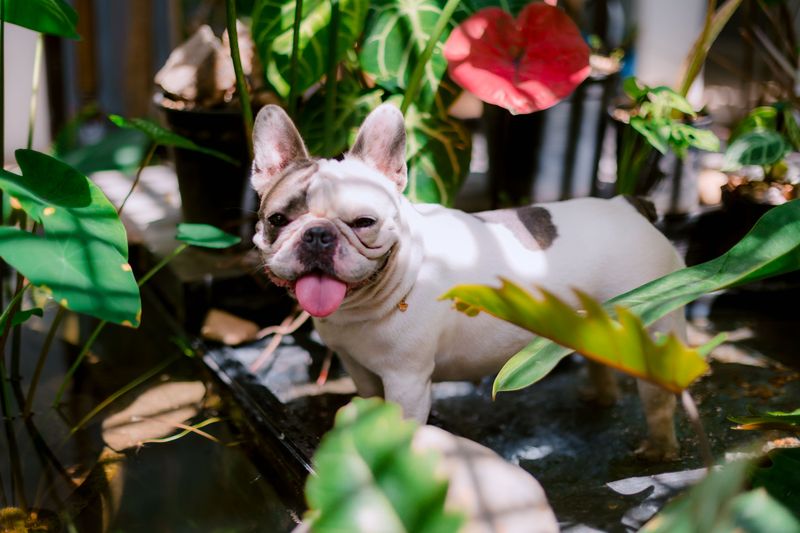
That bat-eared gaze can turn leftovers into a mission. Frenchies often have sensitive stomachs, yet many love rich smells and tasty crumbs.
Choose simple-ingredient diets and small, frequent meals to support comfort. Use slow bowls to reduce gulping and gas.
Keep play sessions light in warm weather, and lean on soft training treats that break apart easily. Track reactions to new foods in a notebook so patterns become clear over time.
Boxer
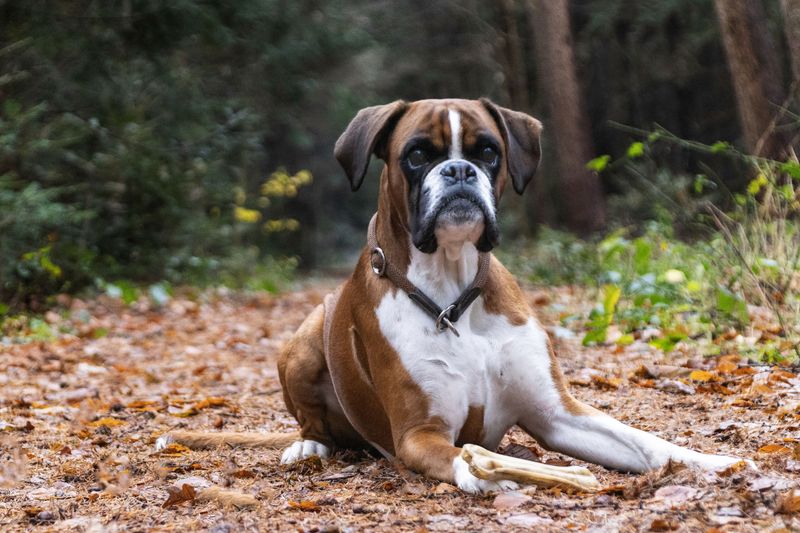
Wiggles at warp speed, then a hungry stare, that is classic Boxer rhythm. Athletic bursts mean they torch calories quickly.
Offer balanced meals that match training intensity, and avoid greasy scraps. Consider foods with joint support as years add up.
Break treats into tiny pieces during obedience work to keep rewards frequent without piling on calories. Daily play with flirt poles or fetch can replace mindless snacking.
Miniature Schnauzer
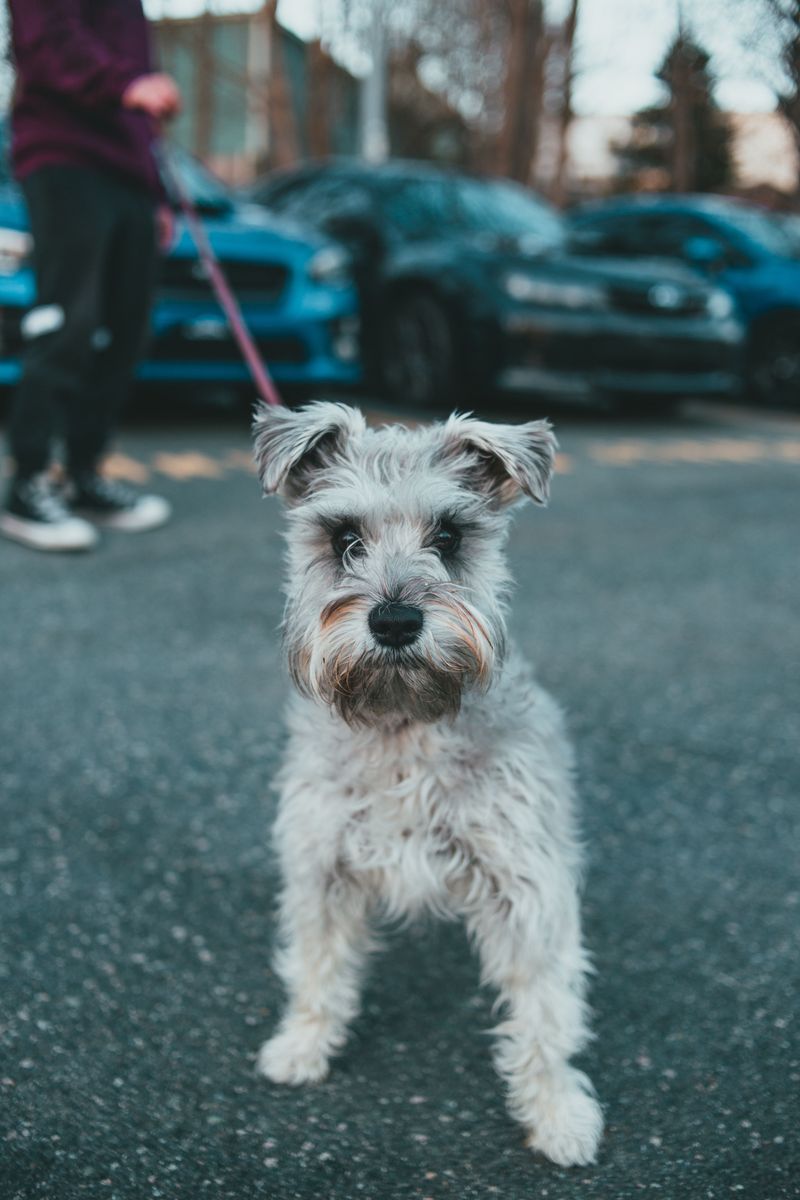
Bright-eyed and busy, Mini Schnauzers can be prone to pancreatitis, so rich foods are risky. That makes careful fat management a real priority.
Feed low to moderate fat diets and avoid heavy table scraps. Small, steady meals help keep tummies happy.
Choose training rewards like pea-sized kibble or freeze-dried lean meats. Regular grooming days pair nicely with weigh-ins, so you catch changes early and adjust portions before problems appear.
German Shepherd
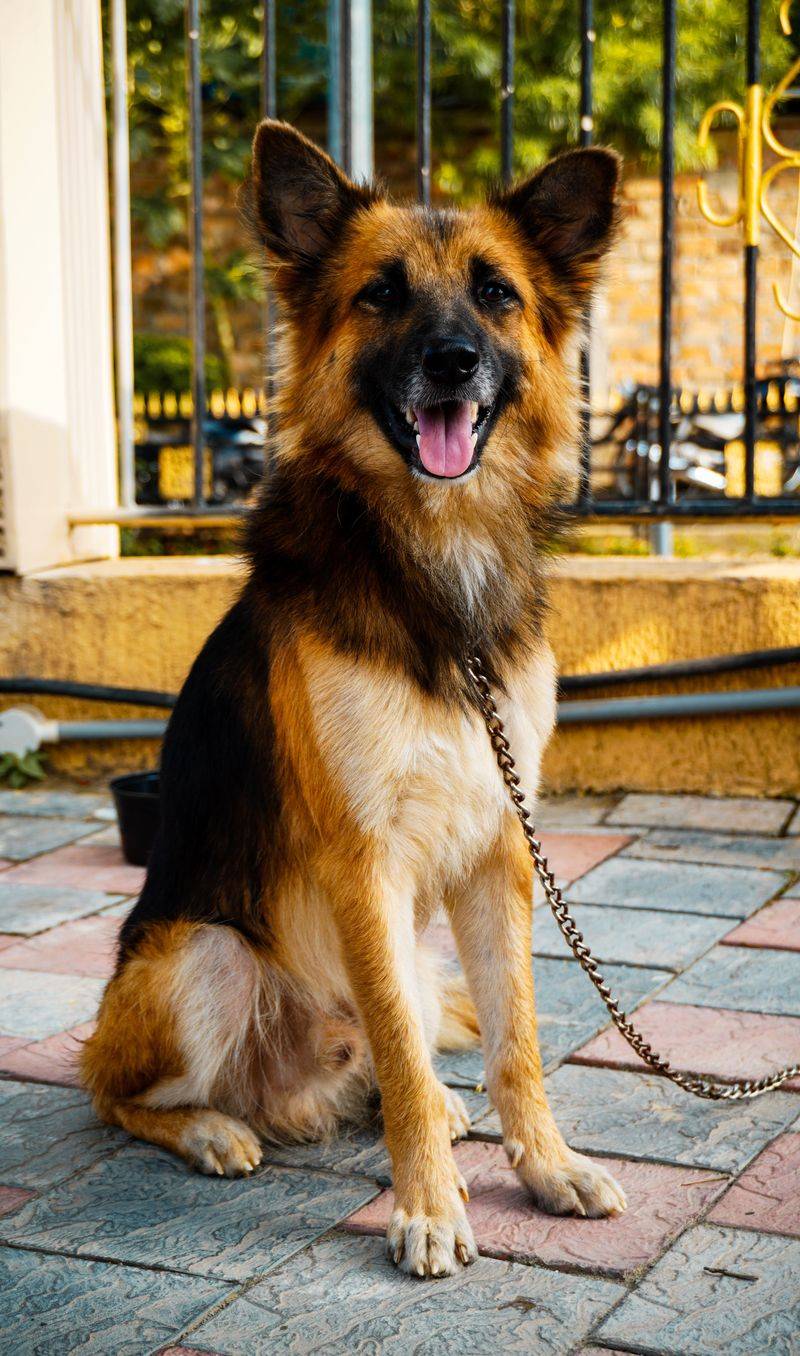
Brains, drive, and a big frame need smart fueling. Some German Shepherds have sensitive digestion, so sudden changes can cause trouble.
Transition foods slowly over a week, and consider probiotics if your vet agrees. Measure portions based on activity, not the bag’s guess.
Mix training with sniffing and tracking games to satisfy the mind without overfeeding. Keep bones and rich toppings limited, and monitor stools to guide adjustments.
Great Dane
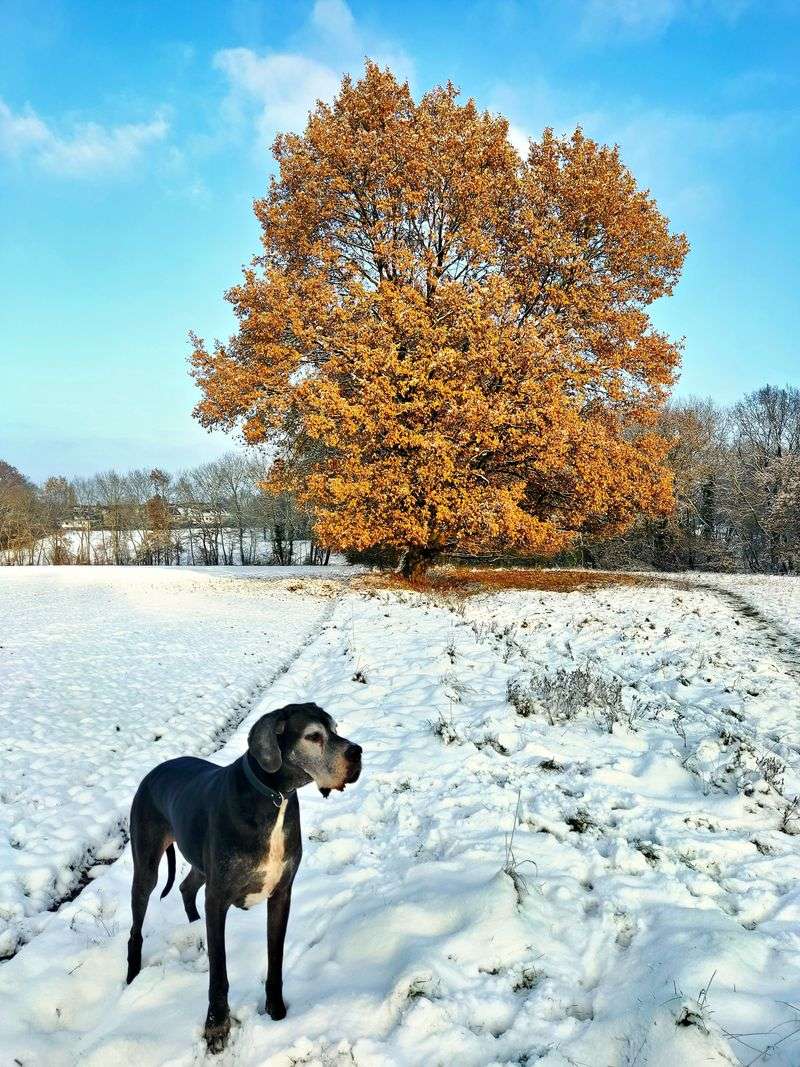
A gentle giant with a deep chest, the Great Dane needs thoughtful schedules. Rapid eating and heavy meals can raise bloat risk.
Serve multiple smaller meals and use raised, stable bowls if recommended by your vet. Avoid intense exercise right before or after feeding.
Choose large-breed formulas with controlled minerals for steady growth. Keep fresh water available, and introduce new foods carefully while tracking energy, stool quality, and body condition.