
Some dogs practically read your mind, while others pretend they did not hear a word. If you are choosing a pup, knowing which breeds learn fast can save you time, treats, and frustration.
This guide highlights ten quick studies and eight lovable rebels that may test your patience. Stick around to find your perfect match and set realistic training expectations from day one.
Border Collie
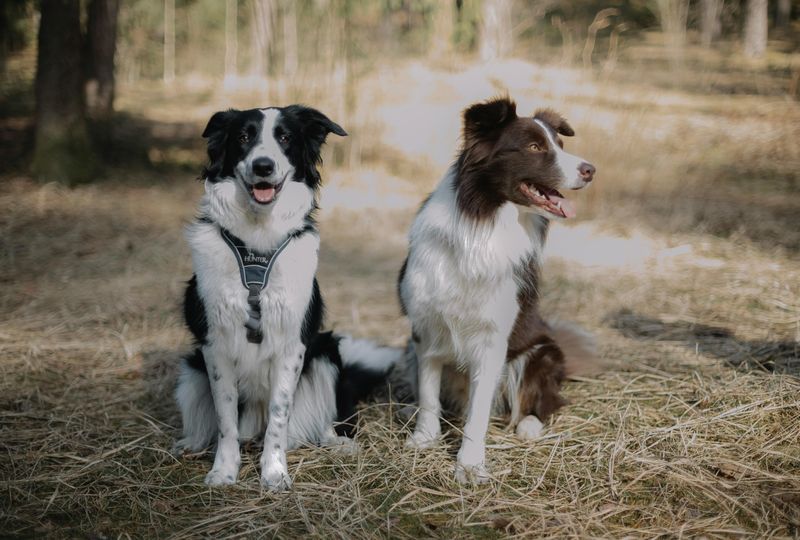
Border Collies are laser focused problem solvers that live to work with you. Their legendary biddability and eye contact make teaching cues feel almost telepathic.
Offer clear structure, varied tasks, and you will see brilliant, reliable responses.
Because they are high energy, channel that drive into agility, herding games, or scent work. Without outlets, they may invent jobs like herding kids or redecorating your socks.
Keep sessions short, upbeat, and frequent to prevent burnout.
Teach impulse control early with stays, place, and calm settle routines. Rotate brain games, pattern drills, and novelty surfaces.
With consistency and kindness, you will unlock a dog that learns new skills in days, not weeks.
Poodle
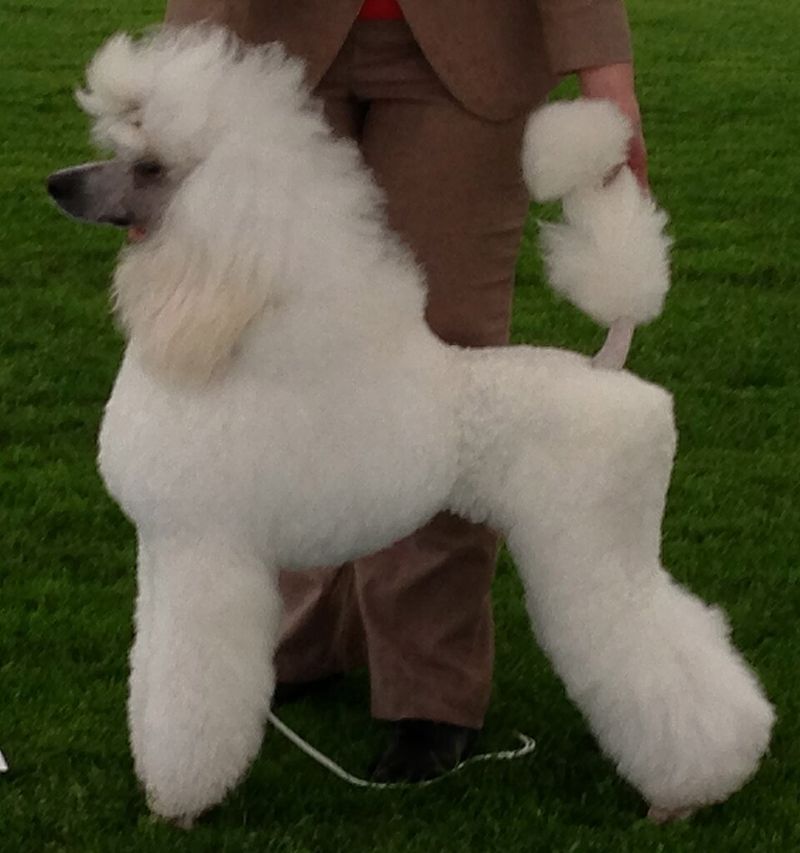
Poodles combine intelligence with a fun sense of humor, which makes training feel like play. They are sensitive to tone and thrive on positive reinforcement.
Whether Standard, Miniature, or Toy, you will see quick recall and clean obedience.
Grooming is part of the routine, so use cooperative care training like chin rests and nail targets. Enrich with nosework, trick training, and retrieve games.
Keep exercises varied to prevent boredom and overanticipation.
Poodles read body language well, so keep your cues consistent and calm. Break complex behaviors into tiny, rewarding steps.
With steady reinforcement and clear criteria, you will enjoy a polished, eager partner ready for anything from therapy visits to agility.
German Shepherd
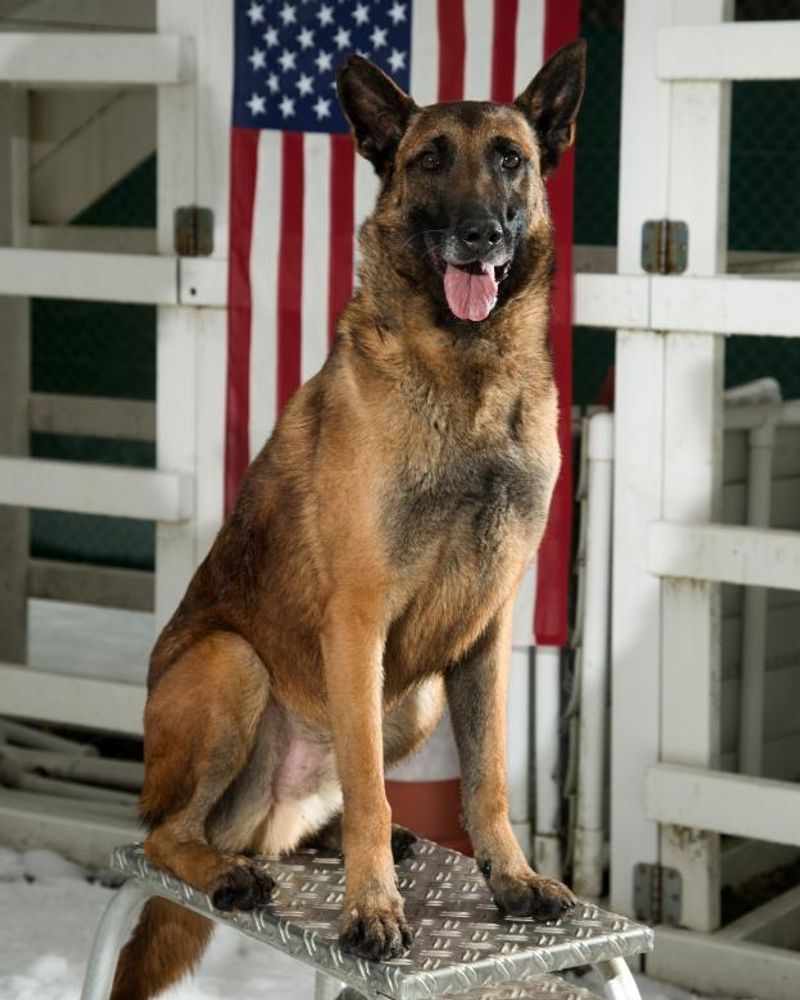
German Shepherds pair intelligence with loyalty, making them eager students when guided fairly. They excel at structured obedience, tracking, and protection sports.
Clear criteria, balanced play, and consistent routines help them flourish.
Because they are sensitive and powerful, prioritize engagement and impulse control. Reward calm focus before movement, then release into heeling or retrieves.
Vary the environment to generalize cues and build confidence without flooding.
Early socialization matters to prevent reactivity and overguarding. Teach neutrality to distractions and settle on a mat.
When you meet their mental and physical needs, you will find a steady, responsive partner who takes work seriously yet loves to please.
Golden Retriever
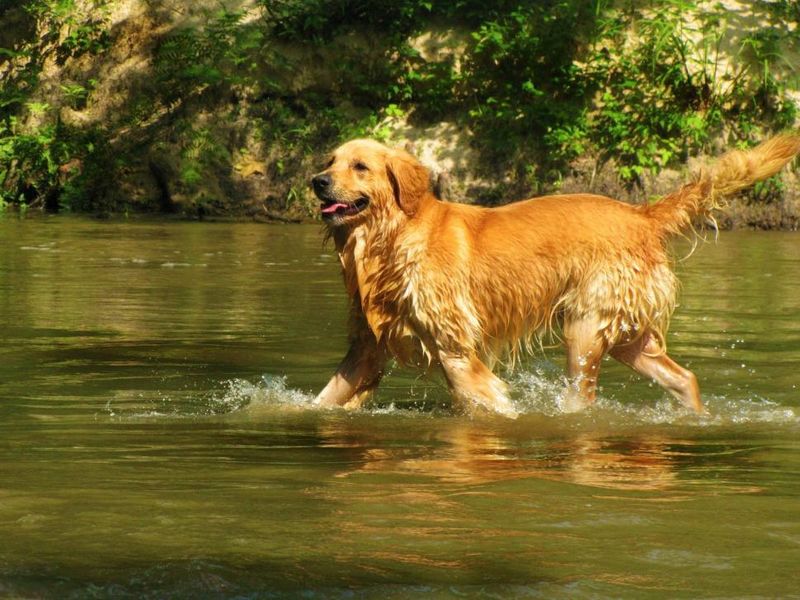
Golden Retrievers bring enthusiasm, gentleness, and a can do attitude to every session. They are people centered and food motivated, so clicks and treats work wonders.
You will see fast progress on recalls, loose leash walking, and polite greetings.
Keep sessions upbeat and avoid harsh corrections, since they can shut down with pressure. Channel their love of carrying into fetch and hold behaviors.
Add field games, scent work, and swimming days for variety.
Practice calm behaviors like down stays and settle between fun reps. Socialize widely to maintain their friendly confidence.
With patience and consistency, your Golden becomes a dependable family companion who still shines in therapy, rally, and obedience.
Labrador Retriever
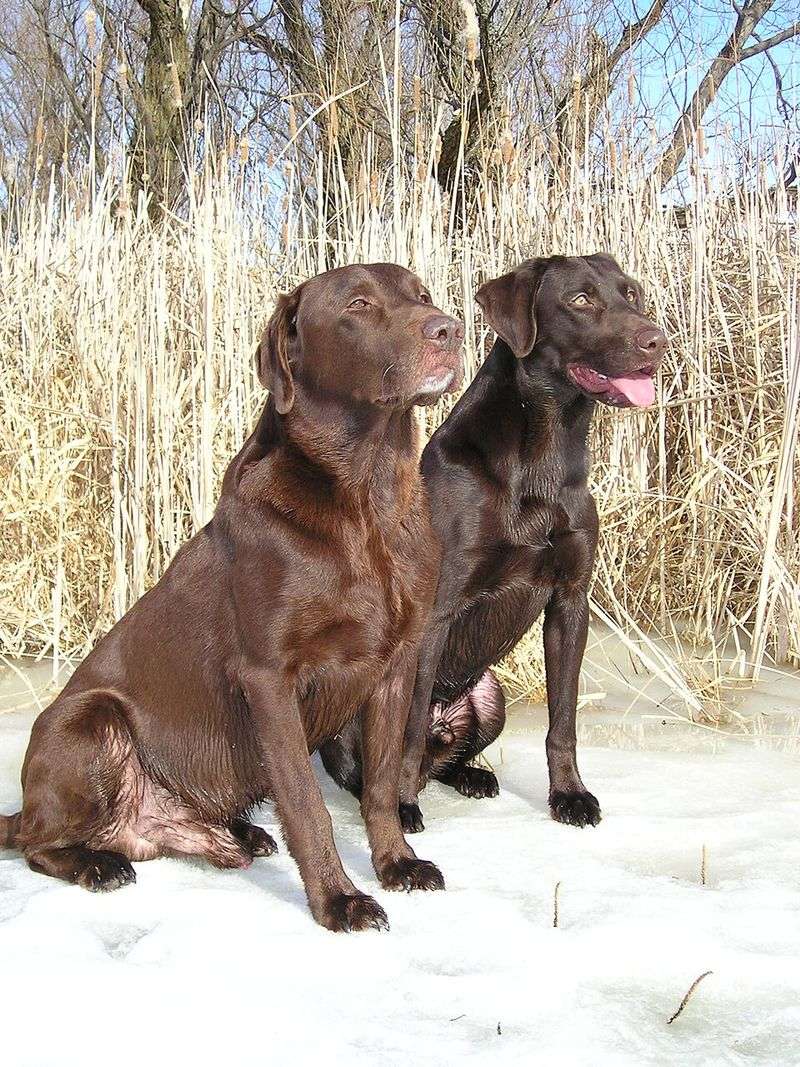
Labradors are famously food and toy motivated, which makes shaping behaviors a breeze. They love to work, retrieve, and problem solve with you.
Expect quick success on sit, down, stay, and a rock solid recall when reinforced well.
Labs need steady exercise to curb mouthiness and overexcitement. Train fetch rules, impulse control at doors, and polite loose leash walking.
Rotate enrichment like puzzle feeders, swim sessions, and scent games to meet needs.
Use short, fun reps and reward calm between bursts of play. Prevent scavenging by reinforcing leave it and drop cues.
With consistent structure and positive methods, you will enjoy an eager partner suited for families, field work, and service roles.
Doberman Pinscher
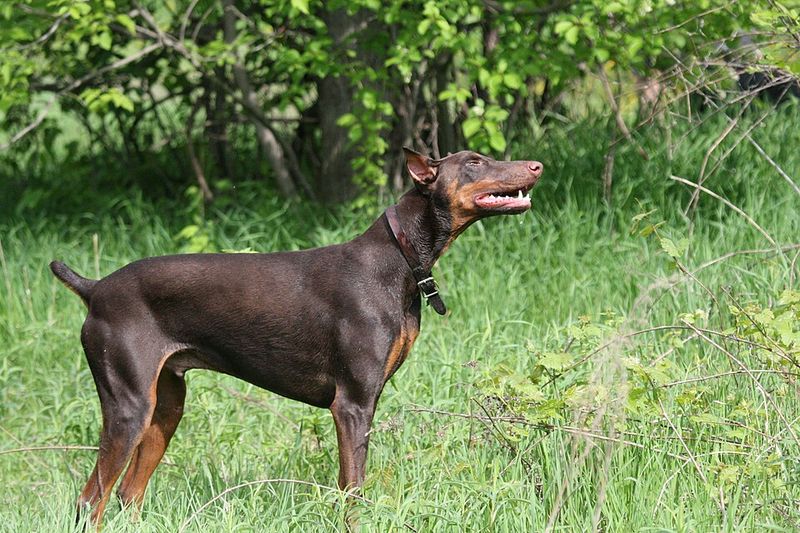
Dobermans are sharp, affectionate workers who shine with clear boundaries and high engagement. They respond beautifully to marker training, tug rewards, and precise criteria.
Many enjoy obedience, rally, and protection sports with balanced, positive methods.
Socialization and neutrality matter to reduce reactivity and overattachment. Teach calm stationing, place, and settle early.
Alternate drive building with impulse control so arousal stays useful rather than chaotic.
Keep communication consistent and avoid nagging corrections. Break chains into clean pieces and reinforce generously for stillness between action.
With thoughtful structure, your Doberman becomes a responsive, elegant partner who reads your cues quickly and loves the teamwork.
Shetland Sheepdog
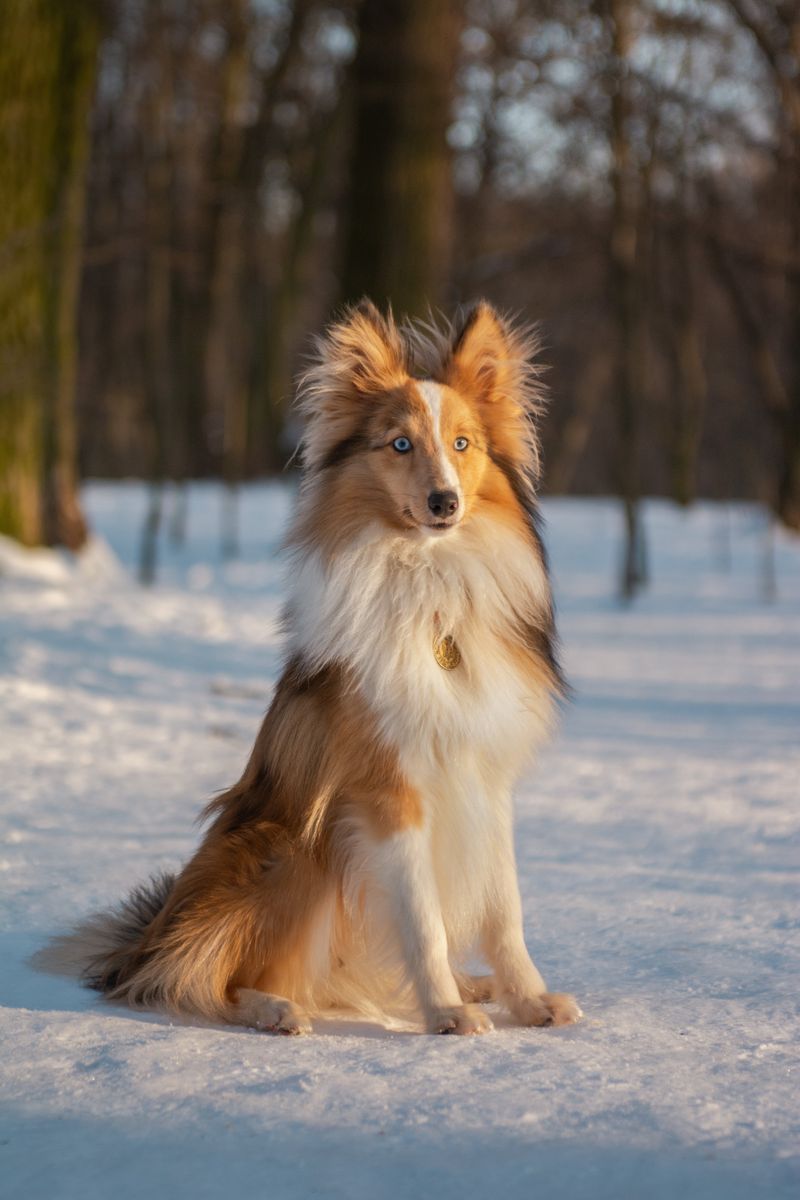
Shetland Sheepdogs are bright, eager herders with quick reflexes and big hearts. They love learning tricks, obedience patterns, and agility sequences.
Use light, cheerful sessions and frequent rewards to keep confidence high.
Because they can be sensitive to pressure and noise, build resilience gradually. Start with easy wins, then add mild distractions.
Reinforce calm greetings to reduce vocal excitement and motion sensitivity.
Shelties thrive on predictable routines and mental games. Teach targeting, spins, perch work, and toy exchanges.
With kind guidance and plenty of practice, you will discover a small dog that trains like a pro and shines in sports while staying sweet at home.
Papillon
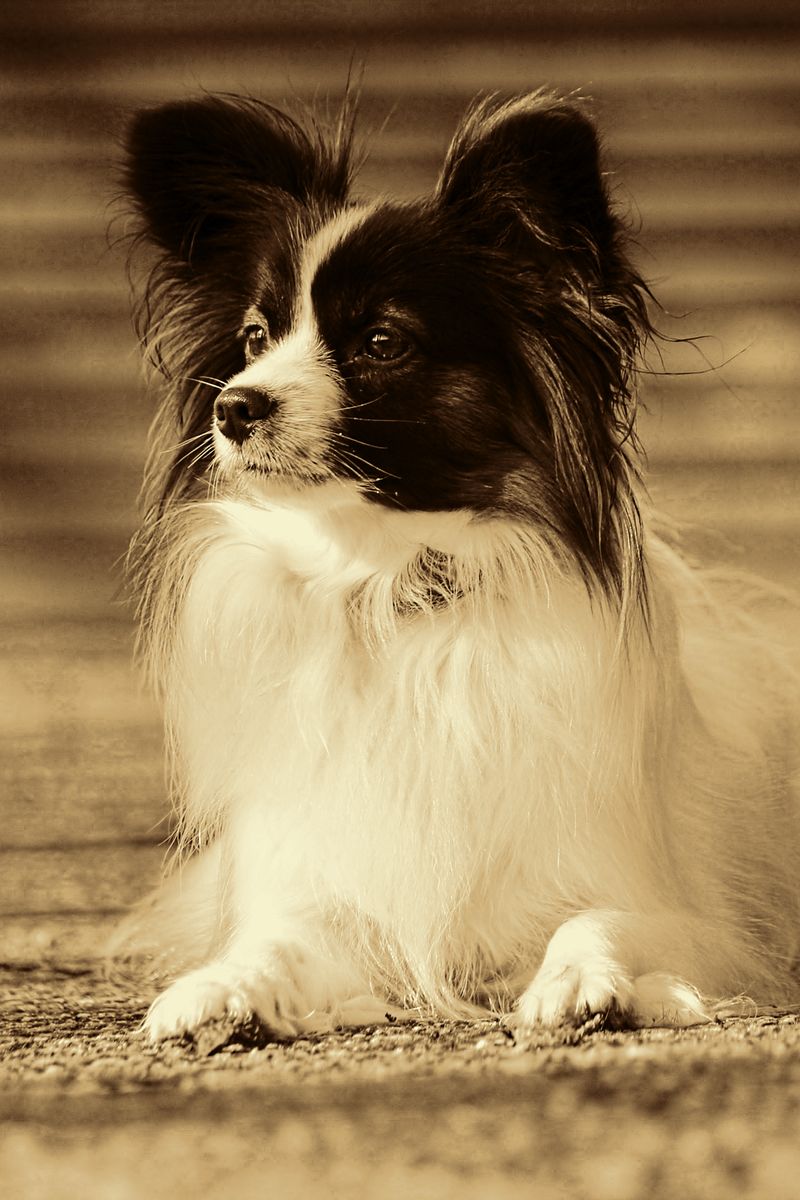
Papillons pack big brains into a small, agile frame. They are enthusiastic learners that love clicker training and tasty rewards.
Expect speedy progress on tricks, rally moves, and clean heeling when sessions stay fun.
Because they are light and springy, add body awareness work like perch pivots and low cavaletti. Keep handling gentle and confidence focused.
Socialize positively so their boldness stays friendly, not feisty.
Short bursts of training throughout the day work best. Reinforce calm between zoomies and teach a strong recall early.
With patience and playful structure, you will have a pocket sized partner who trains like a star and charms everyone.
Australian Shepherd
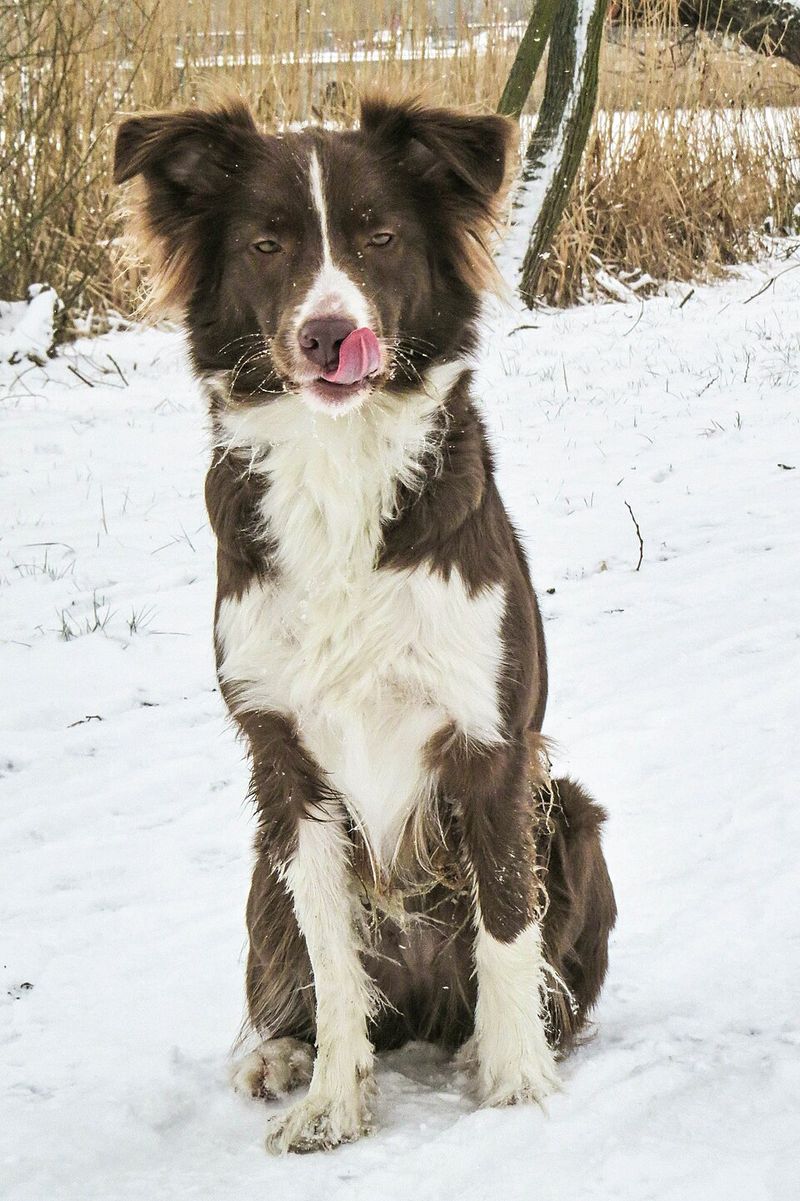
Australian Shepherds are energetic thinkers who excel when given jobs. They love structured training, puzzle solving, and movement.
Use clear markers, toy play, and variety to keep their minds engaged and bodies satisfied.
Plan daily outlets like herding games, frisbee, or agility foundations. Balance drive with settle work and place training.
Without structure, they may herd kids or chase bikes, so proactive training matters.
Teach impulse control, direction changes, and reliable recalls early. Rotate drills and environments to generalize behaviors.
With consistent guidance and enrichment, you will enjoy a brilliant, versatile partner who learns quickly and thrives on teamwork.
Belgian Malinois
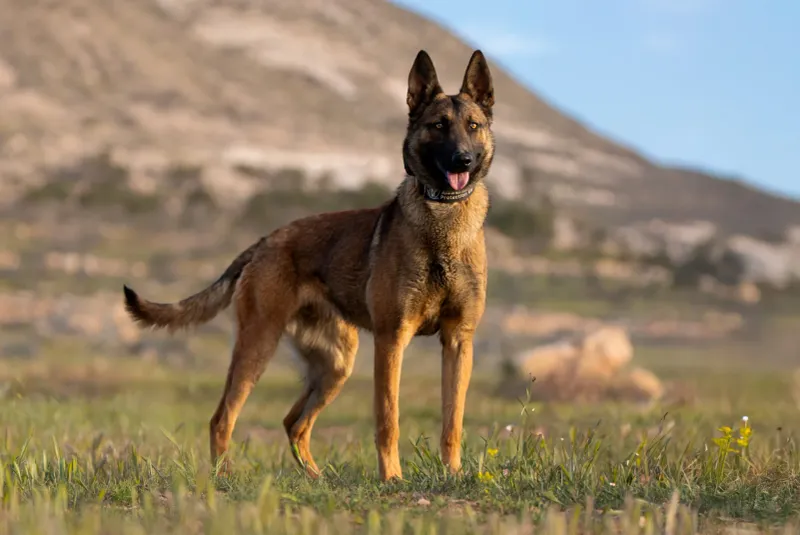
Belgian Malinois are intensity in motion, thriving on structured, high engagement work. They learn fast and love clear, consistent criteria paired with powerful rewards.
With skilled handling, they become precise, driven partners.
Their energy can overwhelm first timers, so prioritize impulse control and off switches. Teach stationing, release cues, and neutrality around distractions.
Use short, focused sessions to prevent frantic rehearsals.
They excel in protection sports, detection, and advanced obedience. However, everyday manners matter just as much.
If you meet their mental and physical needs responsibly, you will unleash brilliance while keeping arousal productive and safe.
Beagle
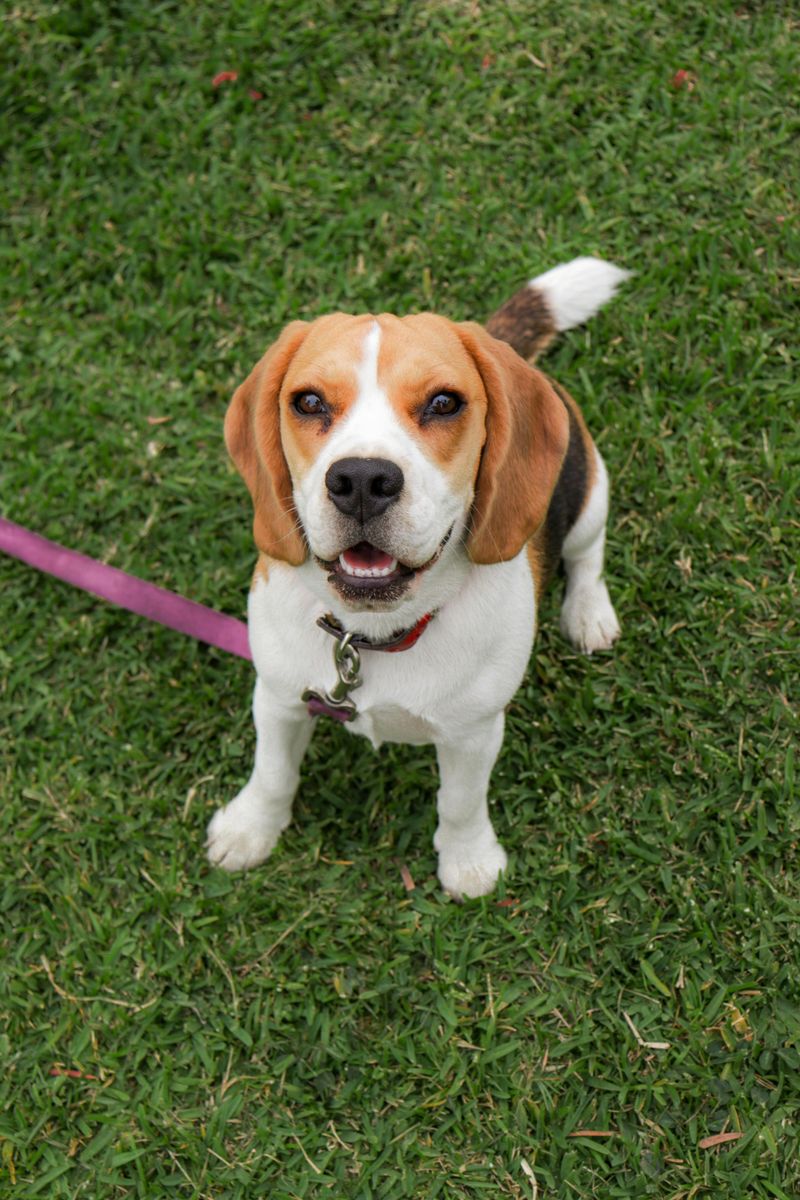
Beagles are scent first, ears later, so distractions pull them fast. Training works when you make yourself more rewarding than the smell.
Use jackpot treats, happy praise, and structured long line recalls.
Plan sniff opportunities to meet needs before asking for focus. Practice check ins and hand targets to interrupt tracking gently.
Rotate high value food to stay competitive with wildlife perfume.
Keep sessions short and fun, then release back to sniffing as a reward. Reinforce quiet moments to reduce baying excitement.
With patience and consistent management, you will trade stubborn myths for steady progress and an affectionate companion who chooses you more often.
Basset Hound
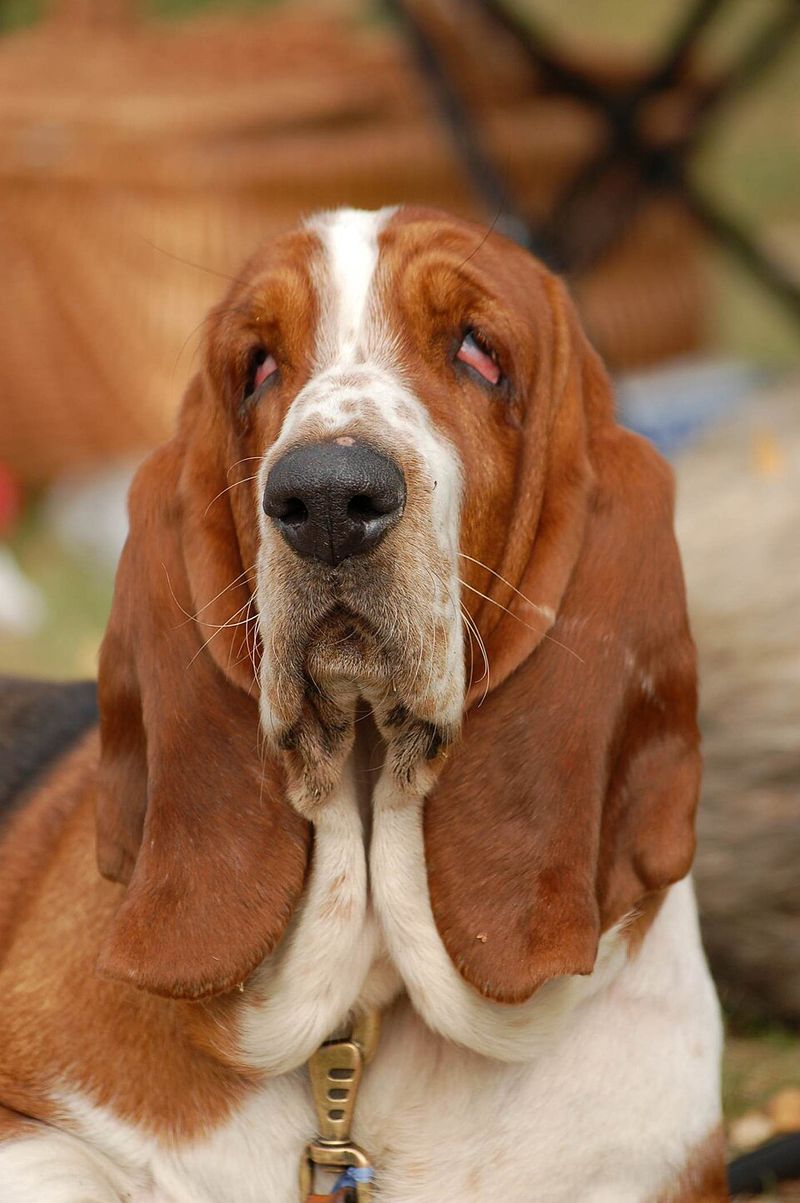
Basset Hounds move at their own tempo, guided by noses and comfort. Training improves when you respect that pace and keep expectations realistic.
Use soft voices, tasty rewards, and a little comedy to maintain engagement.
Short, frequent sessions beat marathons. Practice stationary skills like nose targets, down, and settle.
Add scent games to meet instinctual needs without asking for speed.
Leash manners benefit from slow stop and start patterns. Reinforce attention for a single glance, then build duration gradually.
With patience and warmth, you will find the Basset listens more, bays less, and brings calm companionship to your routine.
Dachshund
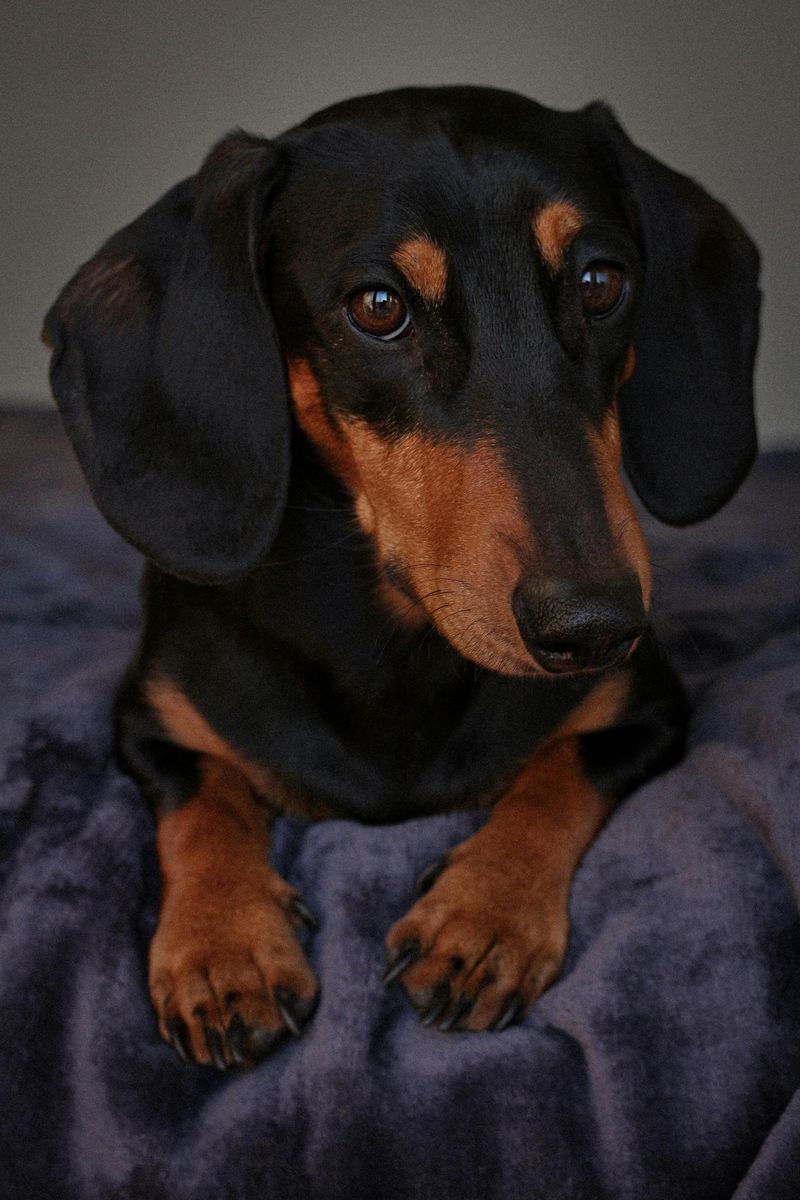
Dachshunds are bold little hunters with opinions and endless curiosity. Ask for tiny behaviors first, like a one step come, then celebrate big.
High value food, toys, and quick releases back to sniffing keep motivation high.
Because of long backs, train safe movement and core strength. Use low platforms, controlled jumps, and careful stairs.
Harnesses protect spines during leash training and reduce strain.
Prevent rehearsing stubbornness by managing the environment. Reinforce check ins, mat settles, and calm crate time.
With playful structure and realistic expectations, your Doxie will surprise you with solid manners while keeping that delightful spunk.
Shiba Inu
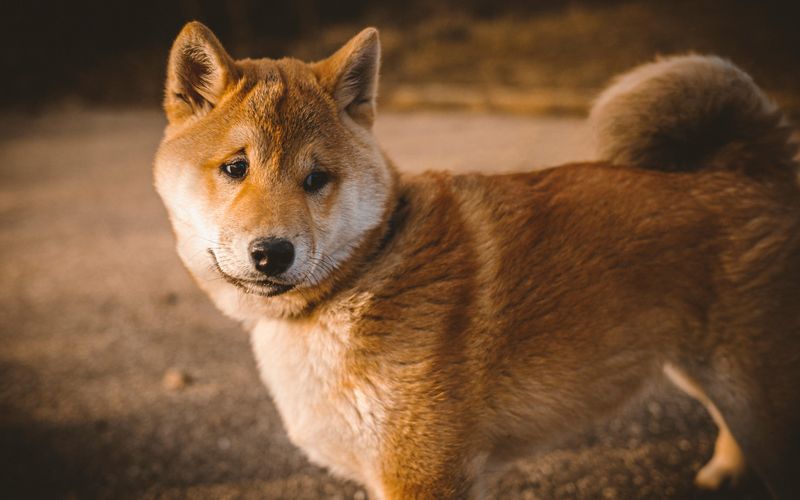
Shiba Inus value autonomy and negotiate every request. Make listening worth their while with premium treats, games, and choice.
Cue once, wait, and reward generously for cooperation to avoid cue poisoning.
Leverage flirt pole play, scent work, and tethered recalls in safe spaces. Practice consent based handling like chin rests for grooming.
Teach settle as a default to balance their vigilant nature.
Consistency beats confrontation. Keep sessions brief and leave them wanting more.
With thoughtful boundaries and creative reinforcement, you will earn a Shiba’s trust, reduce drama, and still admire that spirited independence.
Chow Chow
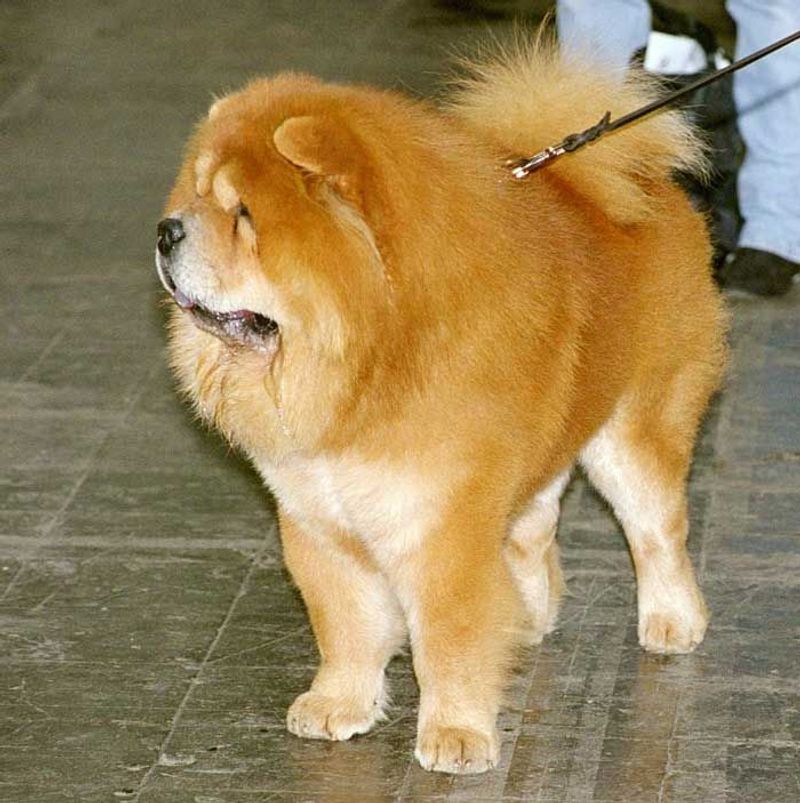
Chow Chows are dignified, thoughtful, and selective about compliance. Rapport comes first, training second.
Use calm routines, clear criteria, and high value food to motivate without conflict.
Early, gentle socialization helps them accept handling and strangers. Teach cooperative care, muzzles, and stationing to reduce stress.
Keep sessions quiet and predictable, avoiding rapid fire cues.
Respect their space and reinforce calm eye contact. Build duration slowly on stays and leash manners.
Over time, you will see steady cooperation that honors their reserved nature while still delivering reliable household skills.
Afghan Hound
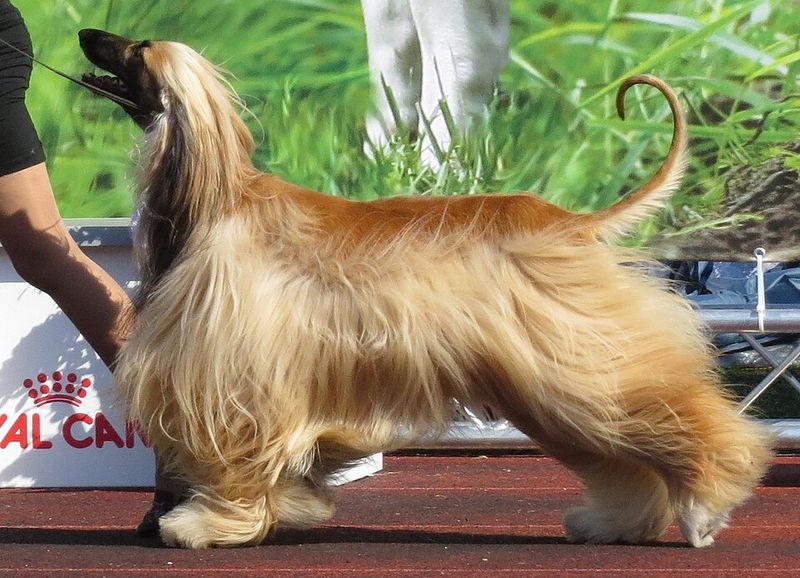
Afghan Hounds are aristocratic sprinters who prefer freedom to drills. Motivation must feel luxurious: soft treats, graceful games, and brief sessions.
Train in quiet spaces first, then add distractions slowly.
Recall is a life skill, so use long lines, high value rewards, and strategic releases to running. Keep obedience minimal but meaningful, focusing on safety and cooperation.
Grooming becomes easier with consent cues and stationing.
Celebrate small wins and do not expect robotic precision. When treated with patience and respect, they respond with dignified cooperation.
The result is a beautiful partnership that values trust over micromanagement.
Basenji
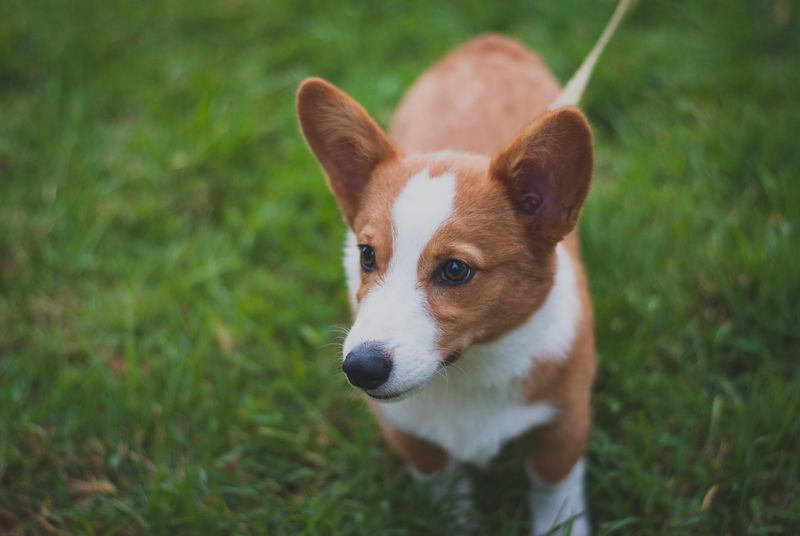
Basenjis are catlike problem solvers with a flair for independence. They question commands unless rewards make sense.
Use play, novel treats, and scent puzzles to keep engagement fresh.
Because they are agile escape artists, train recalls with double backups and secure spaces. Reinforce check ins and calm handling for vet and grooming visits.
Add enrichment like lure coursing to satisfy motion needs.
Keep training snappy and end on a success. Build behaviors in tiny steps and avoid nagging repeats.
With creativity and structure, you will earn voluntary cooperation and keep that trademark curiosity pointed productively.
Bulldog
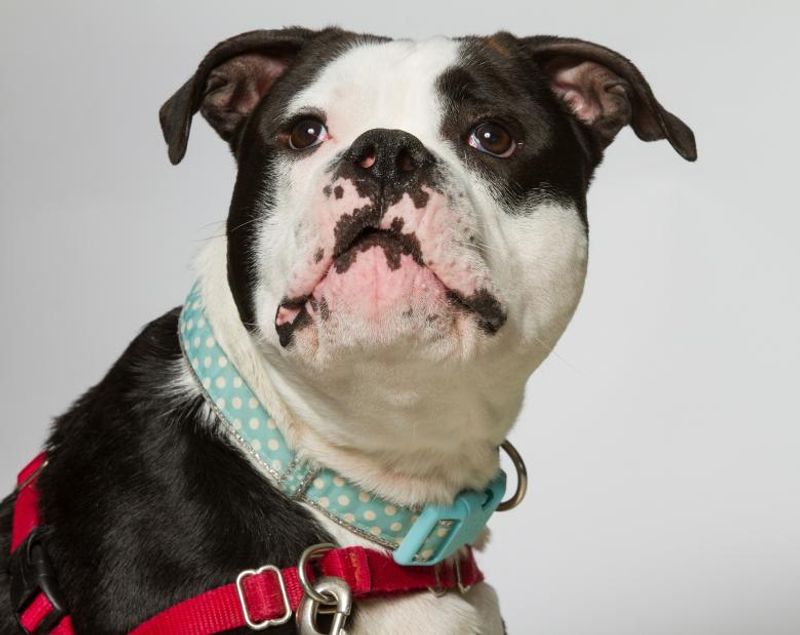
Bulldogs bring charm, stubborn streaks, and a love of comfort. Keep sessions cool, short, and rewarding to respect breathing limits.
Focus on practical skills like leash manners, polite greetings, and cooperative care.
Use high value food and patient timing. Reinforce a few steps of heeling, then rest.
Train chin targets and paw presents for grooming and vet checks.
Health aware handling is essential, so watch heat and exertion closely. Celebrate small increments of progress and avoid battles of will.
With compassion and consistency, your Bulldog will show steady manners while keeping that delightful, unbothered vibe.