
Loud TVs, slamming doors, and kids racing down the hall are normal parts of family life. Some dogs shrug it all off, but others feel worried and overwhelmed by the noise.
Knowing which breeds are more sensitive can help you pick the right pet or support the one you already have. Here are ten breeds that may struggle with busy homes, plus two that usually roll with the punches.
Chihuahua
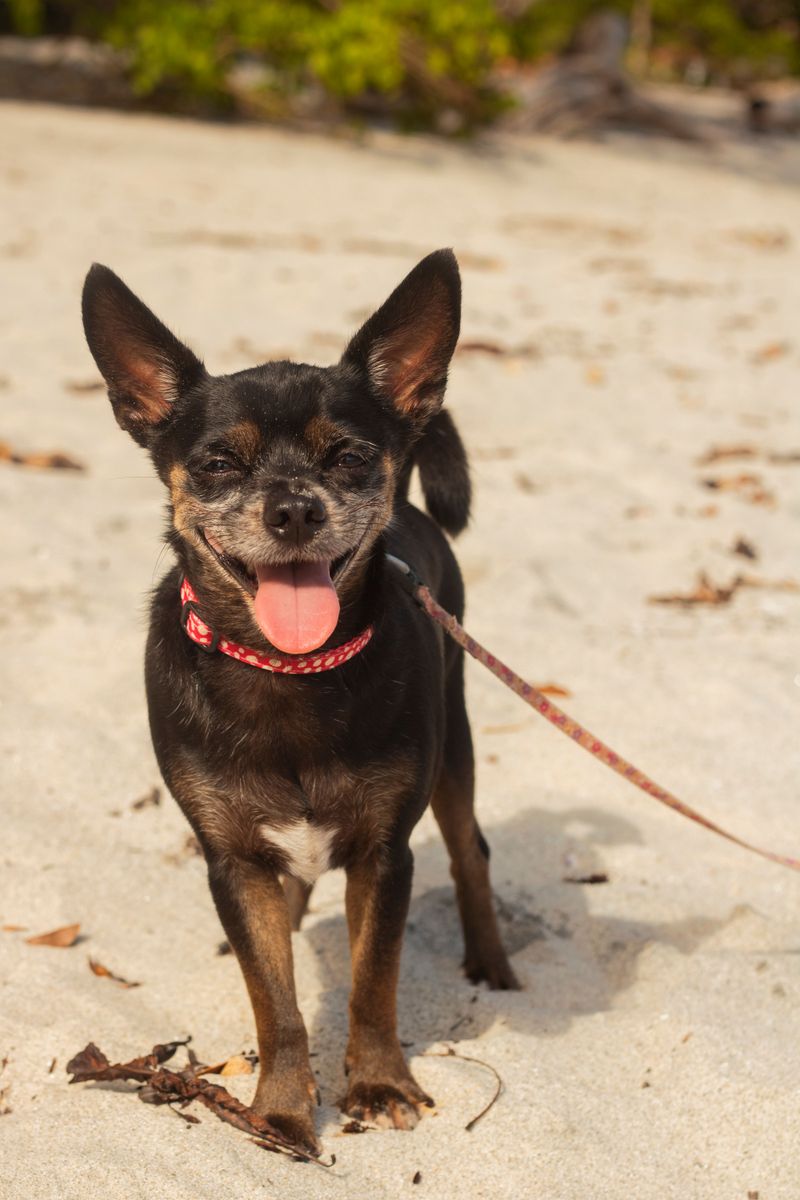
Tiny body, giant alarm system. A Chihuahua notices every doorbell, dropped pan, and stomping foot, and often answers with nonstop barking or trembling.
Because these little dogs are easy to step on, fast movement can make them feel unsafe. Many become jumpy around rowdy kids.
Give your Chihuahua a cozy covered bed in a quiet corner. Teach children to sit on the floor and let the dog come to them first.
Shetland Sheepdog
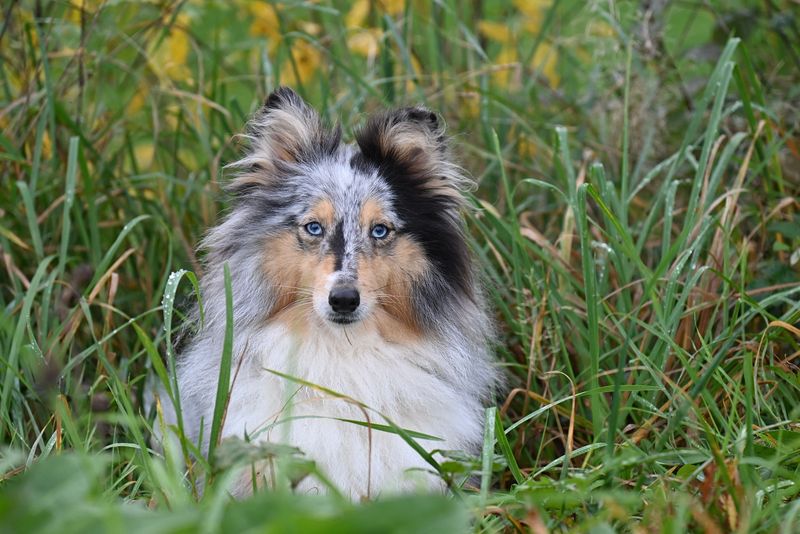
Picture a herding dog with the hearing of a radar dish. Shelties were bred on Scotland’s Shetland Islands to watch over sheep, so they react to every sound and sudden motion.
In a loud house, that watchful brain can go into overdrive. Pacing, spinning, and barking are common signs of stress.
Calm routines help a lot. Short training games and puzzle toys give a Sheltie something positive to focus on.
Italian Greyhound
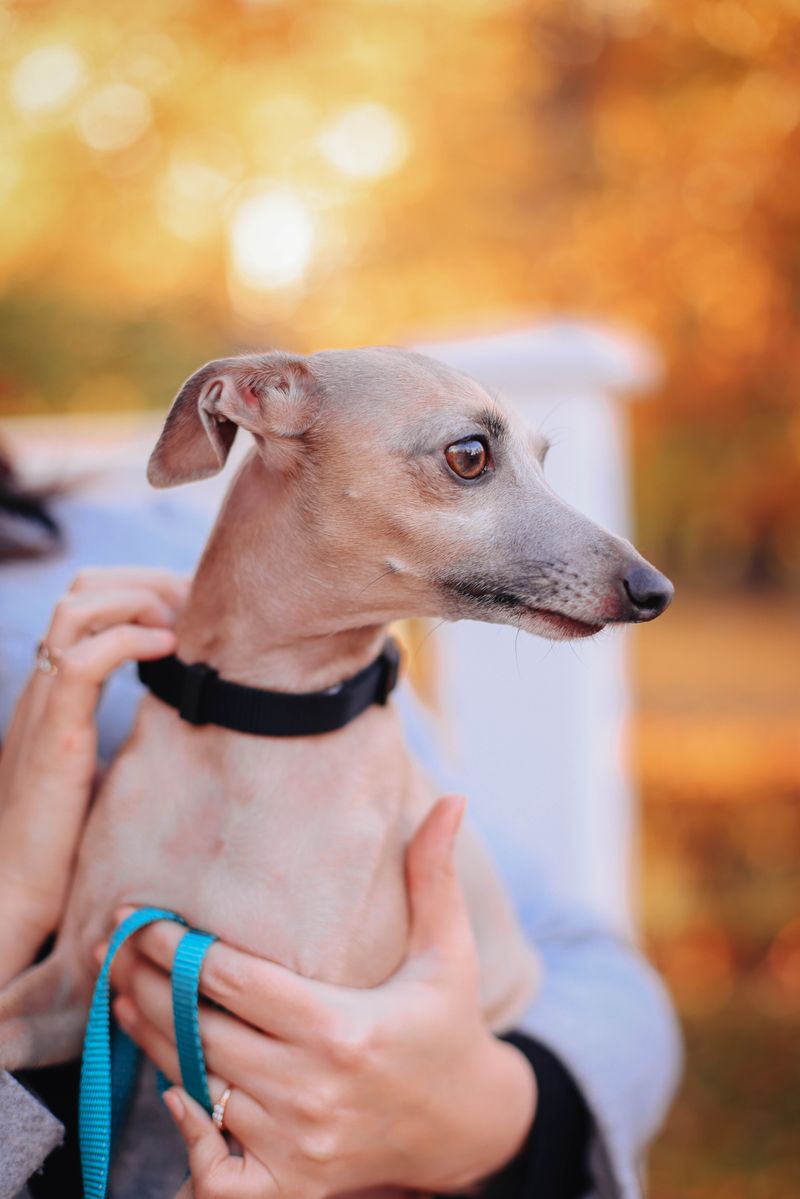
Elegant and delicate, the Italian Greyhound was a favorite of royalty in Renaissance Europe. Those thin legs, though, can break more easily than you might expect.
Rough play and crowded hallways make these dogs uneasy. Many will hide or shiver when the house gets wild.
Offer warm blankets and a raised bed where they can rest safely. Gentle handling and quiet praise will earn their trust faster than any treat.
Pomeranian
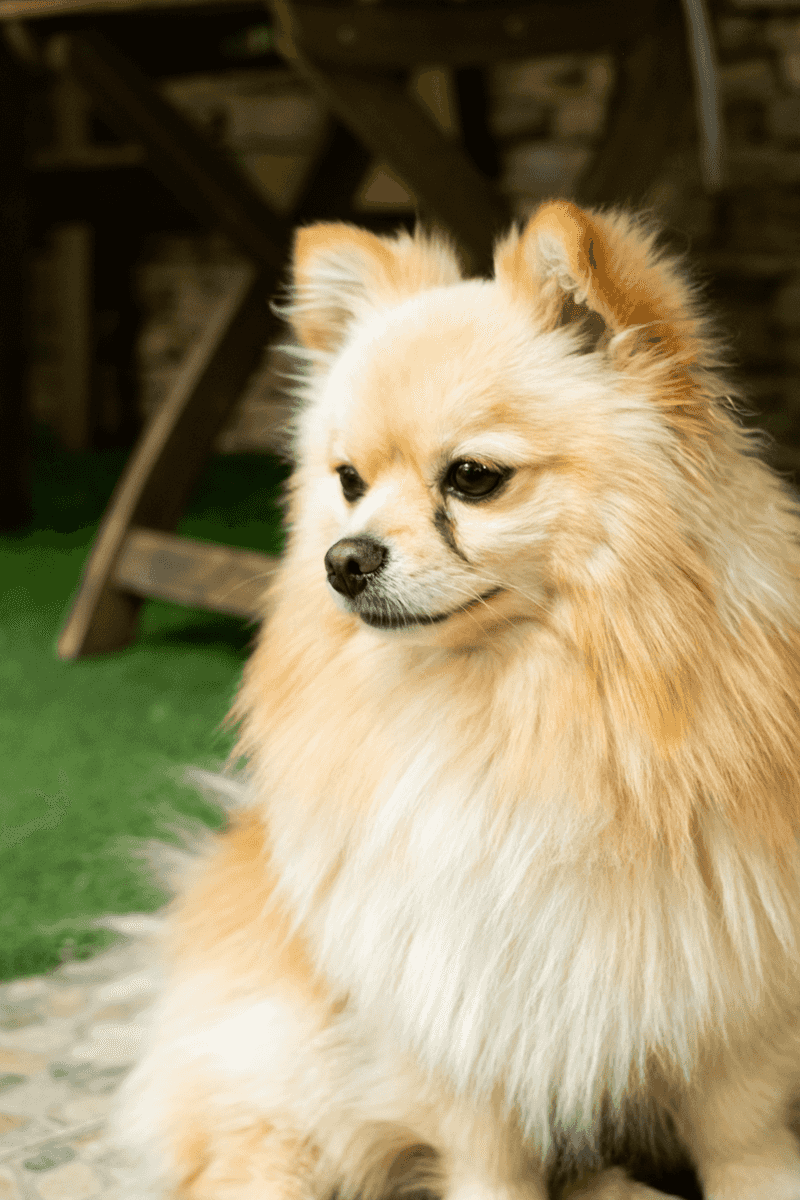
Fluffy, proud, and very loud, the Pomeranian acts like a lion trapped in a cotton ball. When visitors pour in or music blasts, Poms often bark to take control.
That bossy attitude usually hides real nerves. Too much activity can lead to snapping or nonstop yapping.
Try teaching a simple go to your mat cue. Rewarding calm behavior during busy moments shows your Pom that chaos is nothing to fear.
Papillon
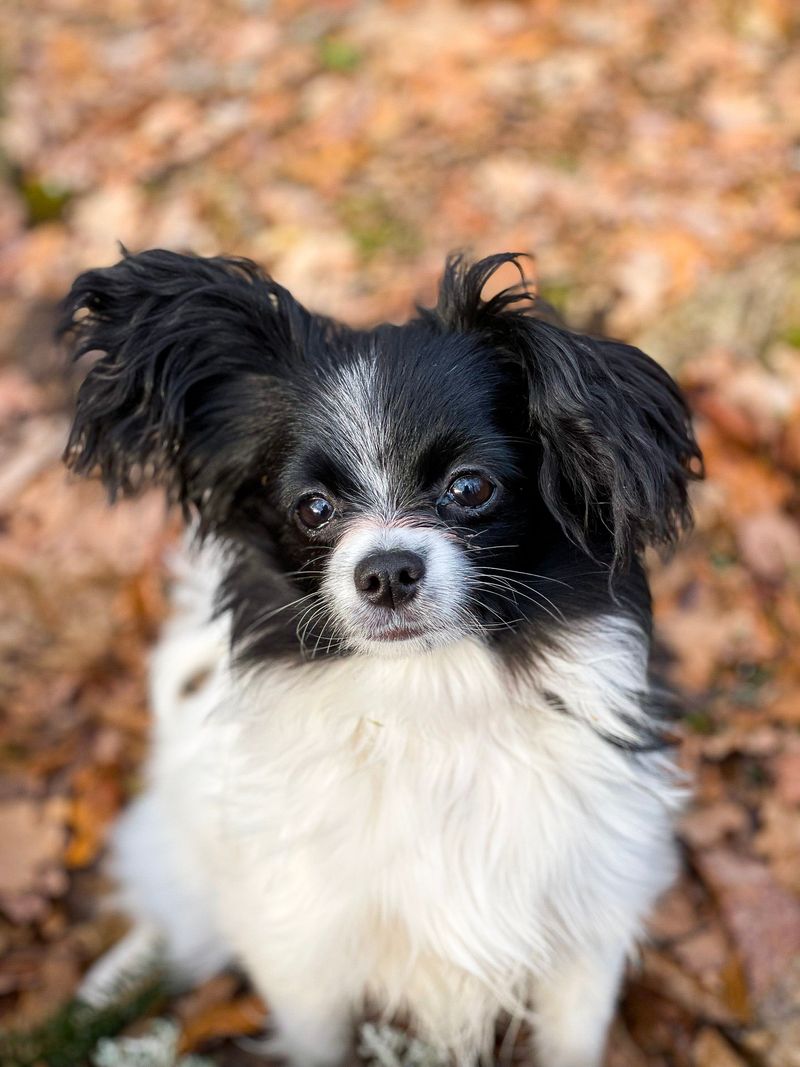
Did you know Papillon means butterfly in French? The name comes from those big, fringed ears that look like wings.
Bright and eager, Papillons pick up on tension fast. Arguments, vacuums, and rushing feet can leave them clingy or restless.
Mental work is their secret calming tool. Teach tricks, play hide and seek with treats, and keep a steady daily schedule so your little butterfly feels grounded.
Shiba Inu
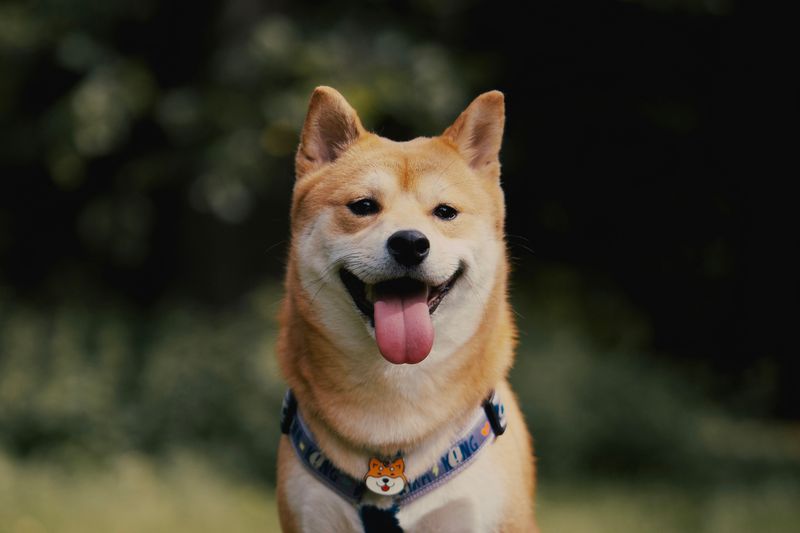
Think of the Shiba Inu as a cat in a dog costume. This ancient Japanese breed likes personal space and prefers order over noise.
When the house fills with grabbing hands and loud games, a Shiba may walk away or let out its famous Shiba scream.
Respect works better than force here. Give your Shiba a private retreat and let it choose when to join the fun.
Miniature Pinscher
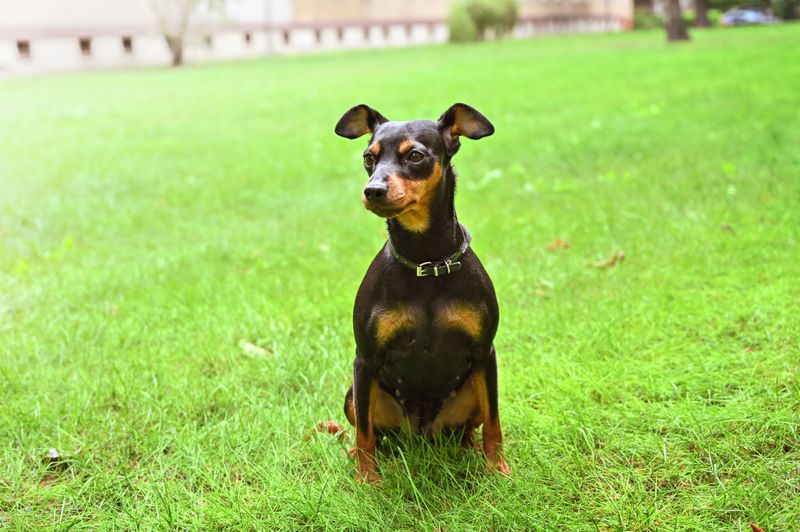
Nicknamed the King of Toys, the Min Pin struts around with endless confidence. Underneath, though, sits a high-energy dog that gets wound up easily.
Loud homes can push a Min Pin from playful to frantic in seconds. Watch for running laps, nipping, or barking that will not stop.
Burn off that energy with daily walks and fetch. A tired Min Pin handles noise far better than a bored one.
Border Collie
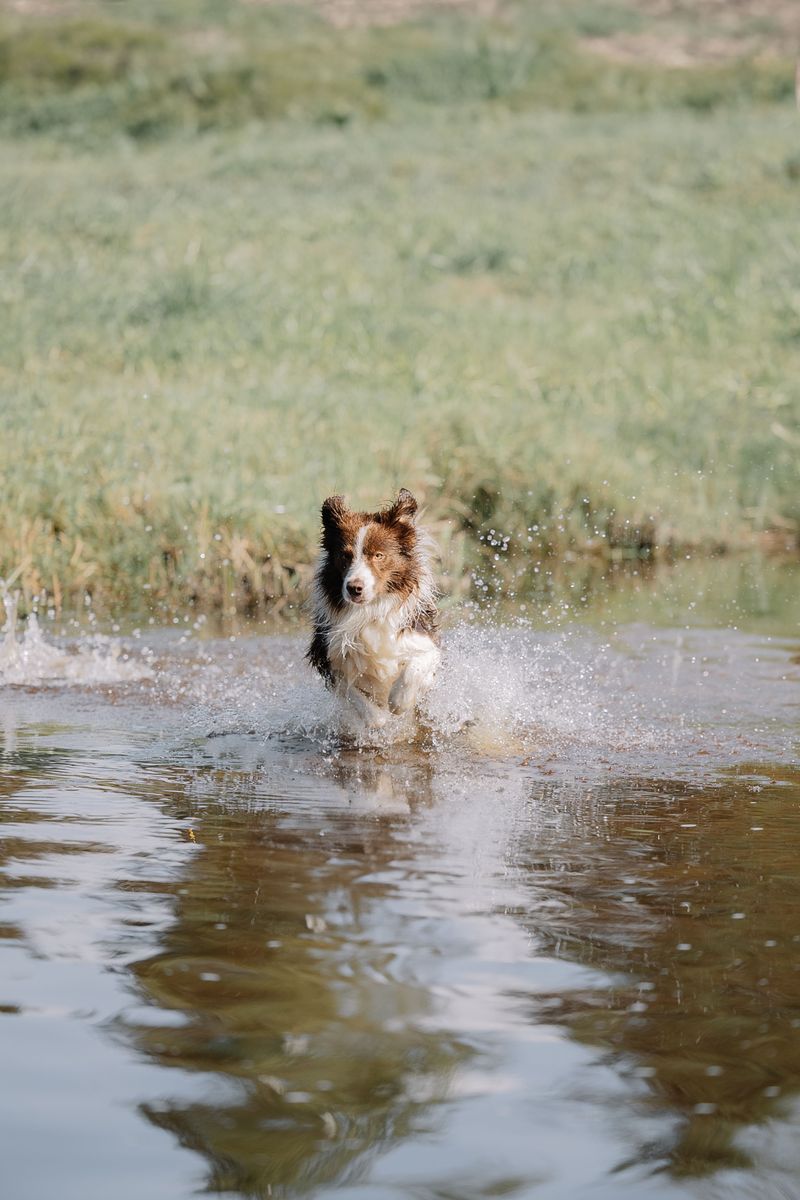
Often called the smartest dog breed, the Border Collie has a brain that never shuts off. Running kids and spinning toys can trigger its herding instinct.
Without a job, this busy mind turns stress into chewing, circling, or nipping at ankles.
Give your collie real work every day. Agility, frisbee, and training sessions turn nervous energy into focus, making household noise much easier to handle.
Yorkshire Terrier
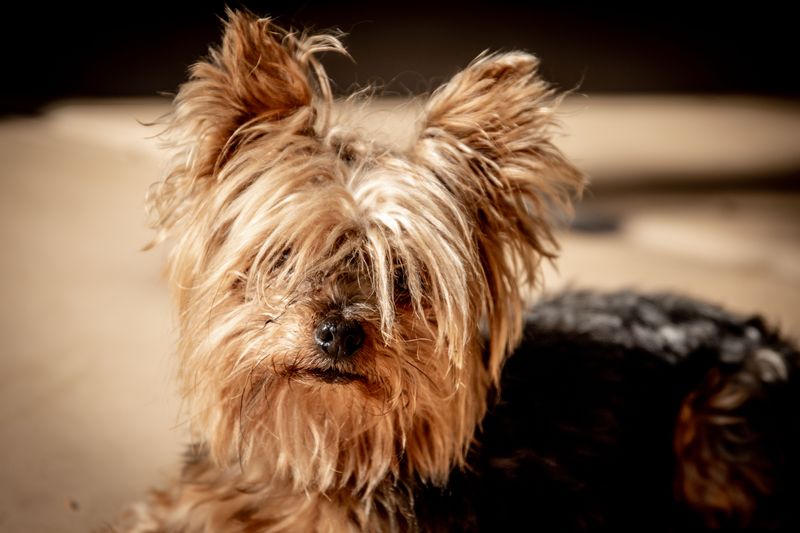
Back in the 1800s, Yorkies chased rats in English mills. Today they mostly chase attention, and they get anxious when life feels unpredictable.
Shouting, clutter, and constant visitors can leave a Yorkie barking or glued to your side.
Keep things steady with regular meal and walk times. A crate covered with a light blanket can become a peaceful den when the house gets hectic.
Dachshund
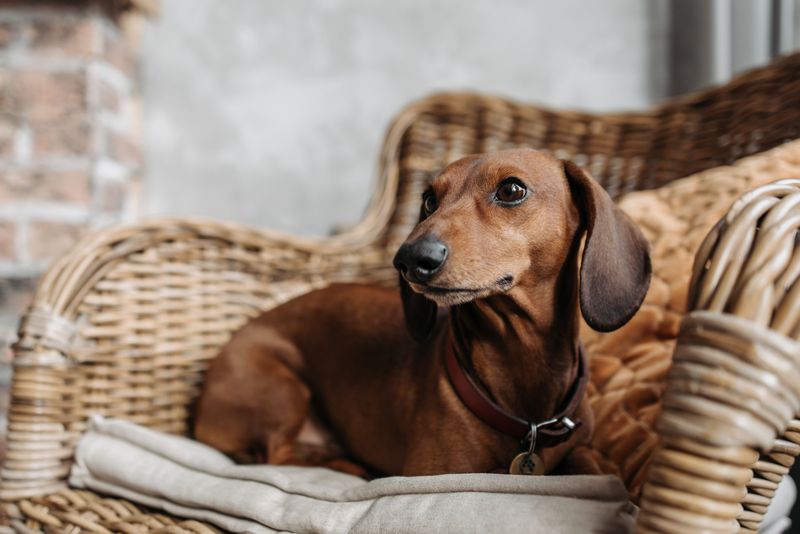
Long body, short legs, and a big bark. Dachshunds were bred in Germany to hunt badgers, so they are brave but also very alert.
Busy homes can set off their watchdog side. Kids lifting them the wrong way may also hurt their backs and cause fear.
Show everyone how to support the chest and rear when holding them. A burrowing blanket gives your doxie a snug hiding spot.
Labrador Retriever (More Adaptable)
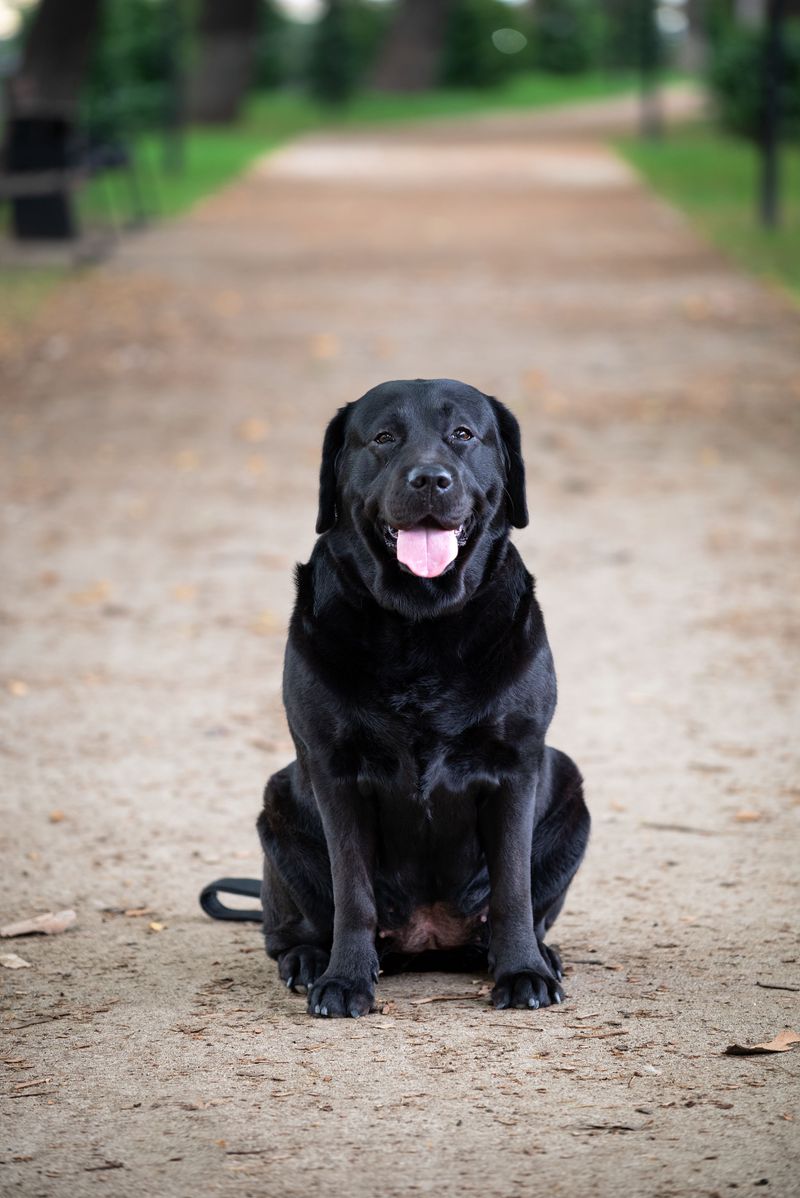
Dropped spoons? Birthday parties?
A Labrador barely blinks. This friendly breed has topped popularity charts for years thanks to its easygoing attitude.
Fun fact, Labs actually come from Newfoundland, Canada, not Labrador. They helped fishermen haul nets.
Labs still need plenty of exercise to stay relaxed. Daily walks, swimming, and fetch keep them steady, making them a fantastic match for noisy, busy families.
Beagle (More Adaptable)
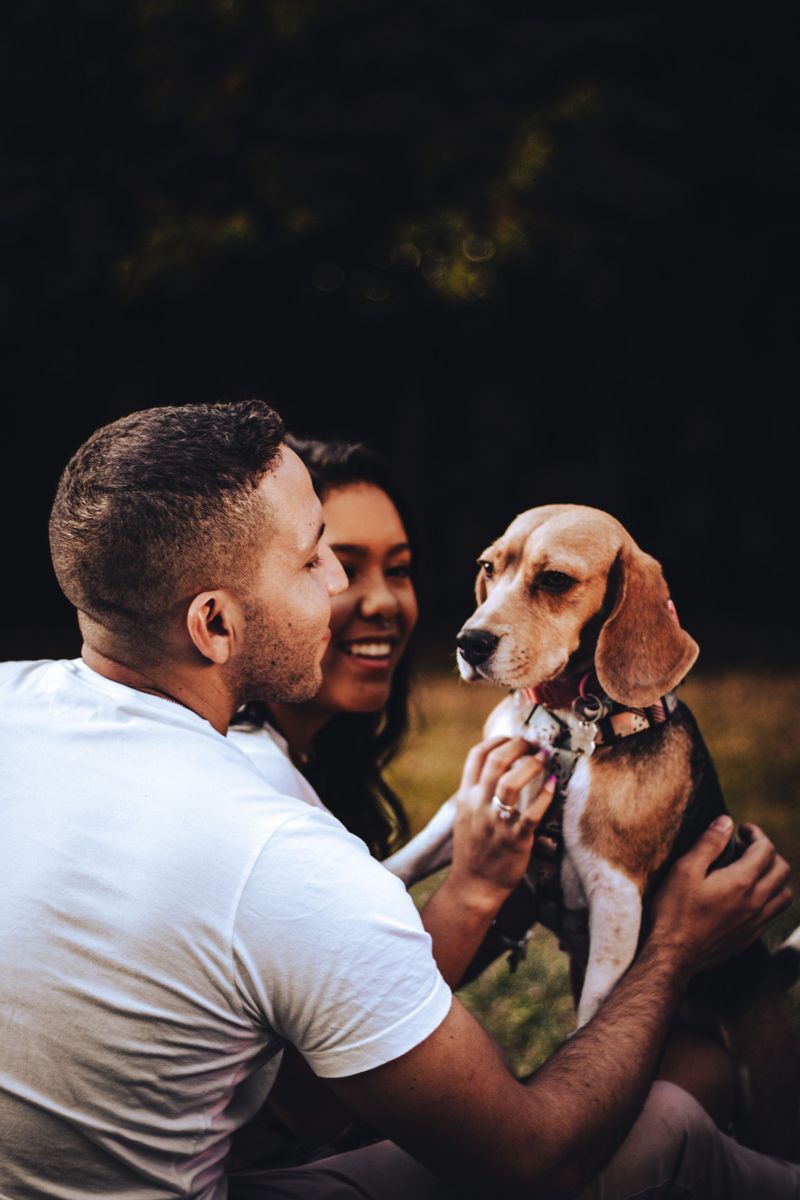
Beagles were bred to hunt in packs, so a crowd feels like home to them. Lots of people and noise usually means more fun, not more fear.
Their cheerful, curious spirit fits right into hectic households. Just keep snacks out of reach, since that famous nose finds everything.
A sturdy fence and daily sniff walks help too. Give a Beagle company and adventure, and it stays happily content.