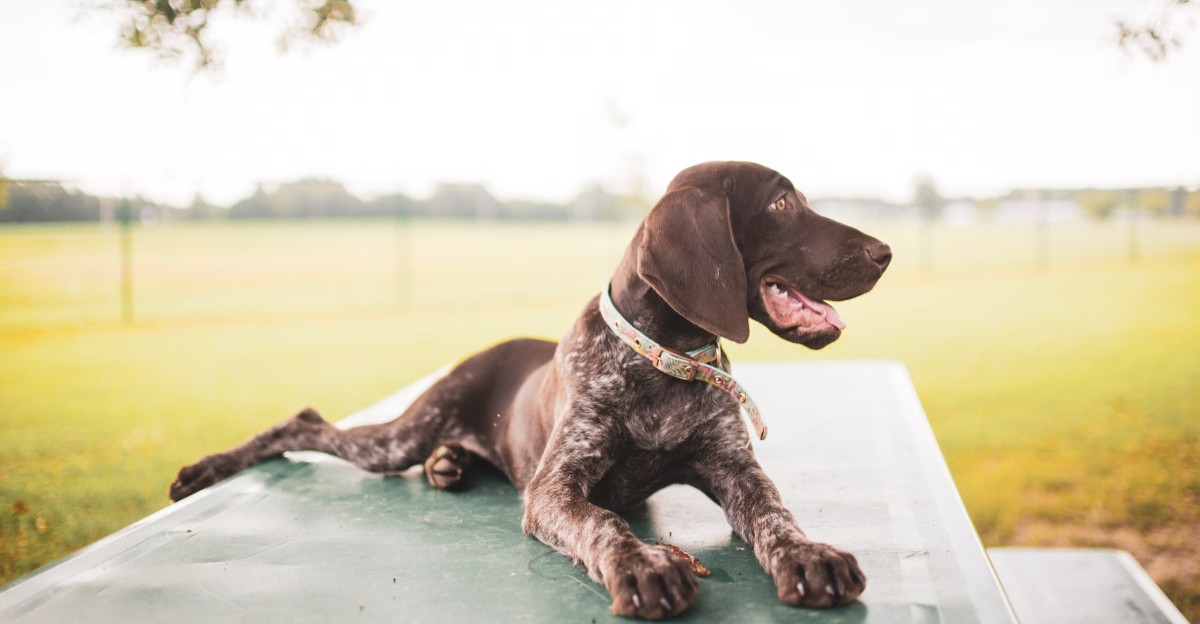
Some dogs are sweet and simple, while others will test every bit of patience and know-how you have. Picking the wrong breed can lead to chewed shoes, stubborn standoffs, and a very tired owner.
Knowing what a breed needs before you bring one home helps both you and your new pup stay happy. Here are ten breeds that keep owners on their toes, plus two that make life a little easier.
Akita: The Silent Samurai
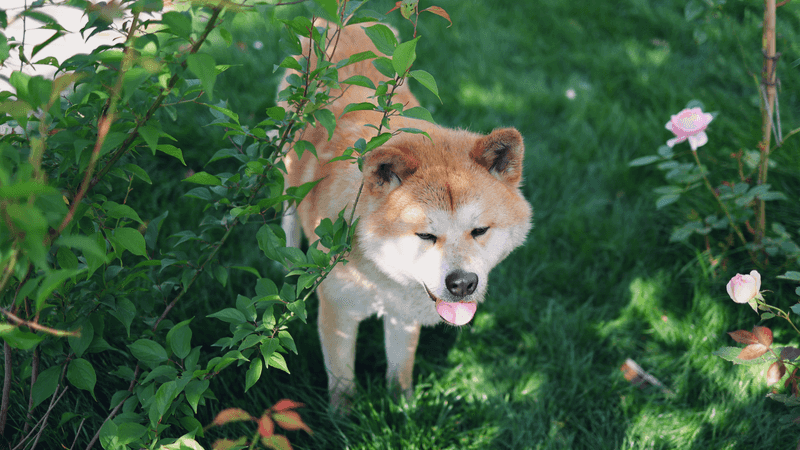
In Japan, Akitas were once guards for royalty, and they still act like it. Quiet, dignified, and fiercely loyal, an Akita bonds deeply with family but may ignore strangers completely.
Trouble starts with other dogs. Many Akitas do not like sharing space with pets of the same sex, so early socialization matters a lot.
Training needs calm confidence, not yelling. Show this proud dog respect, and you will earn a lifelong protector.
Weimaraner: The Gray Shadow
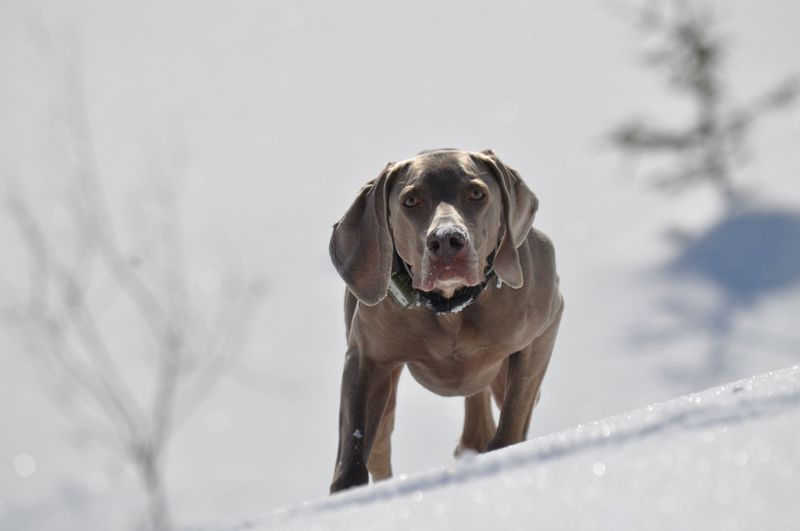
Ever had a dog follow you into the bathroom every single time? Meet the Weimaraner, nicknamed the Velcro dog for a reason.
Built for hunting, these silver beauties need at least an hour or two of hard exercise daily. Left alone too long, they may howl, dig, or redecorate your couch with their teeth.
Puzzle toys, long runs, and plenty of company keep this clingy athlete content and calm at home.
Australian Cattle Dog: The Ankle Nipper

Bred to push stubborn cattle across the Australian outback, the Cattle Dog has energy that seems to never run out. Kids running in the yard?
Expect some playful herding and nipping at heels.
Fun fact: one of these dogs, Bluey, lived over 29 years!
Give this breed a job, like agility, fetch drills, or trick training. A bored heeler will invent its own job, and you probably will not like it.
Rhodesian Ridgeback: The Lion Chaser
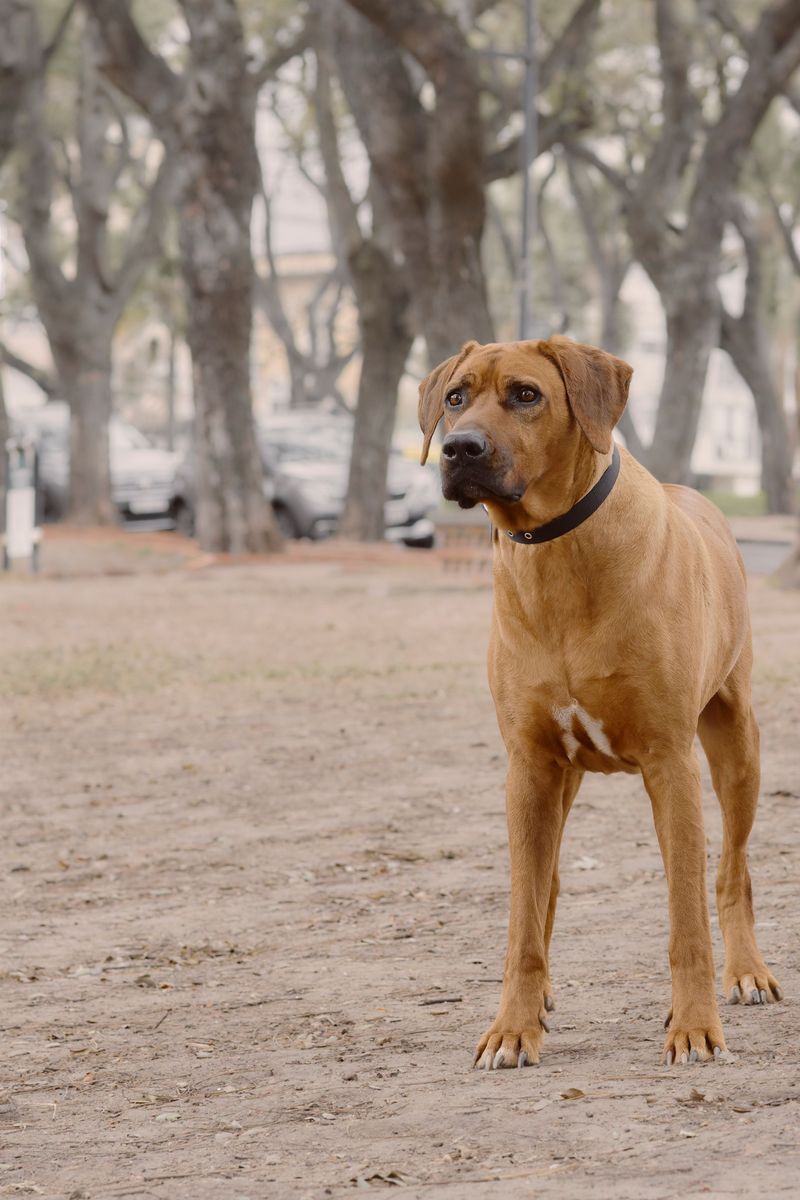
Picture a dog brave enough to help hunters track lions in southern Africa. That is the Ridgeback, famous for the stripe of backward-growing hair along its spine.
Strong-willed and independent, it thinks for itself, which can make recall training tricky. Squirrels and cats may trigger a fast chase.
Use treats, short sessions, and lots of patience. A secure fence is a must, because this hound can jump surprisingly high.
Giant Schnauzer: Brains in a Big Body
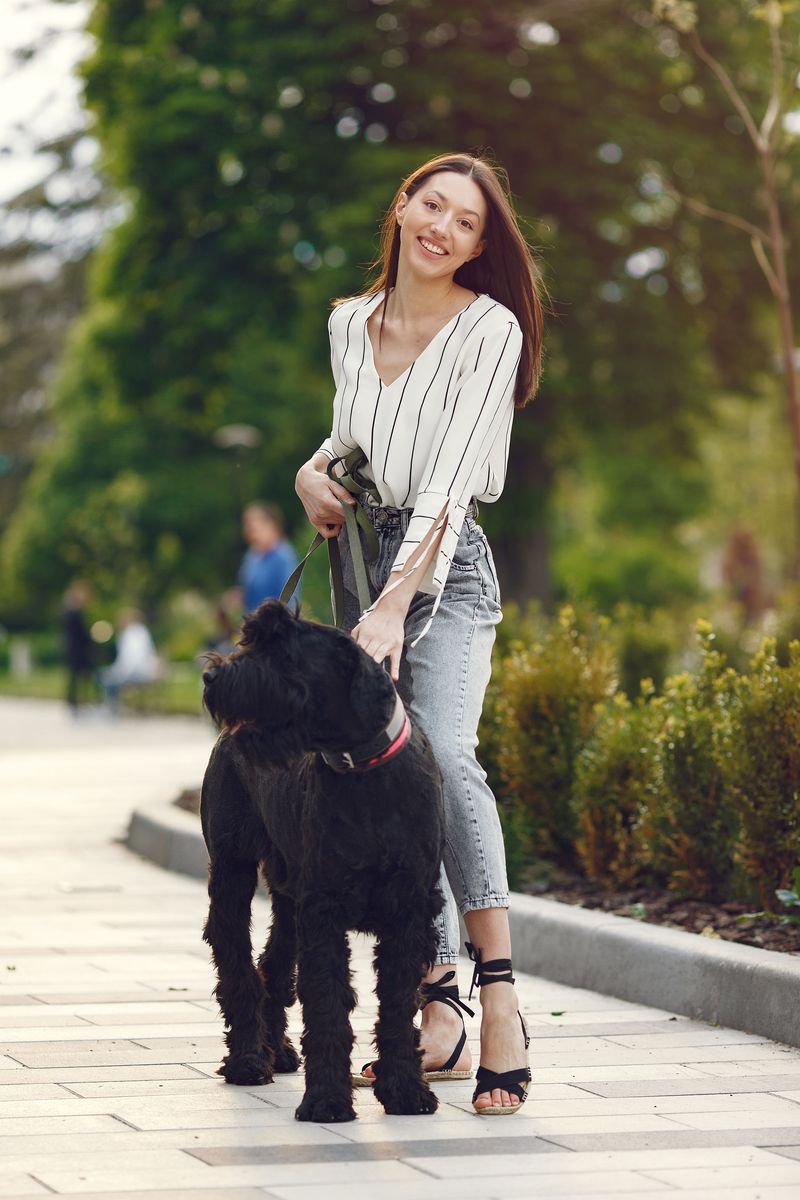
Smart dogs sound great until they outsmart you. Giant Schnauzers learn fast, including how to open doors and sneak snacks off counters.
Originally used to drive cattle in Germany, they later worked as police dogs. Their wiry coat also needs regular trimming and brushing, so grooming costs add up.
Mental challenges matter as much as walks. Try scent games or obedience classes to keep that clever mind busy and out of mischief.
Alaskan Malamute: The Furry Escape Artist
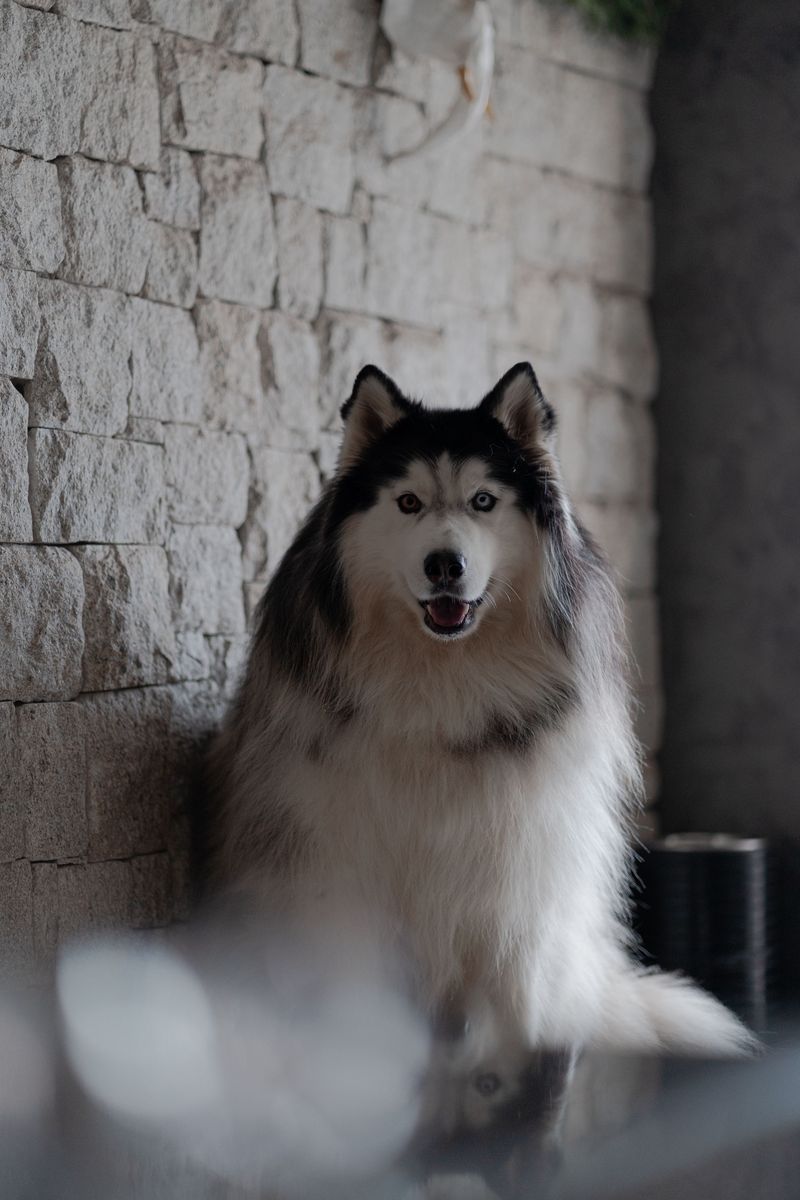
Malamutes were bred to haul heavy sleds across frozen Alaska, and they still have muscle to spare. Leash walks can feel like being dragged by a small truck.
Get ready for fur everywhere. Twice a year, they blow their coat, shedding enough hair to knit another dog.
They also love to dig and escape. Strong fences, cool weather, and plenty of pulling activities like hiking help this snow lover thrive.
Cane Corso: Power Wrapped in Loyalty
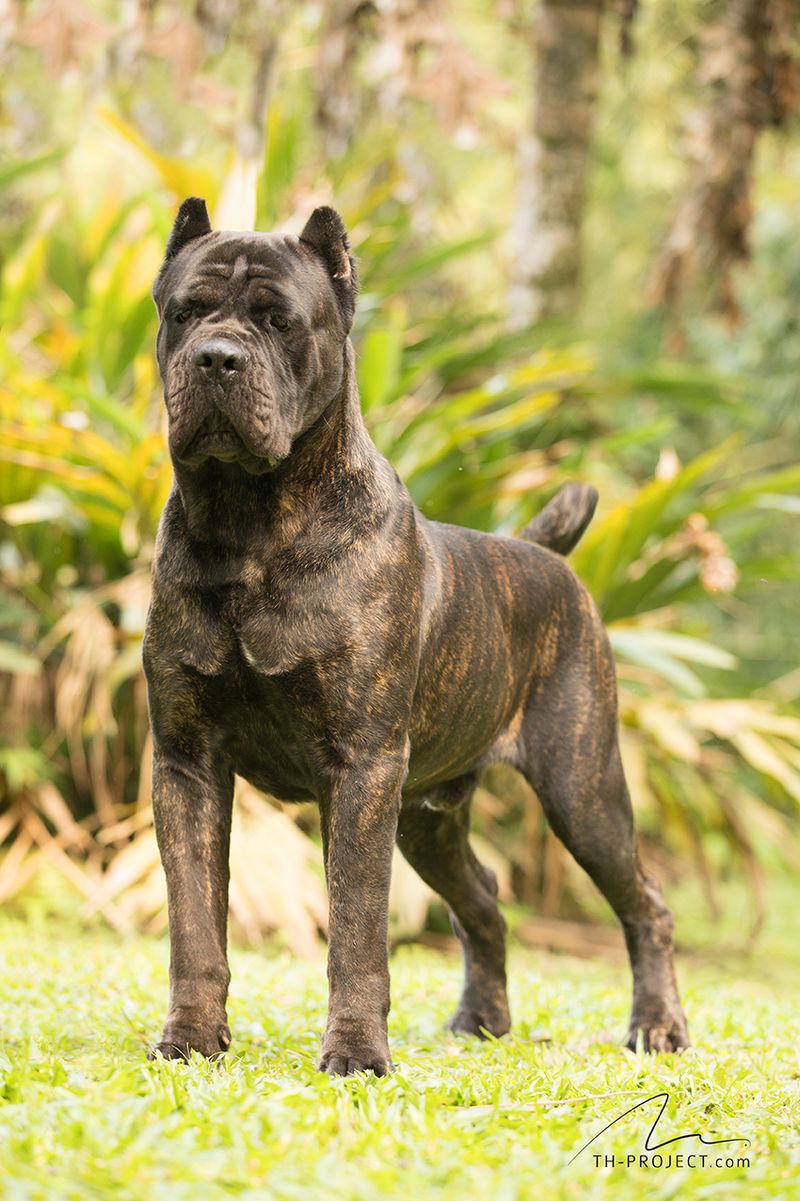
Weighing up to 110 pounds, a Cane Corso is not a dog you can simply muscle around. Its name comes from Latin and roughly means guardian dog.
Italian farmers relied on this mastiff to protect property and livestock. That watchful instinct stays strong today.
New owners should start training and socializing early, ideally with a professional trainer. Clear rules and steady leadership turn this giant into a calm, devoted family guardian.
Scottish Terrier: Small Dog, Big Attitude
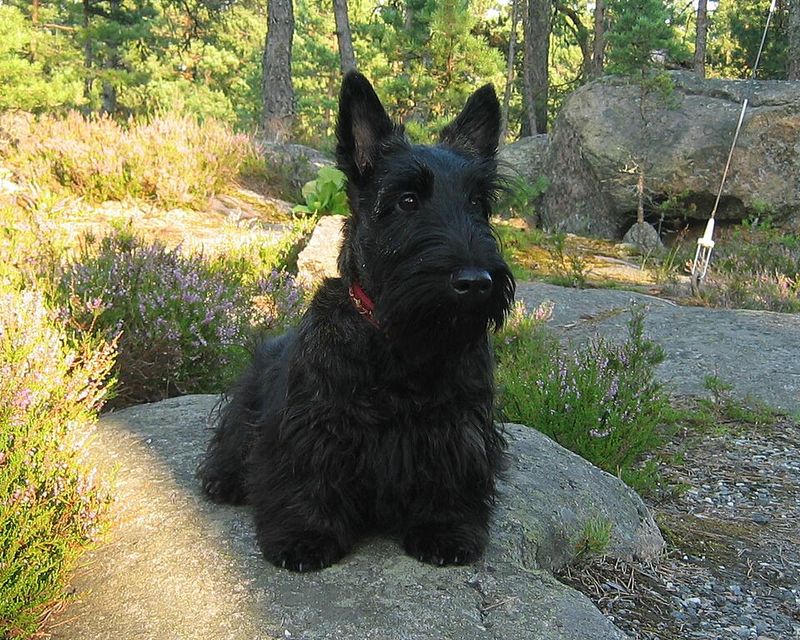
Don’t let the short legs fool you. Scotties carry the confidence of a dog five times their size, and they know it.
Bred to hunt foxes and badgers in Scotland, they love digging and may bark at anything that moves. Stubbornness is practically part of their charm.
Keep training upbeat and rewarding, since harsh words make them shut down. Win their trust, and you gain a funny, fearless little sidekick.
German Shorthaired Pointer: The Never-Ending Battery
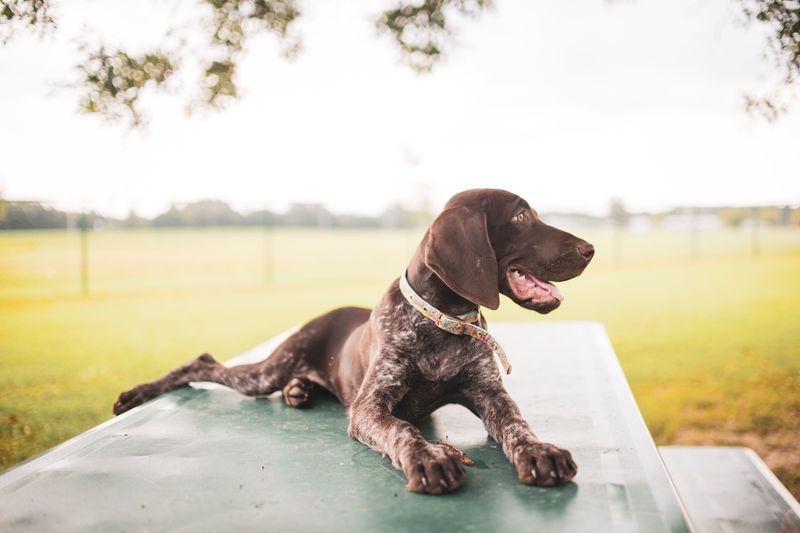
Owners joke that a tired Pointer is a myth. These hunting dogs can run, swim, and retrieve for hours without slowing down.
Friendly and eager to please, they are easier to train than some breeds here. The real challenge is keeping up.
Running partners, dock diving, or field sports work wonders. Without enough action, expect jumping, whining, and chewing.
Plan your schedule around this athlete before bringing one home.
Belgian Malinois: The Elite Worker
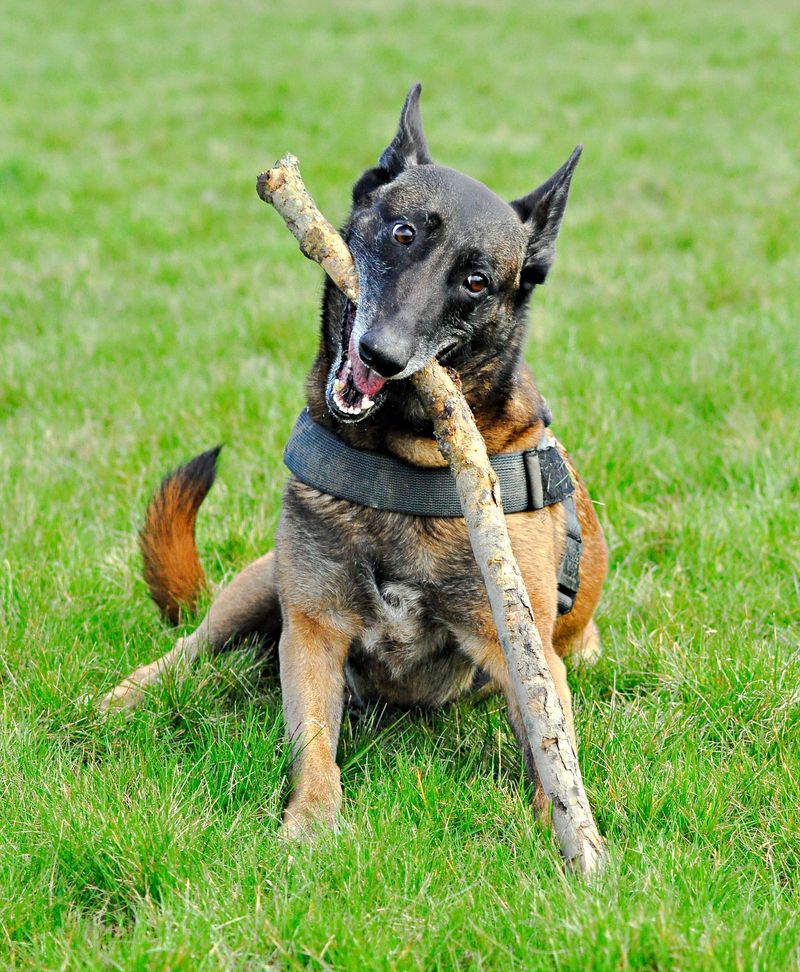
Military teams and police departments around the world choose the Malinois for a reason. Its drive, speed, and focus are almost unmatched.
That same intensity can overwhelm regular families. A Malinois needs hours of daily work, both physical and mental.
Many end up in shelters because owners underestimated them. If you love dog sports like protection training or advanced obedience, though, you will find an incredibly loyal, hardworking partner ready for anything.
Bichon Frise: A Cotton Ball of Joy
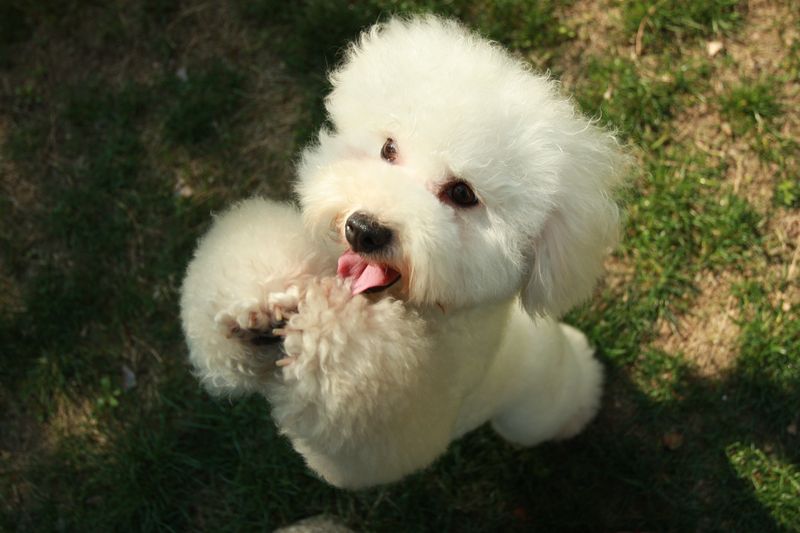
Looking for a cheerful pup that fits apartment life? A Bichon Frise brings bouncy happiness without needing marathon workouts.
Short daily walks and playtime are usually enough. Their curly coat sheds very little, which many allergy sufferers appreciate.
Grooming every few weeks keeps that fluffy look neat. Fun bit of history: sailors once traded these little charmers across the Mediterranean, and they later became favorites in French royal courts.
Cavalier King Charles Spaniel: The Cuddle Expert
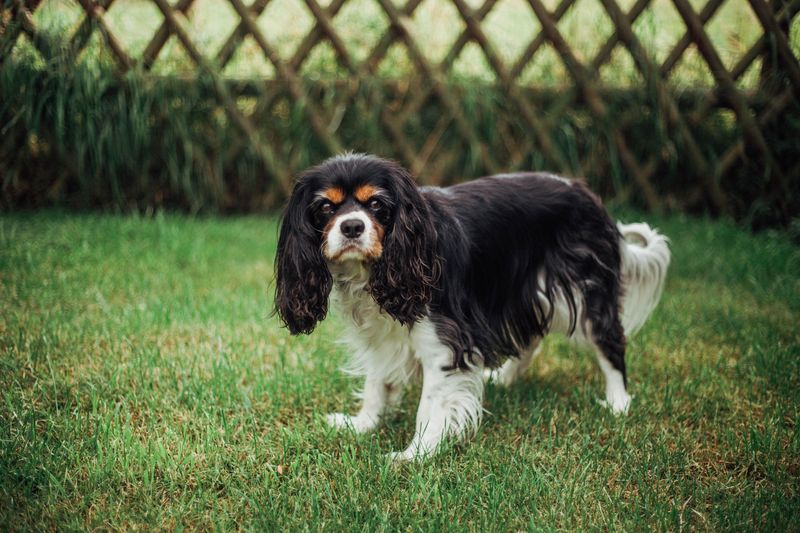
King Charles II of England adored these spaniels so much that he rarely went anywhere without them. Today, they still win hearts with soft eyes and silky ears.
Cavaliers adapt easily, happy on a walk or curled up for a movie. Most get along with kids, seniors, and other pets.
Training is simple since they love praise. Just schedule regular vet checks, because the breed can develop heart problems.