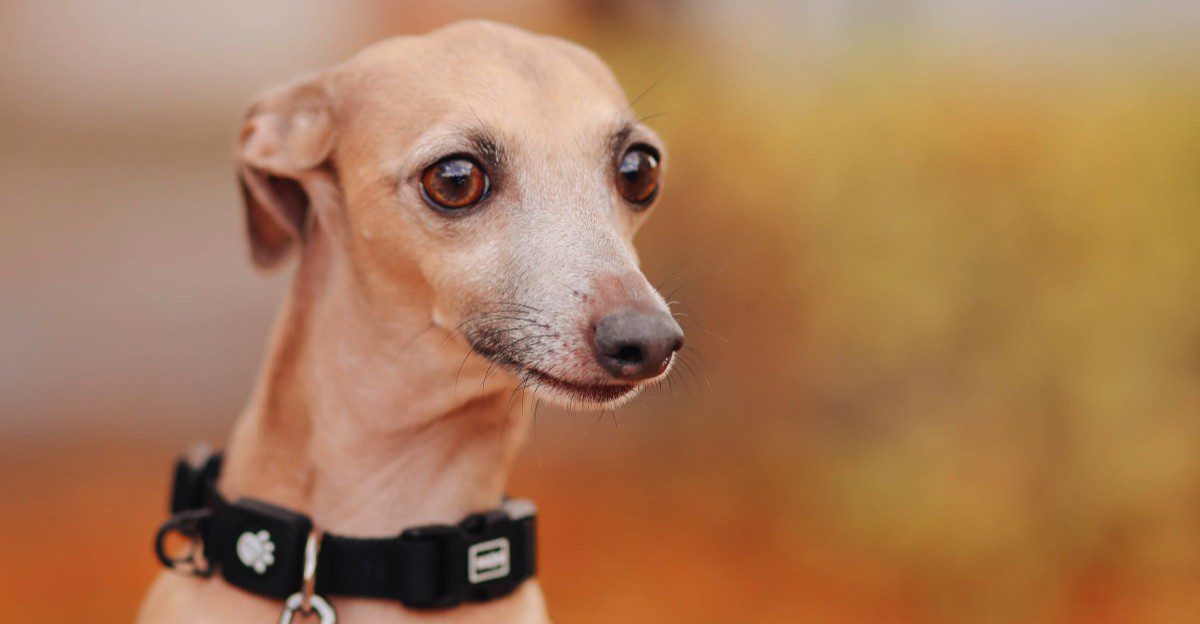
Some dogs love company so much that even short alone time can feel hard. Others enjoy a bit of space and handle quiet hours better.
Knowing which breeds struggle, and which manage well, helps you plan training and daily routines. With the right prep, any dog can feel safer and calmer when you step out.
Vizsla

Born to shadow their favorite person, Vizslas crave near-constant contact and read emotions like open books. Left alone, some pace, whine, or chew, not from spite but from stress.
Plan exercise before departures, then offer a stuffed frozen chew to bridge the quiet. Rotate puzzle feeders, teach a solid place command, and practice tiny exits that grow longer.
A dog walker at lunch helps too.
Italian Greyhound
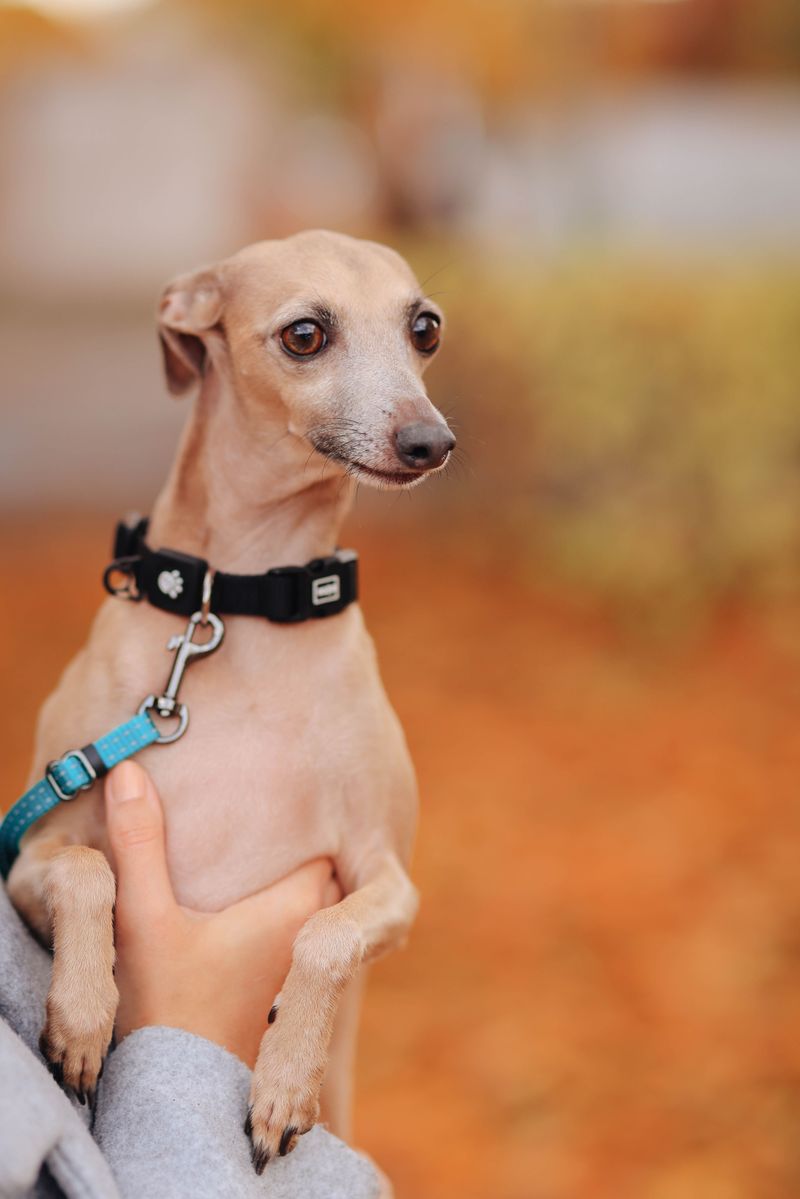
Like a small shadow with long legs, the Italian Greyhound bonds intensely and hates feeling left out. Sudden silence can make them tremble or fuss, especially if routines change.
Warmth brings comfort, so leave a cozy sweater and a safe perch by a sunny window. Gentle independence games, short practice absences, and soft-sniff scatter feeding build confidence.
Keep jumps limited to protect delicate legs, bones.
Cavalier King Charles Spaniel

Big eyes and a softer heart make Cavaliers natural cuddlers who dislike empty rooms. Many follow family from couch to kitchen, so solo hours can feel confusing and lonely minutes.
Structure helps. Create a calm goodbye routine, pair departures with a food-stuffed toy, and play nose-work games before you leave.
Regular brushing and ear care also turn quiet time into a soothing spa moment afterward.
Havanese
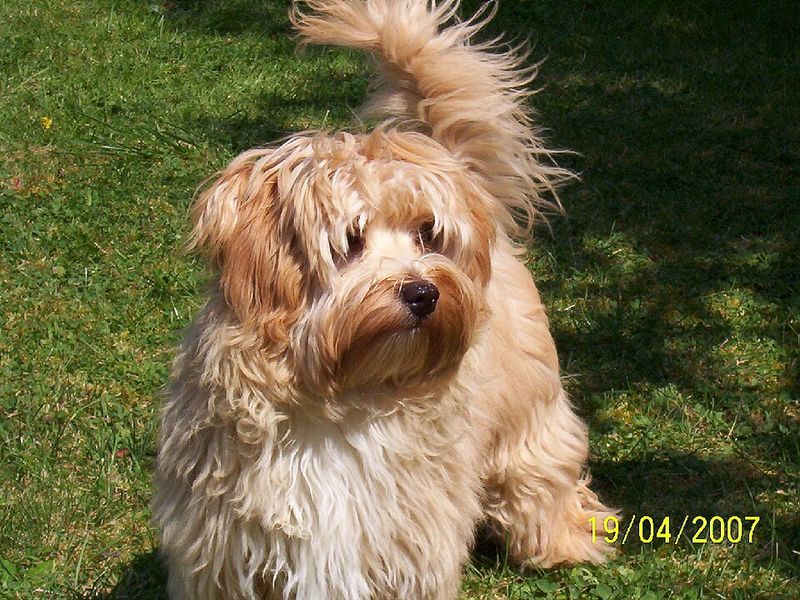
Clever and people-focused, the Havanese was bred as a companion and thrives on chatter and company. When left behind, some invent mischief like shredding mail or barking at hallway sounds.
Morning training that ends with a settle mat teaches off-switch skills. Use window film to block trigger views, and swap toys weekly to keep novelty high.
Short, predictable absences with calm returns reduce drama over time.
Maltese
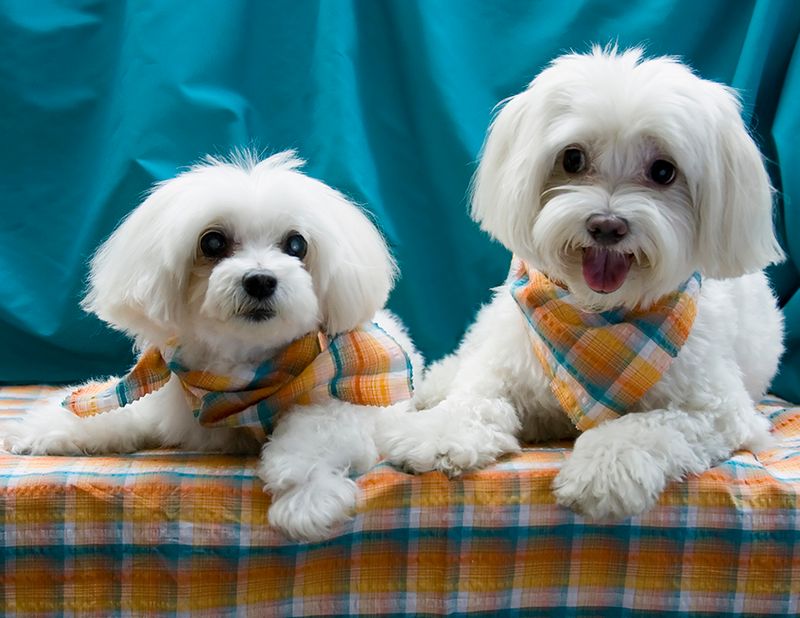
Imagine a fluffy alarm clock that prefers your lap to any bed. Maltese dogs adore attention and may bark or pace when life suddenly goes quiet.
Teach relaxation by rewarding sighs and stillness on a comfy mat. A white-noise machine, a worn T-shirt, and a long-lasting chew can smooth the transition.
Gentle walks before leaving help drain nervous energy. Consistent schedules build trust daily routines.
Doberman Pinscher
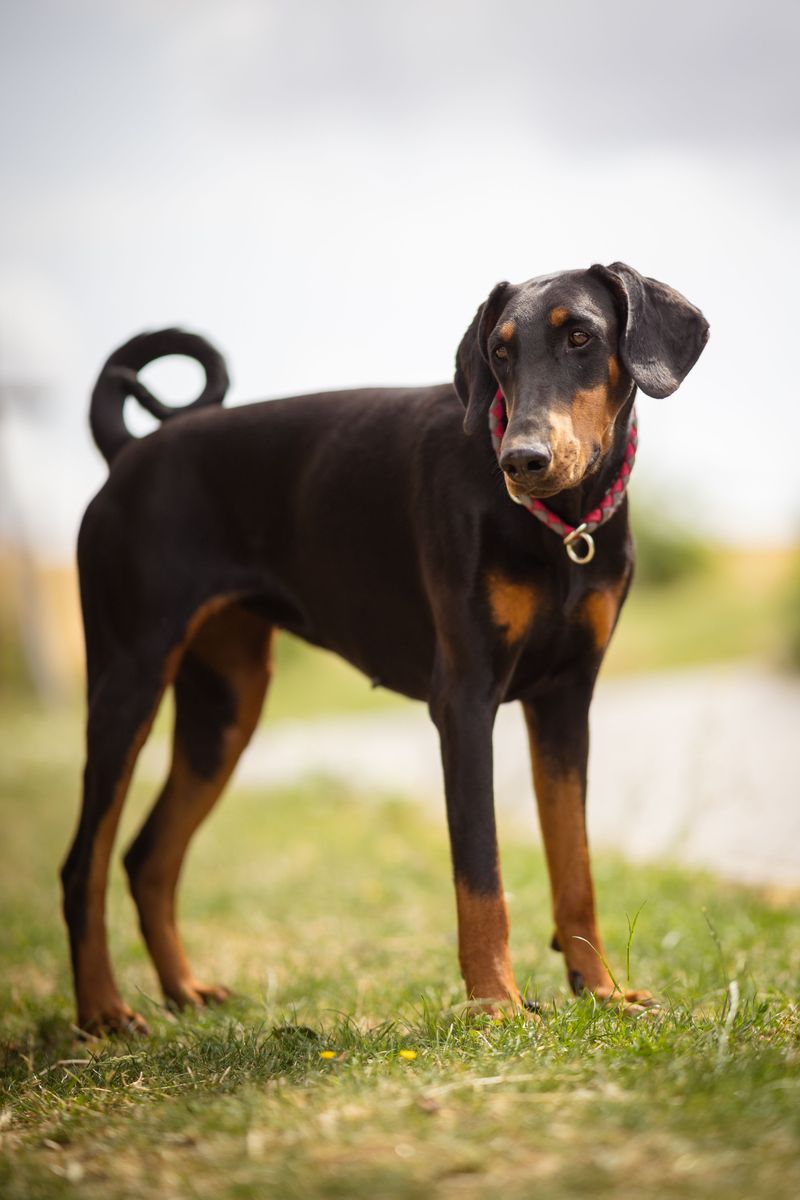
Confident yet deeply attached, many Dobermans act like noble bodyguards who prefer being on duty. Long stretches alone can lead to vocal protests or door watching.
Channel their brains with obedience drills, scent games, and structured tug before you go. Provide a heavy-duty chew, a snuffle mat, and closed curtains for fewer triggers.
Practice crate time positively so it feels like a safe den space.
Bichon Frise
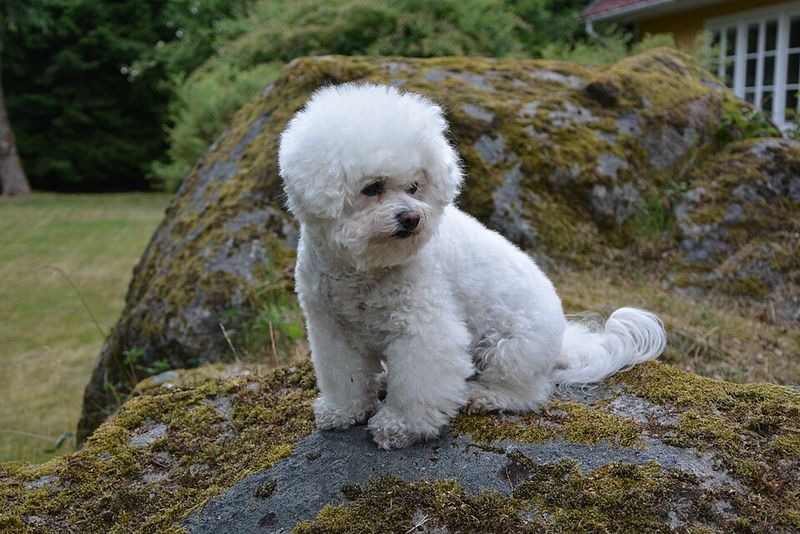
Cheery by nature, the Bichon loves laughter, laps, and eye contact. Silence can feel awkward, and boredom might spark creative antics like paper confetti art.
Set up a cozy pen with rotated toys, a lick mat, and gentle music. Train a go-to-bed cue after play to teach winding down.
Regular grooming sessions double as bonding, so schedule them when you return for extra calm time.
Toy Poodle
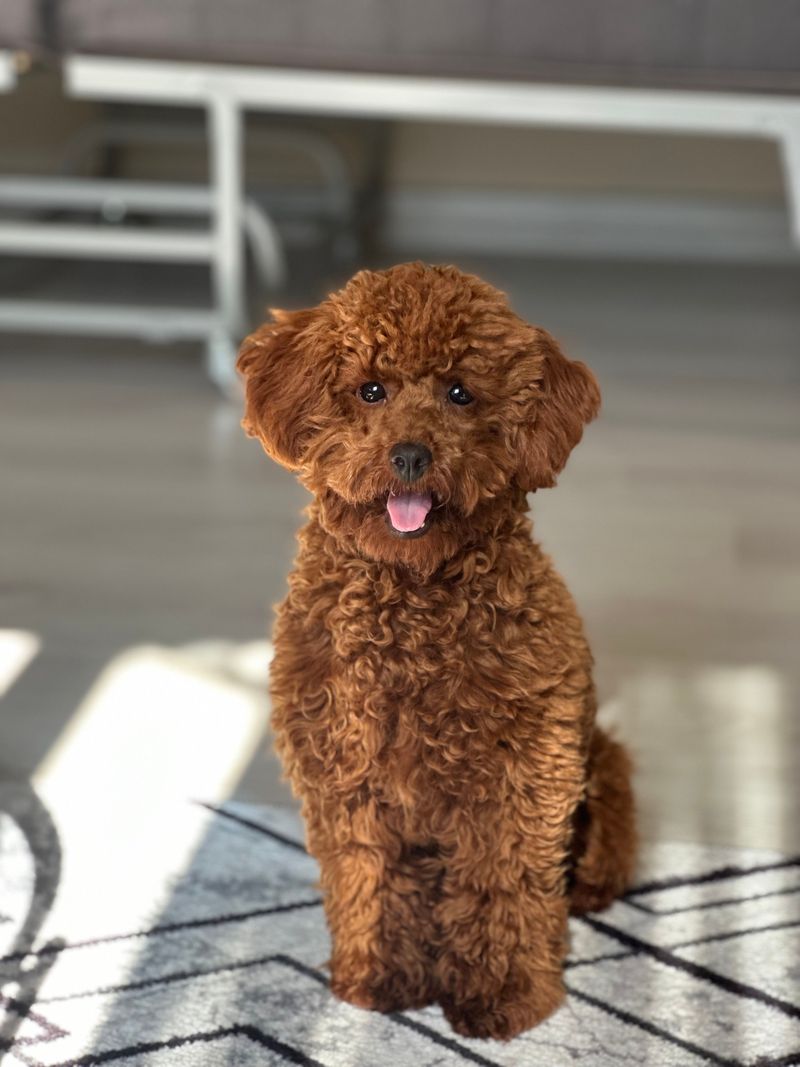
Brains on turbo, Toy Poodles notice everything and can worry when their person disappears. Mental energy piles up quickly without projects.
Build a treasure hunt before leaving, hiding treats in safe boxes around one room. Follow with a calm nap cue and a chilled chew.
Trick training, like paw target or spin, tires the mind and improves confidence. Short elevator trips without you help practice.
Cocker Spaniel
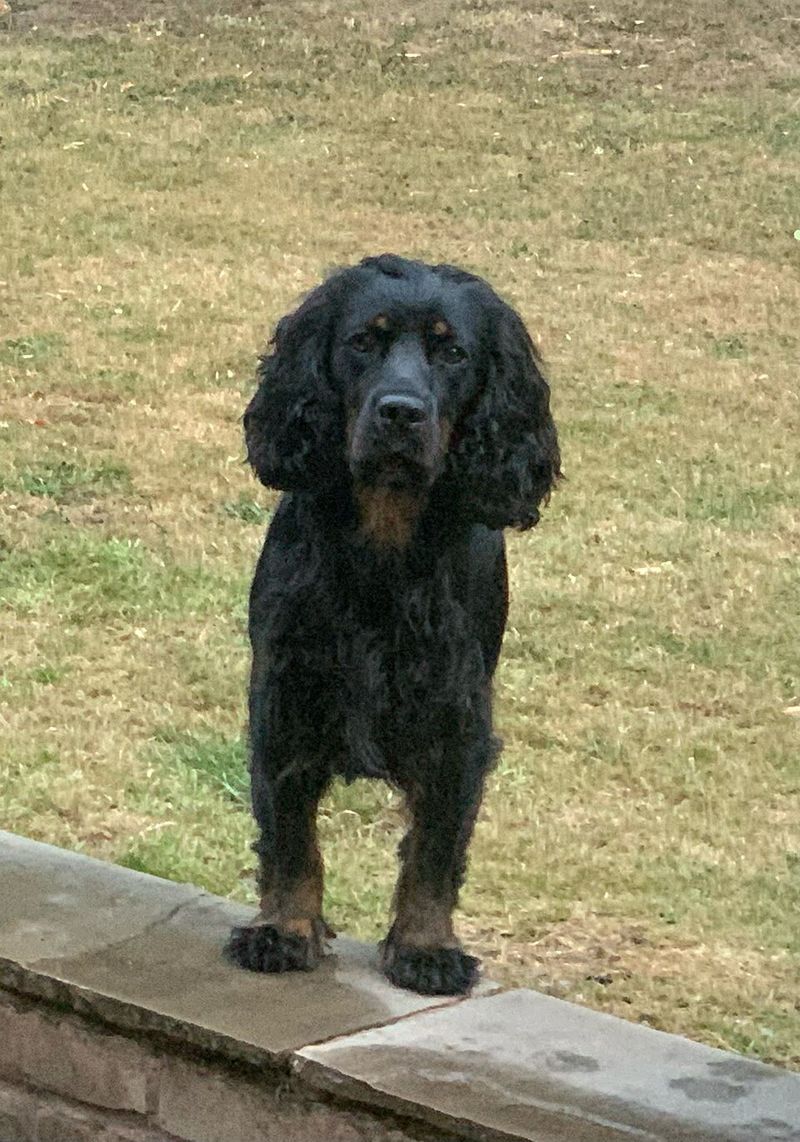
Those soulful eyes are not an act. Many Cockers are sensitive family dogs who dislike being parked away from their people.
Work the nose with easy scent trails that end on a bed. Brush ears while playing calming music to associate touch with safety.
Gradually increase alone-time minutes using a kitchen timer, then return casually without big greetings. Consistency keeps emotions more balanced each day.
Staffordshire Bull Terrier
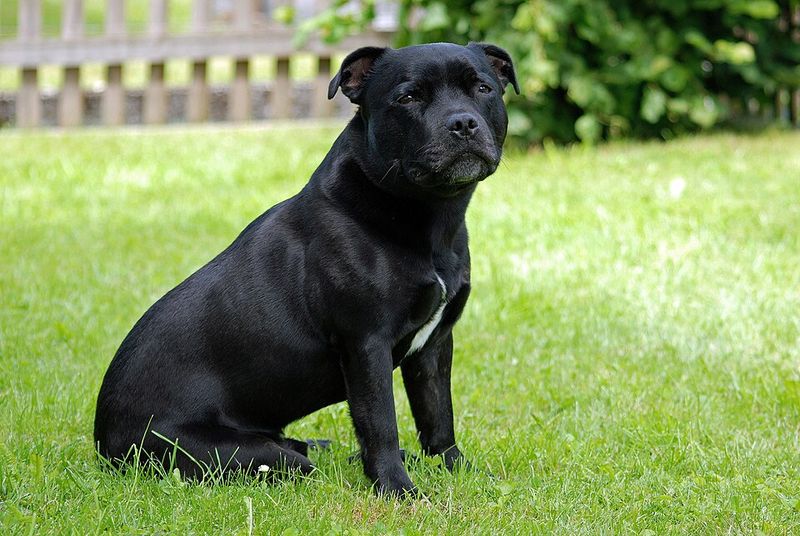
Clownish at home and sturdy at heart, Staffies soak up affection like sunshine. Many crave togetherness and can protest with persistent yips when rooms go quiet.
Tire body and brain with tug rules, flirt pole sprints, and relaxed leash sniffing. Then offer a frozen Kong in a comfy crate parked near family scent.
Calm exits and boring returns teach that separations are safe and temporary.
Shiba Inu
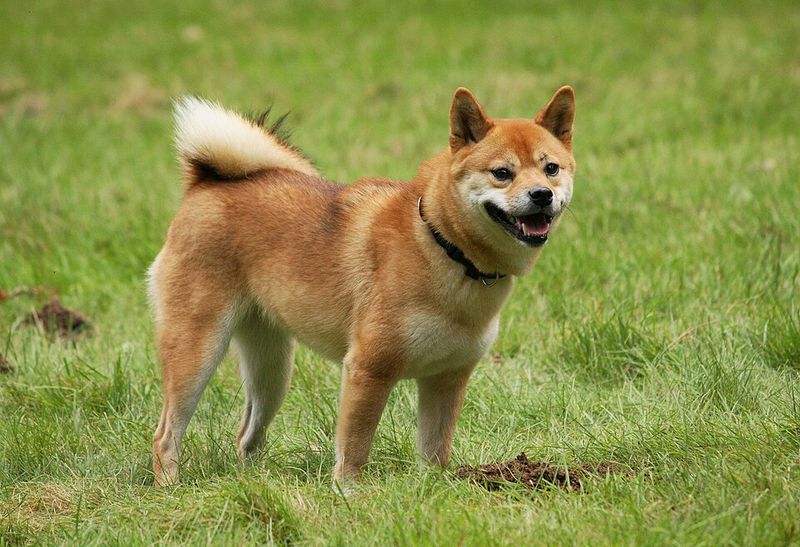
Fans call them cat-like for good reason. Many Shibas appreciate personal space and handle solo afternoons with quiet confidence.
Early social skills support calm choices.
Still, boredom can spark creative escapes, so use secure latches and sturdy toys. Enrichment walks, trick sessions, and varied sniff routes keep minds satisfied.
Reward check-ins to balance independence with connection without smothering their proud spirit. Rotate puzzle challenges weekly.
Chow Chow
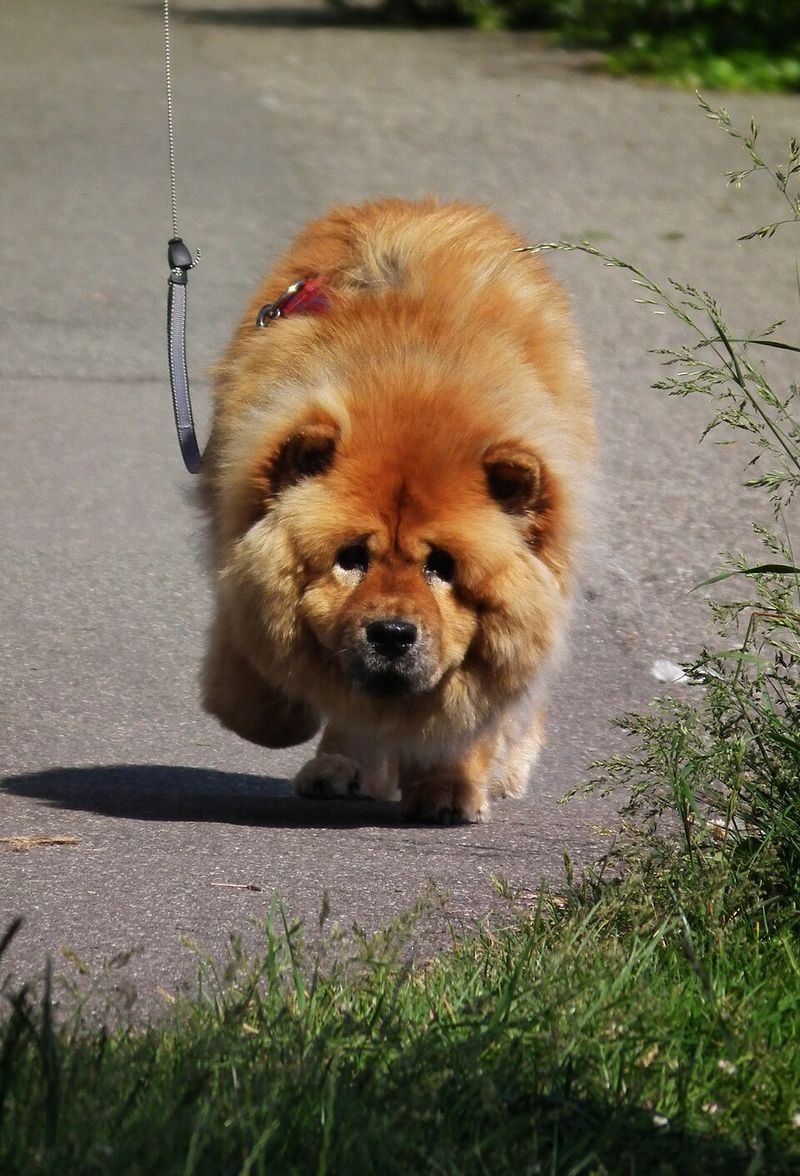
Dignified and reserved, the Chow often prefers a watchful corner to center stage. Many do fine resting alone after a good stroll.
Weather-safe outdoor time helps daily too.
Respect their boundaries by offering a quiet den area and low-key goodbyes. Regular brushing sessions and short training bursts keep cooperation smooth.
Add scent games and scatter feeding to engage the nose without crowding their independent mood.
Akita
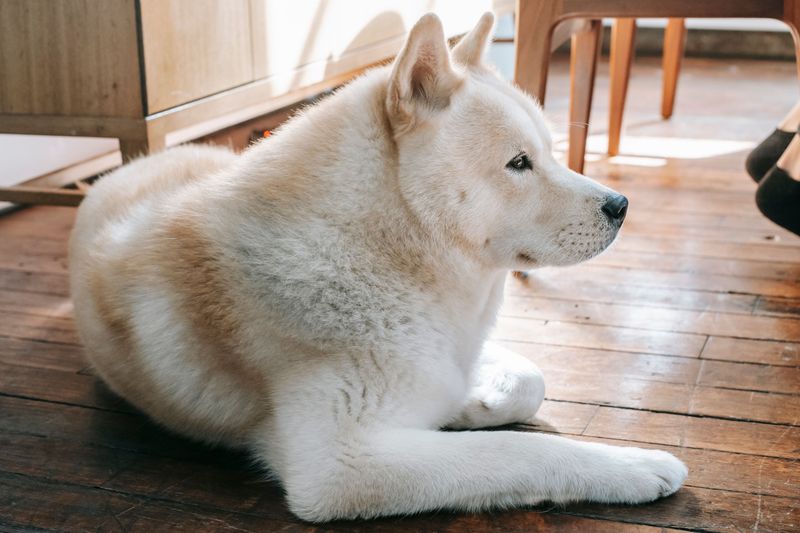
Steady and thoughtful, many Akitas are comfortable resting near a window, quietly monitoring the neighborhood. Alone time usually goes smoothly when needs are met.
Curtains reduce trigger watching indoors.
Quality exercise, clear rules, and chew sessions prevent aimless pacing. Practice polite door manners and reinforce calm greetings to keep arousal low.
Because loyalty runs deep, teach a cue that releases them to relax off duty.