
Some dogs figure out fetch, hide-and-seek, and puzzle toys faster than you can find the treats. That speed is fun to watch, but it also means a smart pup can get bored in a hurry.
Bored dogs often invent their own games, like chewing shoes or digging up the yard. Knowing which breeds learn fast helps you plan tougher challenges that keep their busy brains happy.
Border Collie: The Puzzle Champion
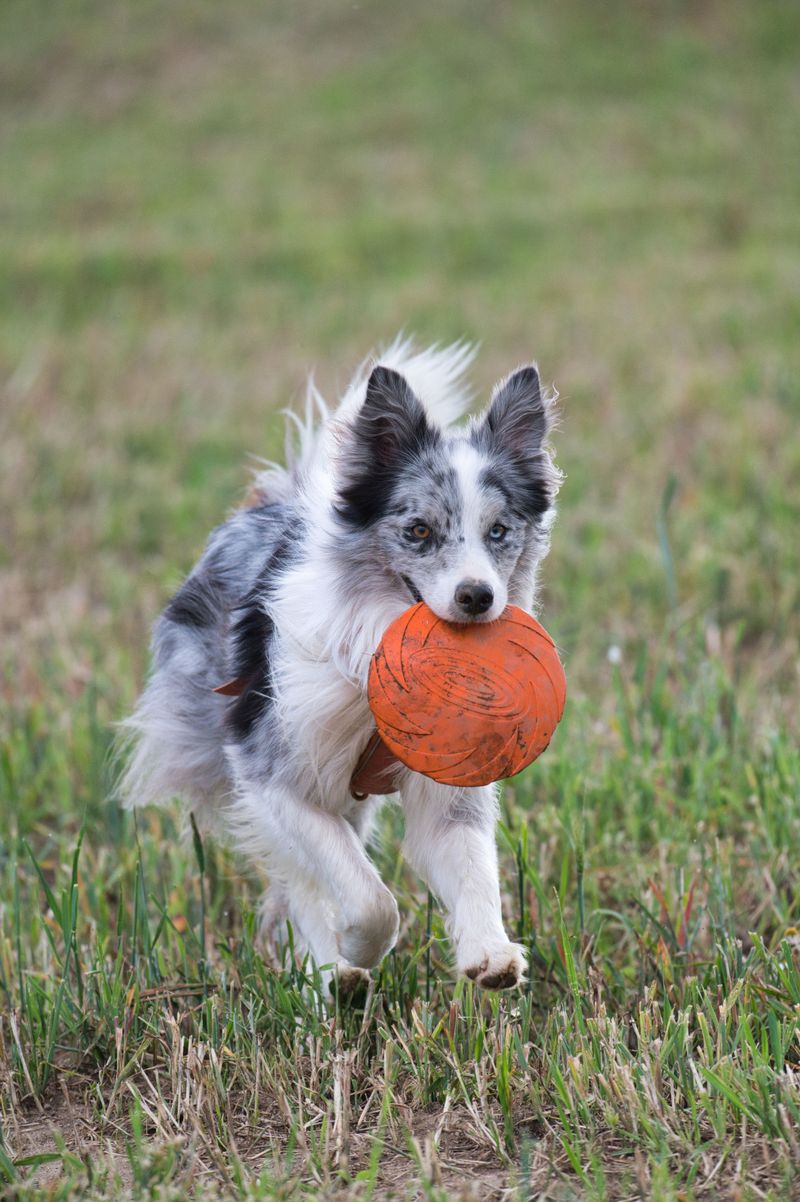
Hand a Border Collie a new puzzle toy, and it might crack the code in under a minute. Farmers bred these dogs to herd sheep all day, so thinking hard is in their blood.
Simple games fade fast for them. Try teaching toy names instead, since one famous collie named Chaser learned over 1,000 words.
Rotate challenges weekly, and add herding-style tasks like guiding a ball into a goal.
Poodle: Brains Behind the Curls
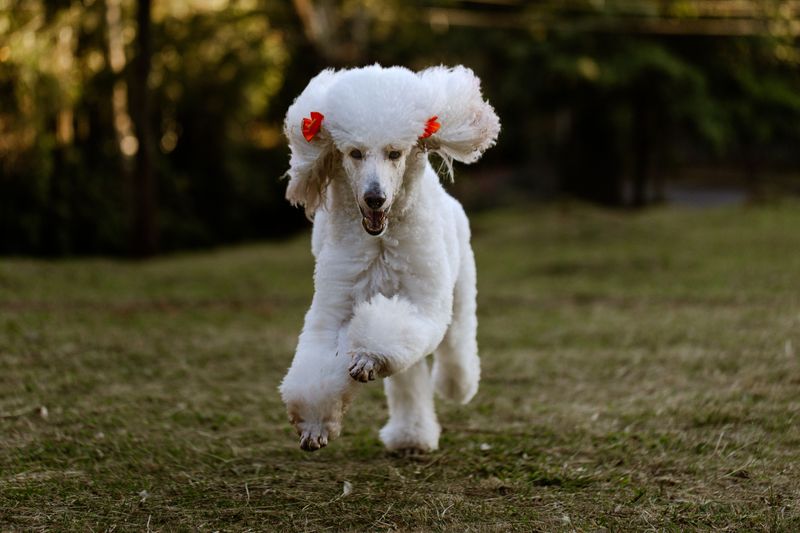
Fancy haircuts fool people. Under all that fluff sits one of the sharpest minds in the dog world, and Poodles were once hard-working water retrievers in Germany.
Fetch gets old for them quickly. Mix it up by hiding toys in different rooms or building a mini obstacle course with chairs and blankets.
Poodles love learning tricks in a row, so chain three commands together for an extra brain workout.
German Shepherd: Serious About Play
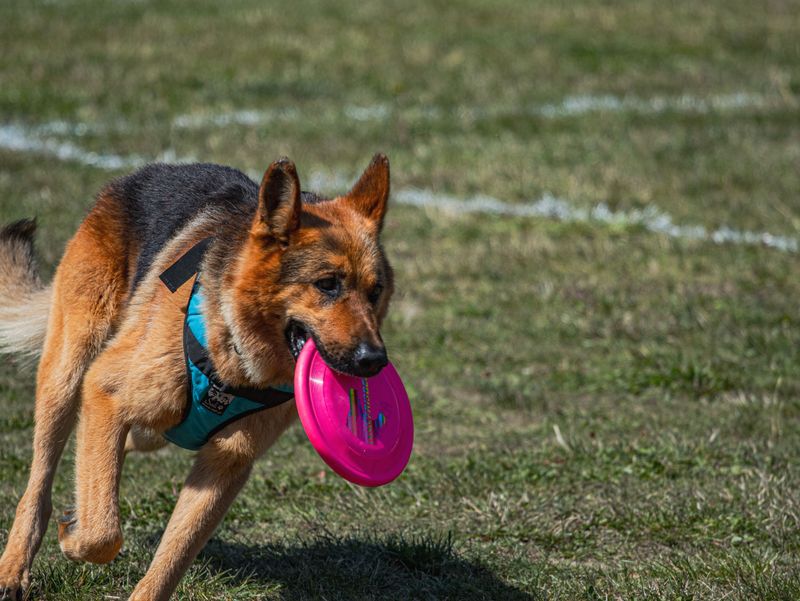
Police departments pick German Shepherds for a reason. Their noses and focus are hard to beat, and they treat every game like a real job.
Hide-and-seek becomes too easy after a few rounds. Level it up by using scent work, where your dog must find one special smell hidden among several boxes.
Keep sessions short and upbeat. A proud Shepherd works harder when you cheer loudly for every win.
Golden Retriever: Sunshine With a Plan
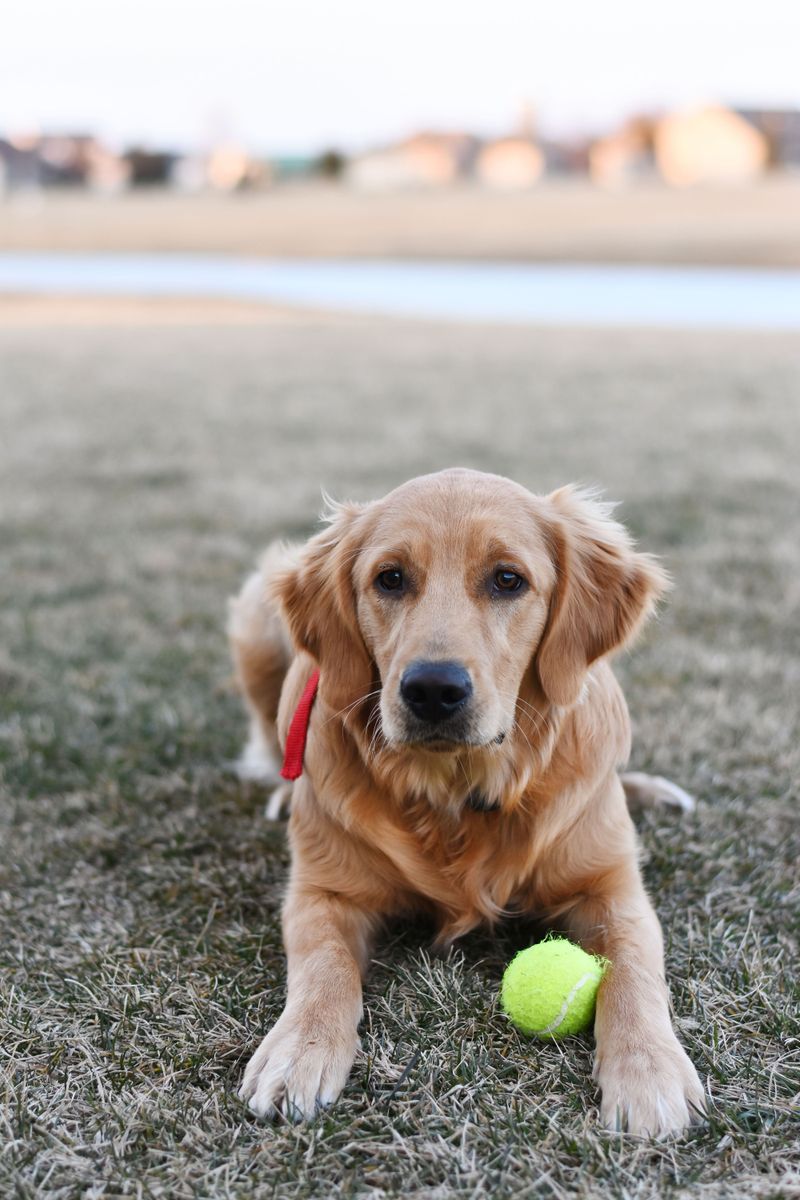
Picture a dog who grins while it learns. Golden Retrievers pick up games quickly because they truly want to make you happy.
Once fetch feels boring, ask your Golden to bring back one exact toy from a pile. Start with two toys, then slowly add more.
Fun fact: Goldens first came from Scotland in the 1800s, where they fetched birds from chilly lakes and marshes without a single complaint.
Doberman Pinscher: Quick and Clever
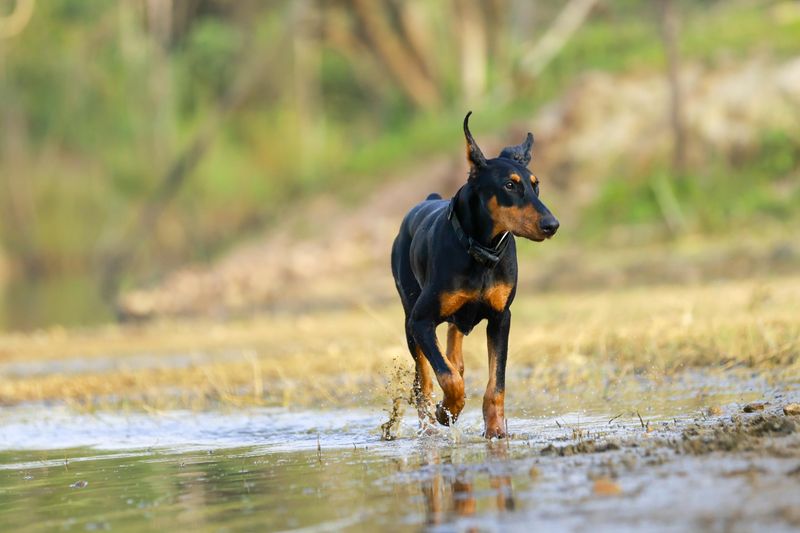
A tax collector named Louis Dobermann created this breed in Germany so he would feel safe on his rounds. Smart and alert, Dobermans still learn new tasks with surprising speed.
Basic tug games barely raise their heart rate. Try agility weave poles or a game of red light, green light to test their self-control.
Doing well with rules makes them feel confident, so stay clear and consistent.
Shetland Sheepdog: Tiny Herder, Big Ideas
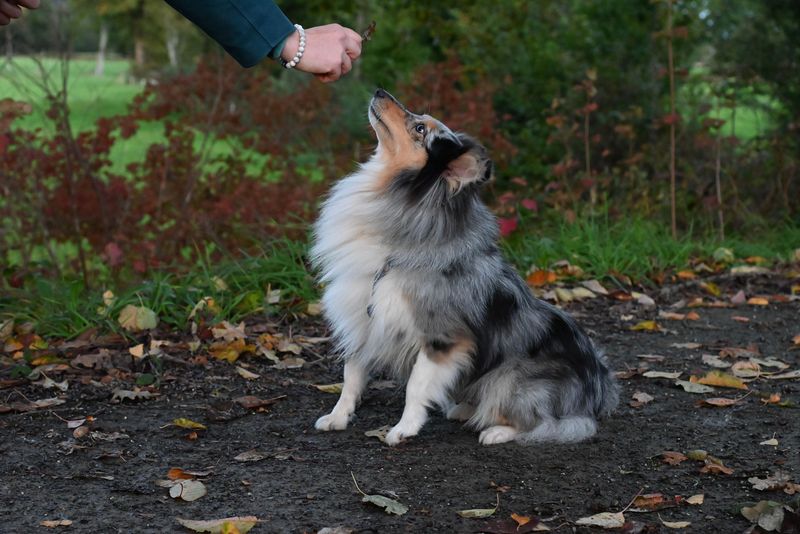
Small size, giant brain. Shelties came from Scotland’s Shetland Islands, where they kept sheep and ponies in line with clever moves.
Most beginner tricks take them only a handful of tries. Make things tougher with a herding ball they must push around cones, or teach them to tidy toys into a basket.
Shelties can be sensitive, so gentle praise works far better than a stern voice during tricky lessons.
Labrador Retriever: Food-Motivated Genius
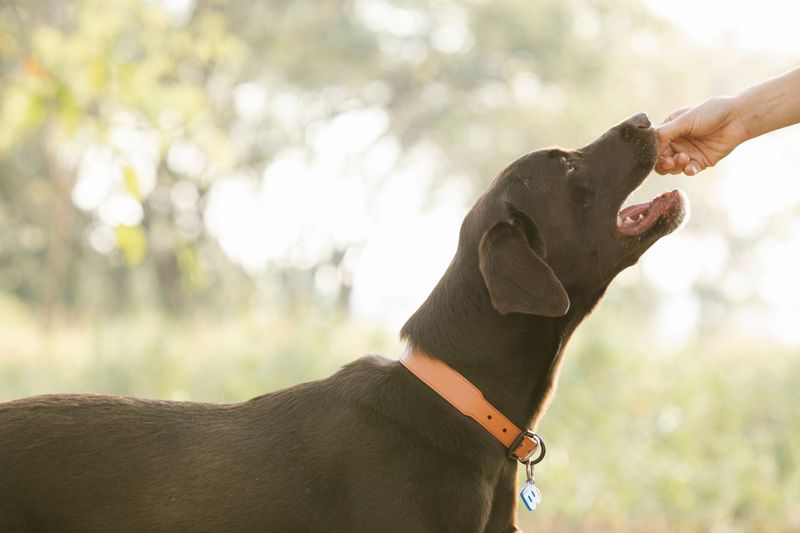
Ask any Lab owner, and they will tell you food is the secret password. Labradors learn fast when snacks are involved, which makes treat puzzles disappear in seconds.
Upgrade to snuffle mats, frozen treat toys, or layered puzzle boxes. Each one slows them down and makes them think.
Did you know? Despite the name, Labradors actually come from Newfoundland in Canada, where they helped fishermen haul in nets.
Papillon: Butterfly Ears, Busy Mind
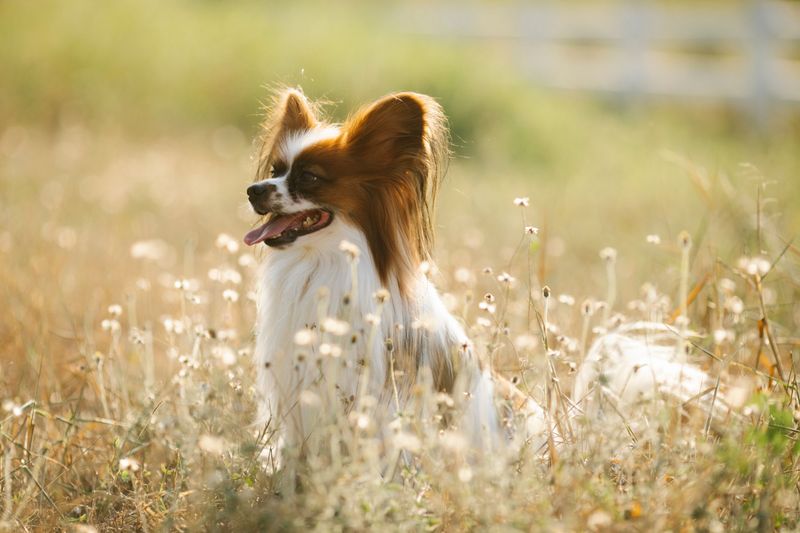
Those wing-shaped ears earned the Papillon its French name, which means butterfly. Do not let the cute look trick you, though.
Papillons rank among the smartest toy breeds and often win obedience contests. Simple sit and stay lessons get mastered in days.
Keep them guessing with hoop jumps, spin tricks, and nose-touch targets. Tiny dogs need brain games too, especially when they live in small apartments.
Australian Cattle Dog: The Tireless Thinker
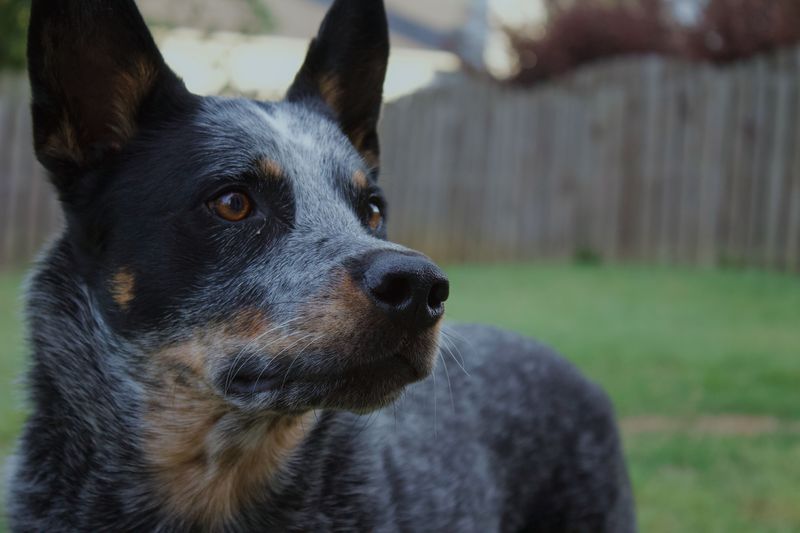
One cattle dog named Bluey lived to almost 30 years old, a world record. That long life might come from staying busy every single day.
These energetic workers solve easy games, then look at you like, what is next? Give them frisbee routines, sports like flyball, or a job such as carrying groceries.
Without hard challenges, they may herd your kids or chase bikes, so plan plenty of activity.
Belgian Malinois: Elite Level Learner
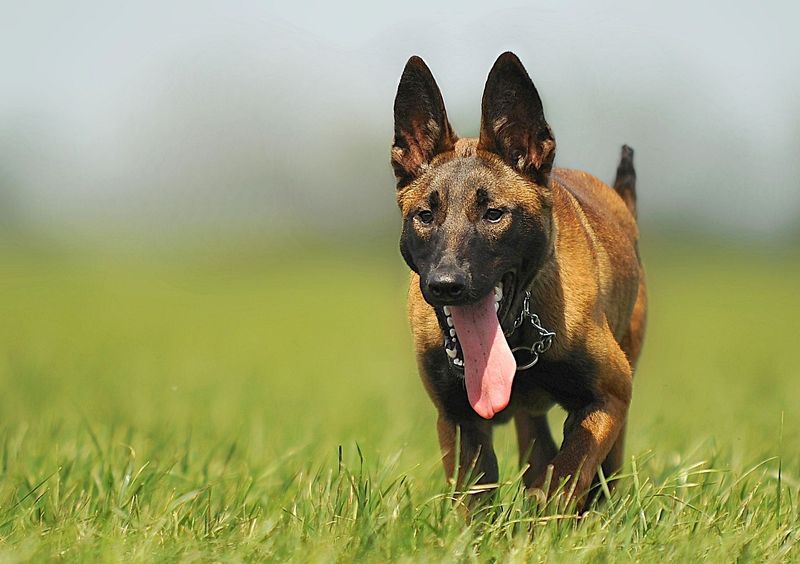
Military teams trust the Belgian Malinois on real missions, and that tells you plenty. Their drive is intense, and their learning speed is almost scary.
Ordinary games? Finished by lunchtime.
Owners need advanced obedience, tracking trails, and obstacle courses to keep them satisfied.
Honestly, this breed suits experienced trainers best. If you love daily training and outdoor adventures, a Malinois will happily match your energy step for step.