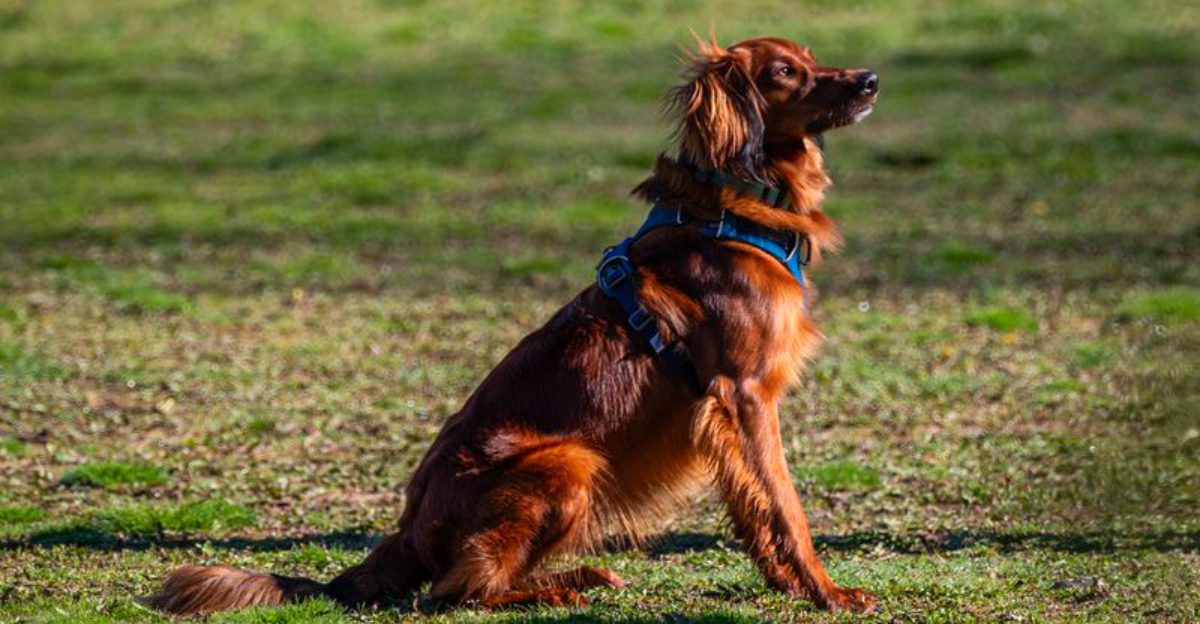
Choosing the right dog for a family matters. Some breeds love noisy playrooms and patient hugs, while others prefer slow starts and gentle routines.
Knowing the difference helps kids build trust and keeps everyone safe. Here are friendly favorites and a few breeds that do best with calm introductions from day one.
Labrador Retriever
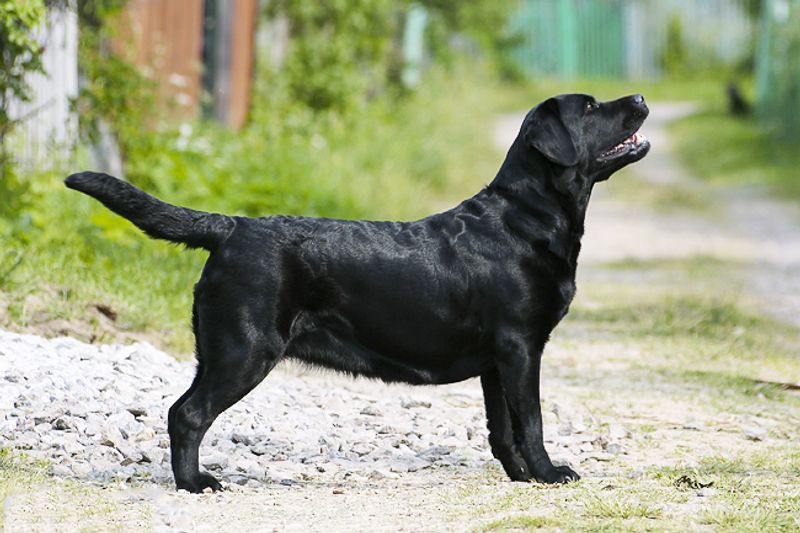
With a grin that seems to wag along with the tail, many Labs treat kids like teammates. Daily fetch, short training sessions, and steady walks help them focus their big energy.
Food puzzles work great because Labs love snacks.
Keep toys rotated to reduce boredom. Teach gentle manners early, like sitting before greetings.
Labs shed, so a quick brush a few times a week keeps hair in check. Friendly neighbors will want to say hi, so plan on regular social time.
Golden Retriever
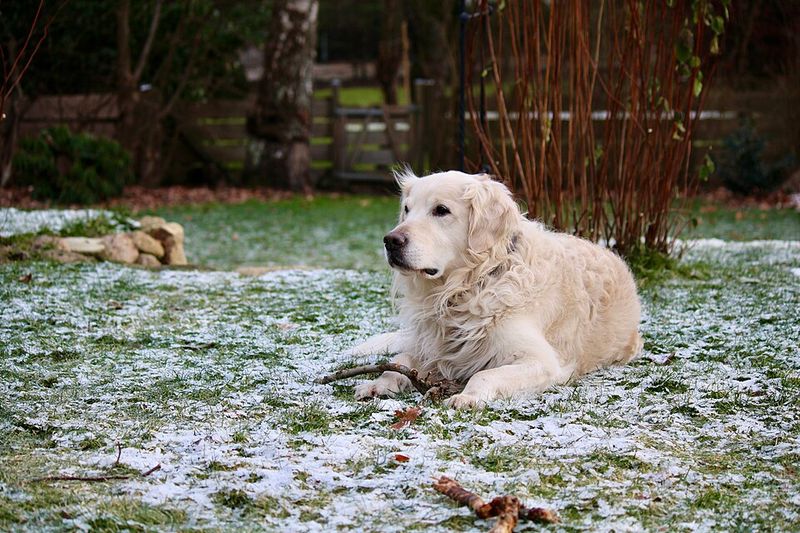
Stories of Goldens waiting patiently by the homework table are common for a reason. They thrive on kindness and clear guidance, making them steady partners for children learning responsibility.
Short obedience lessons and soft praise keep them eager.
Plan for regular brushing because that feathered coat collects everything. Goldens enjoy swimming, so supervised lake days can be magical.
Teach kids to respect resting time, especially after exercise. Consistent routines help this breed balance play, cuddles, and calm.
Newfoundland
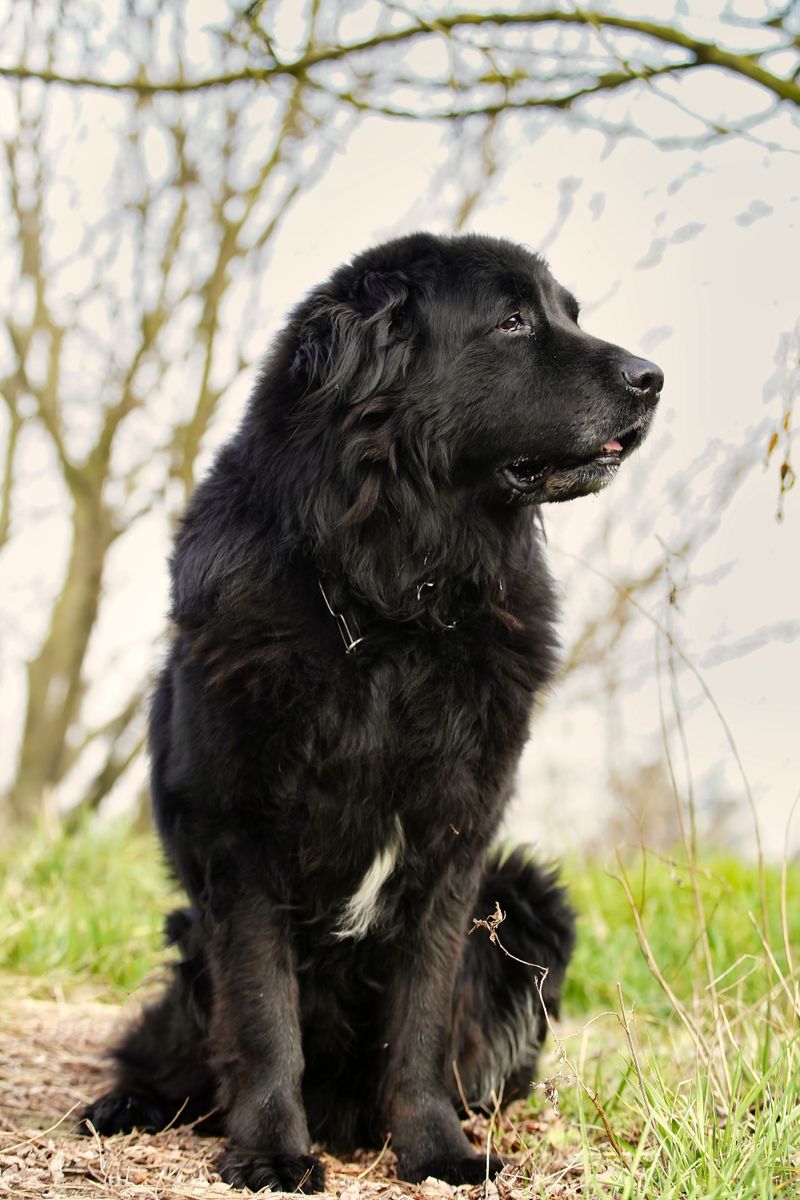
With a heart as big as its paws, the Newfoundland often watches over children like a quiet lifeguard. Slow walks, cool water breaks, and a comfy bed suit this giant.
Because of size, teach kids how to move around the dog safely.
Regular grooming keeps their dense coat fresh and tangle free. Many Newfies enjoy water play, so floating toys are fun.
Early training builds polite door manners, which helps when friends visit and excitement rises.
Boxer
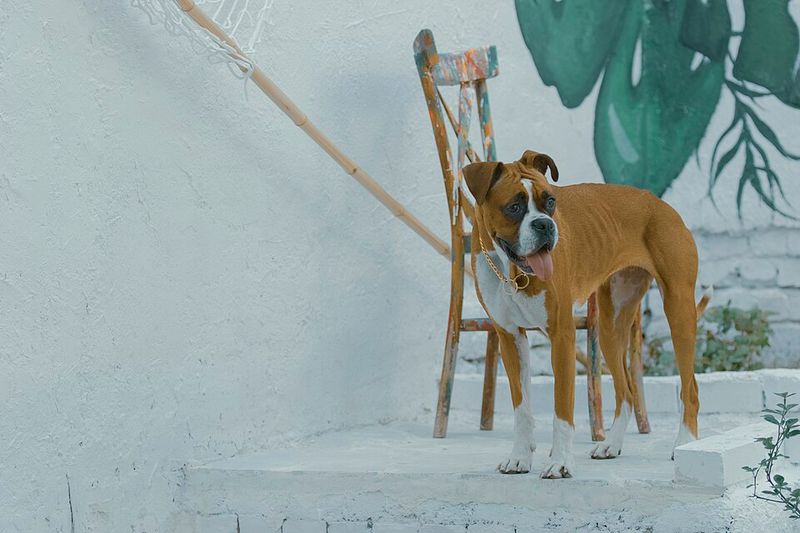
Boxers bring a clown’s spirit to family life, with playful hops and comic faces. That spark needs direction, so plan two good exercise sessions daily.
Short bursts of training mixed with games keep minds sharp and manners tidy.
A snug harness helps manage excitement on walks. Offer chew toys to channel energy away from shoes.
Boxers can be sensitive, so upbeat coaching works best. Teach kids to end play with a simple cue, then offer calm praise.
Beagle
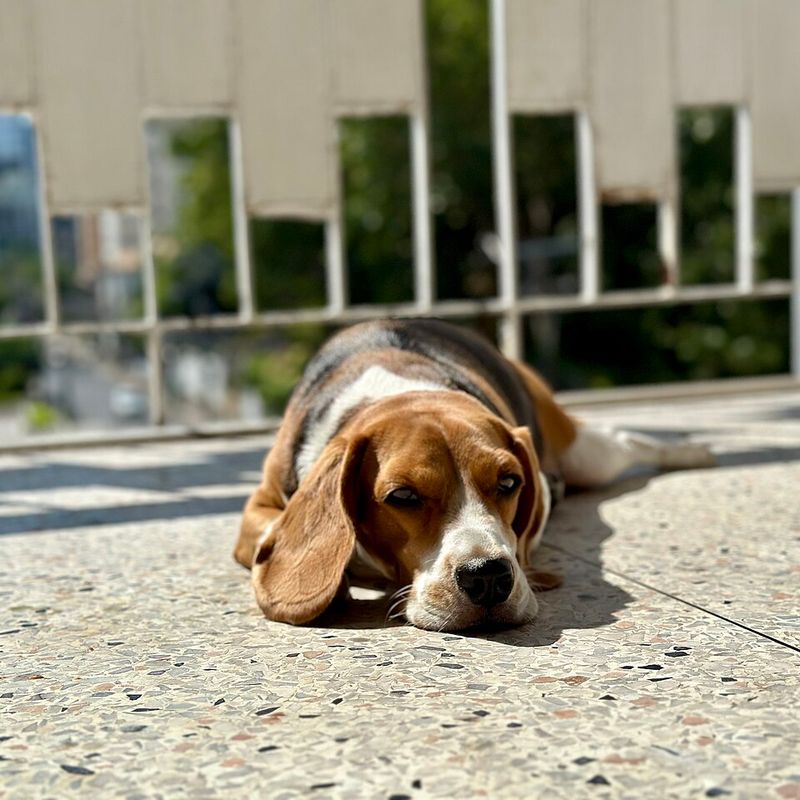
Noses never lie, and a Beagle’s nose turns every yard into a mystery movie. Kids can make safe scent games using hidden treats or toys.
Regular walks and a secure fence are musts because interesting smells invite wandering.
Beagles love company, so involve them in family routines. Keep training upbeat and brief, using tiny food rewards.
Because they can be vocal, teach a quiet cue early. Gentle brushing and nail care round out a simple, happy grooming plan.
Bernese Mountain Dog
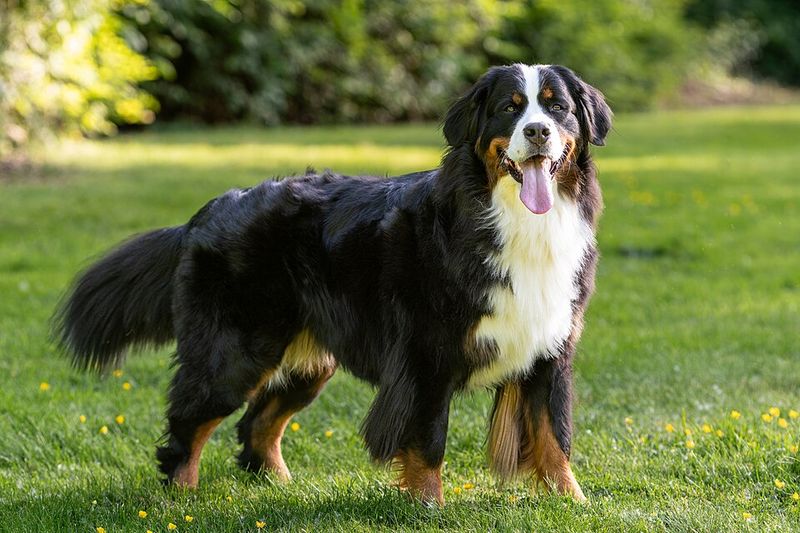
Picture a fluffy snow buddy calmly supervising the sled line. Bernese Mountain Dogs usually favor steady, kind families who enjoy the outdoors.
Because they grow large, start leash manners and sit-for-greetings early so kids are not toppled.
Cool weather adventures suit their thick coats. Keep exercise moderate and regular to protect joints.
Gentle brushing several times a week prevents mats. They appreciate slow introductions to new friends, which helps them feel secure in busy neighborhoods.
Irish Setter
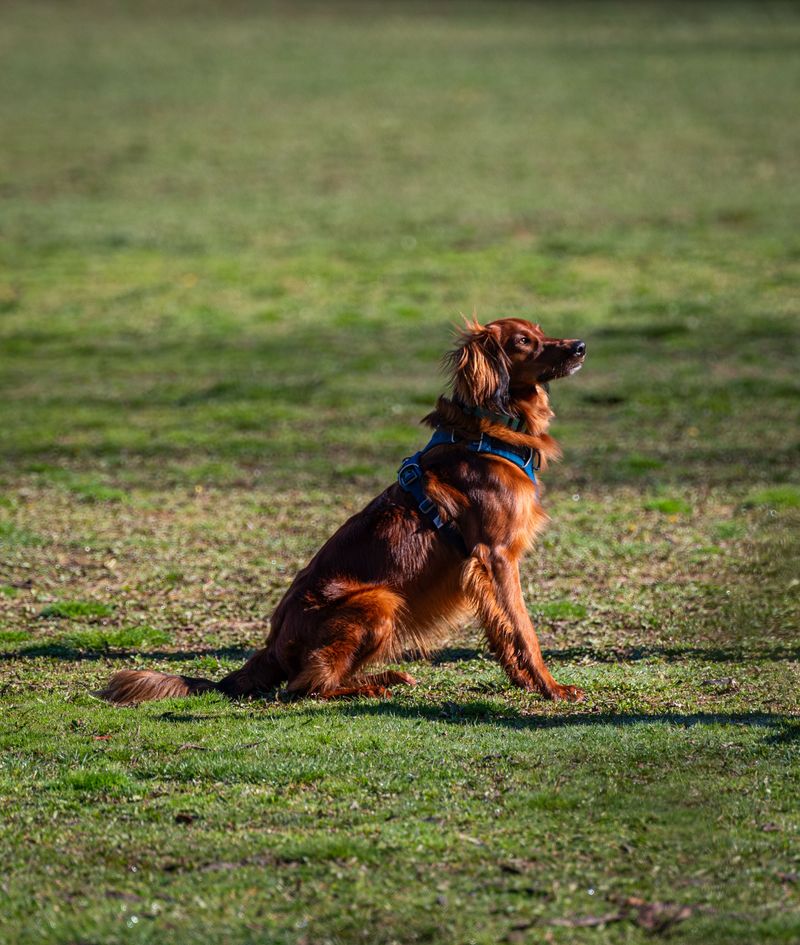
Think of a red streak racing across a field, then circling back for more fun. Irish Setters adore action and attention, which pairs nicely with active families.
Daily runs, fetch, or agility practice help them settle at home.
Training works best when lively and positive. Keep a basket of durable toys ready to prevent creative mischief.
Regular brushing keeps the silky coat smooth. With routine and exercise, their joyful spirit shines while kids learn patience and consistency.
Standard Poodle
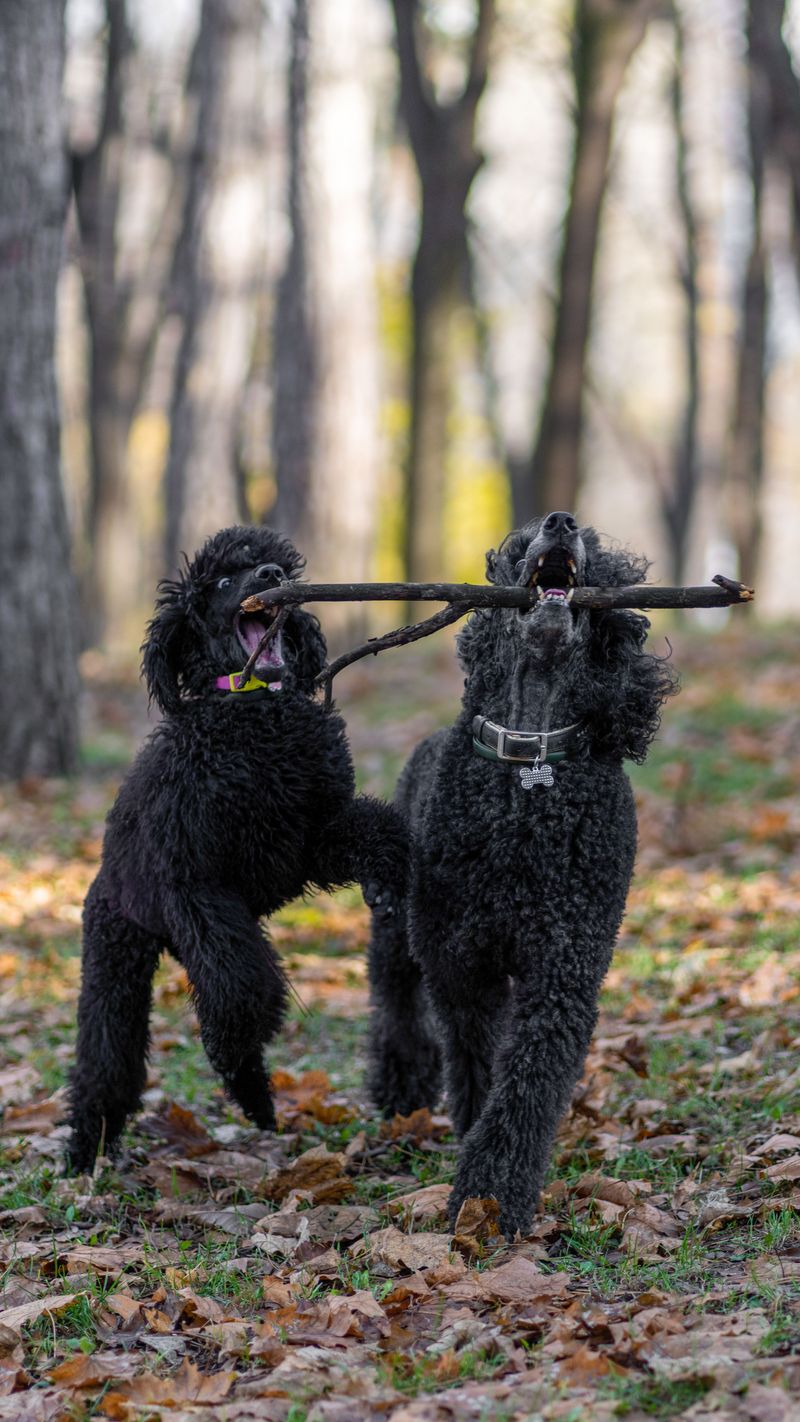
Brains meet bounce in the Standard Poodle, a problem-solver who enjoys learning tricks with kids. Allergy-conscious families appreciate their low-shedding coat, though grooming appointments are part of the deal.
Short, clever training games prevent boredom.
Daily walks and puzzle toys keep minds engaged. Rotate activities, like hide-and-seek or simple agility, to build teamwork.
Teach respectful handling of the coat and ears. With structure and kindness, Poodles become polished partners who match family energy beautifully.
Havanese
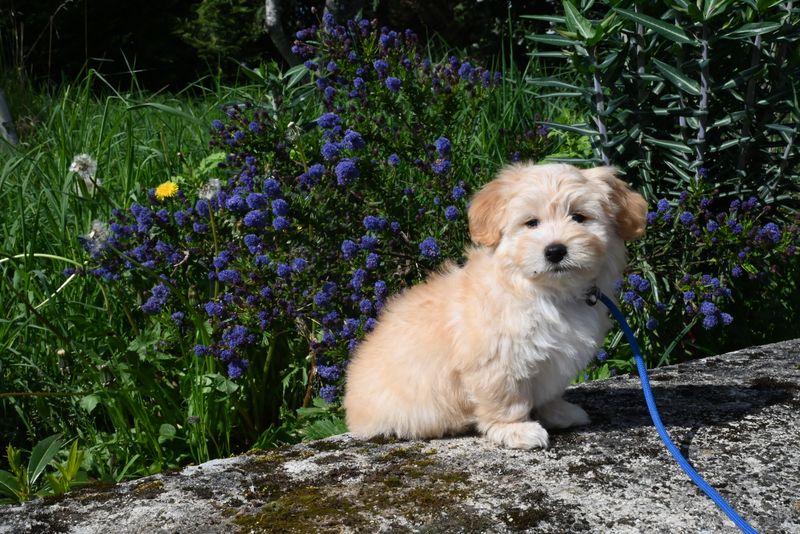
Big charm in a small package fits the Havanese perfectly. They enjoy tagging along for school drop-offs, backyard picnics, and gentle games.
Short training sessions with soft praise build confidence, especially around taller children.
Because of their size, teach kids to sit on the floor for playtime and to pick up toys carefully. Regular brushing keeps the coat silky.
Low-impact exercise suits them fine. Expect a cheerful shadow who wants to be part of every plan.
Collie
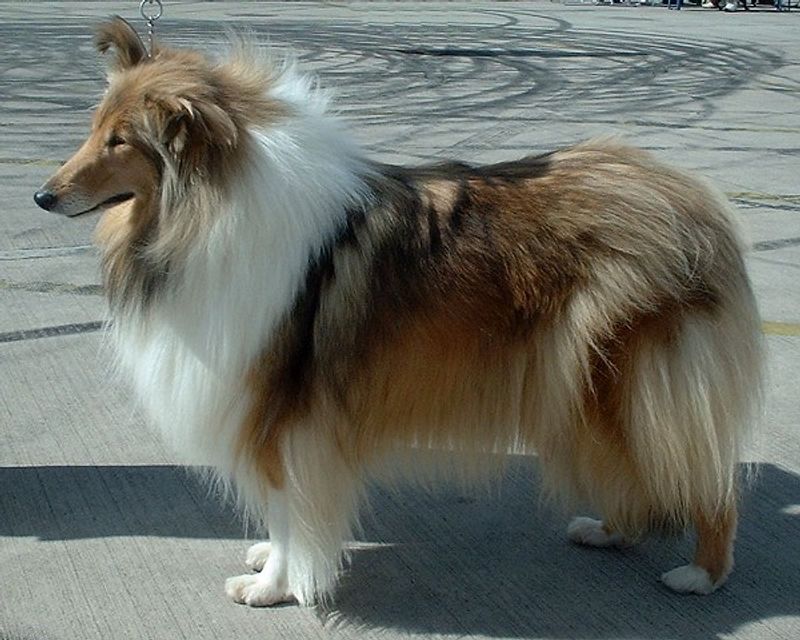
Stories of Collies guiding children home linger for a reason. Attentive and trainable, they often tune in to family rhythms.
Herding instincts may surface, so provide clear games that reward coming to you instead of circling kids.
Regular brushing prevents tangles and keeps the mane pretty. Mental workouts, like trick chains or scent clues, keep their sharp minds satisfied.
Calm leadership and patient routines help them shine. They do best with kind voices and steady expectations.
Akita
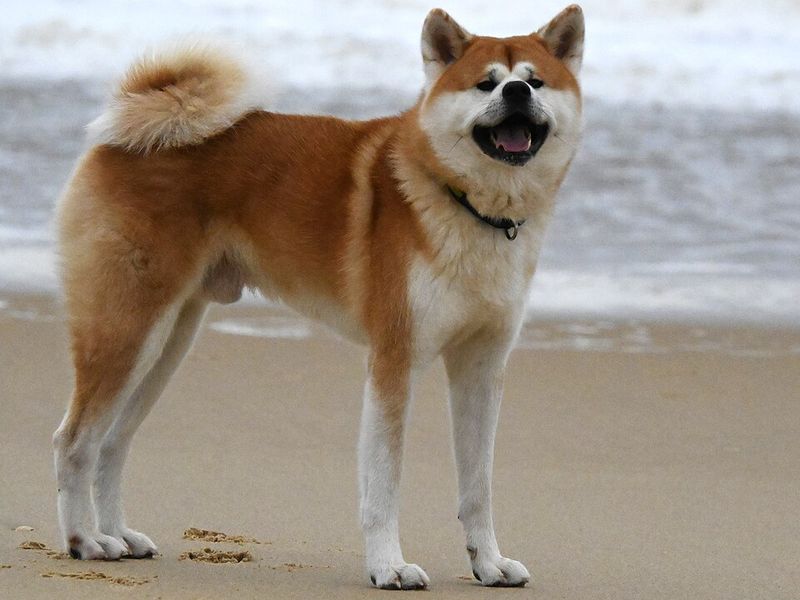
Respect wins an Akita’s trust. Start with calm introductions from day one, keeping early meetings short and positive.
This breed can be reserved with strangers and prefers thoughtful routines. Clear rules, gentle guidance, and a skilled trainer help families set everyone up for success.
Daily exercise matters, but avoid chaotic roughhousing. Teach kids to offer space during meals and rest.
Consistent handling builds reliability. With patience and structure, Akitas can form deep bonds and protect family harmony.
Chow Chow
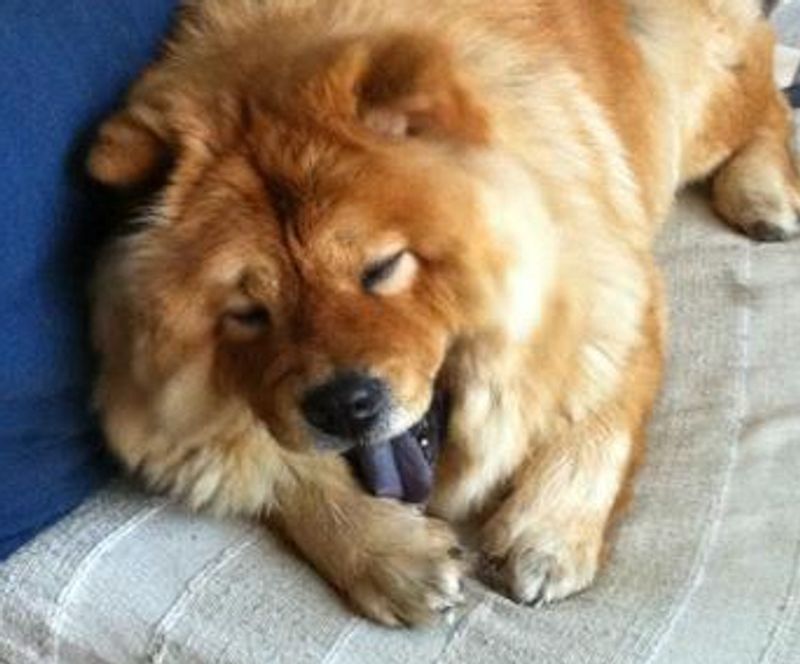
A Chow Chow carries a cat-like spirit, valuing respect and personal space. Calm introductions from day one are essential, with slow, supervised meetings and clear boundaries.
Early socialization and reward-based training help them feel safe.
Teach children to approach softly and avoid hugging tightly. Grooming is a regular commitment due to the dense coat.
Keep walks steady and predictable. When the household honors routines and quiet handling, a Chow can be a steady, loyal presence.
Australian Cattle Dog
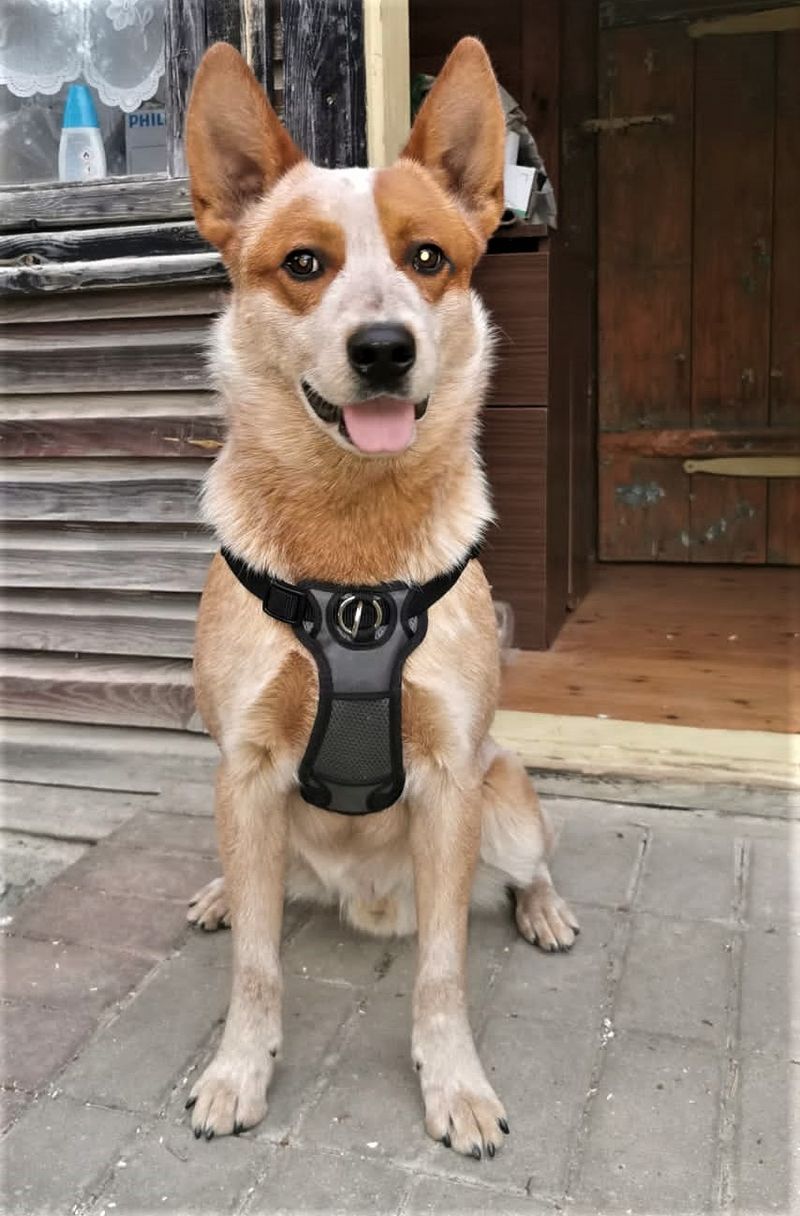
Brains, grit, and go describe the Australian Cattle Dog. Calm introductions from day one help channel that working drive.
Herding instincts can lead to nipping or chasing, so structured games and clear stop cues are vital. Skilled guidance makes a big difference.
Daily exercise is nonnegotiable. Combine cardio with training drills to tire mind and body.
Offer jobs, like carrying a small pack or learning tricks. Older, dog-savvy kids do best with this determined teammate.