
Some dogs have a sweet habit of glancing back mid-walk as if asking, you good back there. That tiny check-in builds trust, keeps you in sync, and turns an ordinary stroll into a conversation on the move.
If you have ever felt that little tug of connection, you know how reassuring it can be. Here are breeds that naturally check in, offering eye contact, pace awareness, and quiet loyalty with every step.
Labrador Retriever
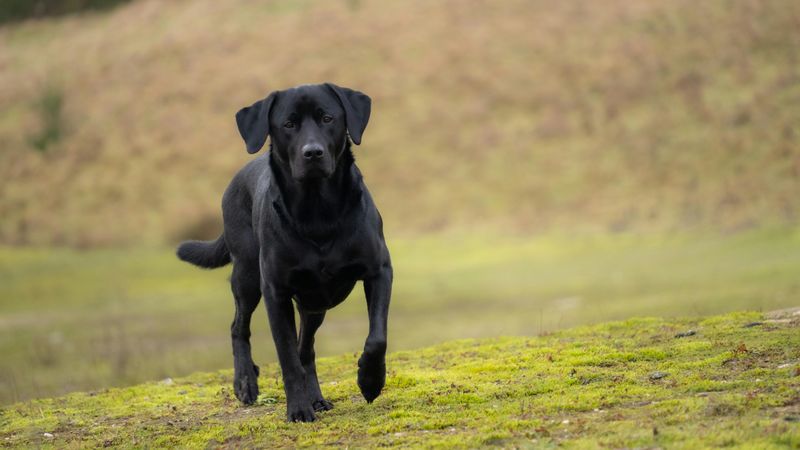
Labradors are famously people focused, which makes check-ins feel effortless. Even while sniffing every hedge, a Lab often glances back, reading your pace and mood.
That easy connection keeps walks smooth, especially in busier neighborhoods where you want steady, friendly energy.
They excel at reward based training, so reinforcing a quick look is simple. A soft “good” and a tiny treat can make check-ins stronger without creating a constant food expectation.
Labs love purpose, so turning check-ins into mini jobs satisfies their working roots.
Expect a joyful bounce when you say their name, then a return to curious exploring. That balance of independence and attention makes Labs reliable partners.
Even young dogs tend to sync naturally over time.
Poodle
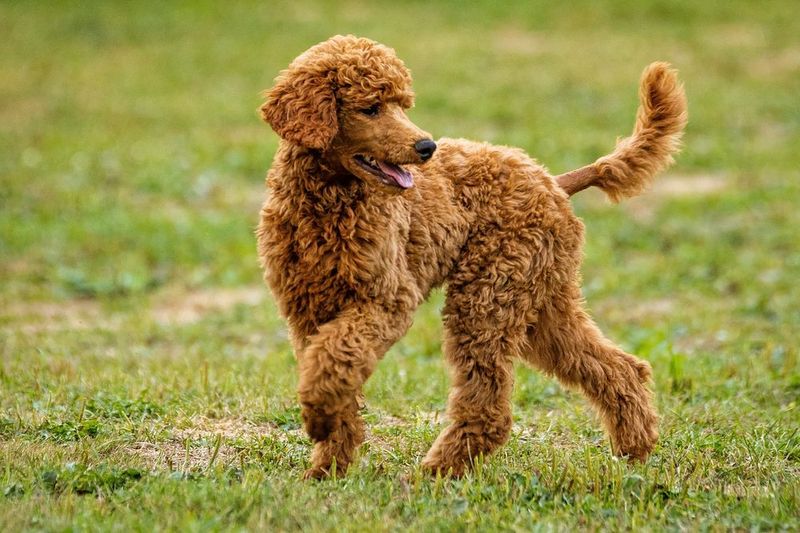
Poodles bring sharp focus and a desire to collaborate, which makes mid-walk check-ins frequent and crisp. They seem to ask questions with their eyes, adjusting stride the moment you shift.
Their athleticism means they handle changing terrain while keeping tabs on you.
Because they love patterns, turning check-ins into a simple routine works beautifully. Try a soft cue before intersections to reinforce awareness without tension.
Poodles often anticipate, so reward calm attention rather than overexcitement.
That balance prevents them from “outthinking” the plan. Even with stimulation around, a Poodle typically anchors back to you for guidance.
The result is a polished, almost dance like walk that feels connected and smooth.
Papillon
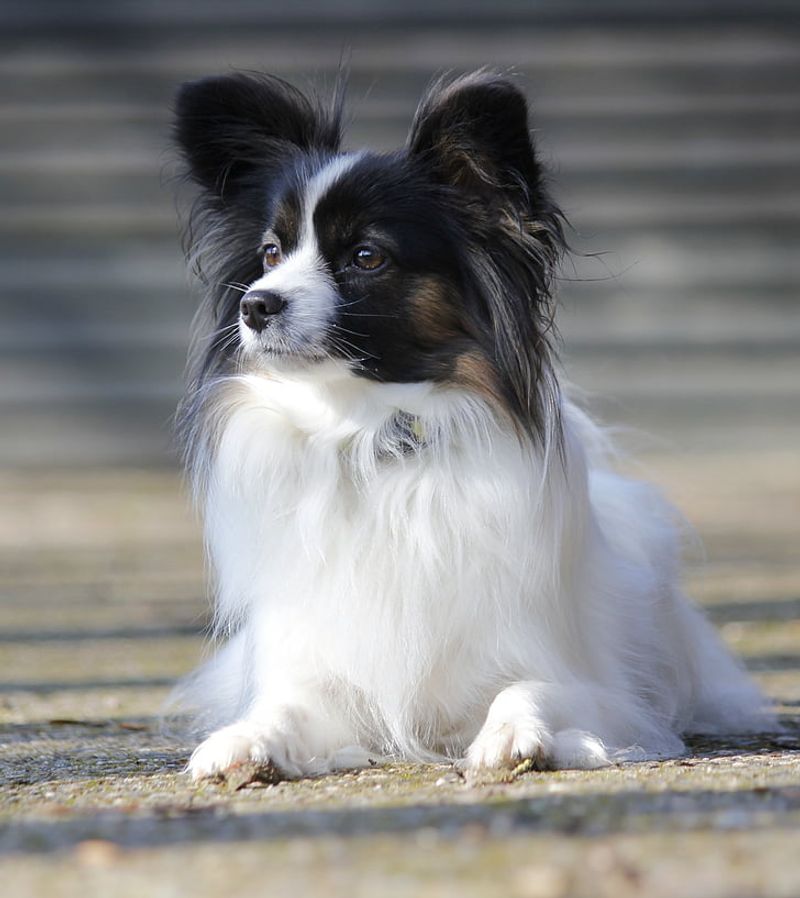
Papillons may be tiny, but their awareness is huge. They pivot to check you with quick, sparkling looks, especially when the world feels big.
That confidence boost helps them handle new sights while staying tuned to your cues.
Use light rewards and cheerful words to keep it fun, not fussy. Papillons are clever and can become overly alert, so reinforce soft, confident attention rather than sharp, reactive staring.
Short pauses for sniffing followed by a check-in keep walks balanced.
Because they are agile, they navigate crowded sidewalks gracefully when communication stays consistent. You will notice how quickly they read subtleties in your pace.
The bond feels lively, precise, and sweetly loyal.
Shetland Sheepdog
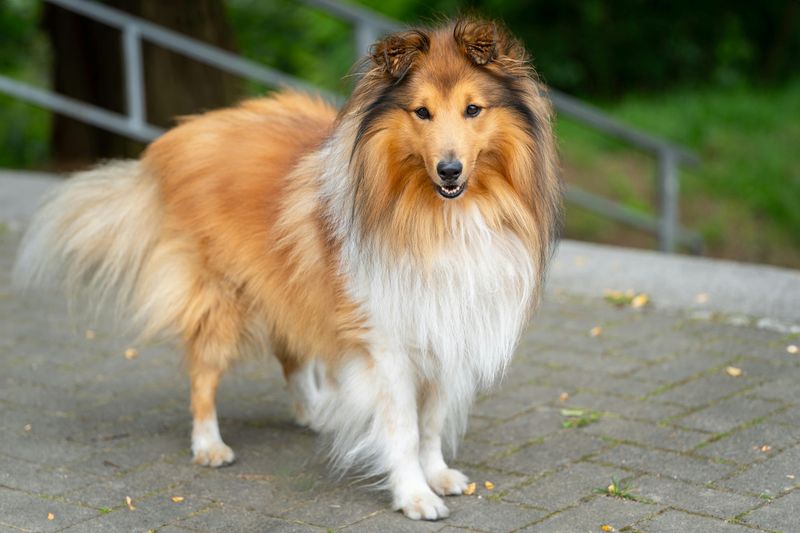
Shetland Sheepdogs have herding instincts that keep eyes on the group. On walks, they check over a shoulder regularly, making sure the “flock” is together.
That vigilance translates into graceful responsiveness and quick pivots when you change direction.
They can be sensitive, so use calm feedback and clear patterns. A gentle hand signal and soft praise go far, preventing over arousal.
If they start counting people, let them settle with a brief sniff break, then reward a relaxed look.
Shelties thrive when they feel useful. Assign tiny tasks like pausing at curbs or matching your left side.
Those rituals make their check-ins purposeful, and walks become smoothly coordinated.
Border Collie
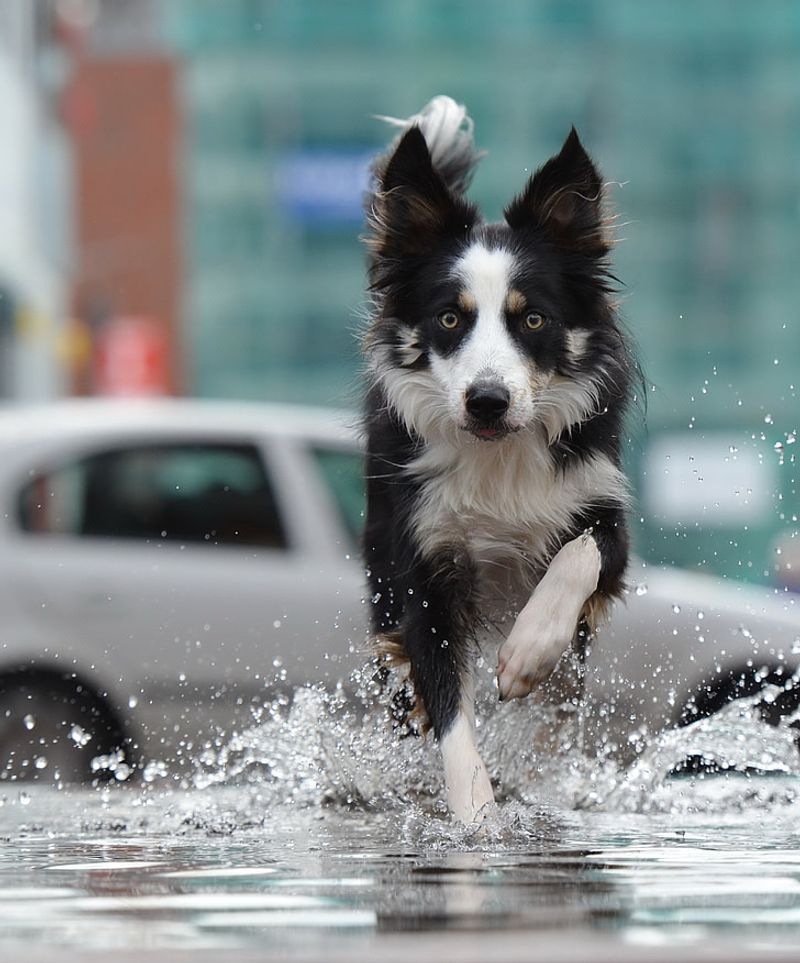
Border Collies are teamwork embodied, constantly reading you for the next cue. Their check-ins are quick and precise, like a mental handshake that keeps everything aligned.
Even when moving fast, they bounce attention back with laser accuracy.
Because they can fixate, redirect that power into structured pauses and calm looks. Reinforce steady breathing and loose leash moments to balance intensity.
A quiet marker word acknowledges their check-in without ramping arousal.
They flourish with jobs like matching pace or targeting a spot at stops. You will feel them adjust micro-steps as you move.
With thoughtful outlets, their attention becomes beautifully cooperative rather than restless.
Golden Retriever
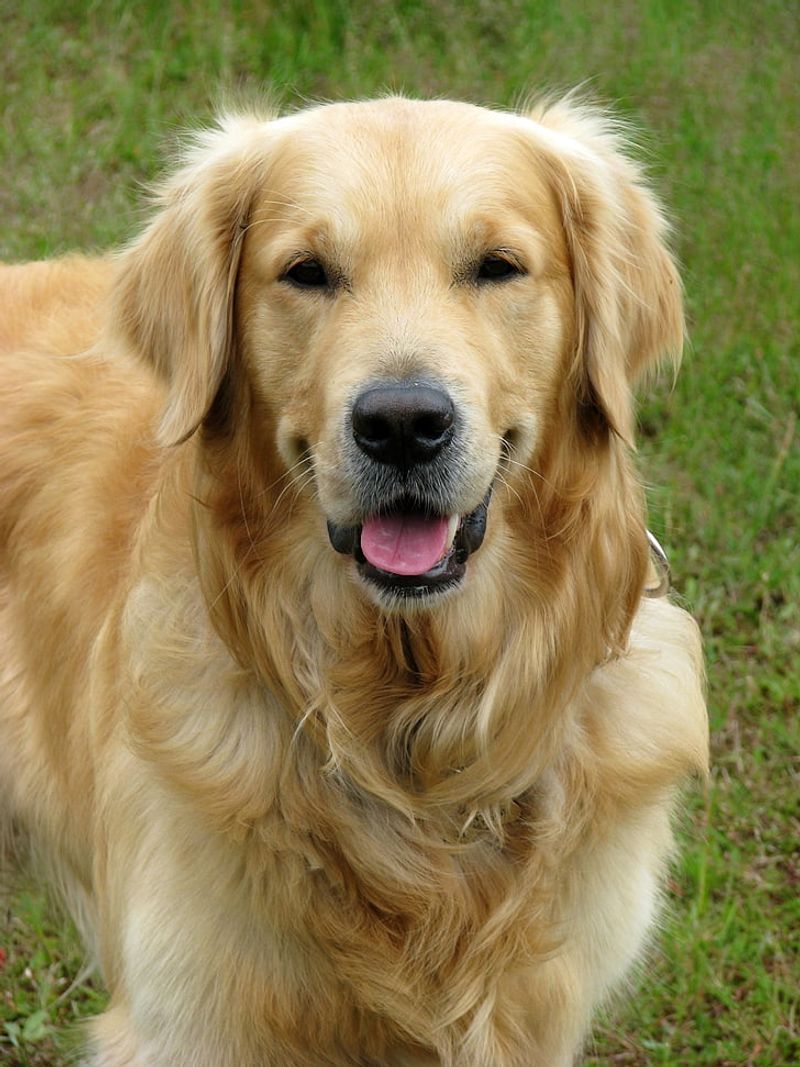
Goldens are emotional barometers, always checking how you are doing. On walks, that translates into frequent glances and a light, cooperative pace.
They thrive on affirmation, so a quick smile or quiet praise encourages the behavior without breaking flow.
Because they can be social butterflies, check-ins help them disengage politely from distractions. Pair a look with a relaxed hand signal, and you build calm responses in busy environments.
Goldens naturally want harmony and use eye contact to keep everyone comfortable.
They are also great with families, syncing to different handlers easily. Make routines predictable, and their check-ins become second nature.
You will feel the bond deepen with every shared look.
Australian Shepherd
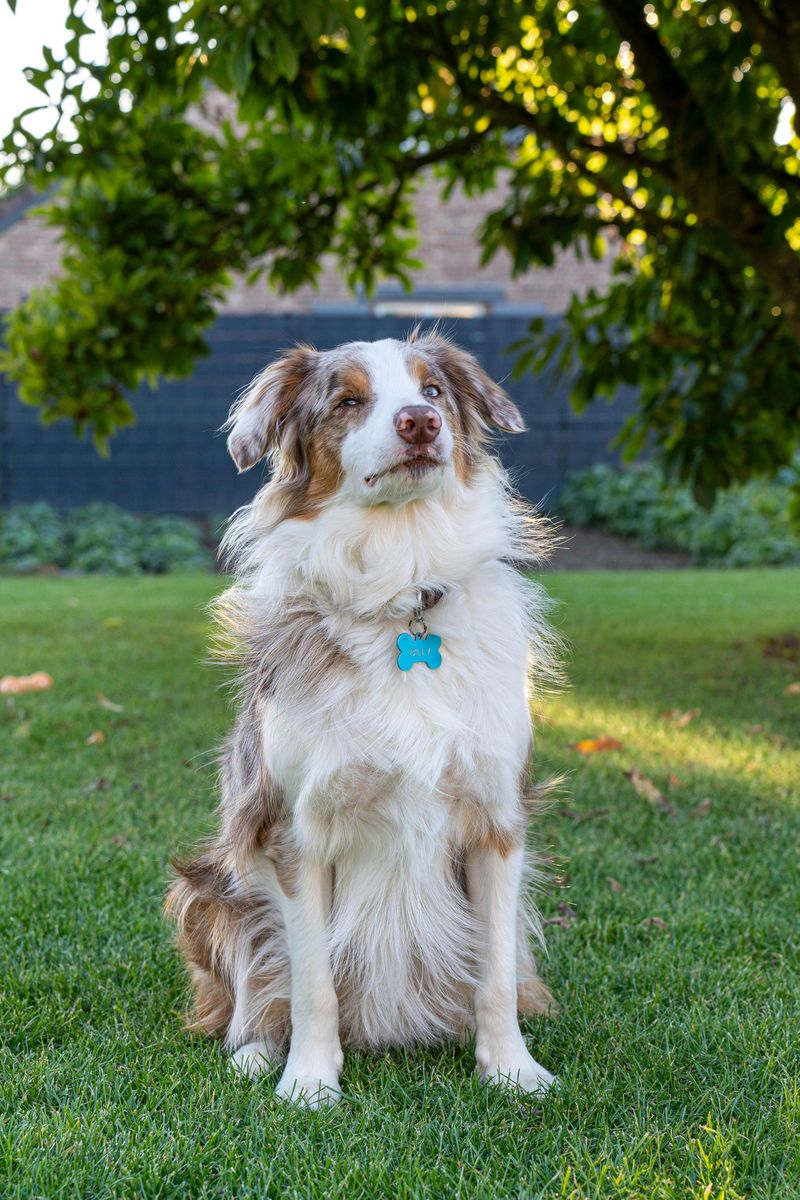
Australian Shepherds are social workers at heart, and check-ins feel like part of their job. They look back to confirm everyone is on mission, then stride forward with confident purpose.
That rhythm keeps outdoor adventures coordinated and calm.
Because energy runs high, use structured variety: short sniff breaks, then a cue to rejoin and check in. Reward softer eyes and relaxed shoulders to prevent hyped bouncing.
Aussies read body language well, so clear posture beats chatter.
They enjoy predictable rules, like pausing at trailheads or yielding on narrow paths. Those small rituals channel enthusiasm into thoughtful attention.
Expect a bright, loyal glance whenever the plan shifts.
German Shepherd Dog
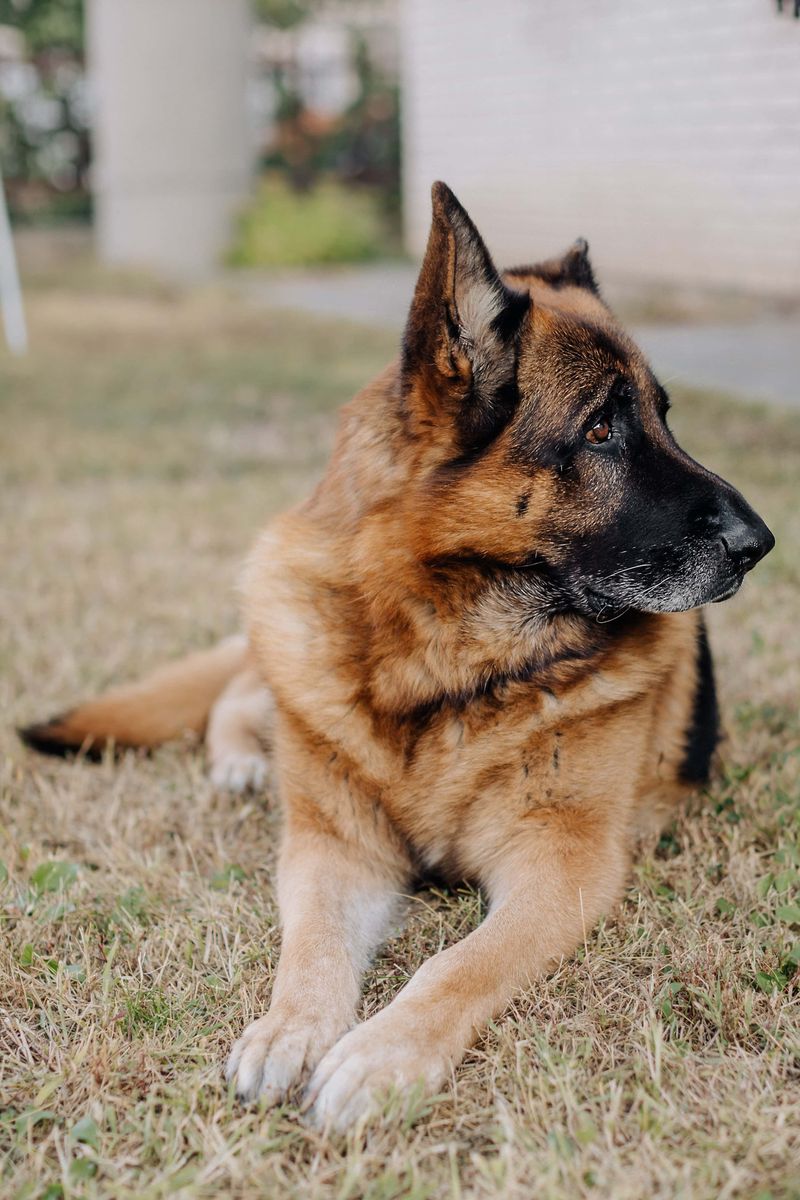
German Shepherd Dogs pair vigilance with loyalty, so check-ins feel deliberate and calm. They monitor your position like a quiet bodyguard, adjusting stance as surroundings change.
That steadiness helps navigate crowded areas without tension.
They thrive on clear structure and timely feedback. Mark calm eye contact, then release to continue the walk.
Too much chatter can amplify over-guarding, so use concise cues and relaxed breathing.
Incorporate brief obedience micro-sets at corners to reset focus. You will notice smoother leash pressure and quick alignment when you pivot.
With consistent boundaries, their check-ins become protective without becoming pushy.
Portuguese Water Dog
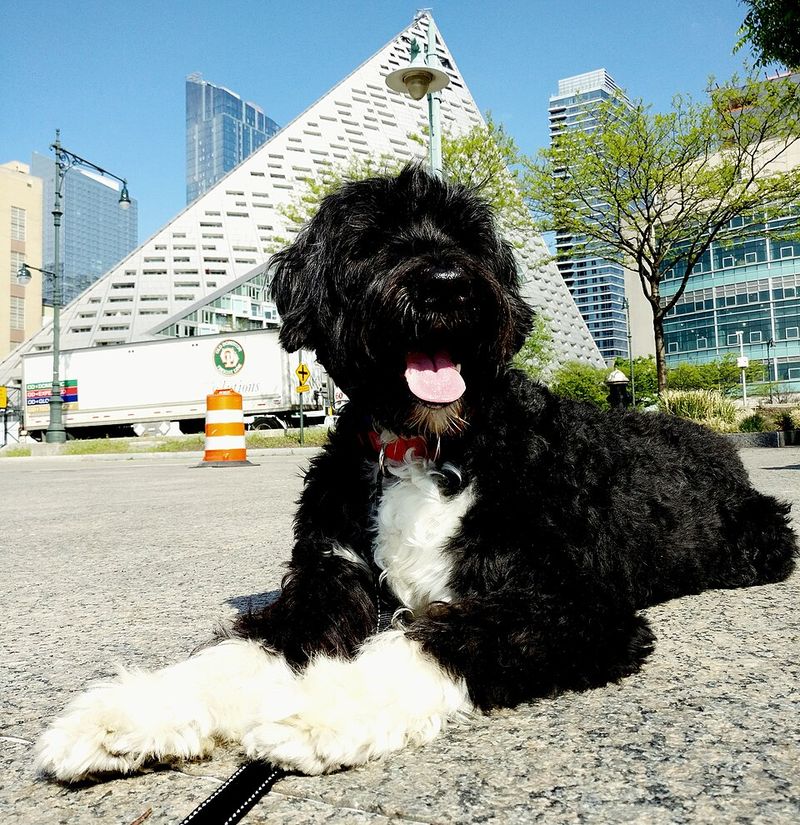
Portuguese Water Dogs are adventurous buddies who still want a read on you. Mid-walk, they peek back with a grin, ready for the next waypoint.
That balance keeps exploration spirited without drifting into chaos.
Make check-ins part of transitions: before entering docks, crossing joggers, or moving from grass to boards. Reward the look, then flow on to the next step.
They enjoy tasks, so add small missions like targeting a side or pausing at posts.
Because curiosity runs strong, keep reinforcement light and frequent. Over time, they check in automatically when scenery changes.
The walk feels like a shared trip rather than a tug of war.
English Springer Spaniel
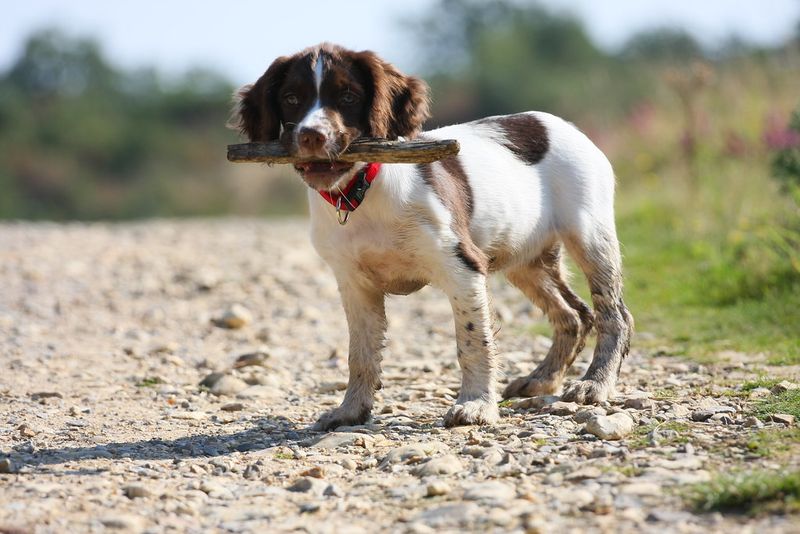
Springers are enthusiastic scent seekers who still value contact. Even while tracking a breeze, they flick back with an affectionate look that says still with you.
Those check-ins help manage impulsive dashes and keep walks cooperative.
Use playful structure: brief sniffing windows, then a cue to reconnect. Mark eye contact and reward moving with you rather than stopping constantly.
The flow keeps energy channeled and prevents frustration.
Because they are soft natured, keep corrections gentle and expectations clear. Teach a casual heel for busy moments and a free walk elsewhere.
Their natural cheerfulness shines when communication stays light and consistent.