Some dogs look adorable and easygoing, but their needs can surprise even the most enthusiastic first-time owner. Energy levels, training demands, and temperament quirks make a huge difference in everyday life.
Before you fall for a fluffy coat or soulful eyes, get the full picture of what living with these breeds is really like. This guide helps you pick wisely and avoid stressful mismatches.
Siberian Husky
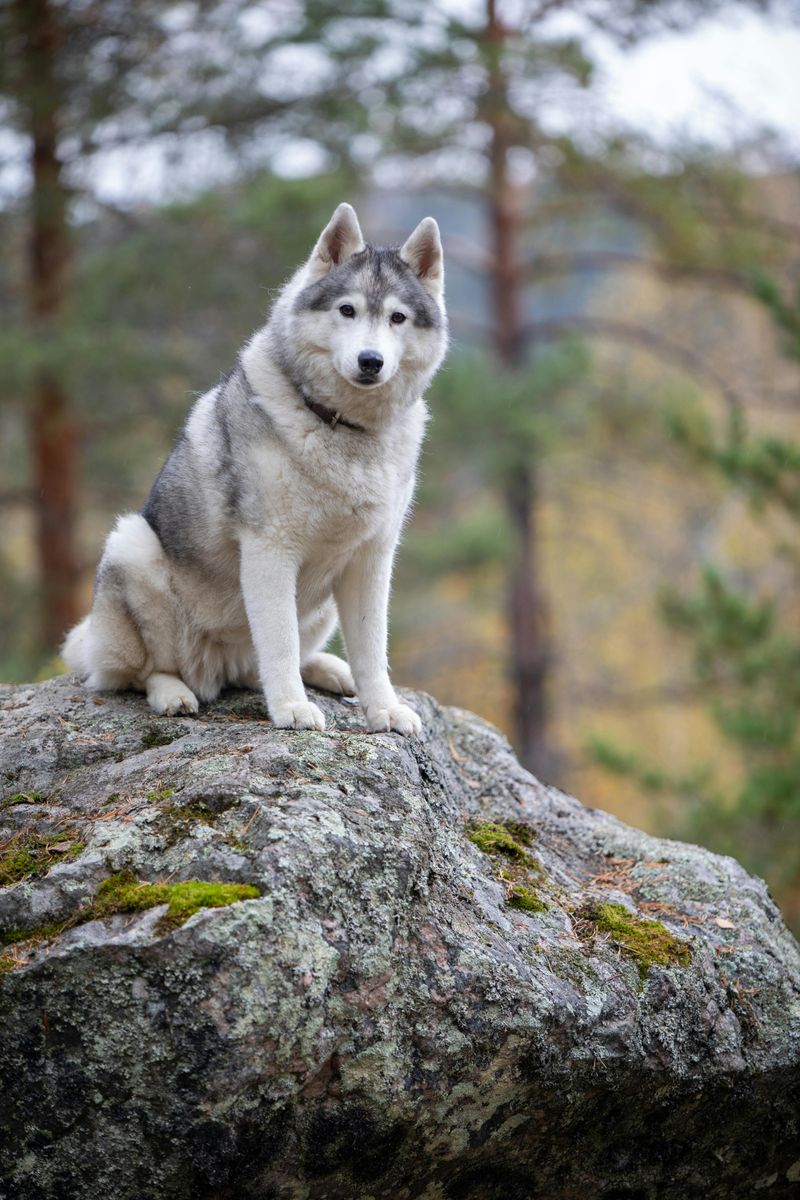
Siberian Huskies are gorgeous and friendly, but their engine rarely turns off. Bred for endurance, they need serious daily exercise and mental challenges to stay content.
Without that outlet, you can expect escape artistry, digging, and inventive mischief that tests patience and fences.
They also have strong prey drive and a willful streak that laughs at flimsy recalls. Training works best with consistency, high-value rewards, and secure, supervised freedom.
Think structured runs, canicross, and puzzle games, not casual strolls.
They shed intensely twice a year, and their double coat needs disciplined grooming. Vocalization is common, with melodious howls echoing your schedule.
If you love adventure and routine, a Husky can thrive by your side.
Belgian Malinois
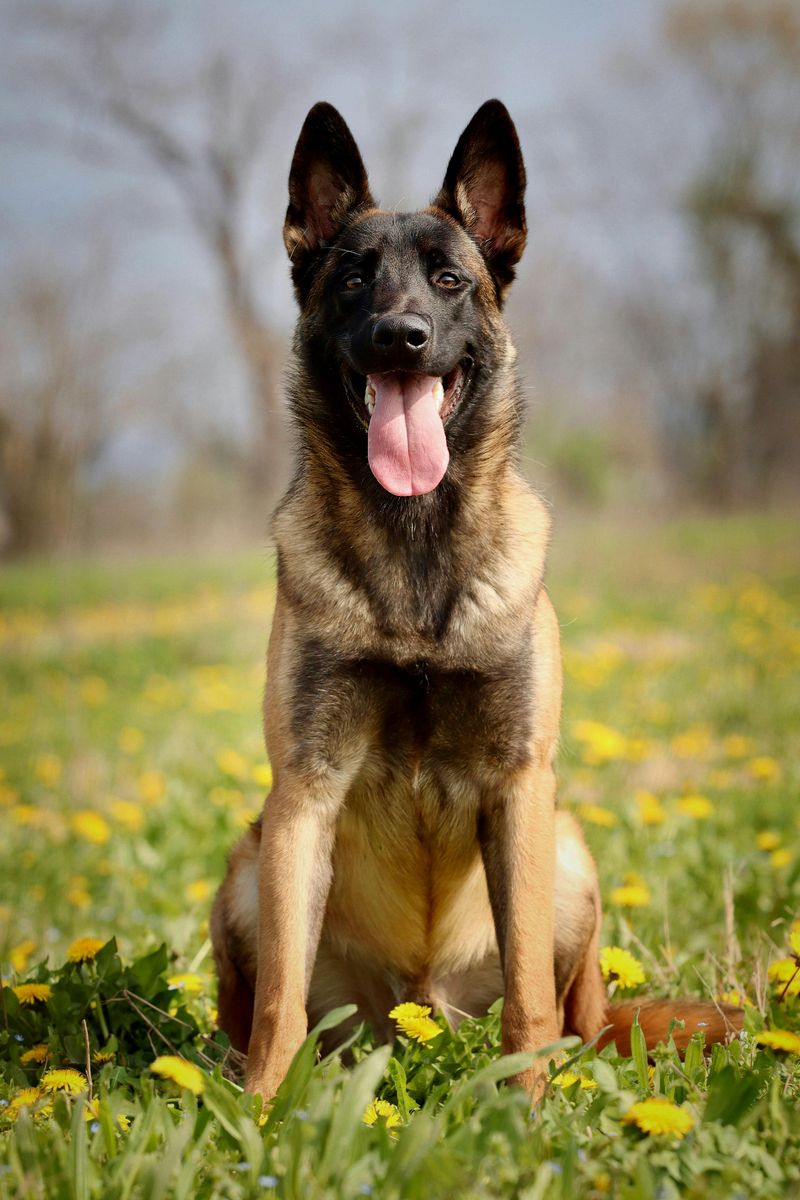
The Belgian Malinois is a working powerhouse designed for precision, drive, and control. Police and sport trainers adore their intensity, but beginners often underestimate that fire.
Without structured outlets, their brains and bodies outpace homes fast, leading to anxiety, destruction, and reactivity.
They demand expert training, clear boundaries, and purposeful work like scent, bite sports, or advanced obedience. Weekend fetch is not enough for this athlete.
Daily engagement, from drills to cardio, turns raw drive into brilliance.
Socialization must be thoughtful to manage sensitivity and environmental focus. Expect vigilant behavior and a dog that notices everything.
If you want a couch buddy first, look elsewhere. If you crave training challenges, the Malinois can astonish you.
Border Collie
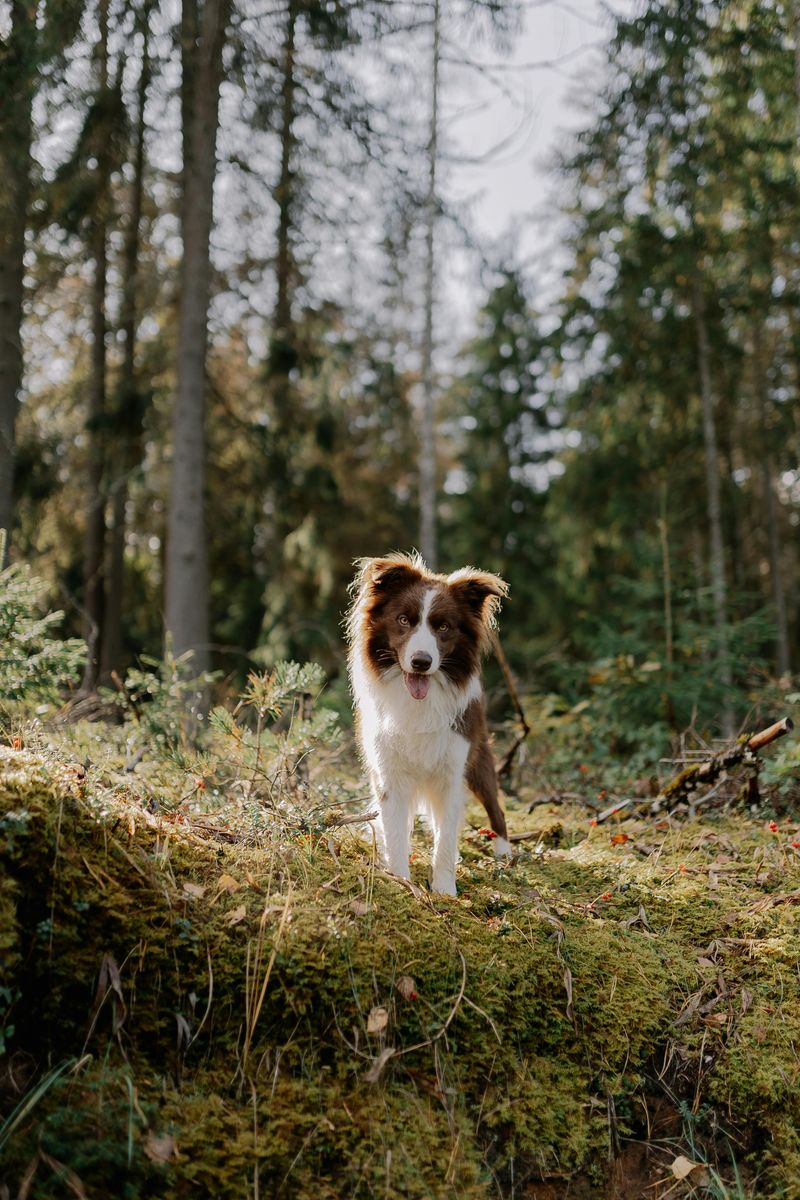
Border Collies are genius-level problem solvers wrapped in a black and white package. That brilliance is breathtaking and exhausting.
They need complex jobs like herding, agility, or advanced trick training, not just walks and toys tossed between emails.
Under-stimulated Collies can develop compulsive behaviors like obsessive herding of kids or shadows. Eye contact focus is real, and so is their sensitivity to motion and routine.
Plan for structured brain games, scent work, and varied environments.
They bond deeply yet remain task oriented, which surprises people expecting clingy affection. Grooming is moderate, shedding seasonal.
If you love teaching and constant engagement, you will unlock their magic. Otherwise, their intensity may outpace your lifestyle quickly.
Australian Shepherd
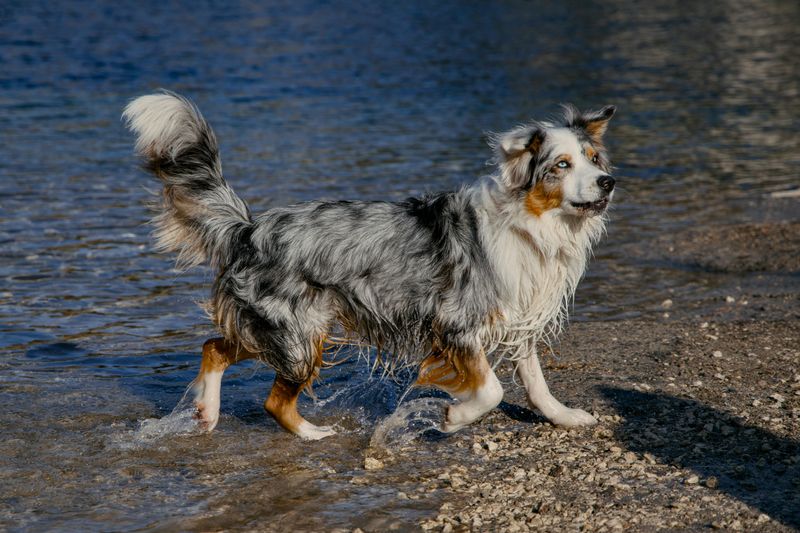
Australian Shepherds are vibrant herding athletes with sharp minds and quick reflexes. Their beauty and friendliness lure newcomers, but their needs rival working pros.
Expect stamina, motion sensitivity, and a craving for purpose that simple fetch cannot satisfy.
Daily training, impulse control games, and structured agility or herding outlets keep them balanced. Without that, nipping, herding behaviors, and anxious pacing can emerge.
Clear routines, crate training, and enrichment are your allies.
They can be reserved with strangers and protective at home if boundaries blur. Grooming involves regular brushing and seasonal sheds.
If you love outdoor projects and teamwork, they will match your energy. If not, their whirlwinds can overwhelm quickly.
German Shepherd
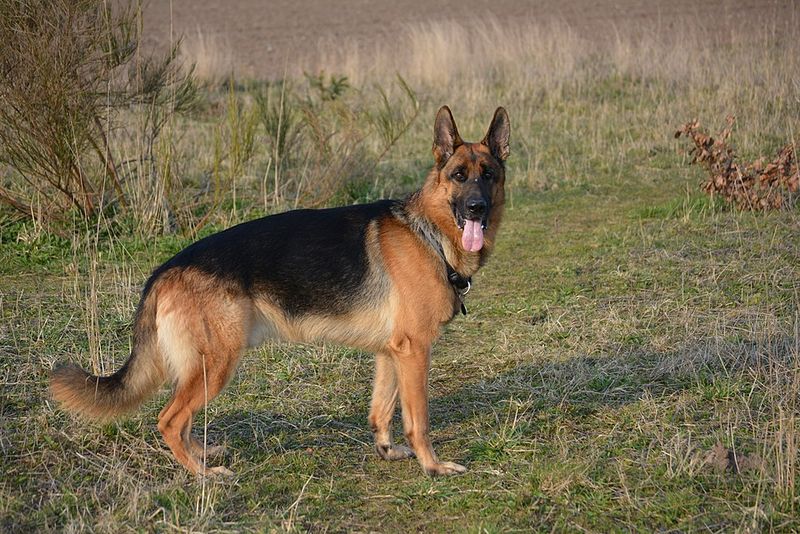
German Shepherds blend loyalty, intelligence, and work drive, but beginner expectations often clash with reality. They need structured training, early socialization, and meaningful activity to steer their protective instincts responsibly.
Without guidance, reactivity, guarding, and anxiety can take root.
Health lines matter, so research reputable breeders or rescues that prioritize temperament and hips. Daily mental tasks, tracking games, and obedience reps prevent boredom.
Short walks will not satisfy a mind built for service.
They shed heavily and require consistent grooming. Clear leadership does not mean harsh methods, just fair boundaries and routines.
When partnered thoughtfully, a GSD becomes a steadfast teammate. When under-directed, their power and vigilance can overwhelm new owners.
Jack Russell Terrier
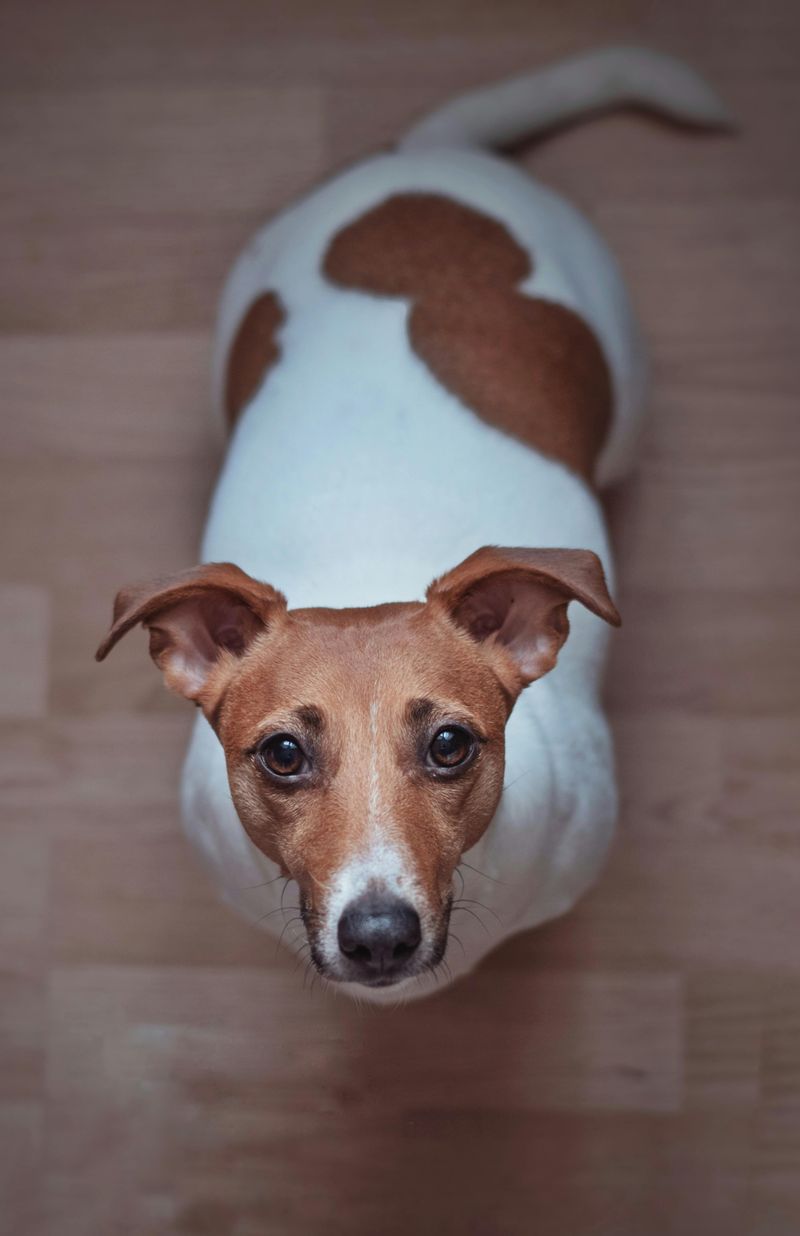
Jack Russell Terriers pack nuclear energy into a small frame. Bred for fox hunting, they are fearless, fast, and endlessly curious.
Couch life alone leads to climbing, digging, and self-invented chaos that feels like a cartoon tornado.
They thrive with structured sports like flyball, earthdog, or scent games. Impulse control and recall training are essential, because prey drive is no joke.
Their smarts can outwit inconsistent rules, so be clear and persistent.
Grooming is easy, but enrichment needs are not. Expect a comedian with opinions and a need for projects.
Give that mind and body jobs, and you will adore the spark. Skip the plan, and you will chase problems daily.
Dachshund
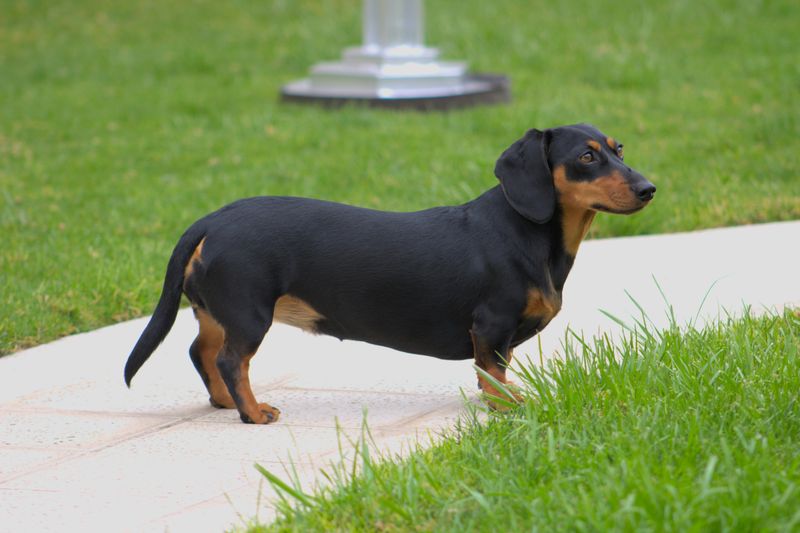
Dachshunds look charming, but their hunting DNA runs deep. Stubbornness and prey drive can surprise first-timers expecting a lap dog.
Consistent training, careful back support, and controlled jumping are musts because their long spine is vulnerable.
They may bark at strangers and guard resources without guidance. Short legs do not equal low energy: nose work, tracking games, and brisk walks help channel their curiosity.
House training can require patience and routine.
Grooming varies by coat type, and all shed to some degree. Socialize early to reduce wariness and reactivity toward dogs or small animals.
With respectful handling and clear boundaries, they become bold, affectionate companions. Underestimate them, and mischief quickly becomes a lifestyle.
Beagle
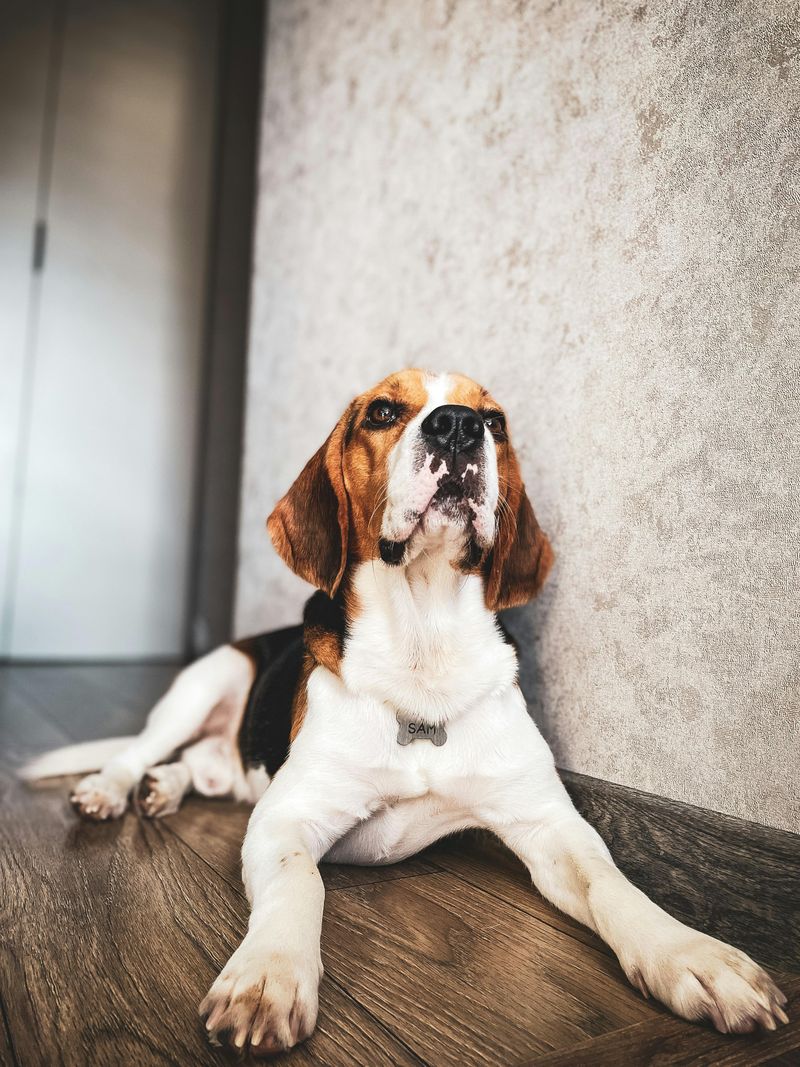
Beagles are merry and sweet, but their noses run the show. Once a scent grabs them, recall can evaporate, frustrating new owners who expect easy off-leash time.
Secure yards, long lines, and high-value rewards are essential tools.
They are social pack dogs who dislike long isolation, which can trigger howling and digging. Think daily scent games, sniffaris, and puzzle feeders to satisfy foraging instincts.
Routine exercise helps curb weight gain common in food lovers.
Grooming is simple, shedding moderate, and temperament typically friendly. Training must be upbeat and consistent to outbid environmental smells.
Provide structure and enrichment, and you get a happy comedian. Skip them, and Beagles will happily follow their nose elsewhere.
Chow Chow
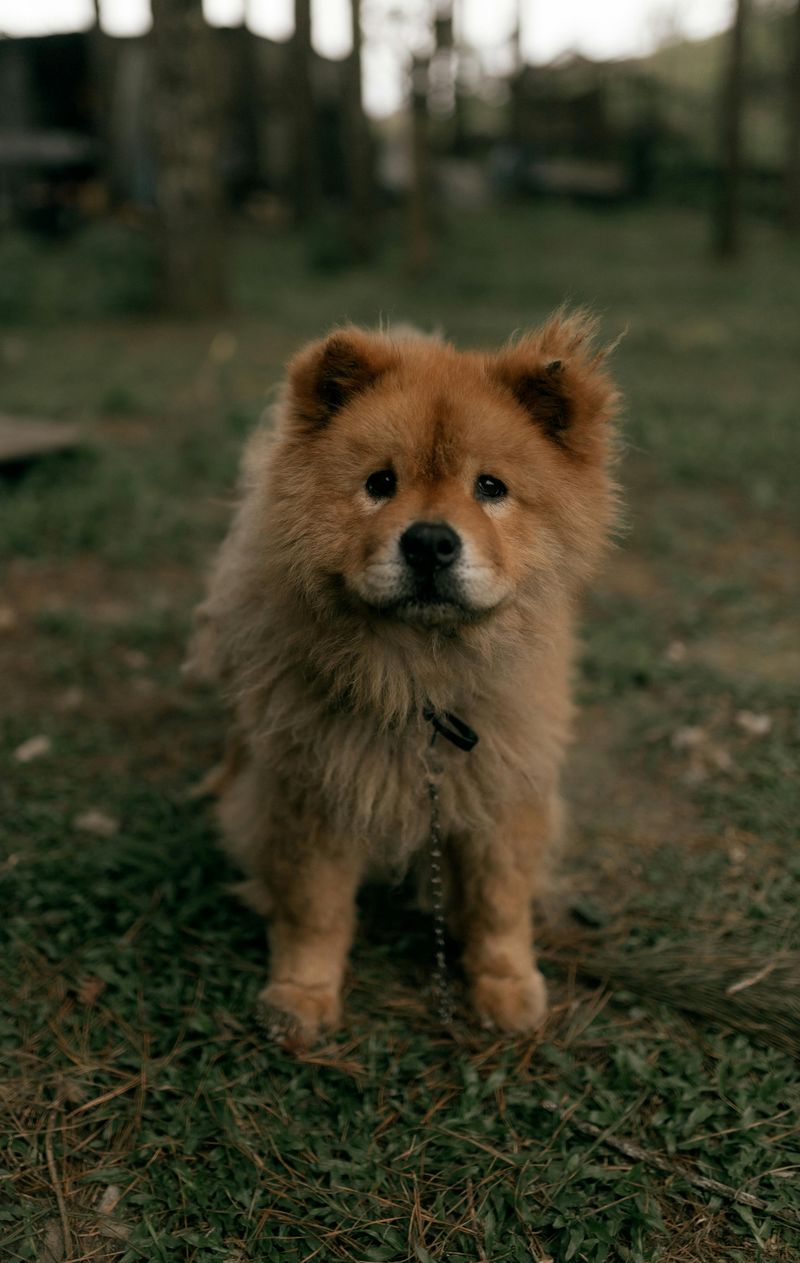
Chow Chows are dignified and independent, not teddy bears seeking constant cuddles. Their aloof nature and strong guarding instincts require early, positive socialization and respectful handling.
Forceful methods backfire, while clear routines and calm confidence build trust.
Grooming is significant due to the dense coat, and shedding can be impressive. Heat management matters because that coat traps warmth.
Daily walks plus short training sessions keep minds engaged without overexertion.
They value personal space and can be selective with strangers and other dogs. Households should set boundaries for kids to avoid pushy interactions.
With patience and consistent guidance, a Chow becomes a loyal, quiet companion. Underestimate independence, and cooperation quickly fades.
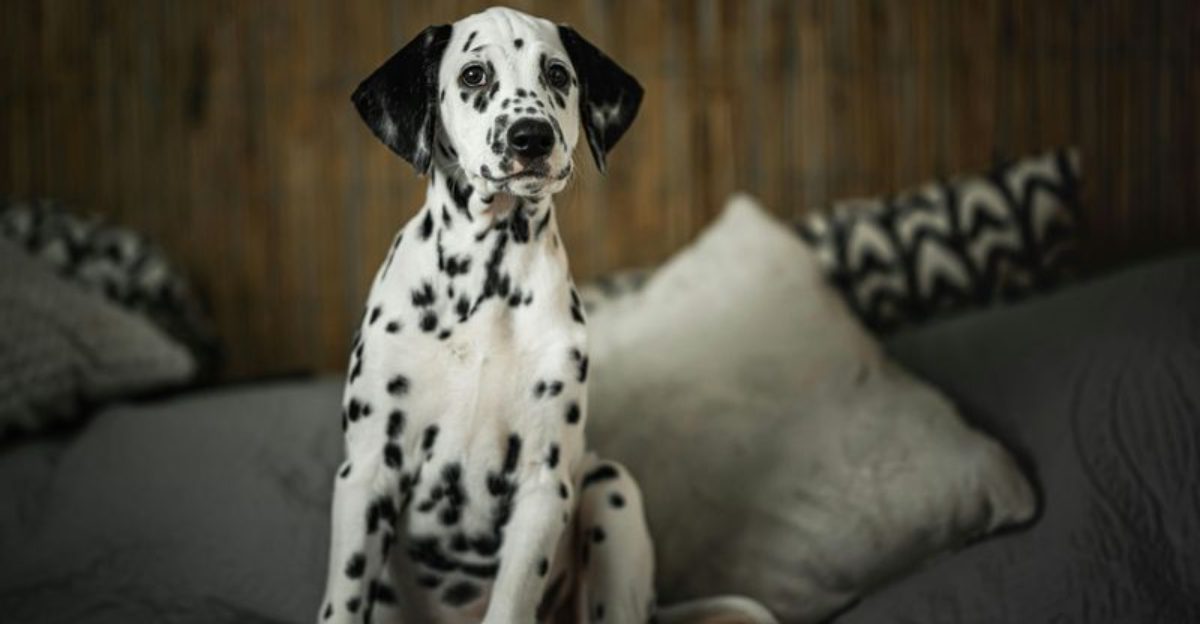
Dalmatian
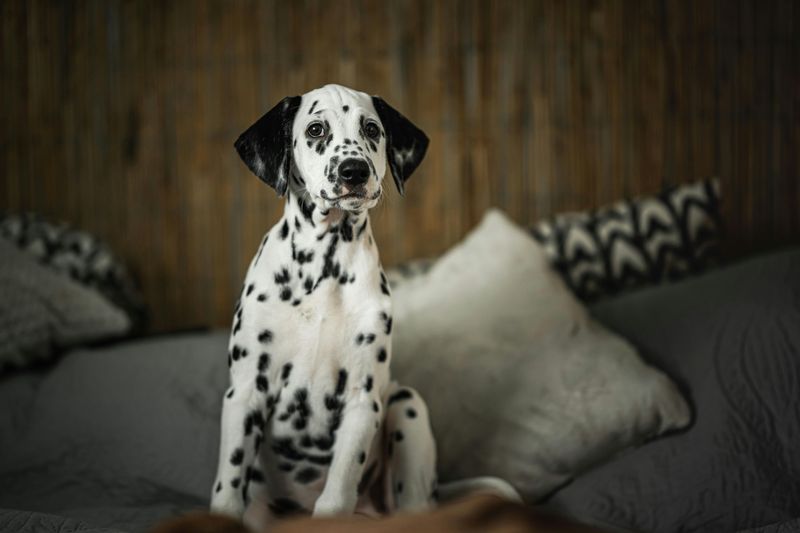
Dalmatians are high-energy athletes with stamina to spare. Historically carriage dogs, they thrive on running, structured training, and problem solving.
Without this, pent-up energy fuels destructive habits and scattered focus that overwhelm new owners quickly.
They can be sensitive and benefit from positive, predictable routines. Deafness occurs in the breed, so health screening and thoughtful communication planning matter.
Mental work like scent games, roadwork, and obedience keeps them engaged.
Coats shed year-round, and those tiny hairs find everything. Socialization reduces wariness and refines manners in busy environments.
If you are active and organized, a Dalmatian can be a dazzling partner. If not, their motion and needs may outrun your schedule.