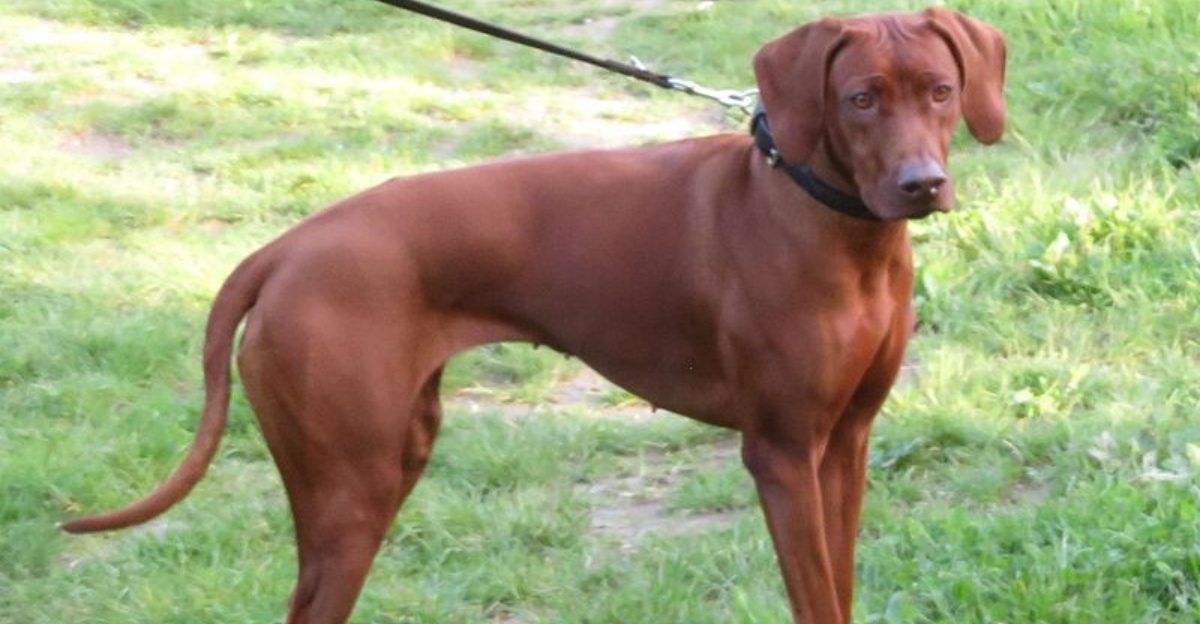
Some dogs lounge like living throw pillows until a faint creak flips a hidden switch. You see loose ears, slow blinks, and a soft sigh, then suddenly they are statues reading the room like detectives.
That calm exterior hides a radar tuned to changes in routine, scent, or tone. If you have one of these guardians, you already know peace can turn into purposeful focus in a heartbeat.
Bullmastiff
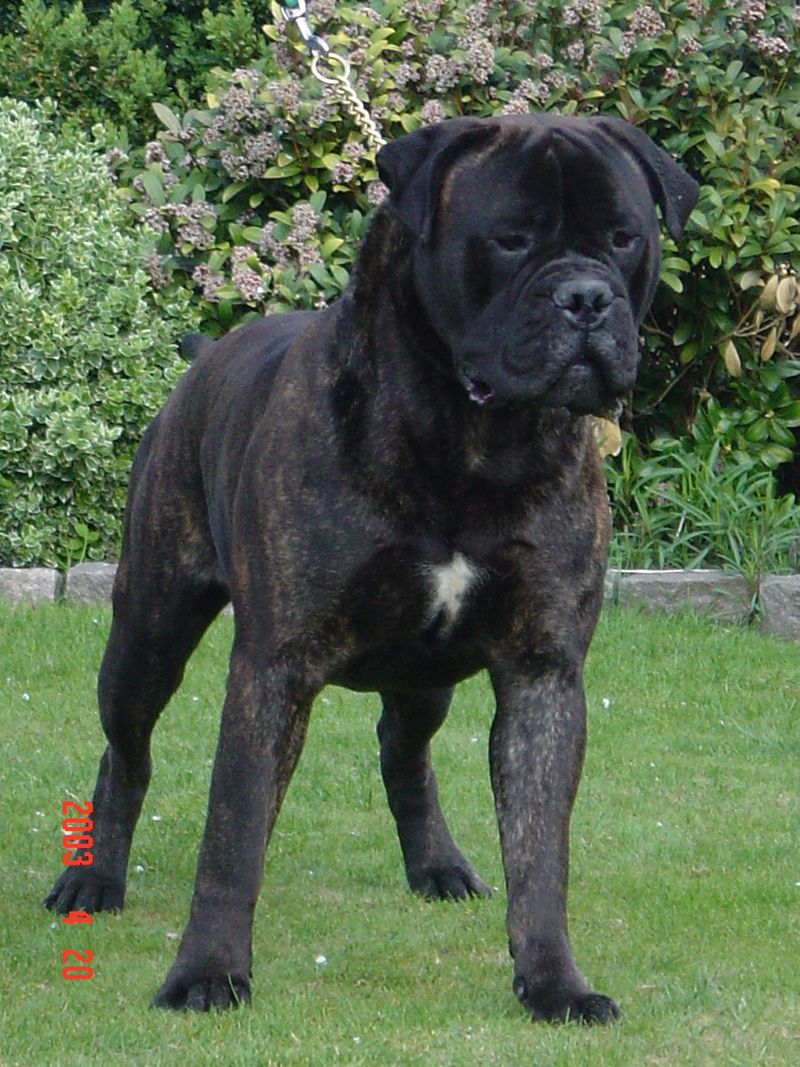
Bullmastiffs melt into rugs like oversized cats, exhaling slow confidence. Their faces look sleepy, and their paws spread in a lazy sprawl that says all is well.
But let a gate click or a footstep change cadence, and the calm turns to calculation. You will see the head lift, nostrils flare, and a quiet shift to stand.
They were bred to stop intruders without chaos, so they read micro signals and respond decisively. No frantic barking, just a steady presence moving between you and uncertainty.
A Bullmastiff’s alert looks subtle until you feel them blocking the hallway, eyes steady. That is protective love expressed as gravity, not noise.
Cane Corso
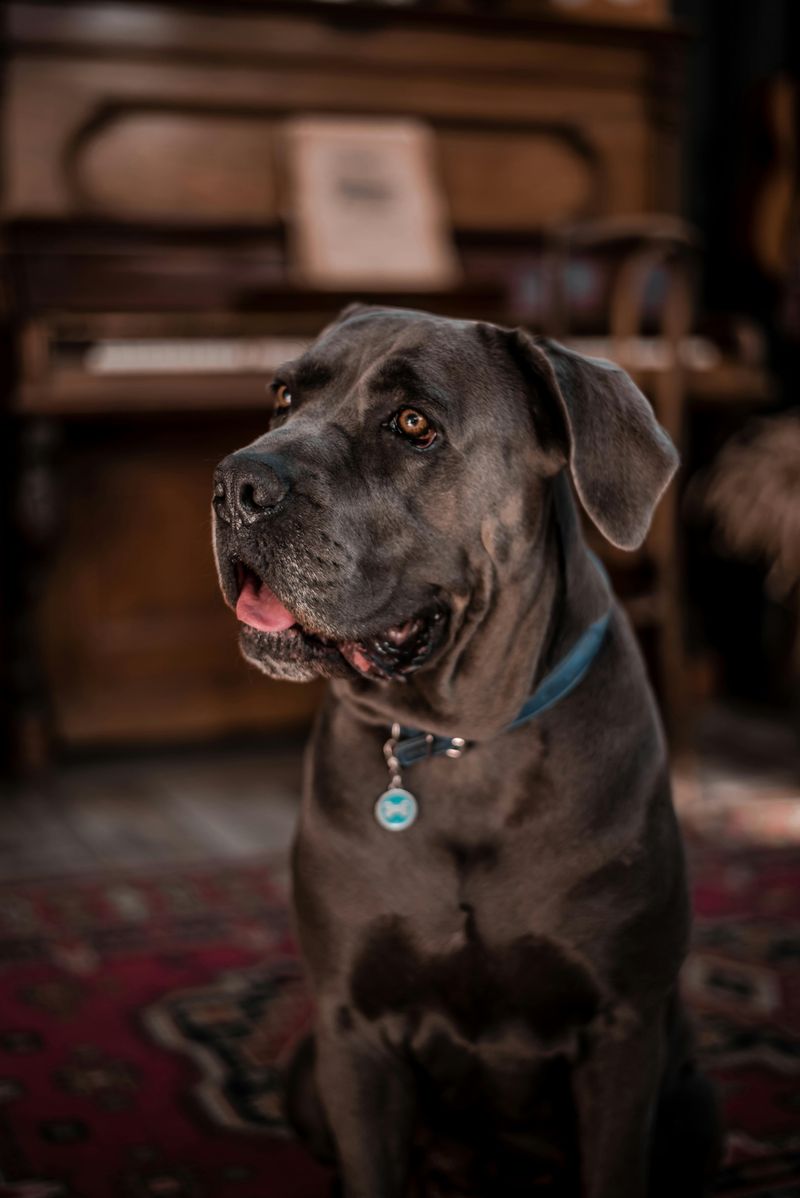
The Cane Corso lounges like a Roman statue, confident and serene. You might catch a soft snore, a twitch of an ear, and think nothing could stir that mountain.
Then a strange car door thumps, and the body language compresses into readiness. The chest rises, the gaze narrows, and the threshold becomes a stage.
These dogs were designed for purpose, reading intention more than volume. They prefer stillness over tantrums, yet they react with purpose when something feels off.
You will notice they do not waste barks, they conserve energy for clarity. When the Corso plants their feet and watches, trust their instincts.
They rarely guess. They know.
Rottweiler
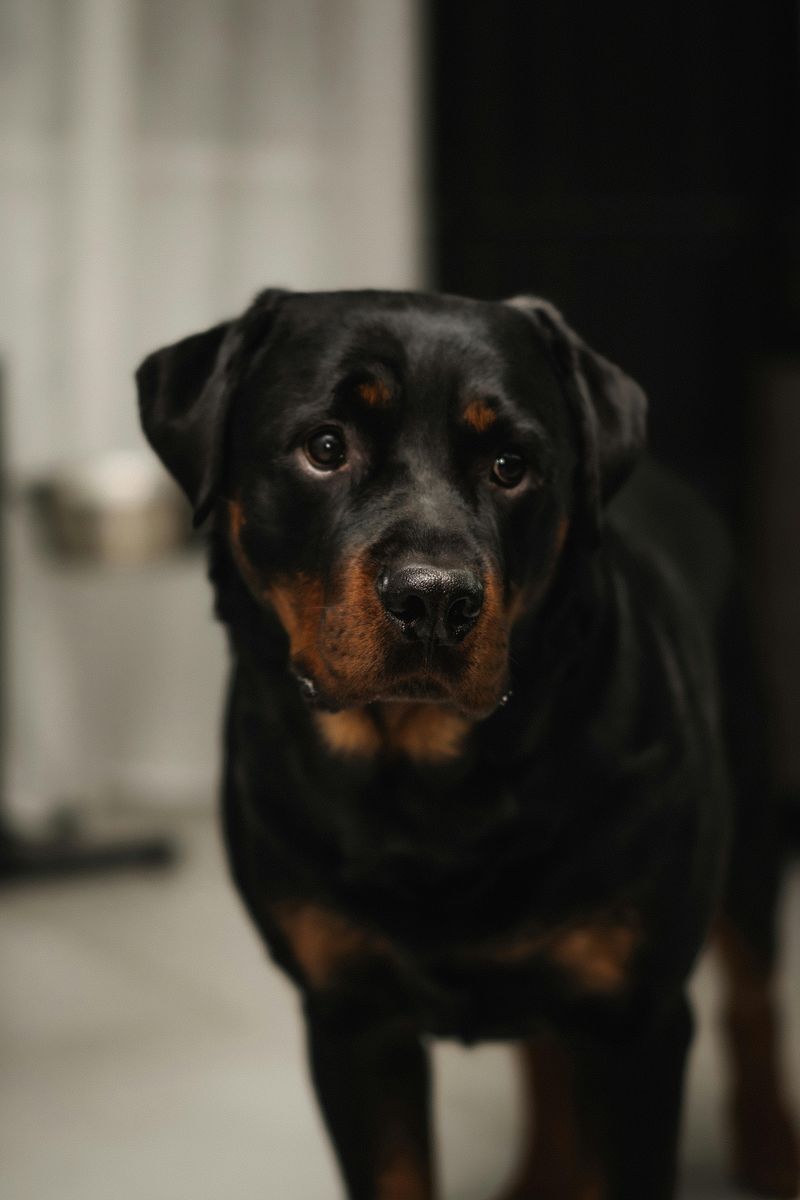
Rottweilers look like sleepy bodyguards, heavy heads on paws and gentle, observant eyes. Their calm is not laziness.
It is controlled presence. When the wind shifts or a latch knocks, you can watch composure condense into focus.
They rise in one smooth motion, balanced and deliberate.
They tend to position themselves between you and the unknown without drama. That quiet intervention feels like a friend stepping forward at the perfect time.
You may not hear a bark, just a low note that says, I see you. With consistent training and socialization, that instinct becomes refined.
A Rottie’s relaxed exterior is a promise: peace is protected here, and watchfulness never sleeps.
German Shepherd
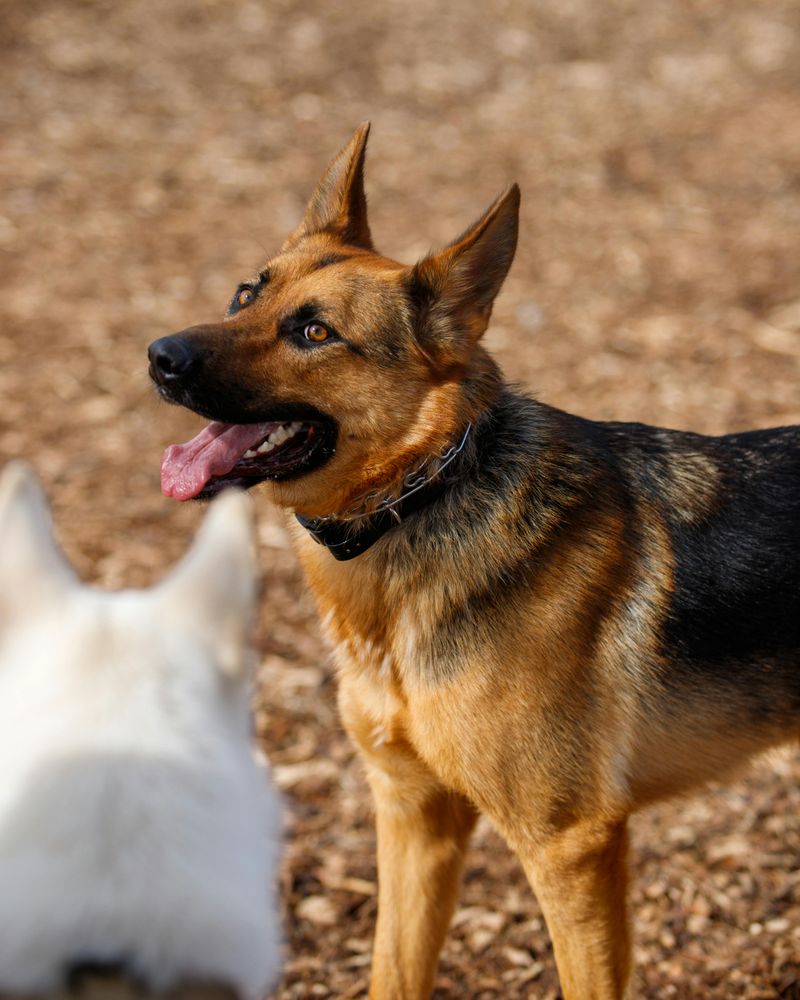
German Shepherds can appear off duty, stretched long with a soft sigh and half-closed eyes. Wait a second.
A distant door shuts, and those legendary ears rotate like satellite dishes. The spine lengthens, paws tuck, and they are already cataloging possibilities.
Calm flips to chessboard thinking.
This breed thrives on reading patterns and protecting routines. They watch you for cues, then scan the environment for mismatches.
When something feels off, they move with purpose, not panic. You will feel a shepherd’s gaze land on details you missed.
Trained well, they de-escalate smoothly, responding to voice and posture. Their stillness holds power.
Their alertness lands like a question: Is that normal? If not, I am ready.
Doberman Pinscher
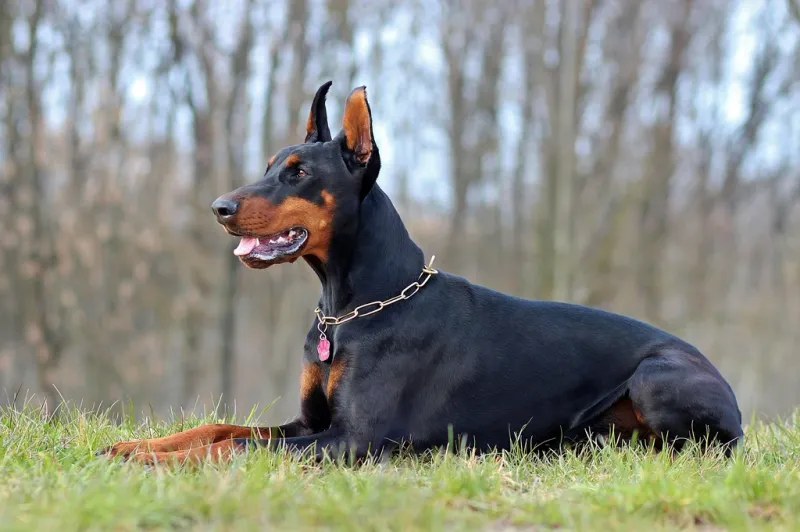
Dobermans rest like sculpted arrows, sleek and quiet, breathing in a measured rhythm. They seem disinterested until a tiny clink or new scent edits the room’s script.
Then their outline sharpens, neck arches, and the gaze locks on source. They do not fumble.
They pinpoint.
Bred for personal protection, they read confidence and fear with equal fluency. When something feels off, expect efficient movement, not noisy theatrics.
A Doberman will choose angles, not chaos, placing themselves between concern and comfort. With training, that focus becomes velvet steel.
You feel safer without feeling smothered. One moment a living statue, the next a quietly humming perimeter system.
They look relaxed because they already mapped the exits.
Akita
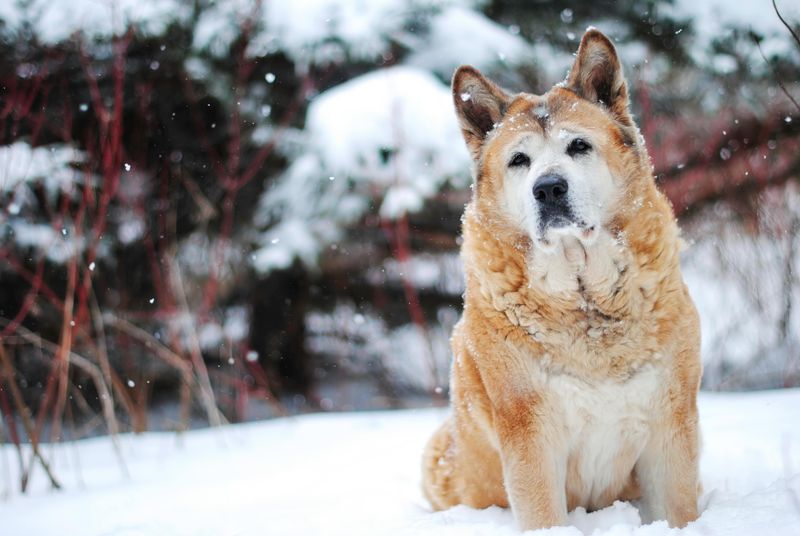
Akitas have a regal stillness, like winter mountains holding their breath. They lounge with soft eyes and a heavy coat pooled around them.
Yet any shift in scent or energy cracks the ice. The head lifts, tail tightens, and a silent assessment begins.
They do not often bark first. They watch.
Independent thinkers, Akitas rely on intuition more than approval. You will notice protective placement near doors and vantage points.
When something feels off, they create space and warn with presence. Training with calm leadership keeps that instinct respectful.
They are affectionate at home, dignified with strangers, and always aware. Their quiet is not empty.
It is listening.
Great Pyrenees
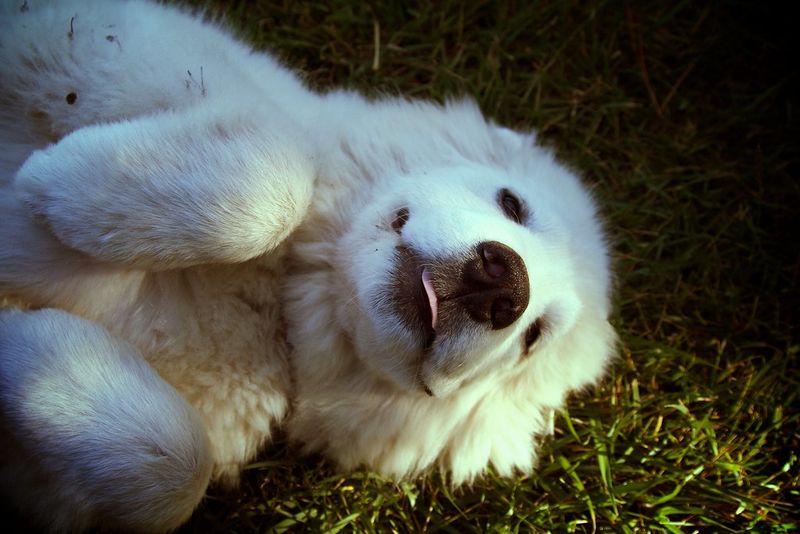
Great Pyrenees nap like clouds grounded by purpose. They appear drowsy and dreamy, drifting beside the porch steps.
But this is a livestock guardian heart, tuned to nighttime whispers. Let a fence rattle or a coyote call, and the serene floof becomes a sentinel.
The head rises, voice rolls low, and the boundary is drawn.
Pyrs conserve energy, guarding in silence until distance demands a response. They patrol with measured steps and confident presence, not frenzy.
With socialization, they balance independence with household harmony. You will feel the calm return as quickly as it left, like fog resettling after a breeze.
They relax because they trust themselves to wake at the right time.
Anatolian Shepherd
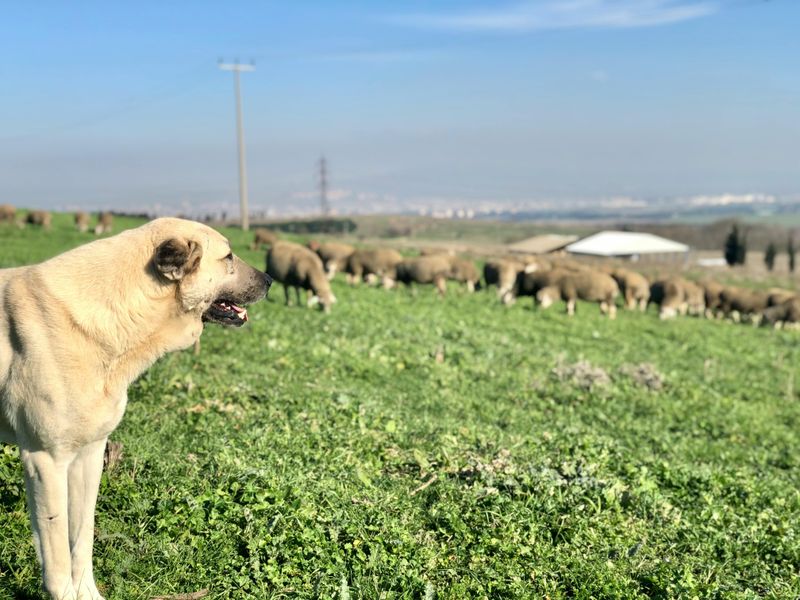
Anatolian Shepherds embody quiet authority. They lounge in strategic shade, scanning without seeming to.
Their rest is a recon mission. The smallest tremor in the landscape tightens their frame, and they are already calculating routes.
Noise is optional. Presence is plenty.
Bred to work independently, they trust their judgment over yours sometimes, so training needs mutual respect. When something feels off, they escalate in layers: posture, placement, voice, then action.
You will see them choose higher ground or a narrow chokepoint. They relax again only after the map feels safe.
Living with one means appreciating the difference between sleepy and switched on. With the right structure, that vigilance becomes a calm umbrella over your world.
Rhodesian Ridgeback
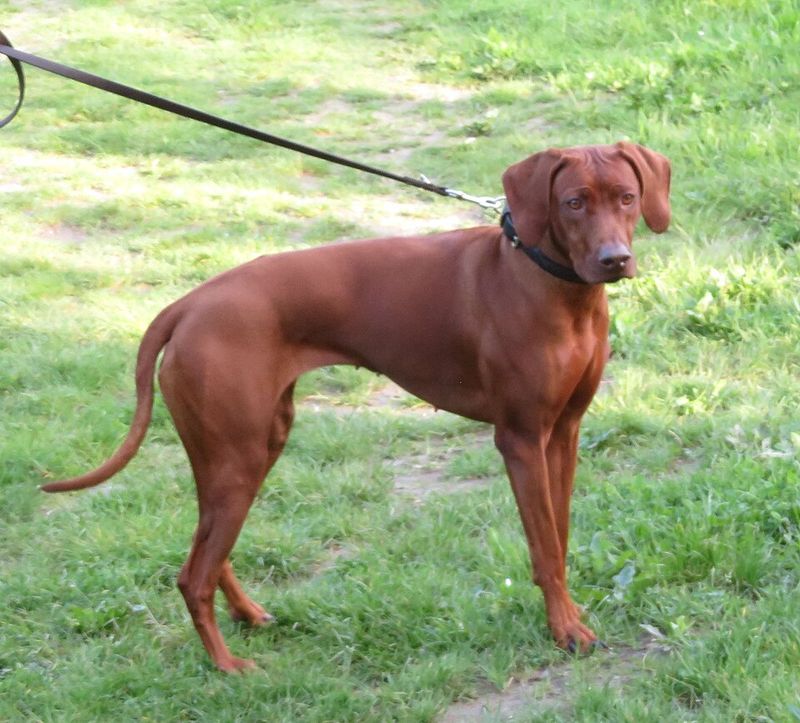
Ridgebacks lounge like sun-soaked athletes, soaking warmth with a lazy grin. Their chill is legendary at home.
Then a rustle snaps the stillness, and the ridge lifts like a flag. The body lines up, eyes narrow, and the hunter in their history wakes.
You can feel the temperature change in the room.
They prefer measured responses, not frantic noise. Expect a poised stance and a look that says, show yourself.
With consistent boundaries, their independence becomes elegant partnership. They read your calm and mirror it back, unless something feels off.
Then they take the lead, confident and contained. After the check, they flop again, back to sun worship, heartbeat steady as ever.
Giant Schnauzer
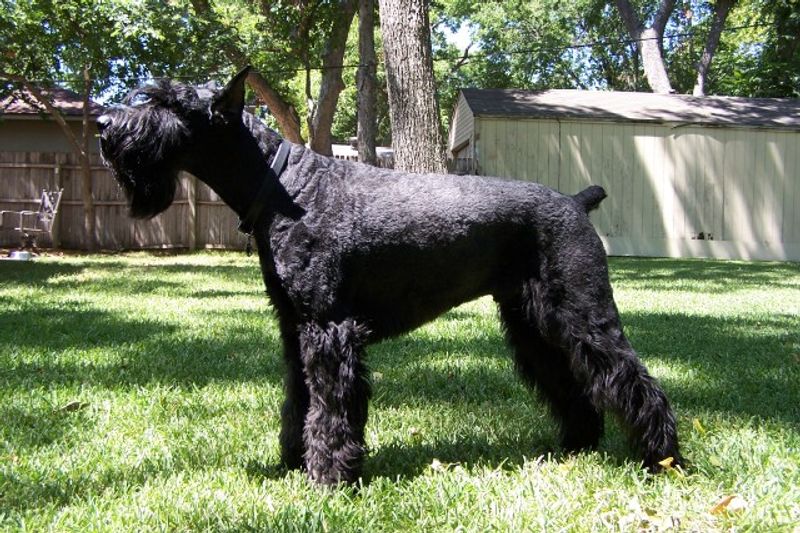
Giant Schnauzers chill like comedians between sets, eyebrows drooping, big paws splayed. The vibe feels goofy until an unfamiliar footstep echoes.
Then those eyebrows lift, the outline squares up, and the air gets serious. Giants specialize in switching from play to protection in one breath.
They are thinkers with a dash of stubborn, so training must be clear and engaging. When something feels off, they position with purpose, often at chokepoints like stairs or hallways.
Expect a deep, resonant warning before motion. After the all-clear, they snap back to clown mode, leaning into you like a furry anvil.
Their calm is earned. Their alert is immediate.
Both are honest.