
Some dogs hand over their hearts on day one, but others make you earn every ounce of trust. That journey can be challenging, humbling, and unbelievably rewarding when the bond finally clicks.
If you love a meaningful connection and do not mind working for it, these breeds will change how you show up as a teammate. Stick around for three unforgettable bonds that prove patience can build the strongest love.
Shiba Inu
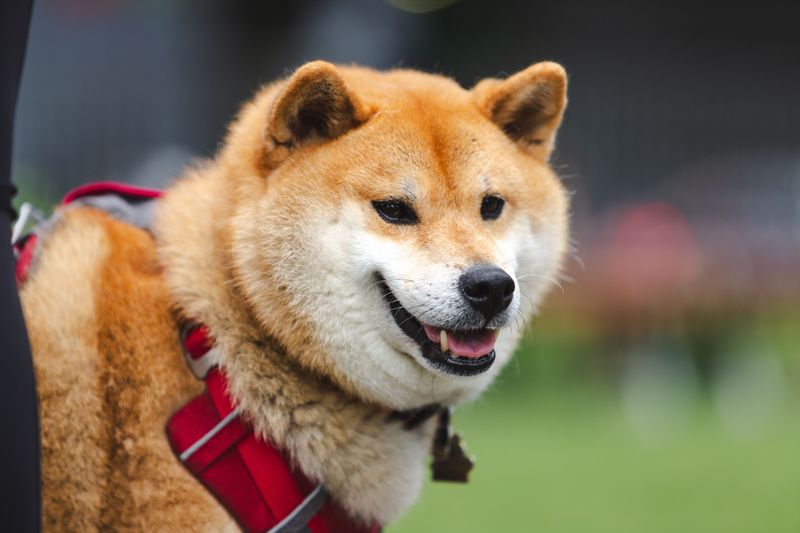
Shiba Inus are famously independent, so think partnership over control. You will build trust by giving choices, rewarding engagement, and keeping sessions short and upbeat.
Use a lightweight long line for freedom with safety, and let them sniff. Teach a reliable check-in by marking eye contact in low-distraction spots before leveling up.
Pressure backfires, while curiosity pays dividends.
Grooming and handling are big moments for trust. Pair nail care, brushing, and harnessing with slow desensitization and high-value treats.
Celebrate small steps like a chin rest or relaxed paws. Practice calm, neutral affection rather than scooping or looming.
Provide puzzle feeders and trick training to satisfy their clever brain.
Earn a Shiba’s yes, and you rarely need to say no.
Chow Chow
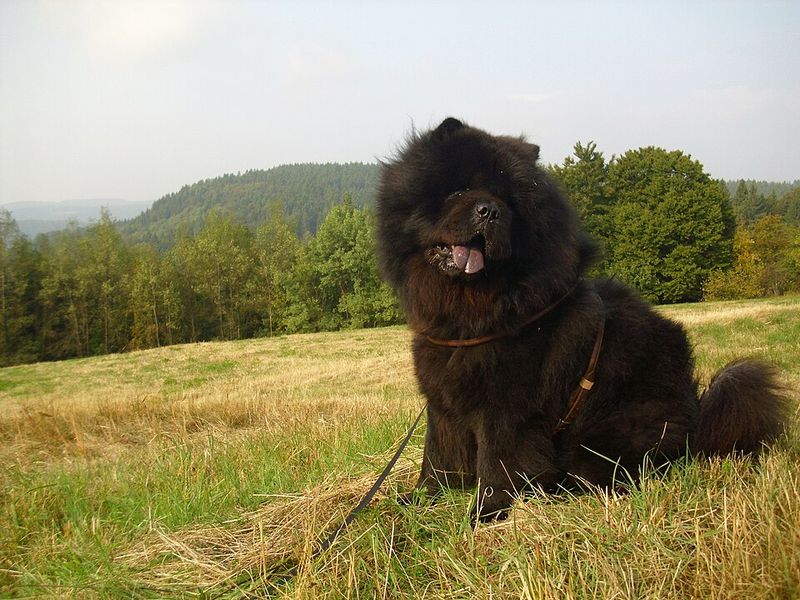
Chow Chows value respect and calm energy. They will not tolerate rough handling or pushy introductions, so model the manners you expect.
Keep training composed and minimalist, using clear markers and generous reinforcement. Avoid flooding with strangers.
Instead, orchestrate slow, parallel walks that let trust bloom. Grooming should be a spa ritual with predictable steps and frequent reward breaks.
That routine becomes a language of safety.
Chows love having a job, even if it is quiet. Teach place, chin rest, and cooperative care behaviors.
Offer low-drama enrichment like sniffing paths and structured leash walks. They are not aloof when you listen well.
Their affection is subtle, like leaning close during thunderstorms. Earn that softness, and you will feel royalty choosing you back.
Great Pyrenees
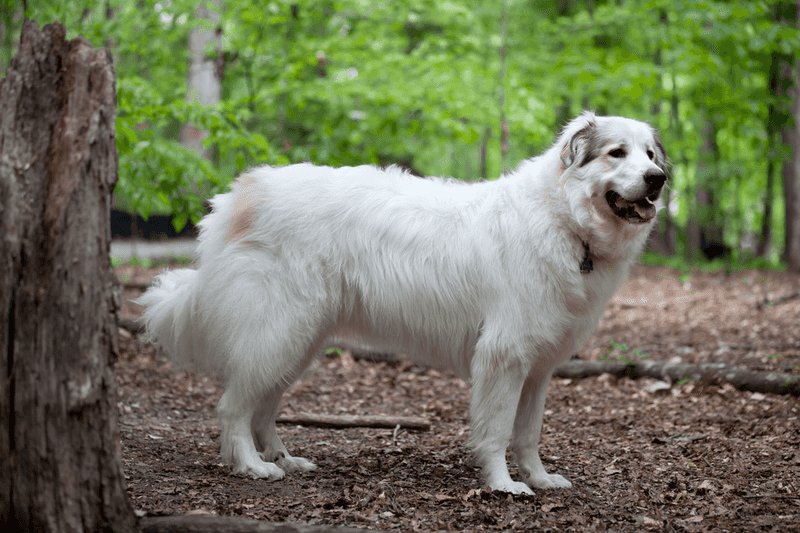
Great Pyrenees are thoughtful guardians bred to make independent choices. To earn trust, show that your guidance complements their steady instincts.
Keep training simple, fair, and consistent. Reward calm patrol behaviors and reinforce check-ins rather than demanding obedience for obedience’s sake.
Introduce novelty gently so they can process at their own tempo. Your calm presence during watchful moments says more than chatter.
They thrive on purpose, so create jobs like perimeter walks, scent games, and place-stay while life happens. Avoid high-pressure social scenes that overwhelm.
Cooperative care matters for that big coat, so desensitize grooming in micro-sessions with tasty pay. When a Pyrenees chooses to rest near you after scanning the horizon, that is a vote of confidence you have truly earned.
Anatolian Shepherd Dog
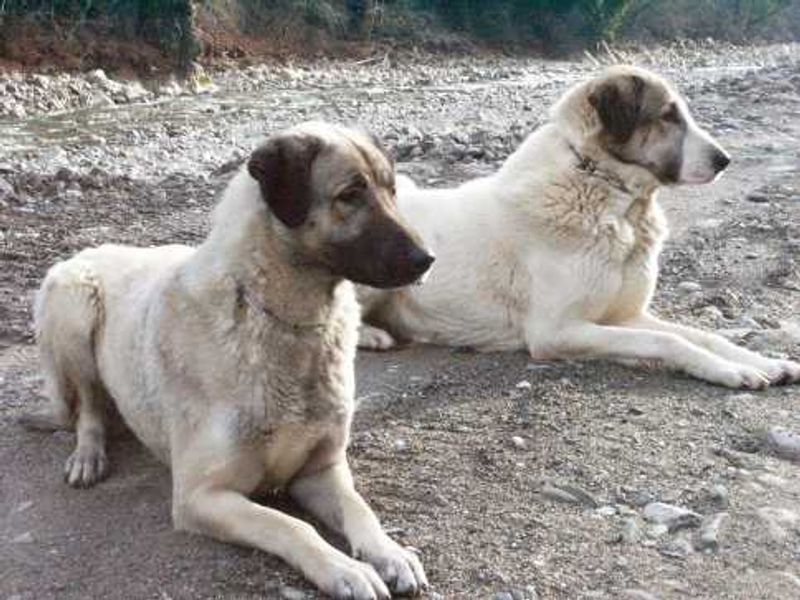
Anatolian Shepherd Dogs are fiercely independent problem solvers. To earn their trust, think in terms of collaboration, not command.
Show you can read the environment as well as they do. Keep sessions short, purposeful, and low-drama.
Reinforce natural guardian skills like alerting and settling on cue. Provide structured freedom using a long line in open spaces, letting them scan while maintaining soft communication.
Handling should be steady and respectful. Use cooperative care protocols for nails, ears, and vet work so they feel part of the process.
Social introductions must be intentional and controlled. Mental work like tracking or boundary games builds confidence in you as a teammate.
When an Anatolian checks back without being asked, you have earned golden currency.
Basenji
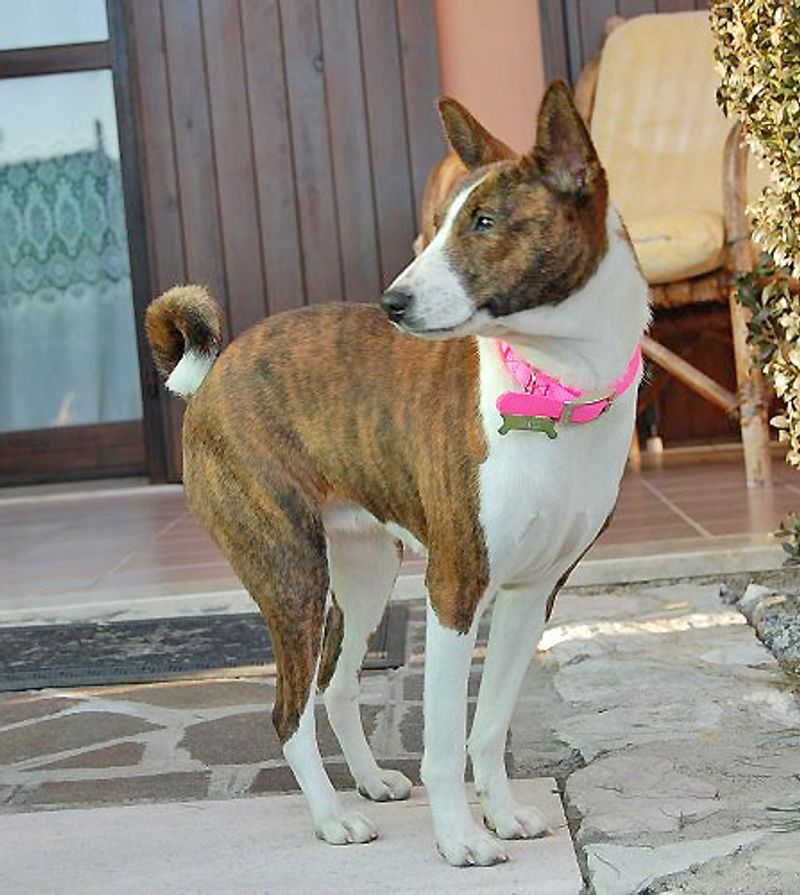
Basenjis are curious, catlike thinkers with quick reflexes. Trust grows when you channel that curiosity rather than fighting it.
Use explore-and-return games, rewarding check-ins and loose-leash choices. Keep training varied, playful, and short.
They adore novelty, so rotate puzzles, scent hunts, and trick bursts. Avoid nagging cues.
Instead, teach powerful defaults like mat relaxation and voluntary attention that feel like their idea.
Handling should be gradual and upbeat. Pair harnessing, ear checks, and nail trims with stationing behaviors.
Let them opt in, then pay generously. Provide outlets for movement in safe, enclosed areas.
A Basenji that curls beside you after zoomies is paying you a compliment. Earn that closeness with reliable routines, and independence becomes partnership.
Akita
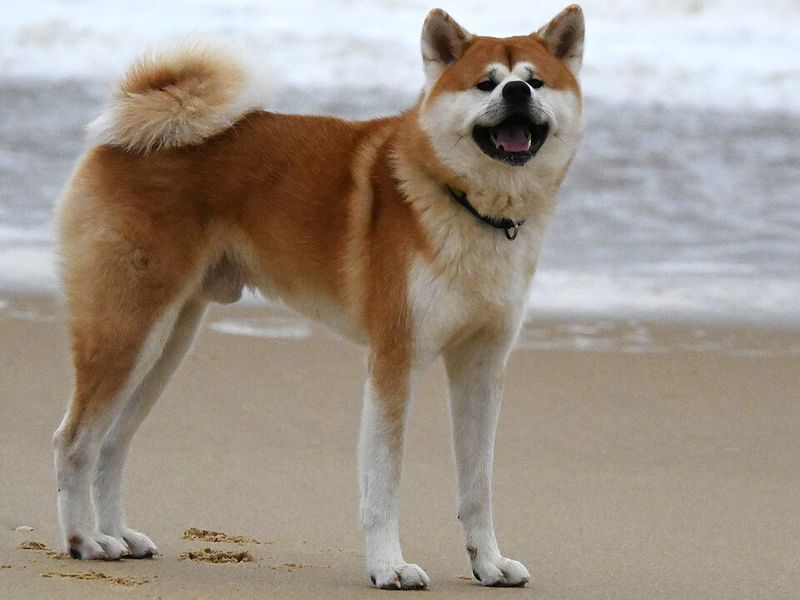
Akitas are proud guardians who notice everything, including whether you show up consistently. You earn their trust through calm structure, predictable routines, and respectful handling, not by pushing affection.
Start with clear boundaries, quiet praise, and high-value rewards for cooperative choices. Once they see you protect their space and honor their intelligence, loyalty deepens quickly.
Socialization matters, but treat it like curated introductions, not a free-for-all.
Daily mental work is just as important as physical exercise. Try scent games, place training, and short obedience patterns that feel purposeful.
Avoid harsh corrections that break confidence. Instead, help them win often and celebrate progress.
When an Akita leans into you during uncertainty, that is earned trust speaking. Protect it, and they will protect you.
Tibetan Mastiff
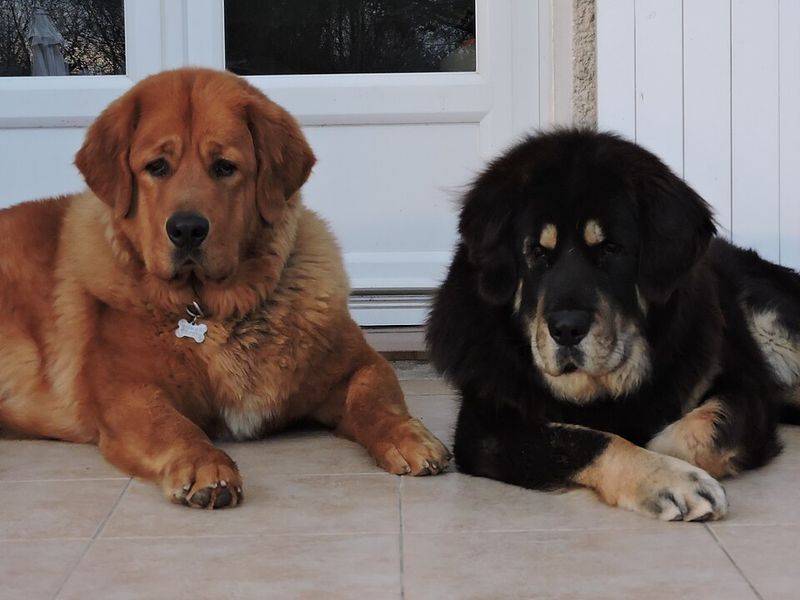
Tibetan Mastiffs are night watch philosophers. They evaluate everything, including you, before offering trust.
Lead with quiet confidence, clear boundaries, and low-pressure training. Reward calm decision-making and thoughtful check-ins.
Avoid chaotic dog parks. Instead, curate safe exposure with distance and time to observe.
Cooperative care is essential given their size. Break grooming and vet prep into micro-steps, paying generously for tolerance.
They need purpose, not chaos. Use controlled perimeter walks, place-stays during household bustle, and scent work to engage their mind.
Corrections should be minimal and fair, never emotional. Celebrate tiny wins like a soft eye or a head resting near your foot.
When a Tibetan Mastiff chooses to sleep soundly while you stand watch, you have earned sacred trust.
Karelian Bear Dog
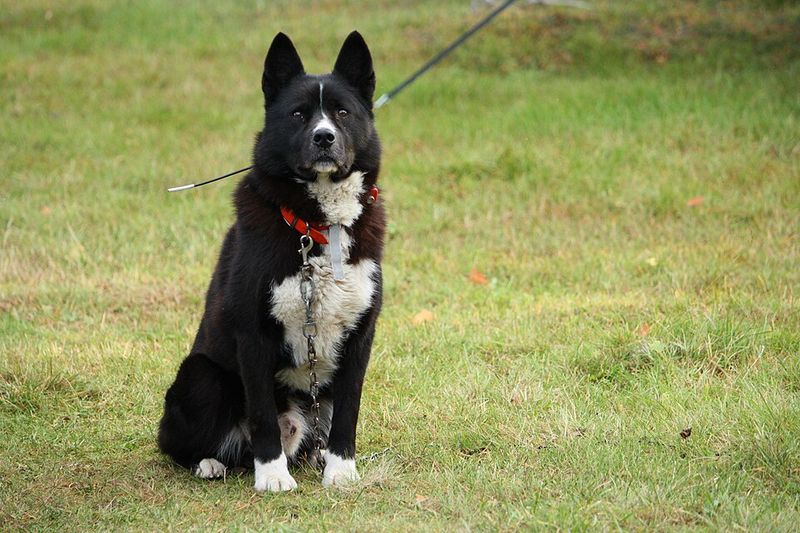
Karelian Bear Dogs are bold, driven, and laser focused. Your job is to channel that intensity into a working partnership.
Build trust with structured freedom, long-line hikes, and reliable recalls built from engagement games. Reward nose-led problem solving and calm resets.
Keep pressure low and feedback crisp. Over-correction only breeds conflict.
Instead, reinforce check-ins and cooperative choices with high-value pay.
Handling and gear must be rock solid. Teach stationing for harnessing and paw care.
Use scent work, tracking, and impulse-control drills to give their brain a job. Plan introductions thoughtfully and skip crowded chaos.
When a Karelian pauses the chase to look back to you, celebrate that moment. It is proof your partnership outshines pure instinct.
Thai Ridgeback
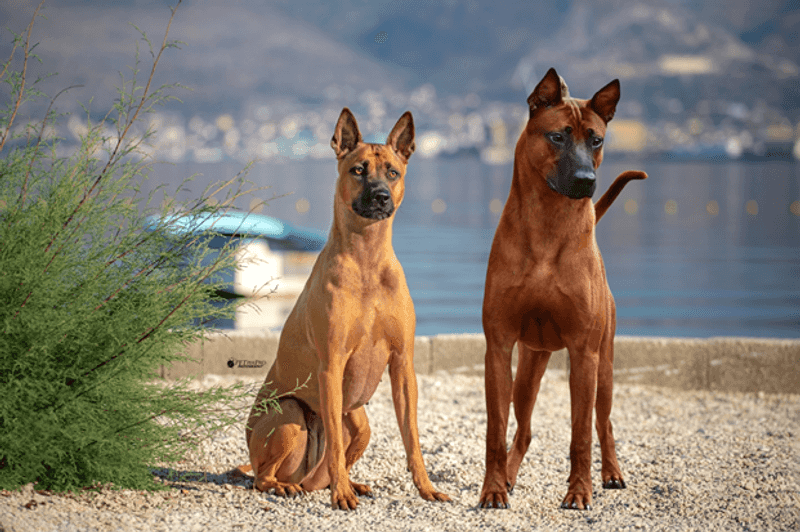
Thai Ridgebacks are agile, perceptive, and selectively social. Trust is earned with fairness and clarity, not force.
Set predictable routines, reinforce calm choices, and keep training upbeat and brief. Use engagement walks that reward eye contact and loose-leash flow.
They enjoy problem solving, so add puzzles, platform games, and scent trails. Socialization should prioritize distance, safety, and autonomy to choose when to interact.
Handling benefits from cooperative care skills like chin rest, paw target, and muzzle training for vet readiness. Avoid loud corrections that shut them down.
Pay generously for bravery with novel surfaces and sounds. Respect personal space, and you will see them offer it back.
When a Ridgeback shadows you quietly, you have earned something rare and loyal.
Saluki
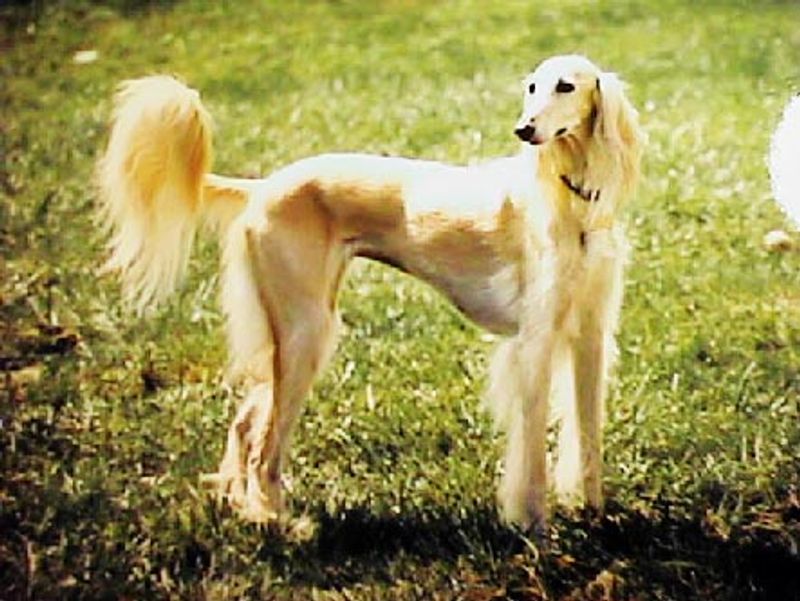
Salukis are elegant runners with sensitive hearts. Trust starts by honoring their need for gentle handling and thoughtful freedom.
Use secure fields or long lines to let them stretch out safely. Reinforce recalls with play chases toward you and jackpot rewards.
Keep training soft-spoken, using markers and food for precision. Calm decompression after exercise helps them settle and bond.
They prefer quiet introductions and respectful touch. Cooperative care should be taught slowly, tying grooming to relaxation cues.
Enrichment like lure coursing, tracking games, and mat work gives their mind anchors. Avoid crowded chaos that spikes arousal.
When a Saluki curls beside you after a sprint, it is a priceless vote of trust. Protect it with consistency and grace.
Belgian Malinois
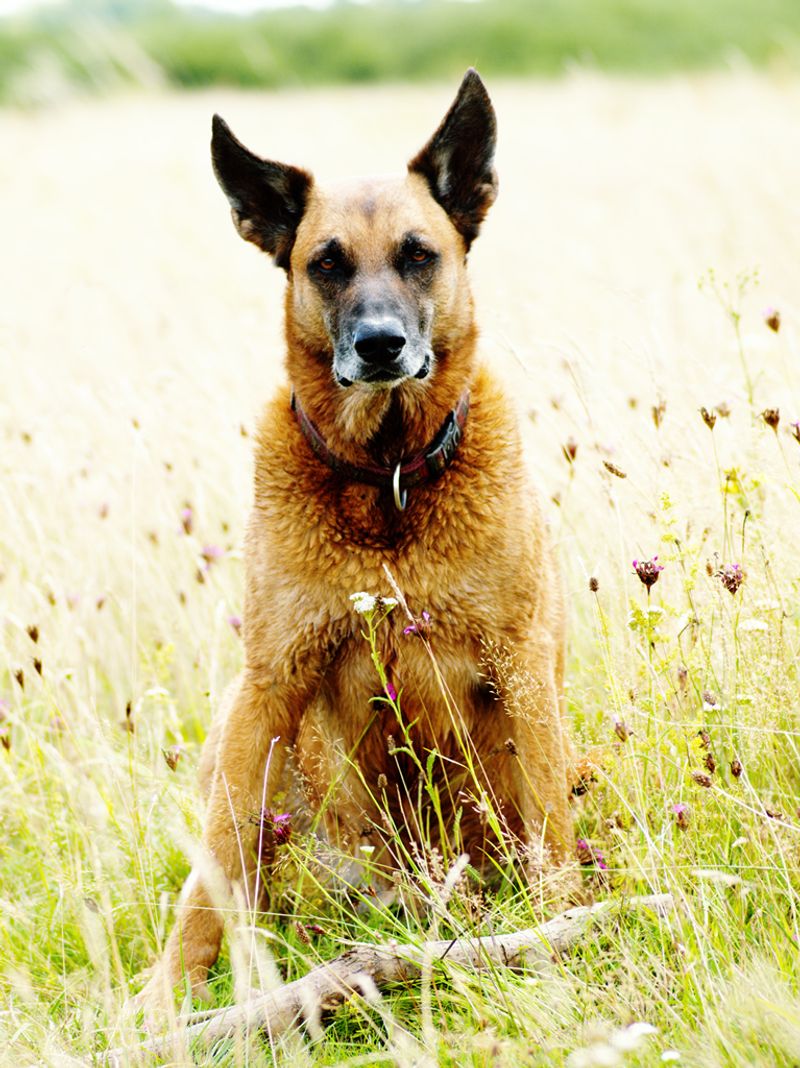
Belgian Malinois are brilliant, sensitive, and purpose driven. Trust grows when you give clear jobs and fair outlets for energy.
Build engagement with rapid reward markers, tug with rules, and precise obedience that feels like a game. Over-correction crushes confidence, while structure creates freedom.
Rotate tasks: scent detection, agility foundations, and impulse-control drills. Balance intensity with decompression walks and off-switch training.
Handling must be predictable. Teach stationing, muzzle training, and cooperative vet care.
Reinforce neutrality in public so their focus lives with you. Keep sessions short and successful, ending on a win.
When a Mal lies at your feet after powerful work, you have earned their fierce devotion. Respect that power, and it becomes protective love.
German Shepherd
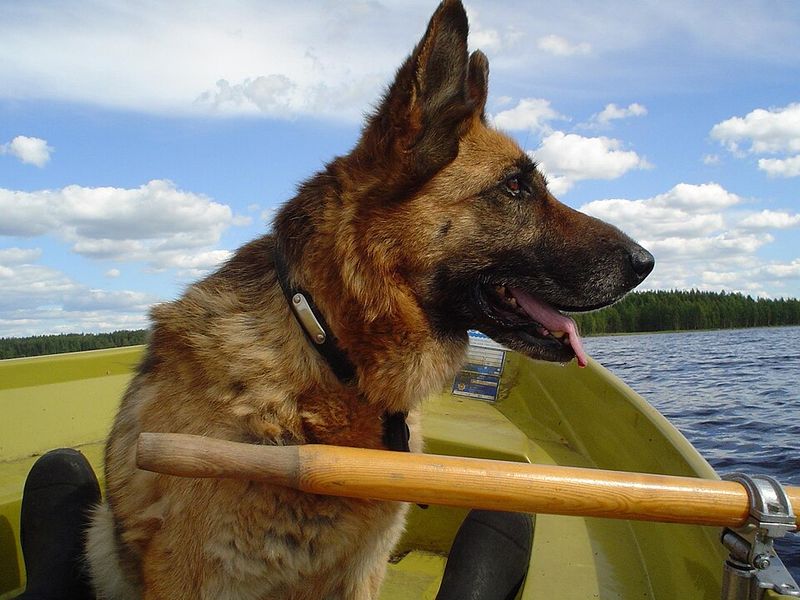
German Shepherds crave meaningful work and fair leadership. Earn trust by being consistent, patient, and crystal clear.
Reward attention, heel pivots, and calm behaviors as much as flashy obedience. Socialization should be thoughtful, pairing exposure with distance and choice.
Use place training to build off-switch reliability at home. Keep corrections minimal and instructional, not emotional.
Cooperative care is vital for a lifetime of vet and grooming visits. Teach chin rests, nail targets, and calm body handling.
Mix tracking, scent puzzles, and structured play to satisfy their mind. Celebrate small wins to build resilience.
When a Shepherd watches the world but chooses your cue, that is earned trust in action. Protect it, and partnership flourishes.
Doberman Pinscher
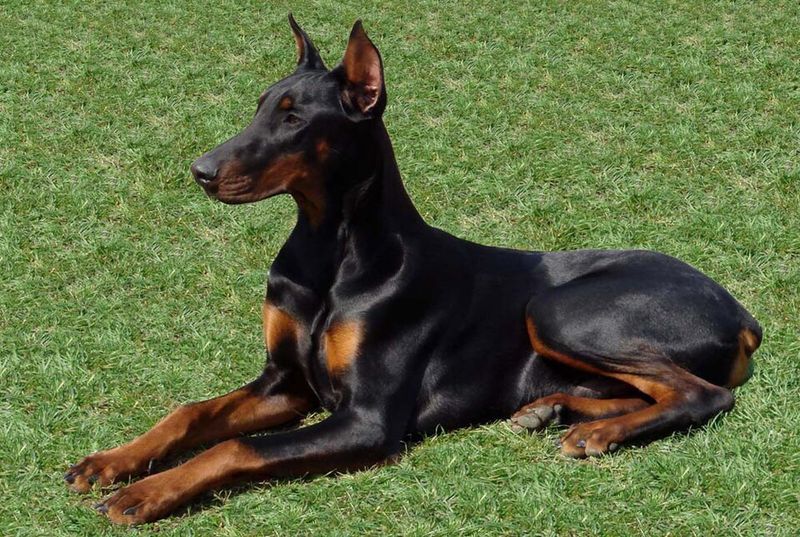
Doberman Pinschers are affectionate athletes tuned to your emotions. Trust thrives with steady routines, upbeat training, and fair boundaries.
Use marker training, focused heeling, and impulse-control games that channel drive into precision. Reinforce calm greetings and neutrality in busy spaces.
Keep sessions short and varied to protect enthusiasm. Replace heavy corrections with clear guidance and high-value rewards.
Handling should be deliberate and kind. Teach cooperative care, muzzle training for emergencies, and relaxed grooming.
Mental work like scent detection or platform games builds confidence and connection. Offer decompression walks to balance intensity.
When a Doberman presses close during stress, that is not neediness. It is trust.
Earn it with consistency, and you will have a devoted shadow.