
Walk into any shelter and you will see people crowding around puppies that look like the dogs on TV. Meanwhile, some amazing breeds sit quietly in their kennels, waiting for someone to notice them.
Many of these dogs are loyal, smart, and full of love, but they just do not get the spotlight. Getting to know a few lesser-known breeds could help you find a best friend you never expected.
Treeing Walker Coonhound
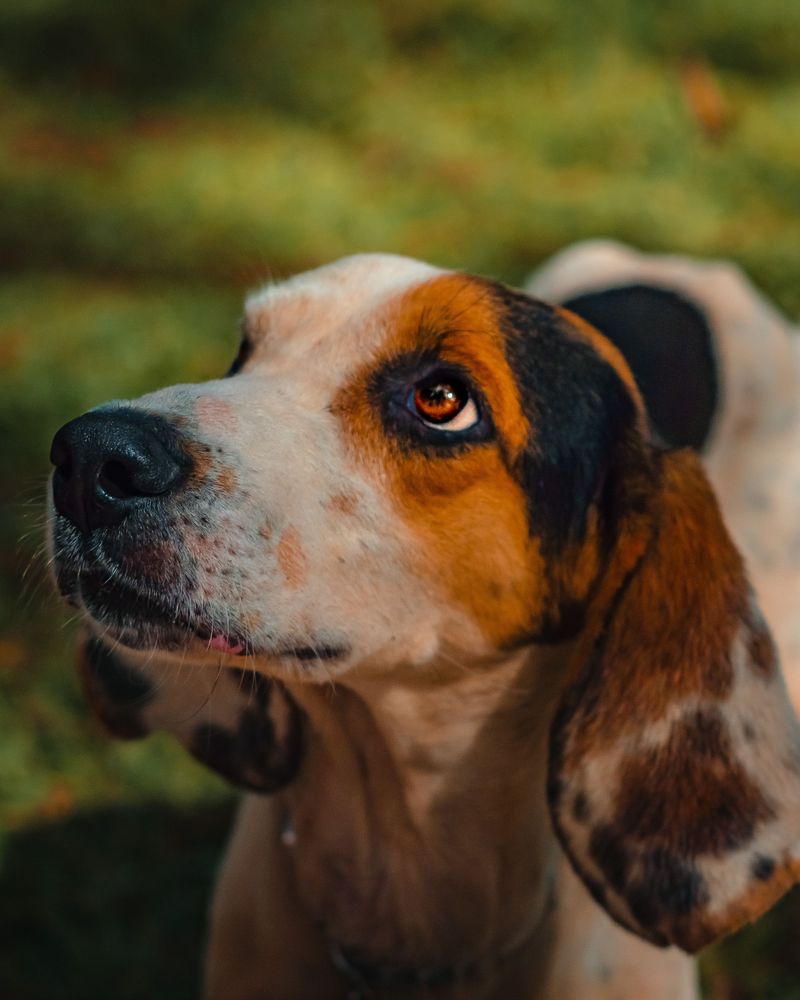
Once you hear a coonhound bay, you never forget it. That musical howl scares some adopters away, but the dog behind it is a sweet, goofy couch lover.
Bred in the American South to chase raccoons up trees, Walkers have powerful noses and steady energy. A long daily walk and a sniff-filled backyard keep them content.
Indoors, they melt into blankets and snore happily. Just keep snacks off the counter, because that nose finds everything.
American Staffordshire Terrier
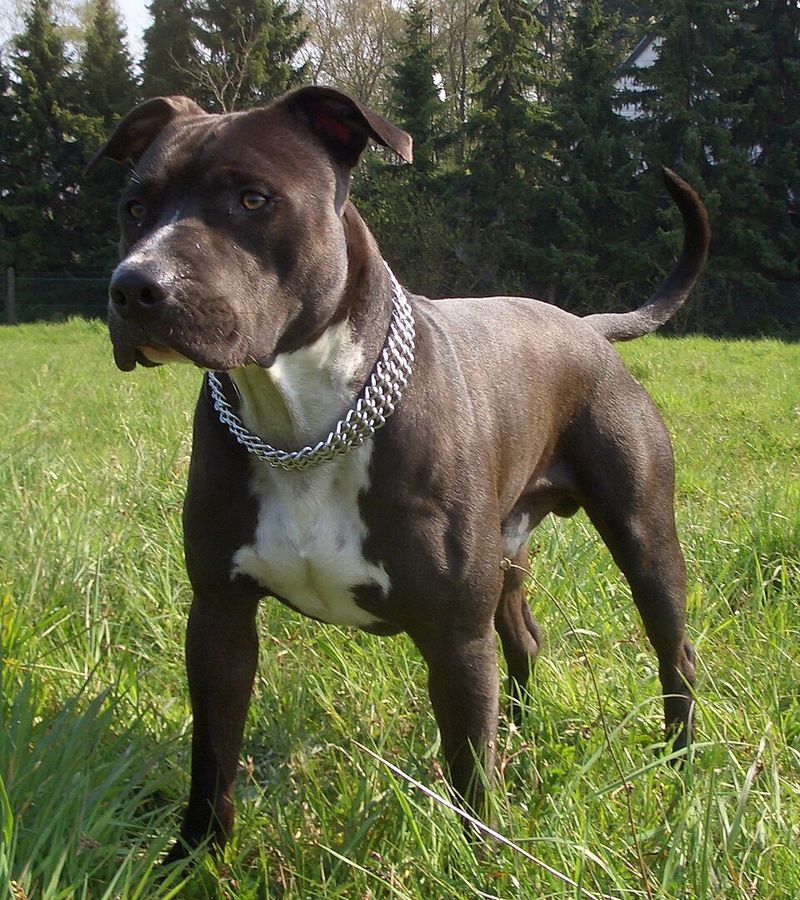
Big smile, wiggly body, zero chill when you come home. Sadly, many people judge this muscular breed by old rumors instead of real behavior.
Amstaffs are often huge people pleasers who love learning tricks for treats. Many shelters already test them with kids and other pets, so ask the staff for details.
Short coats mean easy grooming. Give them exercise, clear rules, and lots of praise, and you will have a loyal shadow for life.
Greyhound
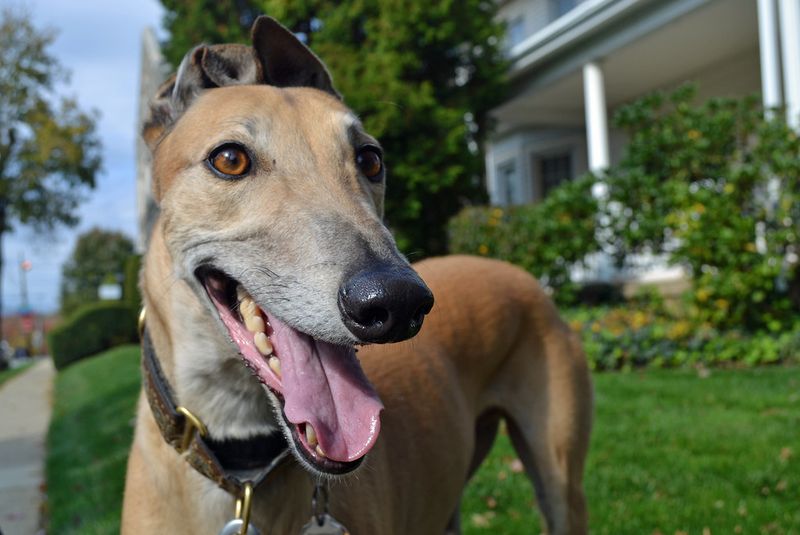
Here is a funny surprise: the fastest dog breed is also one of the laziest. Retired racing Greyhounds can hit 45 miles per hour, then nap for 18 hours a day.
Plenty of folks assume they need huge yards. Actually, a couple of short walks and one safe sprint each week usually do the trick.
Quiet and polite, they suit apartments well. Grab a sweater for winter, since their thin coats get chilly fast.
Chinese Shar-Pei
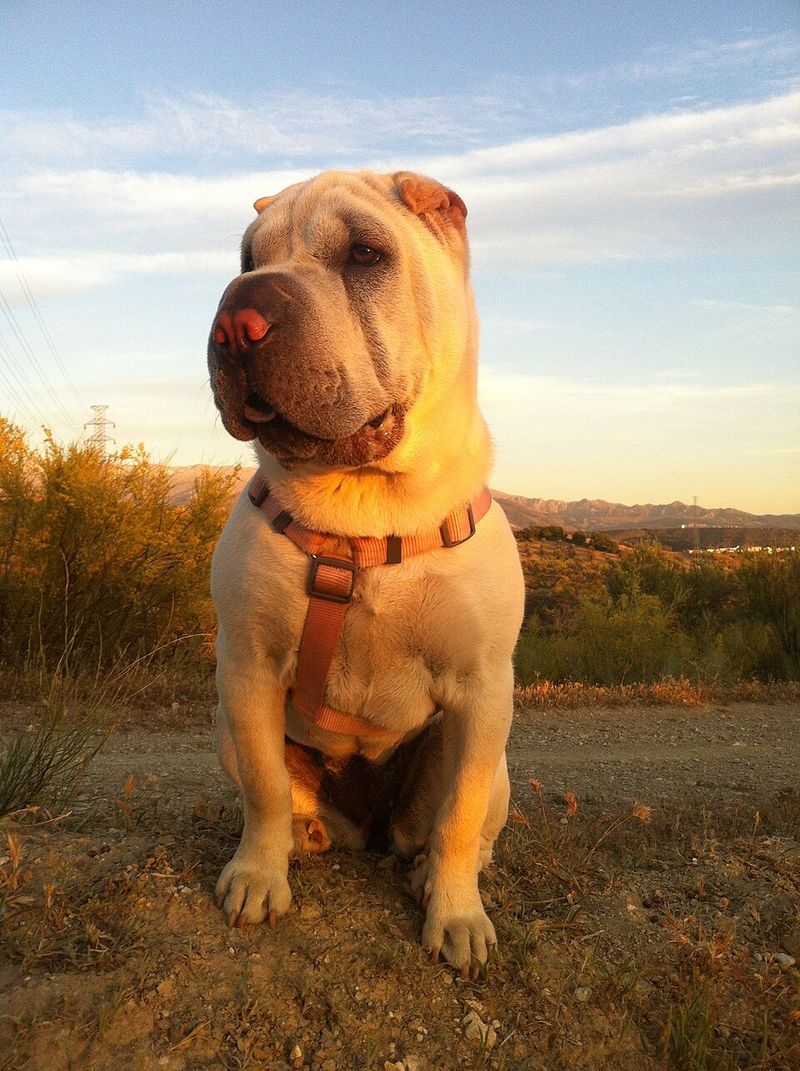
Wrinkles like a crumpled blanket and a face like a tiny hippo make the Shar-Pei hard to miss, yet it often gets passed by.
Many people think these dogs seem grumpy. In truth, they are calm, clean, and deeply devoted to their own family, though a bit cautious with strangers.
Did you know they come from ancient China and have blue-black tongues? Check those skin folds weekly, keeping them dry to avoid irritation.
Plott Hound
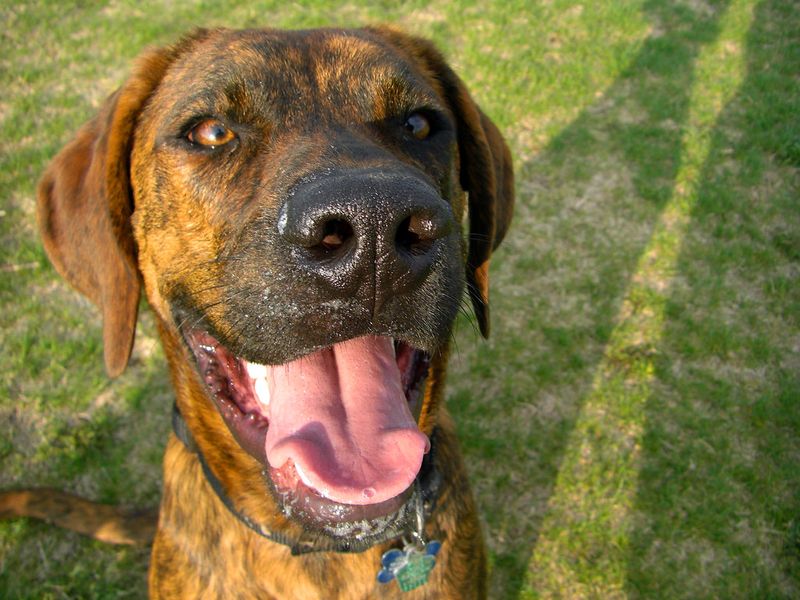
North Carolina chose this tough, brindle hound as its official state dog. Still, most people have never even heard the name.
German immigrants brought the Plott family’s dogs to the Smoky Mountains in the 1700s for hunting. Today, these hounds make brave, loving hiking buddies for active owners.
They are smart but stubborn, so short, upbeat training sessions work best. Reward good choices quickly, and their focus will grow week by week.
Australian Cattle Dog
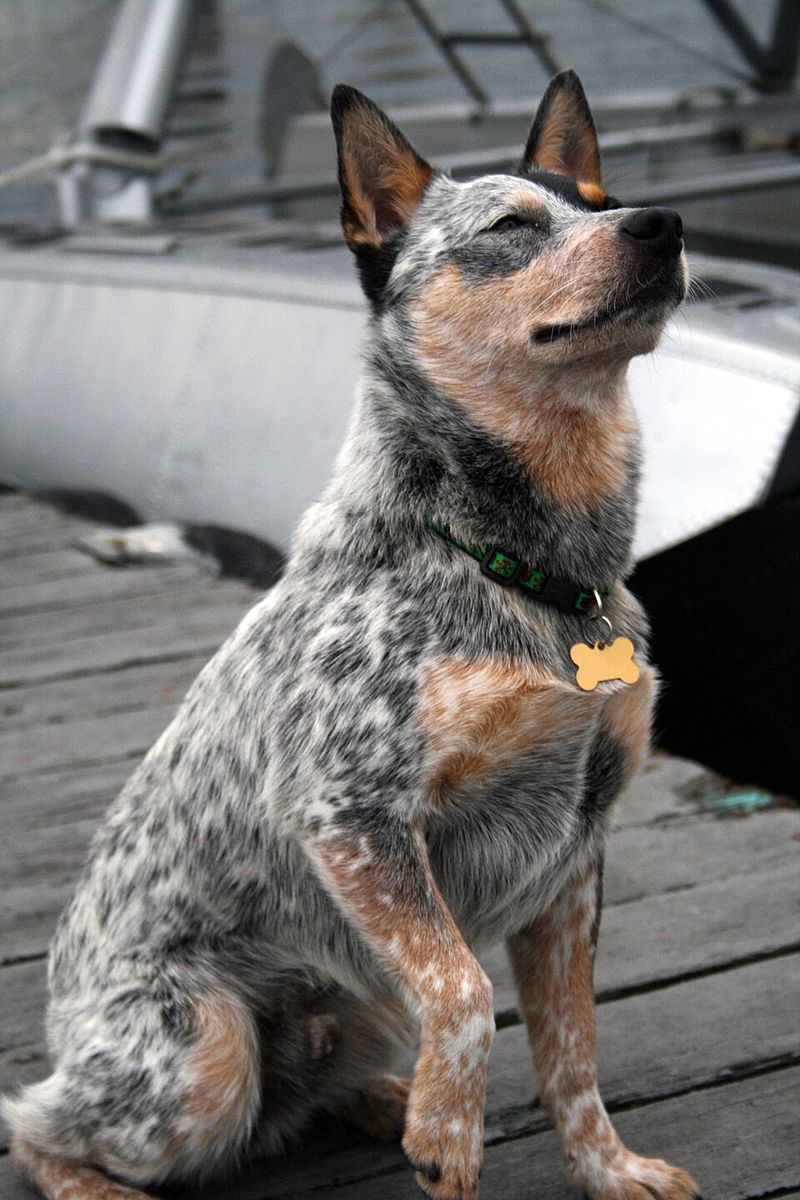
Got an active family that loves puzzles, hikes, and games of fetch? A heeler might be your dream match.
These clever dogs herded cattle across rough Australian land, so boredom can lead to chewing or nipping at heels. Some get returned to shelters simply because owners did not plan for their brainpower.
Try food puzzles, agility, or trick classes. With a job to do, they become focused, loyal, and incredibly fun teammates.
Chow Chow
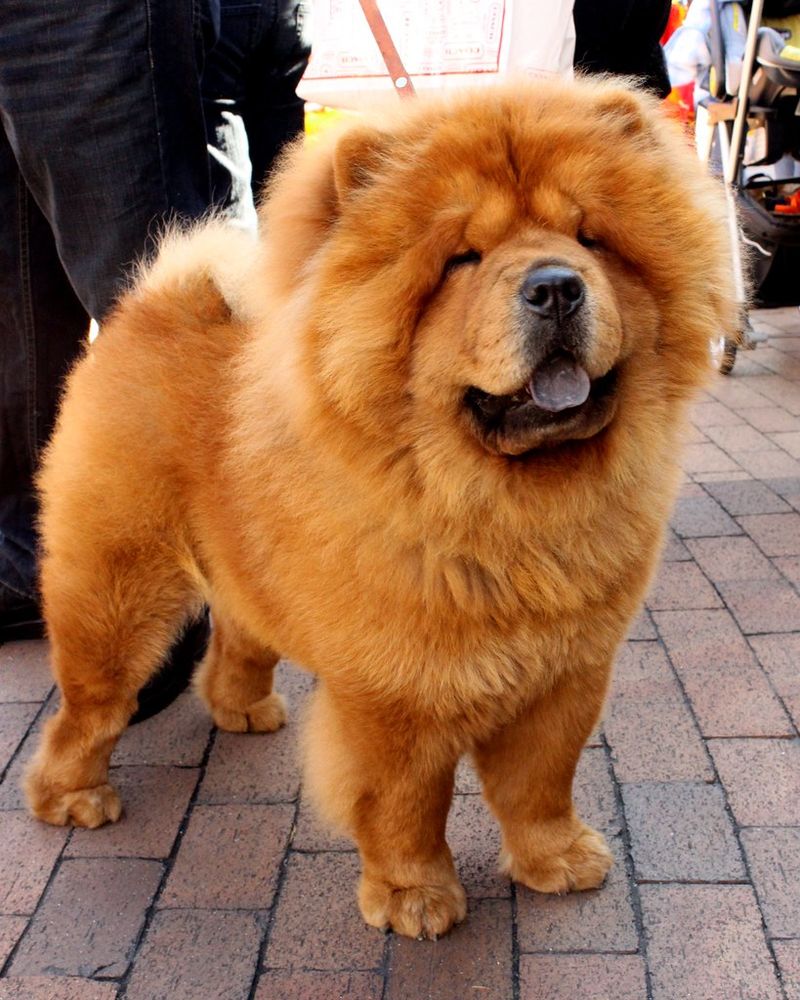
Picture a living teddy bear with the attitude of a cat. That pretty much sums up the Chow Chow.
Fluffy manes and serious expressions can make adopters nervous, but many Chows are quiet, tidy, and easy to house train. They tend to pick one or two favorite people and stick close.
Brush that thick coat a few times weekly. Early, gentle socializing helps them feel relaxed around visitors and new places.
Black Mouth Cur
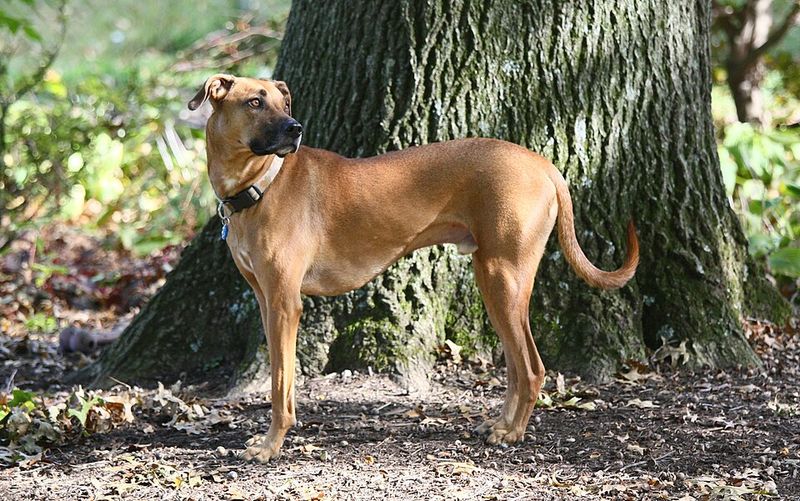
Ever read Old Yeller? Many fans believe the famous dog in that story was a Black Mouth Cur.
These golden, short-haired dogs come from the southern United States, where they guarded farms and helped with hunting. They often land in shelters labeled as mixes, so people overlook them.
Curs are brave and protective, yet tender with their families. Daily runs, firm but kind training, and plenty of affection help them truly shine.
Basenji
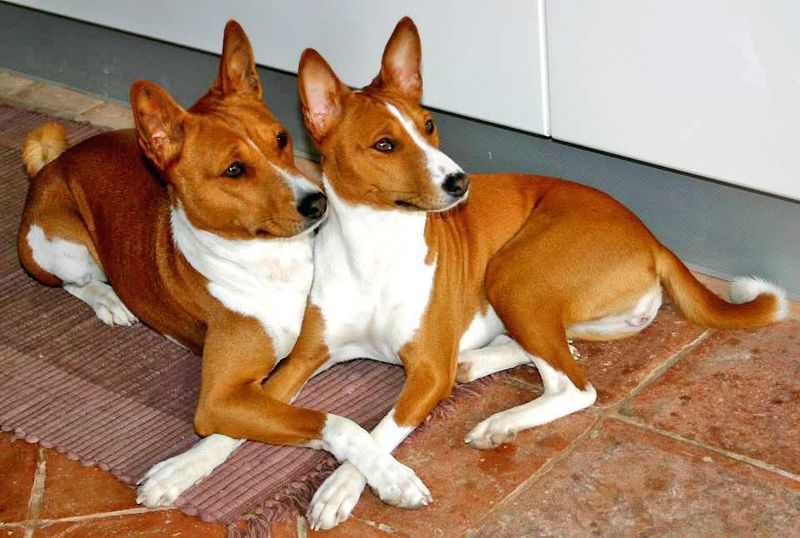
Imagine a dog that yodels instead of barks. Basenjis, an ancient breed from Central Africa, make a quirky sound called a barroo.
They groom themselves like cats and barely smell, which sounds perfect. However, their independent streak means they may ignore commands when something more exciting appears.
Keep them on a leash or inside a secure fence. Chew toys and daily play sessions will save your shoes from a curious, mischievous little explorer.
Senior Beagle
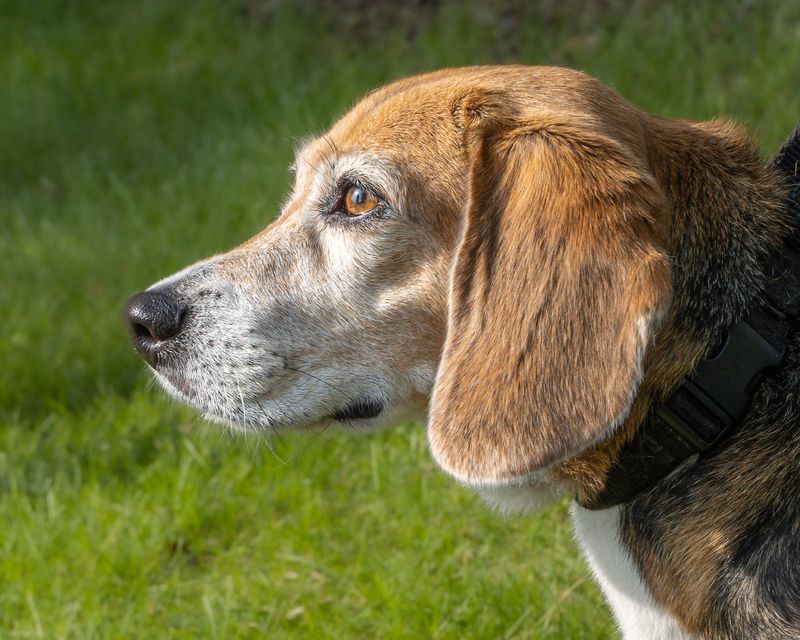
Puppies get all the attention, while gray-faced Beagles wait patiently in the back rows. That is a real shame.
Older Beagles are usually house trained, past the chewing stage, and happy with mellow strolls. Their cheerful noses still love sniffing out adventures, just at a slower pace.
Many shelters lower fees for senior pets. Ask about health records, then enjoy a calm, grateful friend who already knows how to be part of a family.