Some dogs slide neatly into household routines, while others test every rule you set. If you love high-drive or independent breeds, structure is not optional, it is your secret to harmony.
Clear boundaries protect your home, your sanity, and your dog’s confidence. Here are the breeds that need lines drawn from day one, plus a few that love to push limits on purpose.
German Shepherd
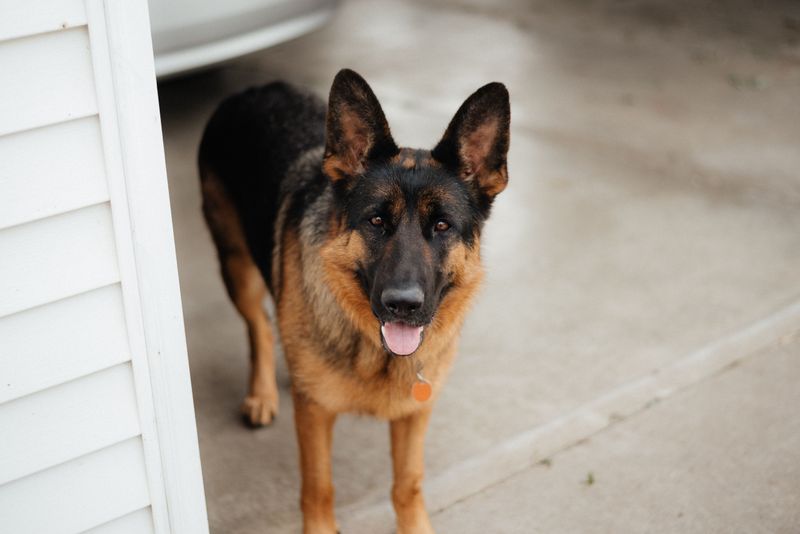
German Shepherds are brilliant, sensitive workers who read your energy like a book. They thrive when you set routines, define off limits zones, and reward calm choices.
Without structure, they easily become overprotective, vocal, and self appointed yard supervisors.
Give clear boundaries at doors, windows, and greeting time. Short obedience reps, leash manners, and place training help redirect that intensity into confidence.
Daily mental games and purposeful jobs keep them satisfied, while fair corrections teach what not to do. Start young, keep sessions upbeat, and be consistent so your dog relaxes into the rules.
Rotate toys, control access to guests, and practice neutrality around strangers and other dogs. That balance creates a steady companion at home, trail, and city life.
Belgian Malinois
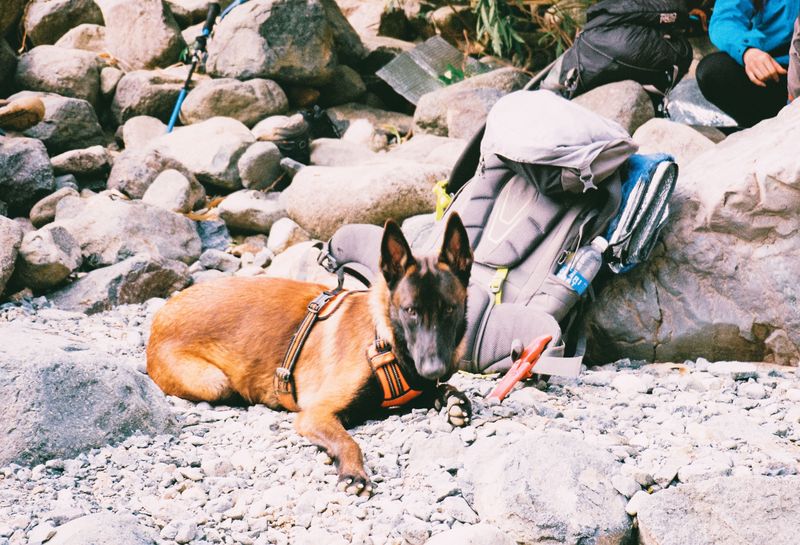
Belgian Malinois are kinetic problem solvers with rocket fuel under their paws. They notice everything and quickly create their own jobs if you do not provide one.
Boundaries prevent pacing, shadow chasing, and hypervigilant guarding that can overwhelm a household.
Use precise structure: kennel time, heel position, off switch cues, and controlled play. Teach impulse control through tug rules, out commands, and duration down stays.
Layer obedience over scent games and agility to burn energy, then insist on calm decompression. Be consistent, fair, and boring when excitement spikes, so arousal resets instead of escalating.
If you love drive and precision, this breed shines, but boundaries protect your peace. Clear expectations make rest possible, training safer, and daily life wonderfully predictable.
Cane Corso
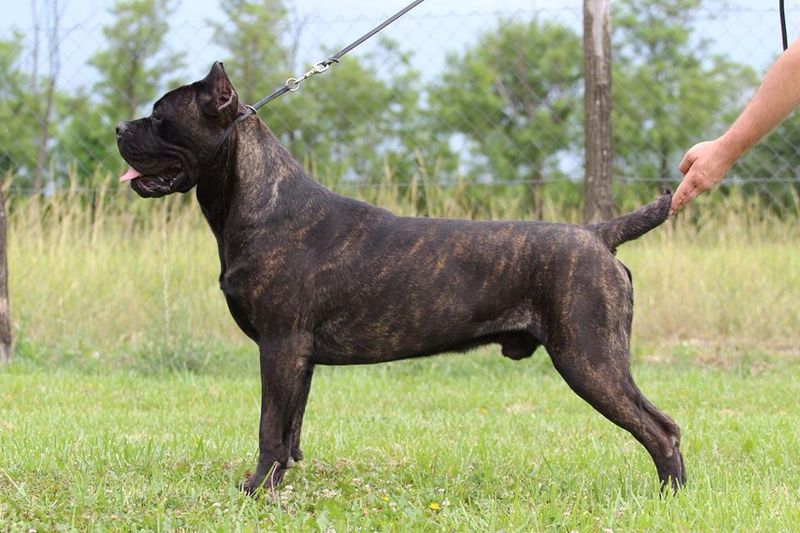
Cane Corso dogs are imposing, thoughtful guardians who bond deeply with their people. Without early rules, they may claim doorways, furniture, or yard boundaries as territory.
That confidence needs steering, not crushing, so they learn to relax and follow.
Prioritize leash skills, polite greetings, and place work before free roaming privileges. Manage introductions slowly, advocate for space, and reward neutrality over bravado.
Short training bursts, structured play, and quiet crate time build a steady dog that respects limits. Consistency from every family member matters, because mixed messages confuse this intelligent breed.
Guide calmly, correct fairly, and give purposeful outlets for strength, such as controlled tug or tracking. Respect given becomes respect returned, and harmony follows at home each day reliably.
Rottweiler

Rottweilers are confident, affectionate, and naturally discerning about strangers. They do best when you establish clear house rules and predictable routines early.
Without that, pushy leaning, door charging, and protective posturing can grow from cute to concerning quickly.
Teach impulse control at thresholds, reinforce calm on a bed, and practice loose leash walking daily. Reward neutrality around guests and dogs, then end interactions before arousal spikes.
Balanced training with fair corrections communicates boundaries kindly, keeping that big heart centered. Provide purposeful work like carting foundations, scent games, or focused obedience.
Advocate politely in public, and your Rottie becomes a calm, trustworthy teammate. Consistency makes boundaries feel safe, and safe dogs make families feel safe too every single ordinary day together.
Doberman Pinscher
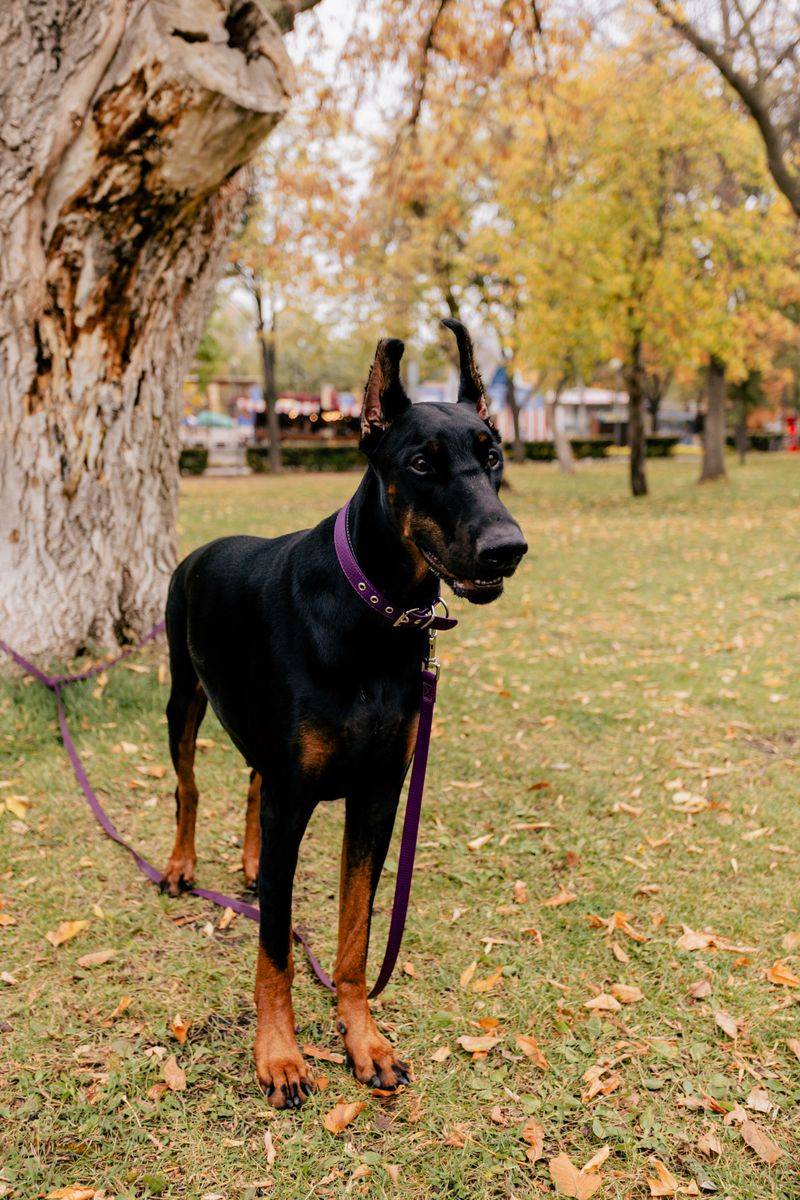
Dobermans are sensitive, athletic companions that mirror your emotions closely. Clear, patient leadership helps prevent anxious pacing, demand barking, and crowding your space.
They bond deeply, so independence skills and off switch practice keep balance in the relationship.
Work thresholds, teach a solid place, and reinforce heel with frequent resets. Reward quiet eye contact, relaxed body language, and slow breathing before giving access.
Mix obedience with scent work or tracking so their mind focuses, then end on calm. Fair corrections paired with generous praise make boundaries feel predictable and kind.
Give daily decompression walks, limit rough greetings, and manage doorways to protect progress. Confidence grows when expectations stay steady, and life together becomes easy at home and beyond each day.
Border Collie
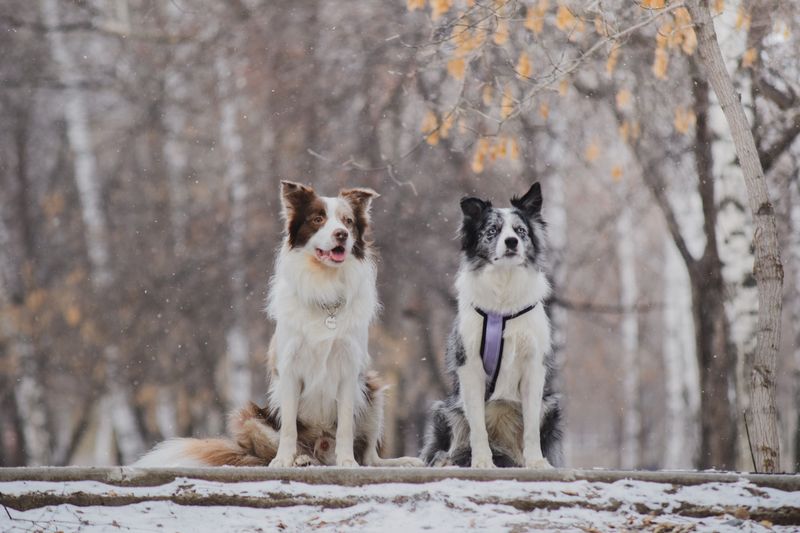
Border Collies are brilliant observers that invent rules if you do not provide them. They will herd kids, chase bikes, and micro manage movement without structure.
Boundaries keep those instincts useful while preventing reactivity and obsessive patterns around motion.
Teach a rock solid down, place, and recall, then reward calm watching instead of staring. Use long lines, decompression walks, and scatter feeding to meet needs without chaos.
Channel energy into tricks, agility foundations, and scent games, ending with quiet cuddles. Predictable limits reduce anxiety, protect joints, and help your dog nap between thrilling training sessions.
Consistency now pays dividends later, giving you harmony at home and focus on walks in busy parks and around tempting wildlife every sunny weekend.
Australian Shepherd
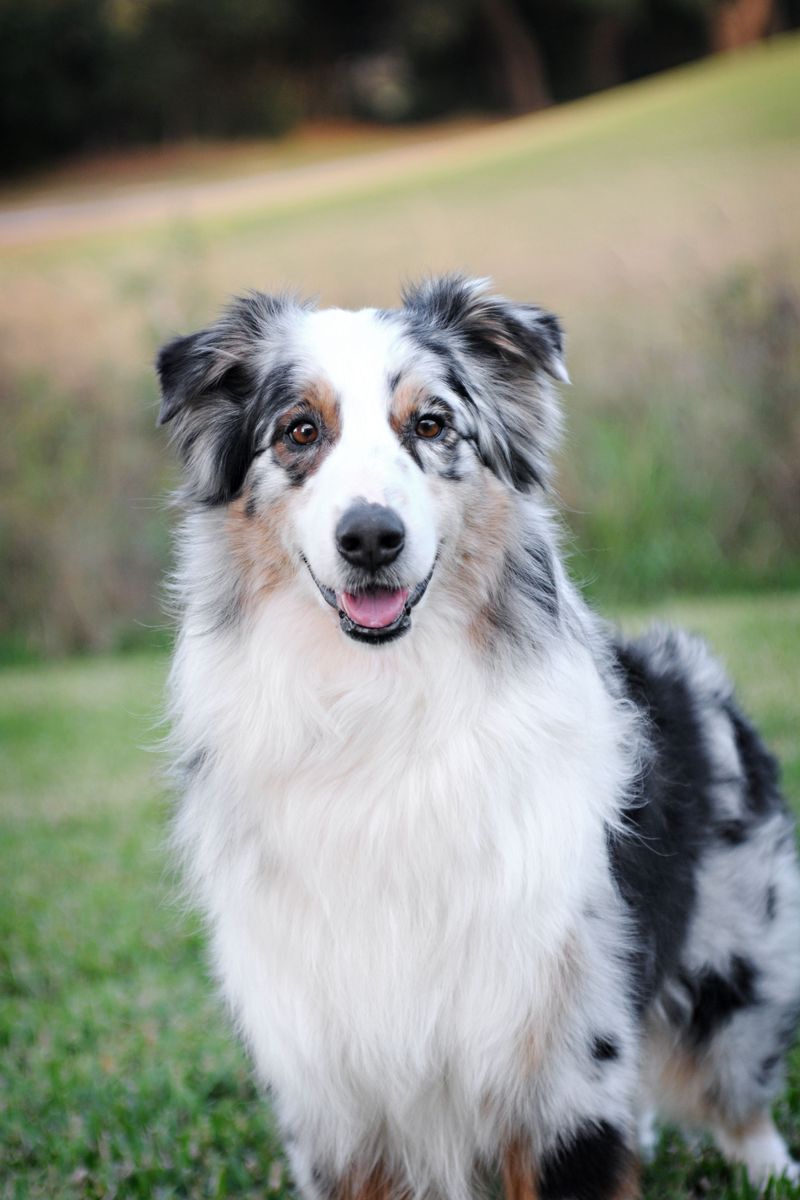
Australian Shepherds are lively minds in athletic bodies, eager to participate in everything you do. Without boundaries, they become door greeters, yard patrollers, and couch parkers with big opinions.
Early structure keeps their brilliance cooperative and prevents rehearsing bossy behaviors.
Teach place, crate comfort, and off switch skills alongside playful training. Reward calm when visitors arrive, hold space at thresholds, and keep heeling crisp but short.
Mix herding style games, disc basics, and puzzles, then insist on naps to reset arousal. Consistent boundaries build trust, so your Aussie listens even when excitement surges.
That balance gives you a cheerful partner on hikes, road trips, and lazy Sundays at home and in town all year long together, with calm choices daily.
Giant Schnauzer
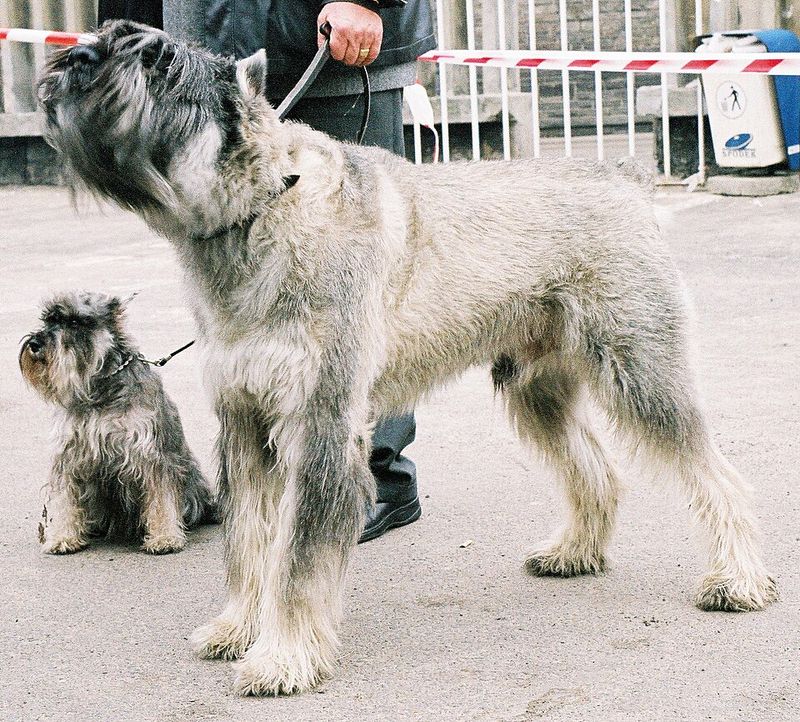
Giant Schnauzers are bold, bouncy thinkers with a serious work ethic and protective edge. Without early boundaries, they practice jumping, nipping sleeves, and selective hearing.
Clear structure channels that power into manners, keeping family life sane and fun.
Teach impulse control with sits, downs, and door manners that always matter. Use tug with rules, flirt pole sessions, and place work to build an off switch.
Short, frequent training prevents frustration, while calm handling and consistency make expectations unmistakable. Giant confidence needs guidance, not conflict, so correct fairly and praise generously.
Then you get a grounded partner who can focus at home, in public, and anywhere, with thoughtful leadership every single day on your team through work and rest cycles reliably.
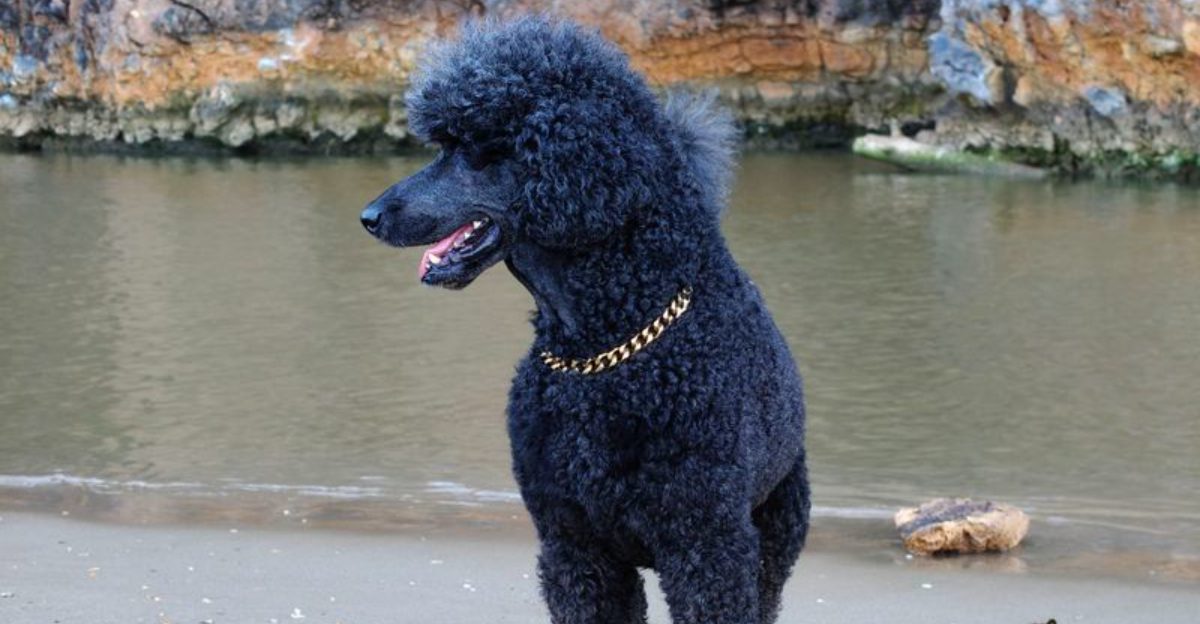
Standard Poodle
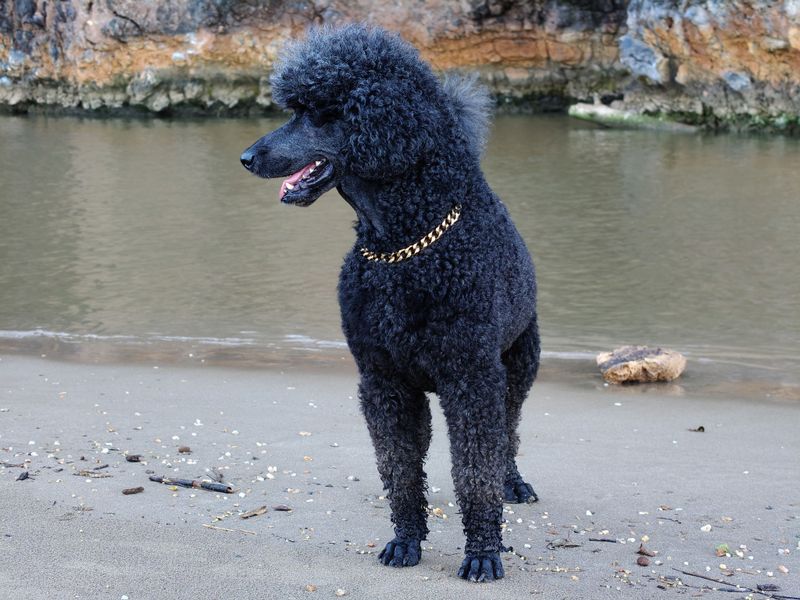
Standard Poodles are witty, athletic, and far more driven than many expect. They quickly learn patterns, so unclear rules lead to clever boundary testing.
Early structure prevents counter surfing, demand barking, and gate rushing by teaching calm brings access.
Focus on place training, leash skills, and thoughtful greetings with lots of reinforcement. Rotate enrichment like scent boxes, shaping games, and retrieve practice to satisfy curiosity.
This breed blossoms under fairness, clarity, and variety, then chills beautifully when expectations stay steady. Give outlets for grooming tolerance and handling, pairing boundaries with patient, upbeat reps.
Soon you enjoy an elegant clown who respects space and shines anywhere, from coffee shops to forests on weekend adventures together, with calm recovery at home nightly.
Boxer
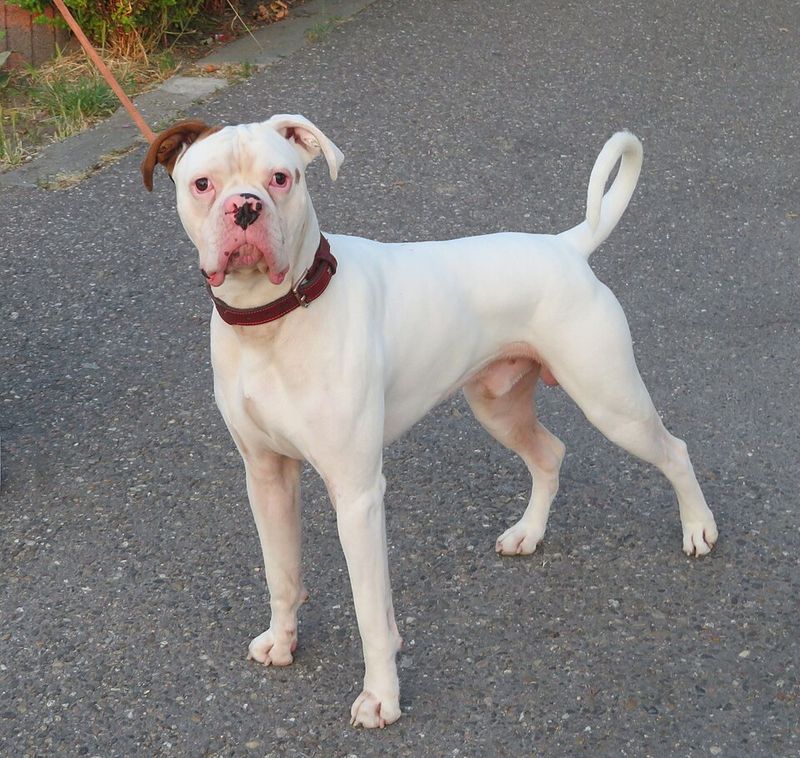
Boxers are joyful, sensitive comedians with springs for legs and opinions about everything. Without boundaries, they jump on guests, bulldoze play, and forget their size during greetings.
Early structure teaches fun has rules, protecting joints and making manners automatic.
Practice place, leash skills, and calm doorways before exciting playtime. Reward four on the floor, soft mouths, and slower tempos, then release to romp.
Mix obedience with snuffle mats and flirt pole games, ending sessions with cuddles to downshift. Consistency from everyone matters because mixed signals create pushy habits and confusion.
With clear boundaries, your Boxer becomes a polite ham who brightens every outing and relaxes like a champ on the couch after adventures, feeling secure in predictable routines daily.
Shiba Inu
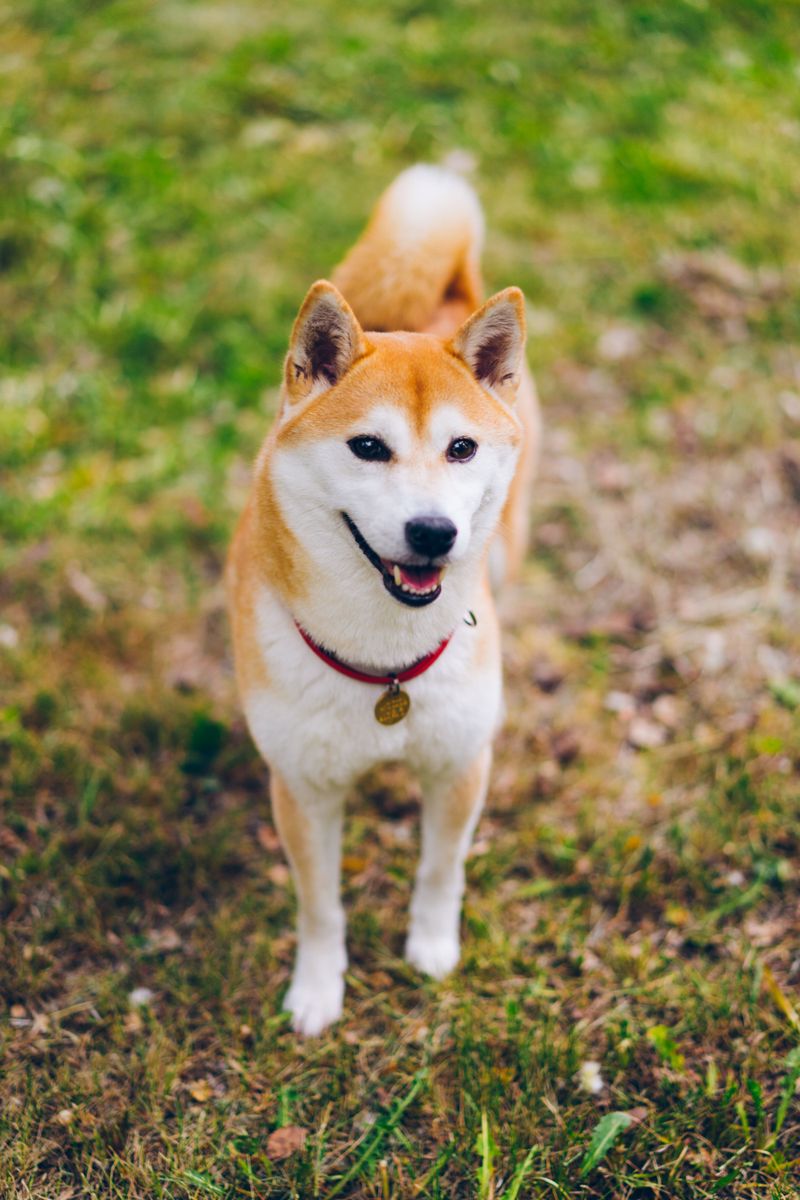
Shiba Inu are independent, catlike strategists with selective hearing and serious opinions. Boundaries prevent bolting, door darting, and resource guarding that can escalate.
Respectful structure keeps the relationship cooperative rather than a constant negotiation.
Use long lines, practice collar handling, and teach a brilliant recall with huge reinforcement. Reward quiet, calm choices, and keep greetings brief to avoid drama.
Train tricks and scent games for fun, but insist on place and crate skills for balance. Fair limits plus generous pay keep this clever fox engaged without testing your patience.
Be unruffled, consistent, and predictable, and cooperation grows day by day, turning stubborn moments into teachable wins over time together.
Basenji
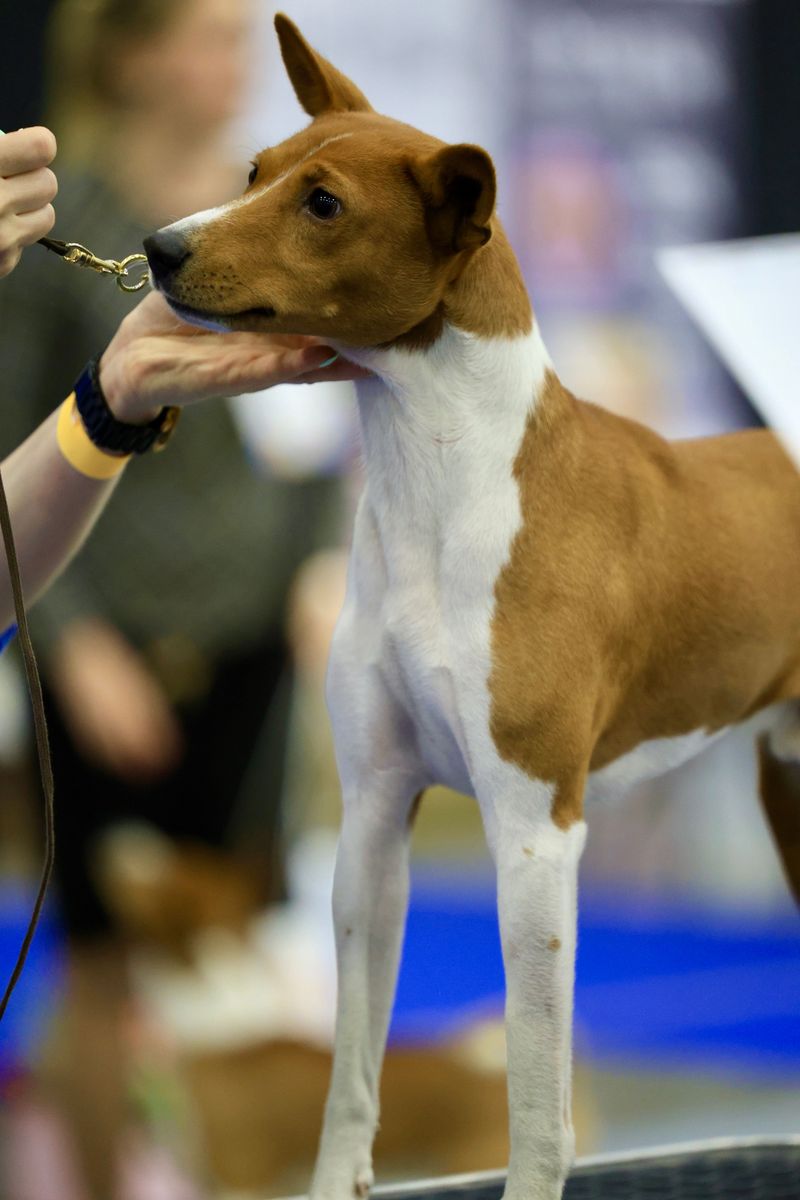
Basenjis are quiet, cunning athletes with curiosity for days and a flexible moral compass. Left unchecked, they climb, counter surf, and vanish after squirrels with a grin.
Boundaries keep the mischief charming and your sanity intact.
Use management and structure like crates, baby gates, and long lines to guide success. Teach impulse control games, capture calm, and pay heavily for recalls.
Provide enrichment that tires the brain, then build nap habits so recovery becomes part of the program. Stay cheerful and consistent, because dramatic reactions feed the prankster spirit.
Your even keel makes boundaries believable, and soon you have a charming roommate who raids less and snuggles more after epic adventures outside daily, with freedom earned by great choices today.
Chow Chow
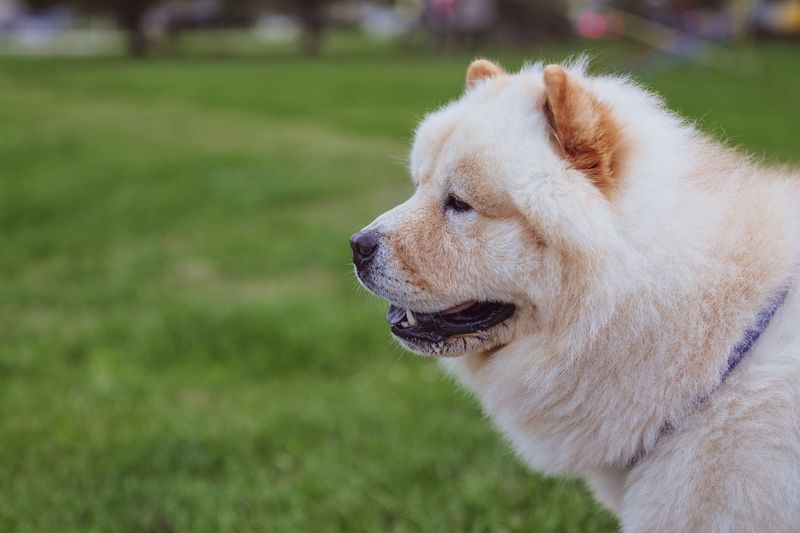
Chow Chows are dignified, independent thinkers that value personal space and predictable routines. Without boundaries, they may guard doorways, couches, and food bowls by default.
Early structure and thoughtful handling prevent misunderstandings and keep everyone comfortable.
Teach polite yields, calm greetings, and place work, reinforcing relaxed body language. Advocate for space with strangers and dogs, rewarding neutrality more than interaction.
Clarity plus respect creates trust, so your Chow participates willingly without feeling micromanaged. Short sessions, gentle grooming practice, and consistent rules build confidence and household peace.
Patience pays, and your relationship deepens as your dog chooses cooperation over conflict at home on walks and during vet visits across the years ahead together, building quiet loyalty you will truly appreciate daily. Boundaries make this noble soul feel safe and understood in every season shared.