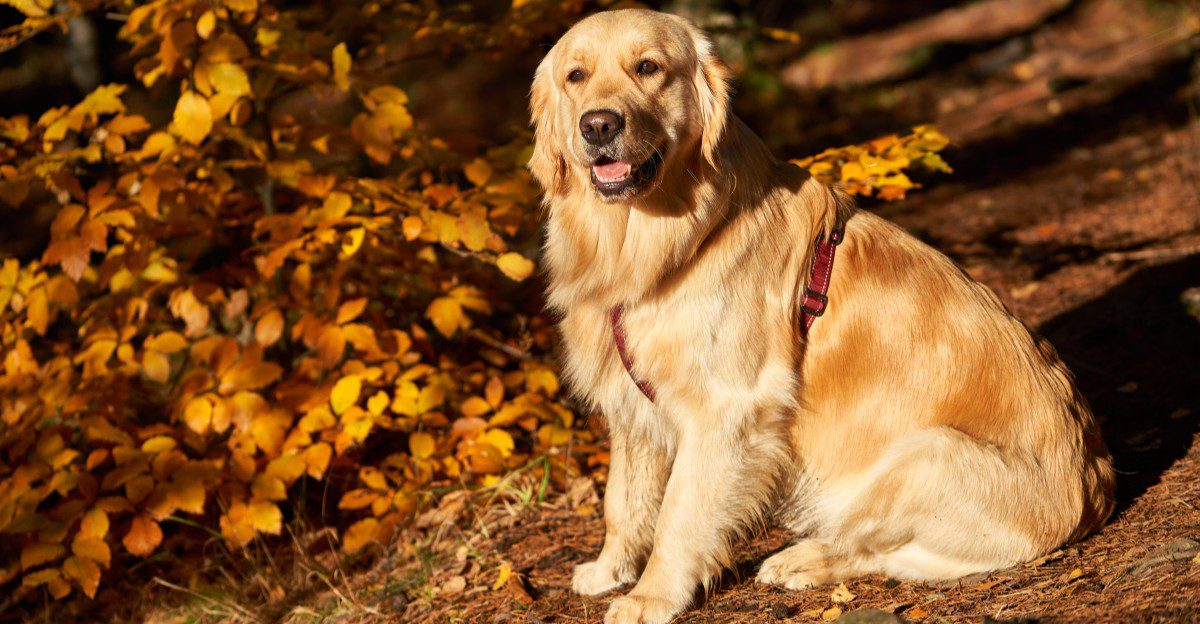
Some dogs enjoy a quiet circle of people, while others light up when the house is buzzing. Knowing which type you have helps you train, socialize, and set up a happy home.
This guide highlights pups that like a smaller social world, plus a few that thrive on lively homes. Use it to match your lifestyle and make better choices for you and your dog.
Akita
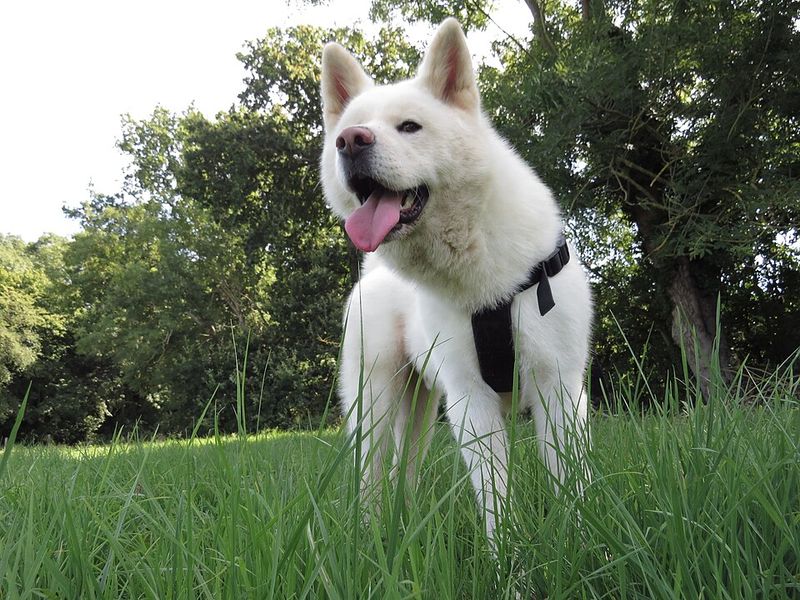
With a steady gaze and quiet pride, the Akita chooses its people carefully. Loyalty runs deep, yet it prefers a calm home with predictable routines.
Short, confident training sessions build trust, and early socialization keeps manners steady without forcing constant meetups.
Provide a secure yard, sturdy chew toys, and daily mental work like scent games. Respect personal space around strangers.
A tired Akita is a content guardian, happiest when the family circle feels small and safe.
Shiba Inu
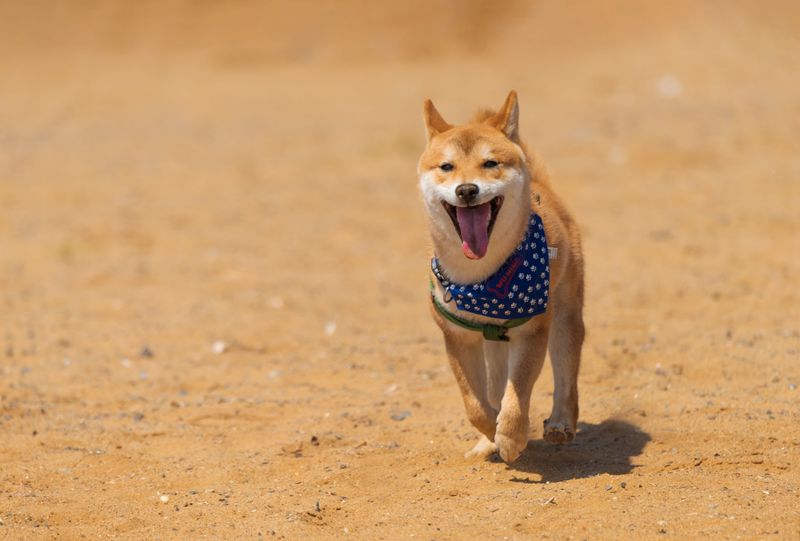
Independent by nature, the Shiba Inu often acts like a cat in a dog suit. It appreciates polite introductions and does best when new people do not crowd its space.
Clear boundaries and reward-based training help channel that strong will into good habits.
Daily walks with sniff breaks beat chaotic dog parks. Rotate puzzle feeders and practice simple tricks to engage the mind.
Keep grooming regular, and let trust develop at the Shiba’s chosen pace.
Chow Chow
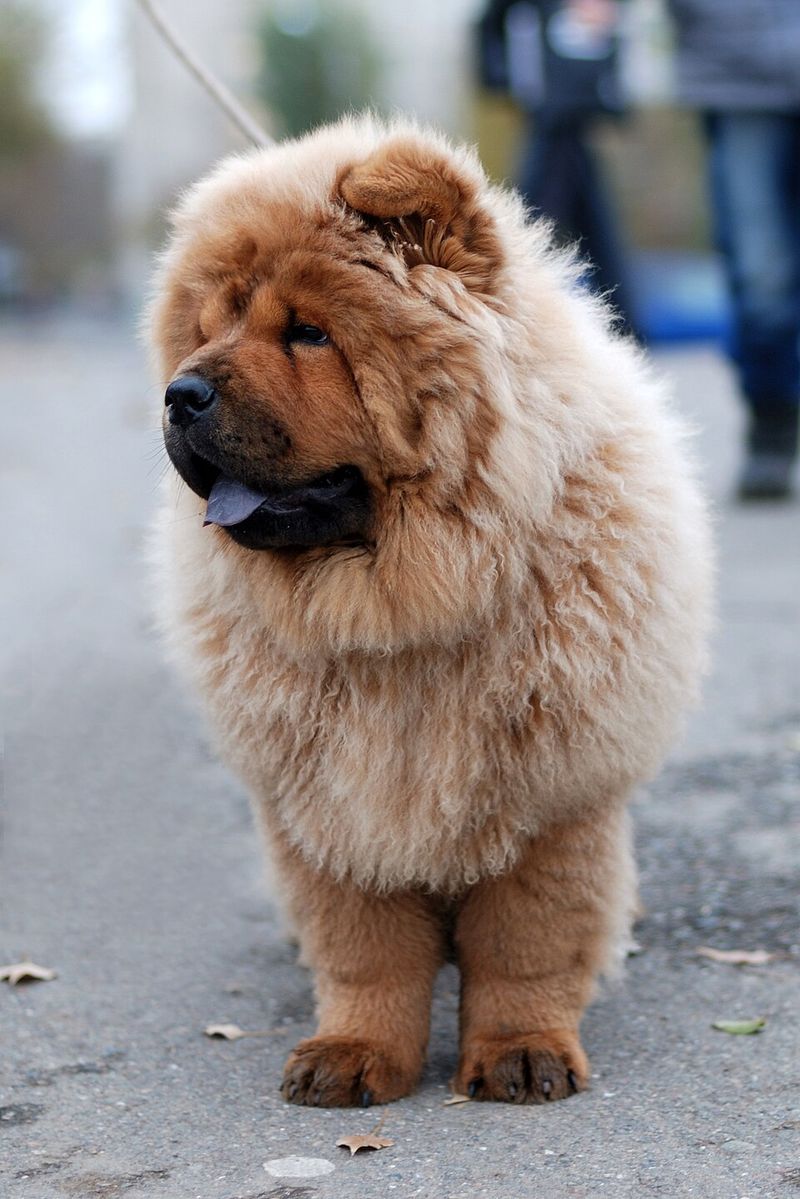
Stately and reserved, the Chow Chow tends to keep feelings under wraps. It bonds strongly with family yet remains aloof with unfamiliar guests.
Gentle handling and slow, steady training build confidence without pushing too hard.
Brush that thick coat often and schedule quiet walks at off-peak times. Teach visitors to ignore the dog at first, allowing a calm sniff and retreat.
Structure, patience, and low-stress social moments help the Chow feel secure.
Scottish Terrier
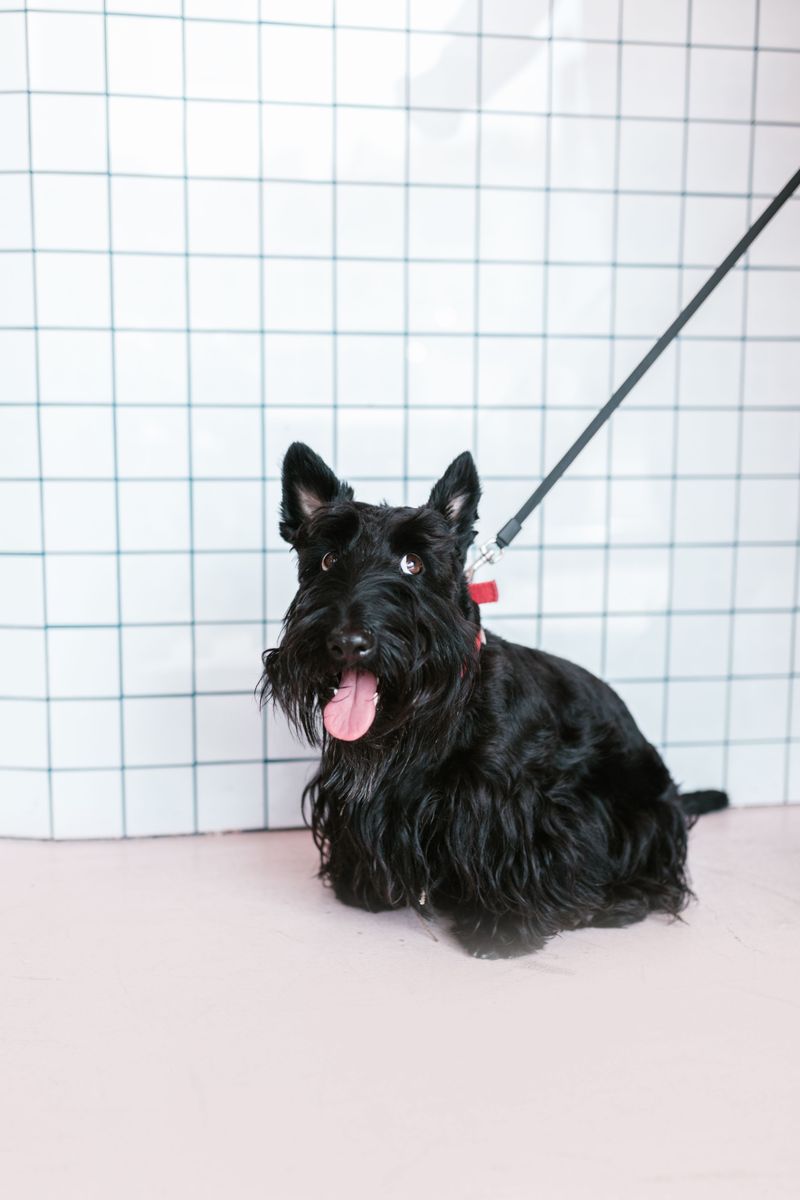
Bold spirit in a compact body, the Scottie often prefers a tight-knit crew. Instead of endless playdates, it loves purposeful walks and nose work.
Clear house rules keep that terrier independence from turning into pushiness.
Groom the coat regularly and refresh manners with short, upbeat sessions. Introduce new friends one at a time, using treats and space to reduce pressure.
When respected, a Scottie rewards you with loyalty, humor, and sharp problem-solving.
Shar-Pei
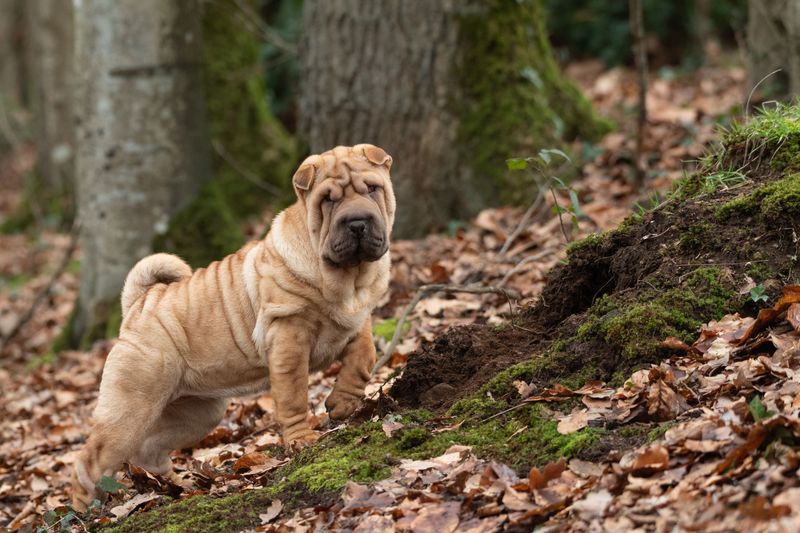
Quiet confidence defines the Shar-Pei. Many are content with a few trusted humans and a predictable day.
Positive reinforcement works best, paired with early, low-pressure socialization to prevent overguarding.
Choose calm walking routes and limit rough play with unfamiliar dogs. Keep skin clean and dry between the wrinkles and watch for irritation.
Mental games that use scent or simple problem-solving satisfy the mind. Less bustle, more routine, and respectful handling make this breed shine.
Great Pyrenees
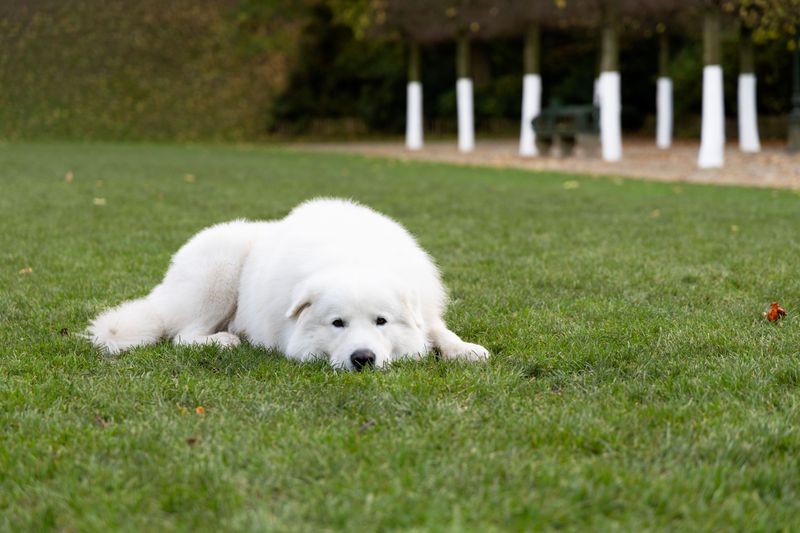
Bred to watch over flocks, the Great Pyrenees often surveys life from a thoughtful distance. It values calm spaces and time with family more than packed gatherings.
Firm but kind training helps manage the instinct to patrol and make decisions.
Provide a secure fence and steady exercise, like evening strolls. Introduce newcomers slowly, rewarding relaxed behavior.
Regular grooming sessions become bonding time. A balanced routine turns this watchful guardian into a tranquil, dependable companion.
Rhodesian Ridgeback
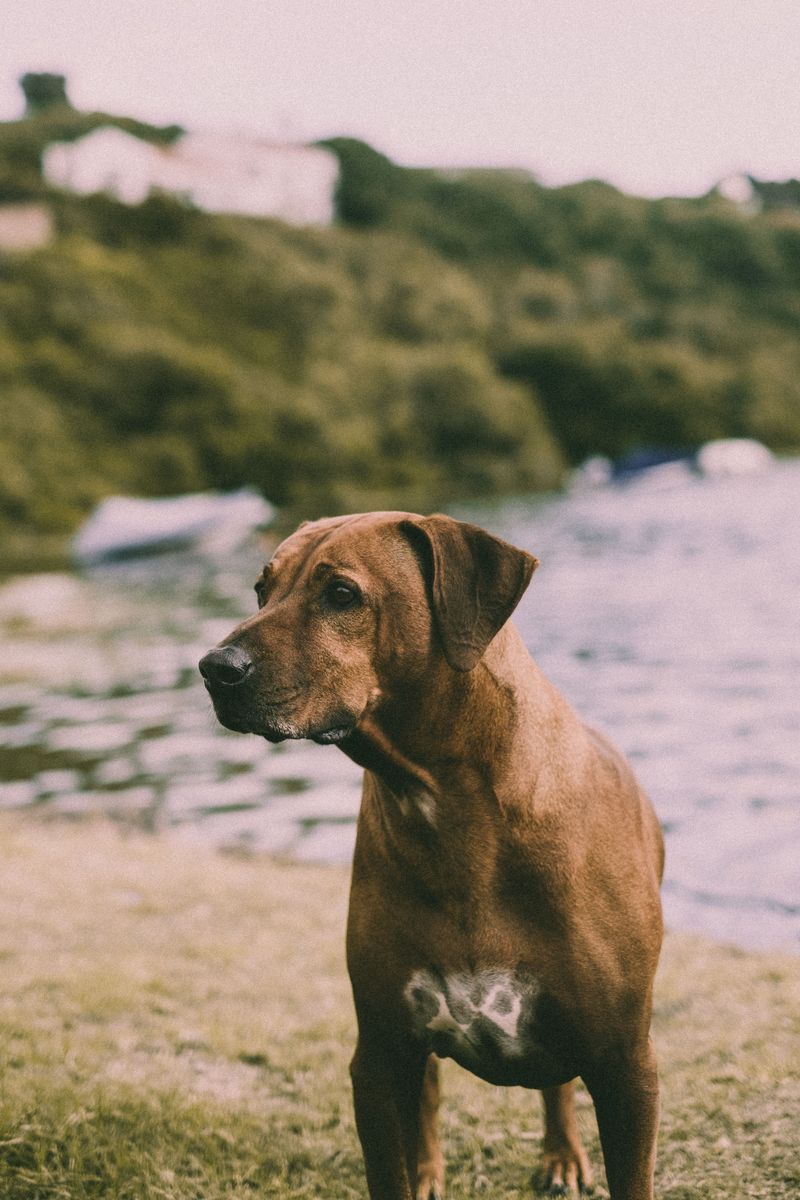
Adventure-ready yet selective, the Ridgeback often prefers a few close friends. It thrives with clear leadership, consistent recall practice, and outlets for energy like hiking or canicross.
Crowded dog parks can feel overwhelming, while wide open spaces feel perfect.
Start social lessons early and keep interactions purposeful. Rotate durable toys and short training drills to focus the mind.
Respect its independence, reward calm choices, and you will see a loyal, thoughtful partner emerge.
Lhasa Apso
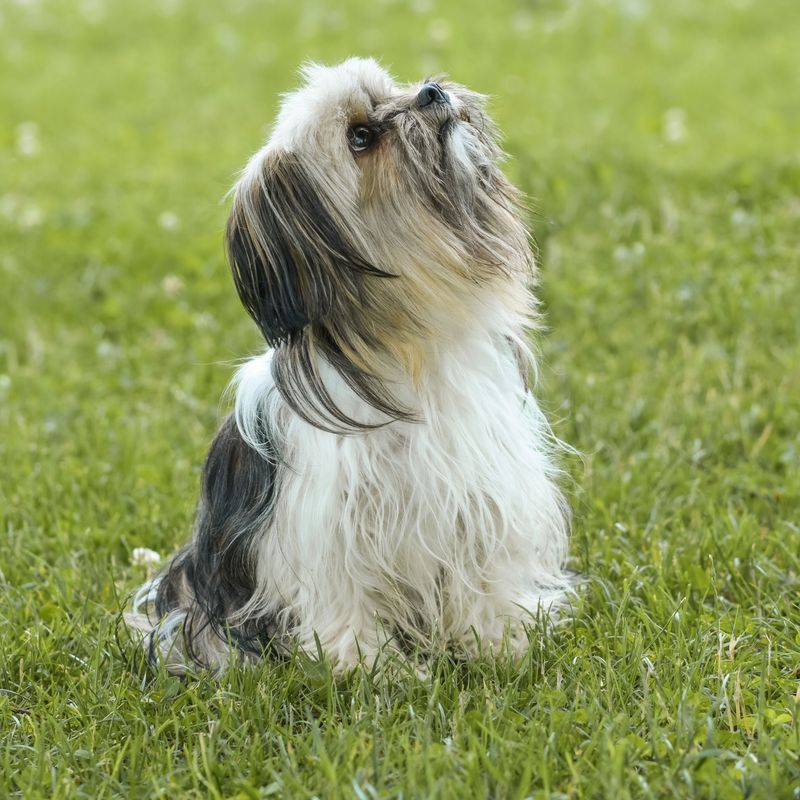
Centuries as monastery sentinels shaped the Lhasa Apso into a keen observer. Many like a smaller circle, greeting strangers with polite distance.
Short, gentle training sessions and early grooming lessons build trust and reduce stubborn moments.
Daily walks, indoor play, and scent games keep the mood upbeat. Manage coat care with frequent brushing or a practical puppy cut.
Give visitors space to earn attention. With patience, this watchful companion becomes affectionate and witty.
Greyhound
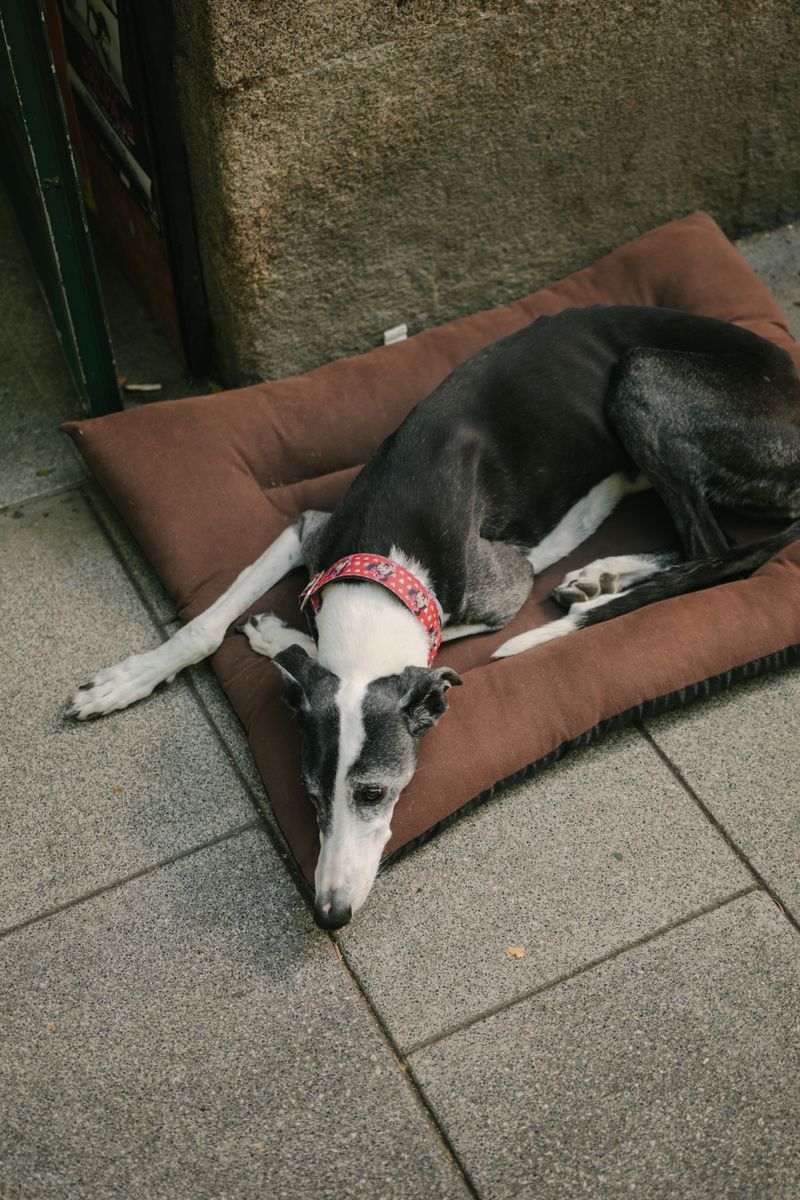
Track star outside, couch poet inside, the Greyhound enjoys peaceful homes and gentle company. Many prefer calm greetings and low-drama routines.
Soft beds, simple training, and short bursts of zooming meet needs without chaos.
Use a snug house collar and teach leash skills with patience. Avoid rough dog parks and seek mellow walking hours.
Add food puzzles for mental variety. With kindness and consistency, this sensitive athlete blossoms into a serene roommate.
Basenji
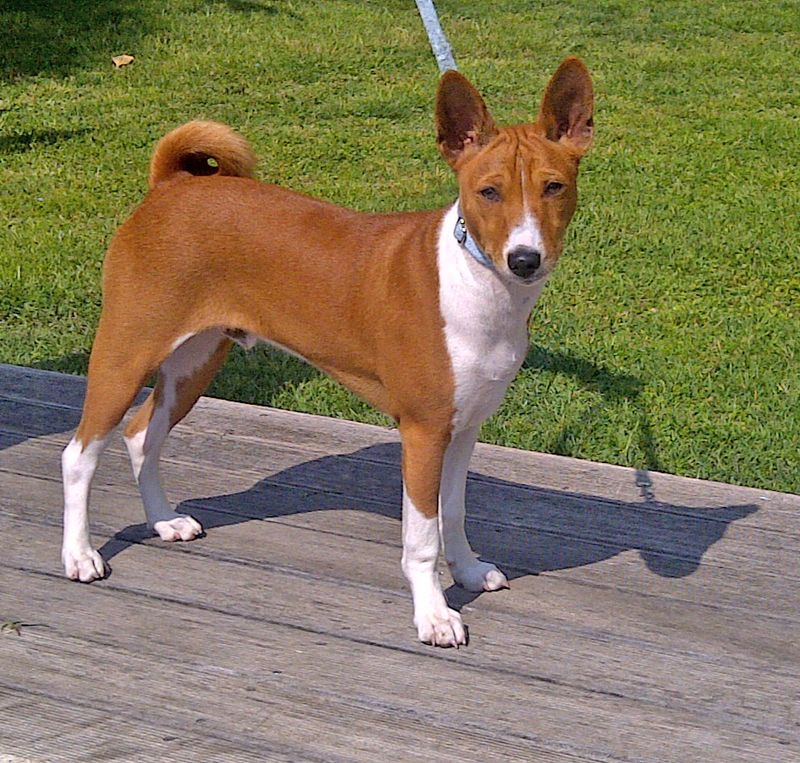
Often called the barkless dog, the Basenji communicates with looks and yodels. It forms strong bonds yet tends to be selective with outsiders.
Smart and quick, it craves mental puzzles more than noisy parties.
Keep training playful and short, using scent games and fetch with rules. Secure fences are vital because curiosity runs hot.
Introduce friends gradually, letting the Basenji choose closeness. Respect that independent streak and you gain a sharp, entertaining partner.
Golden Retriever
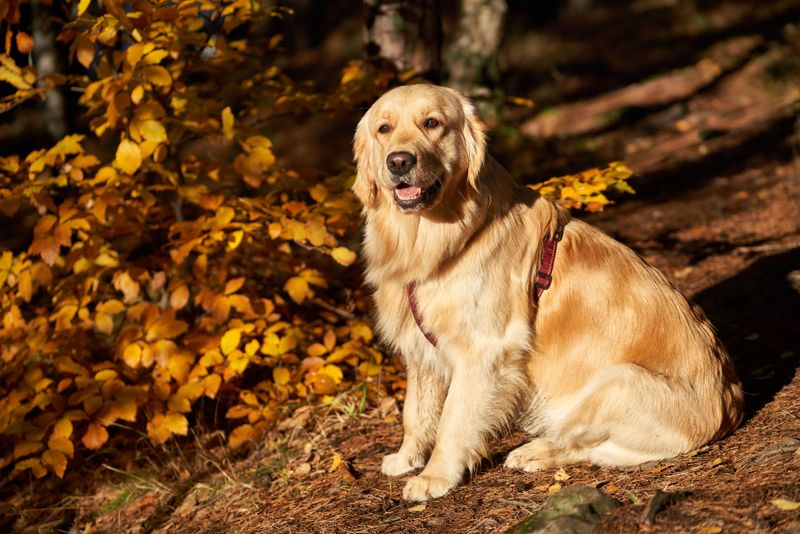
Joy seems to pour out of the Golden Retriever, and it often thrives when the house hums. Friendly neighbors, visiting relatives, and playdates usually mean more chances to share affection.
Basic obedience comes easily with food rewards and upbeat praise.
Frequent fetch sessions, light jogging, and community outings keep energy in check. Regular brushing manages shedding.
Teach calm greetings to balance enthusiasm. In a busy home, this sunny helper becomes everyone’s favorite teammate.
Boxer
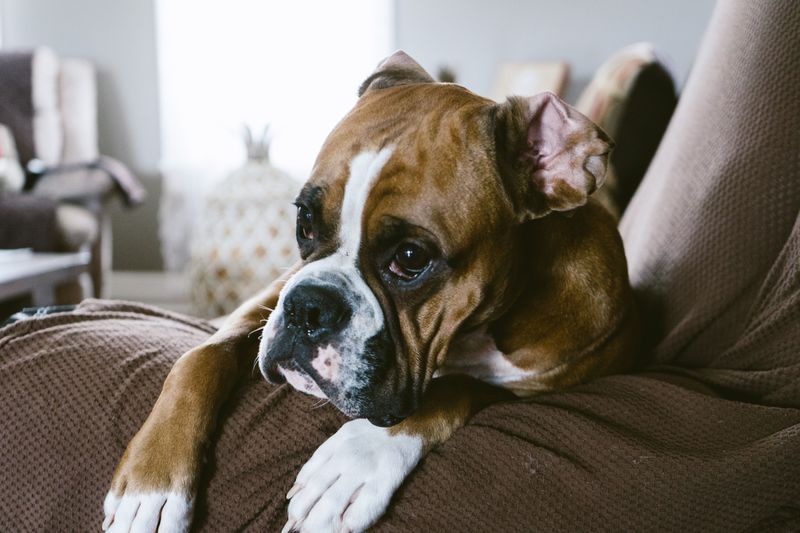
Comedian at heart, the Boxer loves an audience. It drinks in family energy and turns it into goofy play and loyal protection.
Consistent training helps focus the fun so excitement does not spill into jumping or mouthing.
Plan daily exercise like tug, agility basics, or brisk walks. Rotate tough toys and give clear cues for quiet time.
With a full schedule and steady guidance, the Boxer turns household chaos into cheerful teamwork.
Irish Setter
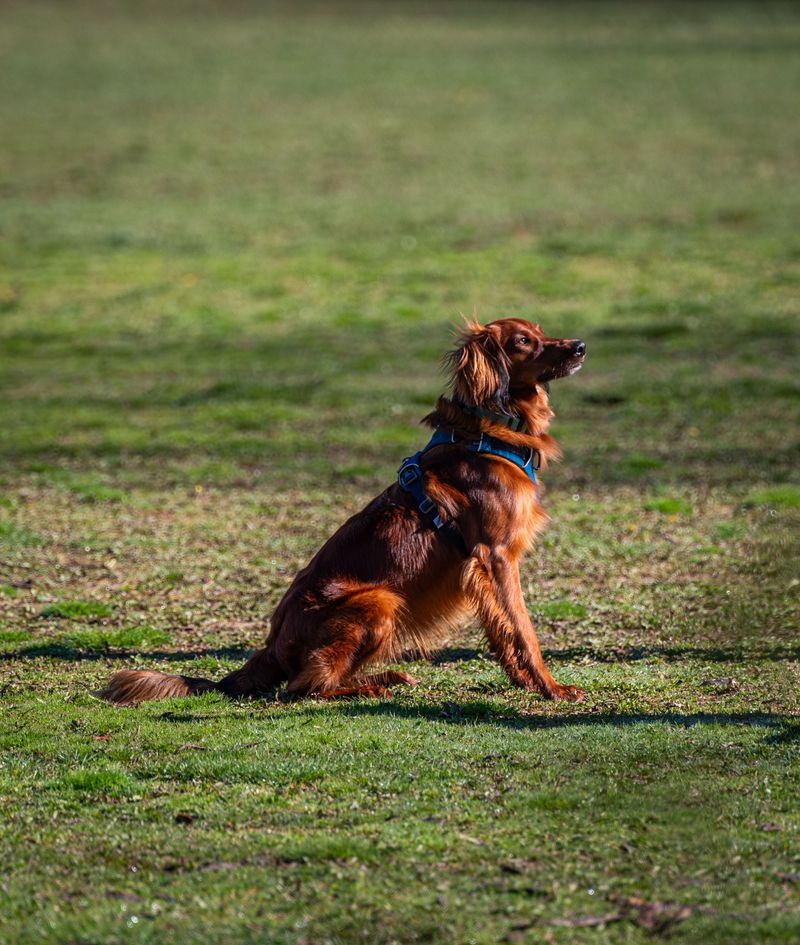
Joyful motion defines the Irish Setter, a natural social butterfly. It welcomes guests like old friends and loves group adventures.
Channel that sparkle with recall practice and playful obedience so excitement stays friendly and safe.
Daily running, field games, and trick training keep the brain and body satisfied. Groom the silky coat after outdoor fun.
In a lively home with clear routines, this red whirlwind becomes a charming, enthusiastic companion for all.