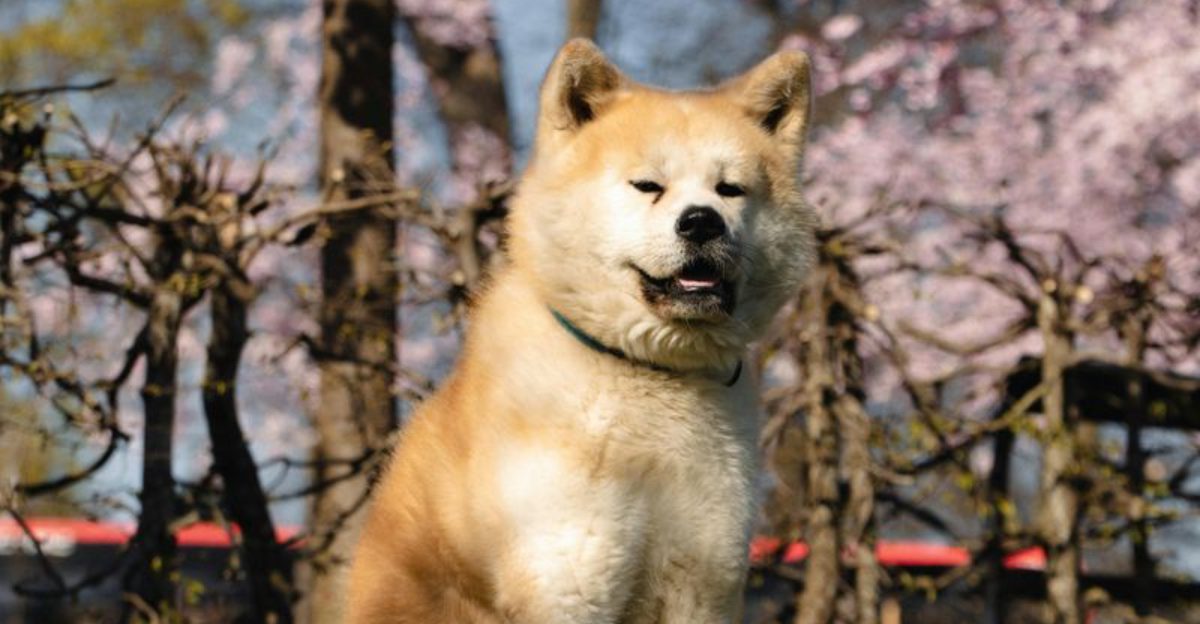
Some dogs are legendary for their loyalty, but their strength and intensity can backfire without thoughtful training. If you are considering a powerful guardian breed, you need a game plan that keeps everyone safe and respected.
This guide breaks down what to expect and how to handle these dogs with fairness and confidence. Read on to learn realistic, practical strategies you can put to work right away.
Cane Corso
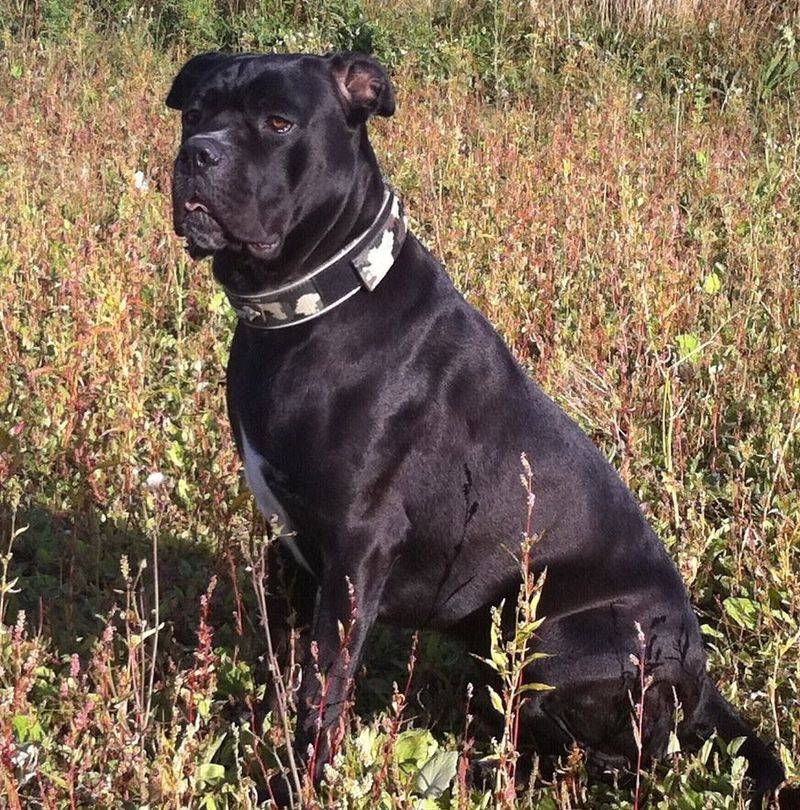
Cane Corsos are powerful, confident guardians with serious territorial instincts. Without consistent structure, they may test limits, resource guard, or overreact to perceived threats.
You need clear rules, calm leadership, and careful introductions to visitors and service workers. Protective behavior is natural for this breed, but it must be directed responsibly every single day.
Early socialization must be thorough, positive, and ongoing through adolescence. Use reward based training, short sessions, fair expectations, and impulse control games.
Manage with secure fencing, leashes, and crate time so your dog can decompress safely. Partner with an experienced trainer who understands guardian breeds and will coach you on safe, humane handling, and supervise greetings while advocating for respectful space around doorways, hallways, and cars.
Akita
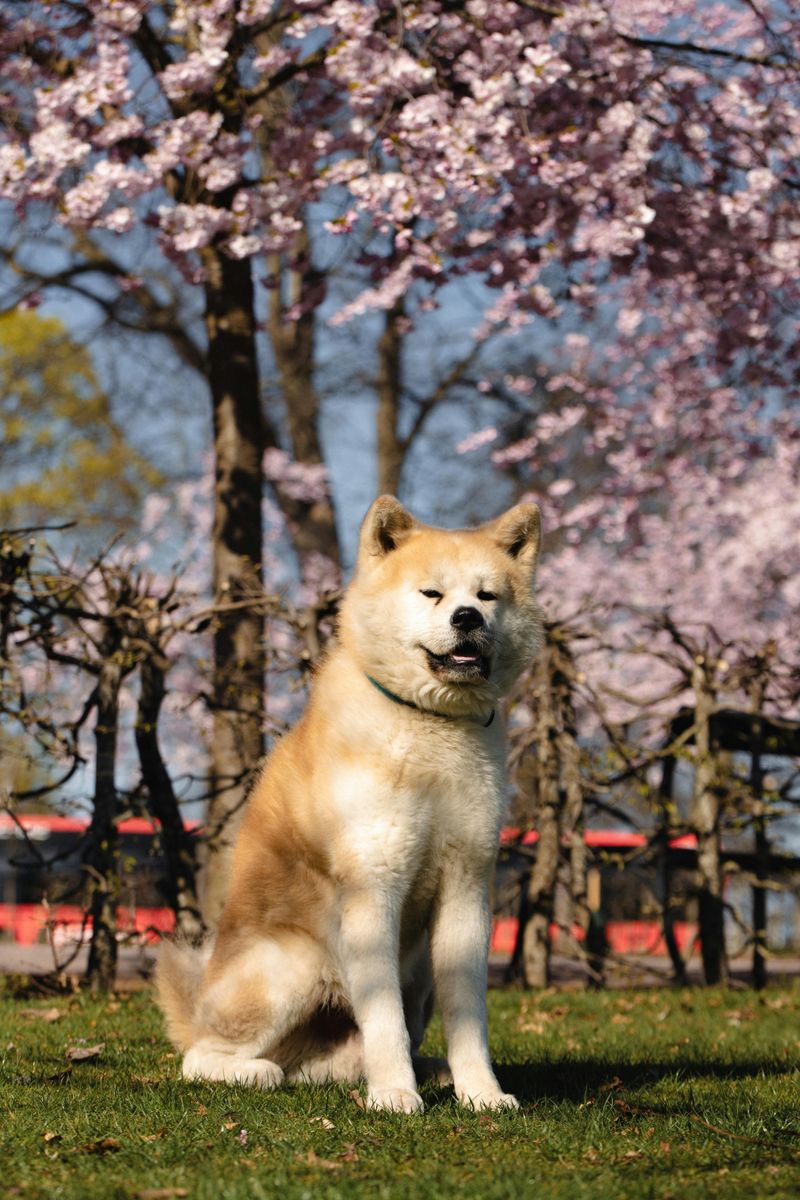
Akitas are dignified, independent, and often aloof with strangers, which can make boundaries at home essential. They may guard space, food, or favorite people if expectations are unclear.
You will want calm routines, predictable rules, and slow, structured introductions to new friends. Respect their sensitivity, and you will earn reliable cooperation.
Prioritize early socialization with neutral dogs and many environments, always keeping sessions short and positive. Use clear marker training, generous reinforcement, and low conflict handling for grooming.
Supervise interactions around doorways, beds, and couches, where guarding can start. A basket muzzle, taught positively, adds safety during vet visits or challenging scenarios, and working with a trainer experienced in primitive and independent breeds helps prevent small problems from turning into serious confrontations.
Chow Chow
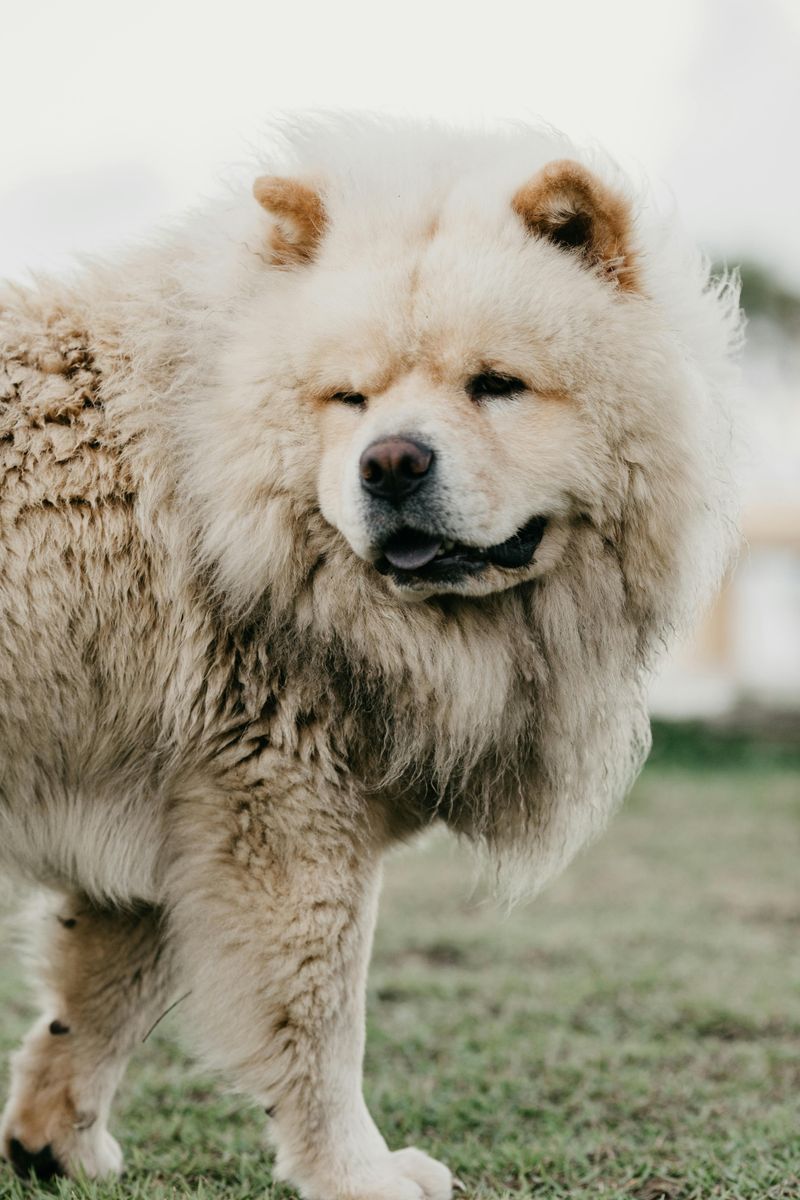
Chow Chows are reserved and discerning, often preferring predictable routines over chaotic households. They can become defensive when pressured by rough handling or surprise touches.
Protect consent around grooming and handling, moving slowly and pairing touch with treats. Give space at thresholds and avoid forcing greetings with visitors.
Socialization should emphasize neutrality rather than forced friendliness. Teach hand targeting, stationing on a mat, and cooperative care for brushing and nail trims.
Use reward based methods and avoid harsh corrections that erode trust. Management matters: baby gates, tethers, and clear house rules reduce conflict, while muzzle training and professional guidance ensure challenging situations stay safe, fair, and calm for everyone, especially during adolescence when confidence and pushback often peak.
Rottweiler
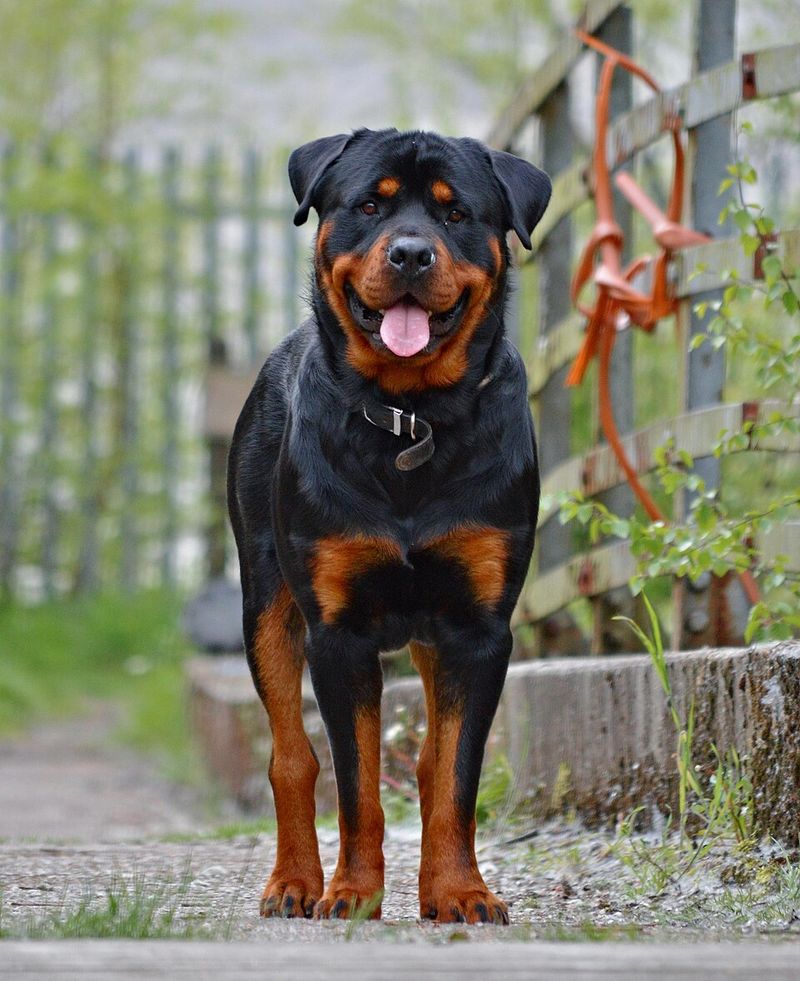
Rottweilers are steady, devoted workers with serious strength and guarding tendencies. Without structure, they may patrol the home, challenge rules, or guard access to you.
Set predictable routines and reward calm decision making. Teach relaxation on a bed, polite door manners, and confident heeling so arousal stays manageable.
Focus on impulse control games, clear markers, and generous reinforcement for quiet behavior. Supervise play, limit roughhousing, and practice decompression walks on long lines.
Crate training, safe barriers, and practiced muzzle skills provide layered safety. Partner with a trainer who understands working breeds and modern, humane methods, and schedule regular practice around visitors, deliveries, and car loading so real life triggers become predictable training reps rather than surprises that invite risky mistakes.
Doberman Pinscher
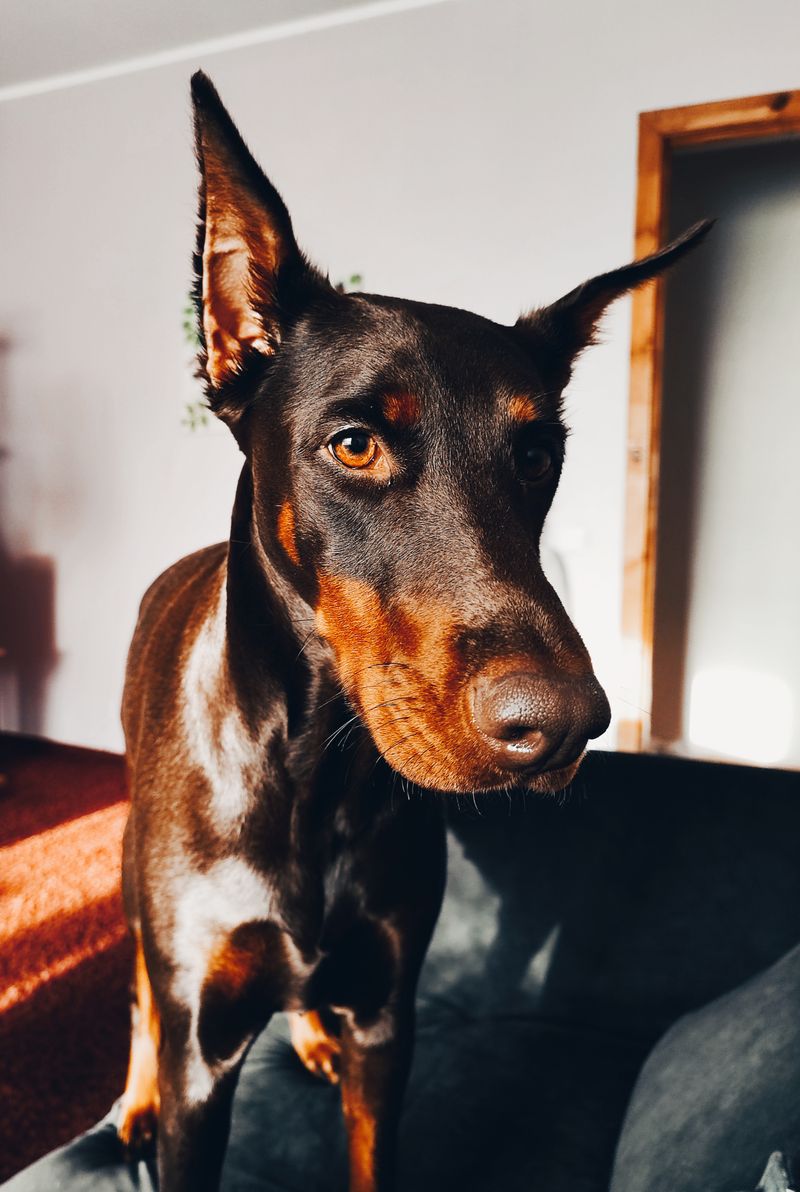
Doberman Pinschers are sensitive, intelligent, and intensely bonded, which can morph into pushy or anxious guarding without guidance. Clarity beats confrontation here.
You will want structured routines, daily mental work, and calm exposure to guests. Reward stillness and neutrality more than flashy obedience.
Teach place training, door protocols, and loose leash walking with frequent reinforcement. Address separation issues early so attachment does not become possessive behavior.
Use decompression after exciting events and rotate high value chews to prevent resource guarding. A cooperative care routine for collars, nails, and vet handling builds trust, while thoughtful management, a fitted harness, and a well introduced muzzle add practical safety until good habits are truly reliable under stress.
Belgian Malinois
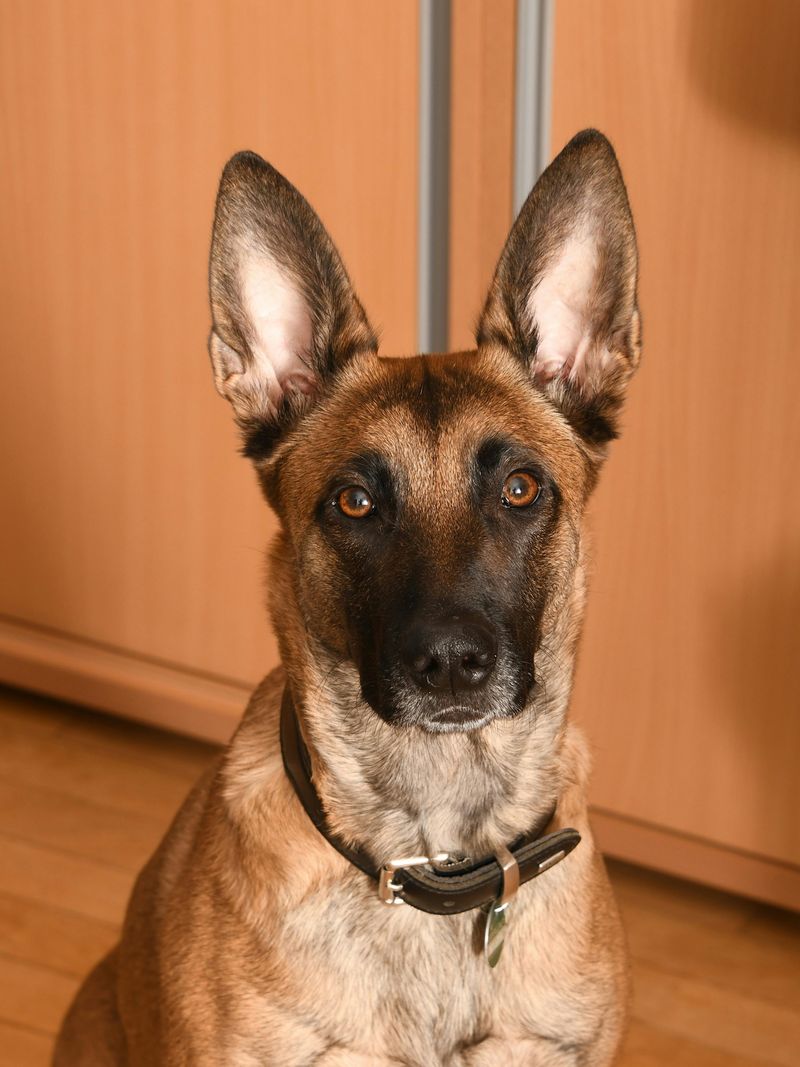
Belgian Malinois are extraordinarily driven and responsive, but intensity can spill into frustration or redirection. Without outlets, they invent jobs like guarding hallways or shadowing owners.
Channel energy into structured obedience, scent games, and bite safe toys. Keep criteria clear and sessions short to prevent conflict.
Reinforce calm off switches as much as speed and precision. Teach out cues, settle on a mat, and neutrality around movement and guests.
Avoid chaotic rough play that spikes arousal past thoughtful control. Use crates, pens, and long lines to manage transitions, and work with a sport experienced, humane trainer who understands drive capping, impulse control, and enrichment so brilliance becomes reliability at home instead of pushy confusion that risks nips or defensive confrontations around resources.
Presa Canario
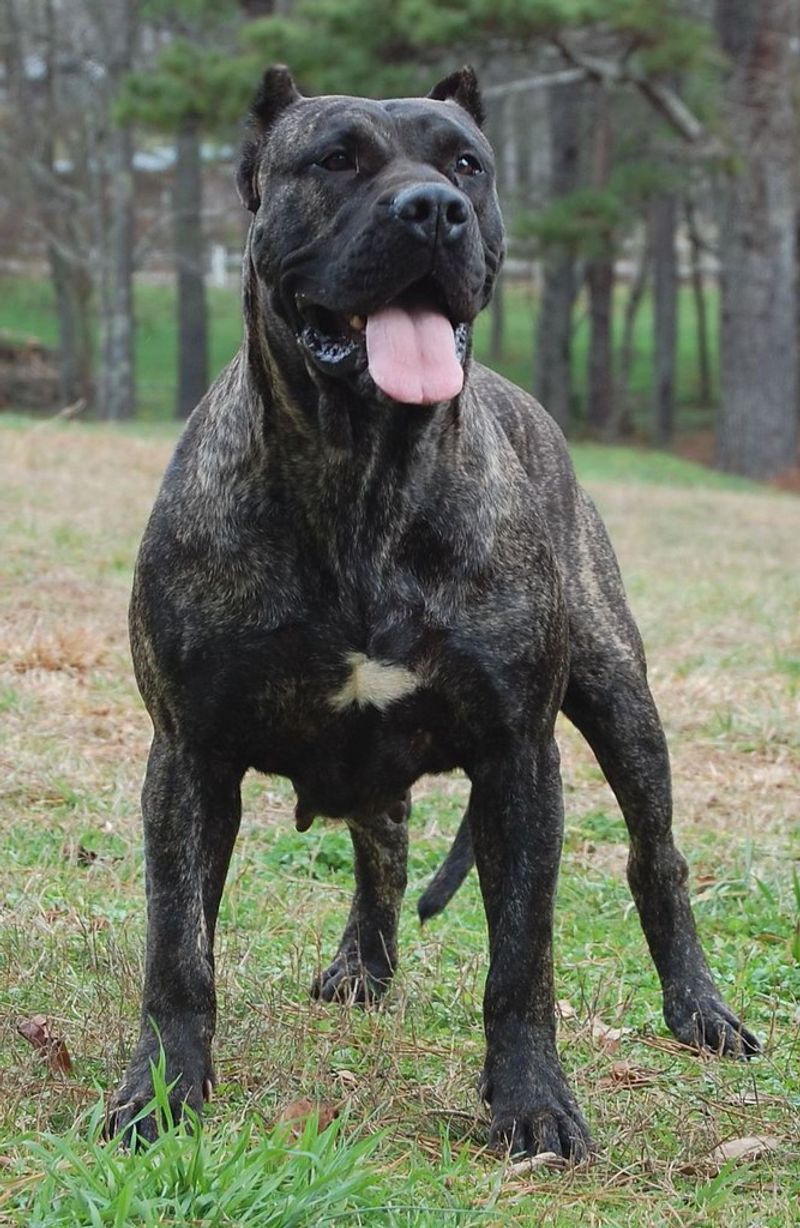
Presa Canarios are imposing guardians bred for decisiveness and territorial awareness. Inconsistent rules or chaotic greetings can create confusion and risky decisions.
Prioritize calm routines, predictable handling, and slow introductions. Reward neutrality, quiet watchfulness, and responsiveness to your voice over confrontational displays.
Start socialization early, focusing on tolerance and recovery rather than forced friendliness. Practice muzzle training, stationing, and polite leash skills in low traffic areas.
Manage with secure fencing, double gates, and clear guest procedures. Partner with a trainer experienced in large guardian breeds who uses humane methods, and plan decompression after visitors so arousal drops, because predictable recovery often prevents the spirals where pushy posture, crowding, or resource guarding turn into avoidable, high stakes confrontations inside the home.
Fila Brasileiro
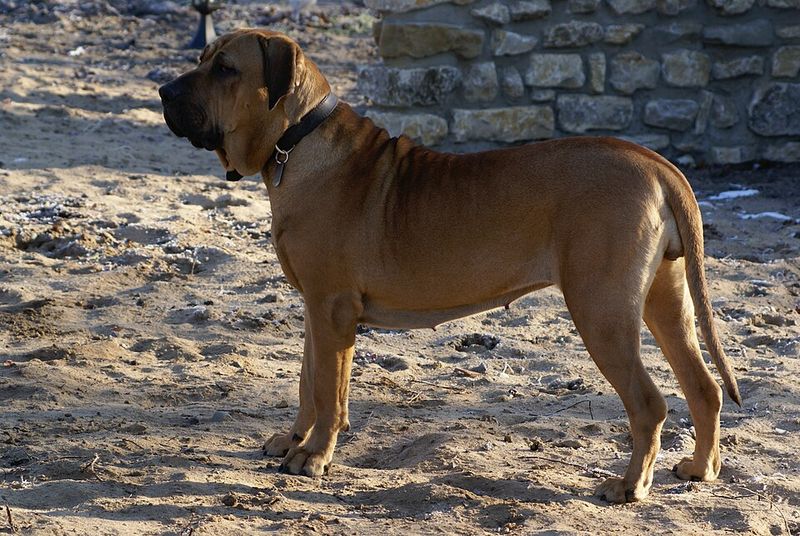
The Fila Brasileiro is famously suspicious of strangers, a trait that requires diligent, proactive management. Expect strong territorial instincts and low tolerance for unsolicited touching.
Avoid busy social scenes and prioritize predictable exposure. Teach rock solid recall, place, and out cues to keep choices safe.
Socialization focuses on neutrality, not meet and greets. Use gates, crates, and muzzles introduced with treats for layered safety.
Keep vet visits rehearsed with cooperative care and practiced handling. Work closely with a humane professional who understands ojeriza tendencies, and control your environment with signage, secure fencing, and pre planned guest protocols so your dog never has to guess, argue, or escalate in doorways, driveways, or narrow hallways during daily routines.
Dogo Argentino
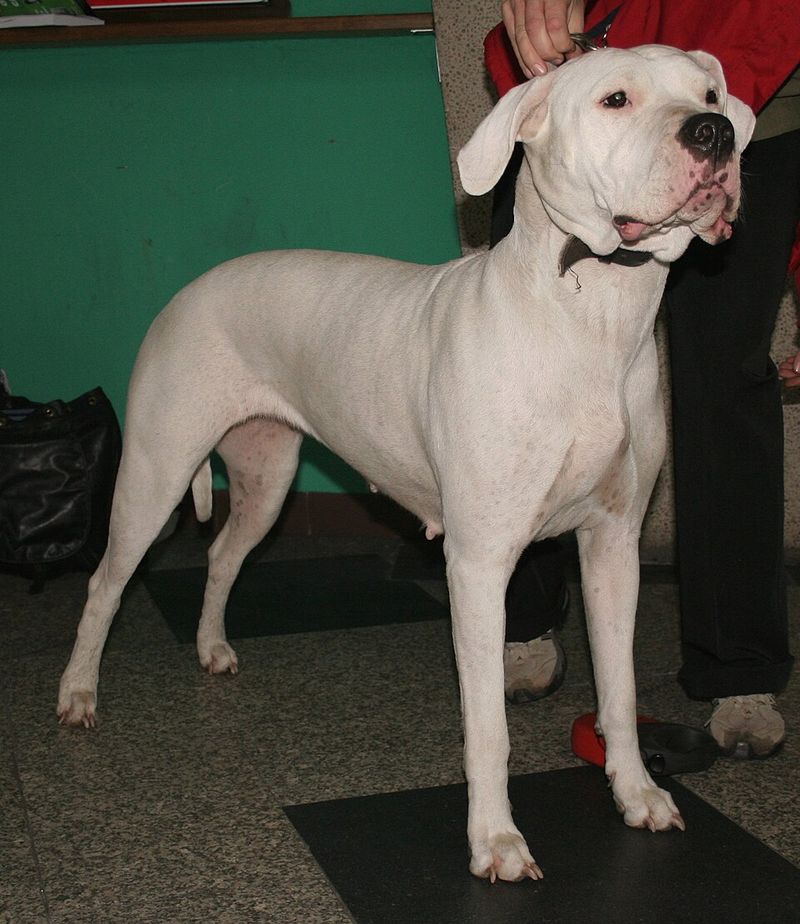
Dogo Argentinos are athletic, determined hunters with serious stamina and grit. Without structure, excitement can tip into pushiness or frustration around resources.
Build routines that emphasize calm recovery after arousal. Reinforce check ins, soft mouths, and leaving things on cue.
Socialize steadily through adolescence with neutrality around other dogs and people. Use long lines, crates, and rotation to prevent scuffles or door rushing.
Teach impulse control games and cooperative care for vet handling and nail trims. A humane, experienced trainer can help you shape reliable defaults, while a positively trained muzzle, clear house rules, and consistent reinforcement reduce misunderstandings that might otherwise become confrontations when energy is high and choices feel pressured inside tight household spaces.
Tibetan Mastiff
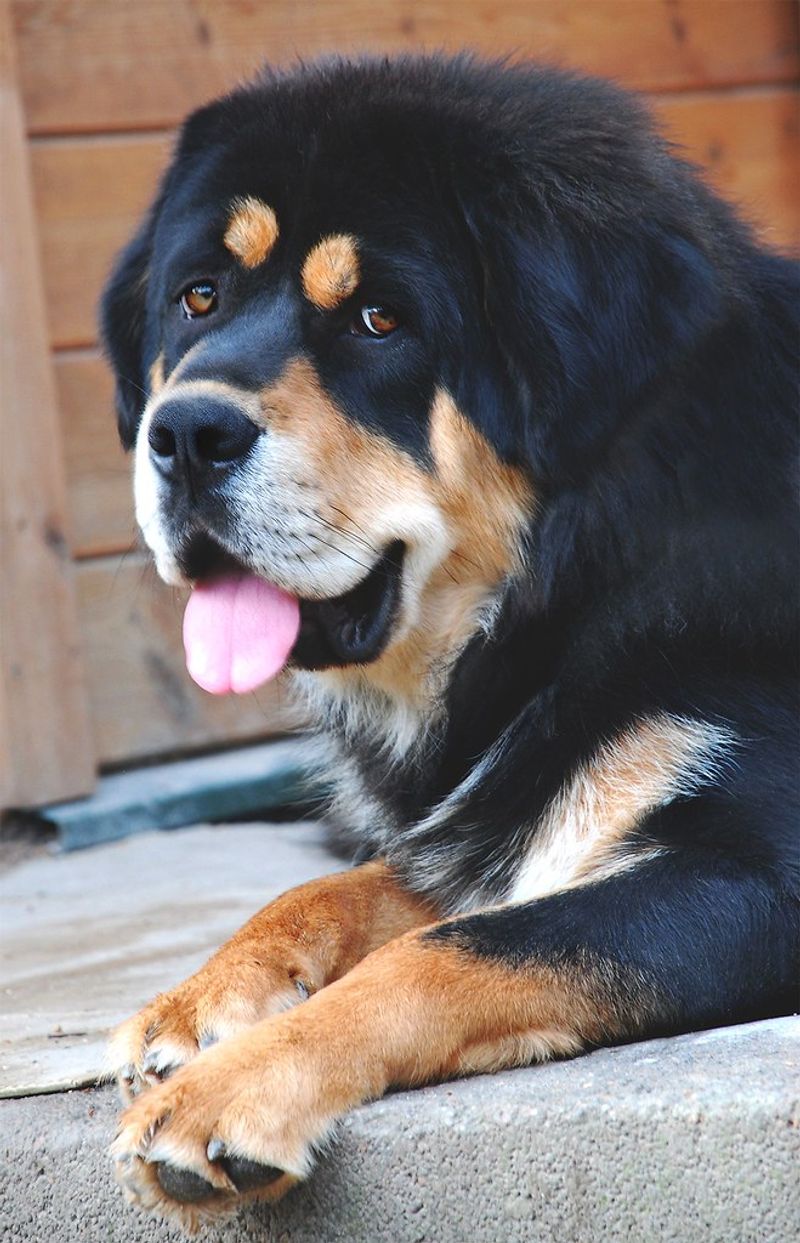
Tibetan Mastiffs are independent, nighttime guardians that bond deeply yet value autonomy. They can guard space, yards, and porches with conviction if boundaries are unclear.
Create quiet routines, predictable curfews, and clear access rules. Reinforce calm behavior around gates and driveways to prevent rehearsed patrolling.
Socialization should emphasize composure in low key environments. Use reward based training, brief sessions, and generous reinforcement for neutrality around visitors.
Manage with tall fencing, double gates, and crate or room time during deliveries. Muzzle training, cooperative care, and guidance from a humane guardian breed specialist ensure safety, while structured decompression walks and confident advocacy during greetings reduce pressure points that might otherwise spark stubborn standoffs or corrective nips inside the home.