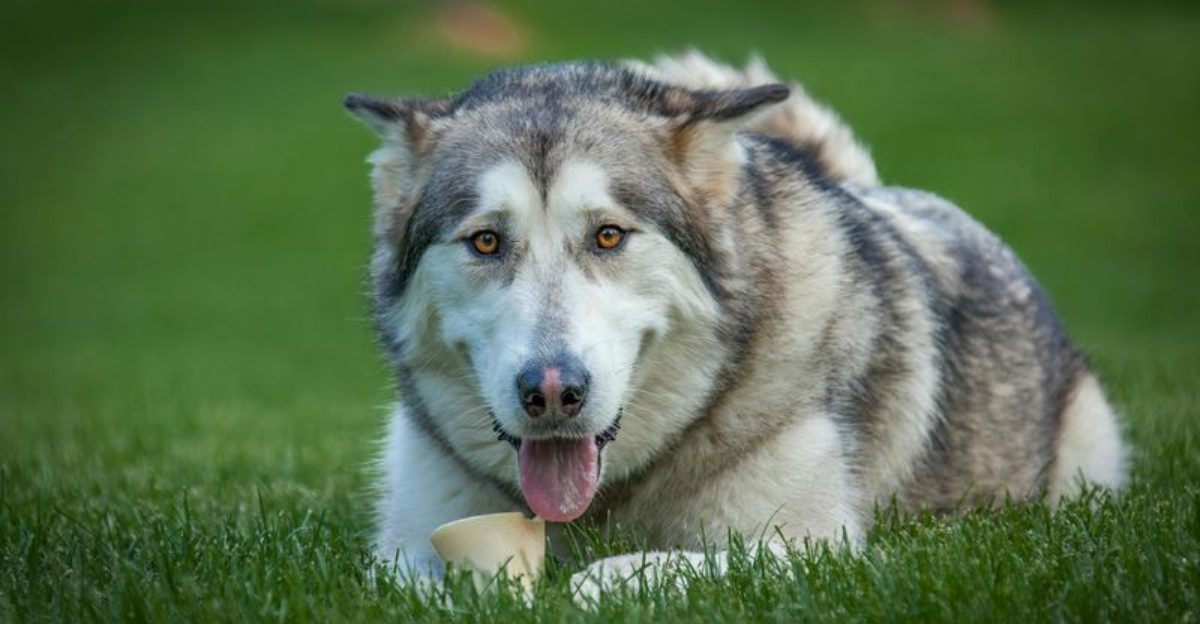
Explore the fascinating connections between domesticated dogs and their wild relatives like wolves, foxes, and dingoes. These links not only reveal intriguing aspects of evolution but also add layers to the stories behind some beloved breeds.
Alaskan Malamute
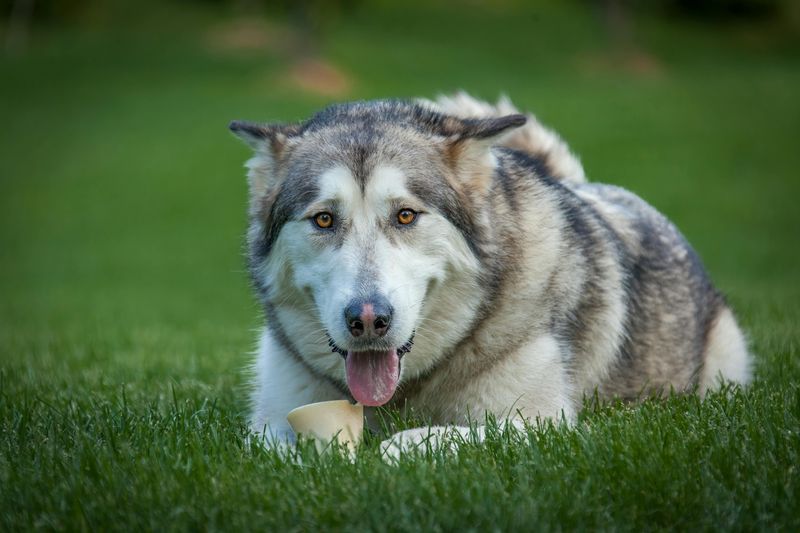
A snow lover’s dream, the Alaskan Malamute combines strength and loyalty. Their wolf-like features aren’t just for show; they are deeply rooted in evolutionary history.
These dogs were bred for endurance and power in harsh Arctic conditions. Their DNA reveals strong ties to wolves, explaining their pack-oriented nature.
With an independent spirit, Malamutes thrive in active households. Did you know? Malamutes helped during the Klondike Gold Rush. Their ability to pull heavy sleds was vital, showcasing their remarkable strength and resilience.
Shiba Inu
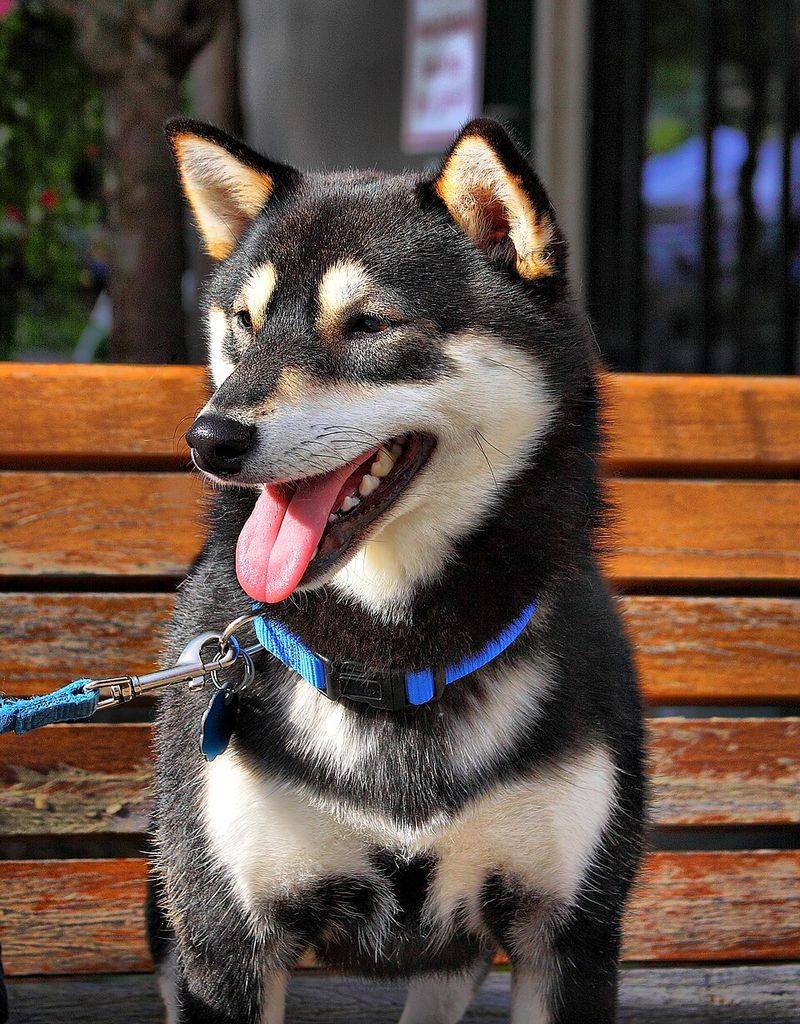
With a face that could launch a thousand memes, the Shiba Inu’s sly, fox-like demeanor is more than just a cute look. Their connection to wild canines is etched in their genetic makeup.
Originally bred for hunting in Japan, Shiba Inus are independent and bold. Their DNA links them to ancient Asian breeds, sharing common ancestors with both dingoes and foxes.
Shibas are known for their spirited personality and loyalty. Fun fact: Shibas were once nearly extinct but revived through dedicated breeding efforts, preserving their unique characteristics.
Siberian Husky
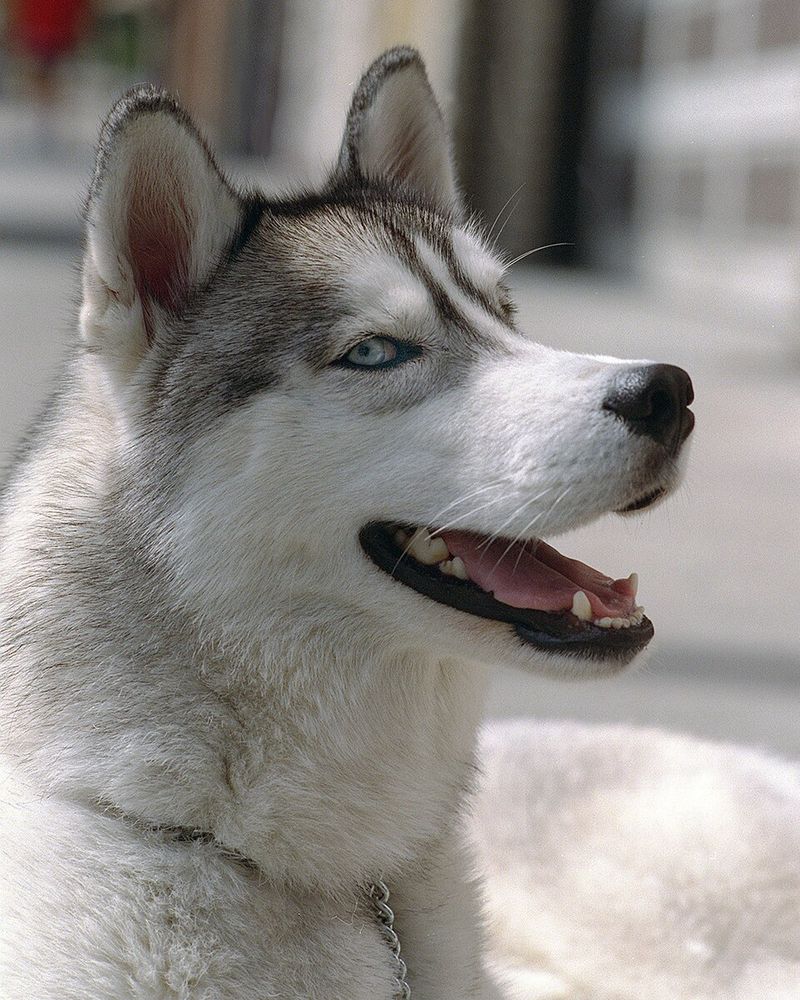
Known for their striking blue eyes, Siberian Huskies are a blend of beauty and brawn. Their wolf-like appearance isn’t just fur-deep.
Huskies trace their origins back to ancient Siberian tribes, where they were essential sled dogs. Their DNA records show a strong connection to wolves, contributing to their endurance and social nature.
These dogs are energetic and friendly, thriving in active environments. Did you know? Huskies played a crucial role in the 1925 serum run to Nome, showcasing their determination and resilience.
Basenji
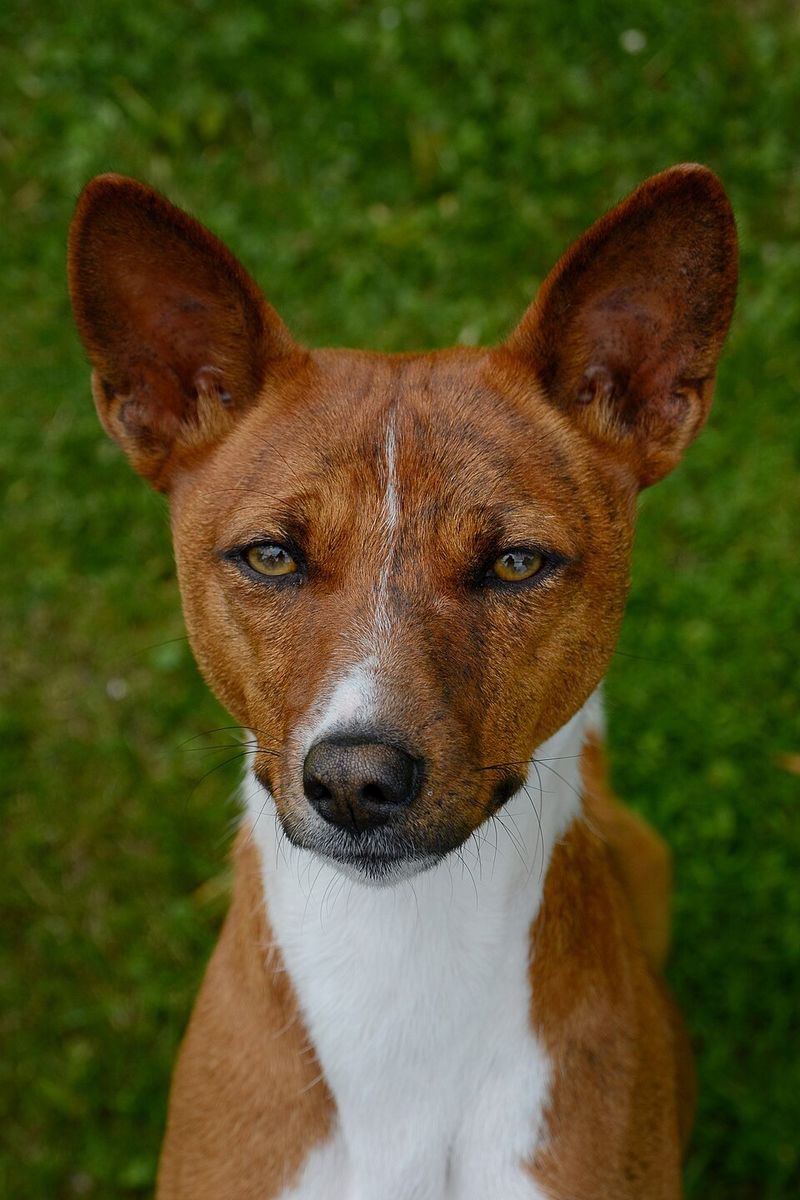
Silent but sharp, the Basenji is often called the “barkless dog.” Their DNA reveals ties to ancient foxes.
Originating from central Africa, Basenjis were used for hunting due to their keen senses and agility. Their genetic lineage includes connections to wild canines, evident in their independent nature.
These dogs are curious and intelligent, requiring an engaging environment. Fun fact: Basenjis clean themselves like cats, adding to their unique charm and mystique!
Australian Cattle Dog
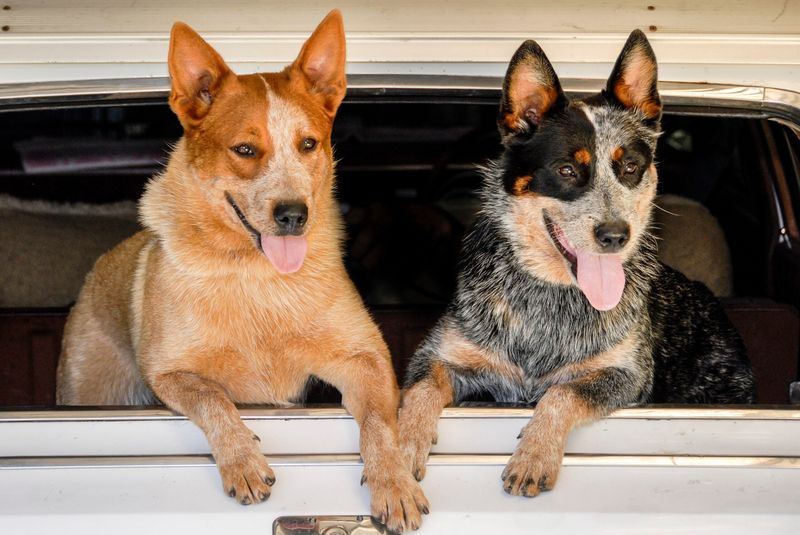
With a spirit as wild as the outback, the Australian Cattle Dog is a nod to its dingo lineage.
Bred to herd cattle, these dogs are hardworking and intelligent. Their DNA reveals ties to dingoes, explaining their versatility and resilience.
These dogs are fiercely loyal and energetic, perfect for active lifestyles. Did you know? The breed was instrumental in taming the Australian frontier, showcasing their adaptability and strength.
Norwegian Elkhound
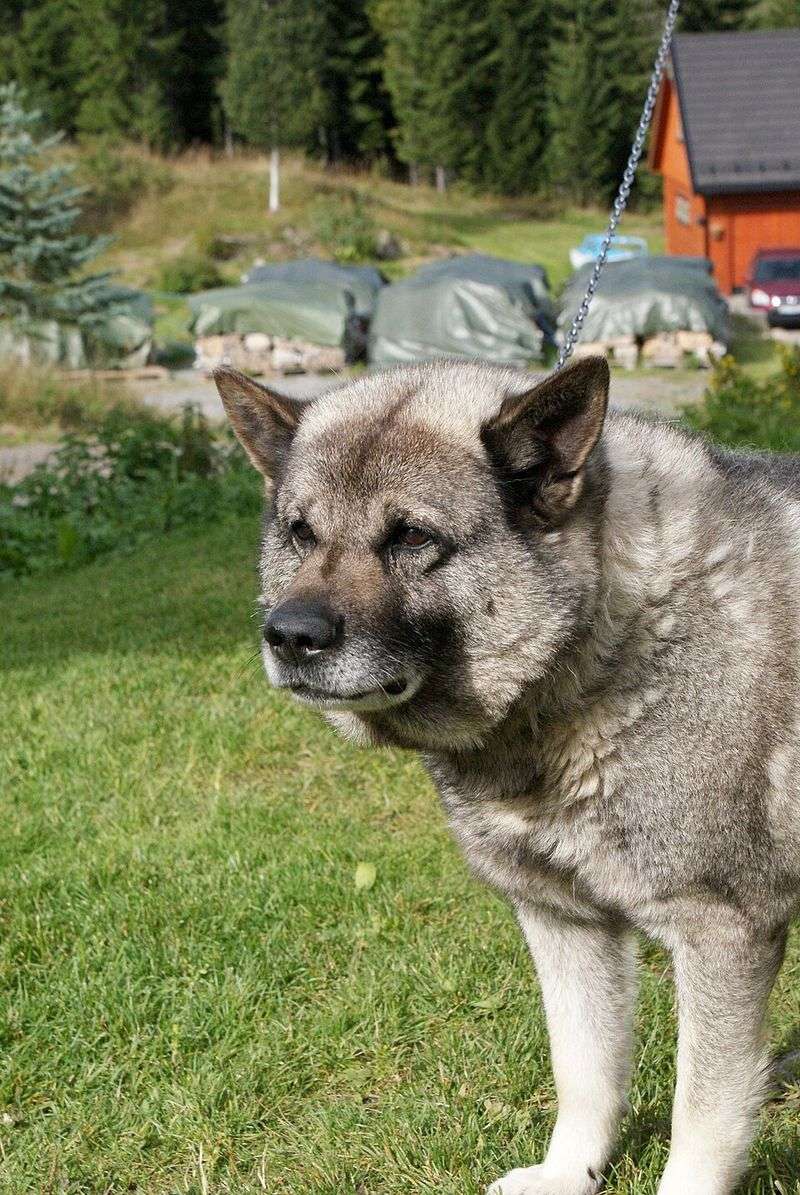
Sturdy and brave, the Norwegian Elkhound’s past is intertwined with Vikings and wolves.
This breed was used to hunt elk and bear, requiring courage and tenacity. Their DNA reflects strong wolf connections, contributing to their pack-oriented behavior.
Elkhounds are protective and playful, making them great companions. Did you know? They have been Norway’s national dog since 1877, a testament to their enduring appeal and legacy.
Pharaoh Hound
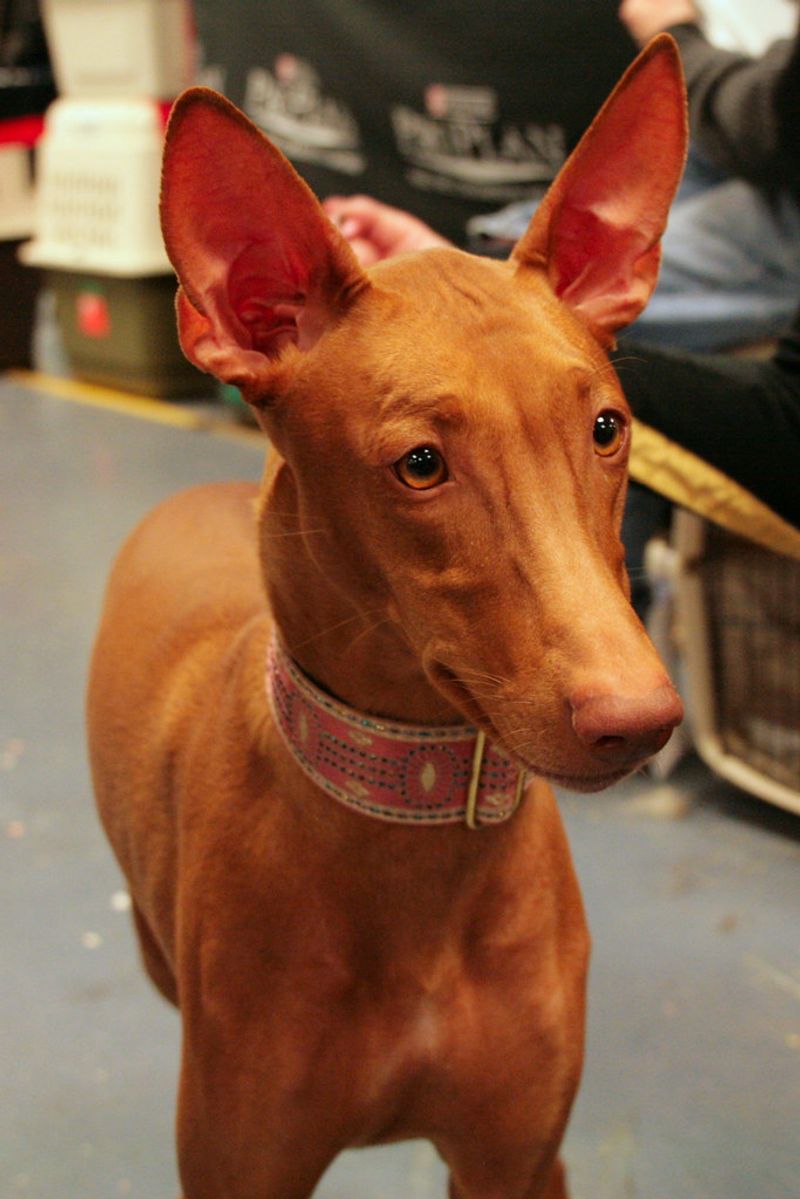
With a regal air, the Pharaoh Hound is like a piece of living history, echoing the ancient canines of Egypt.
These dogs were bred for hunting, their alert nature and agility making them effective companions. Their DNA ties to ancient foxes link them to a storied past.
Pharaoh Hounds are affectionate and intelligent, thriving in warm climates. Fun fact: They “blush” when excited, with their noses and ears turning a rosy hue!
New Guinea Singing Dog
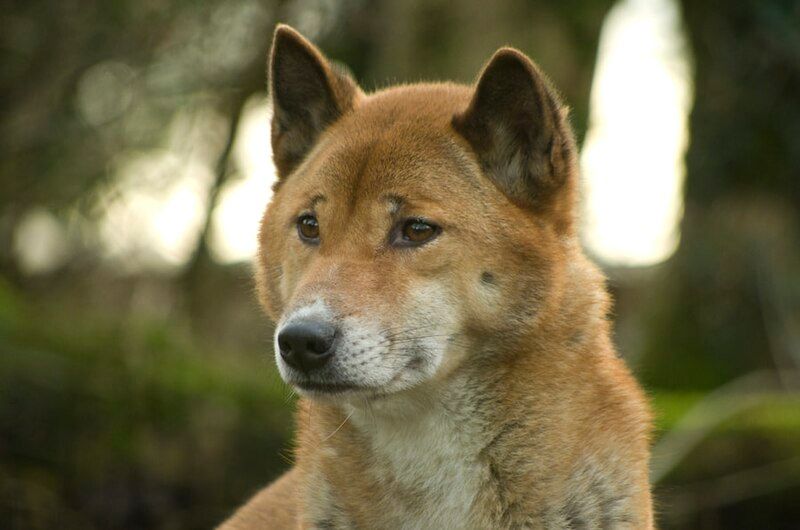
With vocalizations unlike any other, the New Guinea Singing Dog has a unique song to sing.
These rare dogs are closely related to dingoes, showcasing their wild roots. Their DNA reveals a primitive lineage, offering insights into early canine evolution.
Singing Dogs are intelligent and adaptable, often found in remote regions. Did you know? Their vocalizations range from high-pitched yelps to melodic howls, truly a symphony of the wild.
Tibetan Mastiff
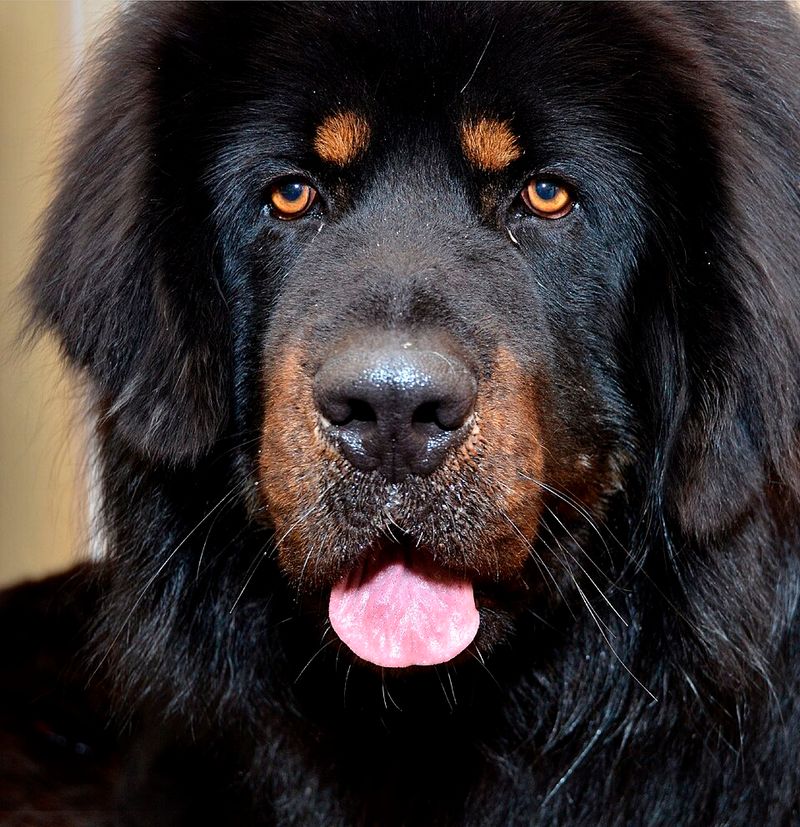
With a mane like a lion, the Tibetan Mastiff is a guardian of the Himalayas, echoing the ferocity of wolves.
Bred to protect livestock, these dogs are independent and fearless. Their DNA showcases ancient ties to wolves, reflecting their protective instincts.
Tibetan Mastiffs are loyal and reserved, requiring a confident handler. Fun fact: They have been known to fend off leopards, underscoring their strength and courage.
Chihuahua
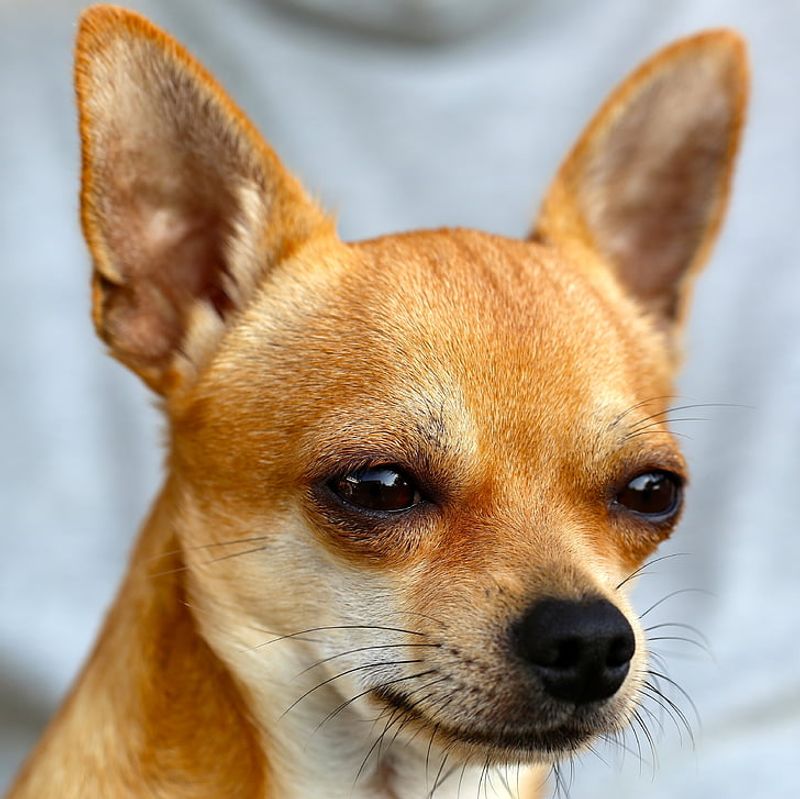
Tiny yet mighty, the Chihuahua is a paradox wrapped in a bark. Despite its size, it shares genetic history with ancient wild canines.
Originating in Mexico, these dogs have links to the Techichi, a companion to ancient Toltecs. Their DNA hints at connections to smaller wild canines.
Chihuahuas are lively and alert, often surprising with their bold personalities. Did you know? They are named after the Mexican state of Chihuahua, a nod to their rich heritage.