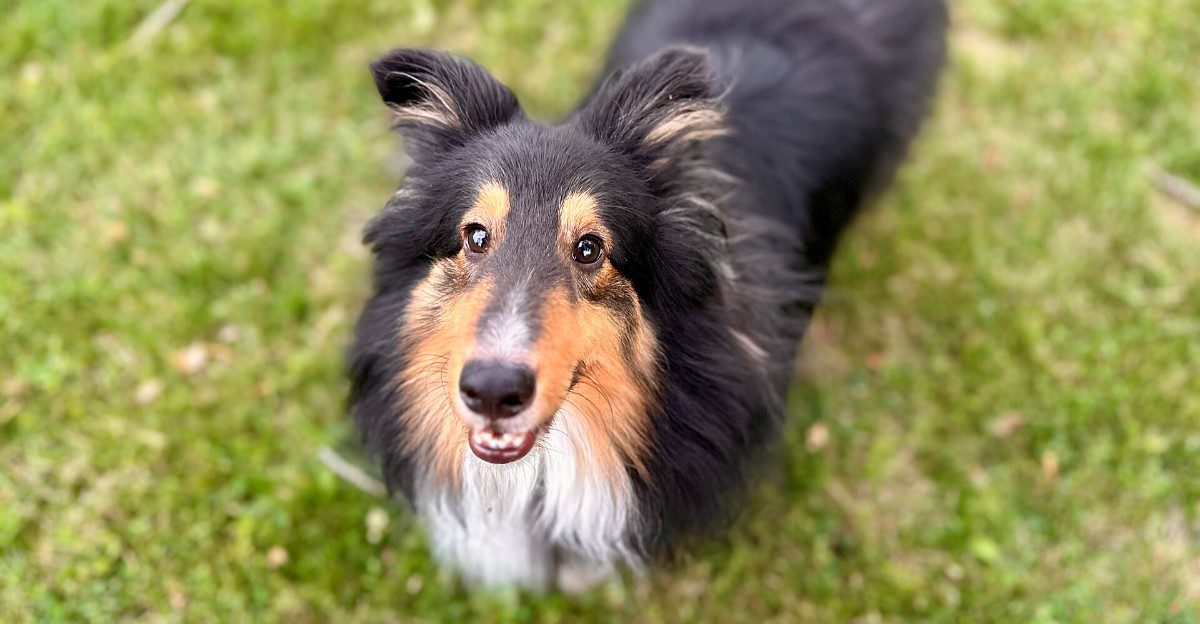
Some dogs feel calm when life follows a steady plan. Clear routines make training easier, reduce stress, and help good habits stick.
Other dogs are bright free thinkers who respect your rules but also test limits with a grin. Meet the loyal rule followers and the clever rebels, and learn how to keep both happy.
German Shepherd – steady rules, steady heart
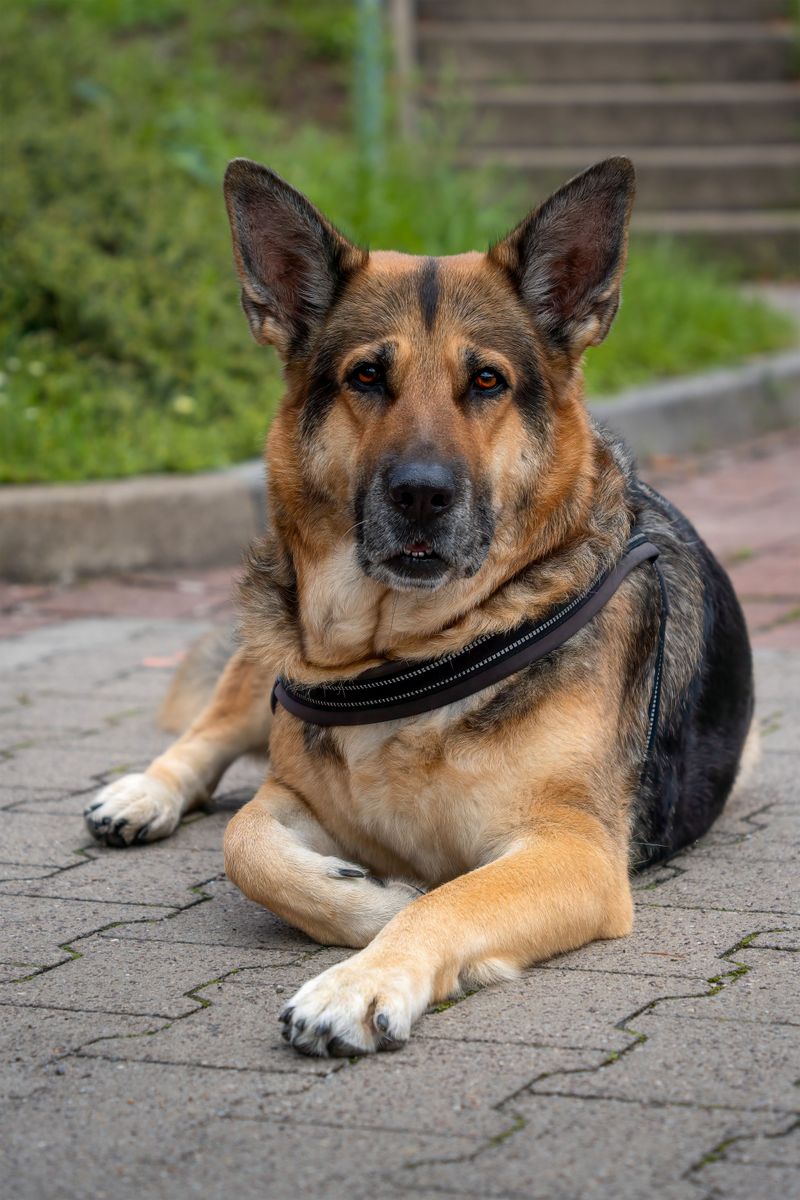
Order brings out this breed’s calm strength. Predictable routines help German Shepherds read situations quickly and respond with steady focus.
Set fixed times for walks, training, and rest to build trust. Use clear cues, fair corrections, and plenty of real jobs like scent games or light carry work.
A neat trick is parking-lot obedience after errands, which sharpens impulse control. Fun fact: wartime messenger work shaped their reputation for discipline.
Border Collie – order for the overachiever
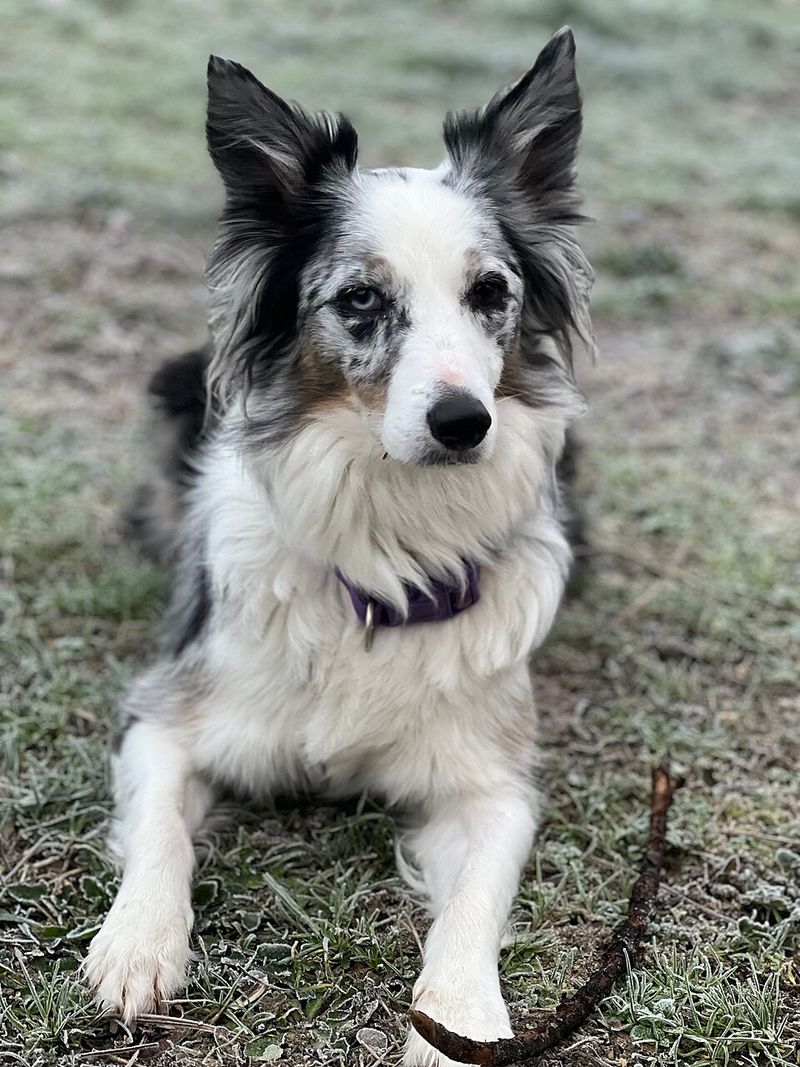
Energy and brains need a roadmap. Border Collies relax when work is clear, boundaries are firm, and practice feels like a game.
Rotate structured tasks: agility drills on Monday, scent searches on Wednesday, herding-ball work on Friday. Keep rules identical across places so cues always mean the same thing.
Quick sessions beat long marathons. Add puzzle feeders to tire the mind.
History note: developed on the Anglo-Scottish border, they balanced livestock by reading tiny movements.
Doberman Pinscher – clarity builds confidence
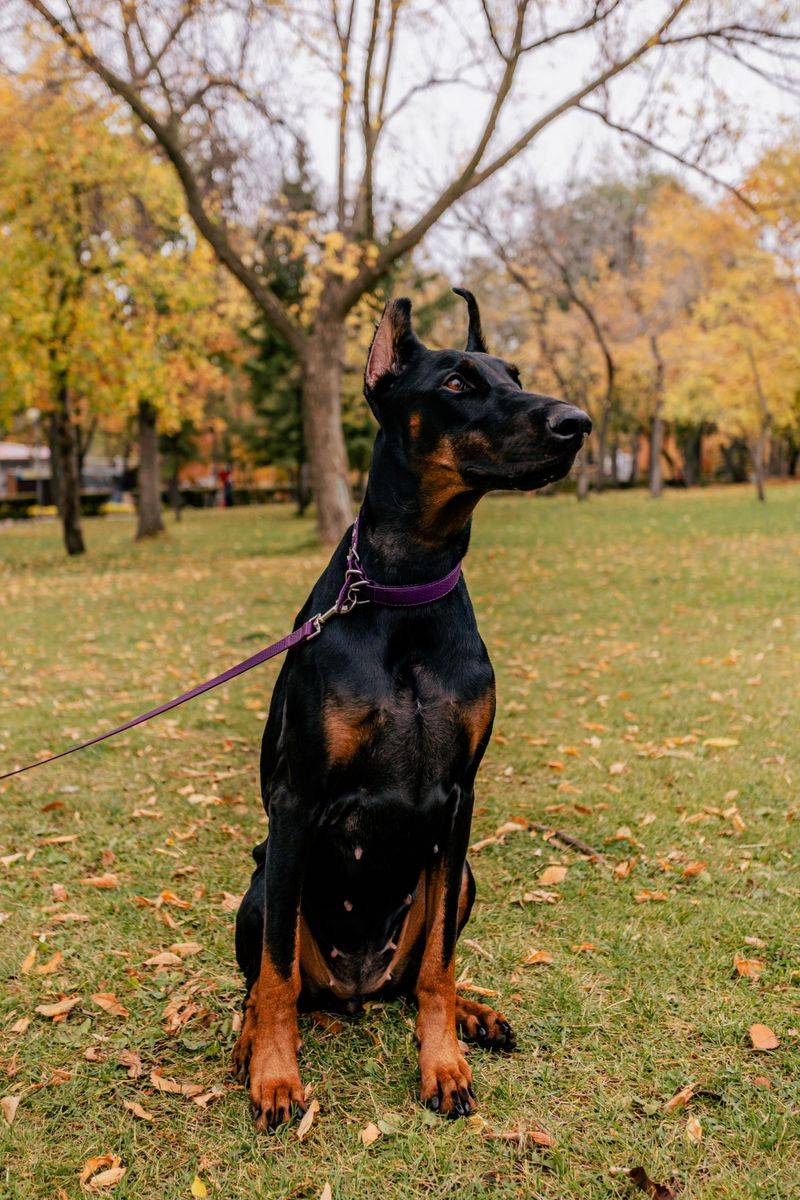
Strong, sensitive, and quick to learn, Dobermans shine when expectations never wobble. Clear rules remove guesswork so they can relax and protect appropriately.
Create a simple house code and stick to it everywhere. Practice calm greetings, place training, and polite door behavior daily.
Use short obedience sets between play bursts to keep arousal in check. Enrichment like scent boxes channels drive.
Fun tidbit: created by tax collector Karl Dobermann, the breed was designed for reliable personal security.
Shetland Sheepdog – routine comforts the thinker
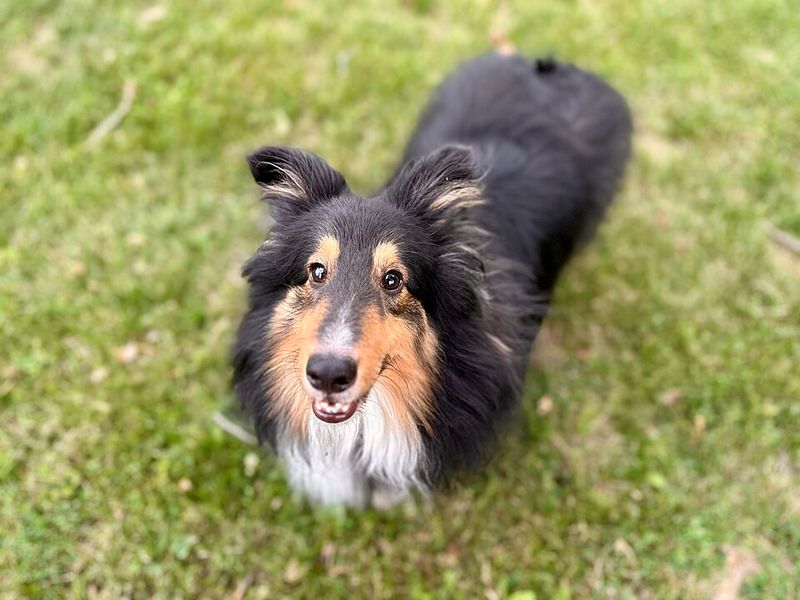
Quick minds can worry when life feels messy. The Sheltie settles beautifully with predictable patterns and quiet, thoughtful training.
Warm up with a hand target, then practice heeling cones, stays, and recall games. Keep sound levels moderate and reward often.
A daily place mat helps them decompress after excitement. Rotate tricks to prevent overthinking.
Origin note: bred on Scotland’s Shetland Islands, they guarded small farms, which shaped their alert nature and love of orderly work.
Miniature Schnauzer – neat rules, happy whiskers
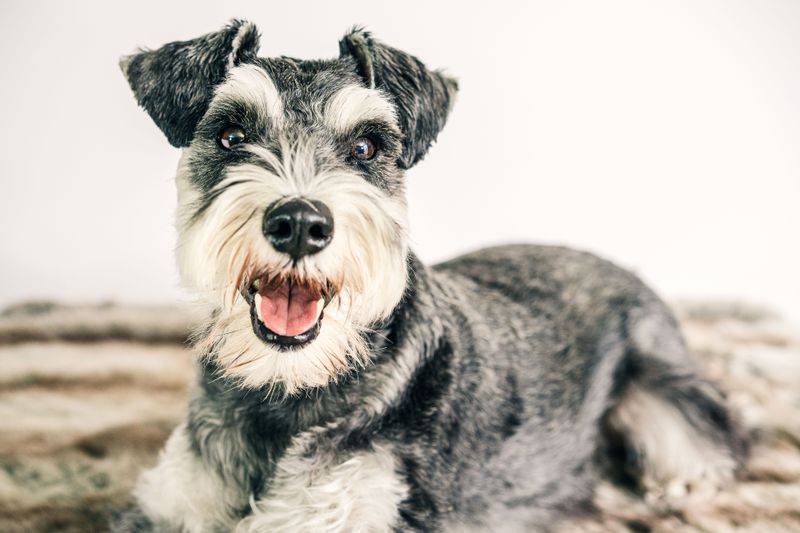
Spirited yet sensible, this whiskered pal likes knowing the household plan. Consistency keeps the sass charming and the manners sharp.
Schedule mealtimes, potty breaks, and brief training bursts. Teach a rock-solid sit at doors, then sprinkle in fun tricks like spin or bow.
Use games that reward eye contact, which tames the terrier streak. Grooming routines can double as training by rewarding calm stands.
Fun fact: ratting roots explain their bold attitude in a small package.
Australian Shepherd – jobs keep the compass straight
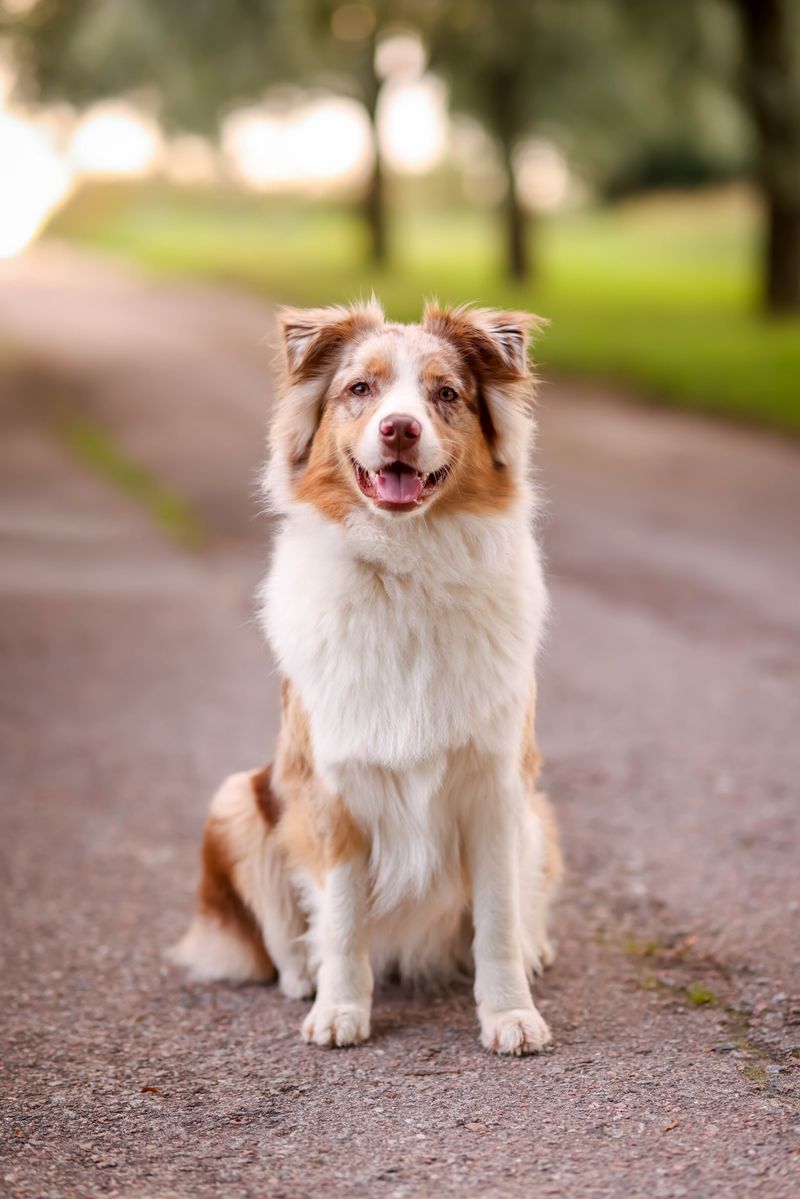
Purpose fuels the Aussie’s smile. When work is predictable, drive channels into useful habits instead of chaos.
Plan daily tasks: fetch to hand, heel past distractions, and a tidy down-stay before meals. Hikes with a lightweight pack satisfy their urge to contribute.
Keep cues consistent between family members. Puzzle hides in the yard can replace missing ranch chores.
Heritage note: despite the name, the breed developed largely in the American West around sheep herding culture.
Rottweiler – boundaries bring out the gentler gears
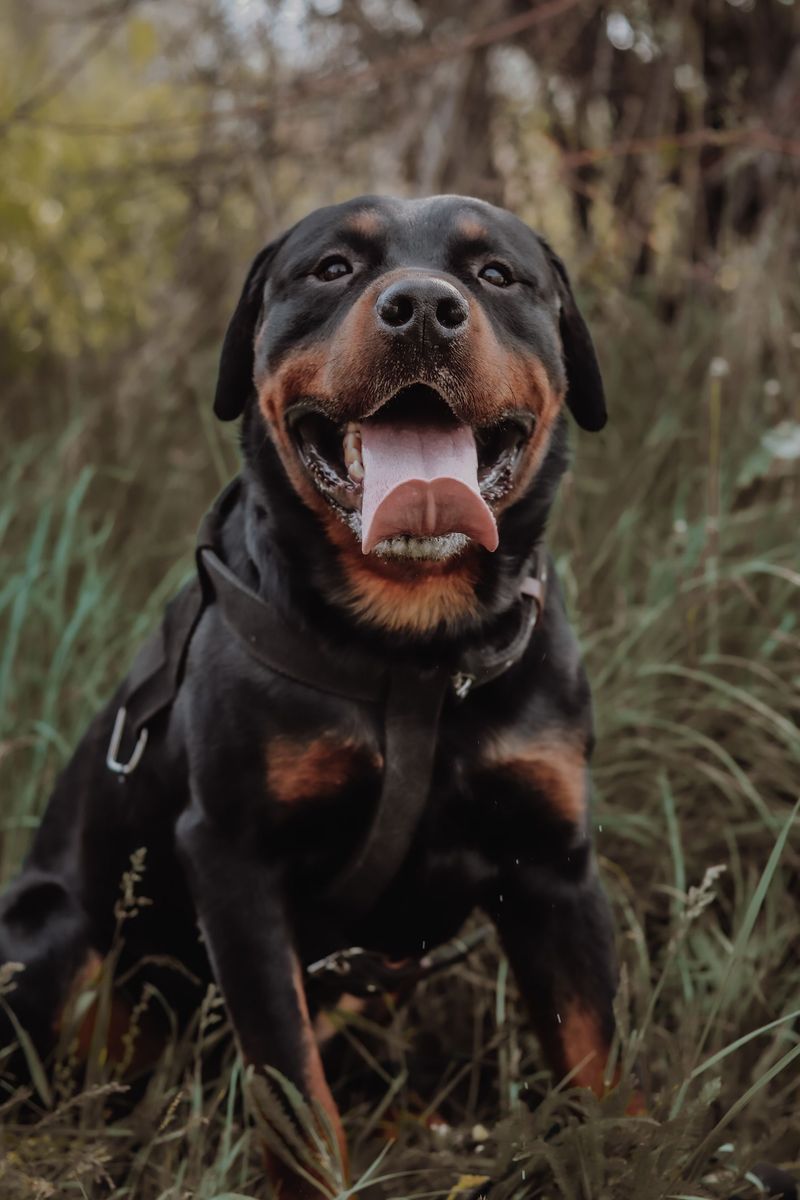
Big frame, bigger heart, best with firm fairness. Rottweilers thrive when lines are clear and leadership feels calm, not harsh.
Practice neutrality: loose-leash passes, quiet door patience, and steady place time during guests. Reward stillness generously.
Use predictable handling for nails and grooming to prevent pushback. Short cart pulls or controlled tug can satisfy working roots.
Historical note: descendants of Roman drover dogs, they moved cattle to market, which required discipline and reliable judgment.
Standard Poodle – bright mind, tidy plan
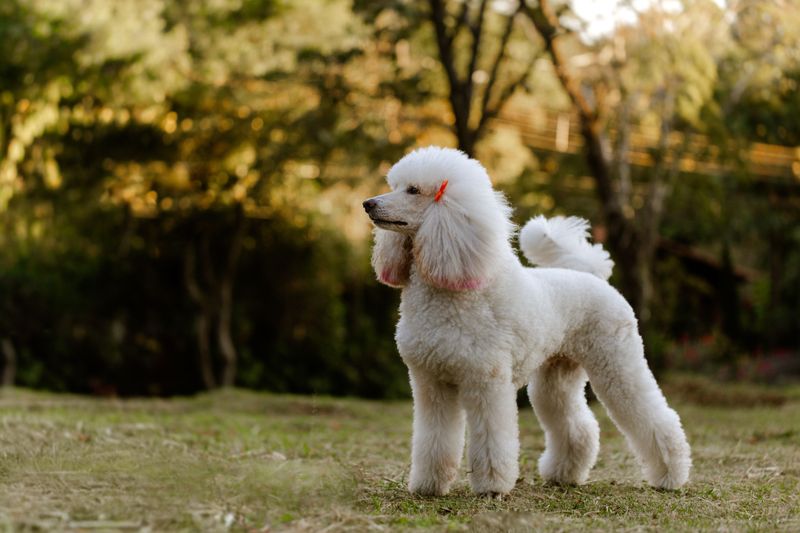
Brains and bounce benefit from order. Standard Poodles love clear games, crisp cues, and routines that respect their sensitivity.
Alternate skill days: retrieval drills, platform work, then scent puzzles. Keep feedback gentle and specific.
Grooming becomes easier with a practiced stand-stay and predictable breaks. City walks with set check-in points build focus.
Fun fact: originally water retrievers, they carried messages and hunted, which explains their mix of elegance and work ethic.
Rough Collie – calm rules, calm soul
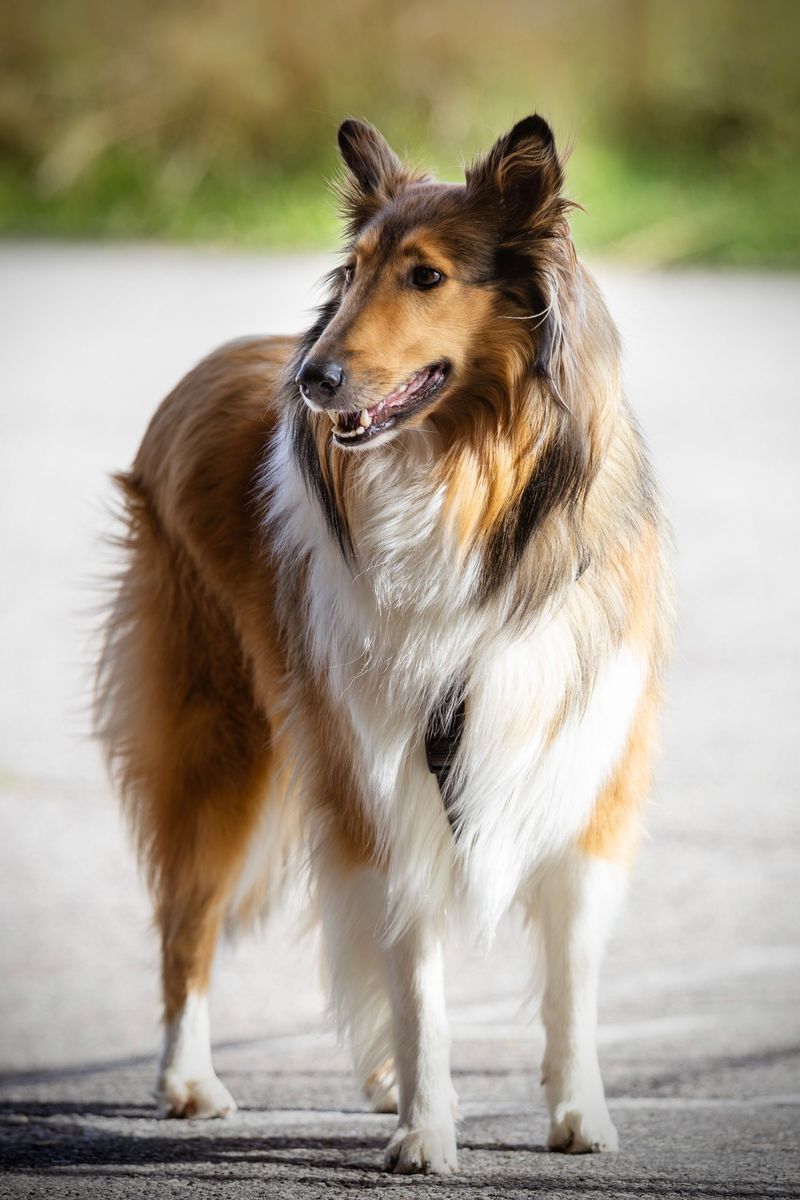
Gentle, watchful, and happiest when life moves at a steady pace, Rough Collies respond beautifully to predictability.
Use calm voice, simple hand signals, and set practice windows each day. Teach boundary games around doorways and garden paths.
A daily decompression walk in a quiet area helps sensitive ears. Light herding-ball work gives purpose without chaos.
Fun bit: storybook fame came from TV, but the breed’s real strength is steady teamwork shaped by long days with flocks.
English Springer Spaniel – structure channels the spring
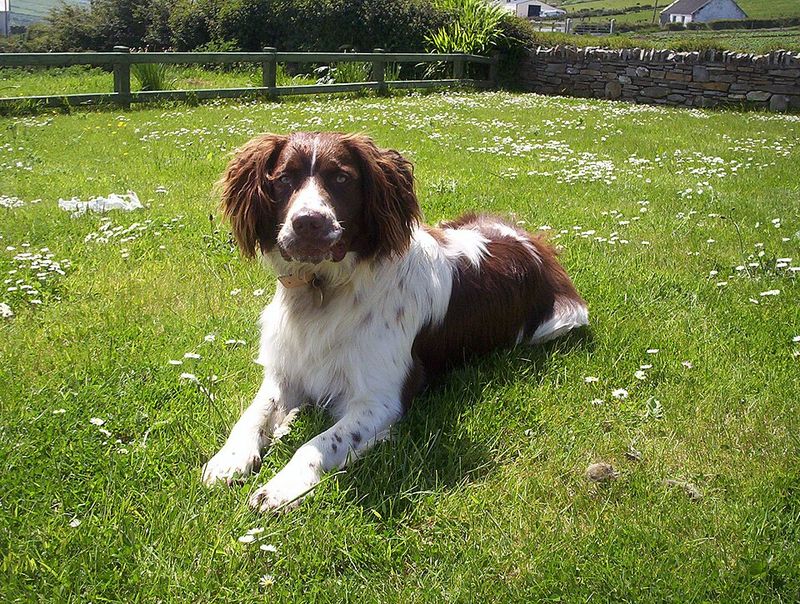
Bouncy enthusiasm needs a lane. With regular rules, Springers focus their zest into skilled work and polite manners.
Plan retrieve sessions with fixed start and stop cues. Mix obedience with sniffing breaks so the nose gets a job, not a distraction.
Teach a rock-solid recall using long-line practice. Keep home boundaries simple to avoid overexcitement.
History nugget: bred to flush game for hunters, they learned to listen closely amid thrilling moments, which still shapes training today.
Shiba Inu – the polite skeptic
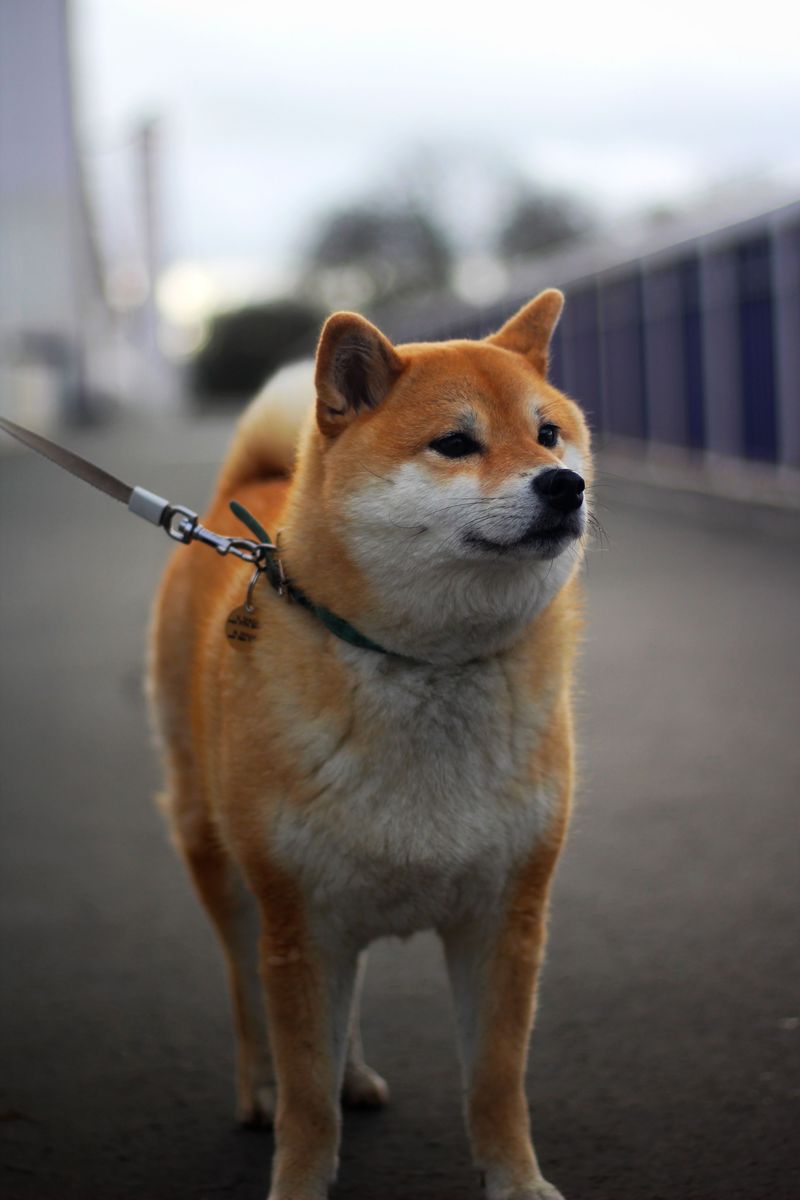
Sharp, tidy, and famously independent, the Shiba often asks why before agreeing. Respect goes both ways with this thoughtful companion.
Keep sessions short, upbeat, and highly rewarding. Use choices: sit or hand target for the same payoff.
Leash skills shine with predictable routes and sniff breaks. Solid management prevents door dashes.
Interesting note: ancient Japanese roots gave them solo decision-making on rugged terrain, so fair rules and smart incentives work far better than pressure.
Siberian Husky – routine tethers the runner

Snow-born stamina meets a curious mind in the Siberian Husky. Patterns calm the engine, even when those blue eyes scan for adventure.
Morning miles, then quiet time, tell the body when to zoom and when to settle.
Clear rules matter because sled instincts push forward. Use consistent cues, a strong recall game, and locked gates in the yard.
Chew stations, puzzle feeders, and chill mats give that busy brain a safe job.
History tip: Chukchi families bred Huskies for steady travel and social living. Keep training light, upbeat, and never harsh.
Respect the spark, but let the calendar hold the leash.