
Some dogs wait for you to tell them what to do, while others size up a situation in a heartbeat and act. Those quick thinkers were often bred to herd, guard, hunt, or pull sleds far from their humans.
Knowing which breeds lean on their gut can help you pick the right dog and train it with more patience and less frustration. Here are the breeds that think fast, plus a few that would happily run the household if you let them.
German Shepherd: The Calm Problem Solver
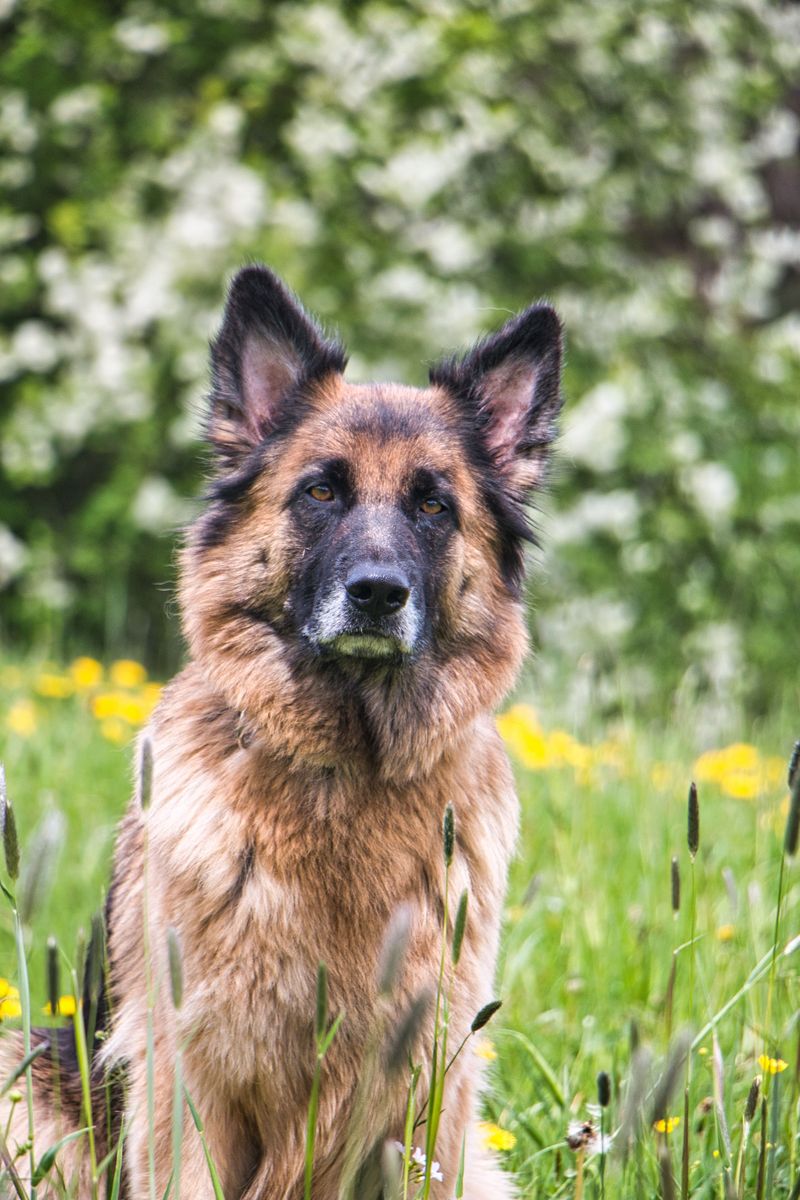
Picture a police dog choosing, in a split second, whether a noise is a threat or just a squirrel. German Shepherds make those calls all day long.
They were bred in Germany during the 1890s to guard flocks and think on their feet.
Owners should give this breed real jobs, like scent games or obedience drills. A bored Shepherd will invent its own tasks, and you may not like its choices.
Australian Cattle Dog: Boss of the Back Pasture
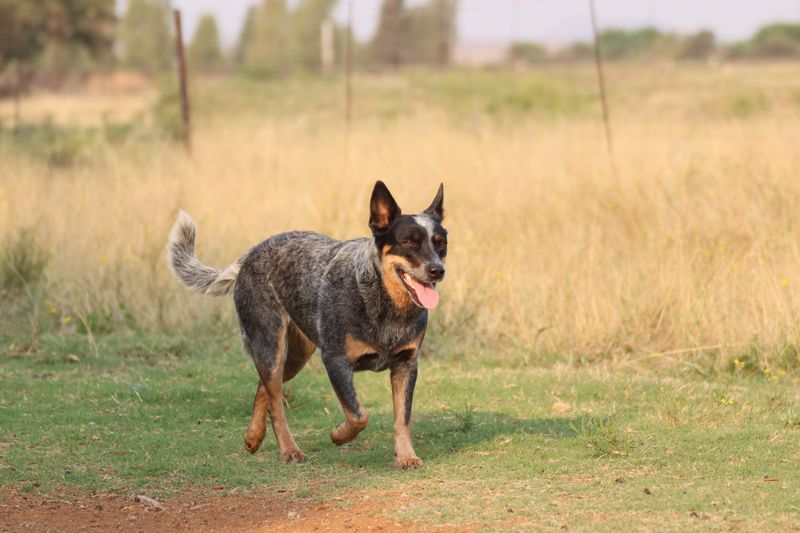
Ranchers in the Australian outback needed a tough little dog that could move stubborn cattle without waiting for orders. The answer was the Cattle Dog, partly bred from wild dingoes.
Today these dogs still nip at heels, including yours, when they decide someone is moving too slowly. Fun fact: a Cattle Dog named Bluey lived almost 30 years.
Keep their minds busy with herding balls, agility, and long daily runs.
Border Collie: Brains in Overdrive
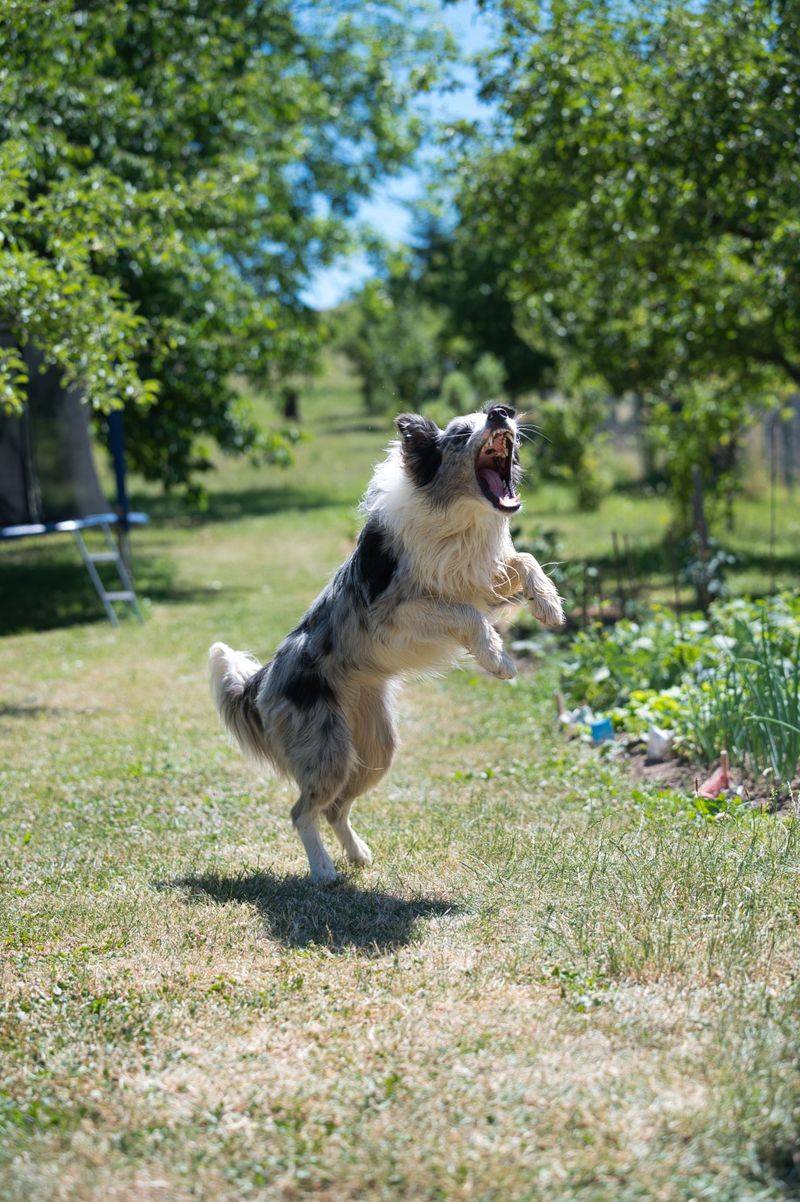
Ever seen a dog stare down a sheep until it obeys? That famous “eye” belongs to the Border Collie, often called the smartest breed on Earth.
On hillsides in Scotland, these dogs work far from the shepherd and must read the flock themselves. At home, that same speedy brain can herd kids, cats, or even cars.
Puzzle toys, trick training, and frisbee sessions help channel all that quick thinking into something safe.
Akita: Quiet Guardian With Strong Opinions
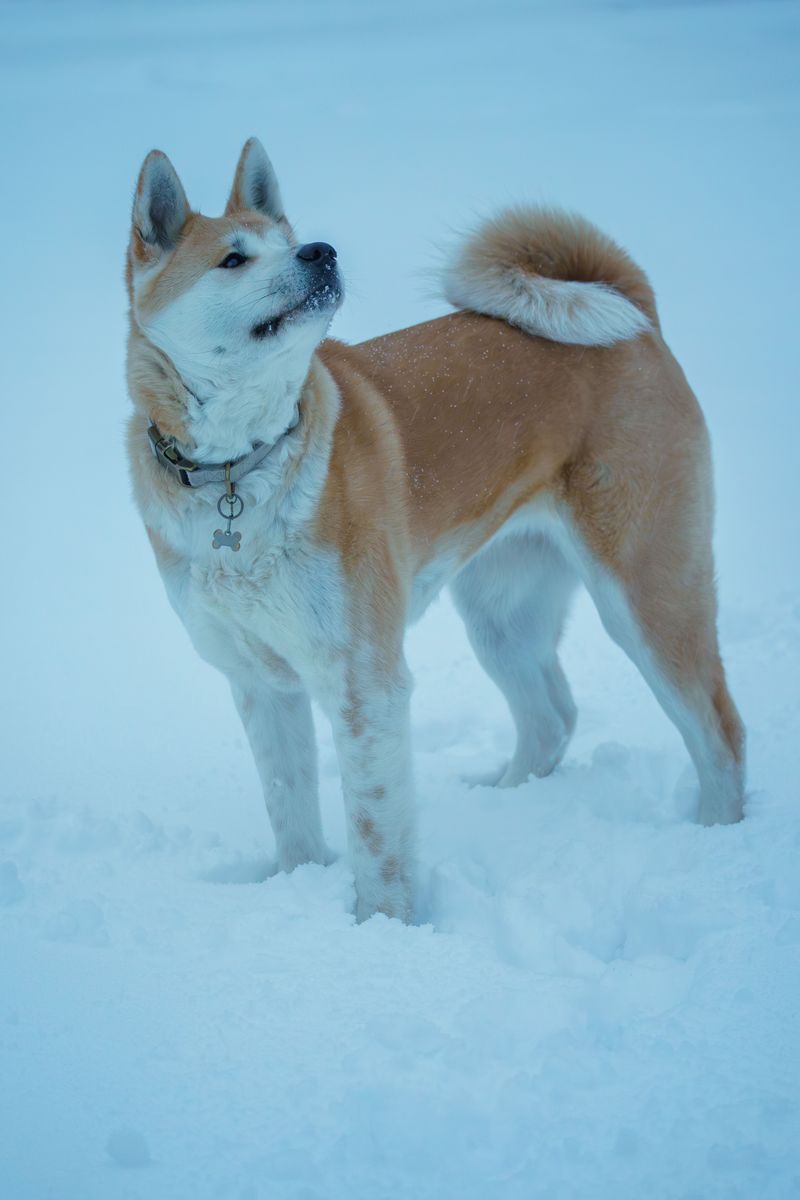
Hachiko, the loyal Akita who waited at a Tokyo train station for nearly ten years, shows how deeply this breed commits once it makes up its mind.
Akitas were bred in Japan’s mountains to hunt bears and guard homes. They size up strangers quickly and rarely change their first opinion.
Early socialization matters a lot here. Calm, confident training works far better than yelling, since an Akita simply tunes out anyone it doesn’t respect.
Great Pyrenees: The Night Shift Protector
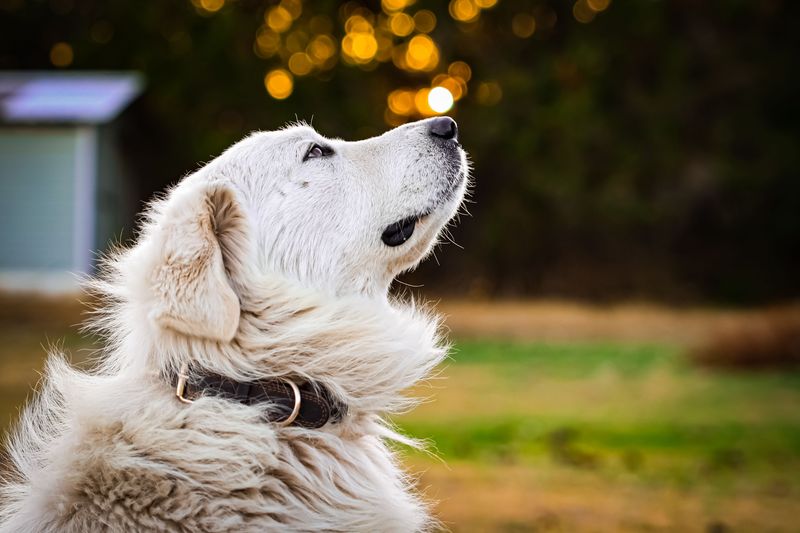
Shepherds in the mountains between France and Spain would leave these fluffy giants alone with flocks for days. No human was there to give commands, so the dogs learned to decide everything themselves.
That explains why your Pyr might ignore “come” but bark at a shadow at 2 a.m. Honestly, it’s doing its job.
A tall, secure fence is a must, because this breed considers wandering the whole neighborhood part of patrol duty.
Rottweiler: Steady Muscle, Sharp Judgment
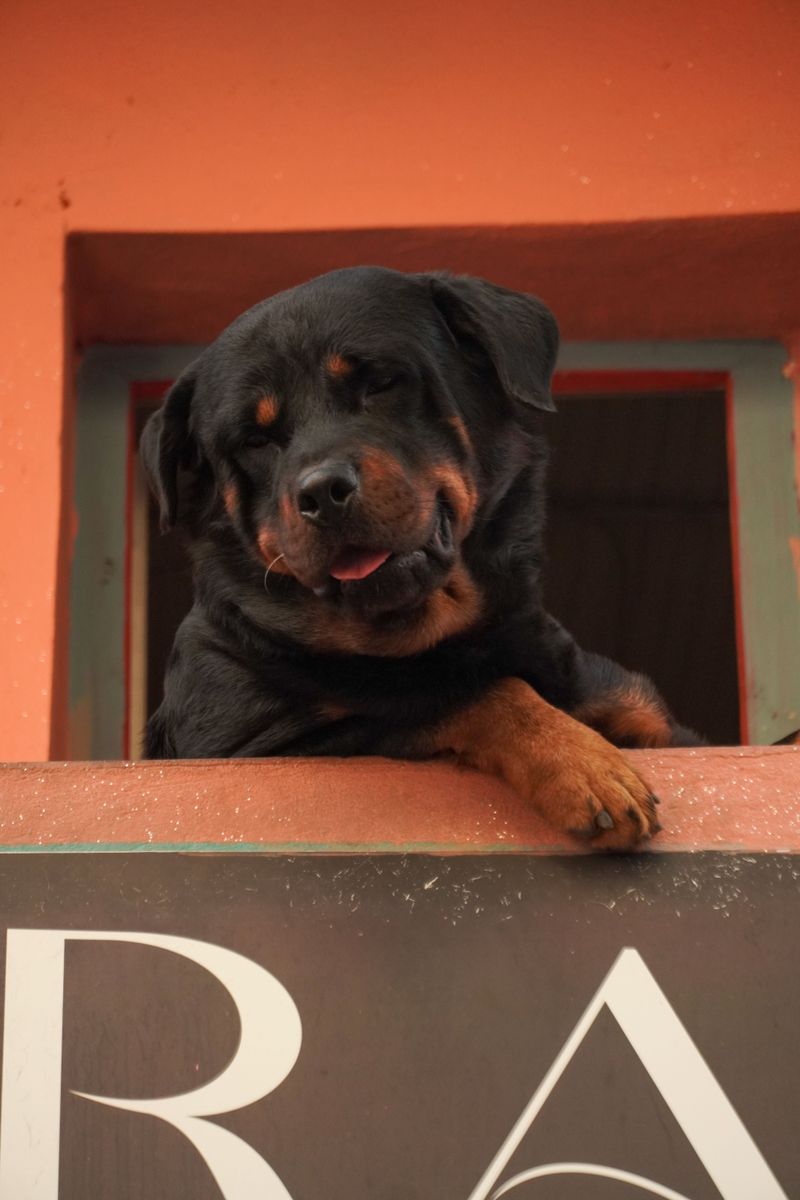
Roman armies marched cattle across Europe with the ancestors of the Rottweiler guarding the herd. Later, butchers in the German town of Rottweil tied money pouches to their dogs’ collars, trusting them to protect the cash.
That steady confidence remains today. Rotties watch first, then act decisively.
Firm, kind, consistent training builds a dog that makes smart choices. Plenty of social time with friendly strangers keeps its protective side balanced and polite.
Rhodesian Ridgeback: The Lion Dog
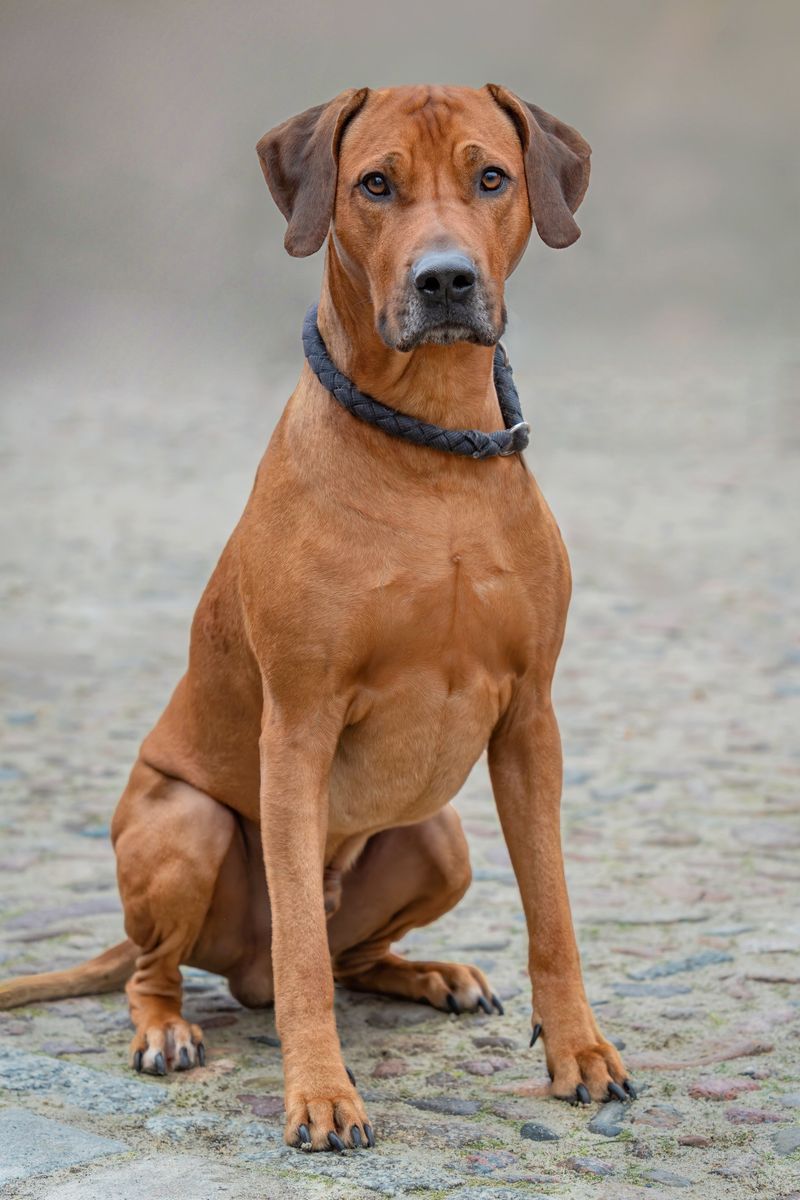
Yes, they really helped hunters track lions. In southern Africa, packs of Ridgebacks would hold a lion at bay without attacking, a job that demanded serious instinct and courage.
That ridge of backward-growing hair along the spine is their signature look. At home, Ridgebacks are mellow until something catches their eye, and then they’re gone.
Practice recall often, use a long leash in open areas, and never trust them near an unfenced road.
Siberian Husky: Escape Artist on Four Paws
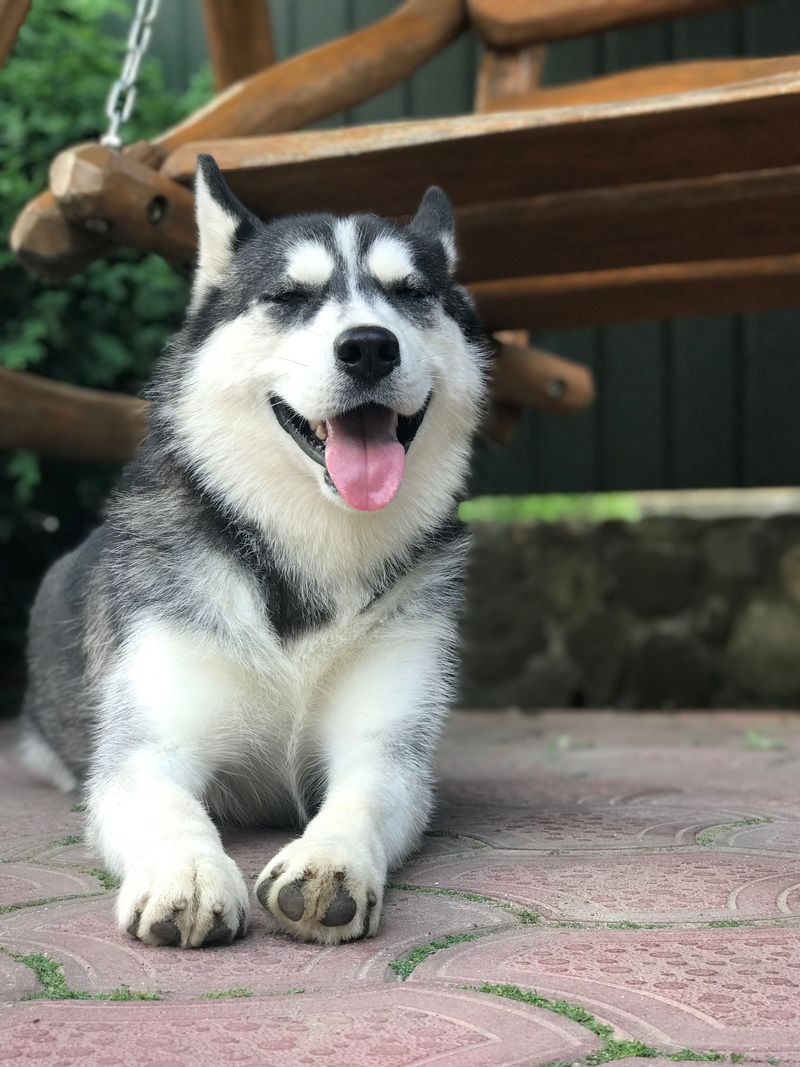
In 1925, sled dogs raced medicine to Nome, Alaska, through brutal storms. Huskies like Togo found the trail when humans couldn’t see a thing.
Leading through blizzards takes trust in your own nose, so Huskies tend to follow their own plans. They dig, howl, and slip through fences with surprising skill.
Give them hours of running, cool weather, and a sense of humor. Off-leash freedom is usually a bad idea with this adventurous traveler.
Jack Russell Terrier: Small Dog, Huge Decisions
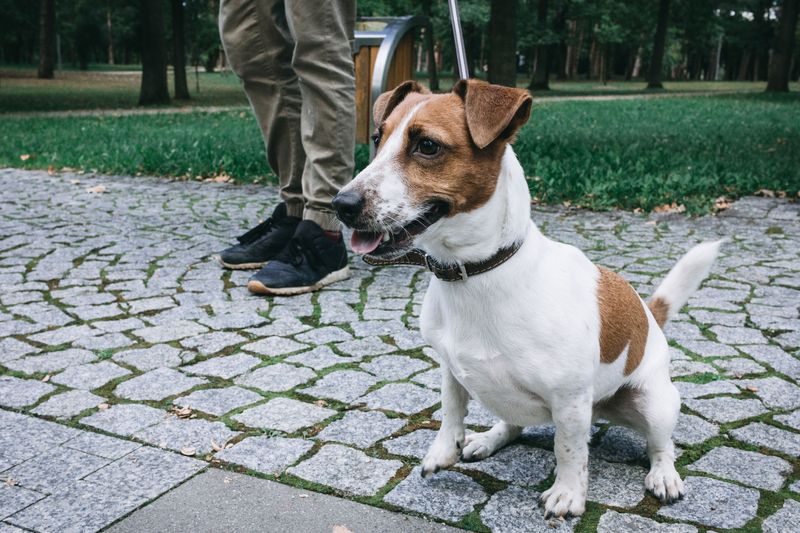
Don’t let the size fool you. A Jack Russell will spot a mouse, dive into a hole, and start digging before you finish saying its name.
Bred in England to chase foxes underground, these terriers had to act alone in dark tunnels. That makes them bold, bouncy, and sometimes bossy.
Try flirt poles, dig boxes, and short, fun training sessions. Expect a tiny comedian who always believes its plan beats yours.
Shiba Inu: The Cat in a Dog Costume
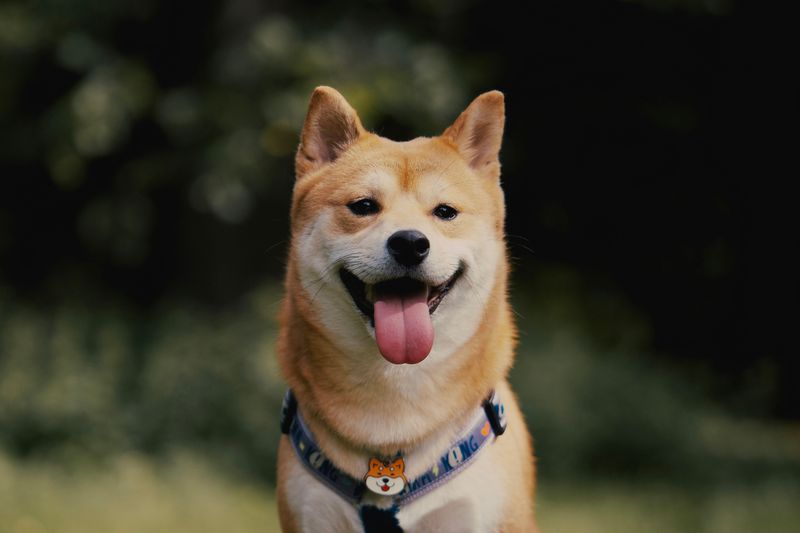
Fans joke that Shibas are basically cats wearing dog suits. They groom themselves, choose when to cuddle, and let out a dramatic “Shiba scream” when unhappy.
Japan’s oldest breed hunted small game in thick brush, making quick choices alone. That independence means recall can be tricky.
Reward-based training with tasty treats works best. Patience pays off, and soon you’ll earn respect from one of the most charming little free thinkers around.
Alaskan Malamute: The Pack Leader Wannabe
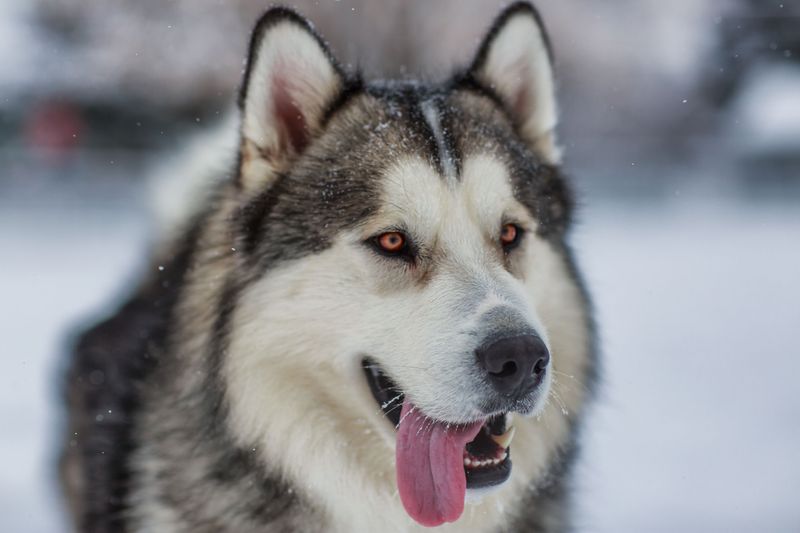
Malamutes hauled heavy freight for the Mahlemut people of Alaska, sometimes refusing to cross ice they sensed was unsafe. Mushers learned to listen.
That wisdom comes with a stubborn streak. A Malamute often weighs your request, then decides whether it’s worth doing.
Clear routines and confident leadership help a lot. Without them, expect this fluffy powerhouse to quietly promote itself to head of the household, couch included.
Chow Chow: Dignified and Decidedly Independent
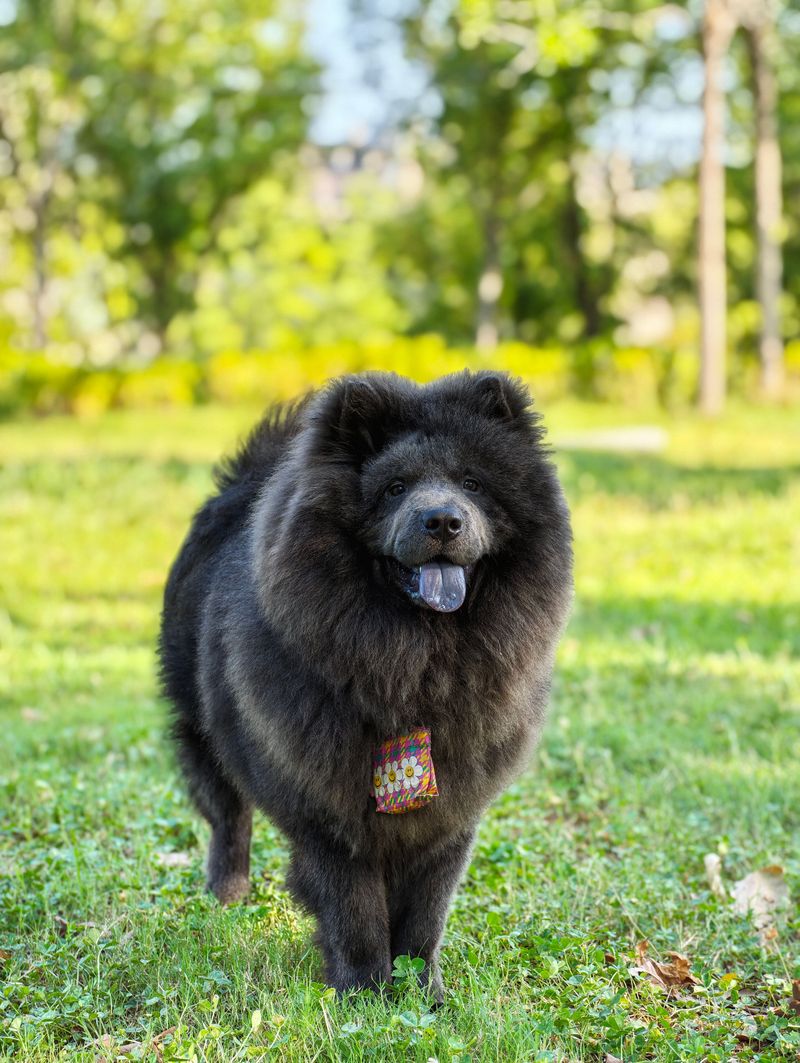
With a lion-like mane and a blue-black tongue, the Chow Chow looks like royalty, and acts like it too. This ancient Chinese breed may date back over 2,000 years.
Chows choose their favorite people carefully and stay reserved with everyone else. Pushy training backfires fast.
Instead, start socializing early and keep lessons short and respectful. Treat a Chow like a wise roommate rather than a pet, and you’ll get along beautifully.
Anatolian Shepherd Dog: Guardian on Its Own Terms
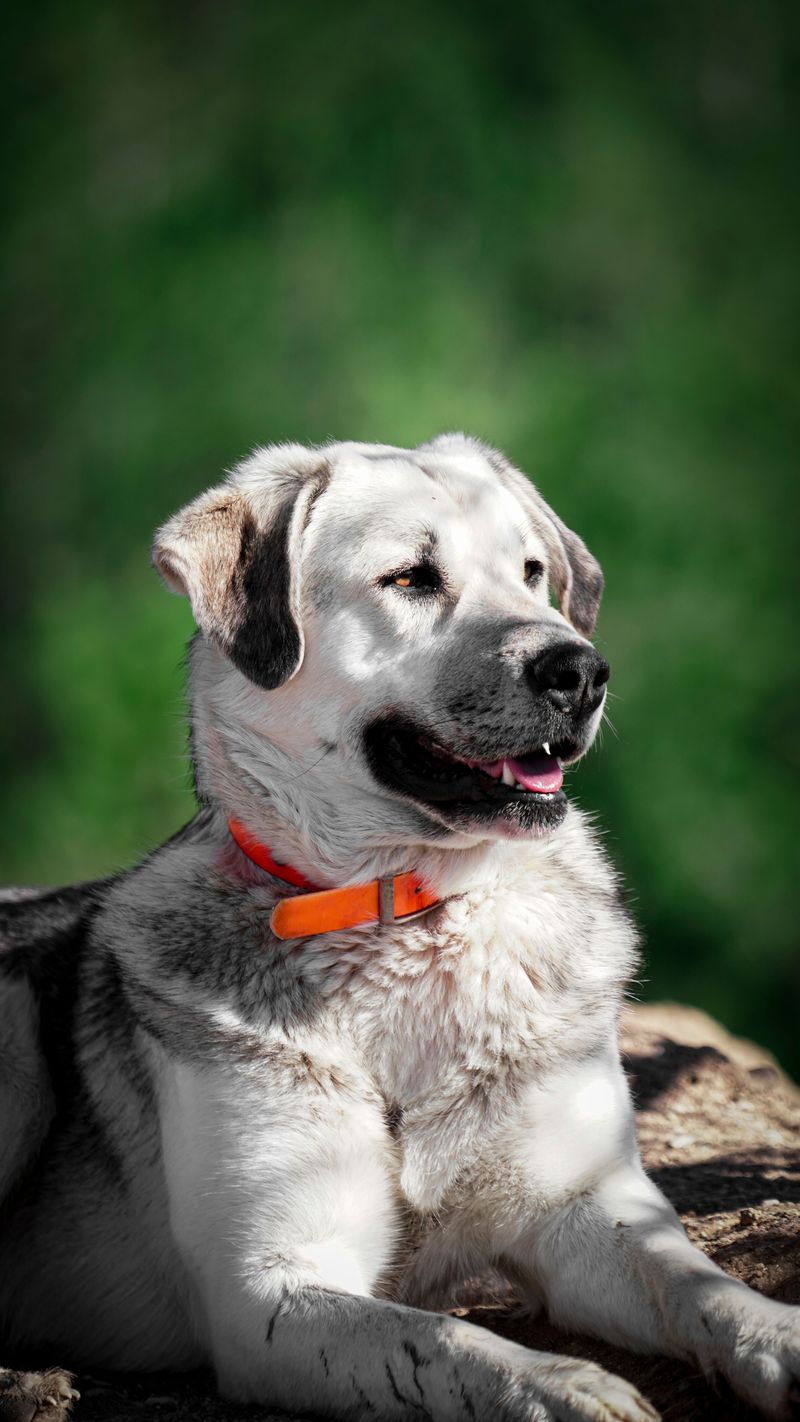
Cheetah conservation programs in Namibia use Anatolian Shepherds to protect goats, helping farmers and big cats live side by side.
Originally from Turkey, these powerful dogs patrol huge territories and decide alone what counts as danger. They’re not trying to be rude when they ignore you.
They simply believe they know best. First-time owners should think carefully, since this breed needs space, strong fencing, and a confident, experienced handler.