Where a dog sleeps can shape its health, joints, and mood. Some breeds need special support or climate control to stay comfortable.
Others can curl up almost anywhere and still wake up happy. Learn which dogs need extra care at bedtime and which ones snooze like champs wherever they land.
Great Dane

With legs like lampposts, a Great Dane sprawls bigger than many sofas. Joints carry serious weight, so a thick orthopedic bed is more than a luxury.
Choose a mattress with high-density foam, at least four inches thick, to protect hips and elbows. Keep drafts away to avoid morning stiffness.
Because Danes overheat easily, breathable covers matter. A raised cot can help airflow in warm months.
Place the bed where they can see you, which eases anxiety.
Greyhound
Built for speed, the Greyhound cools down fast and chills even faster. That thin coat needs warmth without trapping heat after runs.
A bolstered donut bed cradles their curved spine while keeping bony ankles off the floor. Add a soft blanket for cooler nights.
Surprisingly, many prefer quiet corners. Place the bed away from foot traffic and doors.
If your house echoes, a rug beneath the bed helps muffle sound and encourages deeper sleep.
Whippet
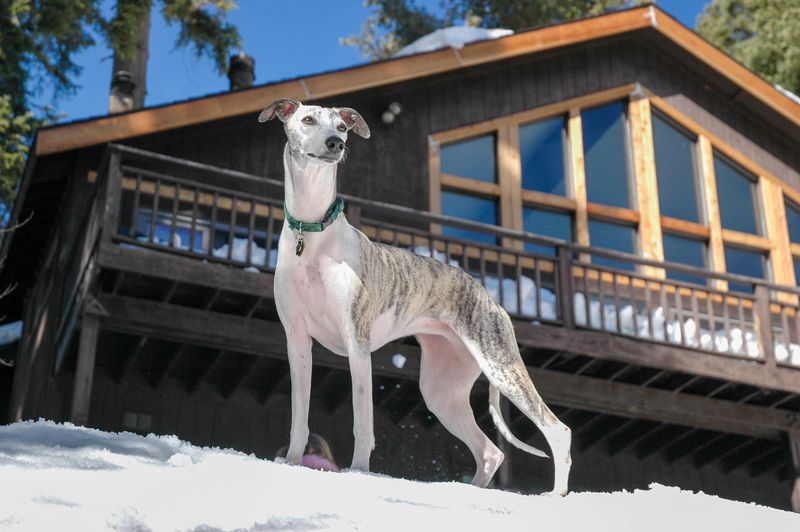
Shivery on cold days, the Whippet loves cozy layers. Think supportive foam topped with plush that does not trap too much heat.
A blanket they can burrow under keeps their lean body happy. Avoid hard floors, which can bruise elbows.
Because Whippets sprint, muscles appreciate gentle warmth after play. Position the bed away from direct drafts yet not right beside heaters.
A second resting spot by your desk comforts sensitive souls who nap best within sight of their people.
English Bulldog
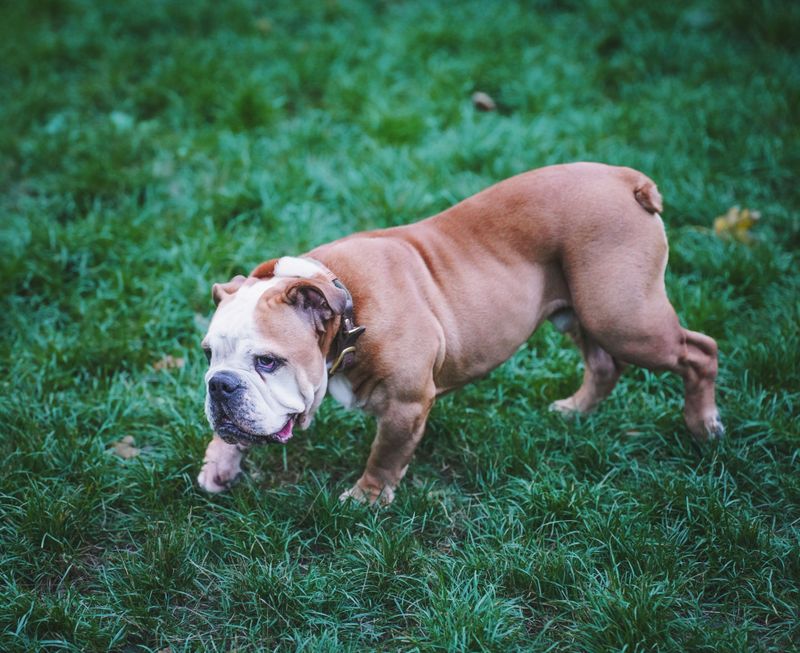
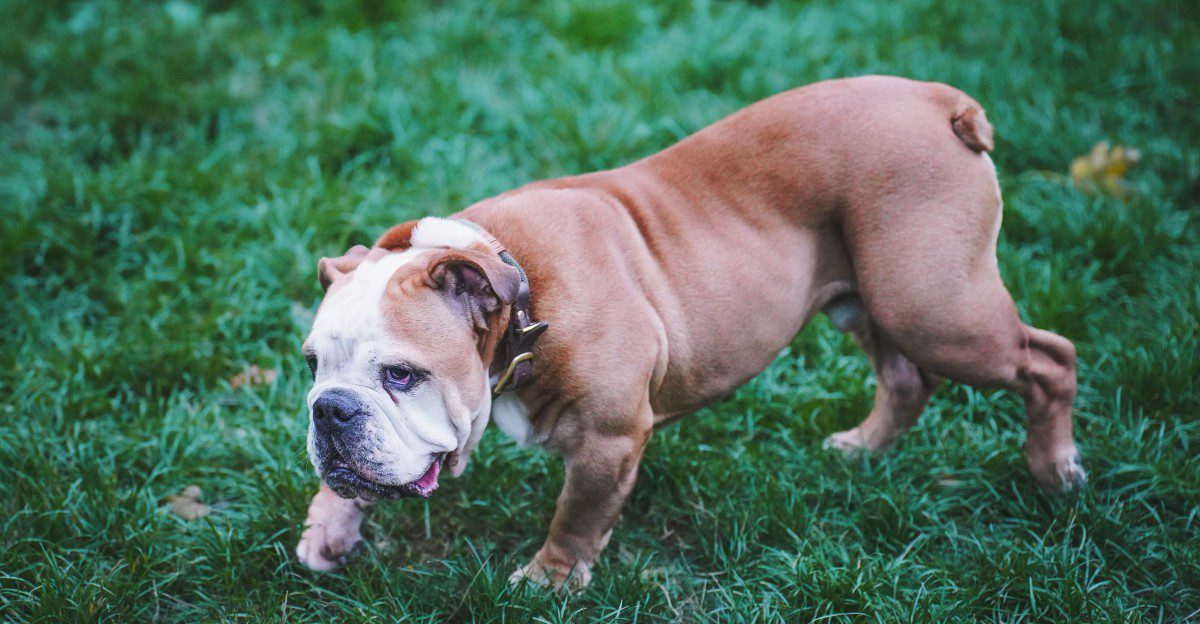
Snorts and snoozes come standard with the English Bulldog. Breathing can get tricky when overheated, so a cooling gel bed helps a lot.
Low bolsters support the head without compressing the neck. Keep the sleep zone cool and well ventilated to reduce nighttime snoring.
Hard floors can worsen pressure points. Choose thick foam with washable covers for drool.
Elevating the head slightly may ease airways. A quiet, low-stress corner often leads to calmer, longer rest.
French Bulldog
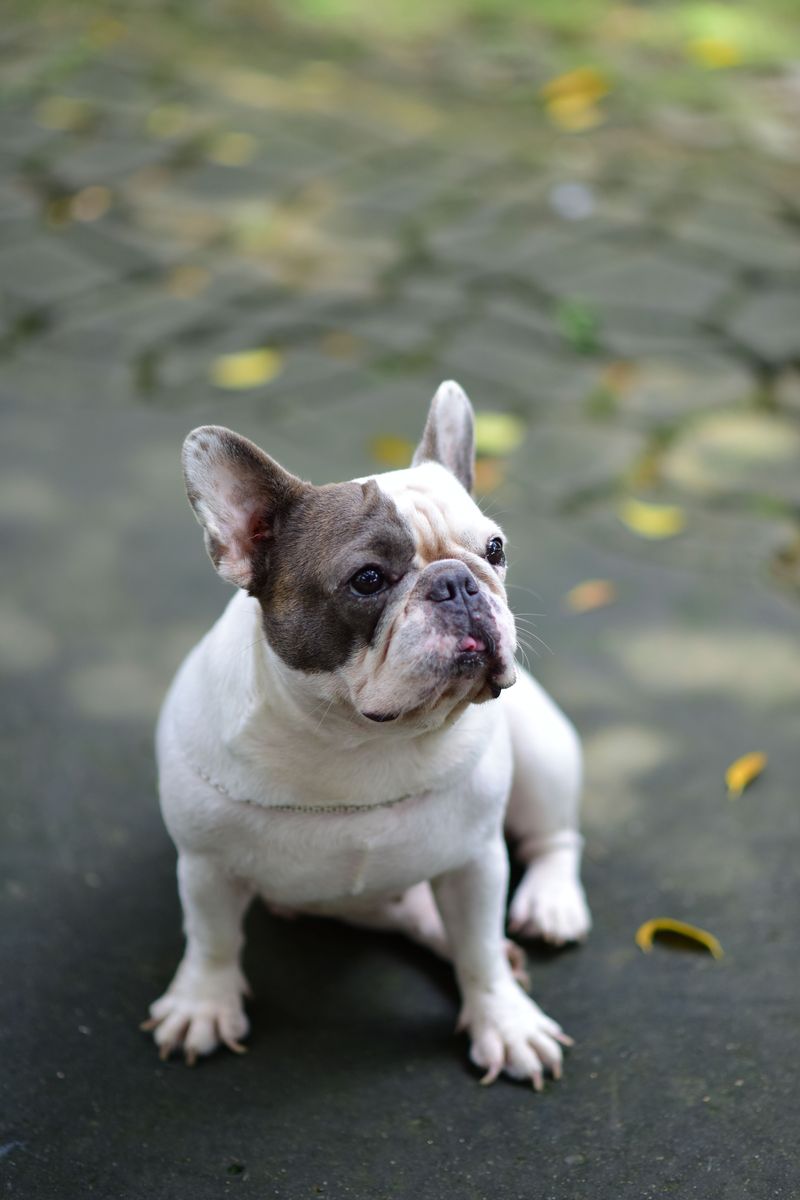
Small body, big personality, and a need for airflow describe the French Bulldog. They heat up quickly.
A breathable raised cot or mesh bed fights stuffiness and keeps bellies cool. Add a lightweight blanket for comfort without trapping heat.
Many like to nap near family activity but not in the middle of it. Place the bed by a wall for security.
If allergies appear, choose hypoallergenic covers and wash weekly to keep sneezes down.
Dachshund
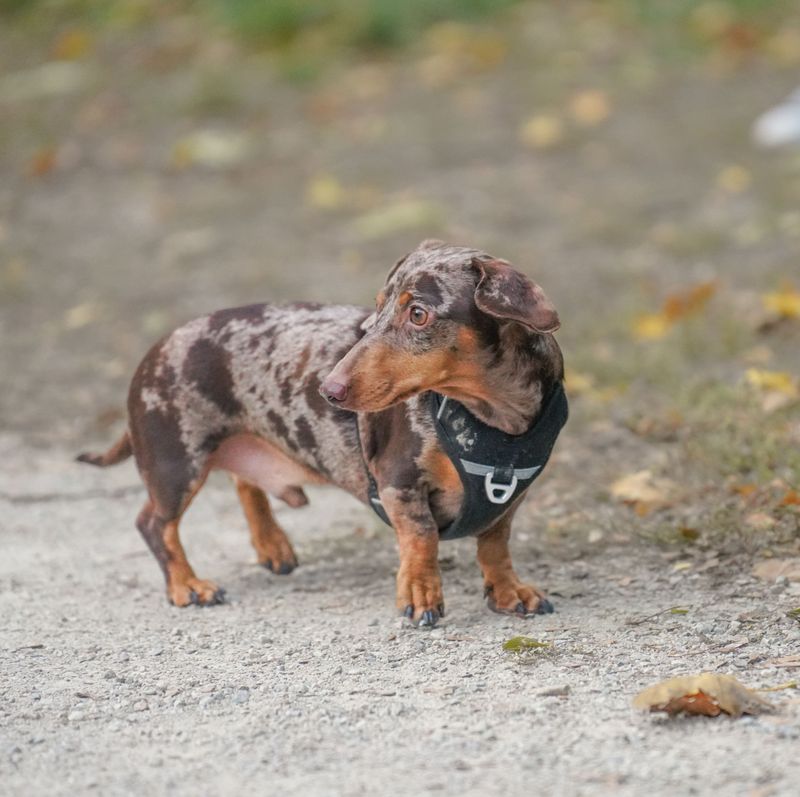
Long back, short legs, and a love of burrowing define the Dachshund. Spinal support matters.
Use a firm, low-profile foam bed that makes getting in and out easy. Cave-style beds satisfy the urge to tunnel while keeping spines aligned.
Stairs to couches can be risky. Provide ramps if your dog insists on joining you.
Avoid jumping off high spots after naps. A non-slip mat under the bed helps tiny diggers who spin before settling.
Saint Bernard

With snow-dog roots, the Saint Bernard runs warm indoors. A large orthopedic mattress spreads weight evenly, easing hips and shoulders.
Choose a waterproof liner, since drool and wet paws happen. Keep the sleep spot cool, away from radiators and sunny hot spots.
Because they are heavy, sliding on slick floors can strain joints. A rubber-backed rug under the bed adds traction.
Offer a second cool-down area, like tile, for quick temperature relief after naps.
Mastiff
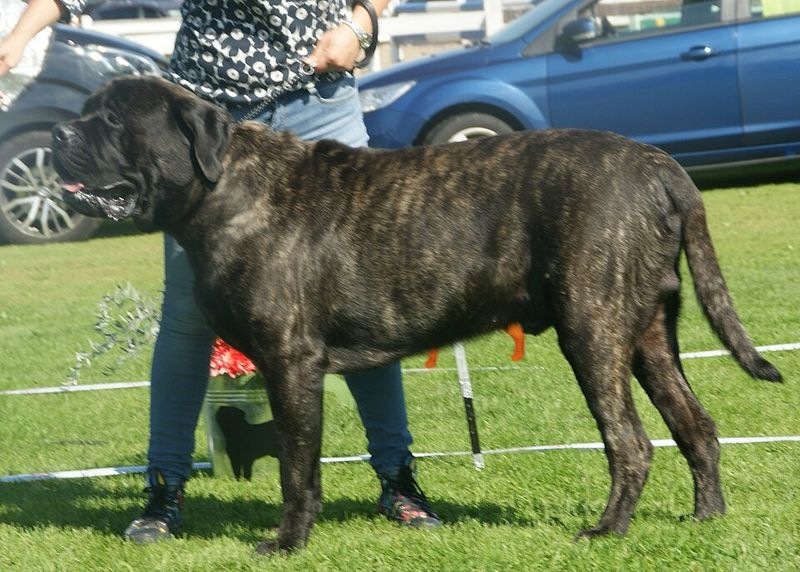
Gentle giant meets serious body mass. Mastiffs need dense foam that will not pancake after a month.
Look for high-density memory foam with sturdy bolsters to cradle a heavy head and prevent pressure sores. Rotate the bed regularly to even out wear.
Heat control is key. A fan nearby helps, and breathable covers reduce sweatiness.
Place the bed where the dog can observe the room, since many relax better when they feel included.
Italian Greyhound

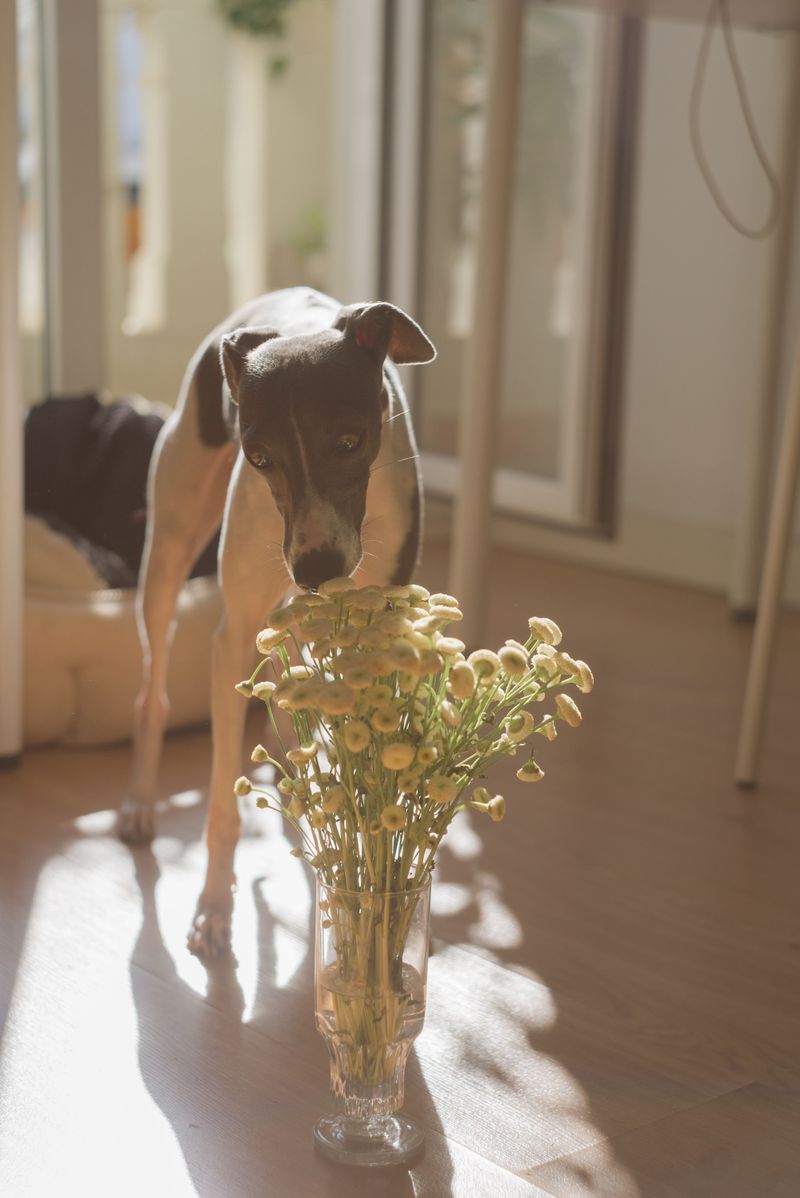
Tiny, dainty, and chilly, the Italian Greyhound adores warmth. A plush cave bed paired with a sweater on cold mornings makes nap time bliss.
Thin skin means hard floors feel harsh, so add a cushioned mat where they like to perch. Sun patches are prized real estate.
Because noises startle them, quiet corners work best. Wash covers gently to protect delicate fabrics.
Lightweight blankets let them burrow or kick free as temperatures change.
Basset Hound

Ears for days and heavy bones give the Basset a unique snooze style. A low, wide bed fits their long body and keeps joints happy.
Supportive sides prevent roll-offs during deep sleep. Place it near family noise, since they like being part of the scene.
Because ears can trap heat and crumbs, pick washable covers and tidy the area often. A ramp helps short legs avoid jumping, especially after long naps when stiffness hits.
Labrador Retriever
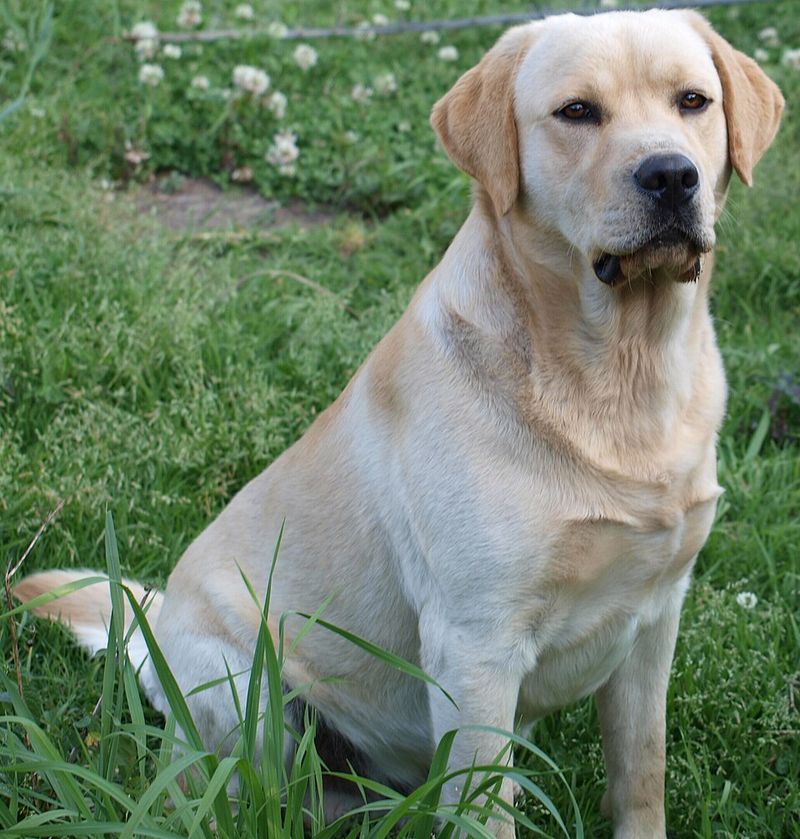
Rain or shine, the Labrador plays hard, then flops harder. Choose a tough orthopedic bed with a washable cover to handle wet paws and backyard adventures.
Medium firmness supports hips without feeling stiff. Keep the bed close to family life, which calms social Labs.
Adaptable sleepers, many Labs are fine on travel cots, crates, or carpet. Add a crate pad for road trips.
Rotating two beds lets one dry while the other stays ready.
Beagle

Nose-led adventures end with cozy curls. Beagles enjoy donut beds that support their necks while they tuck in.
Not picky, they settle on rugs, couches, or crates if the spot feels safe. A light blanket helps after chilly walks.
Because they follow scents, place the bed away from the kitchen to avoid late-night sniffing. Rotate locations to see where naps last longer.
Travel-friendly mats make camping or cabin trips an easy transition.
Cavalier King Charles Spaniel
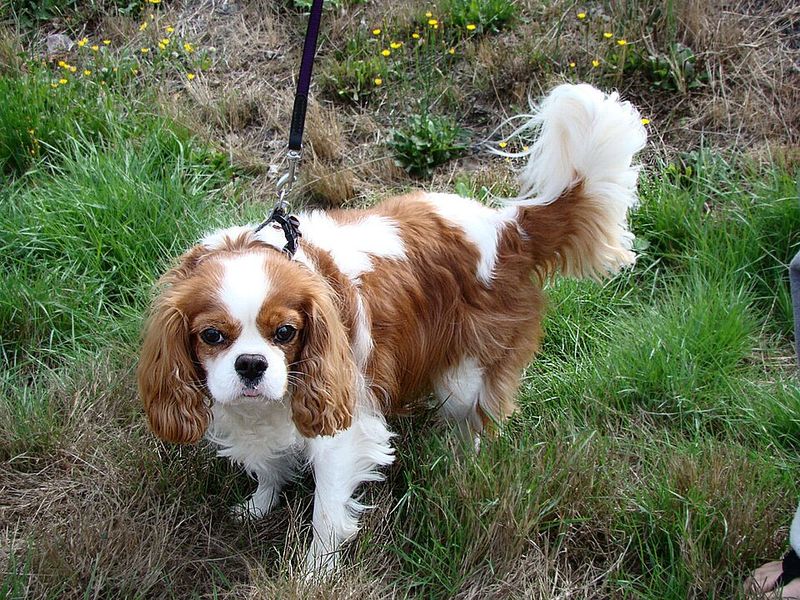
Affectionate by nature, Cavaliers nap best close to people. A plush bolster bed beside the sofa delivers comfort and company.
Moderate foam supports small joints without feeling firm. Many relax when a soft throw carries your scent.
Adaptable and easygoing, they handle crates, travel beds, and guest rooms gracefully. Keep ears clean and bedding tidy to prevent tangles.
If snoring starts, try slight head elevation and a cooler spot away from radiators or sunny windows.