
Ready to turn daily chaos into calm, confident companionship? With a few minutes a day, you can teach simple tricks that create real-life manners fast. These home-friendly skills build focus, impulse control, and trust without fancy gear. Let’s turn training into quick wins you will feel proud of every time you clip the leash or welcome guests.
Name recognition
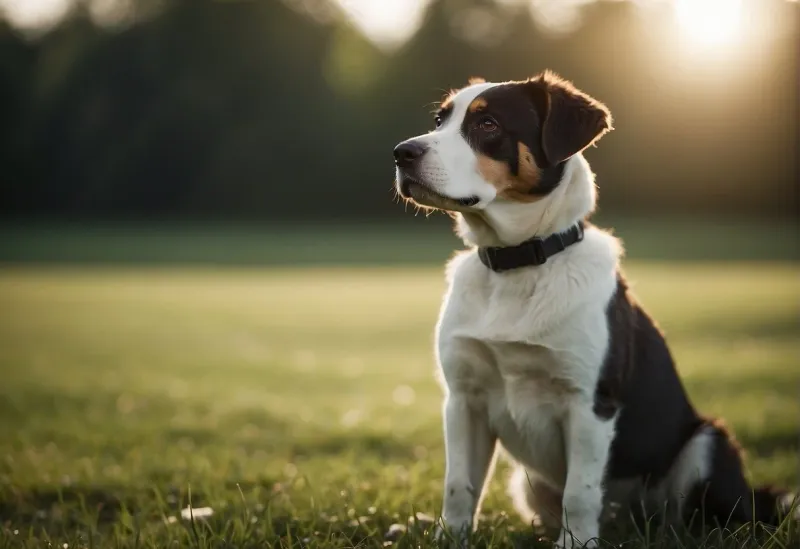
Say the name once, then reward when ears flick or eyes meet yours. Keep it upbeat and brief, pairing the name with a tiny treat or toss of a toy. Avoid repeating like background noise, because clarity makes meaning stick.
Build it in different rooms and distances as confidence grows. Add mild distractions, then return to easy wins if attention wobbles. Soon the name becomes a cue for connection that cuts through noise.
Use it to redirect from squirrels, doorbells, or dropped crumbs. You get faster check-ins and better recall foundations. Most important, your dog learns their name predicts good things and guidance, not scolding.
“Settle” cue
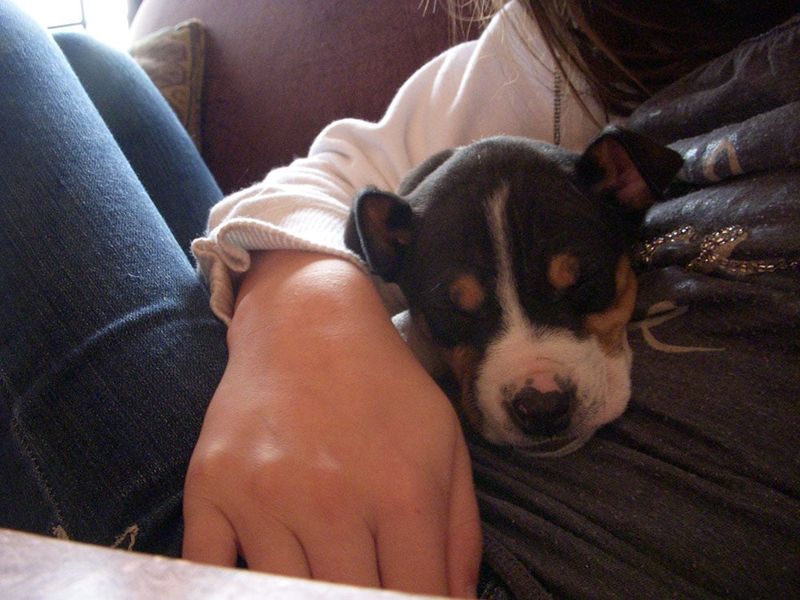
Teach settle as a soothing off-switch, not a forced down. Lure your dog to a mat, reward slow breaths, hip shifts, and relaxed posture. Whisper settle, feed calmly, and lengthen the quiet moments.
Keep sessions short, then sprinkle throughout the day. Link it to predictable calm events like coffee time or emails. If excitement spikes, reset with an easier moment and softer voice.
Generalize near doors, couches, and patios where arousal usually climbs. Reward relaxation, not just positions, so your dog learns to self-regulate. Soon settle becomes a portable calm that travels to cafes and vet lobbies.
Leave-it impulse control
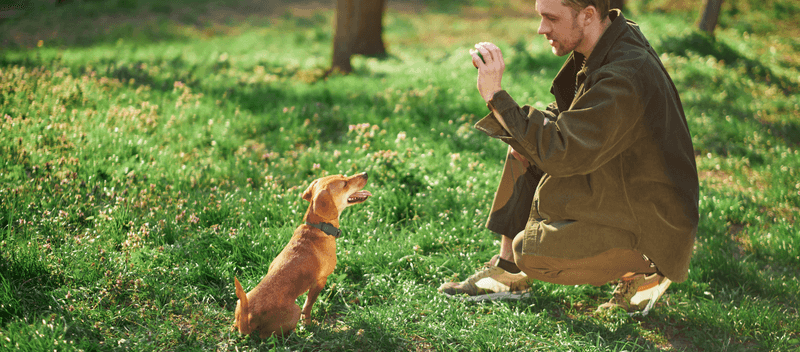
Present a low-value treat in a closed fist. When your dog stops licking or pawing, mark and reward from the other hand. Add the words leave it once the behavior is predictable.
Progress to an open palm, then the floor with your foot ready to cover. Reward looking away and choosing you. Keep the pace relaxed so success stays high.
Upgrade to dropped snacks, toys, and sidewalk debris. Leave it becomes a safety skill, preventing risky grabs. Use calm praise and pay well for smart choices, building reliable impulse control everywhere.
Place stay
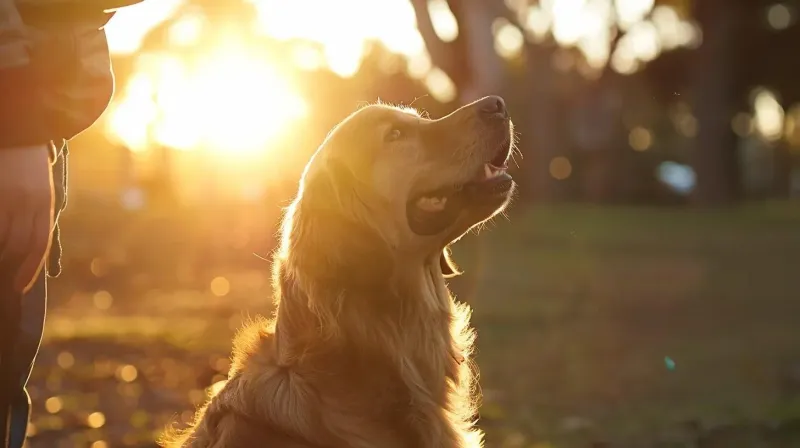
Pick a mat or cot that screams predictable comfort. Lure your dog onto place, feed generously for standing, sitting, then lying. Add a release word before they step off.
Build duration in tiny chunks, then sprinkle mild distractions. Practice while cooking or watching TV so place becomes part of life. If they break, calmly reset and pay smaller intervals.
Generalize to doors, patios, and guest arrivals. Place stay teaches boundaries without nagging. Soon you will park calm anywhere, letting your dog succeed during meals and deliveries.
Target touch

Hold out a flat hand like a friendly landing pad. When the nose boops, mark and treat. If unsure, smear a crumb at first, then fade it quickly.
Add the cue touch and present different angles and heights. Use it to guide positioning without pushing. It feels like a game and builds confidence fast.
Targeting helps with loose-leash turns, greeting placement, and vet handling. You can move your dog past distractions with a simple nose tap. It is communication and fun wrapped into one reliable skill.
Recall with distractions
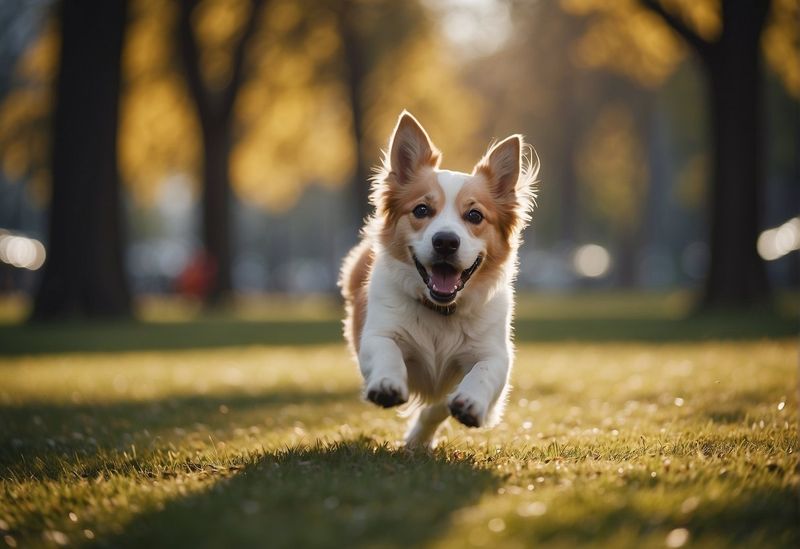
Start indoors with a happy come and a party-level reward. Run backward, clap softly, and pay big when your dog lands at your feet. Keep sessions short and wildly positive.
Add distance, then mild distractions like toys on the floor. Practice hide-and-seek turns your recall into a fun habit. If your dog hesitates, lower difficulty immediately.
Move outside on a long line for safety. Pay jackpots for beating birds, smells, and friends. A dependable recall is freedom on a string, earning off-leash privileges gradually and responsibly.
Calm leash walking
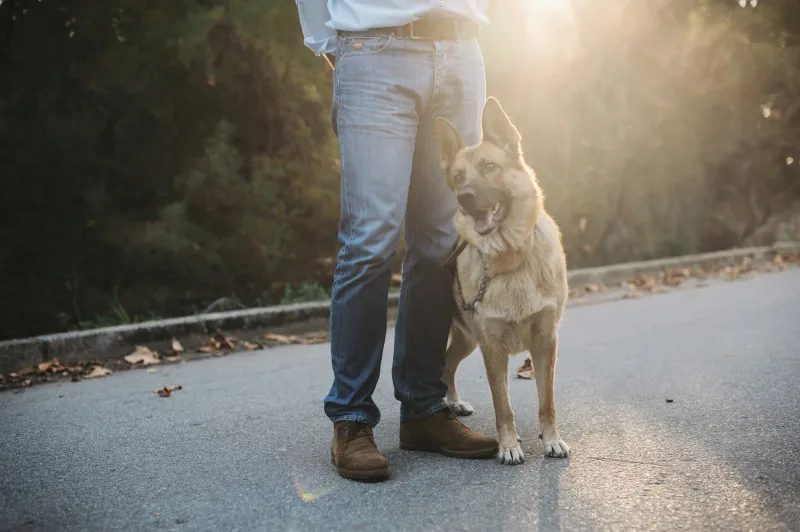
Start in a hallway where distractions are tiny. Reward position by your side, one step at a time. When the leash tightens, stop, breathe, and reset quietly.
Use turns, target touch, and frequent check-ins. Pay generously for loose arcs around corners and past doorways. Keep walks short and successful instead of long and frustrating.
Gradually increase scenery and smells. If pulling returns, retreat to easier ground and rebuild. Calm leash walking becomes a mindful stroll where you both enjoy the journey, not a tug-of-war.
Gentle mouth play
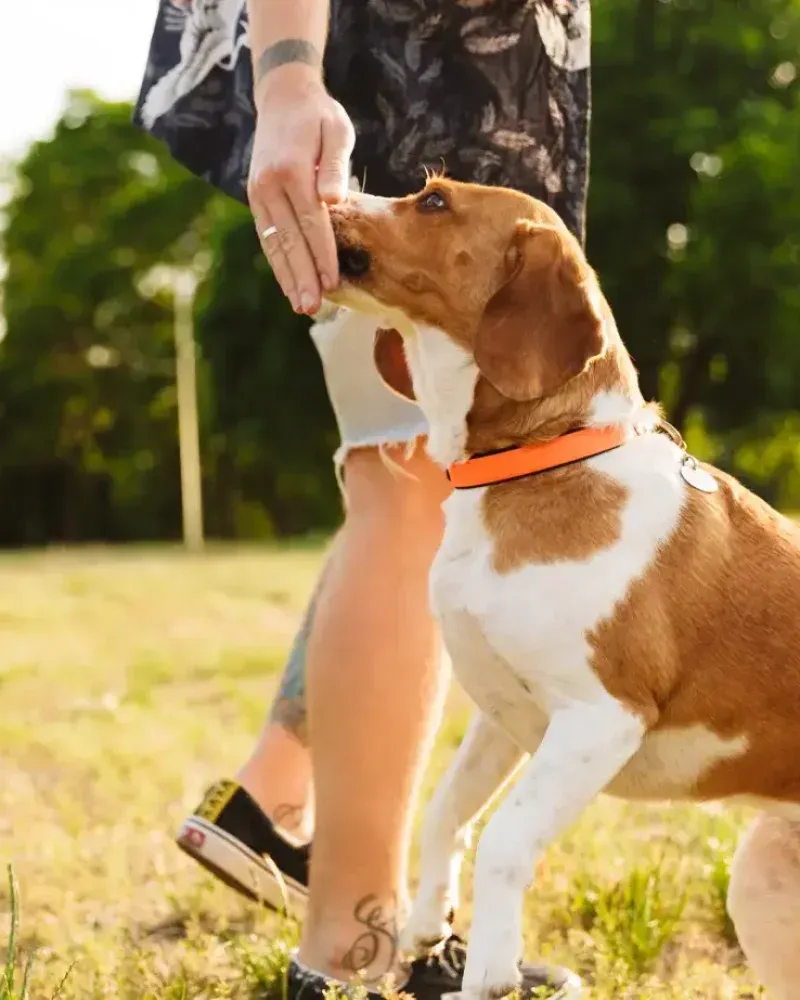
Teach take and drop with a soft tug toy. Mark gentle grips and immediately pause when pressure spikes. Resume play when the mouth relaxes so the rule pays.
Add a brief out cue and trade for food or another toy. Keep arousal balanced by inserting tiny settles mid-game. Your dog learns self-control without killing the fun.
Rehearse daily in short bursts. Gentle mouthing protects hands, sleeves, and kids. It also turns toy play into a training engine that drains energy while polishing manners.
Bedtime routine cue

Pair a simple cue like bedtime with a predictable sequence. Dim lights, cue a quick potty, then guide onto the bed or crate. Feed a small chew or scatter kibbles for quiet sniffing.
Keep voices low and movements slow. Repeat nightly so the rhythm carries your dog to sleep. If restlessness appears, shorten excitement earlier in the evening.
Bedtime cues reduce pacing and whining. Consistency turns the night into a safe, soothing ritual. Everyone wakes happier because sleep starts smoothly and ends fully restored.
Quiet greeting etiquette

Rehearse greetings before guests arrive. Park your dog on place or in a sit, then reward calm while you mimic door sounds. Practice opening, stepping in, and hanging coats.
Add a real visitor who follows your script. If jumping starts, quietly reset position and pay four paws on floor. Leave the door again and retry until calm sticks.
Teach humans to ignore excitement and reward stillness. Soon your dog associates greetings with polite choices. Quiet etiquette makes every arrival smoother and safer for everyone.