
Many dogs undergo fascinating transformations as they mature, particularly in the color and texture of their coats. Here are ten breeds known for their unique color evolution, adding a delightful surprise to their already charming personalities.
Poodle
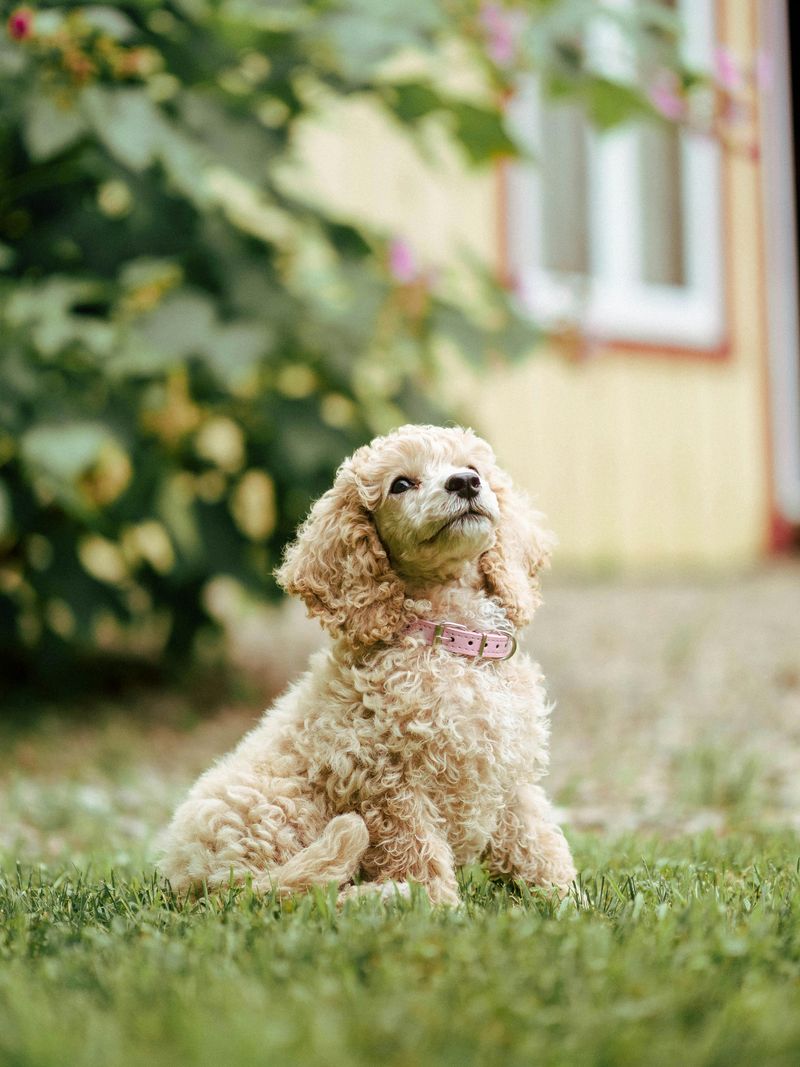
Poodles are known for their intelligence and elegant appearance. As puppies, they often sport darker coats, such as apricot or black. However, these shades can lighten significantly over time.
The change usually occurs within the first couple of years. Some Poodles end up with a completely different hue as adults, such as a silvery white or cream.
This transition is part of their charm, making them a favorite among dog lovers. Did you know? The term “Poodle” is derived from the German word “pudeln,” meaning “to splash in water.”
Kerry Blue Terrier
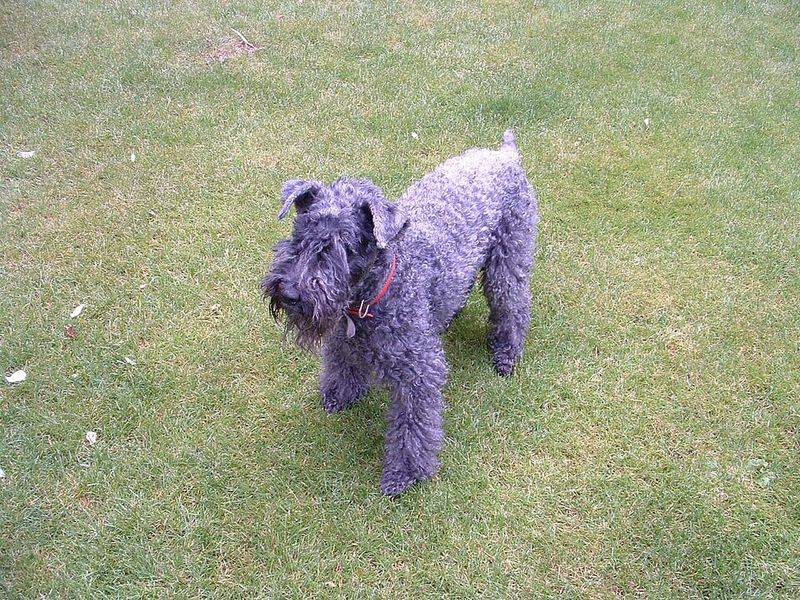
The Kerry Blue Terrier is a breed full of surprises, including its coat color. Puppies are born with almost black fur, which gradually changes to a beautiful blue-gray as they mature.
This transformation can take up to three years, with various stages of color shifting. Each Kerry Blue’s journey to their adult coat is unique, adding to their individuality.
Besides their distinctive coat, Kerry Blues are known for their lively spirit and loyalty. Fun fact: This breed hails from Ireland and was originally used for hunting and herding.
Bedlington Terrier
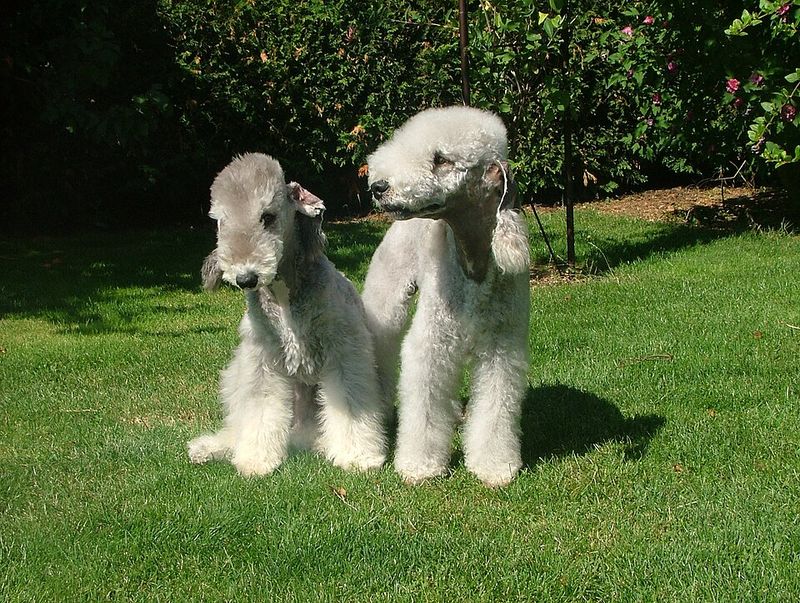
With their lamb-like appearance, Bedlington Terriers captivate hearts. Born with dark coats, their fur lightens to a pale blue or sandy hue as they age.
This transition can take a couple of years, during which their soft, curly coat also becomes more pronounced. Their unique look often draws comparisons to sheep.
Aside from their striking appearance, Bedlingtons are known for their affectionate nature. Did you know? The breed originated in the mining town of Bedlington in Northumberland, England.
Dalmatian
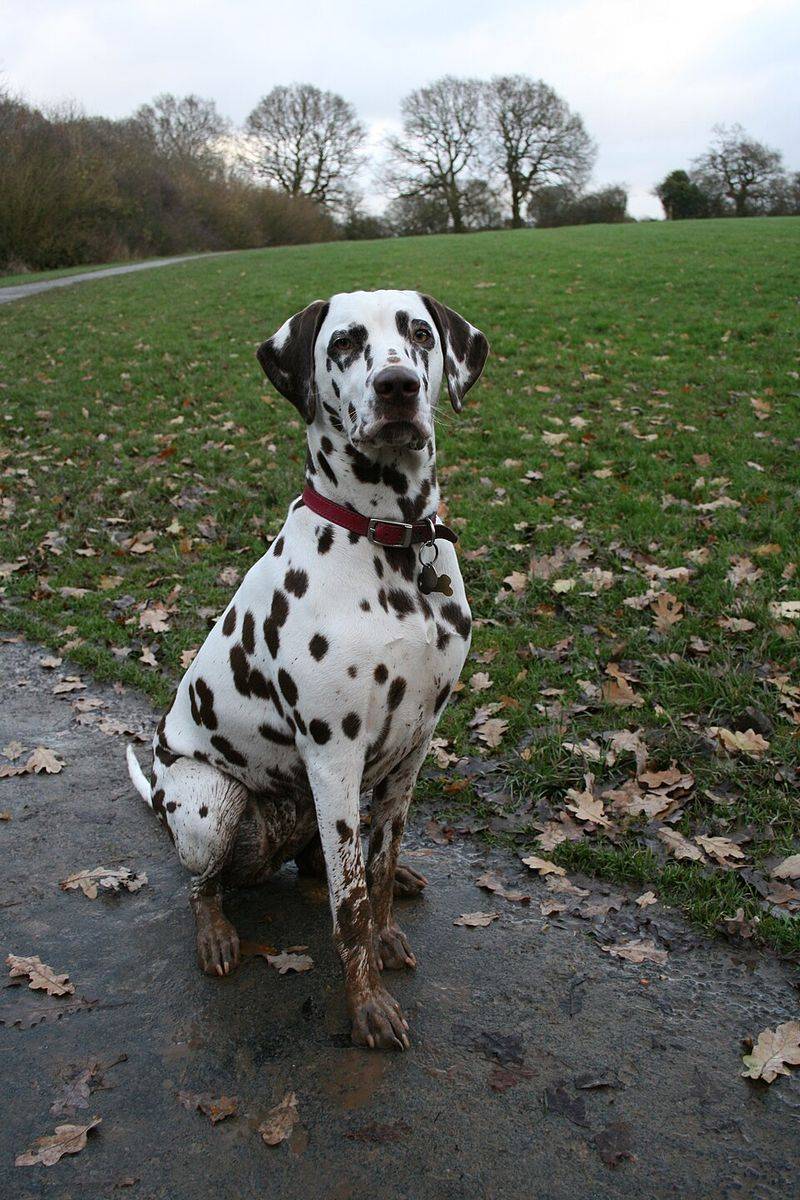
Dalmatians are famous for their iconic spots, but they don’t start life that way. Puppies are born pure white, with spots appearing gradually as they grow.
The transformation is fascinating, as each Dalmatian develops its unique pattern over the first year. This breed’s distinctive look is matched by its energetic and playful demeanor.
Beyond their appearance, Dalmatians have a rich history as carriage dogs. Fun fact: They were once used to protect coaches from highwaymen.
Siberian Husky
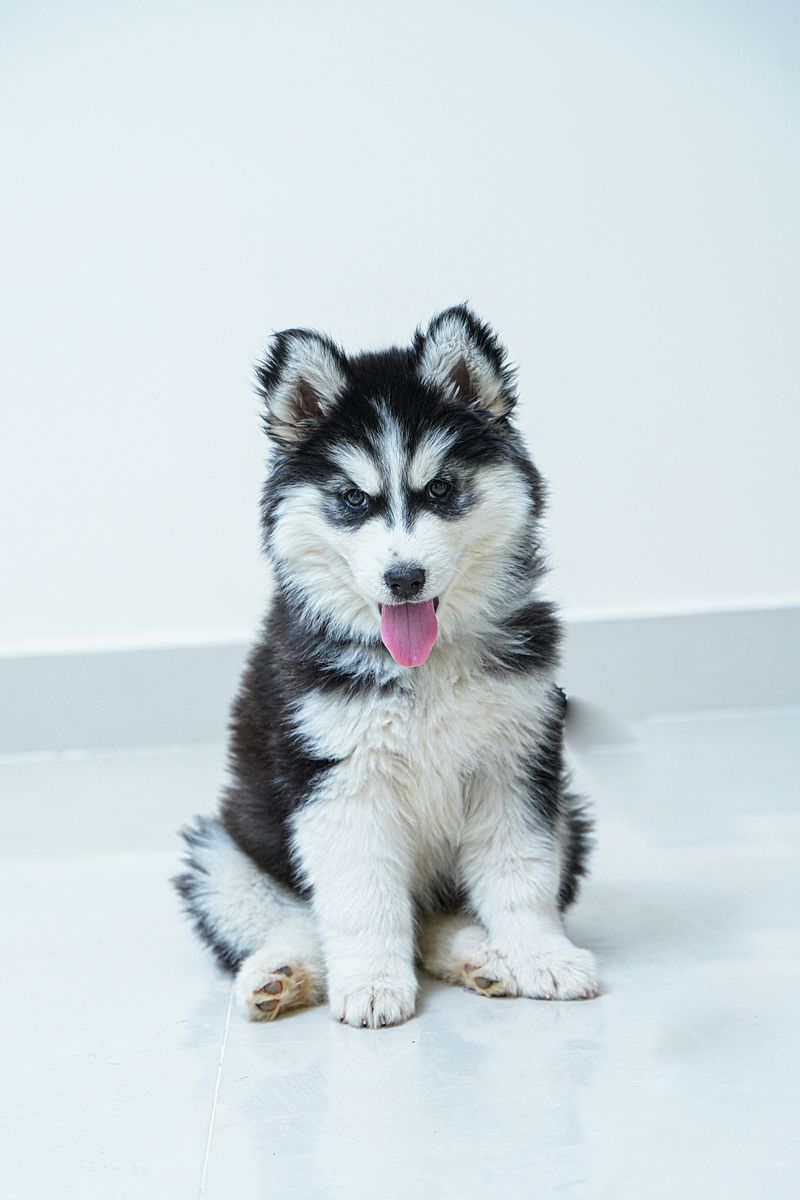
Siberian Huskies are known for their striking eyes and wolf-like appearance. Many are born with darker fur and masks that lighten as they mature.
The change in their coat can result in a dramatic shift in their facial markings, enhancing their regal look. This transformation mirrors the adaptability and resilience of their sled-pulling ancestors.
Their social and friendly nature makes them a beloved companion. Did you know? The Siberian Husky originated in Northeast Asia, bred by the Chukchi people for sledding.
Shih Tzu
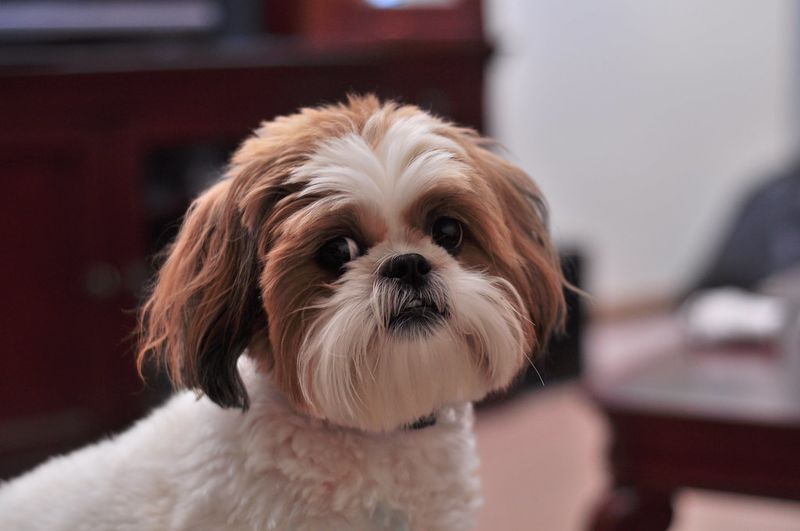
Shih Tzus are cherished for their luxurious coats and charming demeanor. Puppies often start with darker colors, which can lighten to a gold or silver as they grow.
This change, paired with their flowing fur, adds to their royal appearance. Each Shih Tzu’s transformation is unique, reflecting their individual personality.
Apart from their beauty, they are known for their affectionate and friendly nature. Fun fact: The Shih Tzu was originally bred in China as a companion for royalty.
Yorkshire Terrier
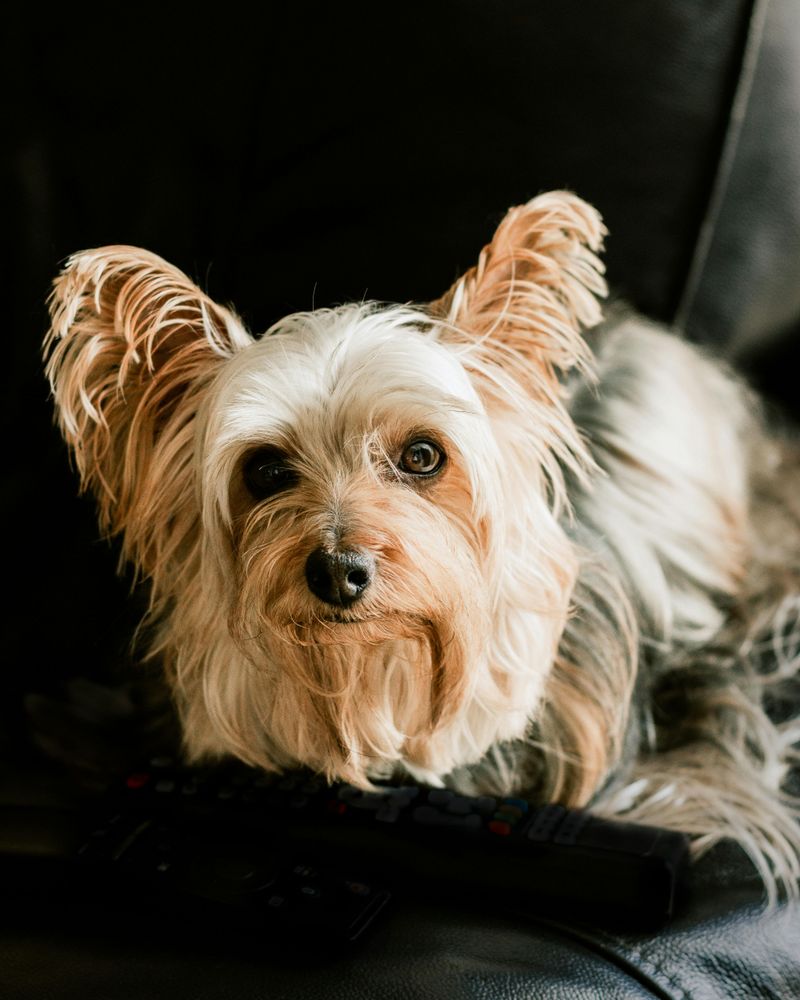
Yorkshire Terriers, known for their lively spirit, undergo a fascinating color change. Puppies are born with black and tan coats, which often lighten to a steel-blue and gold.
This transition occurs over the first couple of years, with each Yorkie developing its unique shade. Their silky fur adds to their elegance and charm.
Alongside their appearance, they are celebrated for their courageous and vibrant personality. Did you know? Despite their small size, Yorkies were historically used to hunt rats in textile mills.
Pomeranian
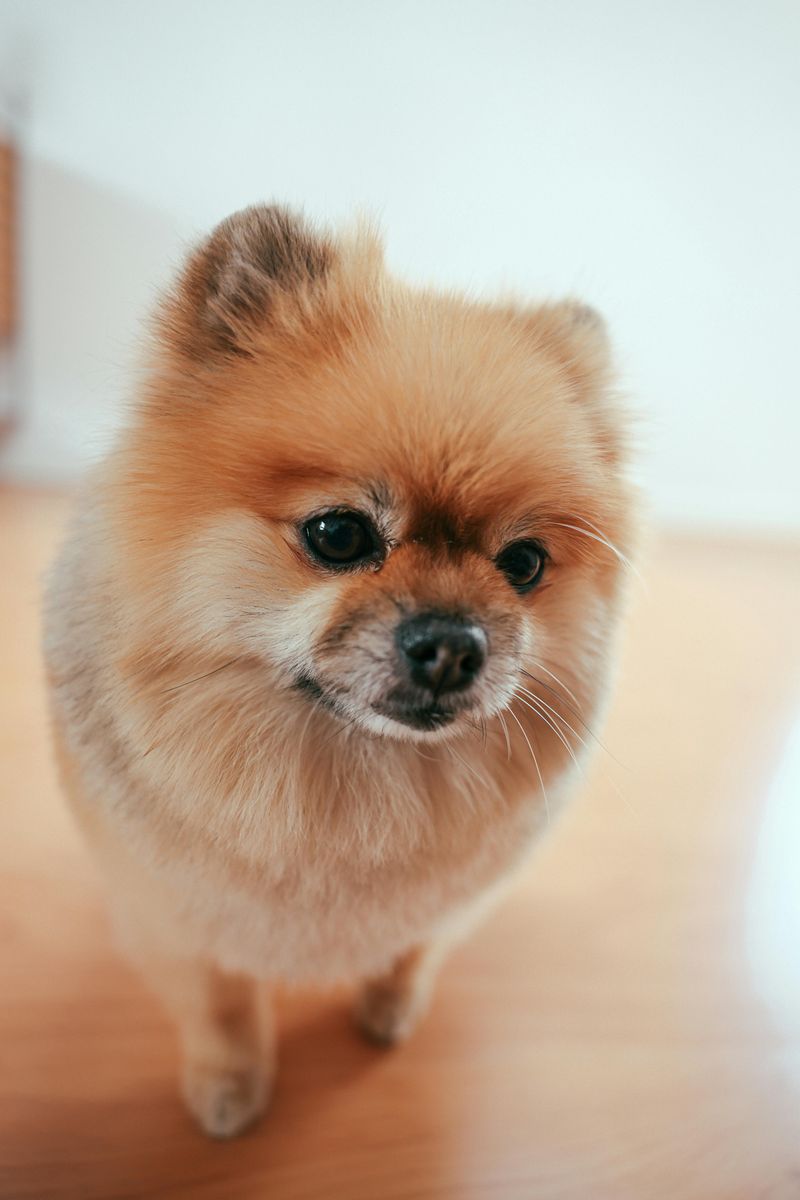
Pomeranians are adored for their fluffy coats and spirited personality. Puppies often start with dark shades, which can lighten to a vibrant orange or cream.
This change enhances their fox-like appearance, making them even more endearing. Each Pomeranian’s transition is unique, reflecting their playful nature.
Beyond their looks, they are known for their lively and affectionate temperament. Fun fact: Pomeranians are descendants of large sled-pulling dogs from the Arctic regions.
Australian Shepherd
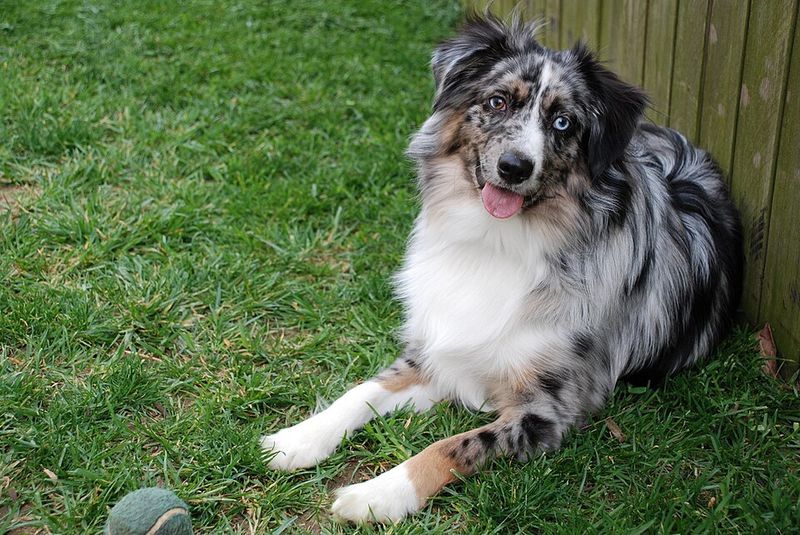
Australian Shepherds are known for their intelligence and striking merle coats. As puppies, they may have darker, less defined patterns that evolve into lighter, more distinctive markings.
This transformation occurs as they mature, showcasing their unique beauty. Their energetic and agile nature makes them excellent working dogs and companions.
Besides their looks, they are famous for their versatility and herding skills. Did you know? Despite their name, Australian Shepherds were developed in the United States.
Old English Sheepdog
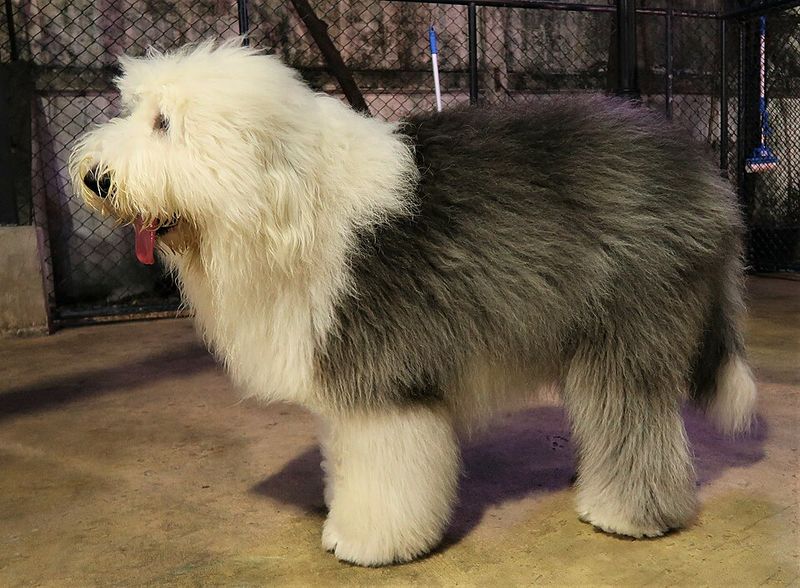
Old English Sheepdogs are easily recognized by their distinctive coats and gentle demeanor. Puppies often start with darker shades, which lighten to a soft grey and white.
This transition gives them their classic, shaggy appearance as they mature. Their loving and protective nature makes them wonderful family pets.
These dogs are also known for their herding instincts. Fun fact: Their distinctive gait is often referred to as a “bear-like shuffle.”