
Some dogs get tagged as difficult when what they really need is clarity, outlets, and a bit of patience. Labels stick fast, but they rarely tell the whole story of temperament, history, and environment.
If you have ever felt judged for your dog’s big feelings, you are in the right place. Let’s unpack the myths and show how fairness and training can change everything.
Pit Bull Terrier
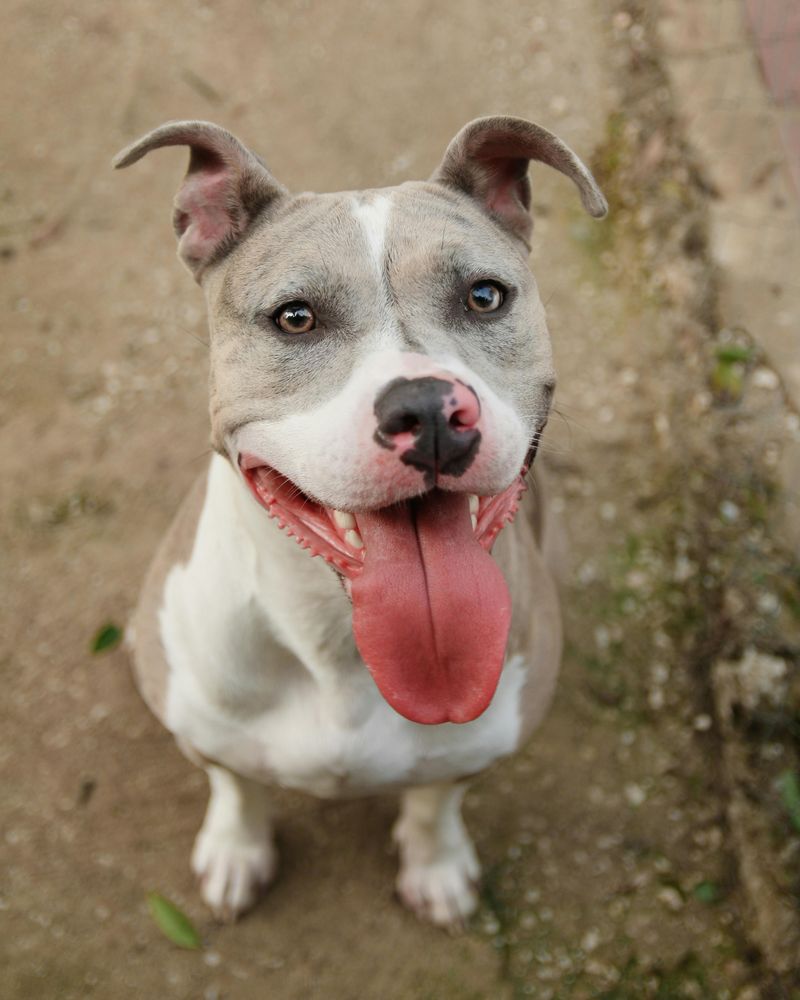
Pit Bulls get labeled aggressive, but most are energetic people pleasers struggling with mixed signals. Many were bred for athletic tasks, so without outlets that energy turns into jumping, mouthing, or tugging on the leash.
When you add inconsistent rules or rough play, mistakes happen and fear grows on both ends of the leash.
Fair training makes a huge difference. Use short, reward heavy sessions, tug with rules, and schedule sniffy walks that actually tire the brain.
Teach a rock solid settle on a mat, rotate chew projects, and introduce calm greetings. With structure, enrichment, and empathy, you will uncover a goofy cuddlebug, not a problem dog.
Breed specific bans ignore behavior and punish responsible owners. They simply do not work.
Rottweiler
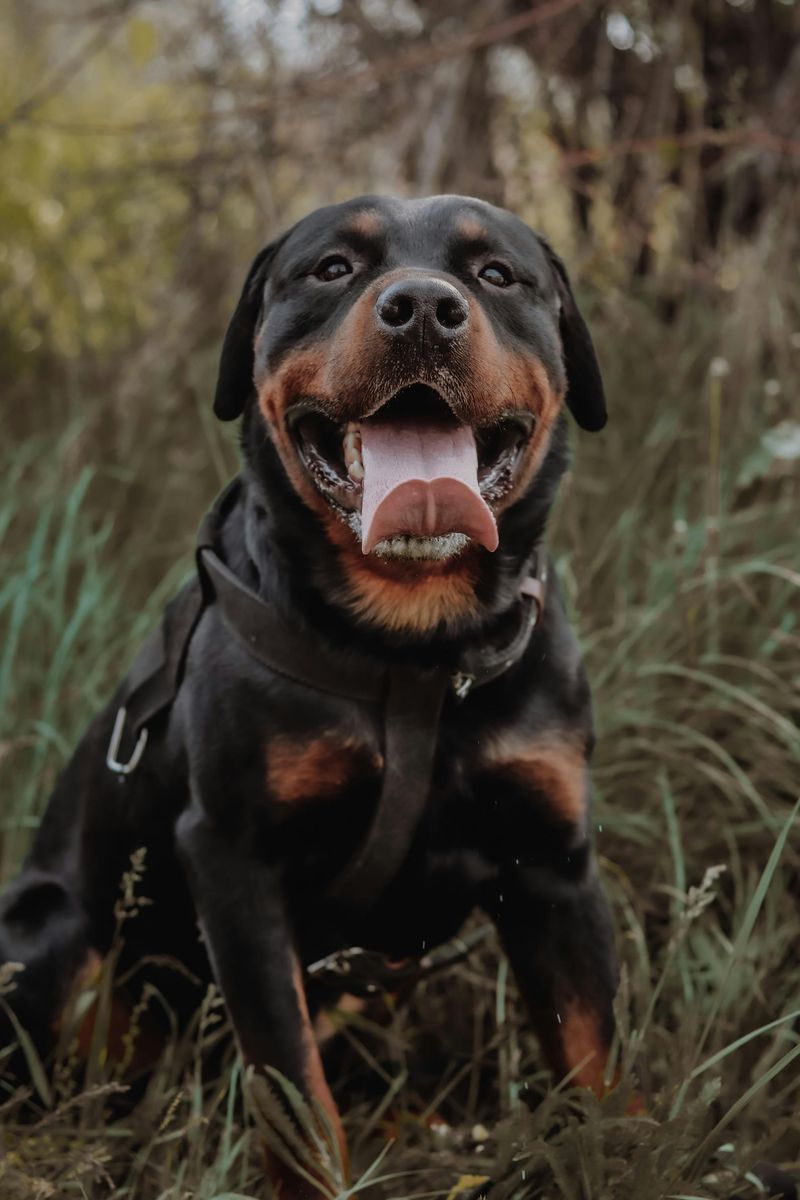
Rottweilers often get called domineering, yet most are thoughtful workers watching for clear guidance. Their guarding heritage makes them cautious with strangers and quick to step in if you look unsure.
When socialization gets skipped, normal wariness can look like reactivity, especially for a giant teenager with turbocharged momentum.
Set predictable routines, coach polite check ins, and pay generously for calm decisions. I like pattern games, hand targets, and loose leash walking around low intensity sights and sounds.
Teach go to bed, then practice with doorbells, deliveries, and visitors. You will see confidence bloom while those famous Rottie grins appear, replacing tension with trust.
Early social field trips build resilience without forcing interactions. Let them observe and opt out.
Doberman Pinscher
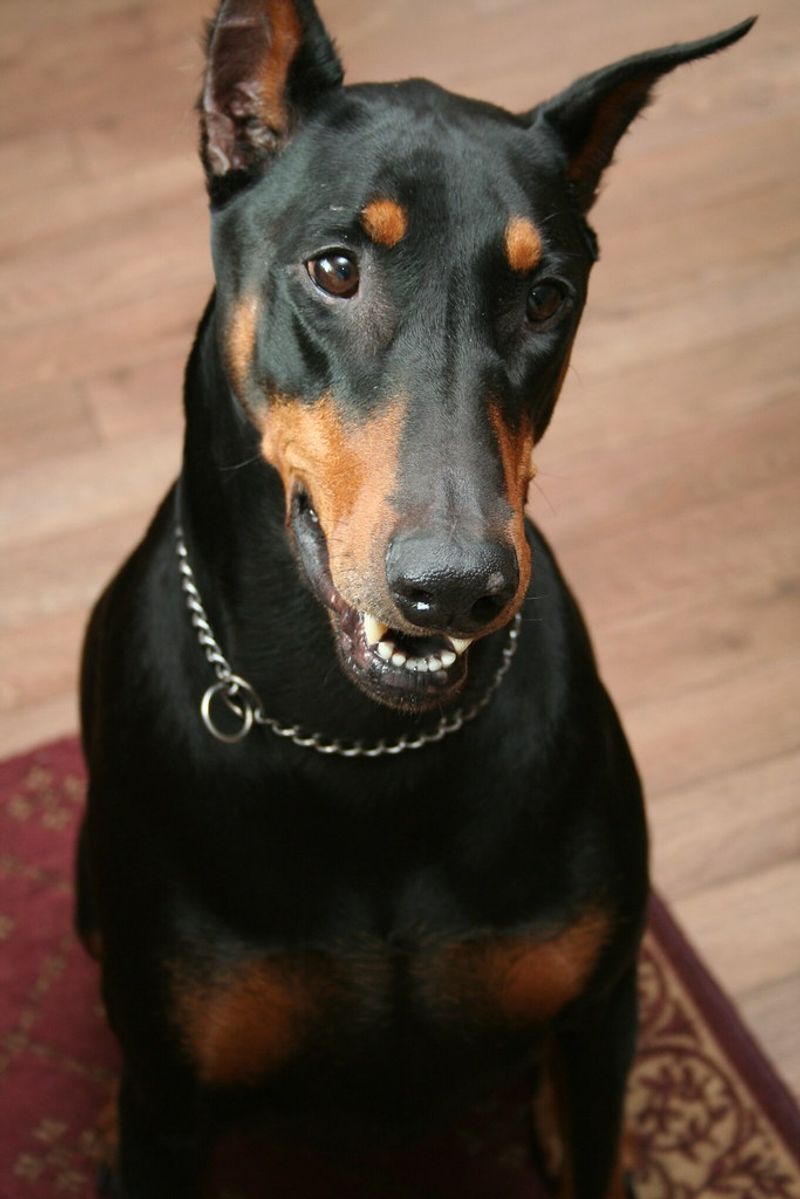
Dobermans are slammed as edgy, but they are usually sensitive, velcro style companions tuned to your mood. That emotional radar means harsh corrections or chaotic homes can spike anxiety and push them over threshold.
Mix in under exercise and you may see barking, shadow chasing, or dramatic fence performances.
Think structure with kindness. Plan cardio, nose work, and brain puzzles every day, then practice relax on cue.
Teach place, boundary games, and quiet rewards for noticing triggers without exploding. When you lean into connection rather than control, you get a brilliant partner who guards appropriately, travels smoothly, and cuddles like a champ.
Gentle consistency beats intimidation and keeps that famous Doberman focus working for you. Patience turns power into poise.
German Shepherd
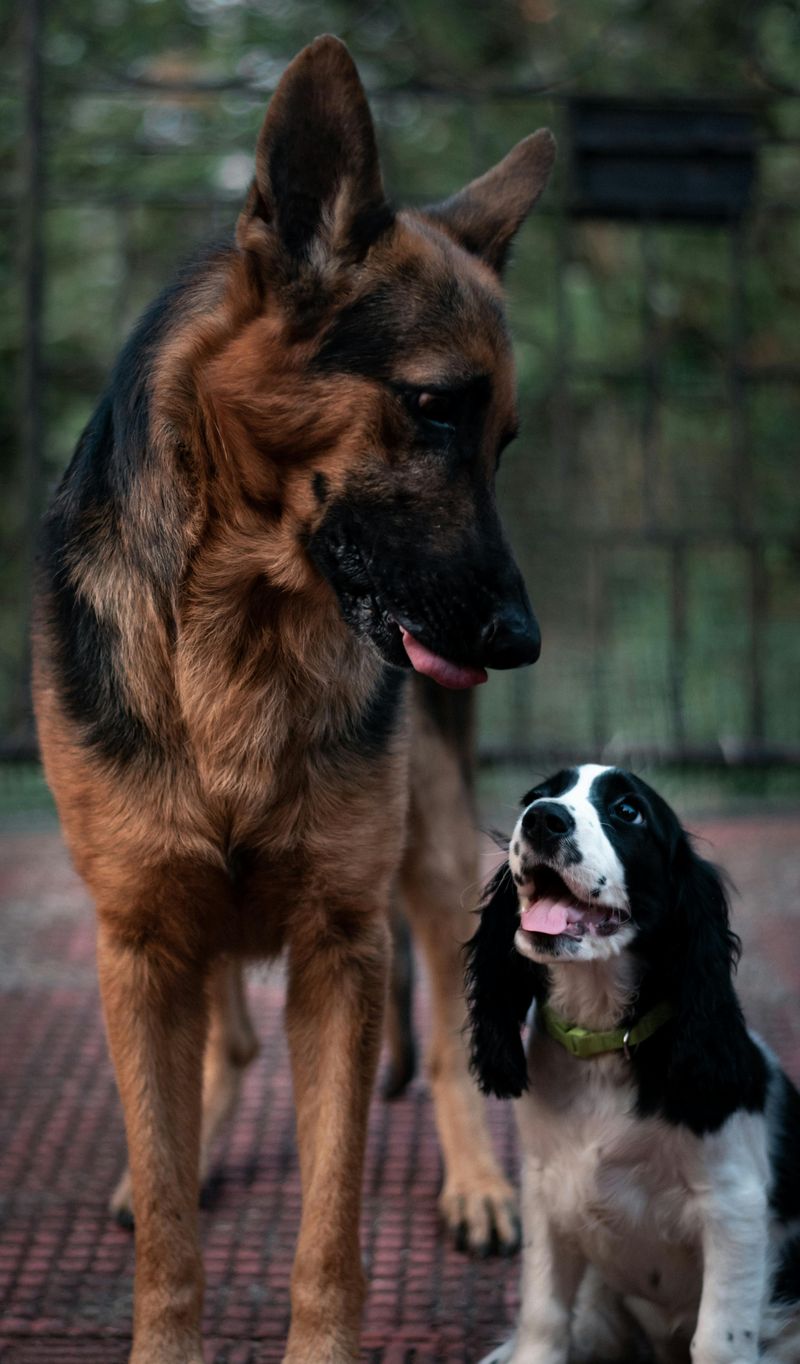
German Shepherds receive the difficult label because they are brilliant, vocal, and hyper observant. That combination can look pushy when really they are rehearsing unpaid security shifts at home and on walks.
Without outlets, their big brains invent jobs like escorting guests, herding kids, and patrolling windows all afternoon.
Channel it. Teach middle position, heel games, and park bench people watching with cookies for neutrality.
Rotate tracking, tug, and obedience, then finish with decompression sniff walks and a chew. Add good body care, because hips and skin can bug them.
Meet those needs and the watchdog relaxes into a steady, hilarious best friend. Early thoughtful socialization builds confidence without flooding or forcing contact.
Clarity and routine prevent unnecessary worry daily.
American Bulldog
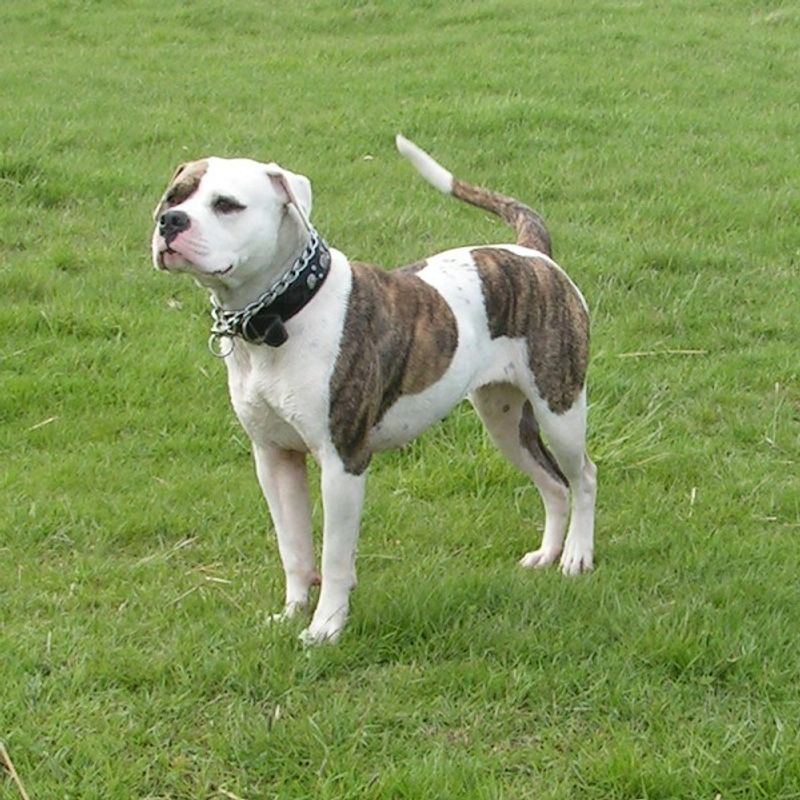
American Bulldogs are labeled stubborn when they actually weigh options and value clarity. Many are powerful athletes with goofy hearts who need structured freedom, not endless micromanaging.
If you rush them, yank leashes, or skip social practice, they may plant feet, bark opinions, or test boundaries through comedy.
Trade pressure for partnership. Use choice based games, clear start buttons, and predictable routines so cooperation feels rewarding.
Mix flirt pole sessions, controlled roughhousing, and chill hangouts on a mat. Reinforce calm with guests and teach polite harnessing.
When you listen and guide instead of argue, the bulldog shines as a steady, funny teammate. Body handling exercises and muzzle training add safety and confidence for everyone.
Practice slowly with lots of snacks.
Staffordshire Bull Terrier
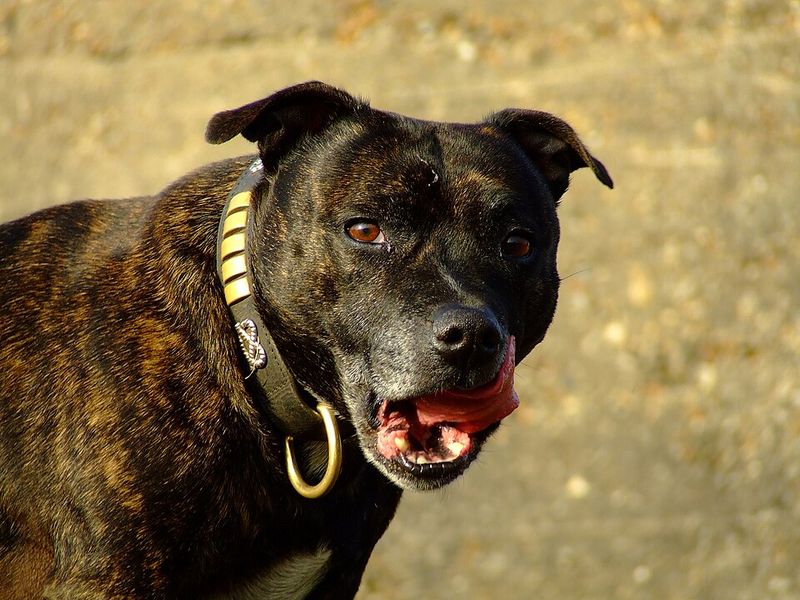
Staffies get the rowdy label because joy bursts out of them like confetti. They love people so much that greetings turn into kangaroo hops and comedic singing.
Without daily outlets and practiced manners, that enthusiasm can bowl kids over and scare neighbors who misread excitement as danger.
Train impulse control like a sport. Reward four feet on the floor, teach chin rest, and add a settle on cue.
Schedule playdates with polite dogs, flirt pole fun, and sniffy decompression walks. Clip a harness before the doorbell rings.
Soon you will have the same lovable clown, now with reliable brakes and beautiful focus. Gentle equipment and treats beat yelling, every single time.
Let them greet thoughtfully, not explosively, with practiced pauses.
Boxer
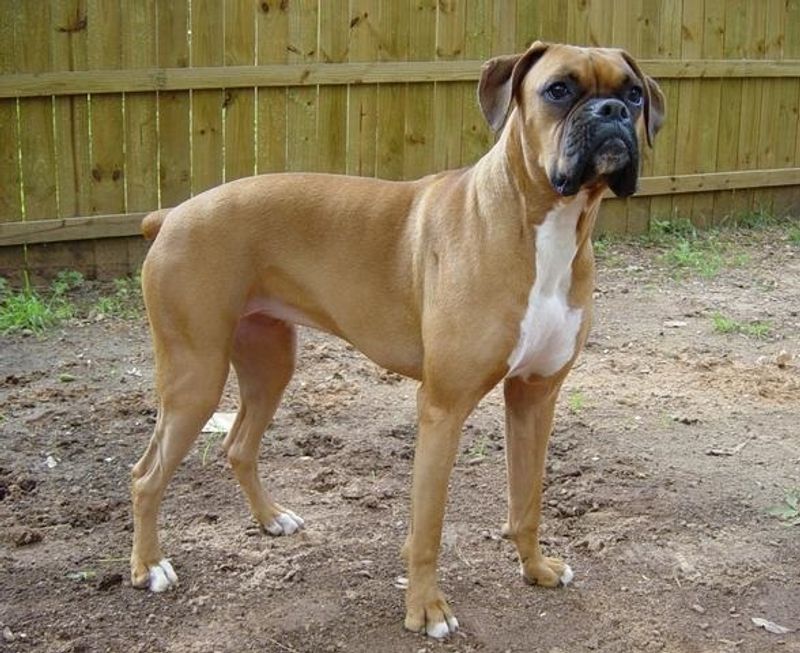
Boxers are described as wild, yet they are comedians with springs in their legs and feelings on their sleeves. Boredom plus athleticism equals zoomies, couch parkour, and knock knock body slams during exciting moments.
Add sensitive tummies or heat intolerance, and you get cranky behavior that looks like defiance.
Build a routine with laughter and limits. Do short, spicy workouts, teach fetch returns, and reward calm eye contact amid chaos.
Offer puzzle feeders, splash breaks, and shaded rest. Practice polite drive by hellos, then reinforce relax on a mat.
When you meet needs and celebrate silliness, the mayhem fades into charming partnership. Medical checkups matter because discomfort masquerades as naughtiness.
Address diet, allergies, and heat management early for happier training.
Great Dane
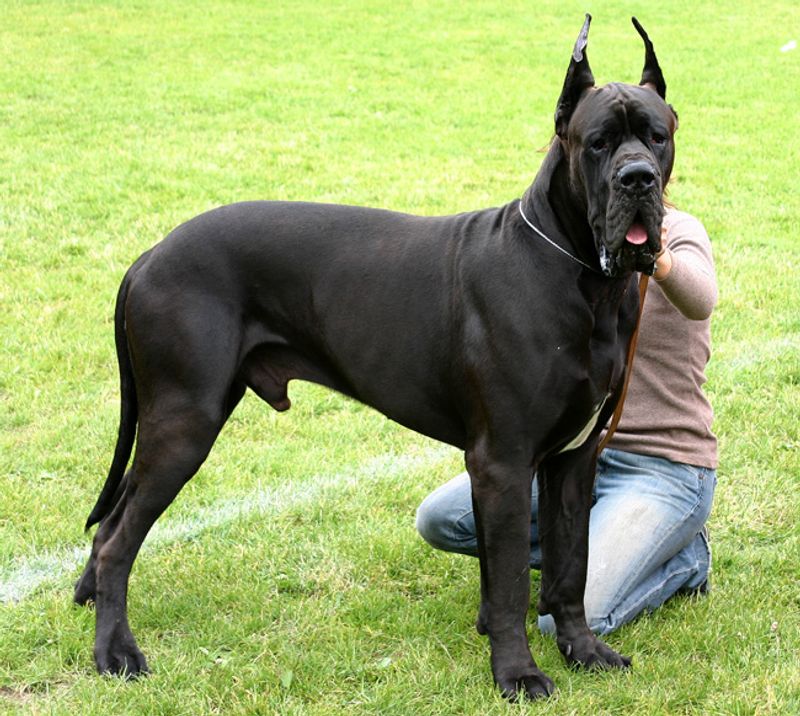
Great Danes seem intimidating, but many are tender souls in extra large packages. The world is not built for them, so slippery floors, tiny cars, and grabby strangers can feel overwhelming.
When you pair that with rapid growth and joint aches, reluctance or avoidance gets mislabeled as stubbornness.
Scale life to their size. Teach cooperative care, scatter feed outside, and pick wide paths with good footing.
Practice slow exposure to novel places, using treats and distance like volume knobs. Strengthen settle skills and body awareness with low cavaletti and careful balance work.
Gentle handling reveals a confident giant who chooses connection over conflict. Support joints early with mats, traction, and paced activity for growing bodies, plus regular vet guidance visits.
Dalmatian
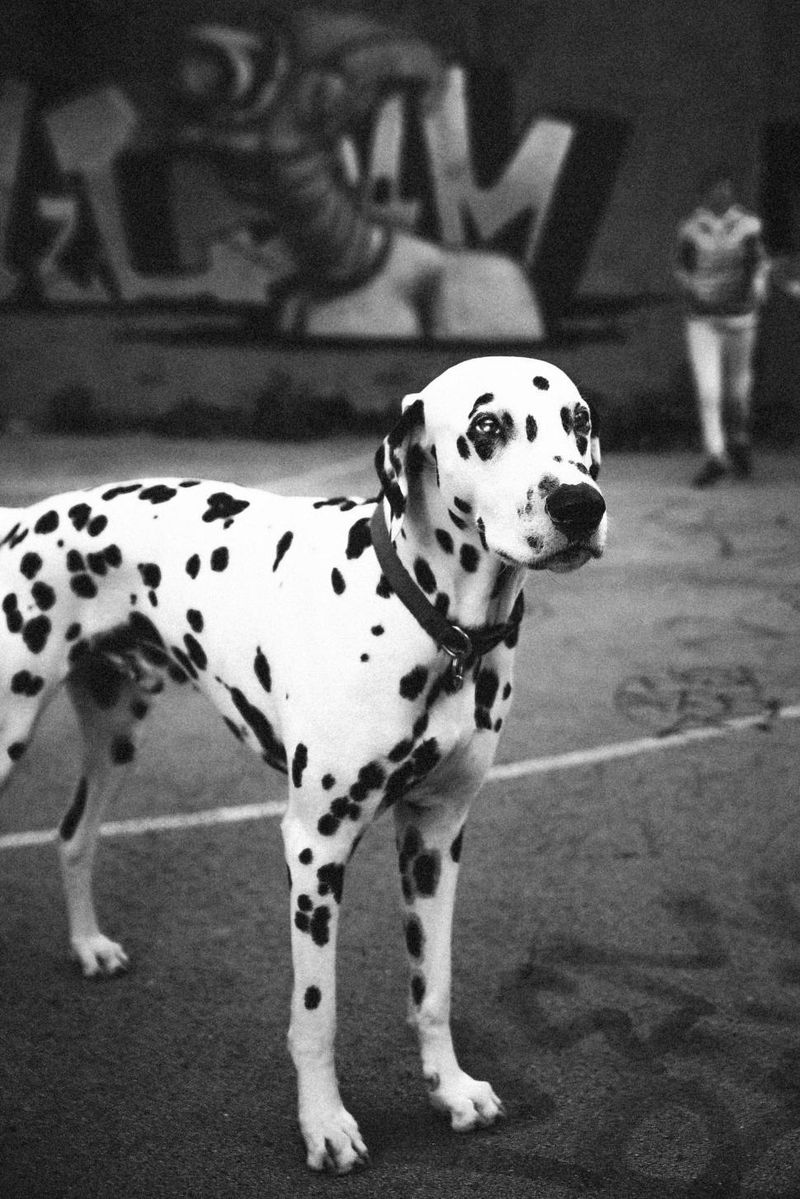
Dalmatians carry a reputation for hyper energy and mischief, but they are pattern loving athletes who crave purpose. Historically they trotted beside horses, so modern homes must supply movement and novelty.
Without that, they invent jobs like redecorating laundry, alarm barking, or sprinting wall to wall.
Plan cardio with structure. Think bike attachments, jogging intervals, scent games, and clicker training that burns mental fuel.
Teach quiet stationing behind a baby gate for deliveries. Mind genetics too, because uric acid issues and potential deafness require thoughtful care and communication strategies.
Invest in enrichment and clarity, and you will meet a sparkling teammate. Early hearing tests and hand signals keep training smooth and inclusive.
Pair lights and touch cues thoughtfully daily.
Chow Chow
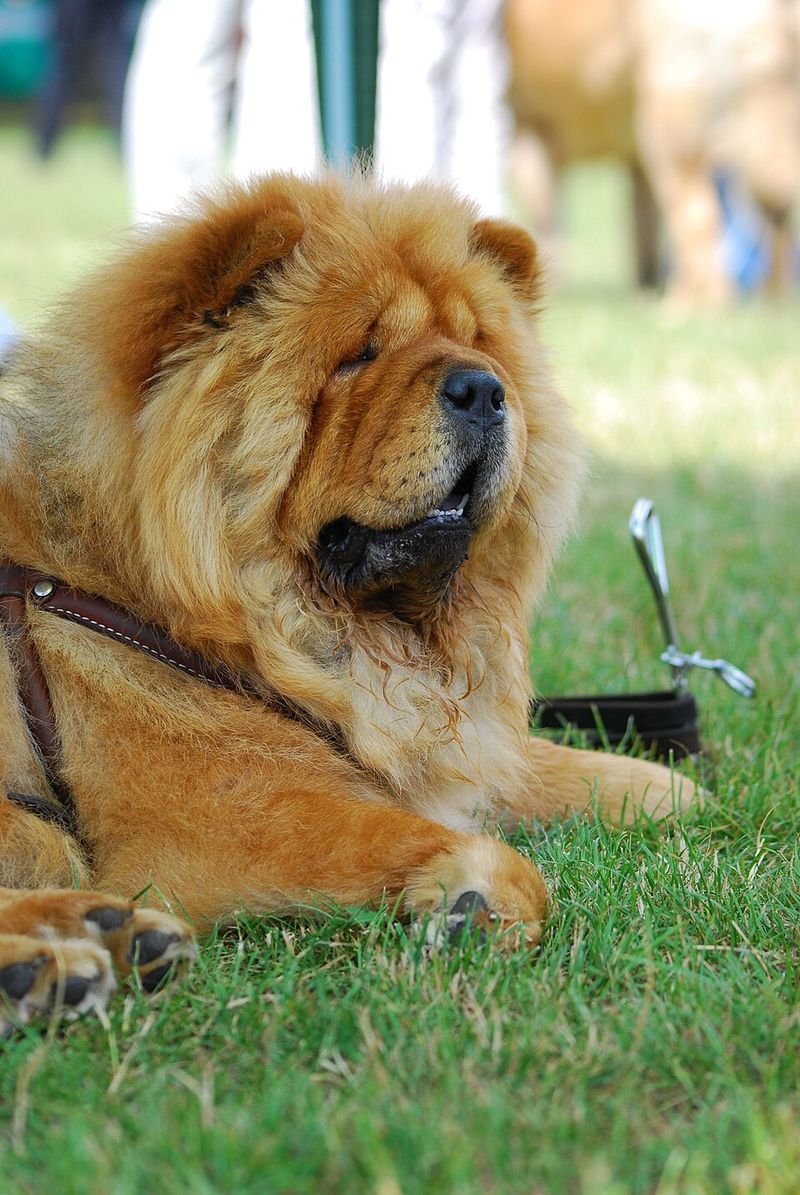
Chow Chows get mislabeled aloof or mean, but many are dignified, cat like companions who value choice. Pushy handling or forced interactions can erode trust quickly and create defensive displays.
Their heavy coats hide discomfort, so mats or skin flare ups may fuel irritability that looks behavioral.
Prioritize consent. Teach touch start buttons, reinforce grooming cooperation, and give predictable routines with calm visitors.
Create safe observation spots, avoid crowded lobbies, and reward neutrality around strangers. Pair vet care with treats and basket muzzles for clarity.
When you respect boundaries and communicate gently, the Chow reveals loyalty, humor, and steady affection. Early socialization should be quiet, thoughtful, and brief to avoid flooding.
Let curiosity lead at their pace, with soft encouragement.