Some dogs watch your every move, and when you suddenly grab your keys and vanish, their world can feel upside down. Unpredictable departures can leave certain breeds pacing, whining, or chewing things they normally ignore.
The good news is that small changes in how you leave can make a huge difference in your dog’s comfort. Here are ten breeds that often struggle when you head out the door, plus simple ways to help them feel safe.
Havanese
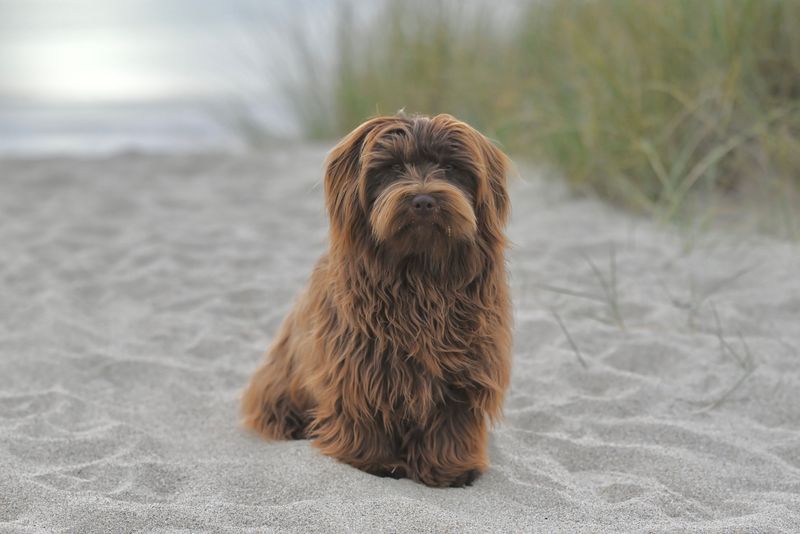
Bred as lap warmers for Cuban families, Havanese dogs basically consider your shadow their home address. When you rush out without warning, many feel lost and start barking or pacing.
Try a calm, boring exit routine. Pick up your keys, sit down, then put them back a few times a day.
Soon those cues stop meaning panic.
A puzzle toy given only when you leave can turn goodbyes into snack time.
Maltese
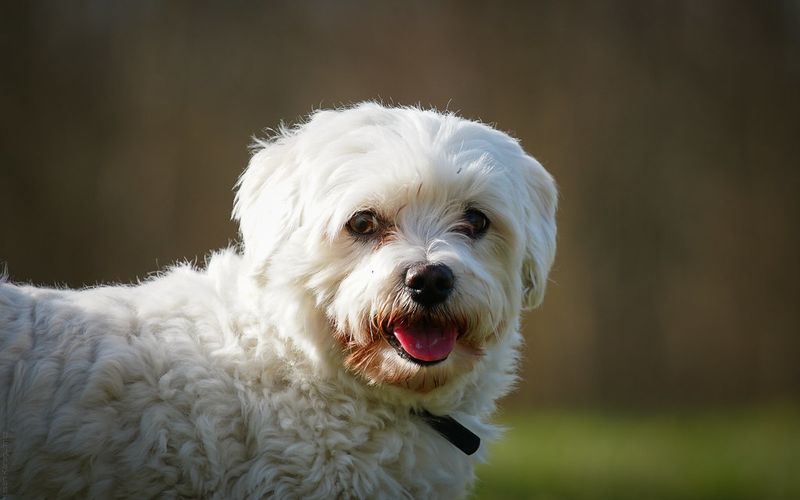
Picture a tiny white cloud with a big opinion about being left behind. That’s the Maltese, a breed adored by ancient Greek and Roman nobles for over two thousand years.
Sudden departures can make these little dogs tremble or whine. Practice short absences first, stepping out for one minute, then five, then fifteen.
Leaving a worn T-shirt in their bed adds your familiar scent, which works like a comforting hug while you’re gone.
Pug
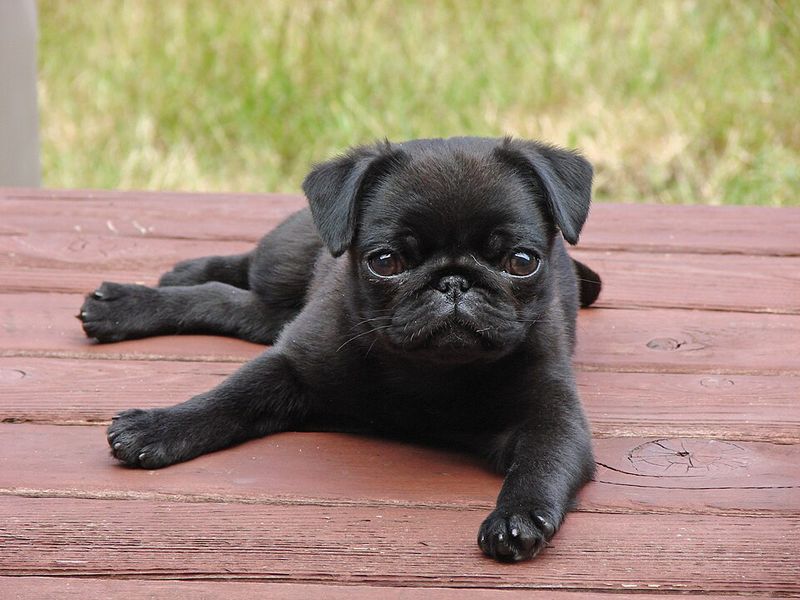
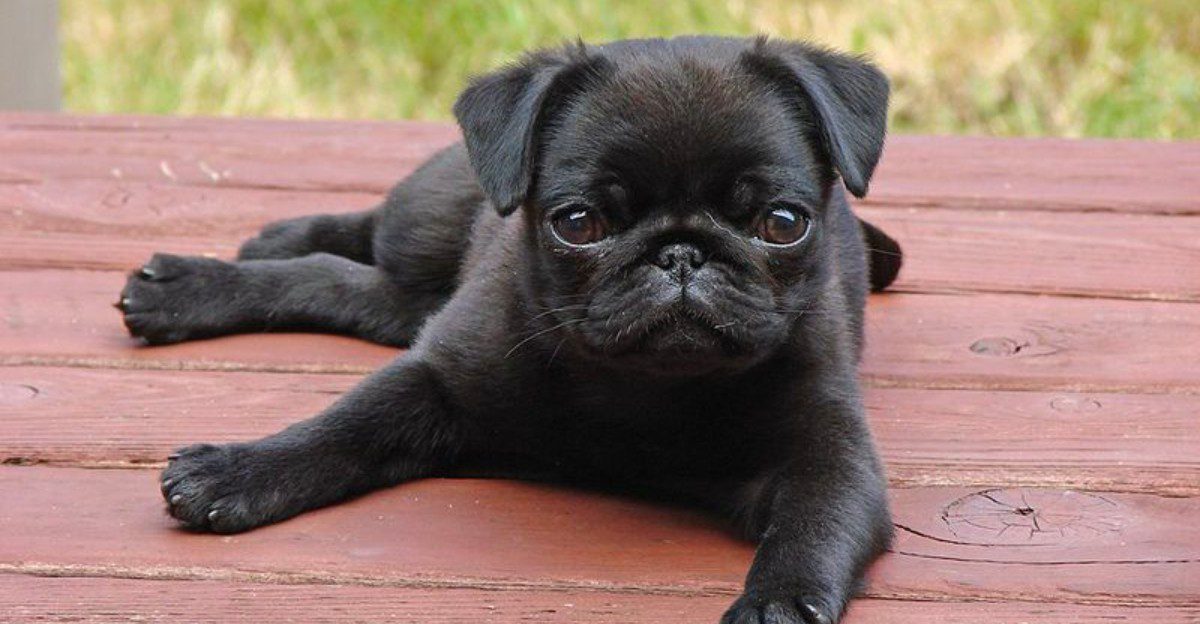
Ever seen a pug sulk? Those wrinkly faces can look heartbroken when a door closes unexpectedly.
Pugs were bred to keep Chinese emperors company, so solitude isn’t their strong suit.
Keep departures low-key. Skip the dramatic goodbye kisses, since big emotions can make your exit feel scarier.
A short walk before leaving helps burn energy. Just keep it gentle, because their flat noses make heavy exercise tough, especially in warm weather.
Cocker Spaniel
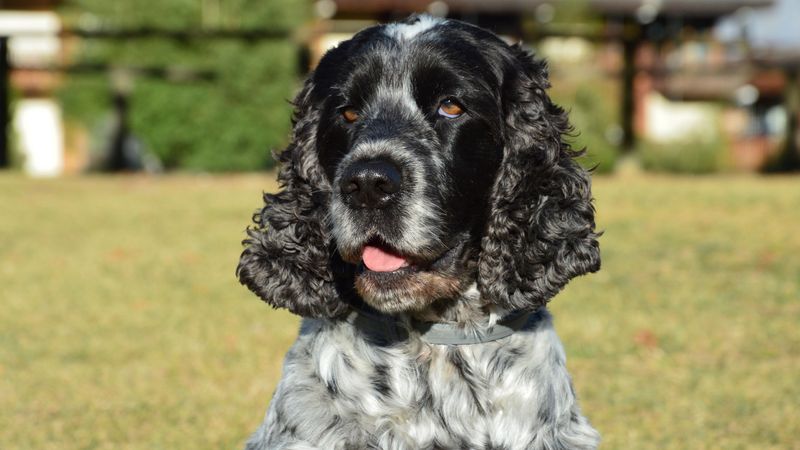
Cocker Spaniels have soulful eyes and an even softer heart. Originally hunting partners, they thrive on teamwork, so getting left out of the plan can sting.
Many owners notice chewed shoes or scratched doors after surprise errands. A predictable daily schedule helps a lot, with meals, walks, and alone time happening around the same hours.
Calming background noise, like soft music or a talk radio show, can also fill the quiet house nicely.
Chihuahua
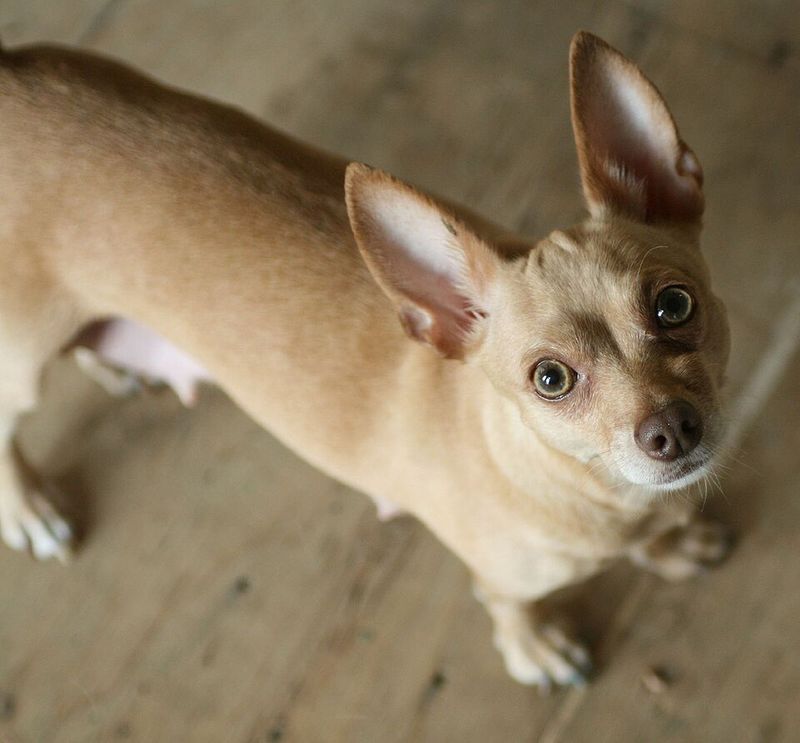
Small body, giant loyalty. Chihuahuas often bond tightly with one person, and when that person disappears without warning, the shaking and yapping can begin.
Give your tiny buddy a safe den, like a covered bed or crate with a blanket. Den-like spaces feel secure to these pint-sized pups.
Fun fact: the breed is named after a Mexican state. Practicing brief, calm exits builds confidence one small step at a time.
Boxer
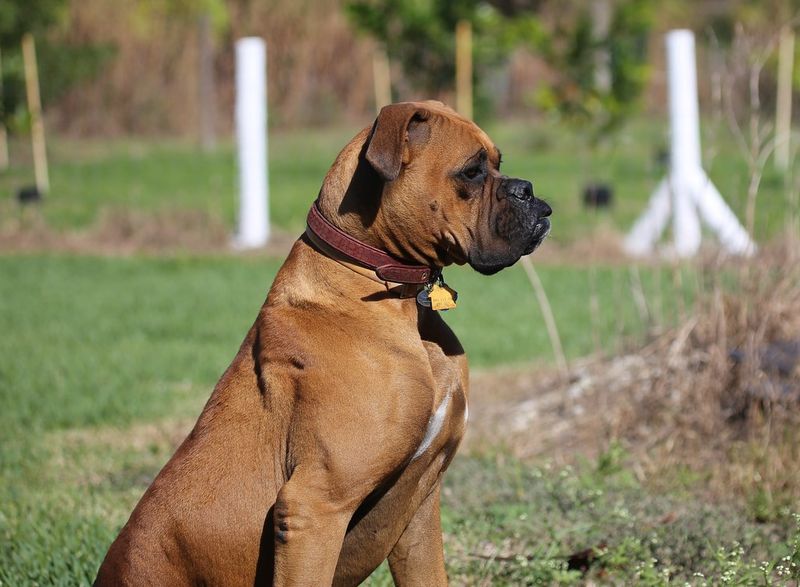
Goofy, bouncy, and endlessly devoted, Boxers act like overgrown puppies for years. All that energy can turn into destruction if they’re left suddenly with nothing to do.
Before heading out, play a solid game of fetch or tug. A tired Boxer is a relaxed Boxer.
Sturdy chew toys stuffed with frozen treats keep those strong jaws busy. Rotate toys weekly so things stay exciting and your couch stays in one piece.
Doberman Pinscher
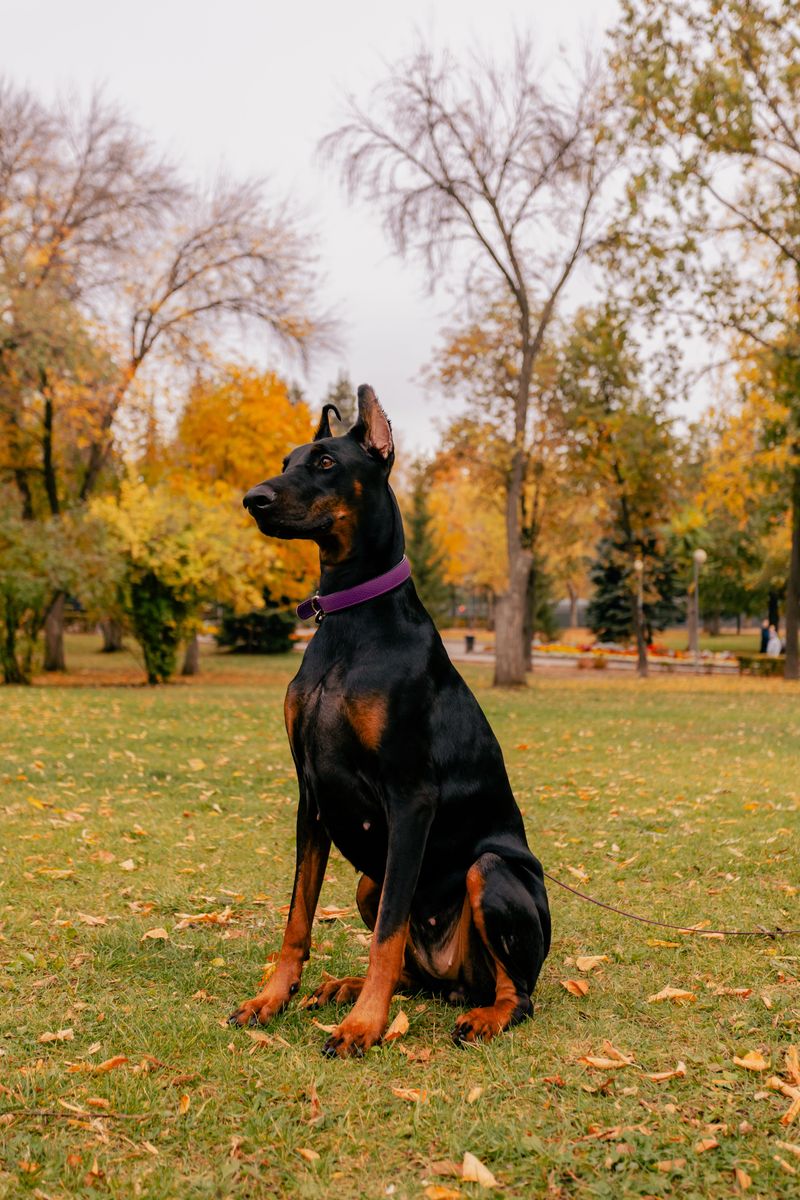
Here’s a surprise: the tough-looking Doberman is often called a velcro dog. Created by a German tax collector in the 1800s for protection, these dogs stick close to their families.
Random comings and goings can leave them anxious and restless. Train a settle command, rewarding calm behavior on their bed.
Mental work matters too. Short training sessions or scent games before you leave tire out that sharp brain.
Italian Greyhound
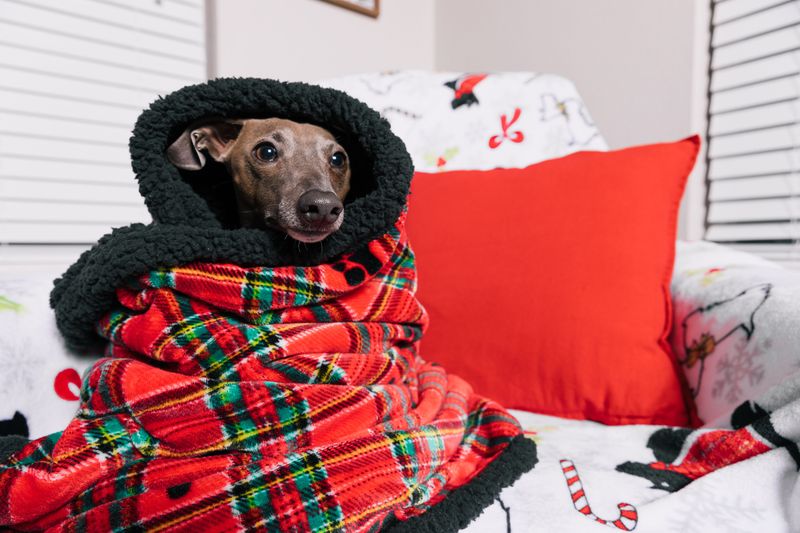
Delicate and sensitive, Italian Greyhounds feel everything deeply, including chilly rooms and empty houses. Renaissance paintings show them lounging beside royalty, which says a lot about their taste for company.
When you leave unexpectedly, they may cry or hide. Keep the house warm and offer a snuggly blanket they can burrow into.
Gradual practice works best. Short, calm absences slowly teach them that you always return.
Bichon Frise
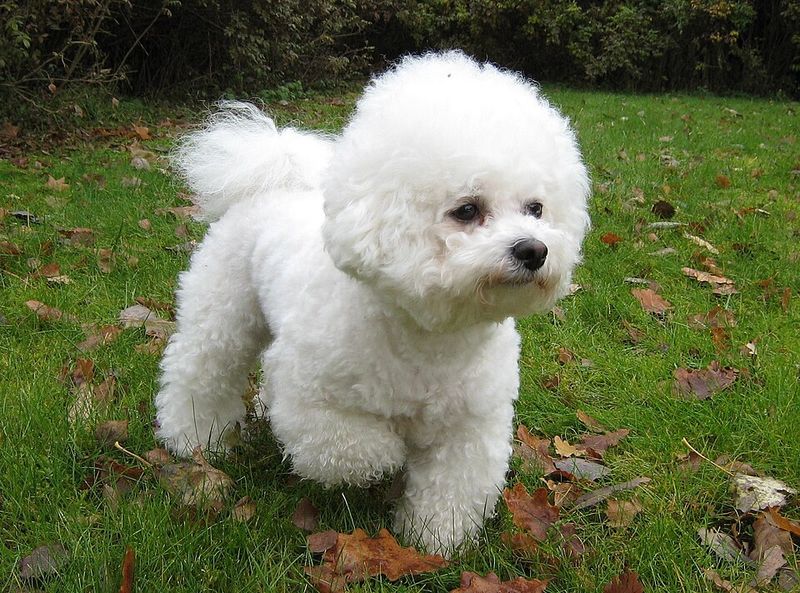
Once a circus performer and street entertainer, the Bichon Frise loves an audience. Take that audience away suddenly, and the show turns into howling.
Consider a pet camera that lets you check in and even toss treats. Hearing a familiar voice can soothe a worried pup.
Also, avoid making arrivals a huge party. Calm hellos teach your Bichon that coming and going is just normal life.
Cavalier King Charles Spaniel
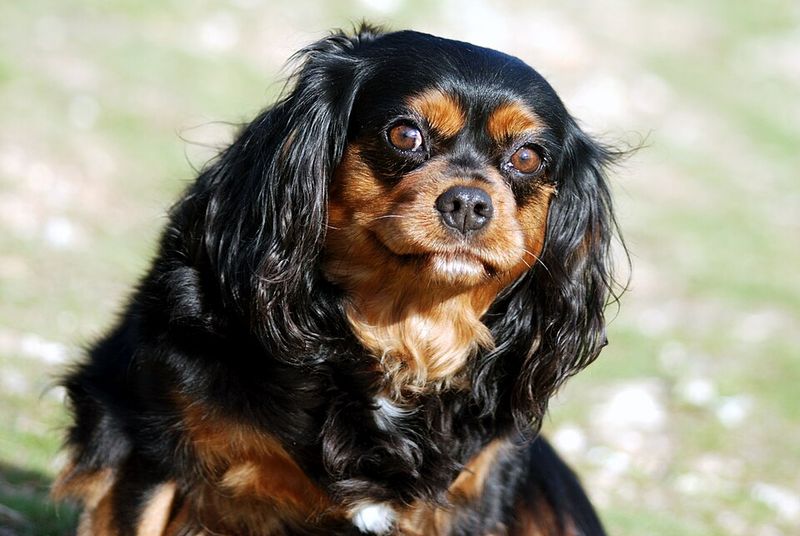
King Charles II reportedly let his spaniels roam the palace freely, and their descendants still expect constant company. Cavaliers are sweet, affectionate, and easily upset by surprise exits.
A trusted dog walker or doggy daycare can break up long days alone. Even a midday visit helps.
At home, keep departure cues quiet and consistent. A special chew offered only when you leave gives them something to look forward to.