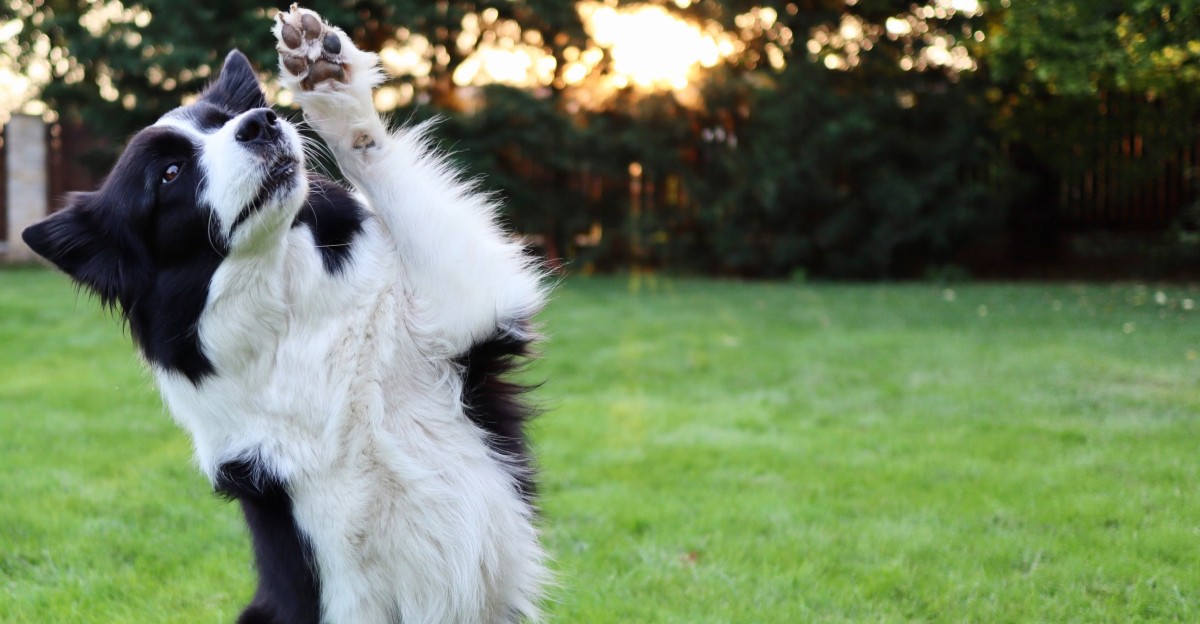
Some dogs seem to know exactly how to act, whether they are greeting guests or waiting patiently for dinner. Good manners make life easier for you, your dog, and everyone you meet on a walk.
Certain breeds pick up polite behavior quickly because they love to learn and please their people. Below you will find ten smart breeds, plus three simple habits that help any dog keep those manners sharp.
Border Collie
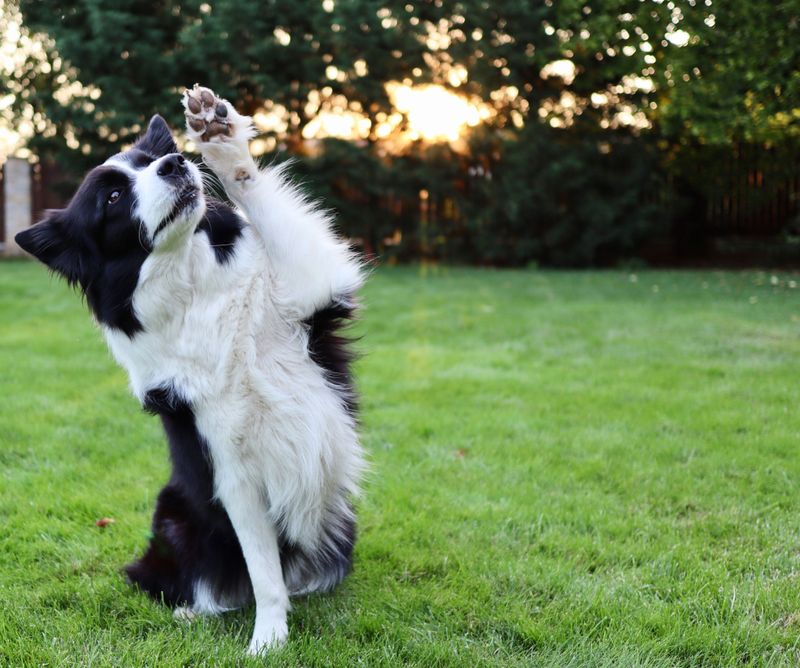
Farmers in Scotland once trusted Border Collies to move entire flocks with just a whistle. That sharp brain still shines today.
Many experts call it the smartest dog breed in the world.
Because they learn so fast, Border Collies can master sit, stay, and wait at the door in only a few sessions. The catch is boredom.
Give them puzzle toys and short daily lessons, or they may invent their own rules.
Poodle
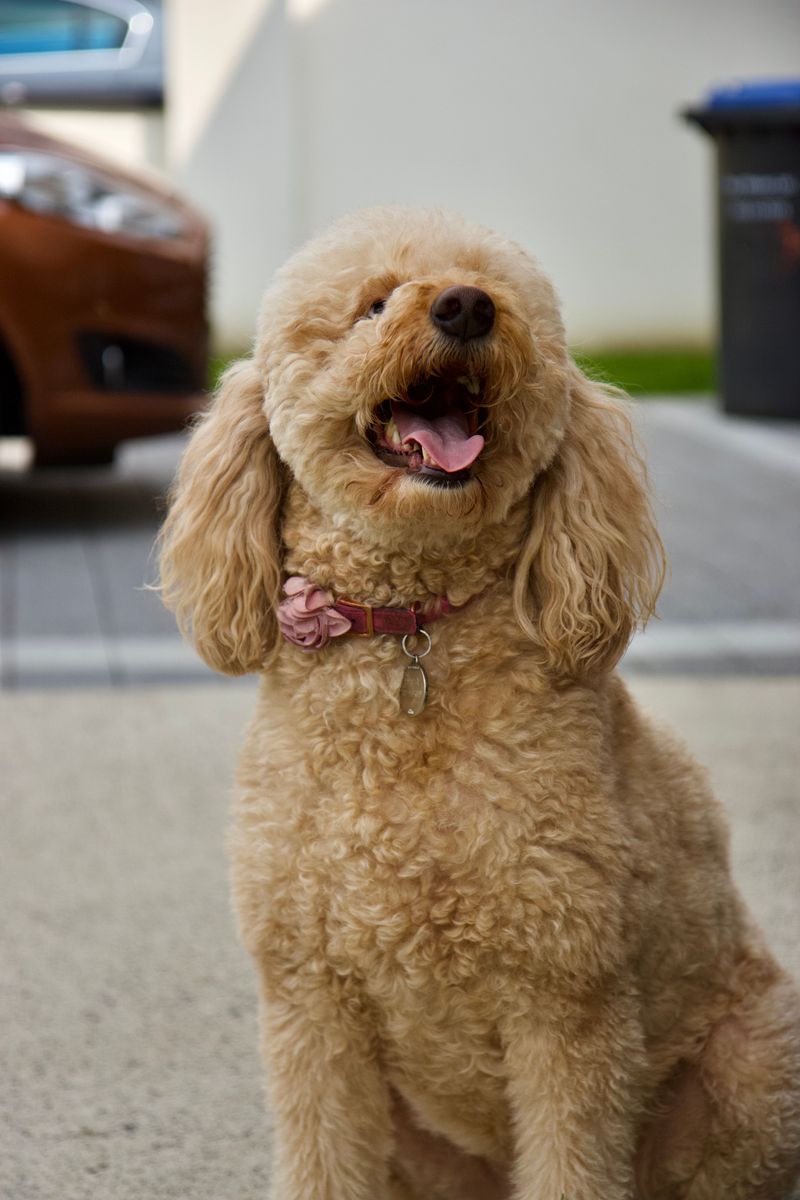
Fancy haircuts aside, the Poodle is a hardworking athlete. Long ago in Germany, it fetched ducks from cold lakes for hunters.
Today, that clever mind makes Poodles stars at polite living. They quickly learn to stay off furniture, wait for food, and greet visitors without leaping.
Keep training upbeat, because Poodles are sensitive and shut down if you yell.
Try teaching a fun trick, like a bow, as a reward after practicing calmer skills.
Golden Retriever
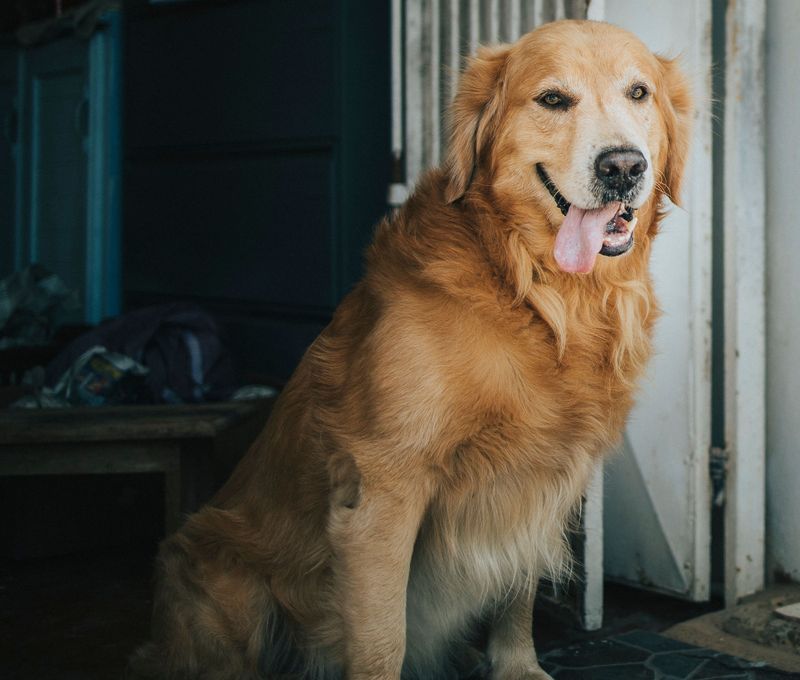
Picture a dog who carries the morning newspaper and waits by the door with a wagging tail. That sunny scene describes plenty of Golden Retrievers.
Goldens adore people, so they work hard to earn praise. That is why so many become guide dogs and therapy helpers.
Their biggest challenge is excitement, especially when guests arrive.
Practice calm greetings by asking for a sit before anyone offers pets. Soon, your Golden will choose polite hellos naturally.
German Shepherd
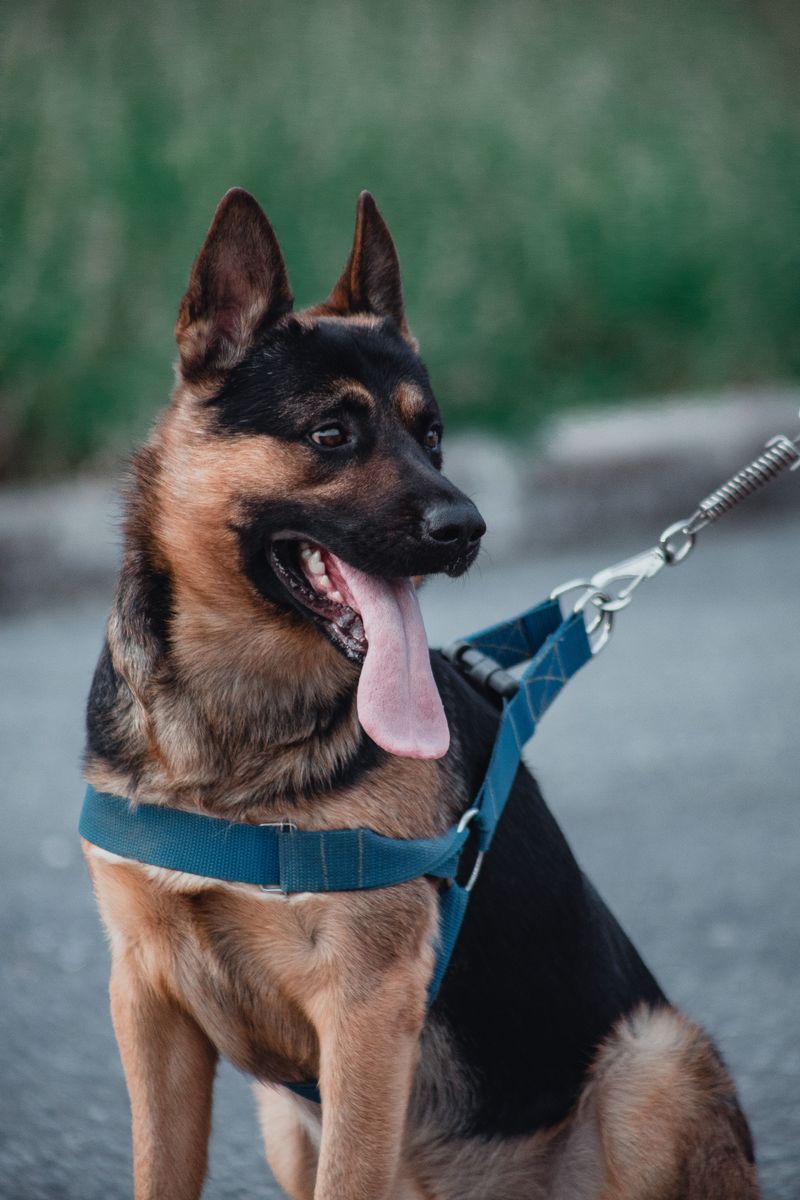
Police officers, search teams, and military units all rely on German Shepherds for a reason. These dogs are loyal, brave, and eager to follow clear directions.
At home, a well-trained Shepherd walks nicely on a leash and ignores distractions like squirrels. Early socialization matters a lot, since they can be wary of strangers.
Fun fact: a German Shepherd named Buddy became the first official guide dog in America back in 1928.
Labrador Retriever
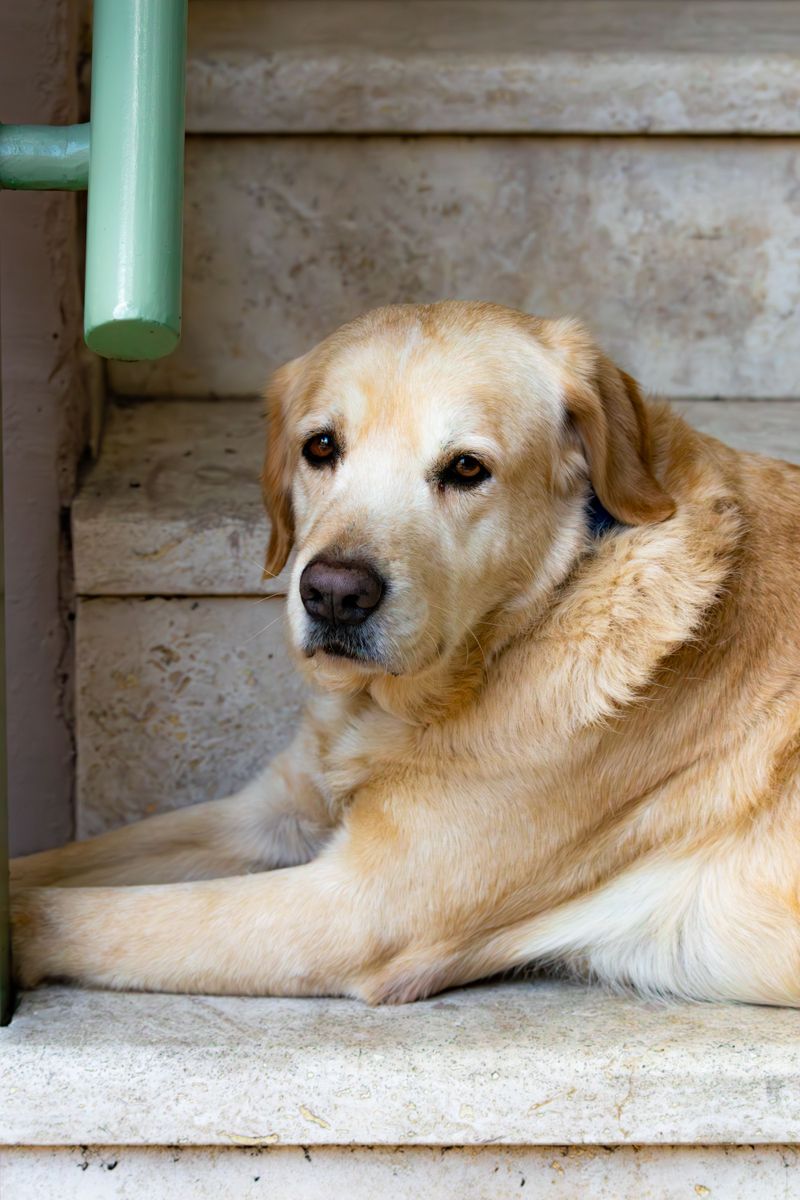
Did you know? Despite the name, Labradors actually come from Newfoundland, Canada, where they helped fishermen haul nets.
Labs are famous for their love of snacks, and smart owners use that hunger as a training tool. A few tasty treats can teach a Lab to settle on a mat during dinner instead of begging.
Their friendly, flexible personality makes them easy students. Just remember to burn off energy first, since a tired Lab listens better.
Papillon
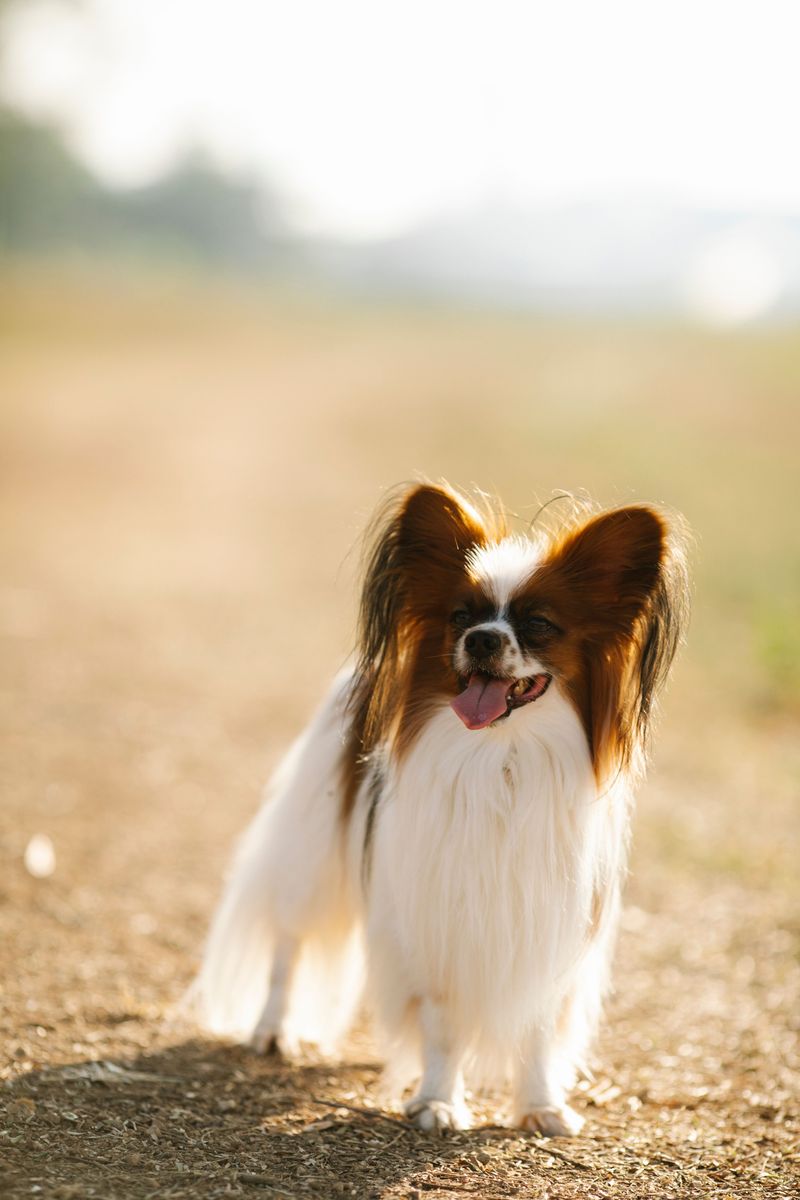
Small dog, giant brain. The Papillon, named for its butterfly-shaped ears, weighs under ten pounds but often outsmarts much bigger breeds.
These little dogs shine in agility contests and learn tricks with surprising speed. Good manners come easily too, like waiting quietly in a carrier or walking without tugging.
One tip: do not let their cute size excuse jumping or barking. Treat a Papillon like a real student, and it will rise to the challenge.
Shetland Sheepdog
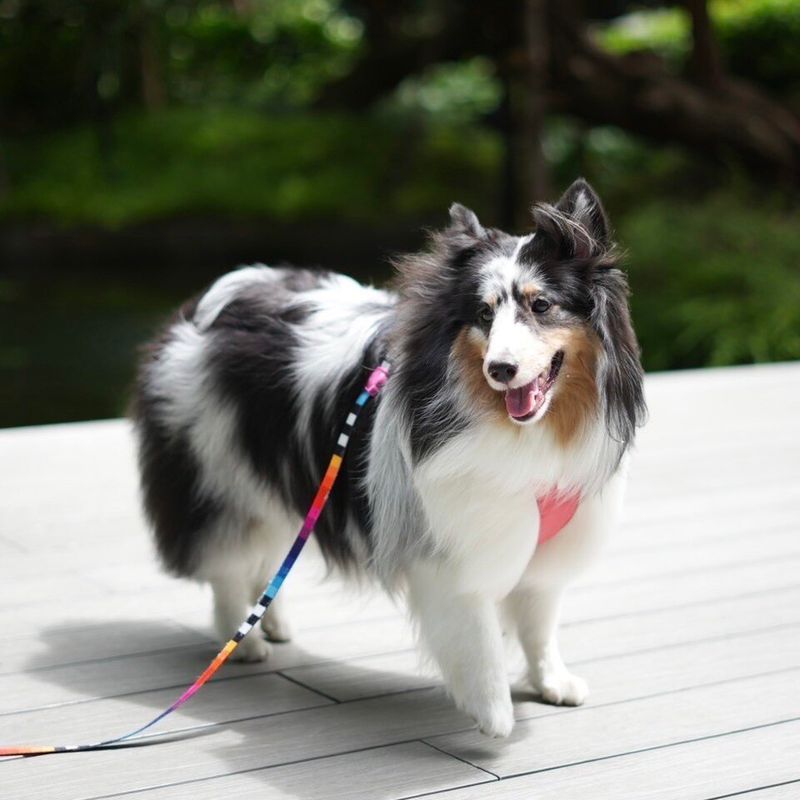
Think of the Sheltie as a teacher’s pet in a fluffy coat. Bred on the windy Shetland Islands to herd sheep and ponies, this breed watches its owner closely and aims to get things right.
Shelties respond well to soft voices and gentle rewards. They can be big barkers, though, so teach a quiet cue early.
Once they learn it, many will happily hush on request, which neighbors will definitely appreciate.
Doberman Pinscher
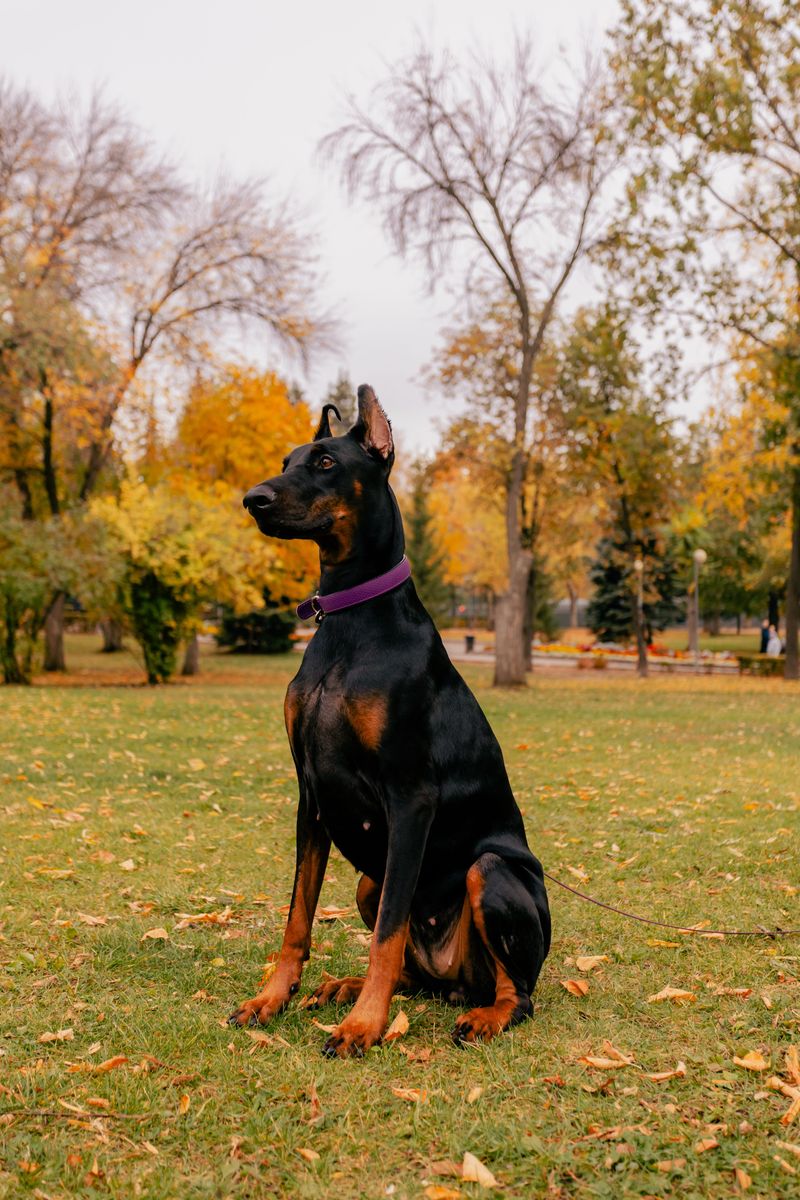
A tax collector named Louis Dobermann created this breed in the 1890s because he wanted a loyal bodyguard on his rounds.
Dobermans may look tough, but most are affectionate softies who crave structure. They thrive on clear rules, like waiting at doorways and settling when asked.
Consistent, kind training brings out a calm, polished dog that impresses everyone. Skip harsh methods, since this sensitive breed learns best through trust and steady praise.
Cavalier King Charles Spaniel
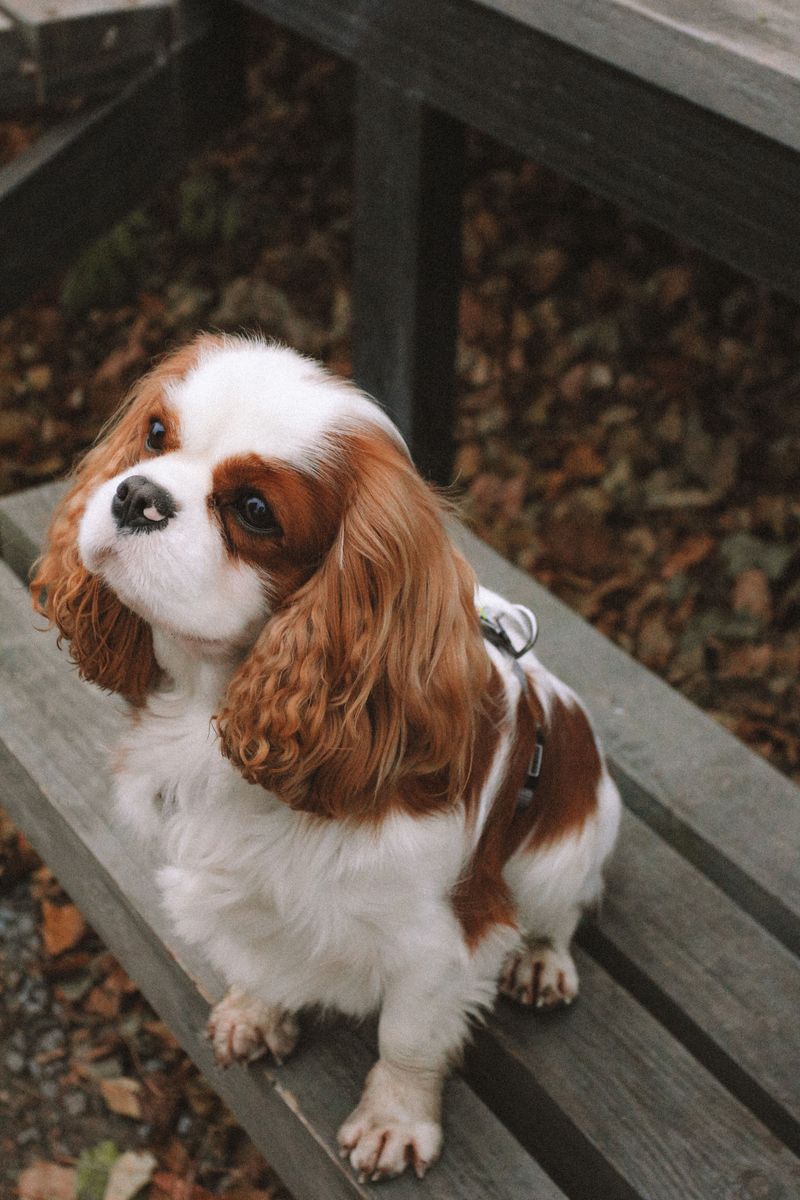
Royal roots run deep here. King Charles II of England loved these spaniels so much that he reportedly brought them to important meetings.
Cavaliers still carry that polished, people-loving charm. They make wonderful cafe buddies, lying quietly under tables while their humans sip coffee.
Training is usually smooth because they want to please. Focus on leash skills and recall, since a passing butterfly can tempt that curious spaniel nose away from you.
Australian Shepherd
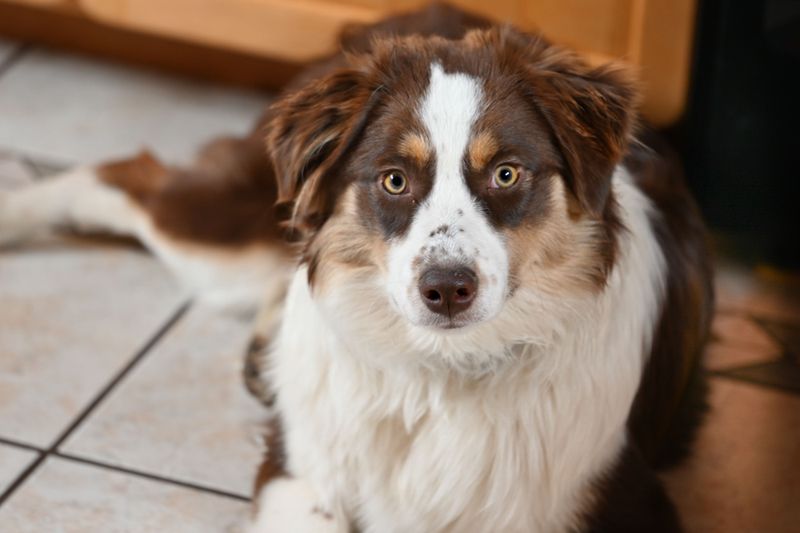
Here is a surprise: the Australian Shepherd was actually developed in the western United States, working on ranches alongside cowboys.
Aussies are bursting with energy and brains. Give them a job, and they will practically glow with pride.
Lessons like stay, leave it, and calm waiting turn this bouncy pup into a respected trail partner.
Without enough exercise, though, manners can slip fast. Daily runs or games of fetch keep their focus sharp.
Keep Training Sessions Short and Daily
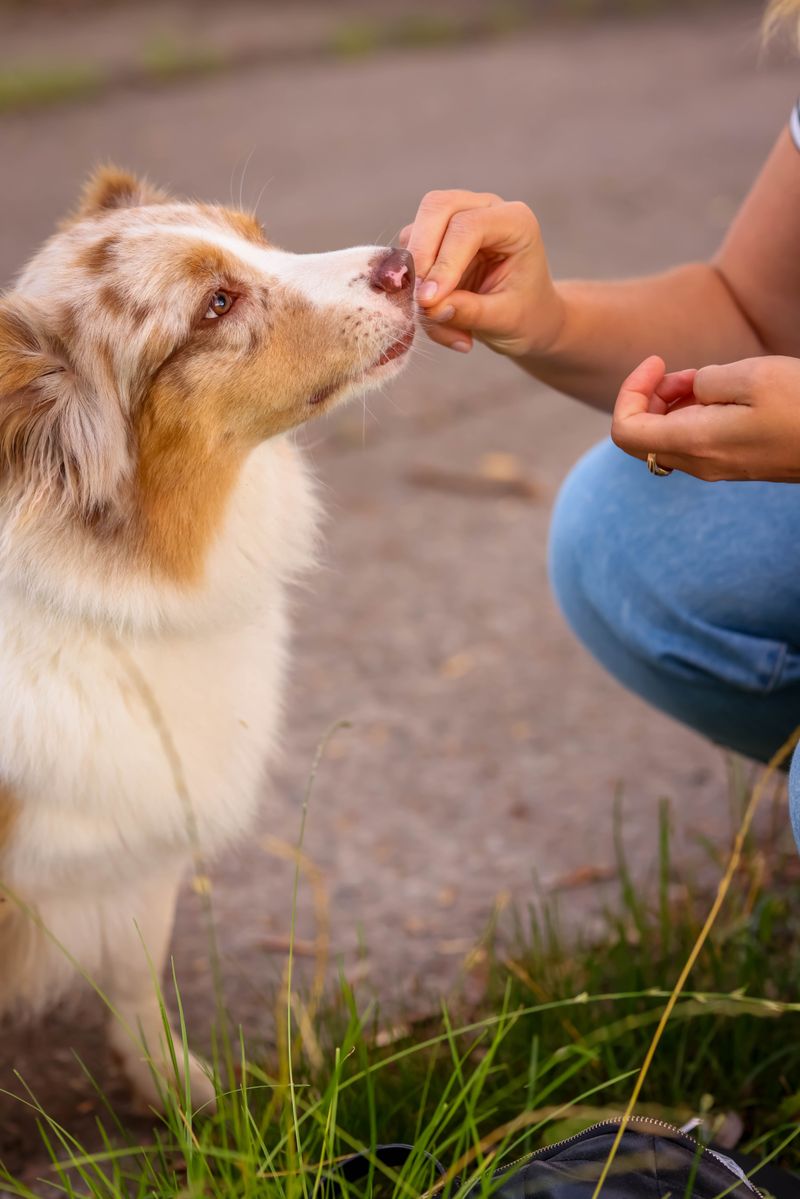
Five minutes a day beats one long hour on the weekend. Dogs learn best through frequent, bite-sized practice, much like students reviewing spelling words.
Pick one skill per session, such as sit or wait, and end on a success so your dog feels proud. Spread mini lessons throughout the day, like before meals or walks.
Over time, these tiny moments add up to rock-solid manners that stick around.
Use the Same Words Every Time
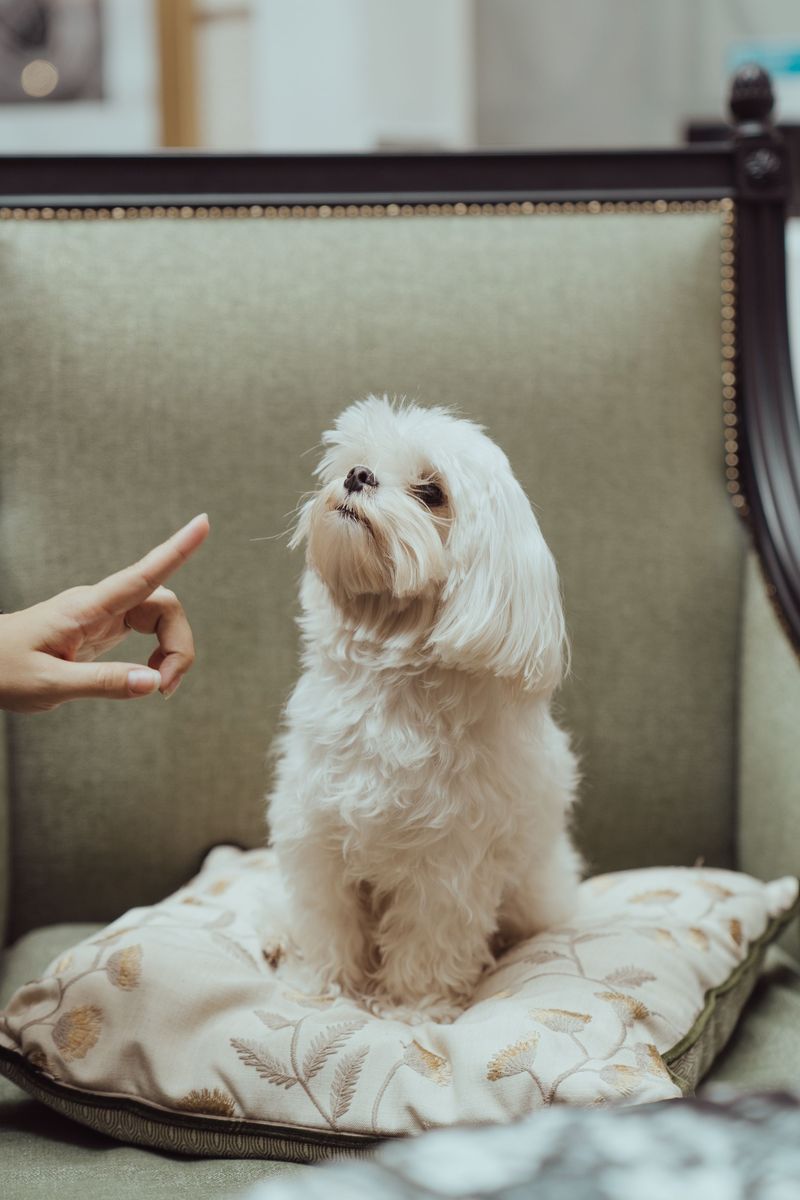
Imagine one person says down for lie down while another uses it for get off the couch. Your poor pup would be totally confused.
Gather your household and agree on the exact cue words and hand signals. Write them on a sticky note by the fridge if needed.
When everyone speaks the same language, dogs learn faster and feel more confident. Consistency turns guessing into knowing.
Reward Good Choices Right Away
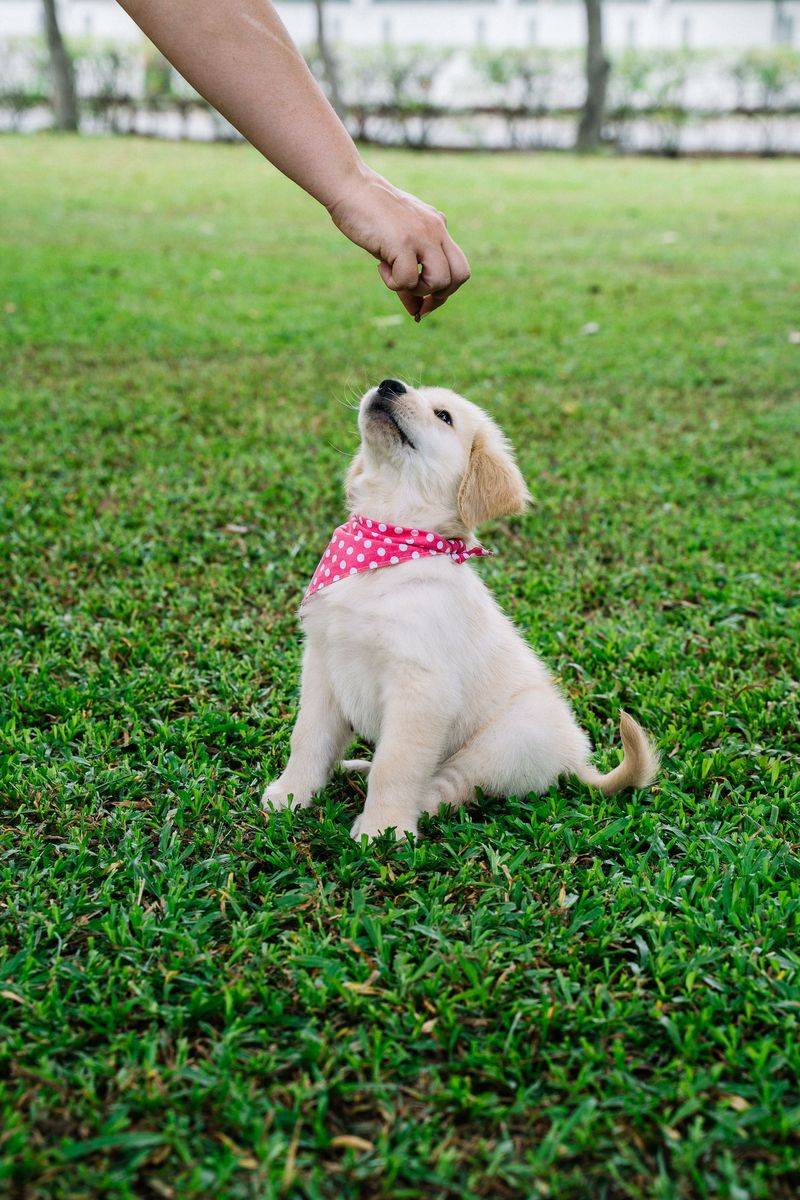
Timing is everything. Dogs connect a reward with whatever they did in the last second or two, so speedy praise matters.
Keep small treats in your pocket, and catch your dog being good, like lying calmly or ignoring a dropped sandwich. A quick yes plus a snack tells them exactly what you liked.
As habits grow stronger, you can swap some treats for belly rubs, toys, or cheerful words.