
Some dogs love you so much that they follow you everywhere, even into the bathroom. That kind of loyalty feels sweet, but it can also make it hard to get a quiet moment to yourself.
Dogs that never learn to be alone may feel stressed when you leave for school or work. Here are ten breeds that tend to stick close, plus simple ways to help them feel calm on their own.
Labrador Retriever
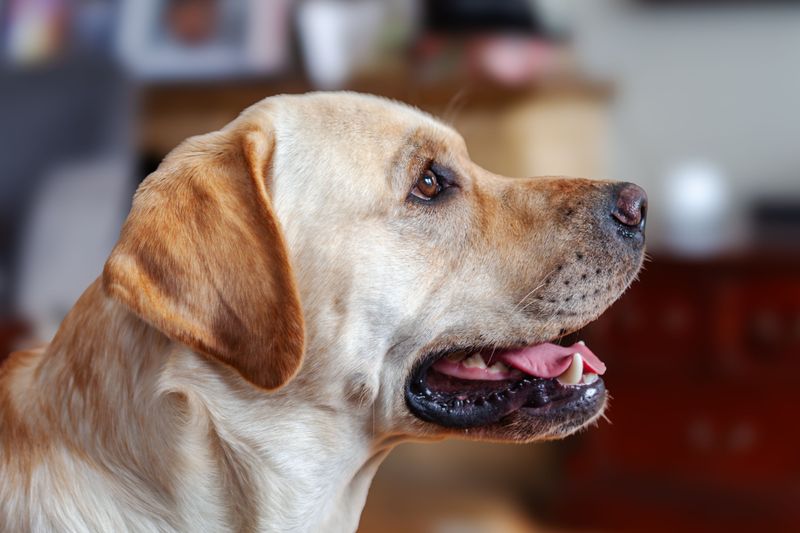
Ever tried reading a book with a Lab nudging your elbow every two minutes? Labs adore people and want to join every activity, from cooking dinner to folding laundry.
Fun fact: despite the name, the breed actually comes from Newfoundland, Canada. Labs were bred to work closely beside fishermen all day.
Start alone-time practice with short breaks behind a baby gate. Give a stuffed chew toy so your Lab links your absence with something tasty.
Golden Retriever
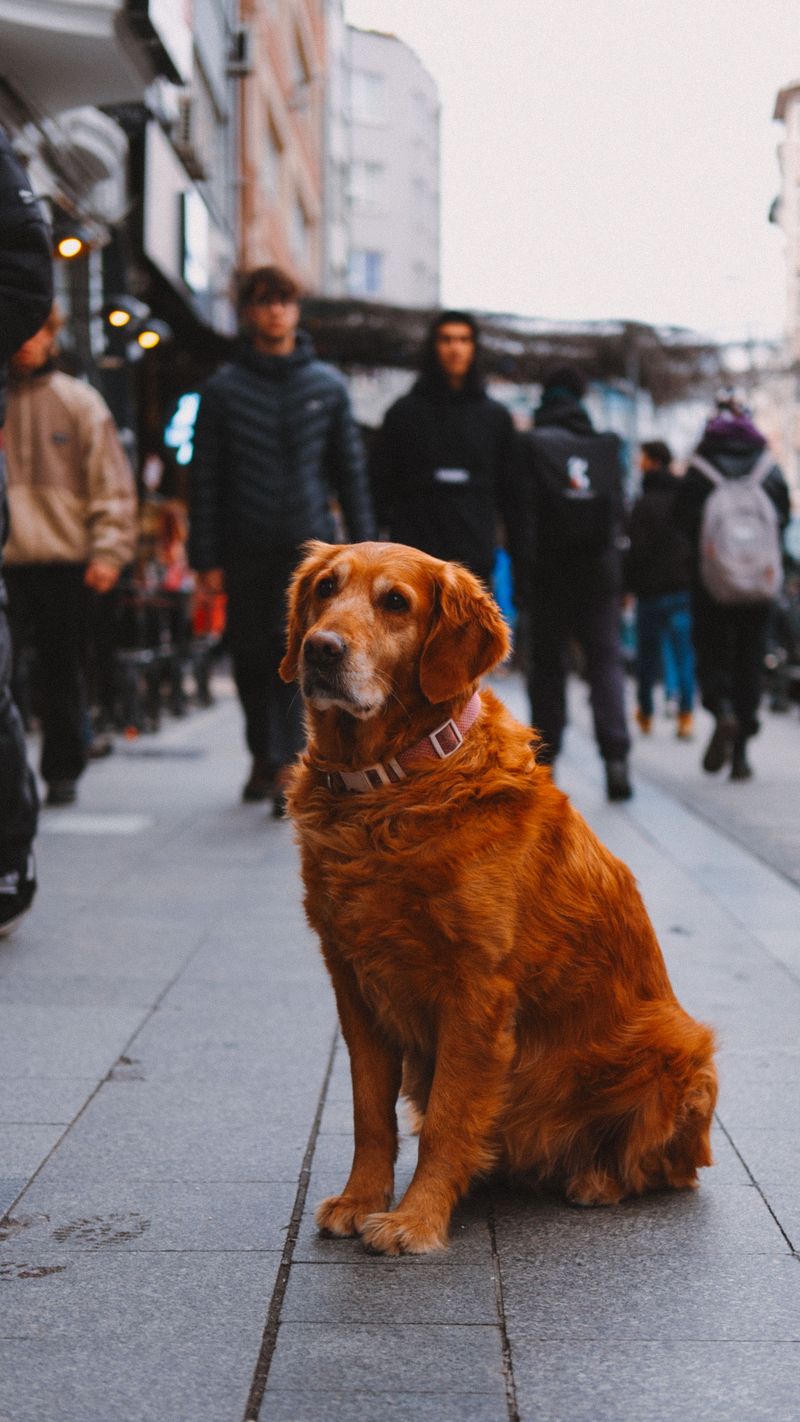
Picture a fluffy shadow with a wagging tail. Goldens are famous for sticking to their families like glue, and many will happily lie on your feet all evening.
All that affection is lovely, yet it can turn into worry when the house goes quiet. Some Goldens chew pillows or whine when left behind.
Practice leaving for five minutes, then ten. Stay calm when you return, so coming and going feels like no big deal.
German Shepherd
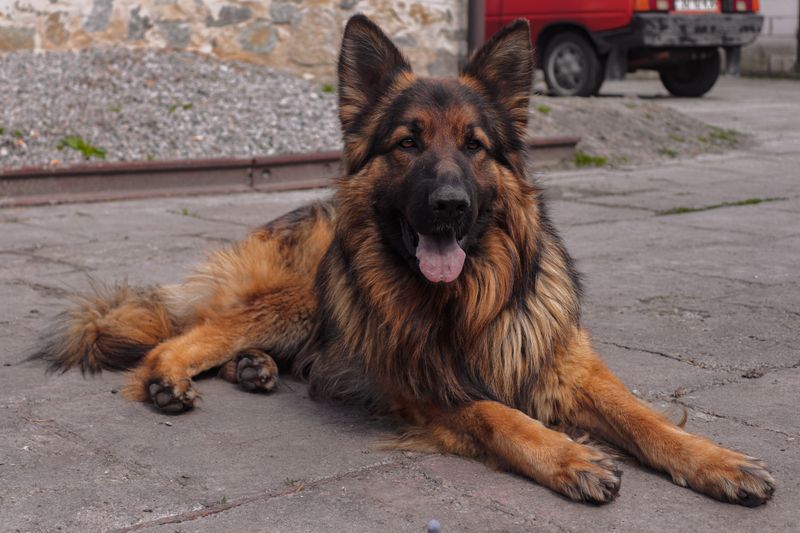
Loyal, watchful, and always on duty. German Shepherds were originally bred to herd sheep in Germany, so keeping an eye on their people comes naturally.
Many will trail you from room to room, checking that everything is safe. Without guidance, that protective focus can grow into stress when you leave.
Give your Shepherd a job before alone time. A puzzle feeder or a short training session tires the brain and makes resting easier.
Boxer
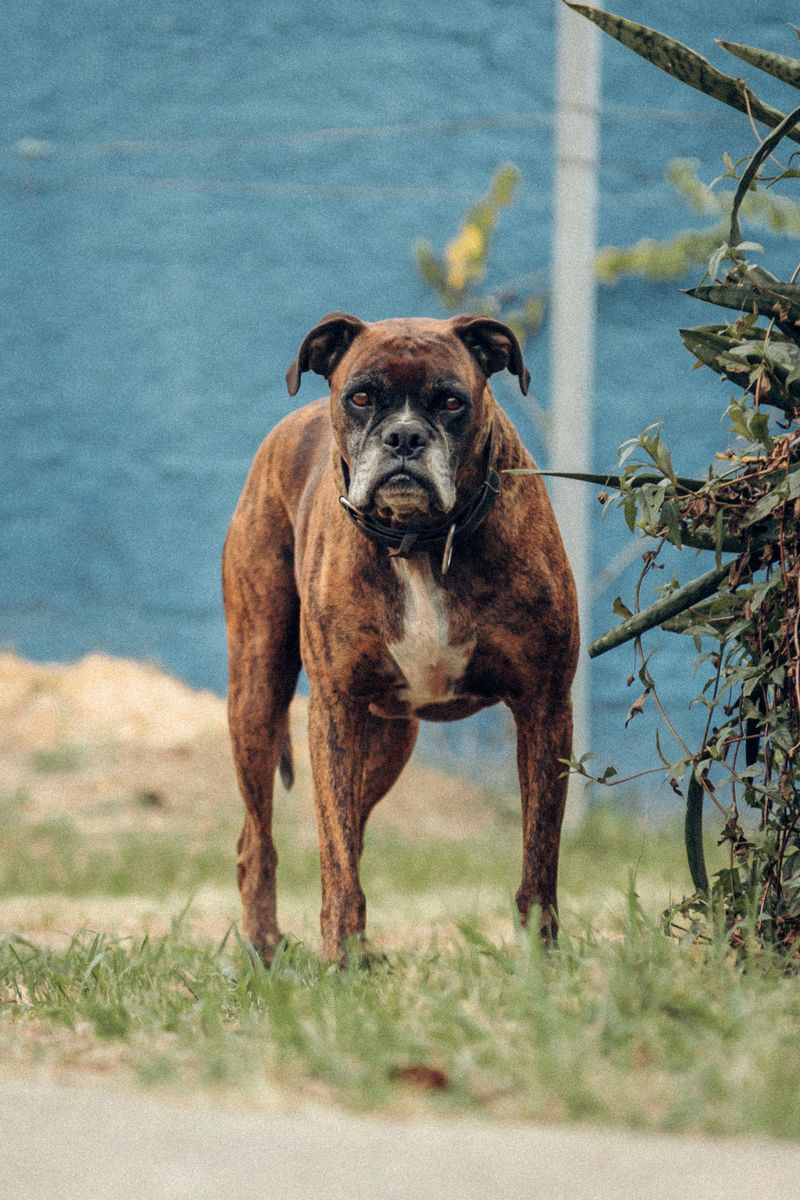
Boxers have a funny habit called the Boxer lean. They press their whole body against your legs, almost like a furry hug that says, stay right here.
These goofy clowns stay puppy-like for years and crave constant company. Boredom plus loneliness can quickly equal a shredded couch cushion.
A long play session before you head out helps a lot. Then leave a safe chew and a radio playing soft music for comfort.
Pug
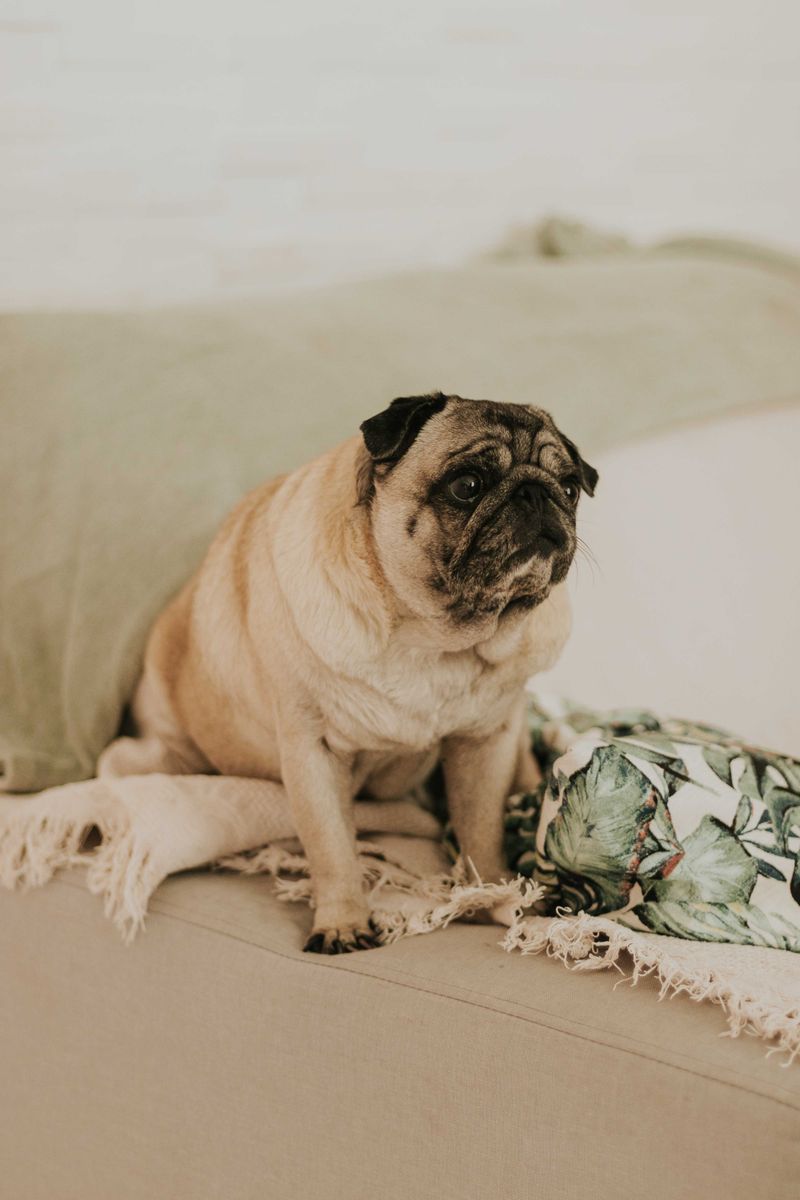
Back in ancient China, Pugs lived as pampered pets of emperors. Their job was simple: be a companion.
Not much has changed since then.
A Pug wants to be wherever you are, ideally snuggled on your lap. Personal space?
Your Pug has never heard of it.
Build independence by setting up a comfy bed in another room. Reward your Pug with a treat for relaxing there, even for just a minute.
Chihuahua
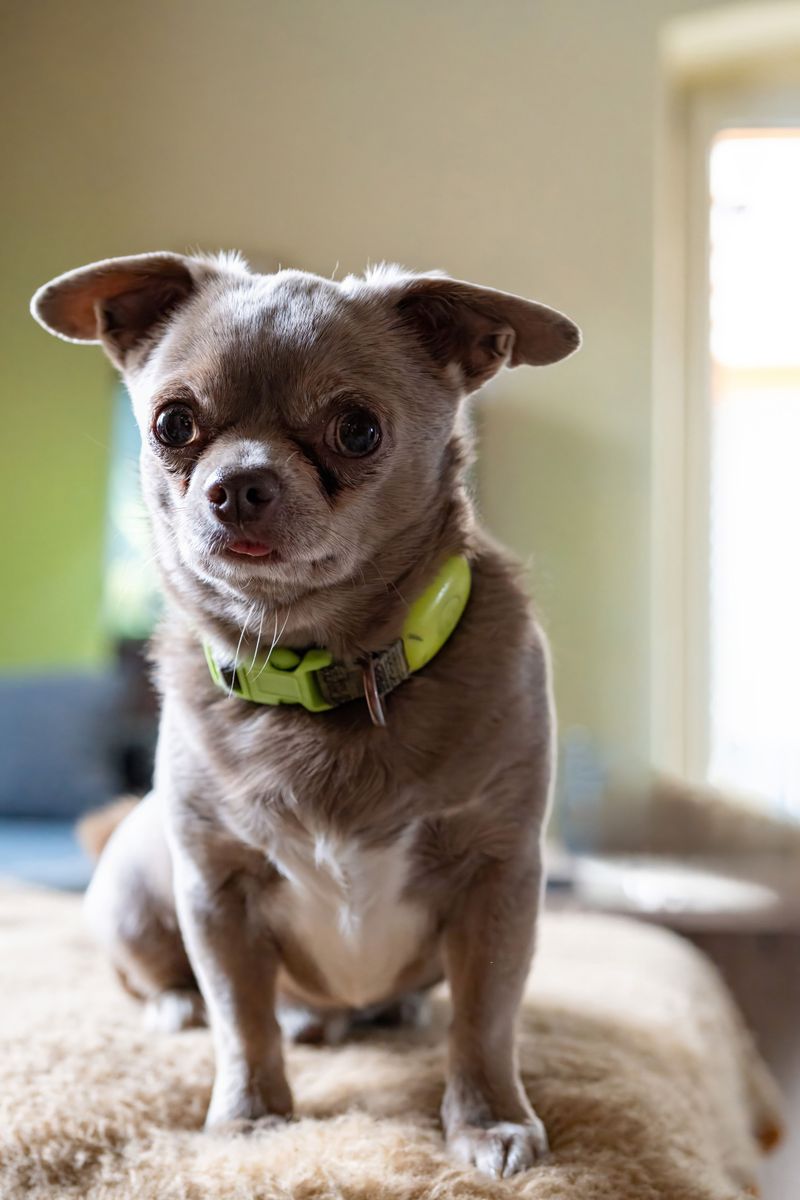
Small body, giant feelings. Chihuahuas often bond deeply with one special person and may follow that human everywhere like a tiny bodyguard.
Because they are so easy to carry, many end up held all day. That can make them nervous and yappy once they are set down and left alone.
Let your Chihuahua walk on its own feet more often. A cozy covered bed gives a safe den for solo naps.
French Bulldog
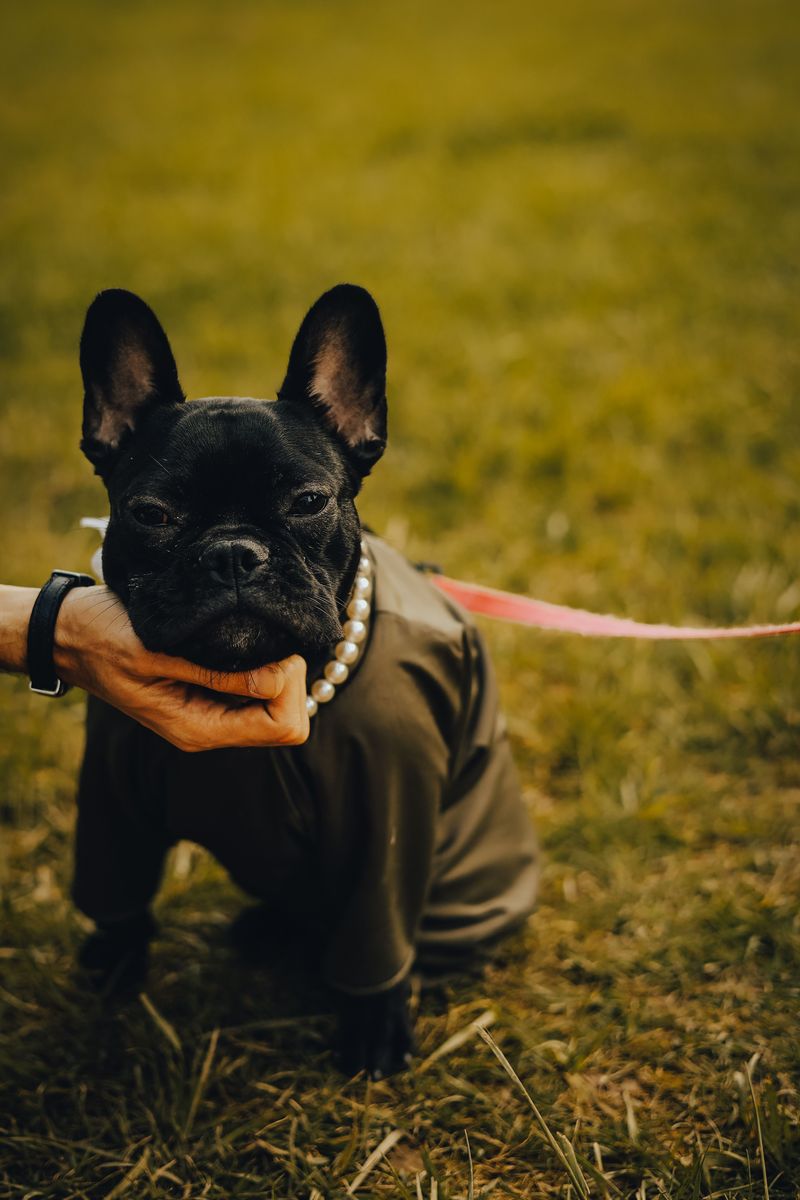
Closed the bathroom door lately? A Frenchie is probably snorting right outside it, waiting for you to come back.
These bat-eared charmers were bred purely to keep people company, and they take that job very seriously. They are not big barkers, but they may pace or sulk when alone.
Crate training works well for Frenchies. Make the crate a happy spot with soft bedding, special treats, and short practice sessions while you are home.
Yorkshire Terrier
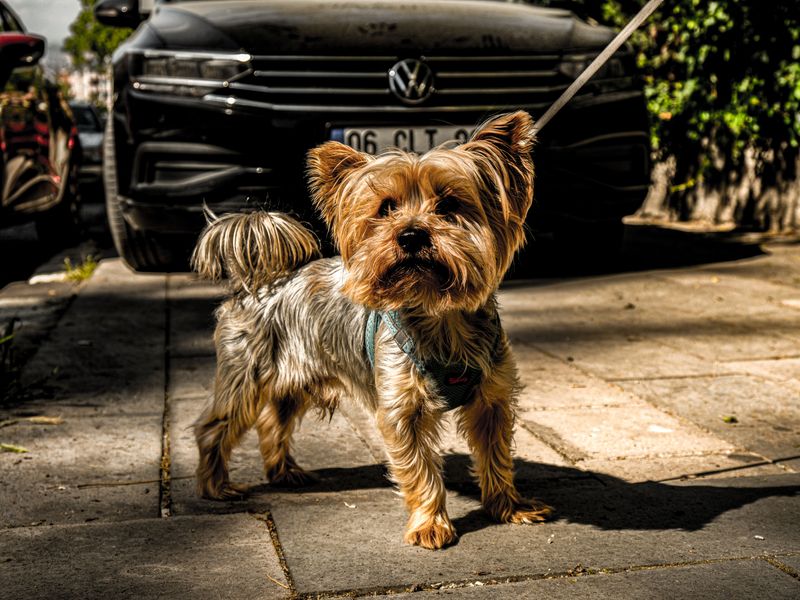
Here’s a surprise: Yorkies were first used to catch rats in English clothing mills. Today, that bold little hunter mostly chases attention instead.
Yorkies are spunky, smart, and very attached. Left alone without practice, they may bark nonstop and annoy the neighbors.
Try a treat-dispensing toy each time you leave. Keep goodbyes short and cheerful.
Over time, your Yorkie learns that you always come back, so there is nothing to fuss about.
English Springer Spaniel
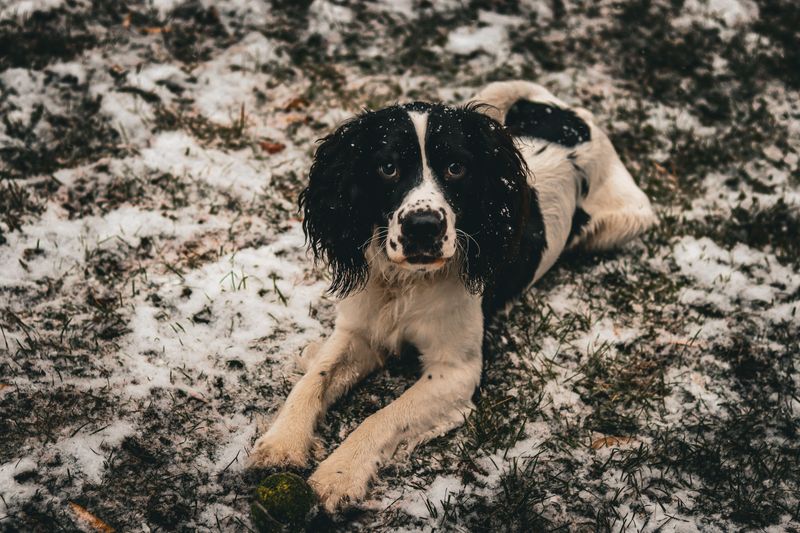
Energy level? Sky high.
Springers were bred to spring birds out of bushes for hunters, working side by side with people for hours.
At home, that teamwork turns into sticking close all day long. A bored, lonely Springer may dig, chew, or howl until you return.
Plenty of exercise is the secret. A good run or fetch game, followed by a calm settle routine, helps your spaniel relax when it is time to be alone.
American Staffordshire Terrier
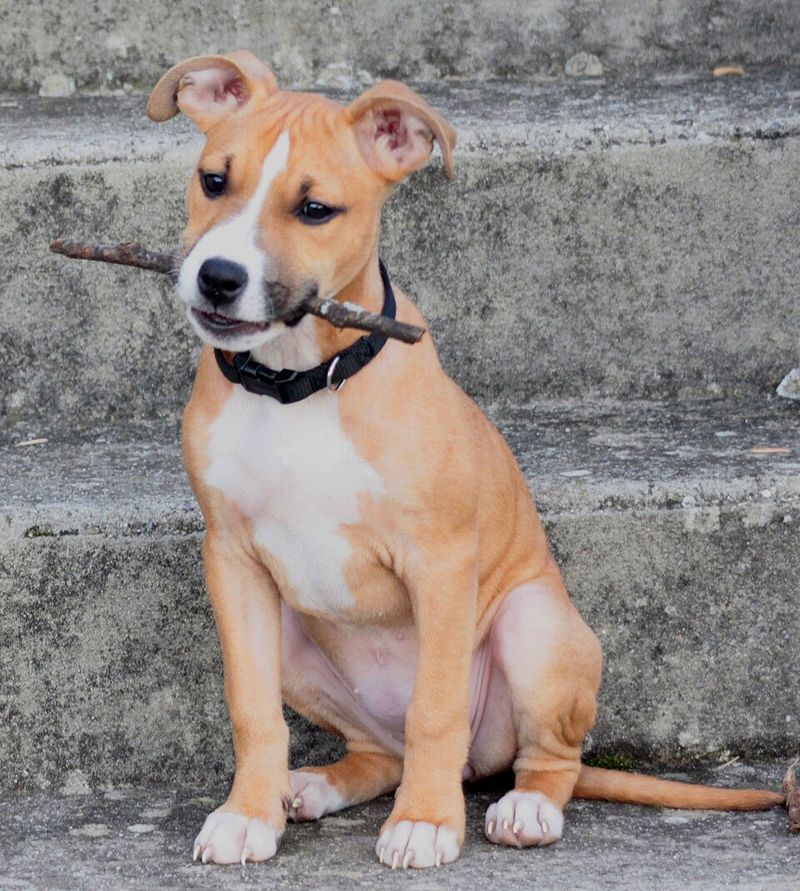
Behind that muscular look hides a giant softie. AmStaffs often think they are lap dogs and will happily squeeze onto the couch beside you.
Their love for people runs deep, which means long hours alone can feel hard. Strong jaws plus stress can lead to some serious chewing damage.
Offer tough, safe chew toys and practice calm departures. Teaching a solid place command also helps your AmStaff learn that relaxing nearby is just as good as cuddling.