
You unclip the leash, your dog sniffs one weird patch of grass, and suddenly your calm walk turns into a wild chase. Some breeds were made to follow scents, hunt small animals, or run for miles, so a single smell can switch off their listening ears.
Knowing which dogs act this way can save you stress, muddy shoes, and maybe even a scary moment near a road. Here are the breeds most likely to turn a quiet park visit into a full-blown adventure.
Beagle
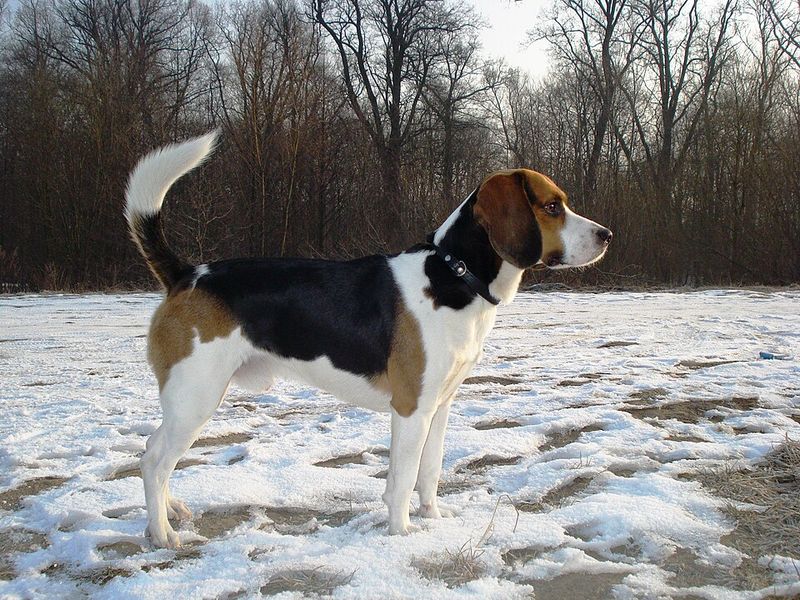
Picture a nose with legs attached, and you have the beagle. Its sniffer holds around 220 million scent receptors, so that odd grass patch is basically a gripping novel.
Once a rabbit trail grabs its attention, your voice fades into background noise. Many owners learn this the hard way while jogging after a howling hound.
Stick to fenced areas and practice recall with tasty treats, like cheese, every single day.
Dachshund
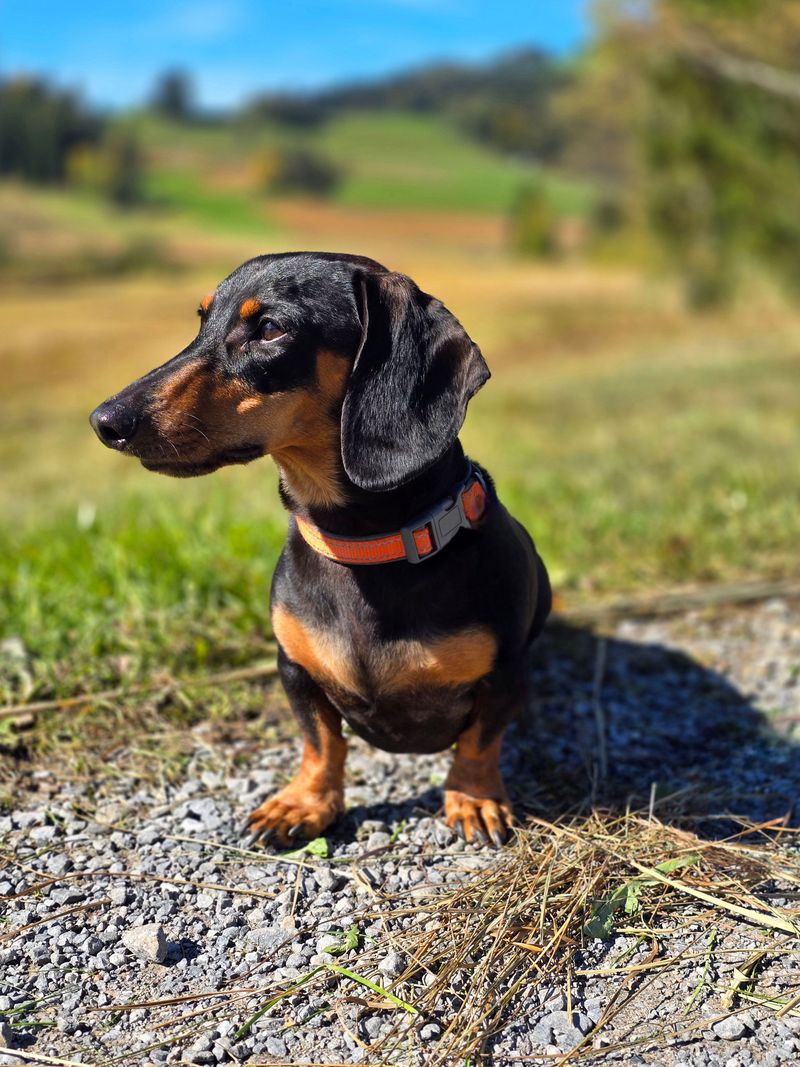
Small legs, giant plans. Dachshunds were bred in Germany to chase badgers into tunnels, and that history still shows up in your lawn.
Spot a mole hole near some suspicious grass? Expect frantic digging, loud barking, and a dog that refuses to come back until the job feels finished.
Bring a long training line instead of going leash-free. Your flower beds and your patience will both thank you later.
Jack Russell Terrier
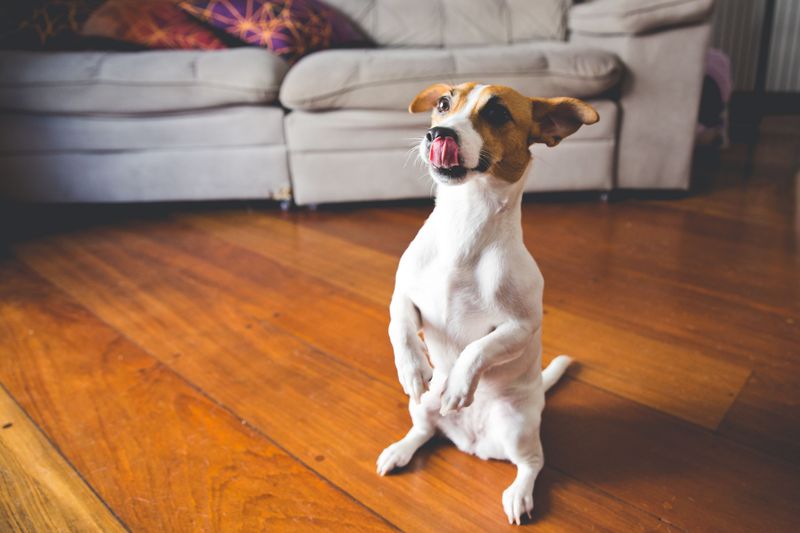
Ever seen a dog bounce higher than your knees just because a leaf twitched? Welcome to life with a Jack Russell.
Fearless and speedy, these terriers treat every rustle as a mission. A hidden mouse in the grass can launch them across a field before you finish saying their name.
Burn off energy with fetch, puzzle toys, and agility games. A tired terrier is far more likely to listen when it matters.
Basset Hound
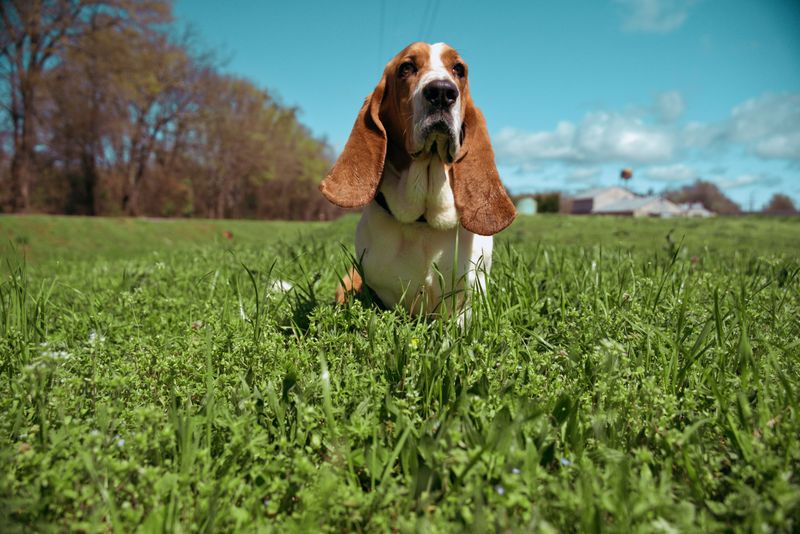
Don’t let those sleepy eyes fool you. A basset hound might move slowly, but it moves with total determination.
Those long ears actually sweep scents up toward the nose, which helps explain why this breed can trail a smell for hours. Calling it back often earns you a polite ignoring.
Fun fact: basset hounds are second only to bloodhounds in tracking power. Keep walks leashed and let them sniff at their own pace.
German Shorthaired Pointer
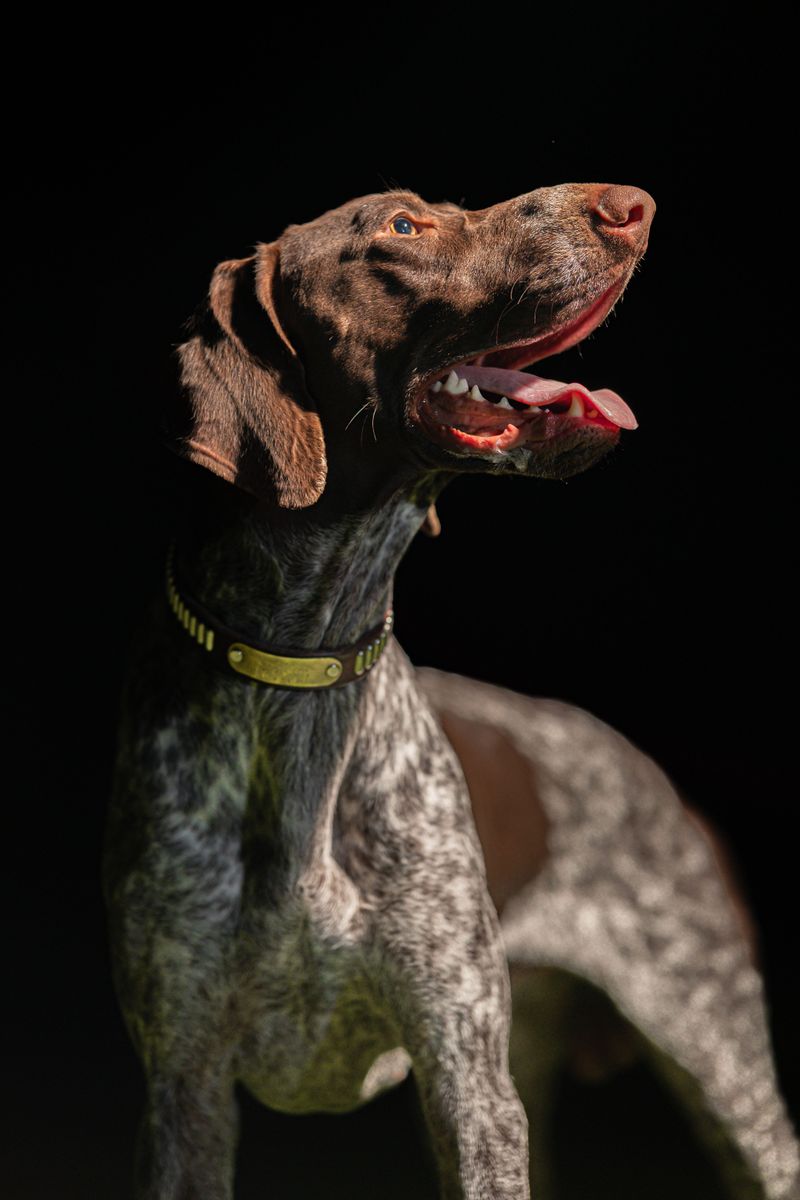
One moment it freezes in a perfect point, the next it’s sprinting toward the horizon. German Shorthaired Pointers are athletes built for hunting birds all day long.
A hidden quail in that grass patch? Gone, and so is your dog.
These dogs need serious exercise, around an hour or more daily. Try running, swimming, or scent games.
Without an outlet, they invent their own fun, usually far away from you.
Siberian Husky
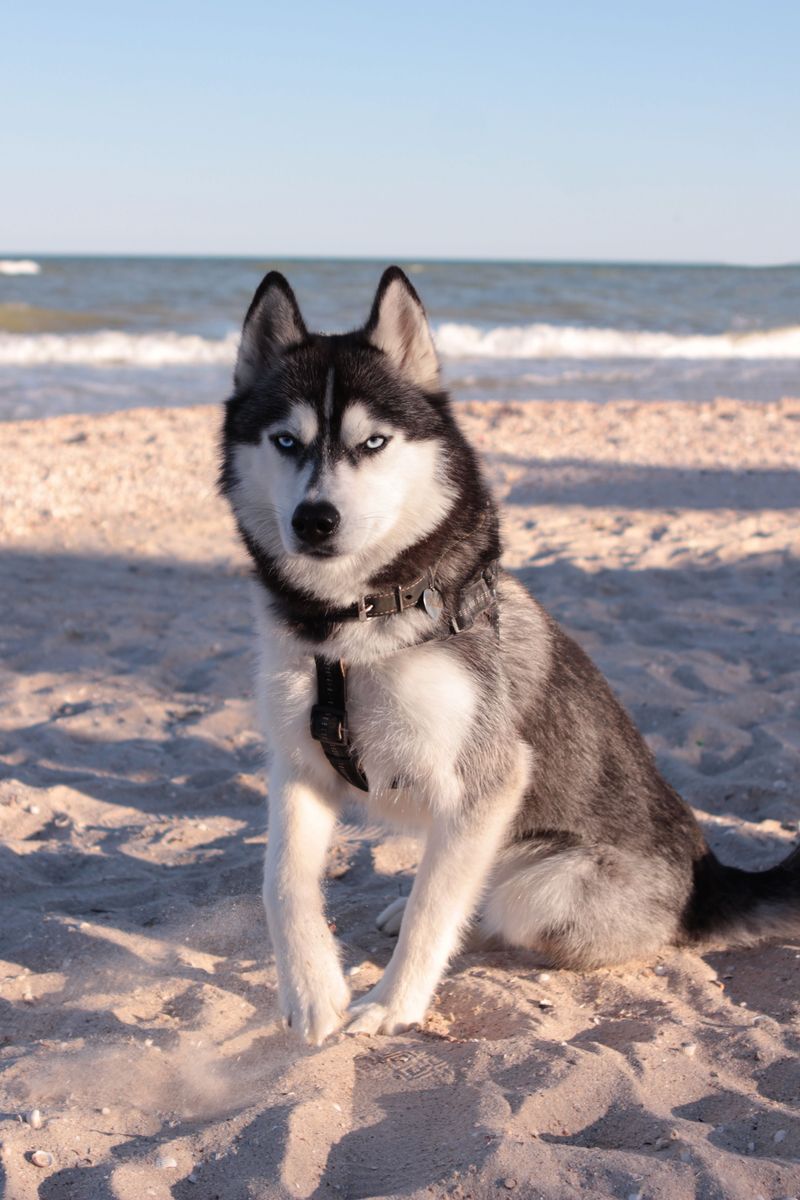
“I’ll come back… eventually.” If huskies could talk, that might be their motto.
Bred to pull sleds across Siberia for long distances, these dogs have an urge to run that rarely switches off. A curious smell in the grass can easily become a five-mile detour.
Most husky experts suggest never trusting them off leash in open areas. Use a harness, try canicross or bikejoring, and let them run safely with you.
Brittany
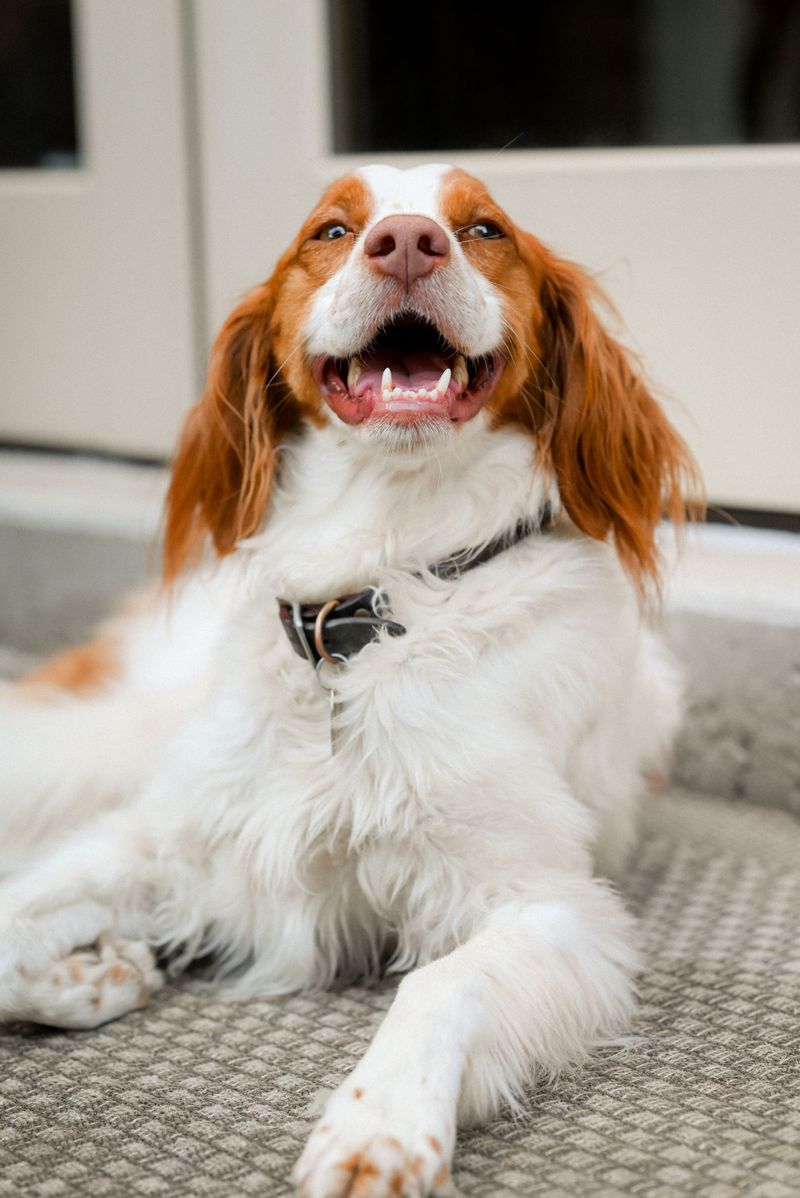
Cheerful, bouncy, and always in motion, the Brittany seems powered by springs. Originally from France, this bird dog loves combing fields for feathered friends.
Near a grass patch that smells like pheasant, its brain shifts into work mode instantly. You become a distant memory.
The good news? Brittanys are eager learners.
Short, upbeat training sessions with lots of praise build a strong recall that can actually hold up against tempting smells.
Weimaraner
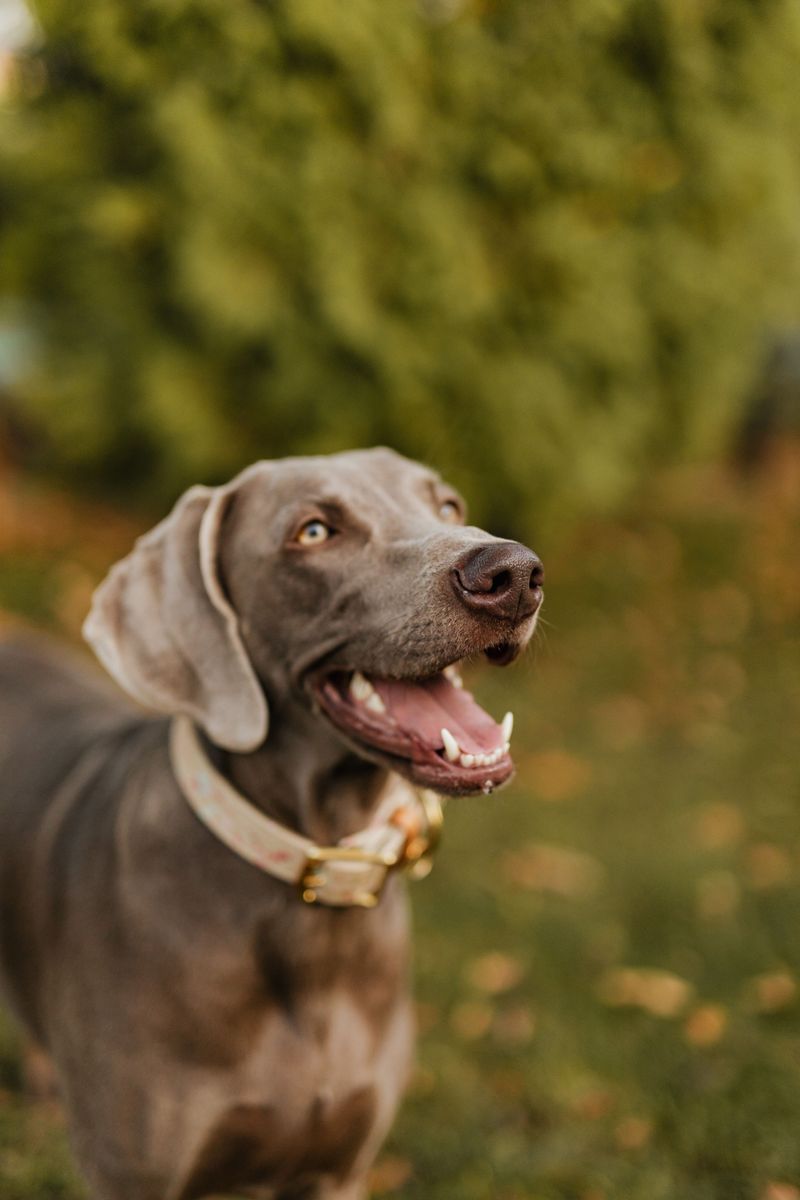
Nicknamed the gray ghost, the Weimaraner can vanish into the trees faster than you can blink. German nobles once used it to hunt deer and boar.
Today, a squirrel near that suspicious grass works just as well as a trigger. These dogs are clever, strong, and stubborn.
Mental challenges matter as much as running. Hide treats, teach new tricks, and keep a GPS collar handy for any off-leash outings.
Cocker Spaniel
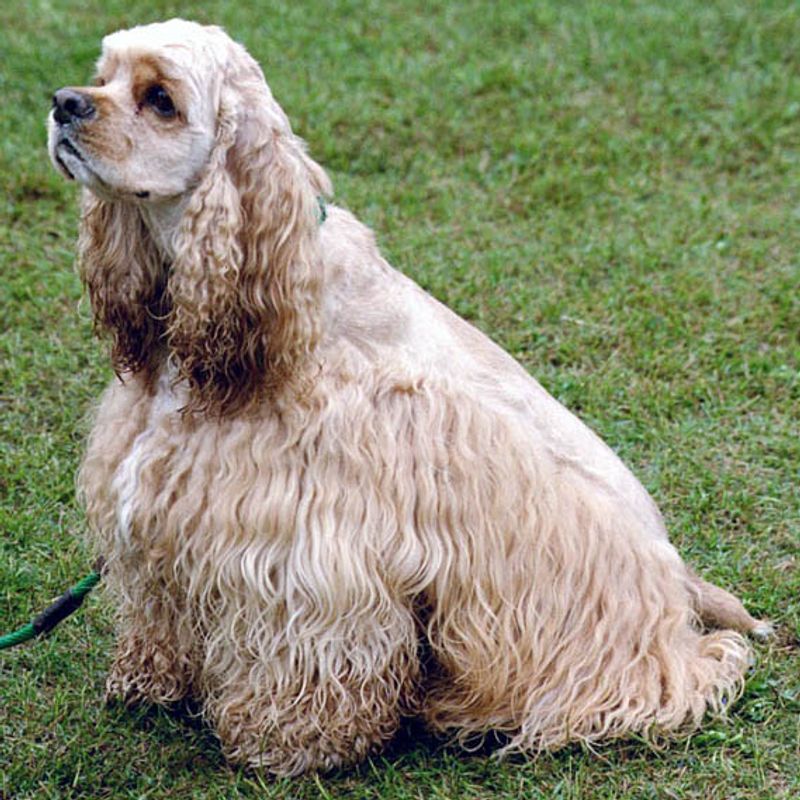
Sweet face, sneaky nose. Cocker spaniels look like they belong on a cozy couch, yet deep down they are bird flushers with a hunter’s heart.
Spotting something interesting in the grass often sends them weaving through bushes, ignoring every whistle.
Quick tip: check those floppy ears after outdoor romps. Grass seeds and burrs love to hide there and can cause painful infections if you don’t catch them early.
English Springer Spaniel
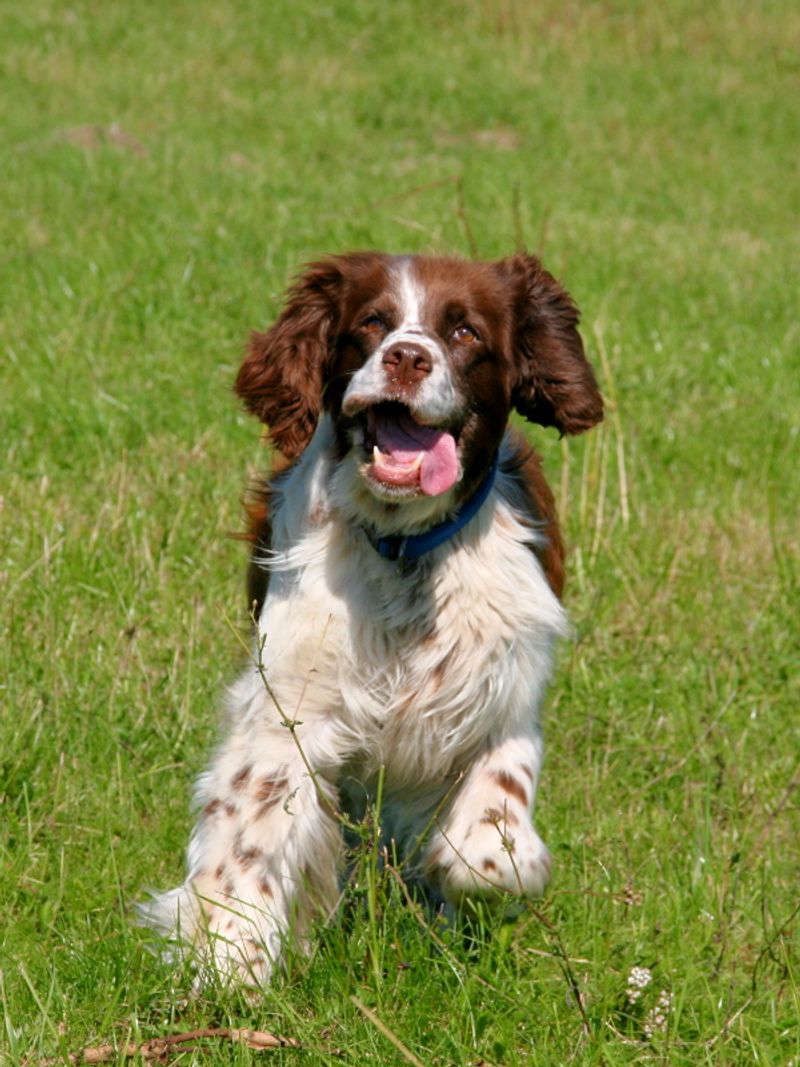
The name says it all. Springers got their title from springing birds out of hiding, and they still leap into anything that rustles.
Add a muddy pond near that grass patch, and you might drive home with a soaked, happy, very smelly dog.
Keep a towel in your car and practice the stop whistle. Gundog trainers use it often, and springers usually pick it up surprisingly fast.