
Some dogs treat the closing front door like the end of the world. They may bark, chew, pace, or wait by the window until you come home.
The good news is that most pups can learn to feel calm alone when you teach them slowly, one small step at a time. Here are some breeds that often find empty houses hard, plus simple ways to help them relax.
Labrador Retriever
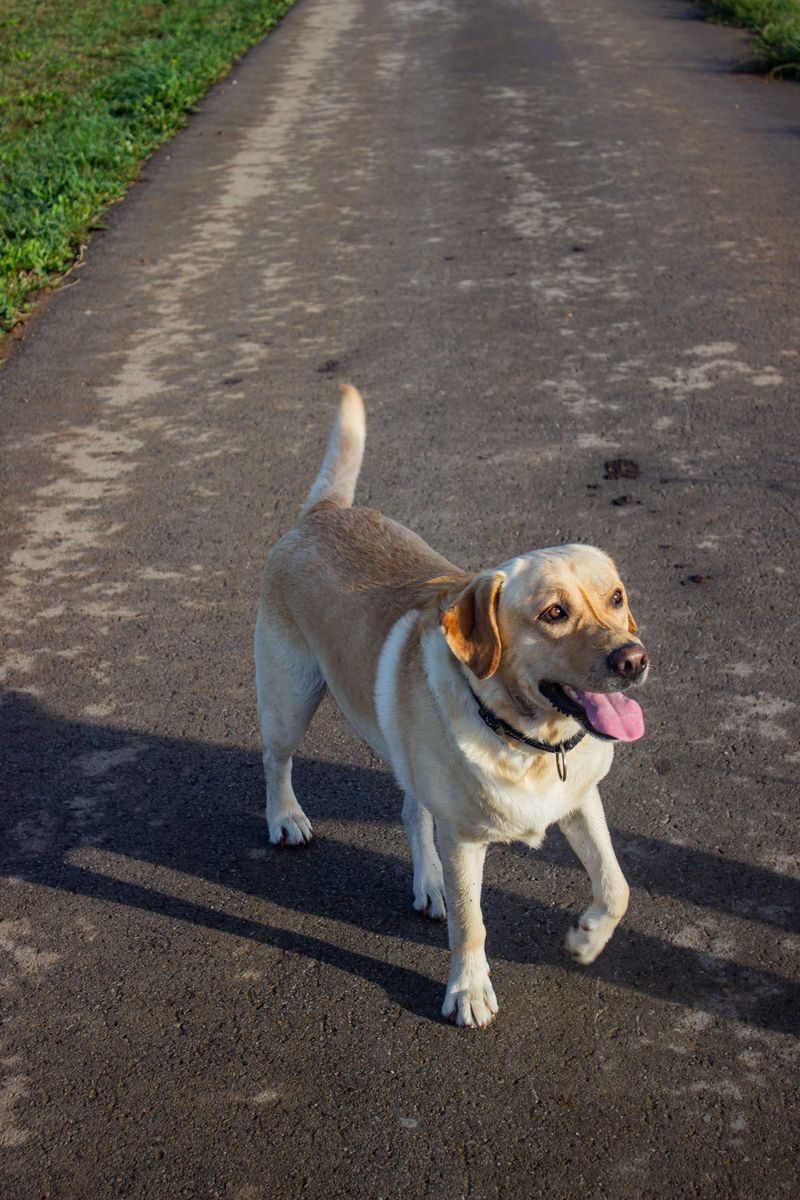
Ask any Lab owner about a chewed couch cushion, and you might hear a long story. Labradors were bred to work beside people all day, so silence can feel strange to them.
Start by leaving for just two minutes, then return calmly. Slowly stretch the time over several weeks.
A frozen stuffed chew toy gives that busy mouth a job, turning your exit into something worth looking forward to.
German Shepherd
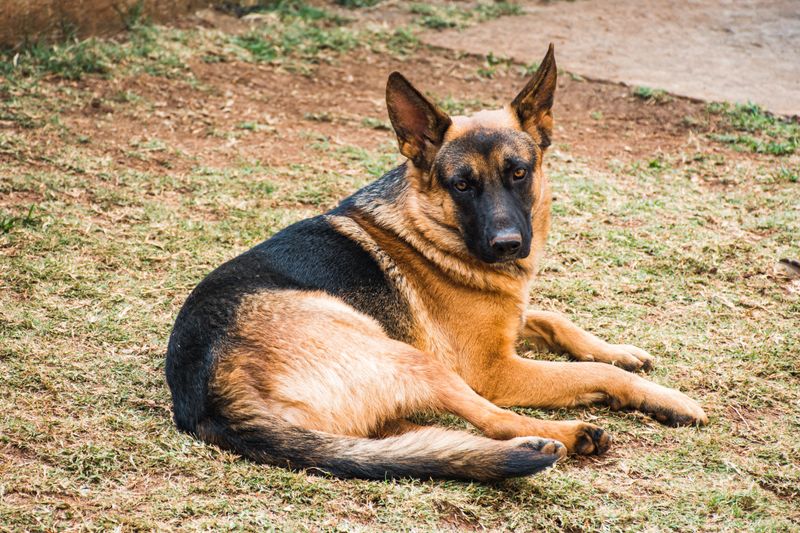
Loyal to the bone, German Shepherds like to keep an eye on their people. When the family disappears, some guard the door for hours and grow tense.
Short, boring departures help a lot. Pick up your keys, sit back down, and repeat until the keys mean nothing.
Fun fact: these dogs were first bred in Germany in 1899 to herd sheep, so a brain game before you leave burns off worried energy.
Border Collie
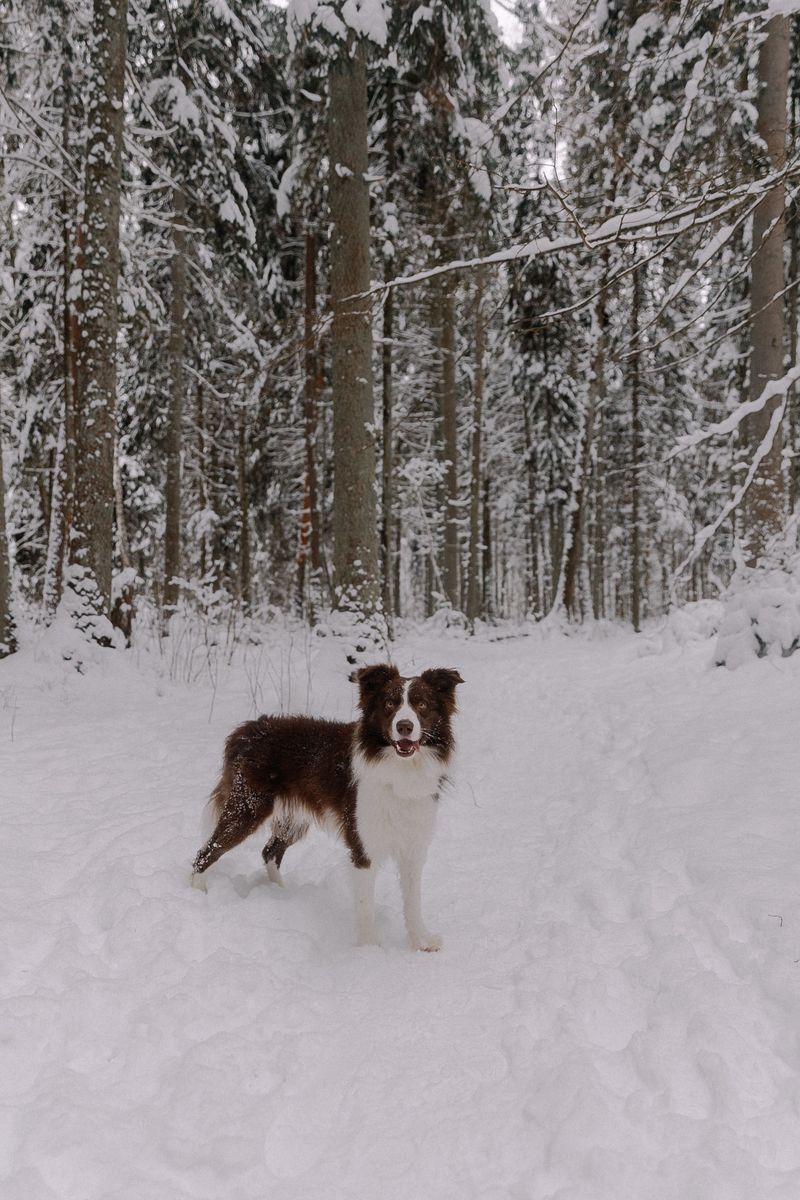
Picture a genius with nothing to do. That is a bored Border Collie in an empty house, and the results can include shredded mail and scratched doors.
Training here means mixing exercise with patience. Give a long walk or fetch session first, then practice tiny absences.
Puzzle feeders and snuffle mats keep that clever mind busy while you step out. Add a few minutes each day, and celebrate quiet wins.
Cavalier King Charles Spaniel
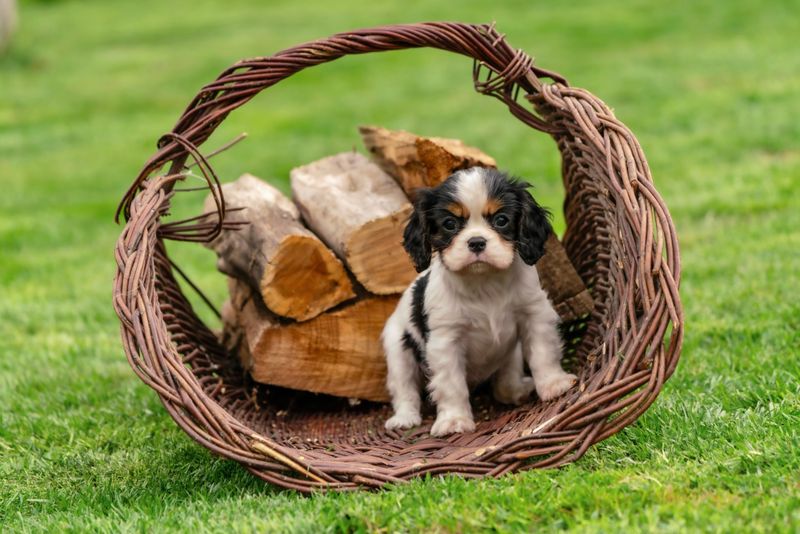
Royal lapdogs once warmed the knees of English kings, and today’s Cavaliers still crave a cuddle. Being left behind can make them whine softly for a long time.
Build a cozy spot with a blanket that smells like you. Practice leaving them there while you move to another room.
Next, step outside for a minute or two. Keep hellos and goodbyes low-key, so your comings and goings feel like no big deal.
Vizsla
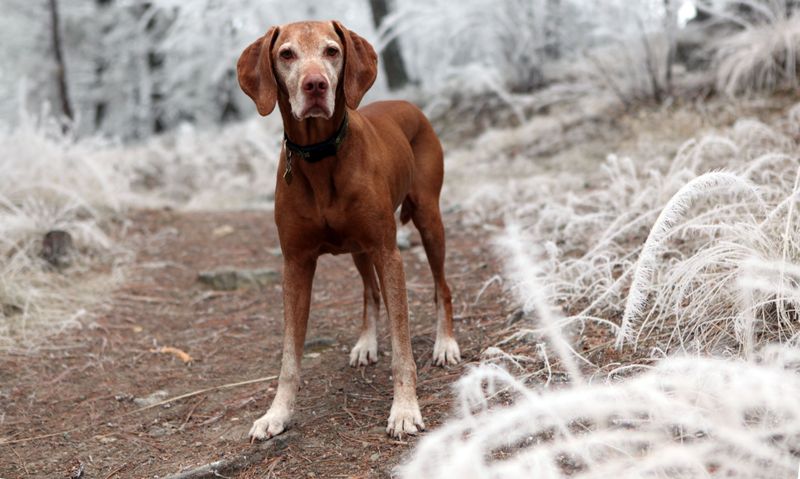
Nicknamed the Velcro dog, the Vizsla sticks to its human like glue. Some will follow you from room to room, even to the bathroom.
Teaching independence starts inside the home. Use a baby gate so your pup can see you but not touch you, and reward calm behavior.
Once that feels easy, leave the house for short trips. A tired Vizsla after a good run usually naps instead of panicking.
Jack Russell Terrier
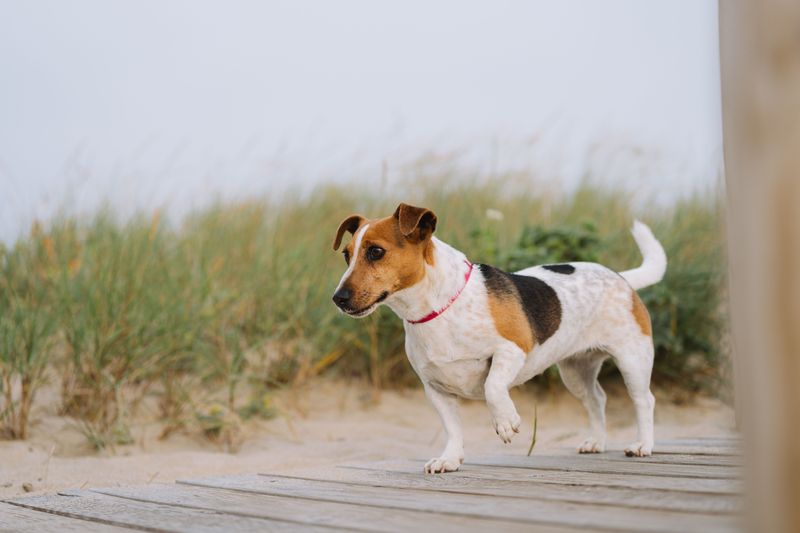
Small body, huge engine! Jack Russells can dig through couch cushions faster than you can say “sit” when they feel lonely or bored.
Burn off energy first with a game of tug or a brisk walk. Then hand over a treat-dispensing ball as you walk out.
Keep early trips under five minutes. Coming back before trouble starts teaches your terrier that waiting quietly always pays off with your return.
Australian Shepherd
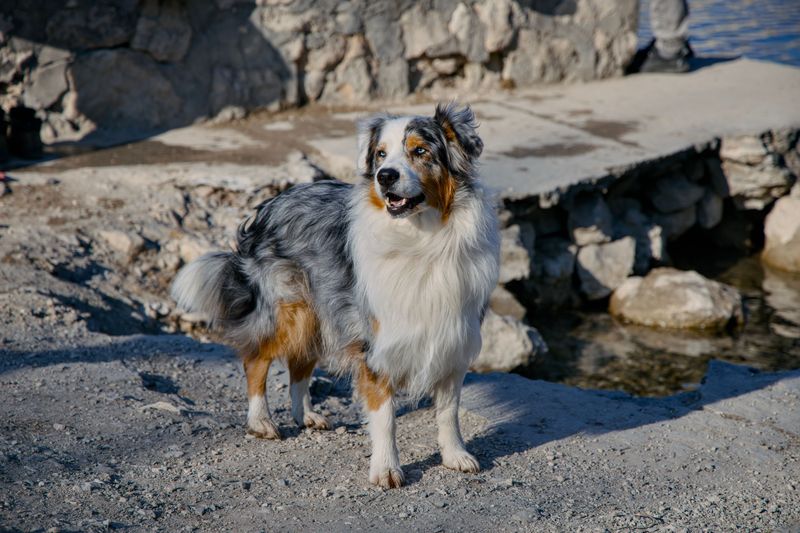
Despite the name, Aussies were actually developed in the American West. These ranch helpers love having a mission and a person to follow.
An empty house gives them neither, so pacing and barking can appear. Crate training, done kindly, gives them a safe den.
Feed meals inside the crate and leave the door open at first. Over time, close it for short stretches while you go out briefly.
Bichon Frise
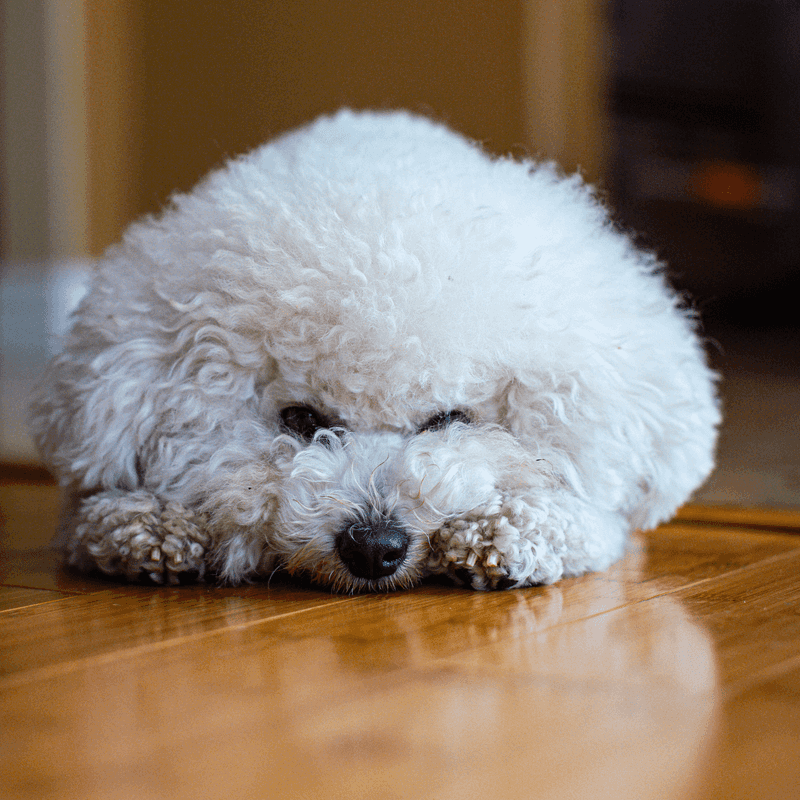
Cheerful and fluffy, Bichons once performed tricks in circuses and loved an audience. Without one, they may bark until the neighbors notice.
Soft music or a talk radio station can fill the quiet. Many owners find their pups settle faster with gentle background sound.
Pair that with slow practice runs, leaving for longer each week. A camera helps you check progress and spot stress before it grows.
Italian Greyhound
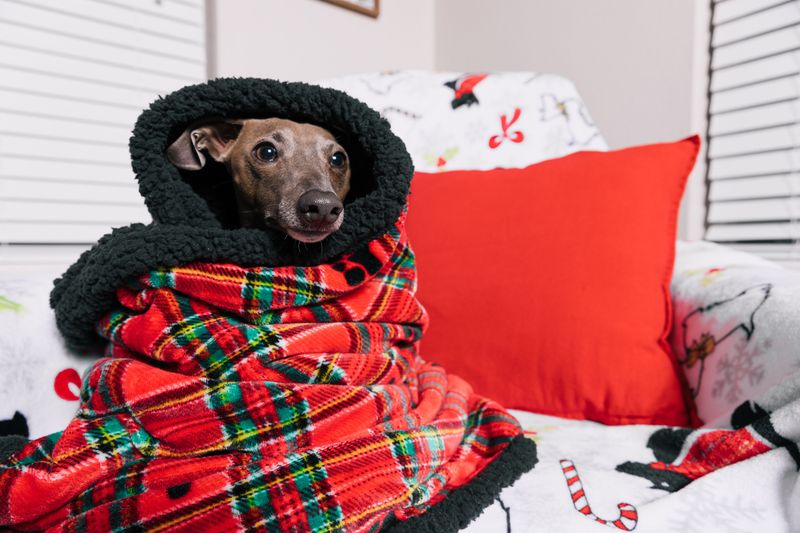
Shivering on the couch, an Italian Greyhound can look like the saddest dog alive when you grab your coat. These sensitive pups bond deeply and worry easily.
Warmth matters. A sweater and a covered bed can make them feel secure.
Go slowly with training, since rushing may set them back. Toss a treat, step out for thirty seconds, then return, building trust one tiny trip at a time.
Rescue Mixed Breed
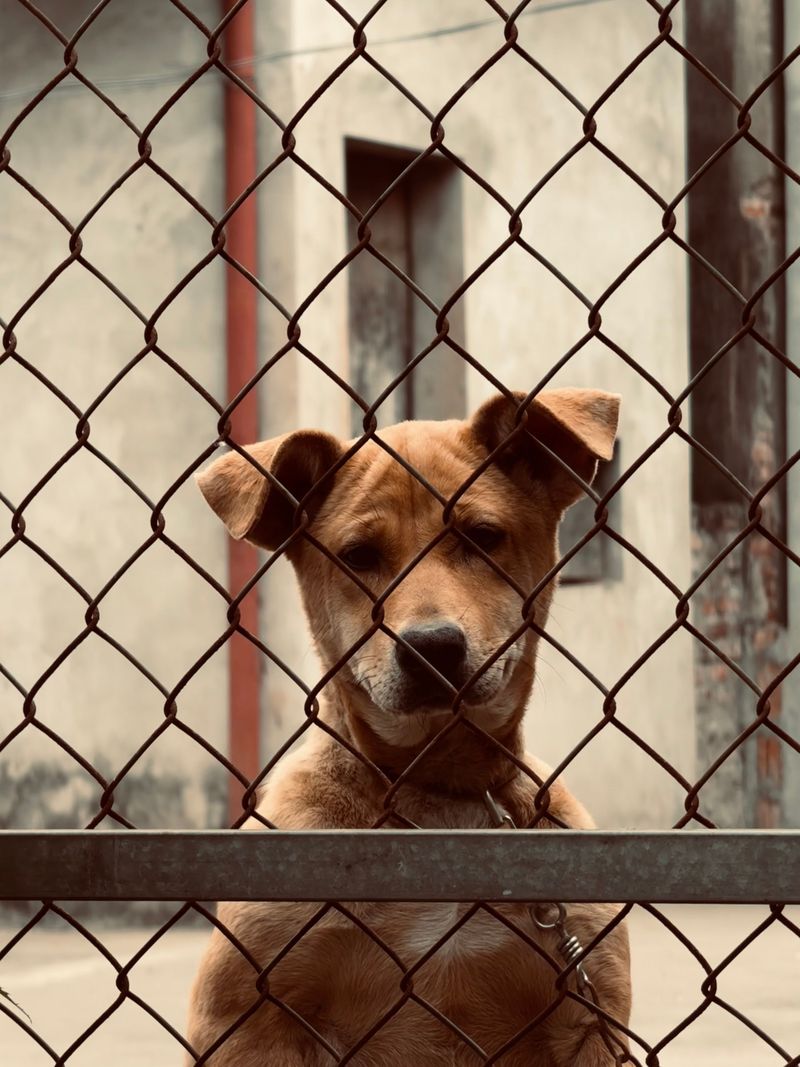
Every rescue pup carries a story you may never fully know. Dogs who lost a home before often fear being left again.
Patience is your best tool here. Stick to a steady daily routine so your new friend can predict what happens next.
Lick mats, calm goodbyes, and short practice trips all add up. If panic stays strong, a certified trainer or vet can create a plan that fits.