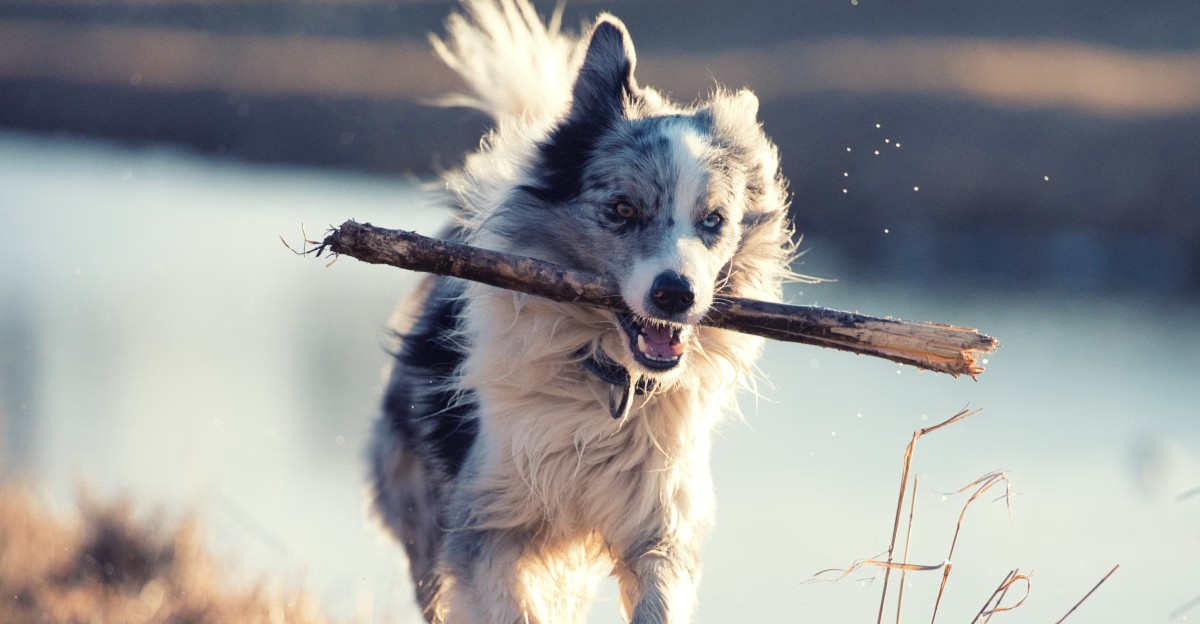
Some dogs love learning new tricks so much that training them feels like a fun hobby for both of you. They can master agility courses, scent games, and complex commands with amazing skill.
But every breed was made for a job long ago, and those old instincts can pop up at the worst moments. Knowing which dogs mix brains with wild urges can help you train smarter and laugh more along the way.
Border Collie
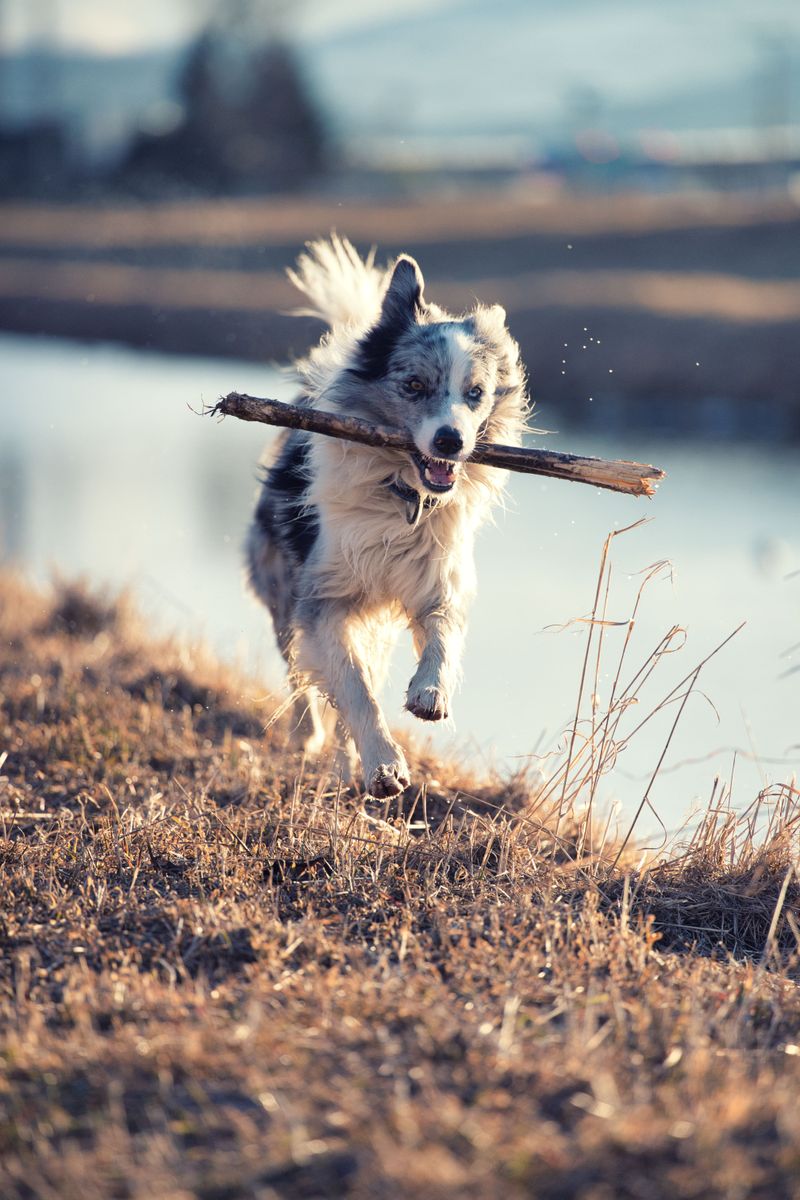
Picture a dog that learns a new trick in five tries and then begs for another. Border Collies are famous for this kind of hungry brain, and many owners fall in love with agility or herding trials because of them.
Here is the catch. That same genius may try to herd kids, bikes, or even cars.
Teach a strong recall early, and give daily puzzles so the herding urge has a safe outlet.
German Shepherd
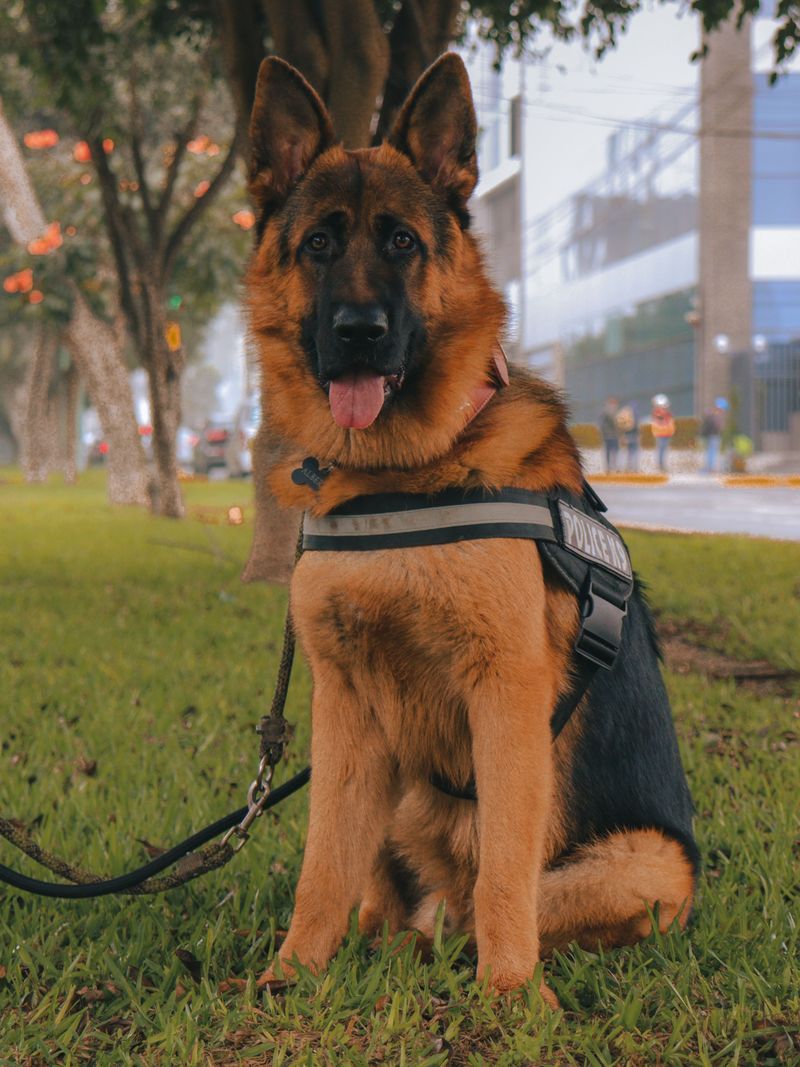
Police departments around the world trust German Shepherds, and that tells you plenty. They shine at obedience, tracking, and protection sports, often working with serious focus.
Still, their guarding side can kick in fast. A stranger at the gate or a loud noise might switch on alert mode.
Steady socialization from puppyhood helps. Expose your shepherd to new people, sounds, and places so it learns when to relax and when to watch.
Belgian Malinois
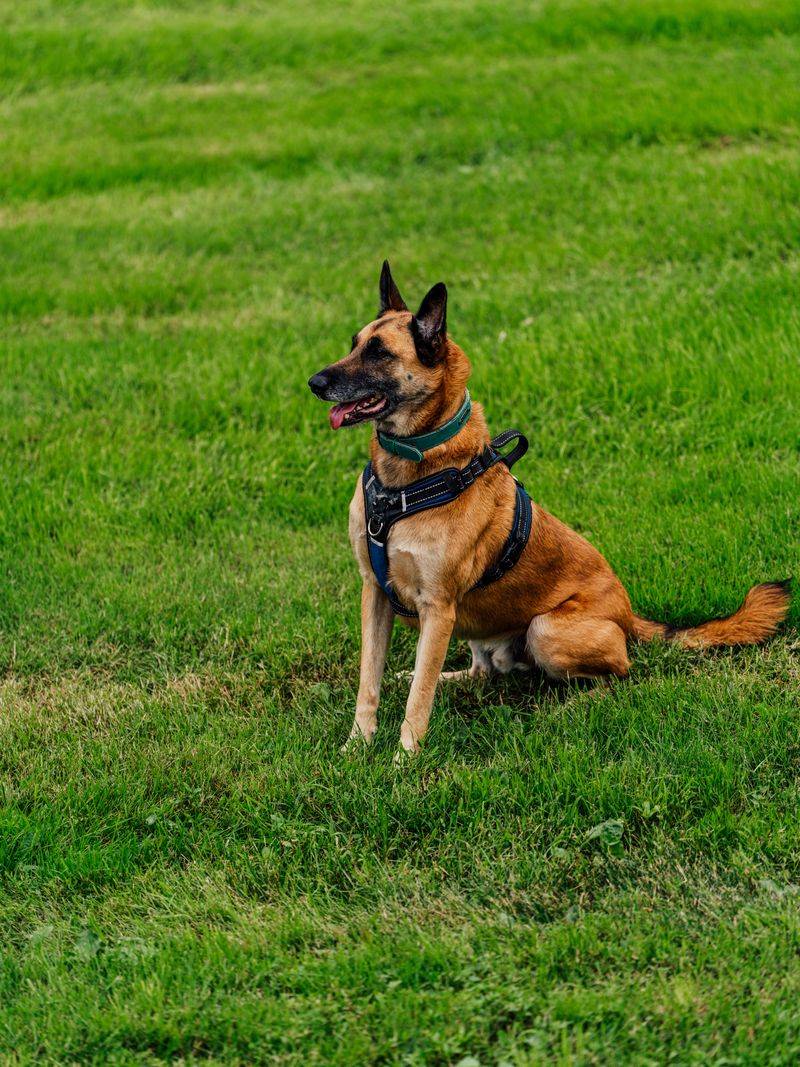
Think of a German Shepherd with the energy turned all the way up. The Belgian Malinois can climb walls, nail precise heelwork, and learn tasks that leave other dogs puzzled.
Fun fact: Malinois have worked alongside military special forces. That drive comes with a price, though.
Bored Malinois chew, nip, and invent their own games. Plan on hours of daily work, and pick a sport like mondioring or dock diving to keep that motor busy.
Australian Shepherd
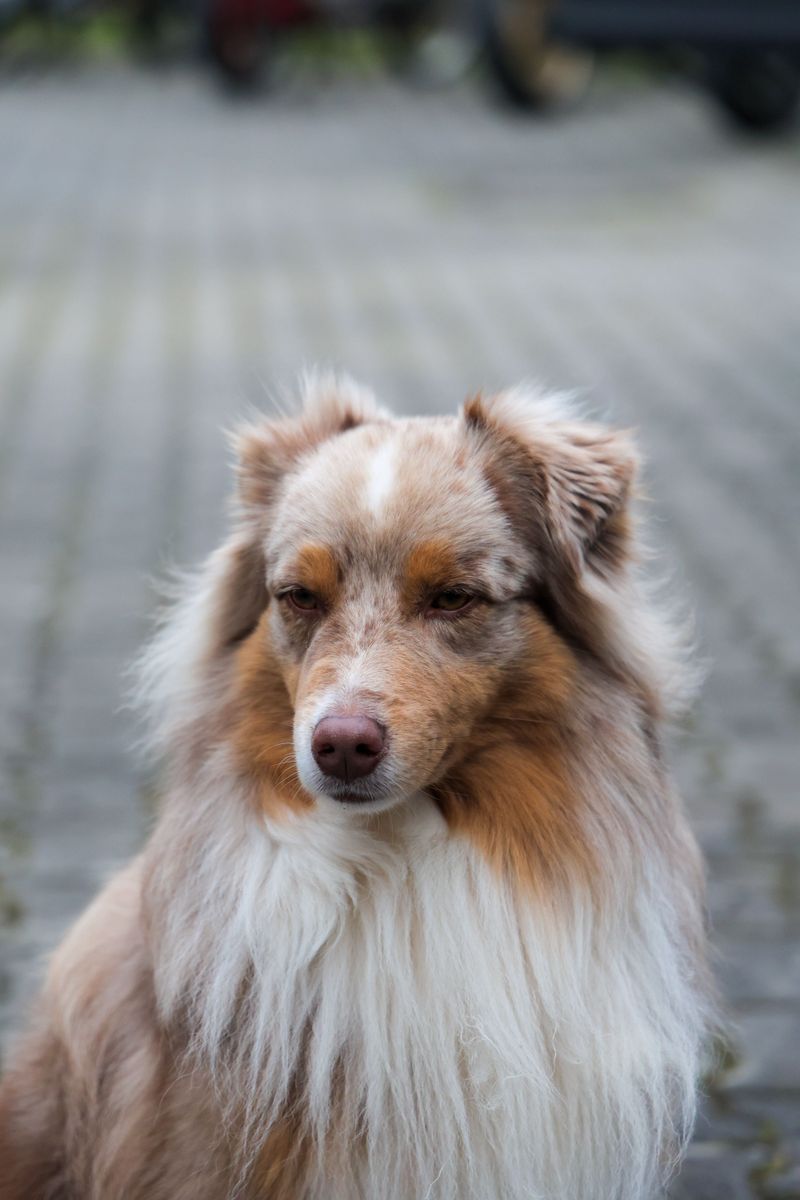
Ranch hands in the American West loved these merle-coated helpers, even though the breed’s name points to Australia. Aussies pick up tricks fast and adore flying through weave poles.
Watch out for ankle nipping, though. That herding habit can show up when kids run around the yard.
Redirect it with a tug toy and a firm cue. A tired Aussie is a polite Aussie, so mix mental games with plenty of running.
Labrador Retriever
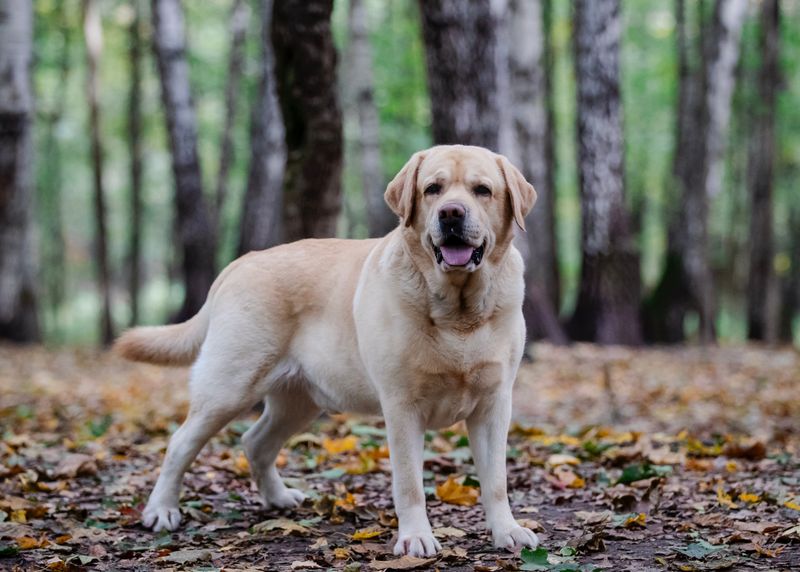
Labs are like the honor-roll students of the dog world. They excel at retrieving trials, service work, and scent detection, all while wagging nonstop.
Then a duck flies overhead, or a muddy pond appears, and suddenly your star pupil forgets every lesson. Water and birds call loudly to this breed.
Practice commands near real distractions, starting at a distance. Reward big when your Lab chooses you over the splash.
Beagle
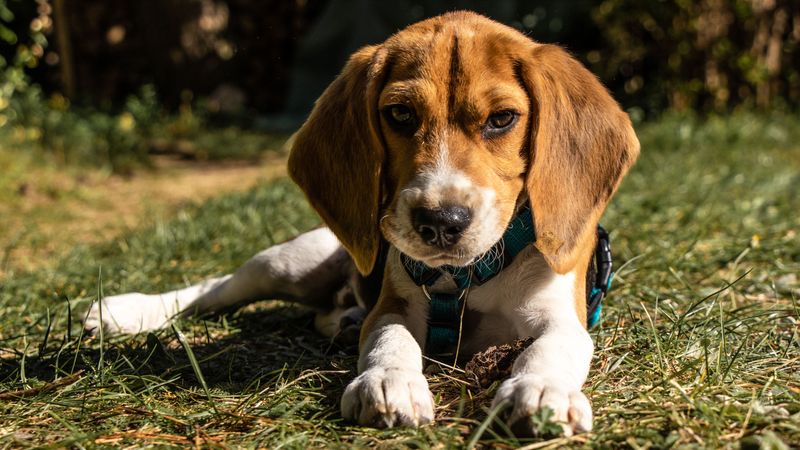
Ever tried calling a dog whose nose just found a rabbit trail? Beagle owners know that feeling well.
These merry hounds are scent detection champions, and nosework classes can feel like a treasure hunt for them.
But once a smell grabs them, ears seem to switch off. Always use a long line in open spaces.
Turn sniffing into a reward instead of a battle, and you will both enjoy the game more.
Siberian Husky
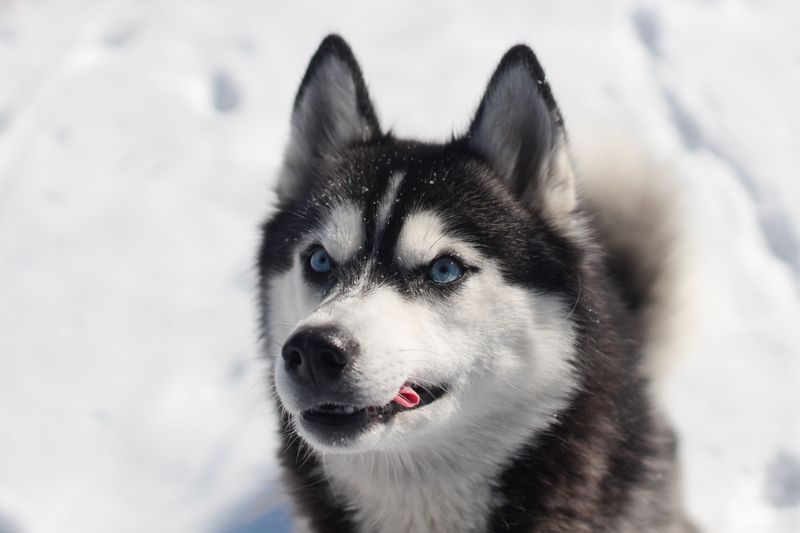
Huskies were bred to pull sleds across frozen Siberia for miles, and they still carry that wild spirit. Mushing, bikejoring, and canicross can turn into thrilling weekend hobbies with one.
Obedience is a different story. A Husky may happily ignore you to chase a squirrel or test the fence for escape routes.
Keep training sessions short and playful. Secure your yard well, and never trust off-leash freedom in open areas.
Jack Russell Terrier
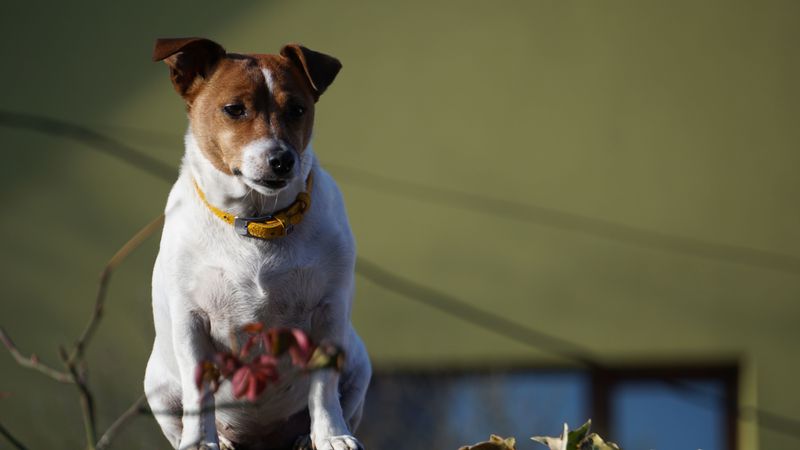
Small body, giant attitude. Jack Russells zoom through agility courses and learn flashy tricks with tons of pep.
They were bred to chase foxes underground, so digging and hunting rodents come naturally. Your flower bed might become a crater overnight.
Give your terrier a sandbox or try earthdog trials, a sport made for this exact urge. Short, upbeat lessons work best, because boredom brings out the mischief maker inside.
Weimaraner
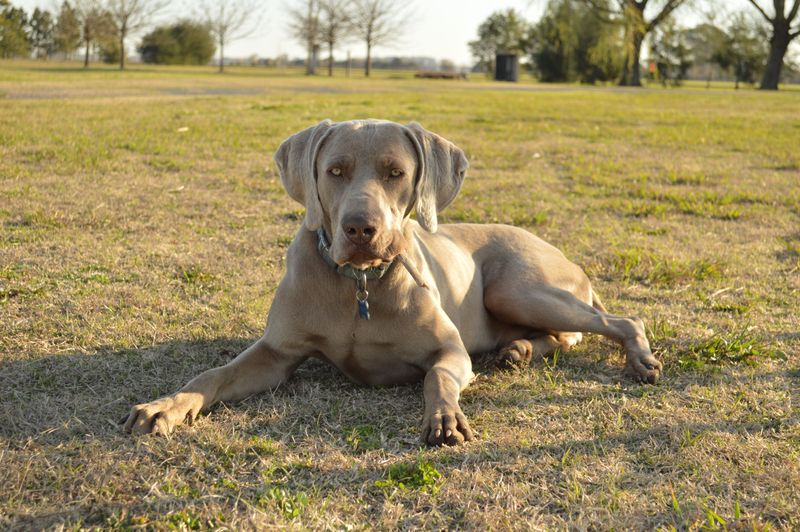
Nicknamed the Gray Ghost, the Weimaraner was once a hunting partner for German nobles. Today it can master field trials, obedience, and even tracking with real grace.
Birds, cats, and small critters, however, may flip on its hunter switch in a heartbeat. Proofing your commands around wildlife takes patience.
This breed also hates being alone, so pair training with lots of together time to prevent anxious chewing and howling.
Doberman Pinscher
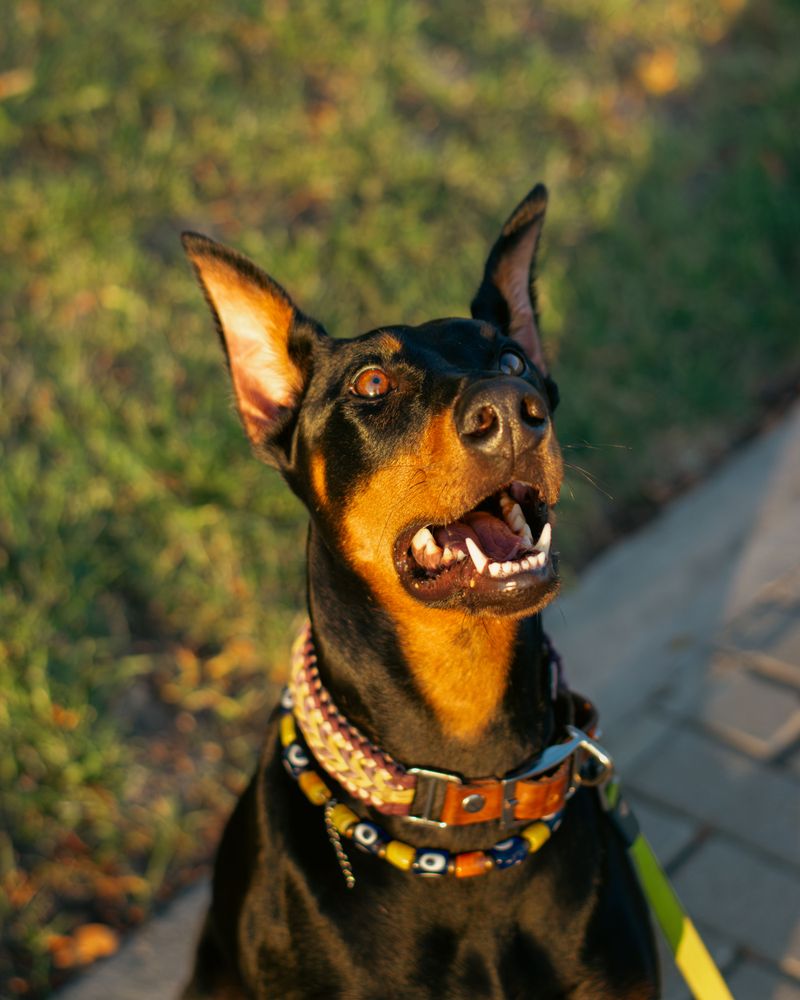
A tax collector named Louis Dobermann created this breed in the 1890s to keep him safe on his rounds. Smart move, since Dobermans are quick learners with laser focus.
They often shine in obedience and protection sports. Their watchful streak can turn pushy without clear rules, though.
Calm, confident leadership matters more than harsh corrections. Reward quiet behavior at the door, and your Doberman will learn guarding is your job too.