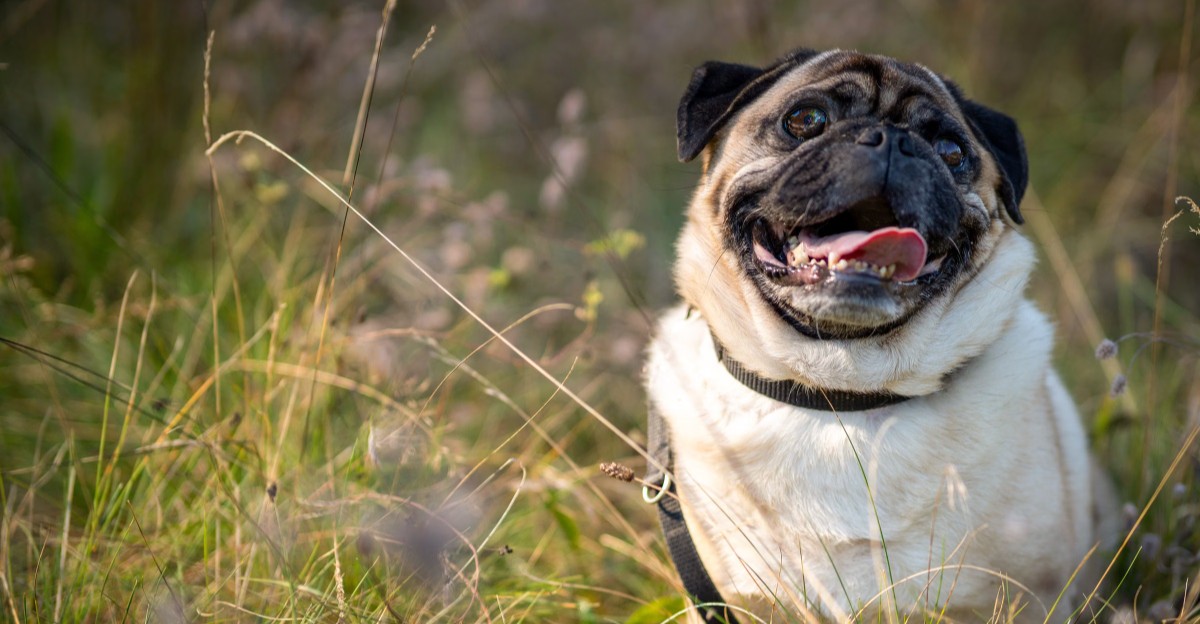
Picking the right dog means matching their energy to your life. Some pups are happy with short walks and play at home, while others crave big adventures.
Knowing the difference helps prevent boredom and keeps everyone healthy. Here are breeds that often do well with lighter routines, plus two that usually need more action.
English Bulldog
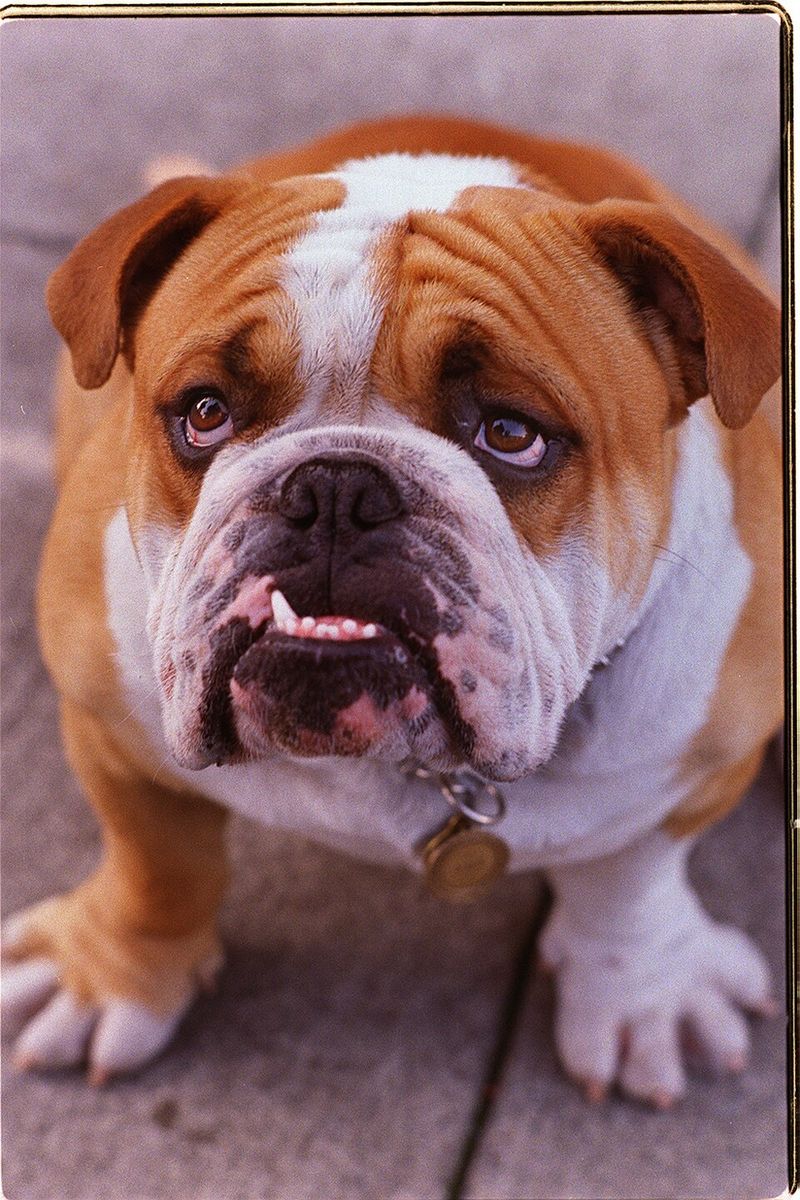
Big head, bigger snorer, the English Bulldog is built for short strolls and long naps. Many are content with two gentle 15-minute walks and indoor play.
Heat sensitivity means cool mornings or evenings work best.
Keep joints happy with soft surfaces and controlled stairs. Puzzle feeders and short training games tire the mind without overexertion.
Watch portions since Bulldogs gain weight quickly. A flat harness helps with breathing.
Vet-guided activity keeps this sturdy pal comfortable and cheerful.
Basset Hound
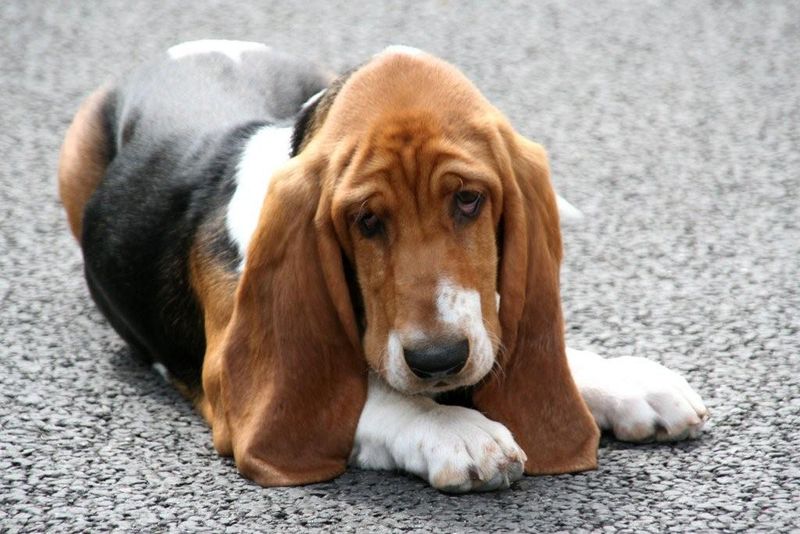
Ears like curtains and a nose for snacks, the Basset Hound moves at a relaxed pace. Short, sniffy walks satisfy their curiosity without heavy mileage.
Because of long backs, avoid jumping and rough fetch.
Keep them engaged with scent games around the house. A sturdy ramp for the couch protects their spine.
Grooming those low-sweeping ears prevents irritation after grass adventures. Consistent portions and slow feeder bowls help control weight while still making mealtime feel like a fun challenge.
Cavalier King Charles Spaniel
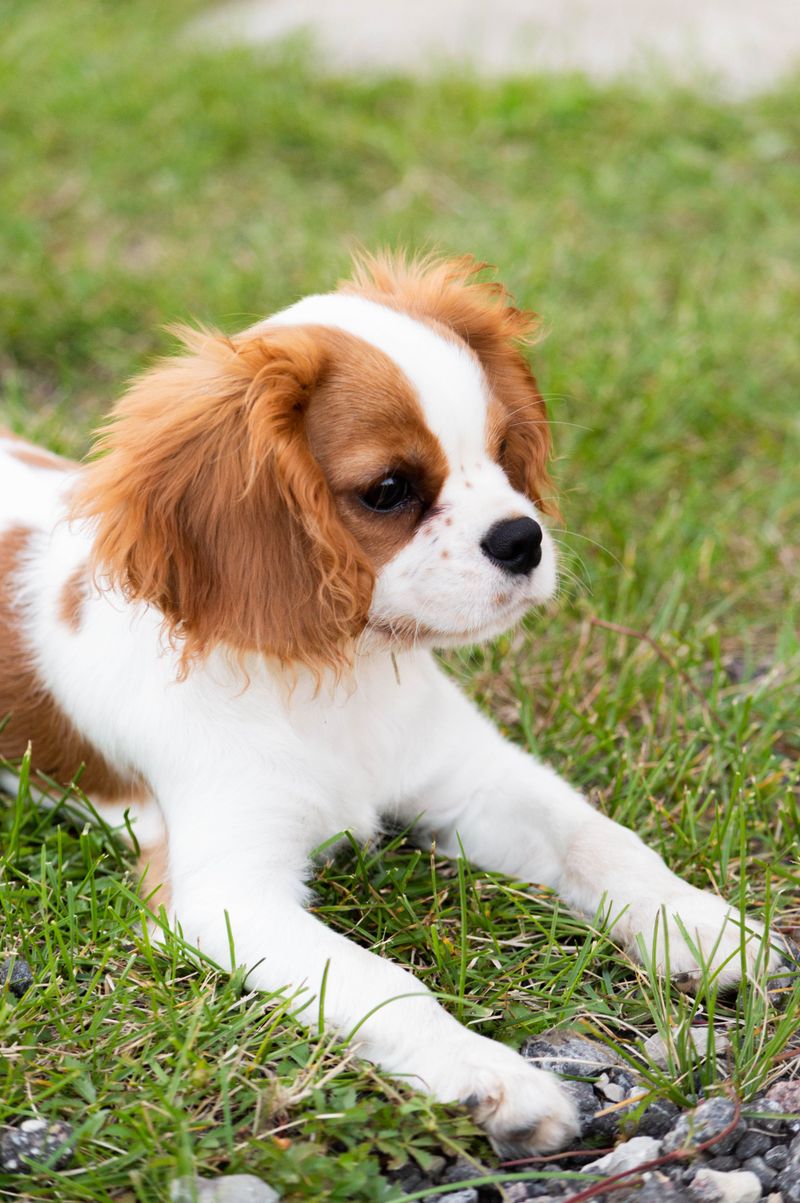
With a sunny smile and silky ears, the Cavalier loves company more than marathons. Gentle walks, backyard sniffing, and indoor play keep them satisfied.
Watch for heart and joint concerns that favor moderate activity.
Break up exercise into two shorter outings on most days. Training tiny tricks, like spins or nose targets, provides brain work without stress.
Regular brushing turns bonding time into care. Keep an eye on treats, since these charmers often earn extras with that sweet gaze.
Shih Tzu
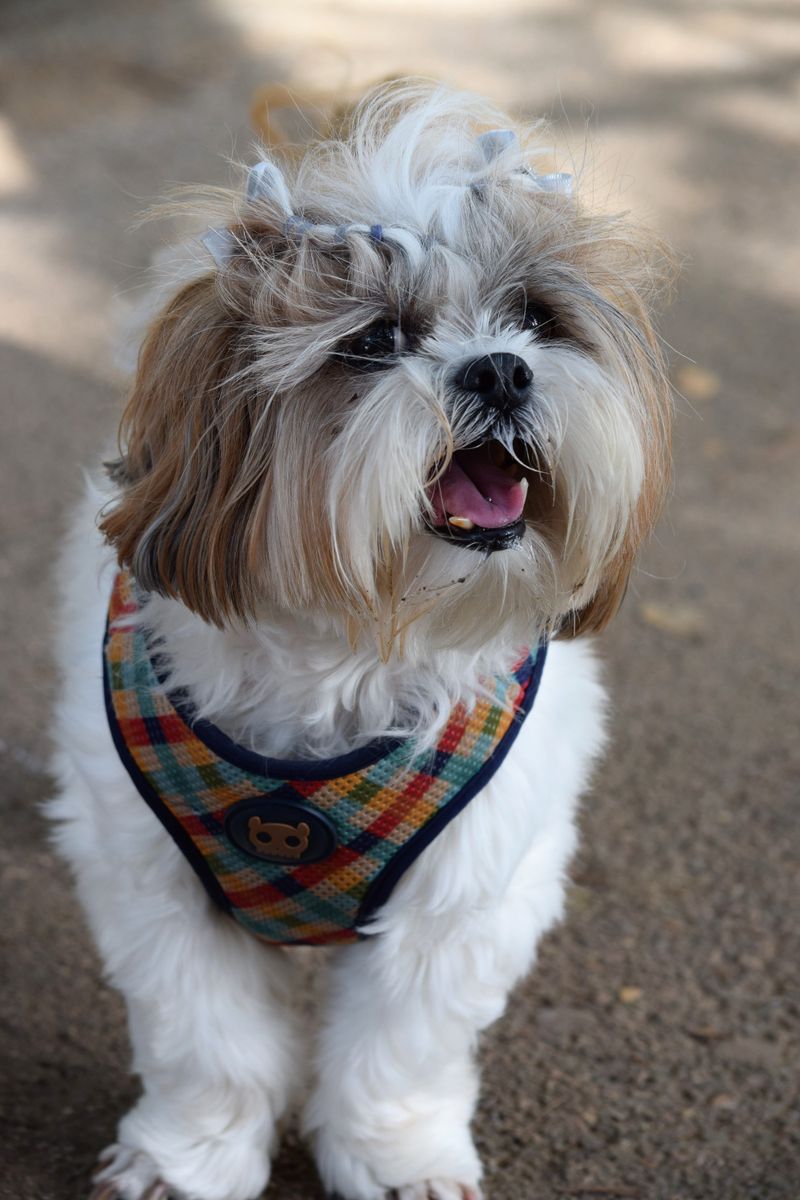
Small body, big personality, the Shih Tzu enjoys a cozy routine. Two short walks and indoor games like tug or hide-and-seek fit nicely.
Their short muzzle calls for a cool, shaded route on warm days.
Clean face fur after outings to protect eyes. Light brushing and calm puzzle toys make great rainy-day plans.
Training polite leash skills helps avoid neck strain, so consider a soft harness. Keep sessions upbeat and brief, then follow with couch cuddles and a quiet nap.
Pug
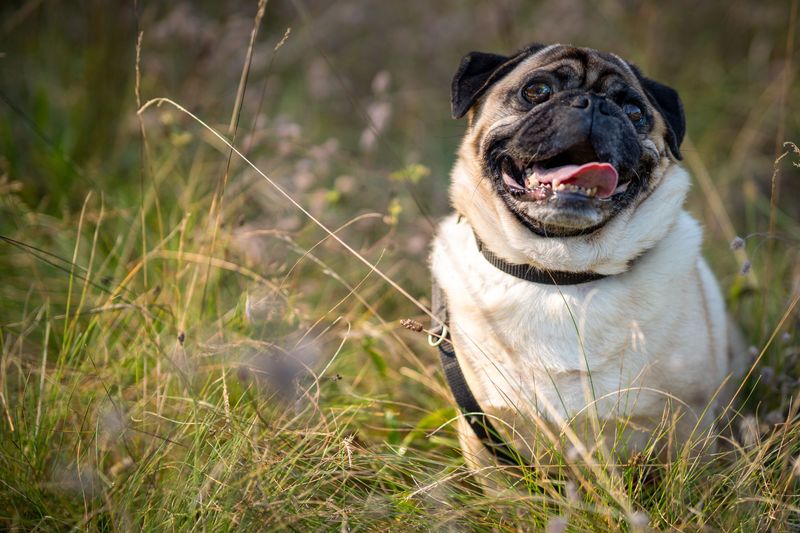
Funny faces and round bellies tell the story of a Pug who loves comfort. Short, frequent walks mixed with hallway fetch are usually enough.
Heat and humidity can be tough, so plan shady routes and fresh water.
Weight creeps up fast, so measure meals and use crunchy veggies for training treats. Gentle nosework, like finding hidden kibble in boxes, burns mental energy.
A cooling mat after play keeps breathing calm and helps your cuddly buddy reset for the afternoon.
French Bulldog
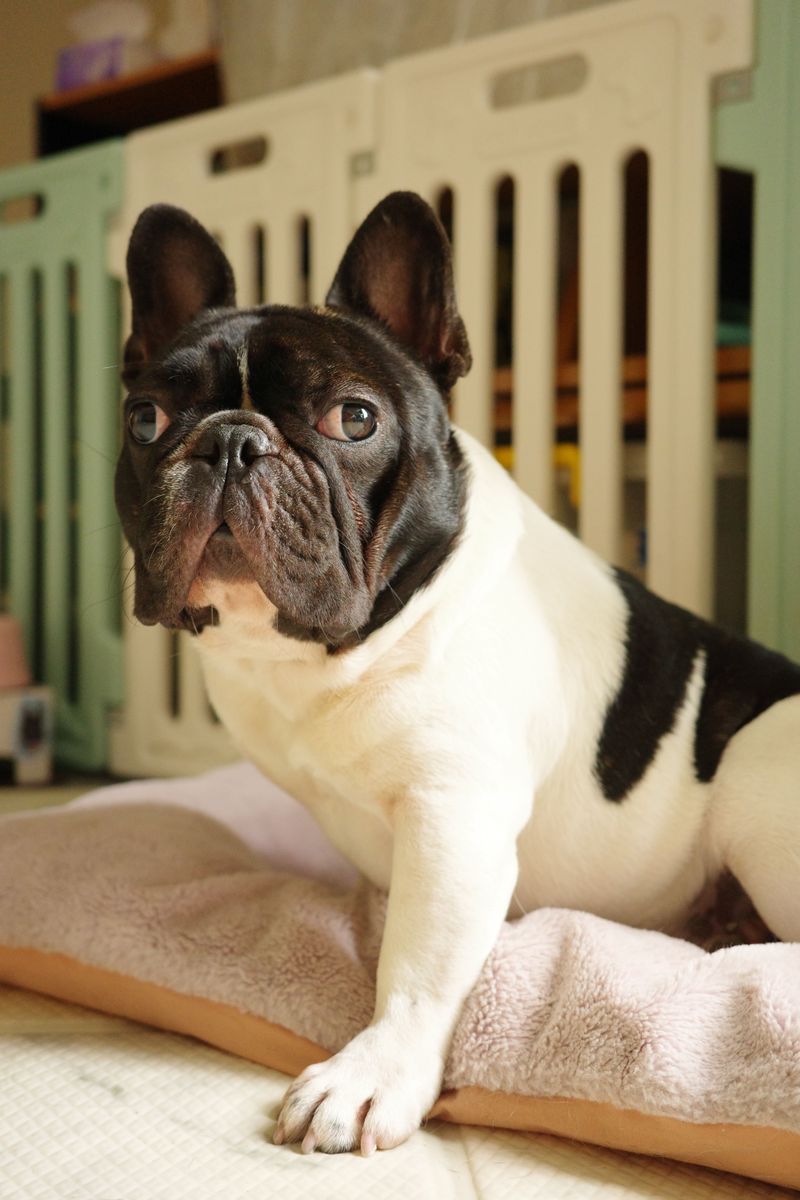
Stocky and social, the French Bulldog prefers people time over long trails. Two relaxed walks and a few minutes of indoor fetch will do.
Because brachycephalic faces struggle in heat, move workouts to cooler hours.
Try short training bursts that build manners and confidence. Low-impact toys, like soft tug ropes, protect joints.
Keep nails trimmed for comfortable strides. Monitor for overexertion with a simple rule: if breathing gets noisy, take a water break and switch to calm enrichment like licking mats.
Chihuahua
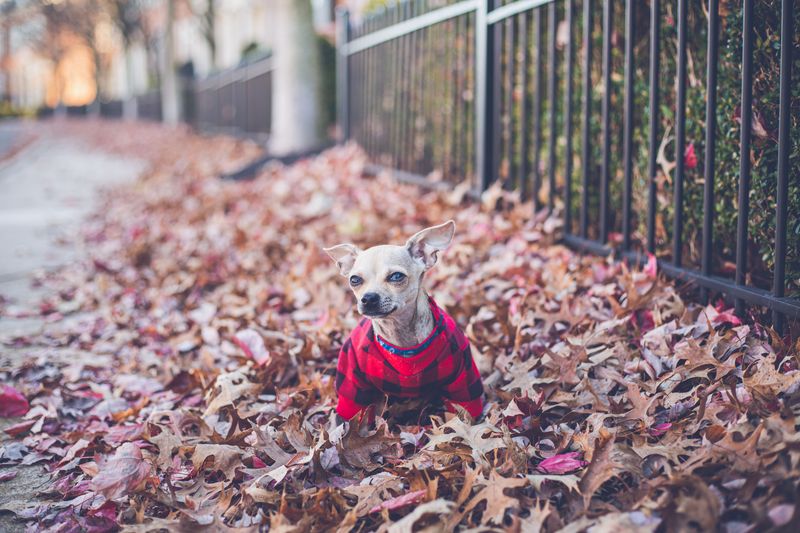
Tiny legs, mighty attitude, the Chihuahua often handles exercise in short spurts. Indoor zoomies and brief sidewalk loops can be plenty.
Cold weather chills fast, so sweaters help keep muscles warm.
Balance confidence with safety by teaching recall and polite greetings. Small puzzle toys sized for tiny jaws add variety on rainy days.
Watch for jumping from furniture, which can stress little joints. A sling carrier lets them rest mid-walk while still enjoying neighborhood sights and friendly chats.
Maltese
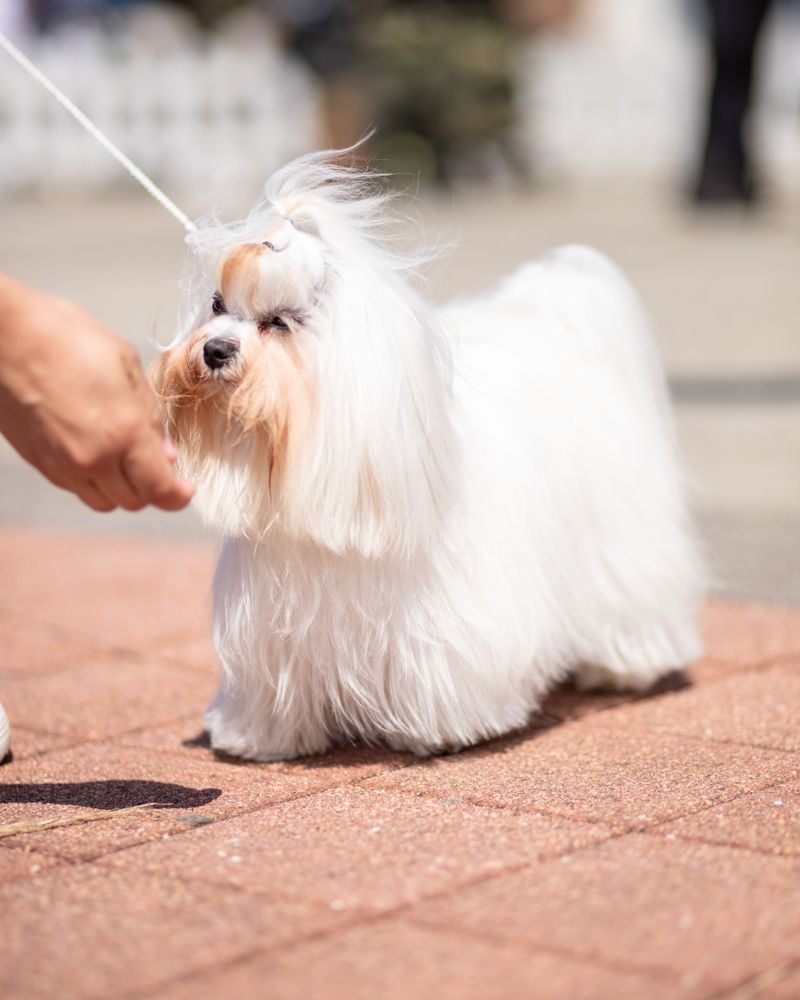
Like a cloud with paws, the Maltese is happiest near your feet. Gentle walks, hallway fetch, and training new tricks cover most needs.
Their light build makes high-impact games unnecessary.
Brush daily to prevent tangles that snag during play. Use small-bite treats to keep calories in check.
Many Maltese enjoy balance work on cushions, which builds core strength without stress. Rotate toys weekly to keep interest high, then settle in for lap time and a calm, steady heart rate.
Dachshund
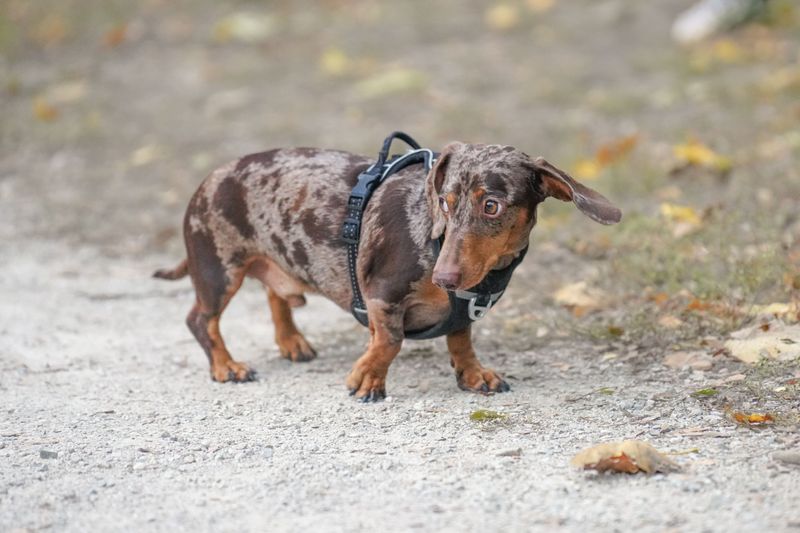
Sausage shape, spirited heart, the Dachshund shows up ready to explore. Short, frequent outings fit their curious nature without tiring their long backs.
Avoid stairs and leaping after squirrels to protect the spine.
Nosework games that track a favorite toy let them use that hunter heritage safely. Choose harnesses that spread pressure across the chest.
Keep muscles strong with gentle hill walks on soft ground. Regular weight checks matter, since even a pound or two can strain their frame.
Great Dane
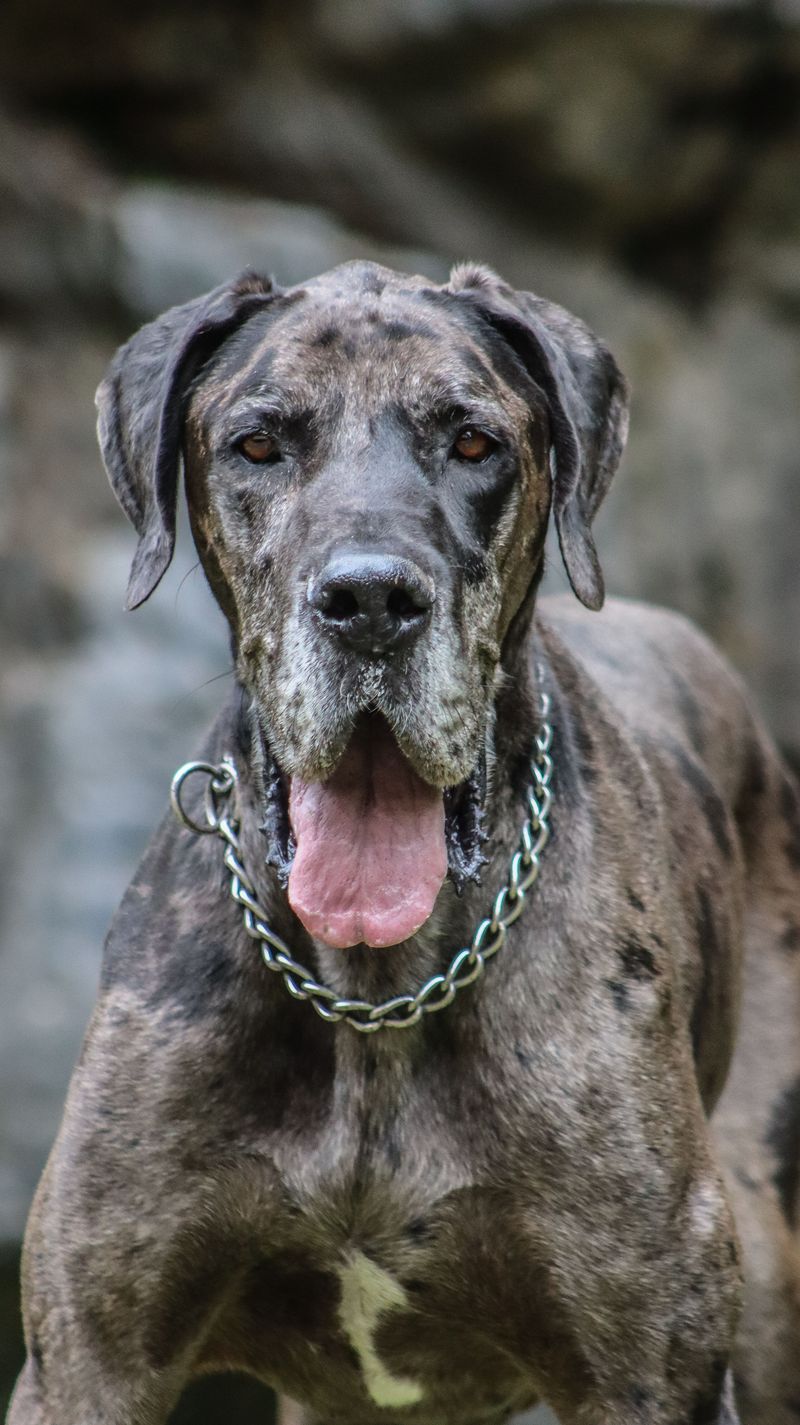
Despite horse-like height, many Great Danes prefer moderate movement and a cozy couch. Two or three mellow walks usually do the trick.
Because their joints are large, slow growth and low-impact play are best.
Use supportive beds and non-slip rugs to protect hips and shoulders. Short training sessions build calm manners for a giant body.
Avoid forced running until fully grown. After activity, offer water and a quiet spot, and you will see a happy, gentle friend snore contentedly.
Border Collie – usually prefers more exercise
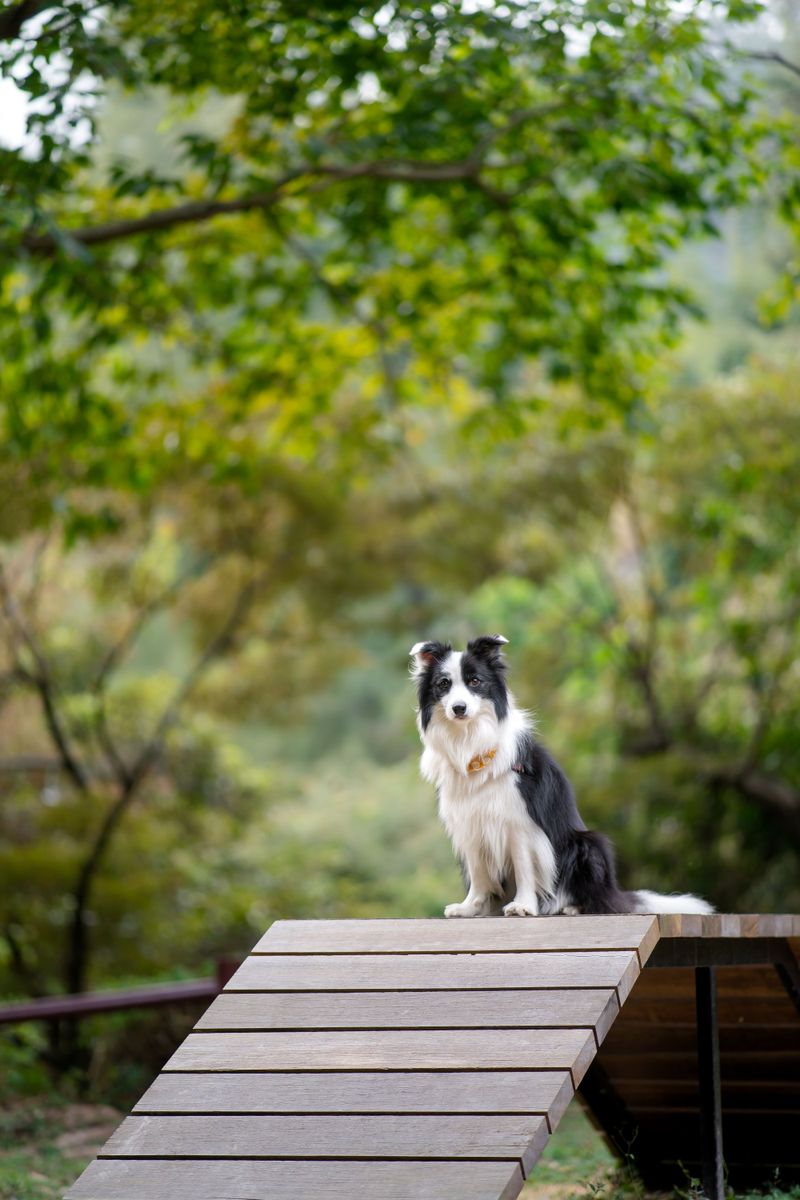
Born to herd and think nonstop, the Border Collie thrives on big jobs. Long hikes, fast fetch, and agility drills match their zip.
Without strong outlets, boredom can spark mischief or nonstop pacing.
Plan daily cardio plus brain games like shaping tricks or scent puzzles. Off-leash freedom only in secure areas with a rock-solid recall.
Many handlers schedule sport classes to channel drive. If time is limited, hire a runner or trade playdates with active friends.
Siberian Husky – usually prefers more exercise
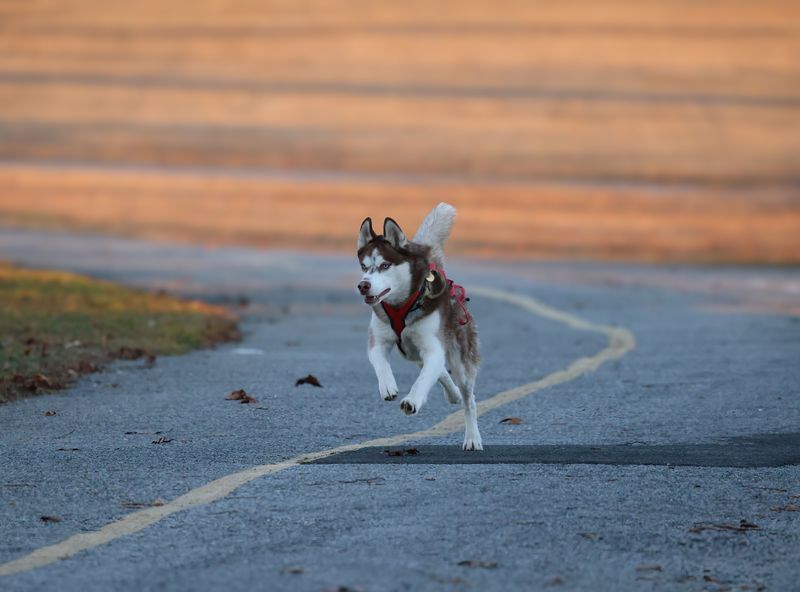
Bred for pulling sleds over miles, the Siberian Husky comes wired for endurance. Regular long walks, jogging, or skijoring sessions suit them well.
Underworked Huskies may sing, dig craters, or redesign your yard.
Give daily aerobic exercise plus mental work, like tracking games or working for meals. Secure fencing matters, since many love to roam.
In warm climates, schedule early and late outings and provide cool rest spots. Pair activity with obedience practice to build focus and manners.