
Dogs notice small things we miss. A shift in your voice or a new morning routine can send a clear message to a smart pup.
Some breeds are extra good at reading people and then reacting in ways that surprise us. Meet ten standouts that often hear, see, and feel your changes, then respond with heart and clever moves.
Rough Collie
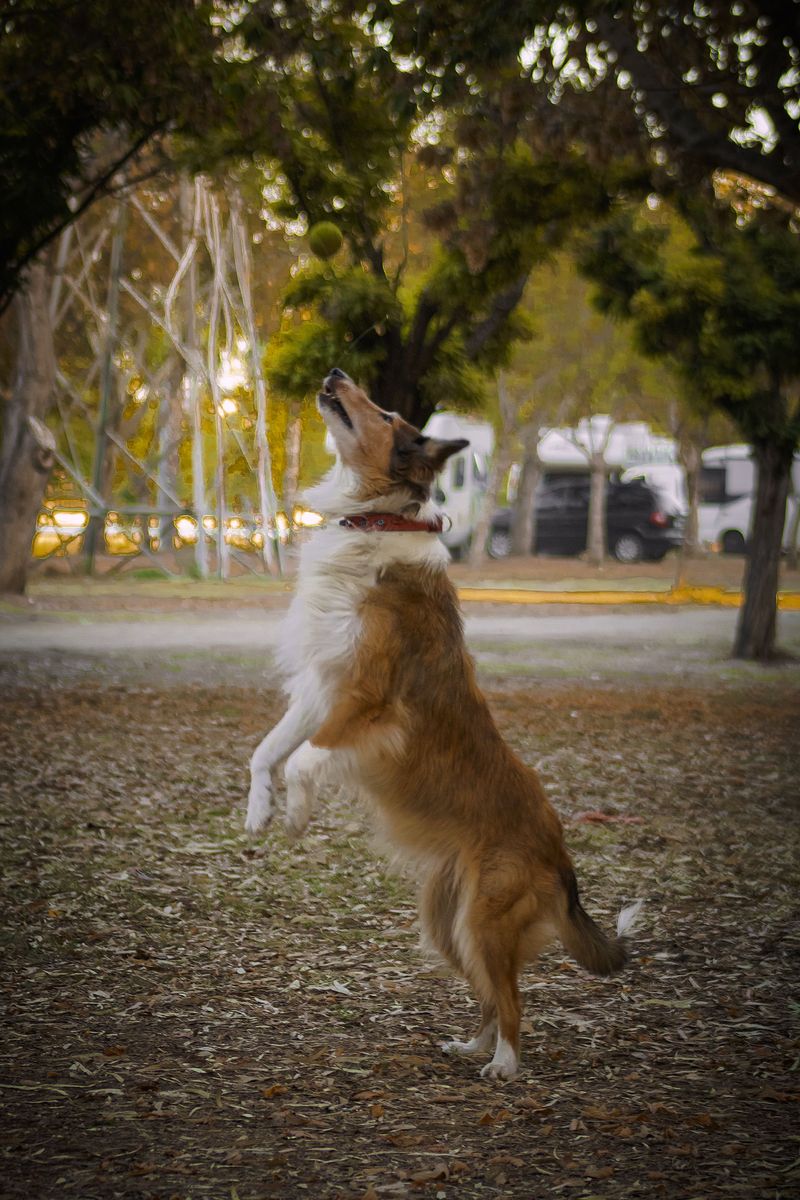
A hush in your voice can bring a Rough Collie trotting over, eyes soft, ready to help. Known from old TV tales, this breed blends quick thinking with a guardian spirit.
Many notice a limp, a sigh, or a late alarm, then gently guide, nudge, or block hazards.
Training thrives on quiet praise and clear signals. Try short, calm sessions and predictable routines.
Enrichment puzzles and herding-style games keep that sharp mind busy and kind.
English Springer Spaniel
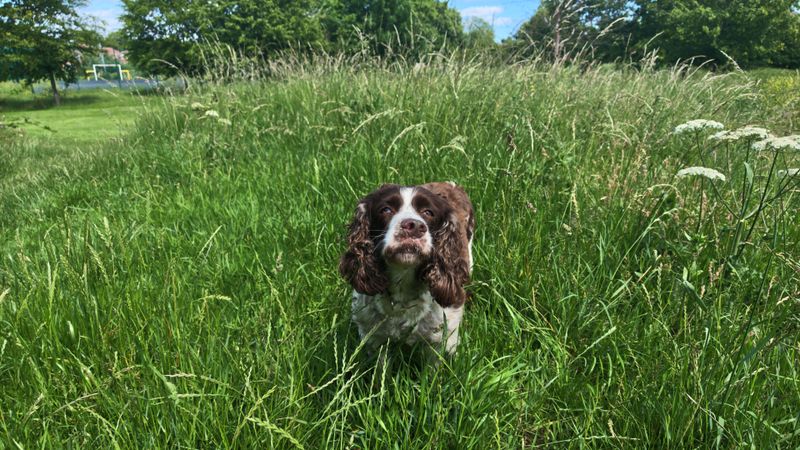
A rustle of your gym bag and a Springer is already dancing at the door. Bred to work close to people, they read movement like a favorite book.
When your mood dips, many lean in, curl close, or fetch a toy to lift the room.
Channel that energy with scent games and structured walks. Use upbeat cues, then reward stillness.
Consistent, cheerful routines turn their bouncy heart into steady support.
Papillon
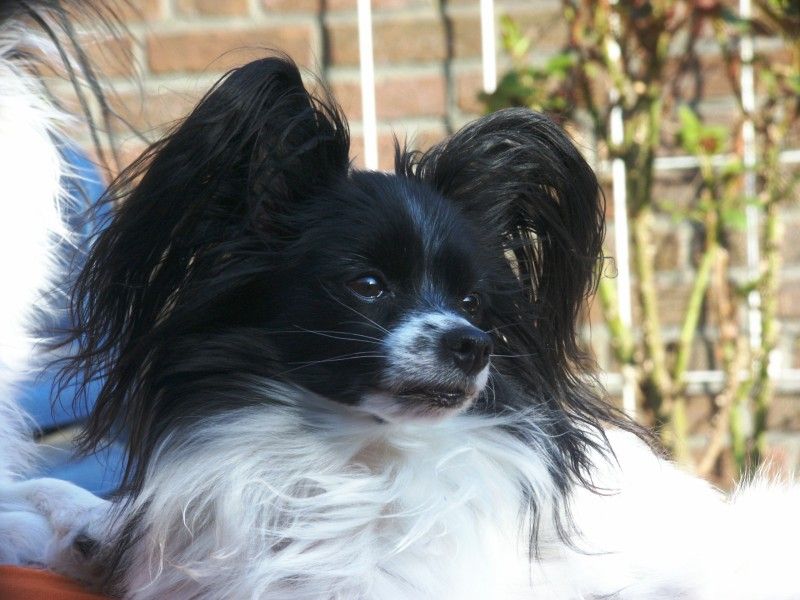
One soft cough and those butterfly ears pop up like radar. The tiny Papillon notices timbre shifts and quick posture changes, then settles on shoulders or taps a paw for attention.
Many surprise families with how fast they map routines in small homes.
Teach hand signals and quiet focus tricks to shape all that zip. Short training bursts, puzzle feeders, and gentle social time keep minds bright, manners tidy, and hearts happy.
Poodle
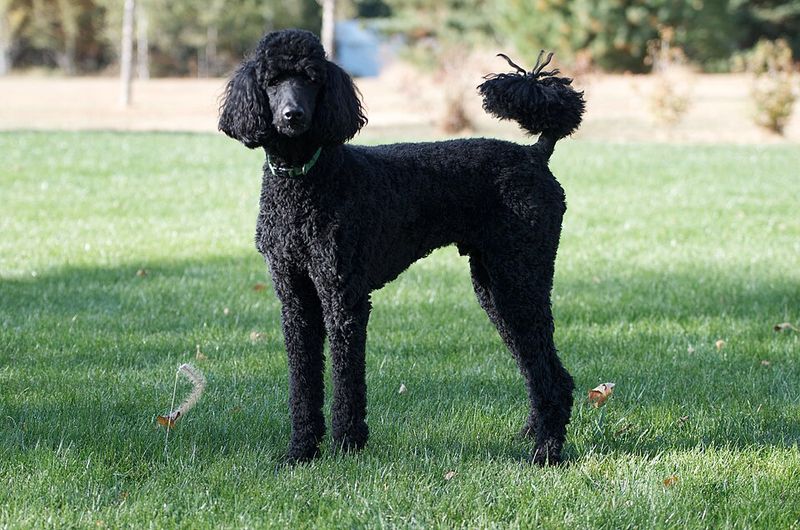
Ask a question out loud, and a Poodle might answer with eye contact before you finish the sentence. From toy to standard sizes, they catch tone shifts, new steps, or altered schedules, then adjust with polished grace.
Many naturally pattern routines and anticipate needs.
Give brainy work like shaping games, trick chains, and light retrieving. Use consistent markers and calm praise.
Grooming time doubles as bonding and body check practice.
Golden Retriever
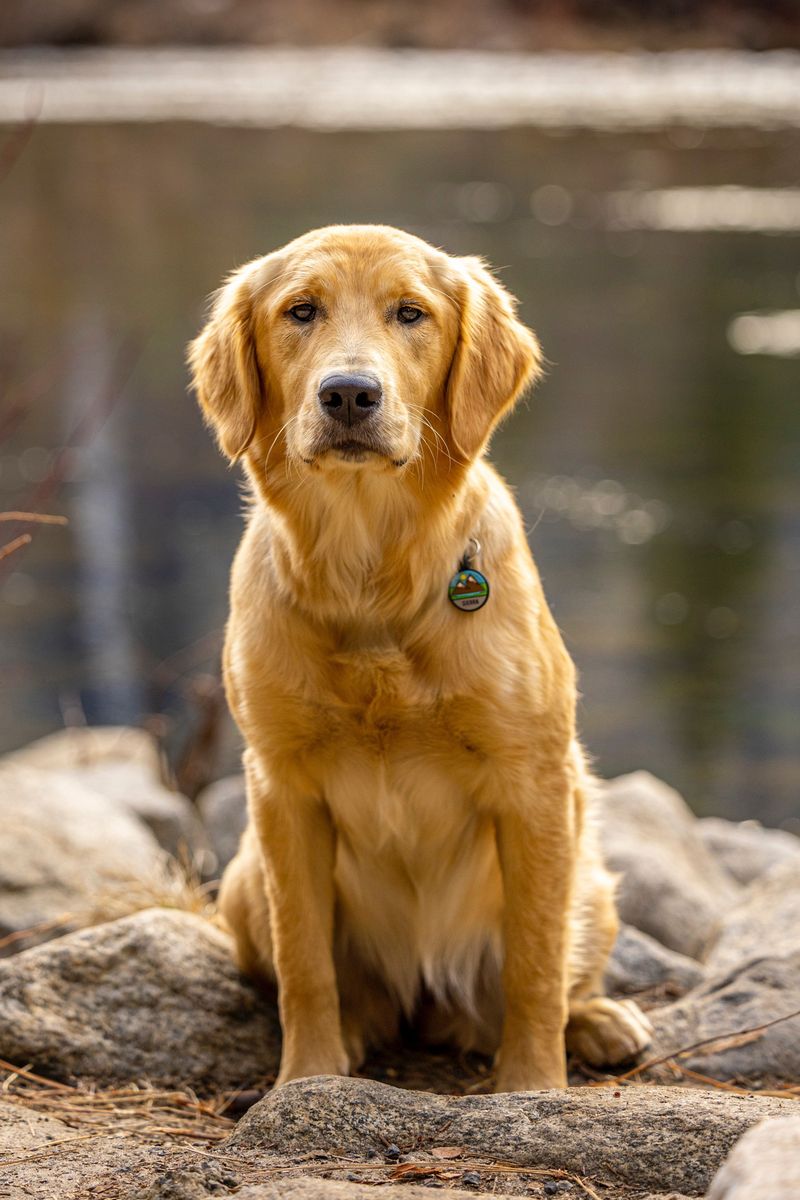
A tiny crack in your smile can send a Golden scooting closer, chin on knee, eyes full of care. Famous for cooperative hearts, many notice slower walks or late nights, then bring a blanket or toy as a peace offering.
Their responses often feel like pure sunshine.
Reinforce gentle alerts with treats and calm words. Keep routines simple, with daily fetch, swims, or nosework.
Practice settling on a mat to balance excitement and comfort.
Shetland Sheepdog
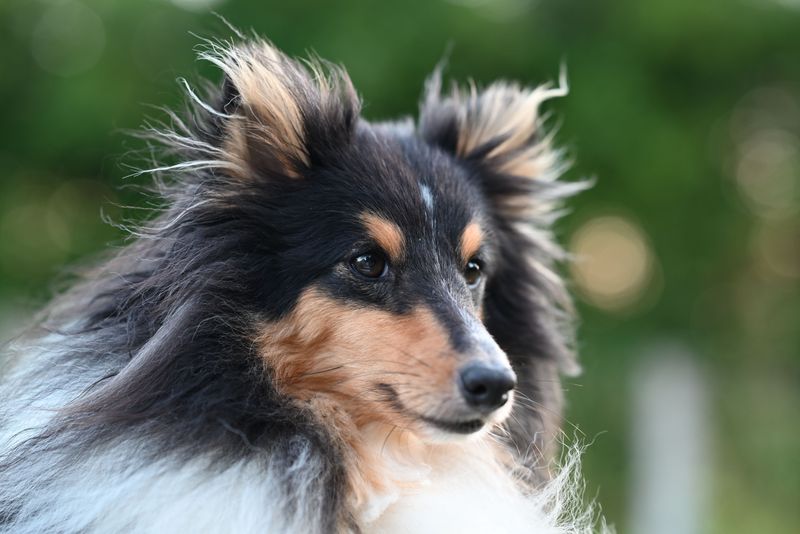
A Sheltie can hear a whisper from the next room and decide it means action. Quick to read footsteps and routines, many circle gently to guide, or give a bright bark when something feels off.
That mix of caution and kindness often surprises new owners.
Support their sensitivity with steady schedules and soft rewards. Teach a “check in” cue and hand targets.
Brain games like treibball or agility channel spark into teamwork.
Rottweiler
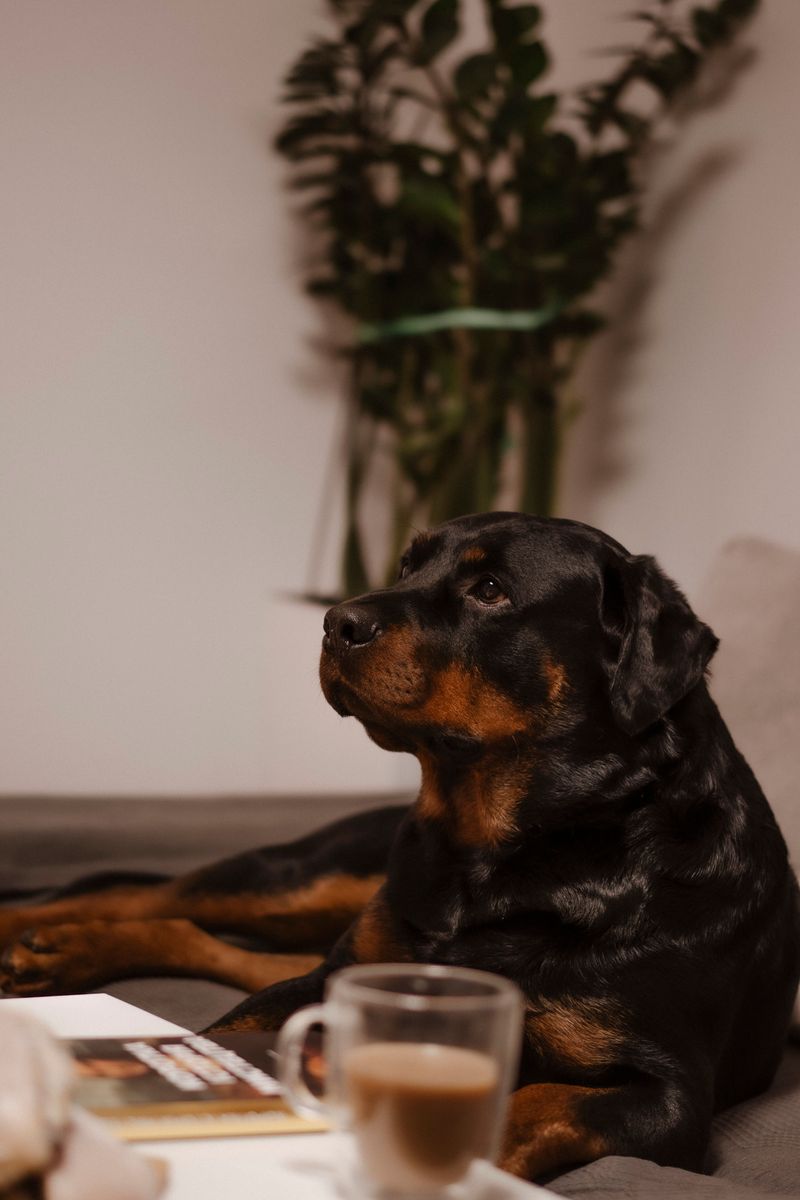
A quiet sigh from you can turn a Rottweiler into a steady shadow. Confident yet tuned-in, many sense uneasy visitors, shifting routines, or a strained voice, then place themselves between you and worry.
The response is often calm presence instead of noise.
Build clear rules, strong recall, and relaxed leash work. Reward neutrality, not just action.
Balance strength training with sniff walks and place work to keep mind and body composed.
Cocker Spaniel
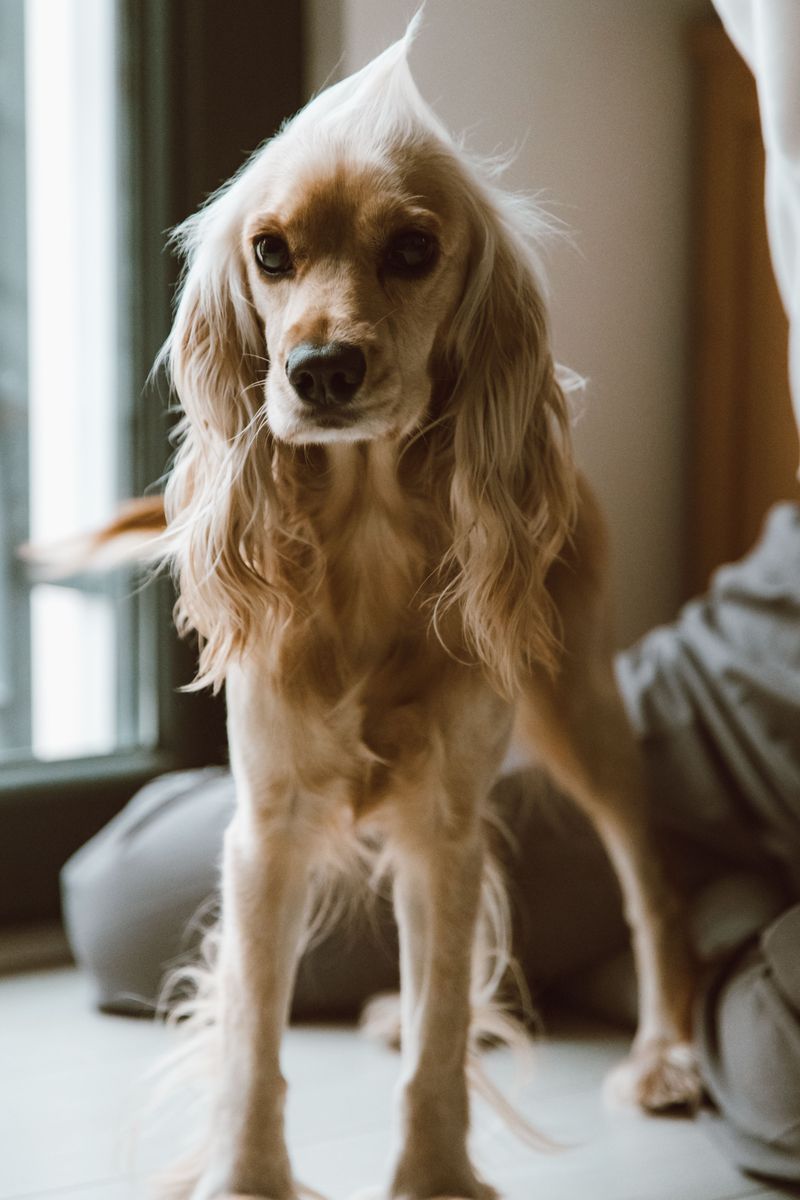
A Cocker hears the softest kettle note and also hears the change in your hello. Sensitive souls, many clock your morning pace, then match it with gentle nudges or playful spins.
Their musical ears and cuddly style make help feel like friendship.
Use happy markers and short games to prevent worry. Teach a go-to place for calm.
Scent work and light fetch keep their curious hearts satisfied and sweet.
Australian Cattle Dog
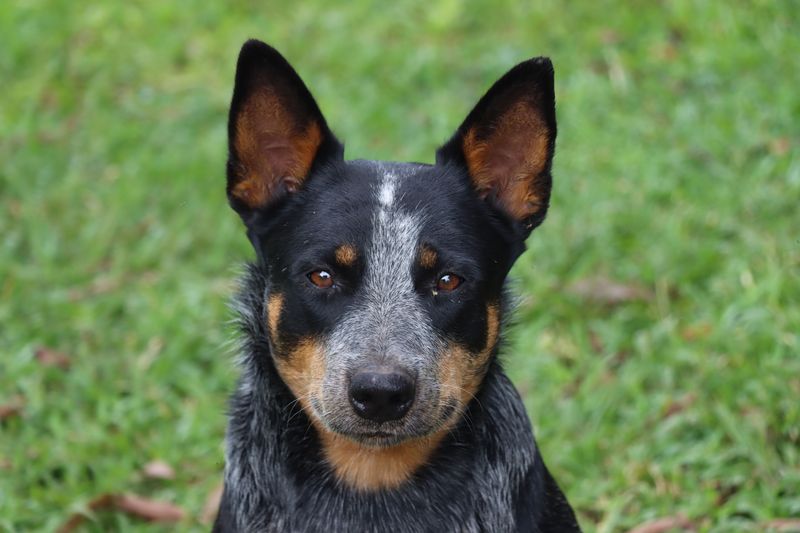
A tiny shift in stride and a Cattle Dog recalculates like a trail GPS. Built for solving problems, they watch hips, shoulders, and timing, then steer with crisp body blocks or quick checks.
Surprise comes from how fast they predict the next move.
Give jobs: hide-and-seek, platform games, and controlled fetch. Fair rules matter.
Rotate tough puzzles with relaxed sniff time so intensity becomes thoughtful teamwork rather than pushy energy.
Labrador Retriever
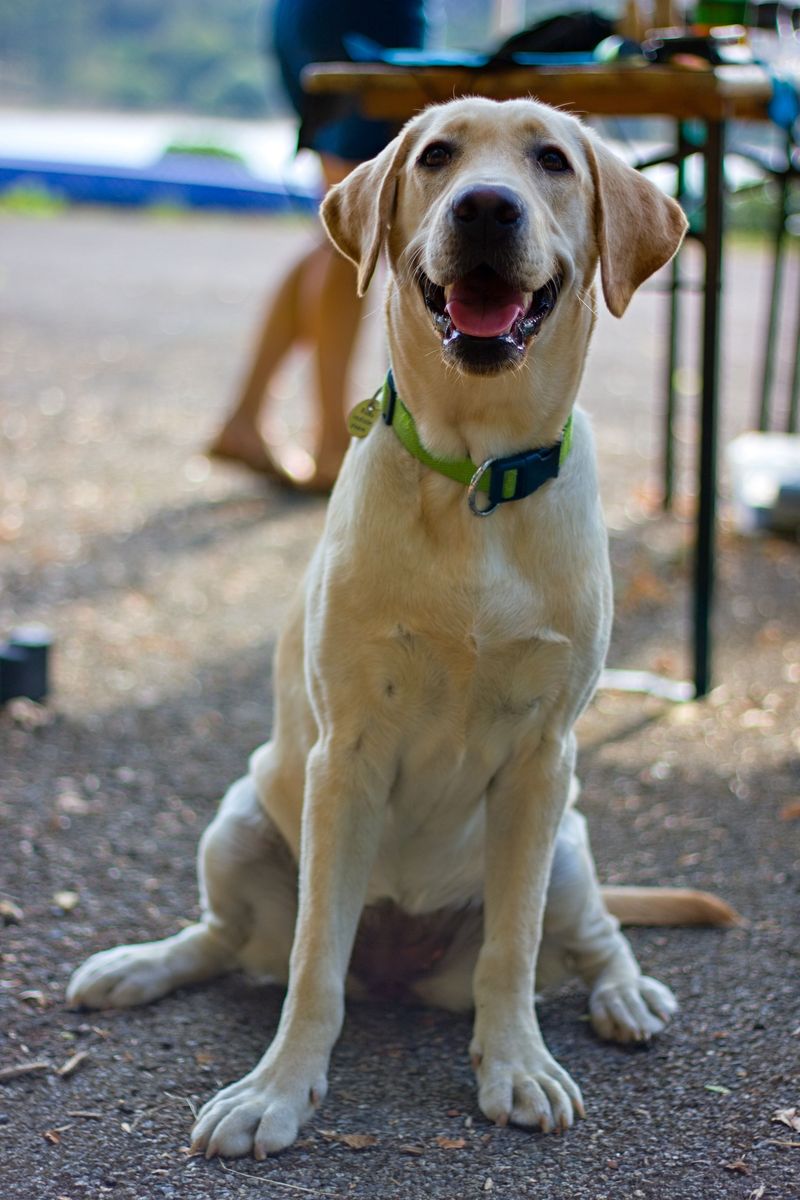
A Lab often notices when your steps slow, then walks closer like a friendly bodyguard. Famous for trainability, many learn to nudge, pick up dropped items, or even press buttons in response to changed routines.
Warm eyes and steady timing make their help feel natural.
Teach clear tasks and reward calm. Mix retrieving drills with swimming or scent games.
Regular naps and a solid settle cue keep that big heart balanced and ready.