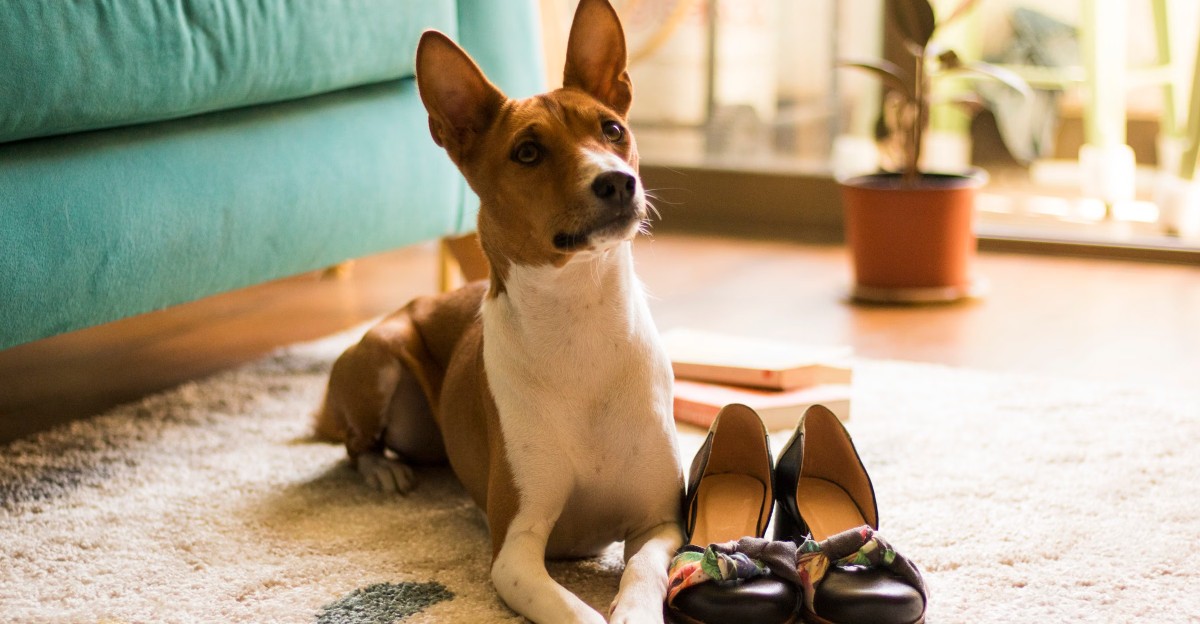
Some homes need peace and quiet, whether it is because of a sleeping baby, thin apartment walls, or someone who works night shifts. Picking a dog that rarely barks can make life calmer for everyone, including your neighbors.
Every dog is an individual, but certain breeds tend to stay on the quieter side. Below you will find ten calm choices, plus two chatty breeds to think about carefully before bringing one home.
Basenji: The Dog That Yodels Instead
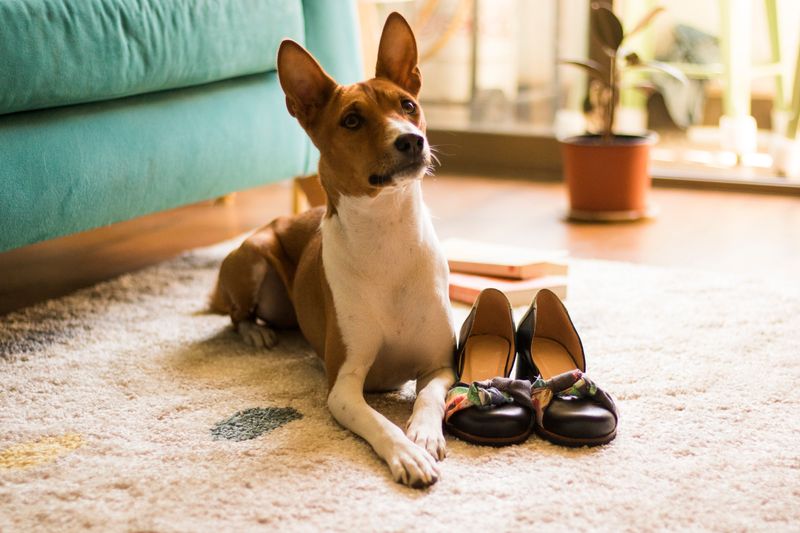
Known as the barkless dog of Africa, the Basenji has an unusually shaped voice box. Instead of barking, it makes a funny yodel sound called a baroo.
Quiet does not mean easy, though. Basenjis are clever, curious, and love to chew things when bored.
Give one plenty of exercise and puzzle toys. Families who enjoy a cat-like, independent dog will find this breed a fascinating and peaceful roommate.
Greyhound, the Speedy Couch Potato
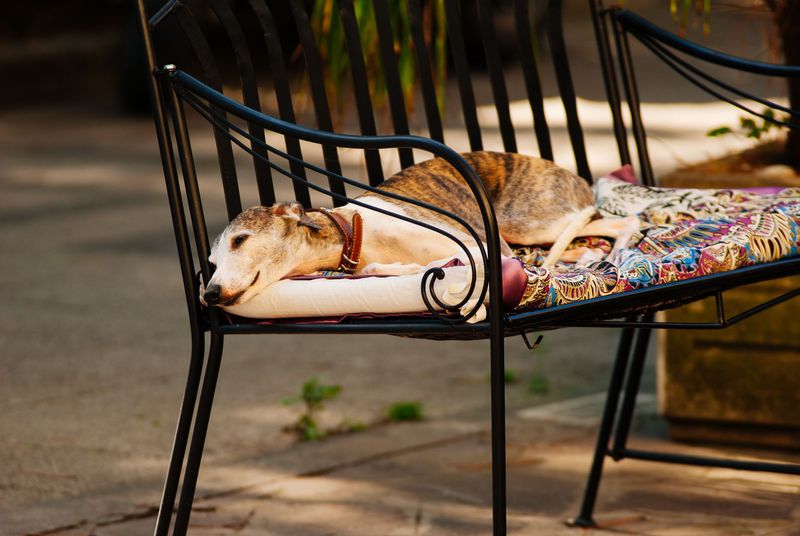
Picture a race car that spends most of its day parked. Retired racing Greyhounds can sprint over 40 miles per hour, yet they often nap up to 18 hours daily.
Barking is rare for them. Most prefer a comfy bed and a short daily walk.
Adopting a retired racer gives a deserving dog a second chance. Just keep them leashed outdoors, since that chase instinct still kicks in fast.
Cavalier King Charles Spaniel Charm
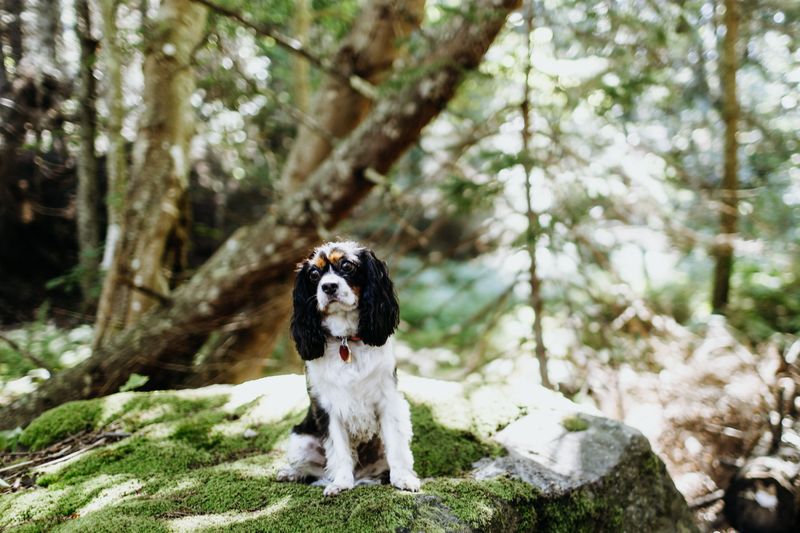
Royalty once adored these silky little spaniels, and King Charles II supposedly let them roam his palace freely.
Today they still crave a lap more than an argument with the mailman. Their soft temperament makes them a soothing choice for apartments and homes with older adults.
One tip: they dislike being alone for long hours. Too much solitude can lead to whining, so plan for company or a pet sitter.
Bernese Mountain Dog, a Gentle Giant
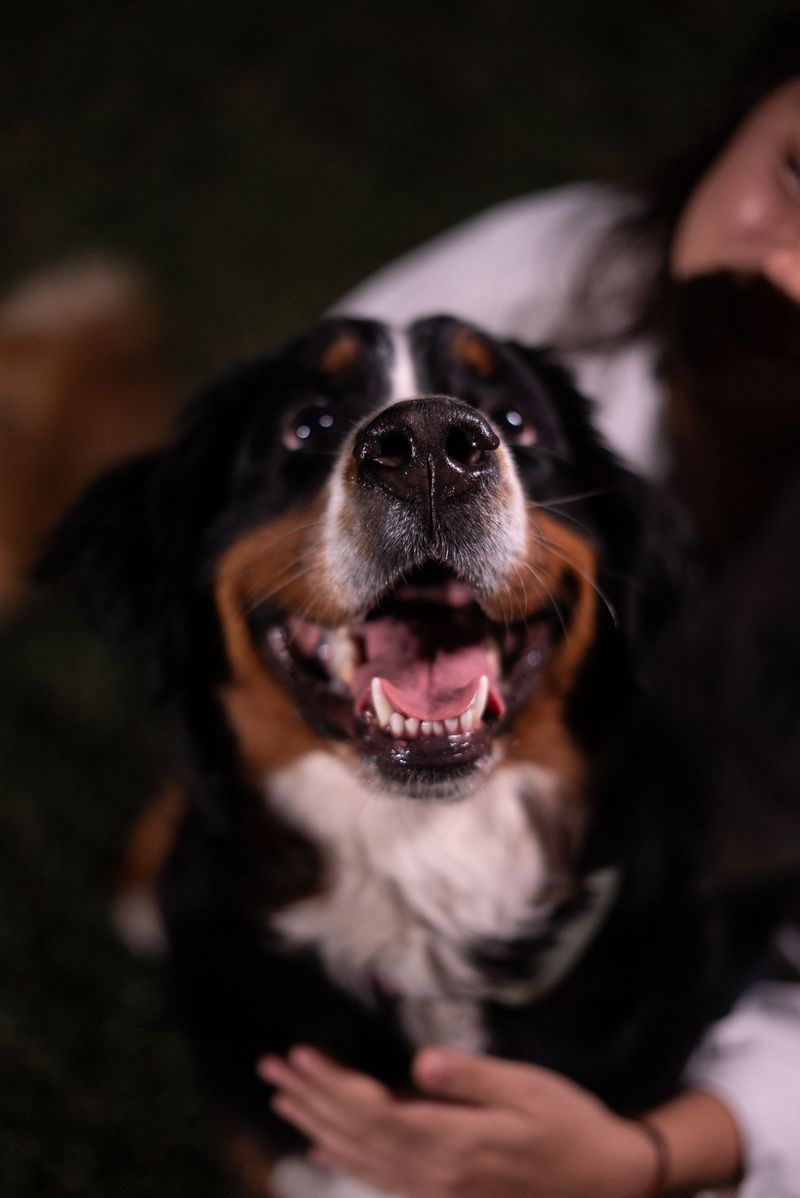
Big body, small voice. Bernese Mountain Dogs come from Swiss farms, where they pulled carts of milk and cheese.
They usually save barking for real reasons, like a stranger at the gate. Most of the time, you will find them leaning against your legs for attention.
That thick coat sheds a lot, so keep a good brush handy. Cooler climates and roomy homes suit them best.
Shiba Inu with a Silent Streak
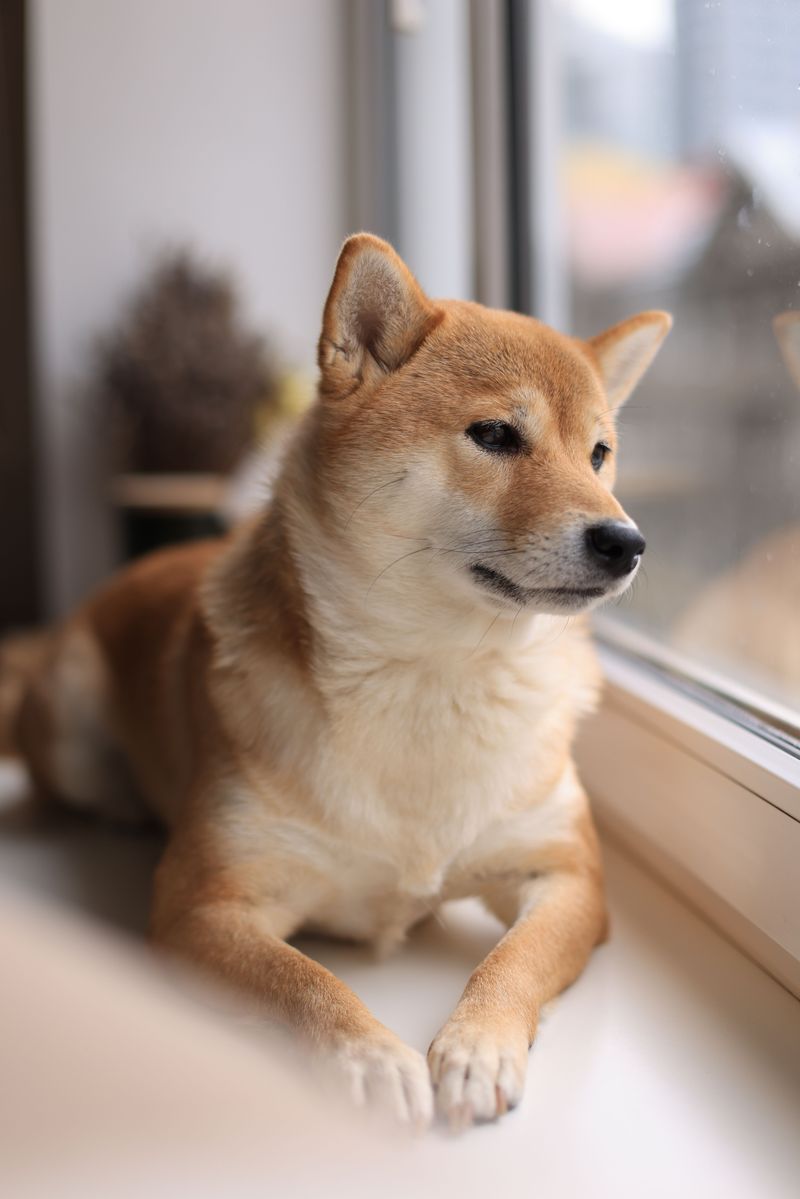
Ever met a dog that acts like a tiny fox with opinions? That describes the Shiba Inu, an ancient hunting breed from Japan.
Shibas tend to bark very little. However, when upset, they can let out the famous Shiba scream, a dramatic high-pitched protest.
Start handling and grooming them as puppies to avoid those outbursts. Owners who respect a stubborn, tidy companion will enjoy a mostly hushed household.
Newfoundland: Patience in Fur
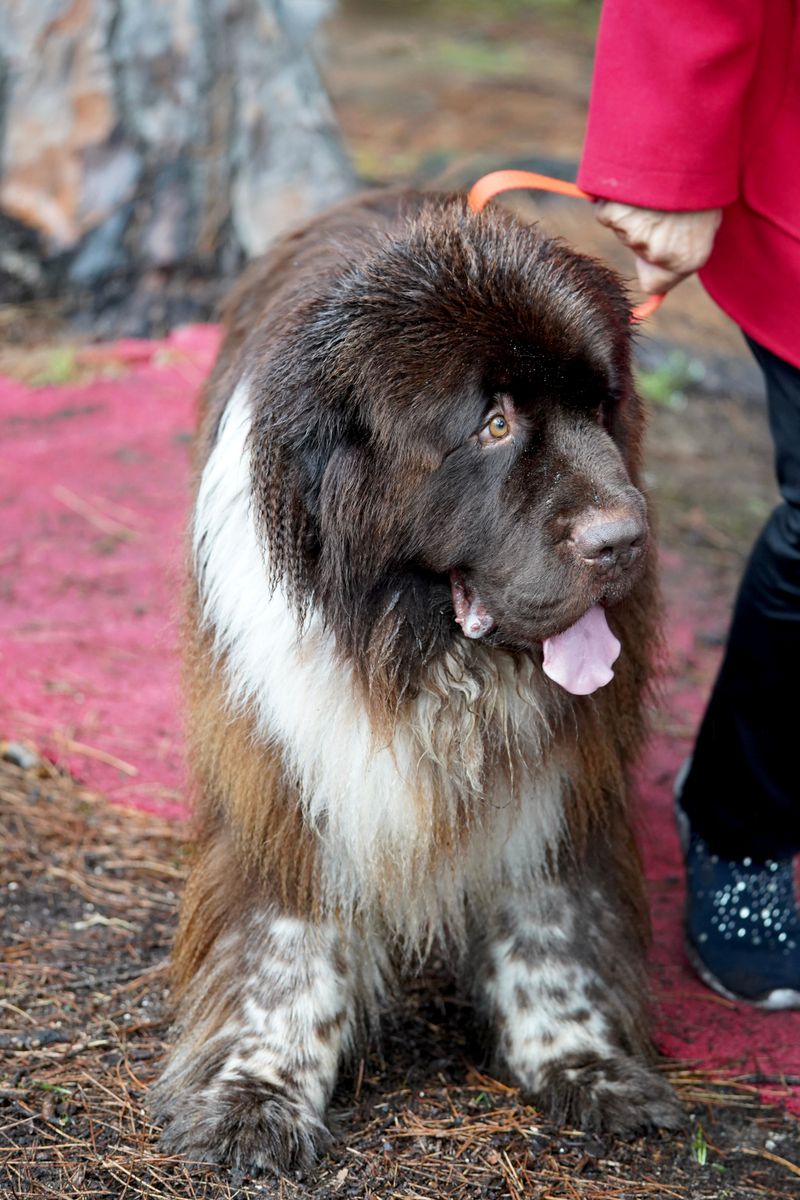
Sailors once trusted Newfoundlands to pull drowning people from icy waters. That rescue spirit comes with a calm, steady mind.
Newfies rarely bark without cause. Their deep woof is more of a polite announcement than an alarm.
Be ready for drool, though. Keeping a towel near the water bowl helps a lot.
If you have space and a mop, few dogs offer such a soft-spoken, loyal presence.
Whippet Whispers
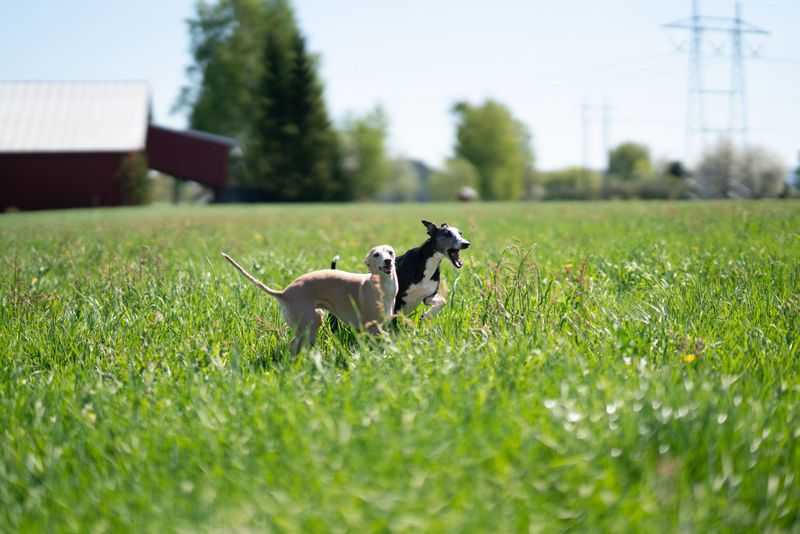
Think of a Whippet as a Greyhound shrunk down for city living. Built for short bursts of speed, they spend the rest of the day snoozing.
Barking is uncommon, which apartment neighbors appreciate. Their thin coat means they get chilly easily, so a sweater helps in winter.
A daily chance to run in a fenced area keeps them happy. Afterward, expect a quiet cuddle buddy under the blankets.
Great Dane, Calm Despite the Size
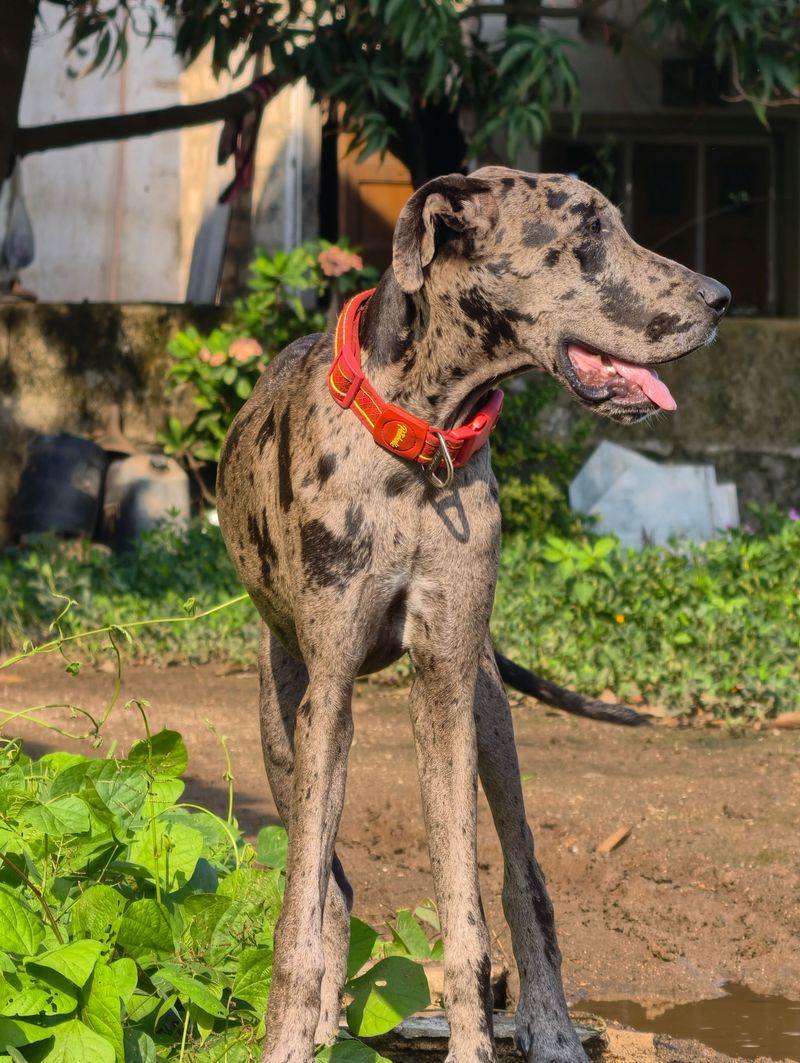
Size can fool people. Great Danes look like they could shake the house with a bark, yet many are mellow homebodies.
They usually stay quiet unless something truly seems off. Most prefer leaning on their humans and stretching across the entire sofa.
Training early matters because an excited dog this big can knock things over. With good manners, a Dane becomes a peaceful, oversized shadow following you room to room.
Bulldog Snores, Not Barks
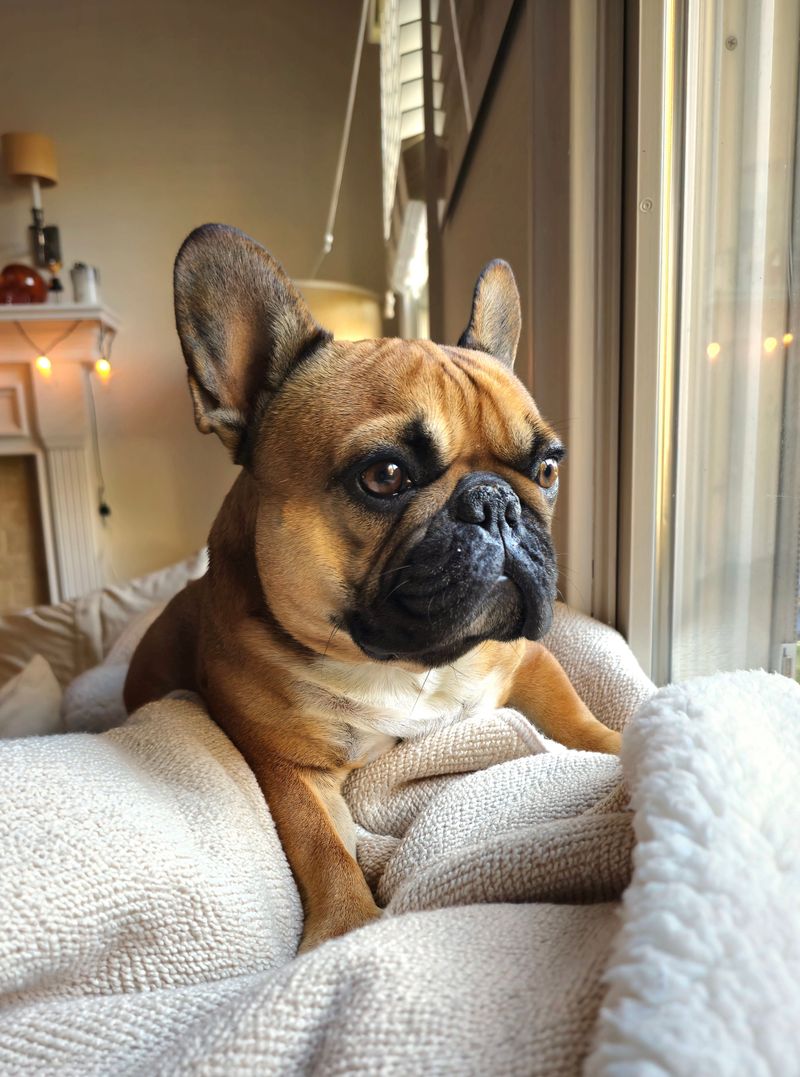
Fair warning: your English Bulldog might be loud while sleeping. Snoring and snorting are part of the package.
Awake, though, these wrinkly pals rarely bark. They like short strolls, long naps, and lots of belly rubs.
Their flat faces make hot weather risky, so keep walks brief on warm days. If gentle snores do not bother you, a Bulldog brings a relaxed, easy rhythm to home life.
Irish Wolfhound’s Quiet Dignity
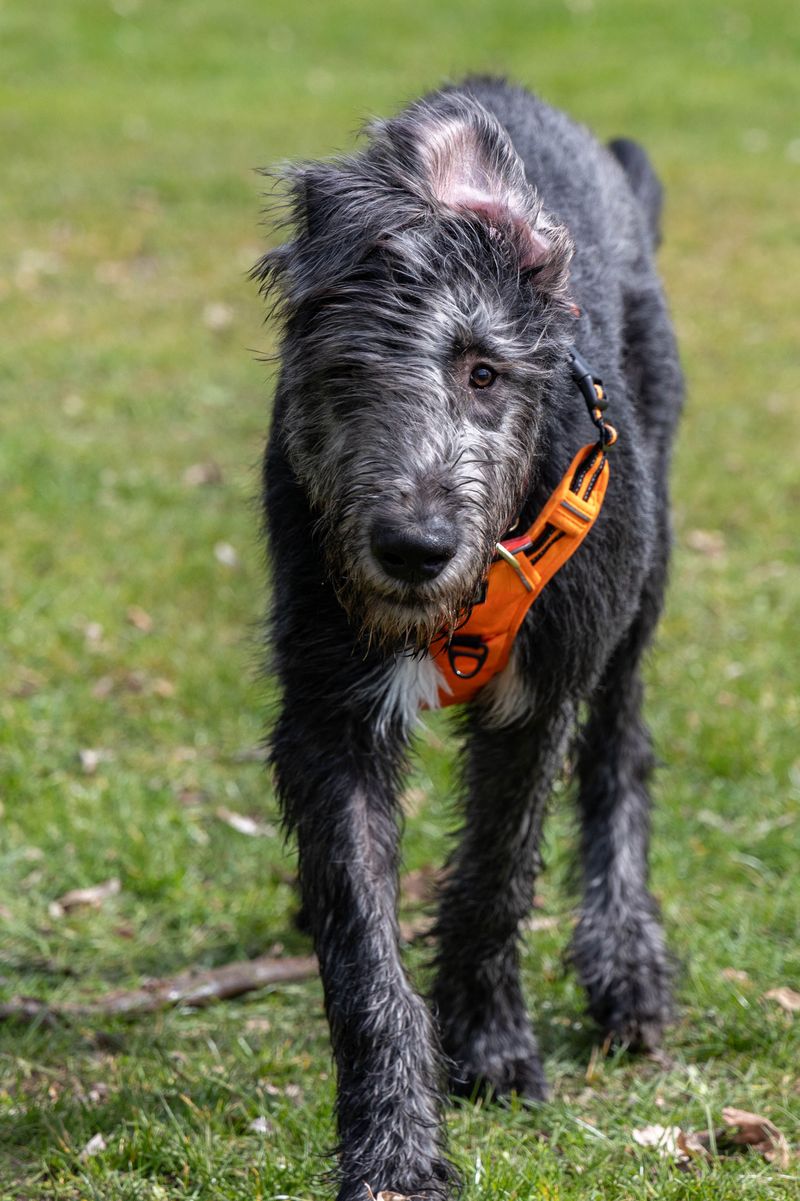
Legends say ancient Irish kings kept wolfhounds as hunting partners and guardians. Today these towering hounds are surprisingly soft souls.
They seldom bark and are not very watchful, so do not expect a guard dog. Their calm, thoughtful manner fits peaceful homes well.
Because they grow so tall, they need room to stretch and a sturdy bed. Their lifespan is short, making every quiet moment together extra precious.
Vocal Pick: The Talkative Beagle
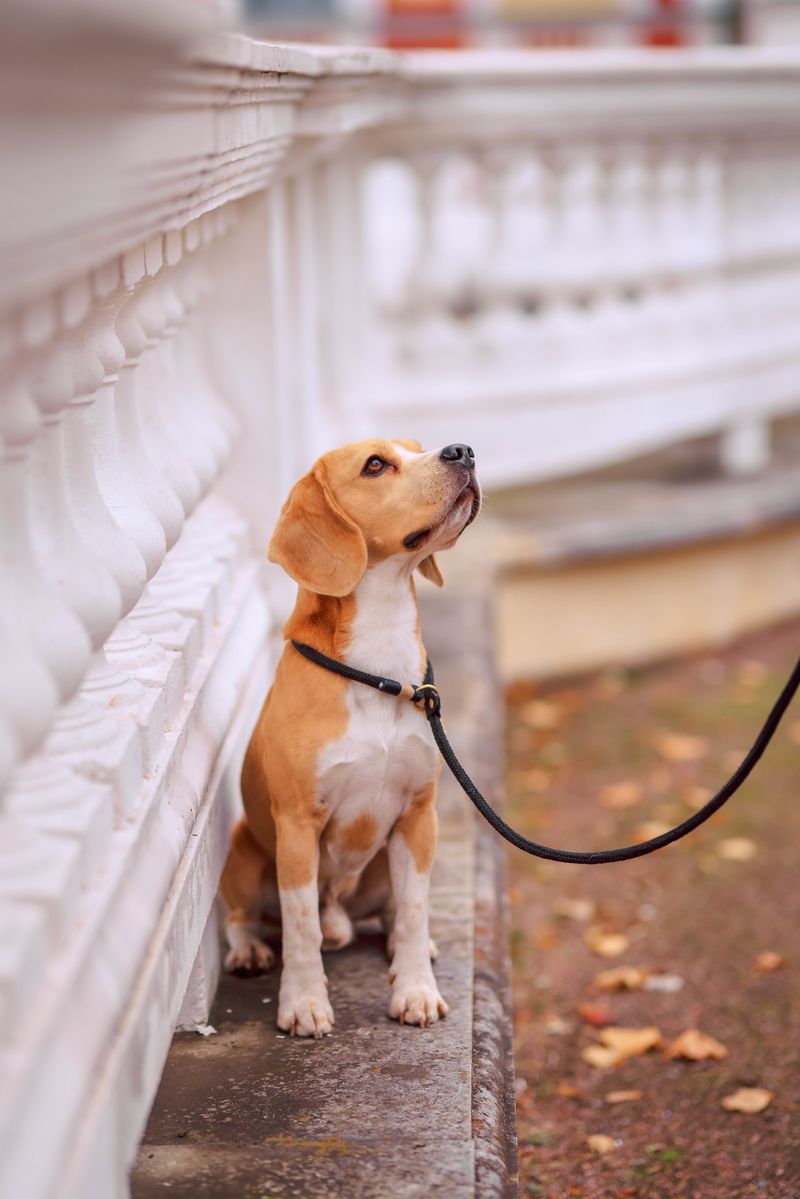
Here comes the first noisy breed. Beagles were bred to bay loudly so hunters could follow them through fields.
That musical howl is adorable once, but neighbors may disagree at 6 a.m. Boredom and loneliness make it worse.
Plenty of sniffing walks, food puzzles, and company can reduce the chatter. If quiet is a must, though, a Beagle might test your patience more than you expect.
Vocal Pick: The Chatty Siberian Husky
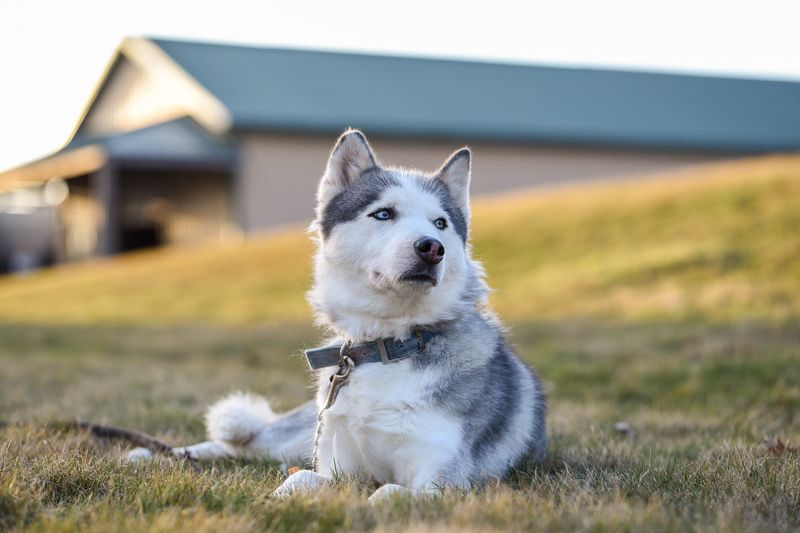
Ask any Husky owner, and they will laugh about the arguments. Huskies rarely bark, but they howl, whine, and talk back constantly.
Bred to pull sleds across Siberia, they also have huge energy. A bored Husky can get loud and destructive.
Daily running, mental games, and firm training help a lot. Still, if your household needs calm evenings, this dramatic, opinionated breed is probably better admired from a distance.