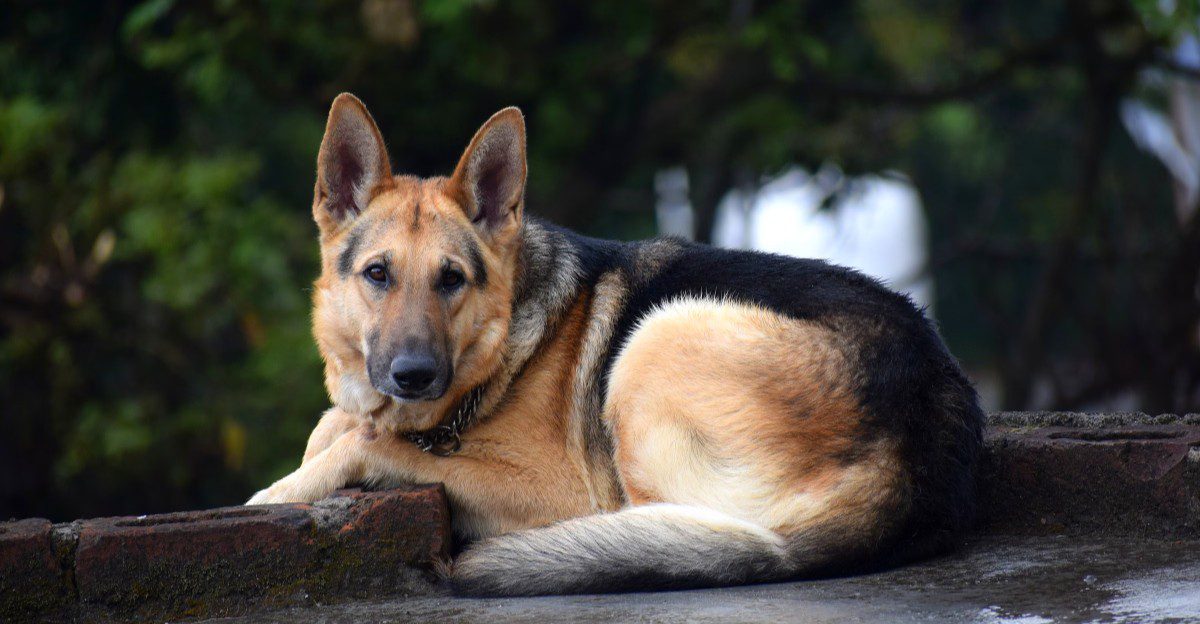
Some dogs stick by your side like a best friend on a field trip. Others hear a mystery in the wind and want to check it out.
Knowing which breeds tend to stay close can make walks safer and more fun. Here are loyal buddies who often pick you over the horizon, plus a few charming explorers who need extra planning.
Labrador Retriever
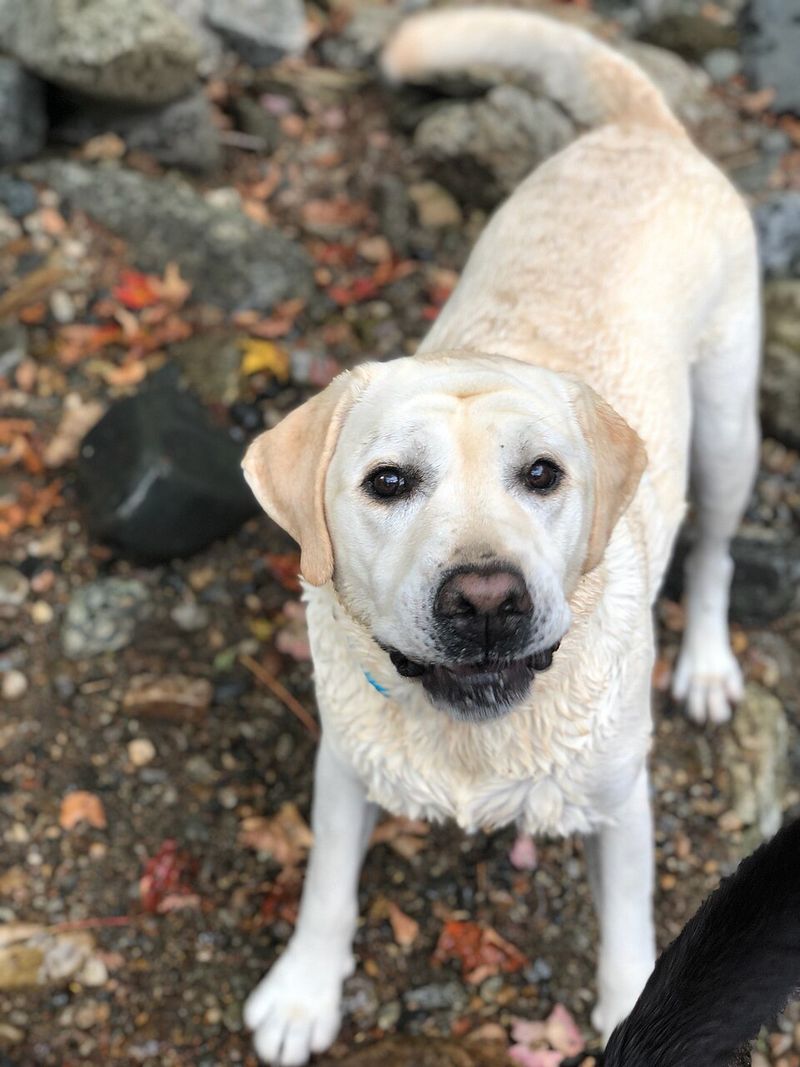
With a grin that says, I am yours, the Labrador Retriever sticks close even when the trail looks exciting. Many Labs were bred to work beside fishers, so staying near their person feels natural.
Treats and cheerful praise keep their focus strong.
Practice short recall games in the yard, then add distance and mild distractions. A simple rule helps: release to sniff after they check in.
That way, choosing you predicts more fun, not less, and your Lab will gladly return before scanning the horizon.
Golden Retriever
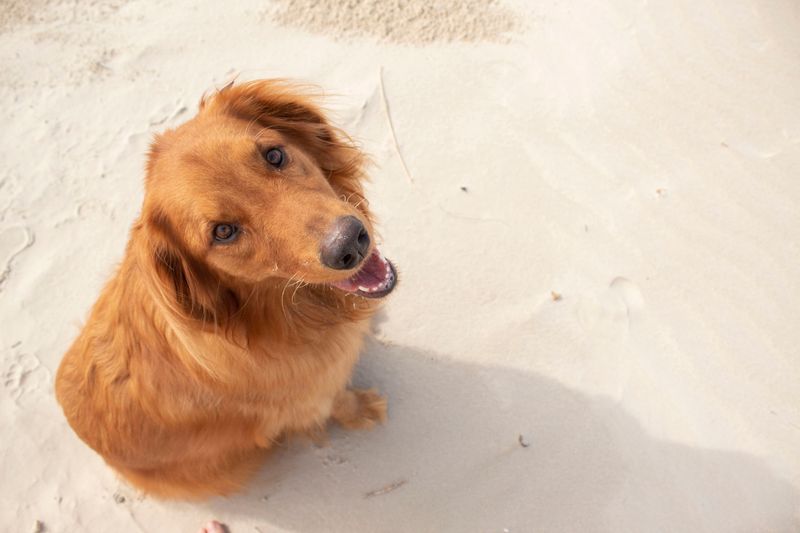
Sunshine fur and a sunny heart make the Golden Retriever a natural sidekick. Bred to work hand in hand with people, Goldens love checking in, reading faces, and keeping pace.
They thrive on gentle direction and lots of playtime.
Keep a pocket of small snacks and reward frequent eye contact. Teach a happy “come” as a game, then celebrate arrivals with tug or fetch.
Because you become the source of fun, your Golden learns that sticking near you always pays off.
Border Collie
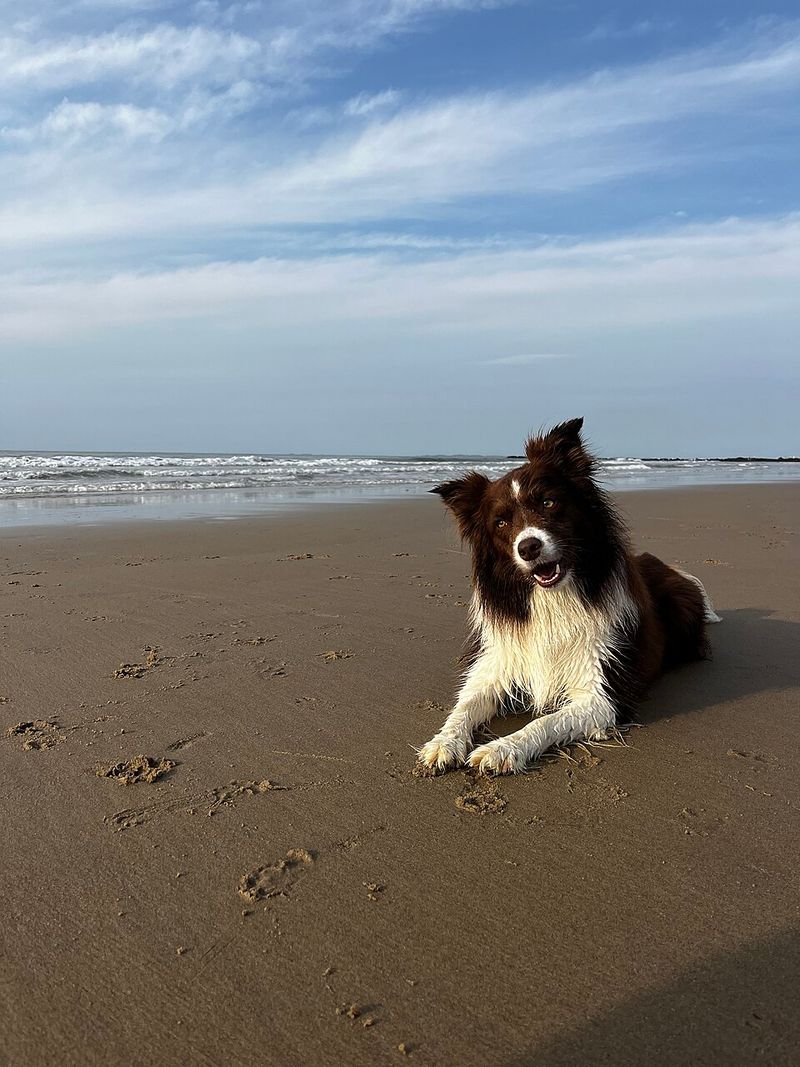
Work first, wander later could be a Border Collie motto. Built for teamwork, they watch for tiny cues like a nod or finger point.
That attention makes them excellent at staying within a chosen zone and bouncing back to you quickly.
Channel that brainpower with herding-style games, direction changes, and surprise hide-and-seek recalls. Short training bursts prevent boredom.
When their mind is busy partnering with you, the distant ridge loses its pull and your Border Collie proudly chooses the home base at your side.
Shetland Sheepdog
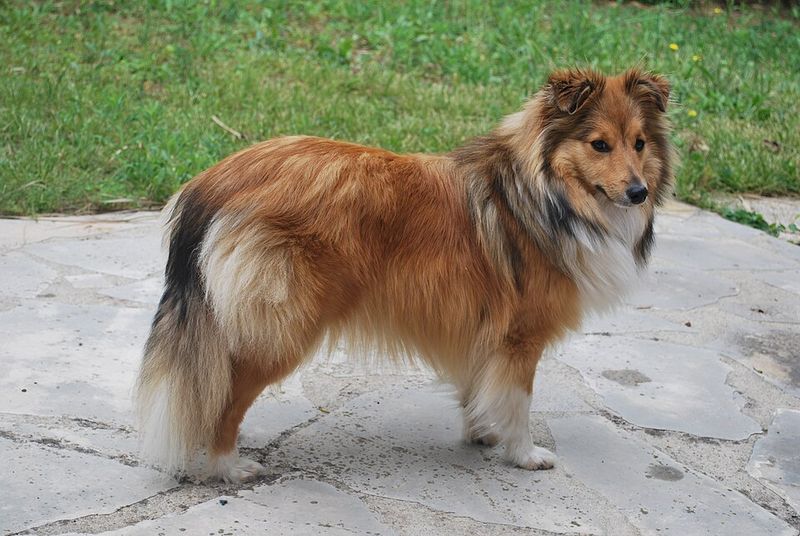
Like a tiny guardian with a big voice, the Shetland Sheepdog loves to keep tabs on the group. Their herding roots make them naturally aware of movement and spacing.
Many Shelties choose to shadow their favorite person rather than sprint ahead.
Reward quiet check-ins with soft praise and a nibble. Practice turns, stops, and slow walks to build rhythm together.
A light, consistent routine helps sensitive Shelties relax, so they settle into a steady orbit around you instead of chasing every fluttering seagull.
German Shepherd
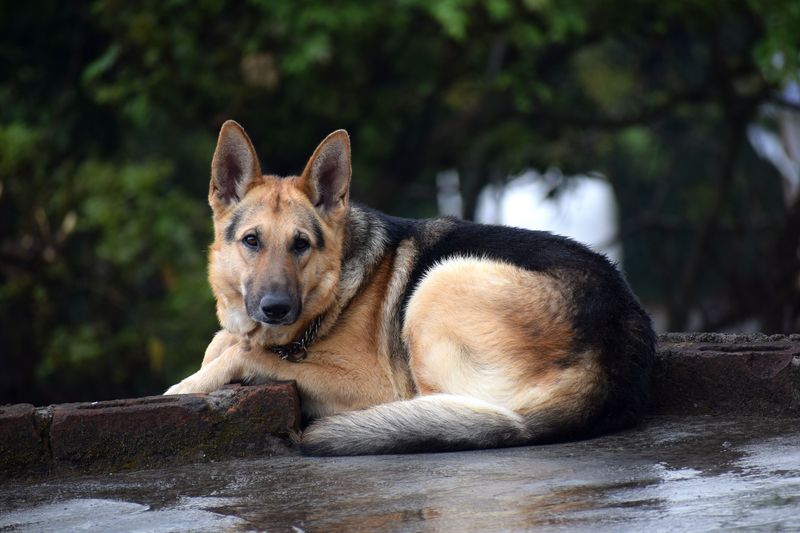
Duty calls, and the German Shepherd often answers by staying near the handler. Bred for protection and guidance, they take comfort in structure and clear jobs.
With calm leadership, they settle into a predictable pace and watch your back as you walk.
Teach a casual heel for everyday strolls and a release word for sniff breaks. Mix in focus games like name-response and touch.
When the rules make sense, your Shepherd will choose your side instead of scouting far ahead.
Standard Poodle
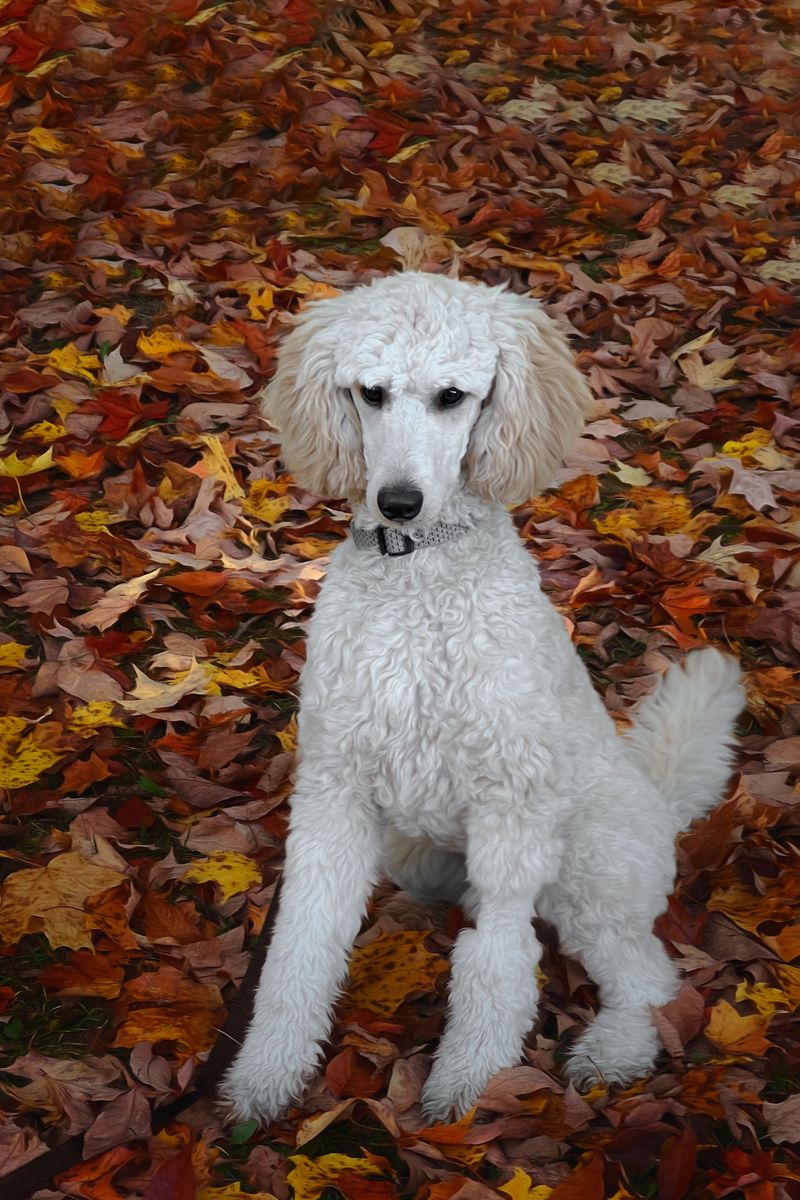
Brains and bounce meet loyalty in the Standard Poodle. They read the room, love puzzles, and quickly learn that checking in unlocks more freedom.
Many prefer to keep you in view so they do not miss the next clue or cue.
Make a game of it: mark eye contact with a yes and reward generously. Add pattern walks with turns at landmarks.
Curiosity shifts toward you, and your Poodle becomes a graceful shadow that glides wherever you go.
Doberman Pinscher
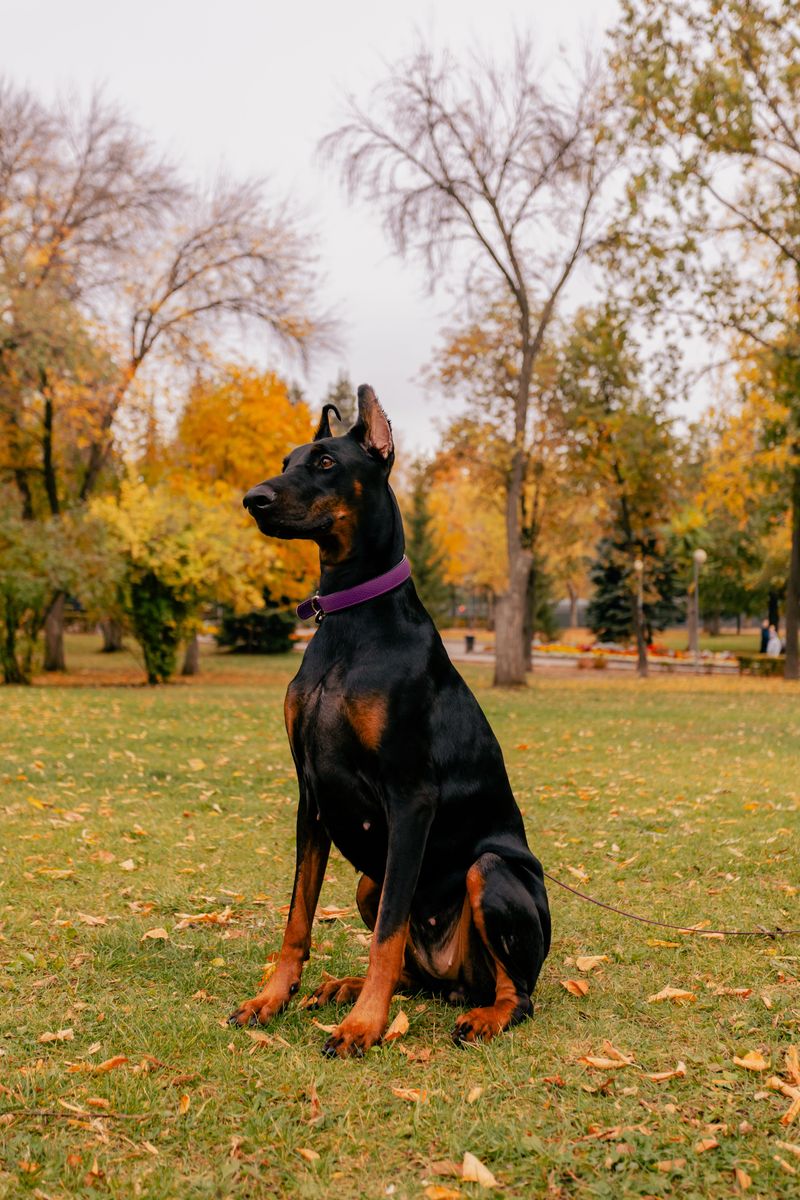
Quiet confidence keeps many Dobermans close. Originally bred for personal protection, they often prefer to stay within an easy sprint of their person.
That natural watchfulness can be directed into polite walking and quick recalls with steady practice.
Use calm voice, clear signals, and frequent check-ins. Reward with a short sprint released by a cue so choosing you leads to excitement.
Balance movement with rests to avoid over-arousal. The result is a sleek partner who chooses presence over the far corner.
Papillon
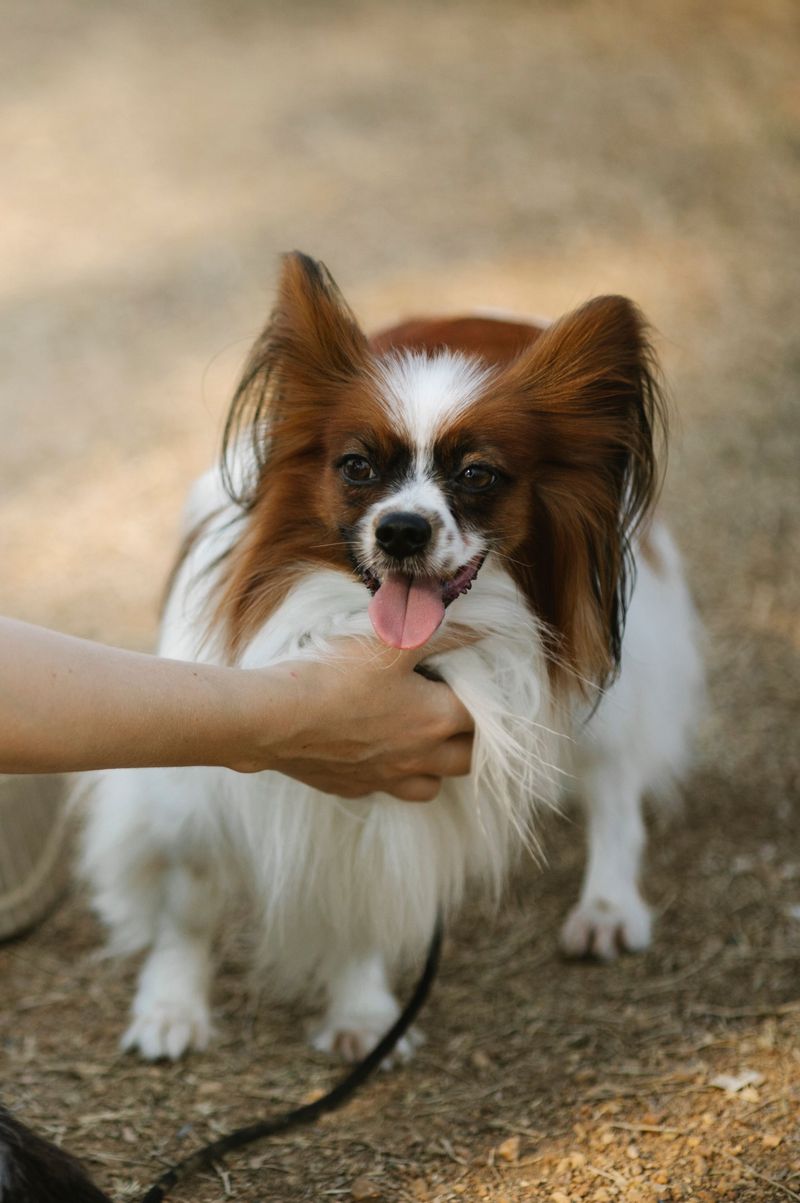
Small but mighty, the Papillon often acts like a pocket scout who always returns to base. Their expressive ears never stop listening for your voice.
Many enjoy hopping along close by, ready for the next trick or treat.
Teach fun micro-skills like spin, jump to hand target, and hop on a rock. Sprinkle rewards for quick check-ins.
Because the world feels big to a tiny dog, your steady presence becomes the safest and most interesting place to be.
Australian Shepherd
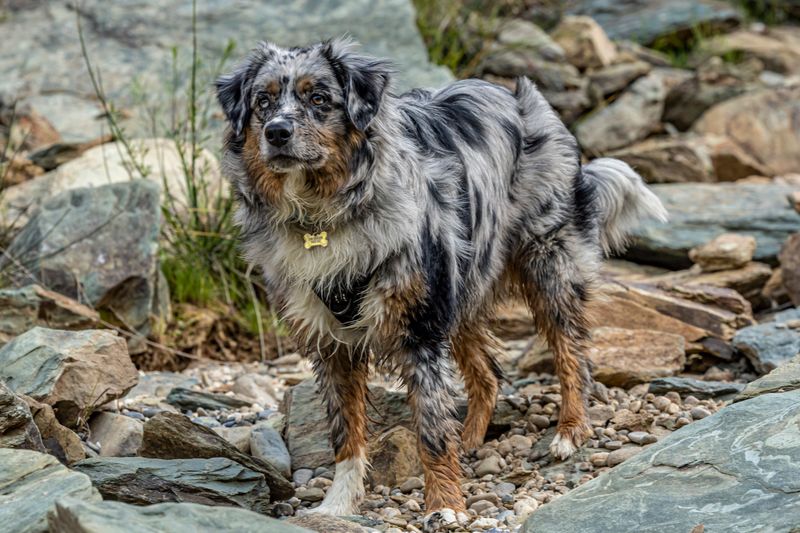
Eyes like magnets, the Australian Shepherd loves reading your movements. Herding instincts push them to keep the team together, so they often circle back without being asked.
Engaging work turns companionship into their favorite reward.
Try interval recalls: call, reward, race you back to a marker, then release. Mix in directional cues left, right, behind to use that sharp mind.
When partnered well, your Aussie locks onto you and treats distant hills like background scenery.
English Springer Spaniel
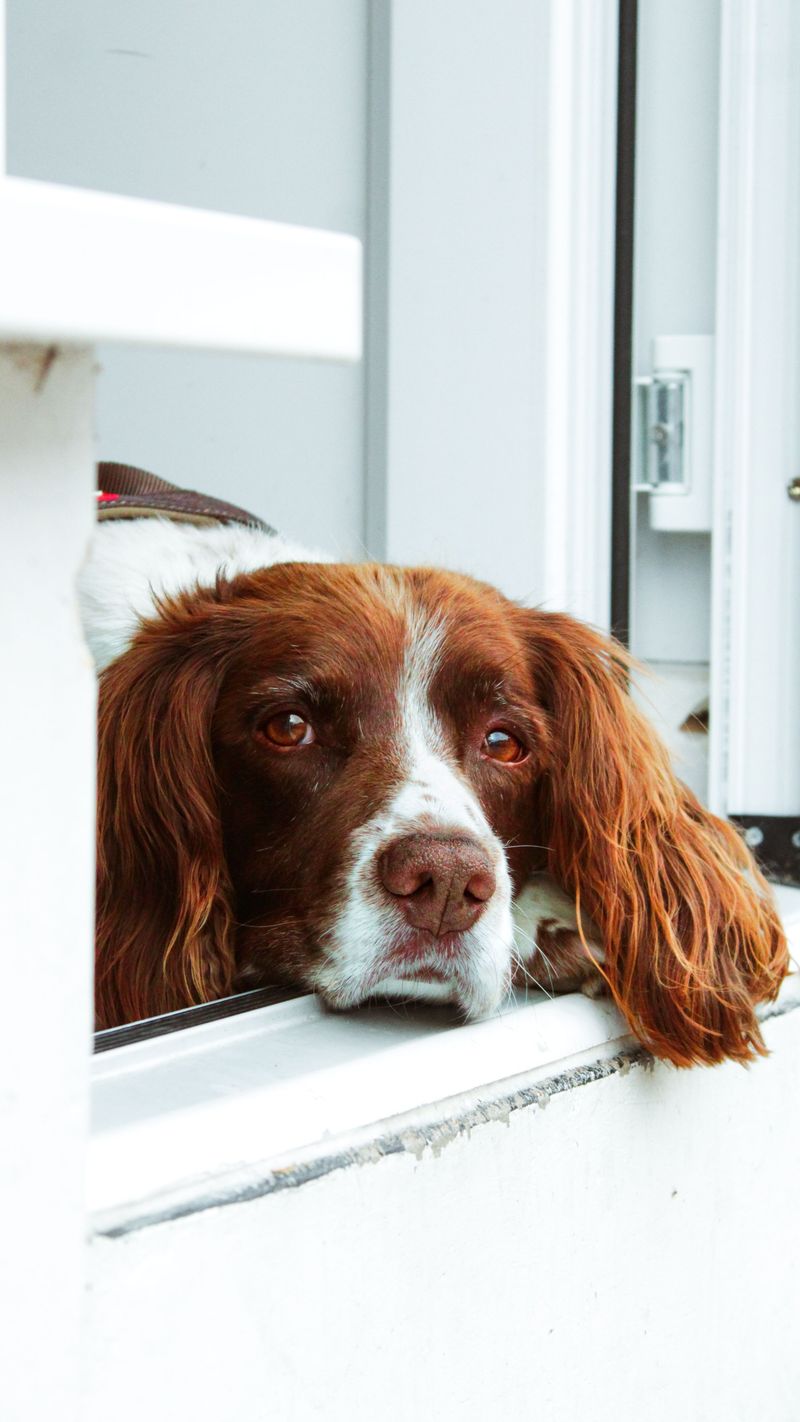
Water, birds, and brush are thrilling, yet many English Springers bounce back often to share the fun. They were developed to work within gun range, which encourages frequent returns.
That history helps them choose you as mission control.
Rotate between sniff time and check-in rewards. Use a whistle cue for clear, consistent recalls in windy fields.
Bring a favorite toy for quick tug parties. When the partnership stays playful, your Springer trades long chases for joyful loops around you.
Rough Collie
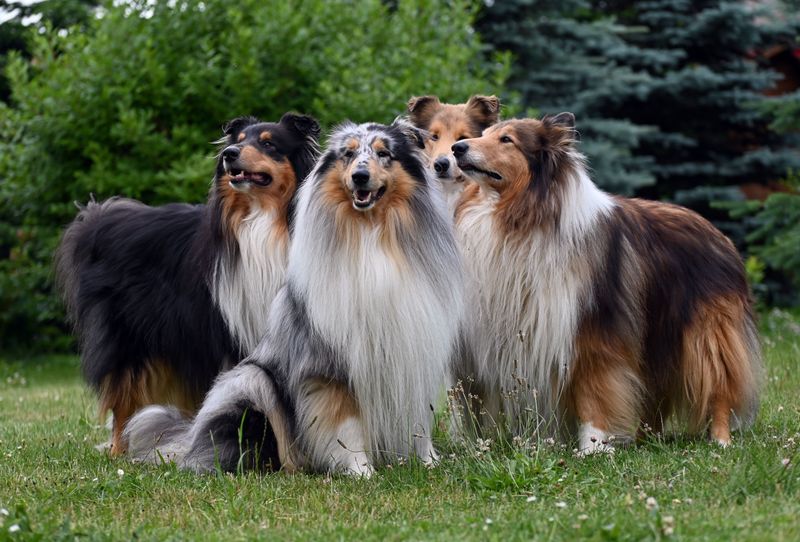
Storybook grace meets steady devotion in the Rough Collie. Many prefer to keep the flock together and will check on each family member in turn.
Their thoughtful nature responds well to routines and kind guidance.
Build a habit of calling them for quick pats, then sending them to check another person by name. Reinforce with gentle praise or a tiny treat.
Soon, choosing you becomes part of a warm circuit, and the far field loses its charm.
Beagle
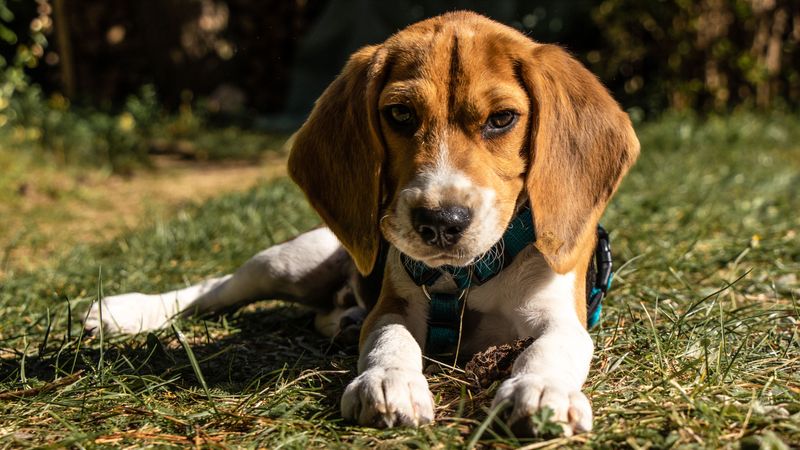
Nose on, ears off is the classic Beagle joke. Scent hounds love to investigate, so they may wander if not managed.
Joyful structure keeps them safe and happy without killing the fun.
Use a long line in open spaces and pay for every check-in with a chance to sniff again. Try a find-it game where you scatter treats near you.
By making you the center of scent adventures, the Beagle returns more often and roams less.
Siberian Husky
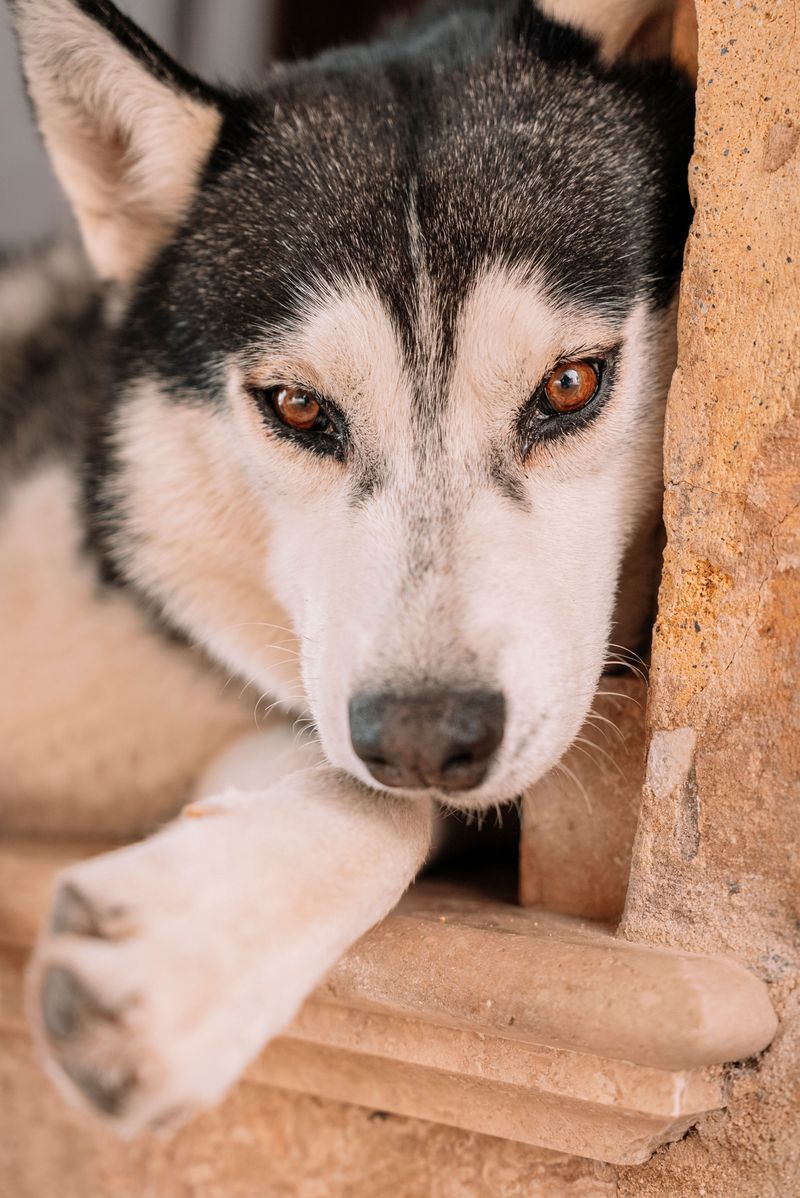
Built to pull, the Siberian Husky hears the horizon calling. That drive makes them talented travelers, but it also means impulse control needs practice.
Management plus smart games can channel that go-go spirit.
Rotate brisk trots with brief training breaks. Use a secured long line and practice rapid-fire recalls for high-value food.
Give a job like carrying a pack or following a set trail. When effort connects to you, the Husky’s wanderlust becomes teamwork, not a solo expedition.