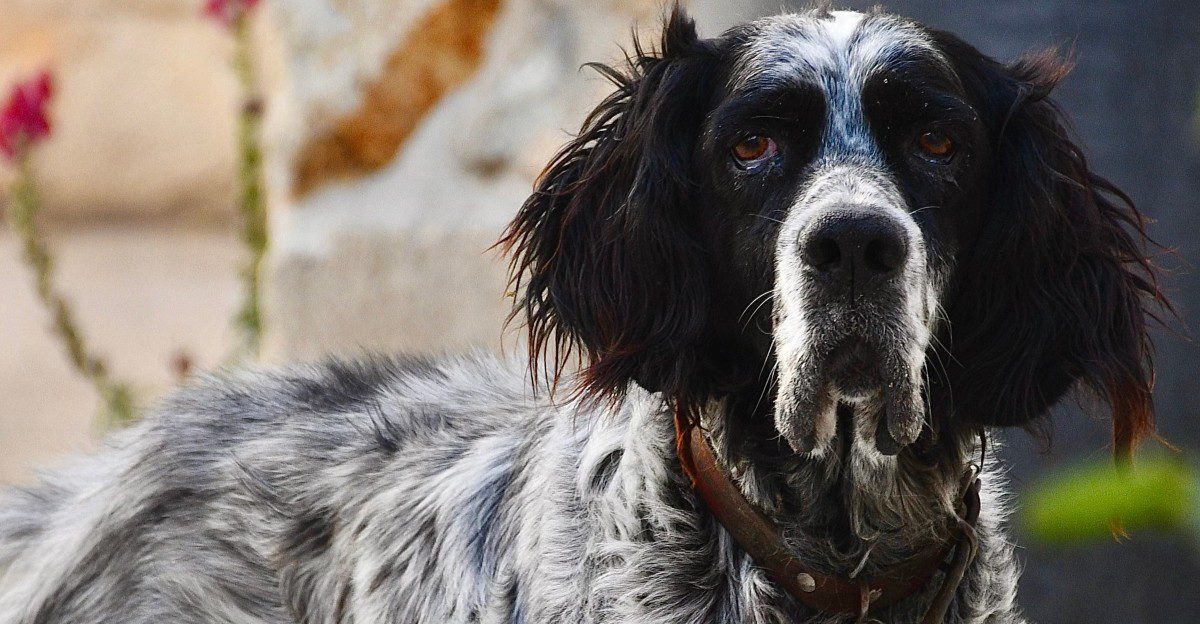
Floppy ears look cute, but they also help guide scent and focus sound. Many calm-looking breeds were built for serious jobs like tracking, flushing birds, or pointing game.
Knowing those instincts helps you train smarter and avoid trouble at home. Meet ten favorites that prove sweet ears can hide powerhouse skills.
Beagle – nose-to-the-ground detective
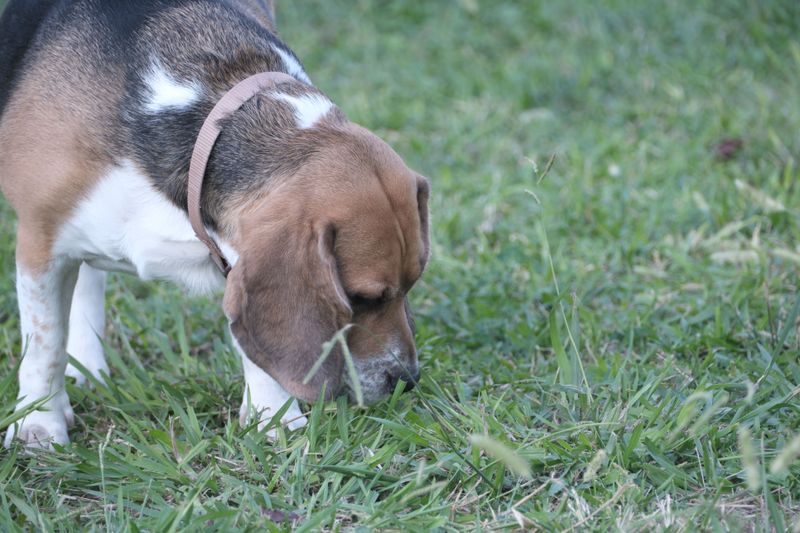
Picture a small hound trotting, ears swaying, while its nose never quits. That is a Beagle at work, tuned to scent trails that can linger for days.
Even during casual walks, they map the neighborhood like detectives.
Channel that drive with nose games, such as hiding treats in boxes or along a simple backyard course. Long sniffy walks, a sturdy harness, and clear recall training keep energy pointed toward good choices.
Fun fact, rabbit hunters prized Beagles for steady voices that helped teams track together.
English Springer Spaniel – joyful field flusher
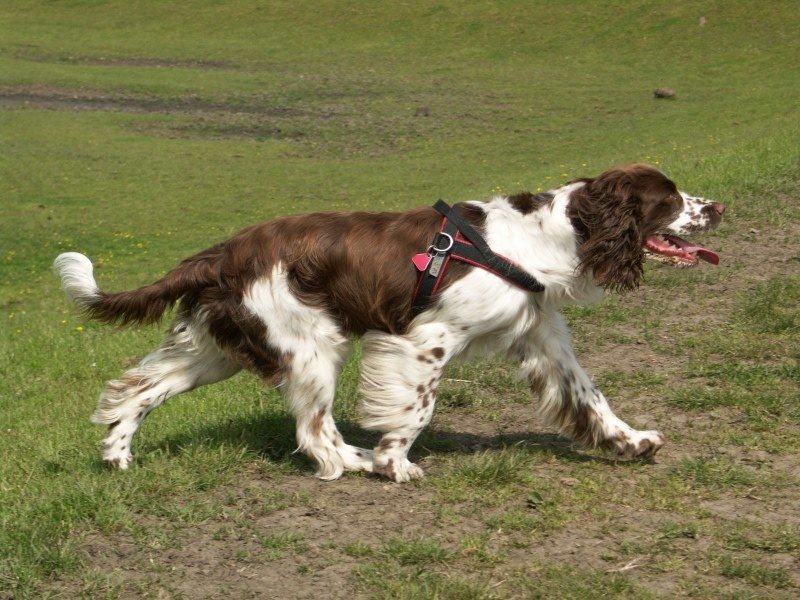
A field-bred Springer pops up like a coiled spring, scanning hedges for birds. Watch those silky ears flutter as it quarters ground in tidy zigzags.
That pattern is instinct, built for flushing game toward a waiting partner.
To satisfy the urge, try fetch with hidden dummies, short scent lines, and stop-to-sit cues. Regular swims help burn steam while protecting joints.
Trivia time, early Springers and Cockers once came from the same litters, divided by size and job.
Dachshund – brave little tunneler
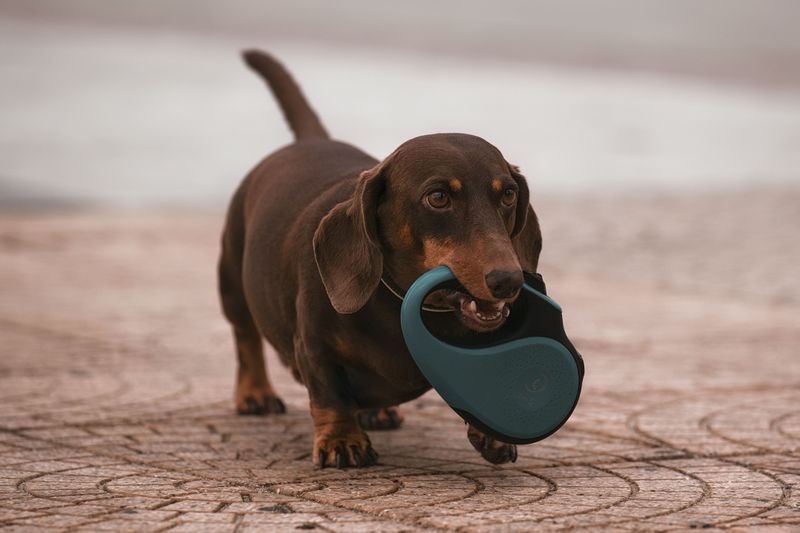
Don’t be fooled by the low profile. A Dachshund was shaped for tunneling after badgers, using bold barks and surprising grit.
Even at home, they investigate couch creases and toy bins like tiny spelunkers with long ears catching whispers underground.
Make life interesting with dig boxes, squeaky quarry toys, and puzzle feeders. Short, frequent walks fit their backs better than marathon outings.
Historic tidbit, German foresters favored wirehaired coats for thorny work, while smooth coats slid through tight soil.
Cocker Spaniel – merry bird finder
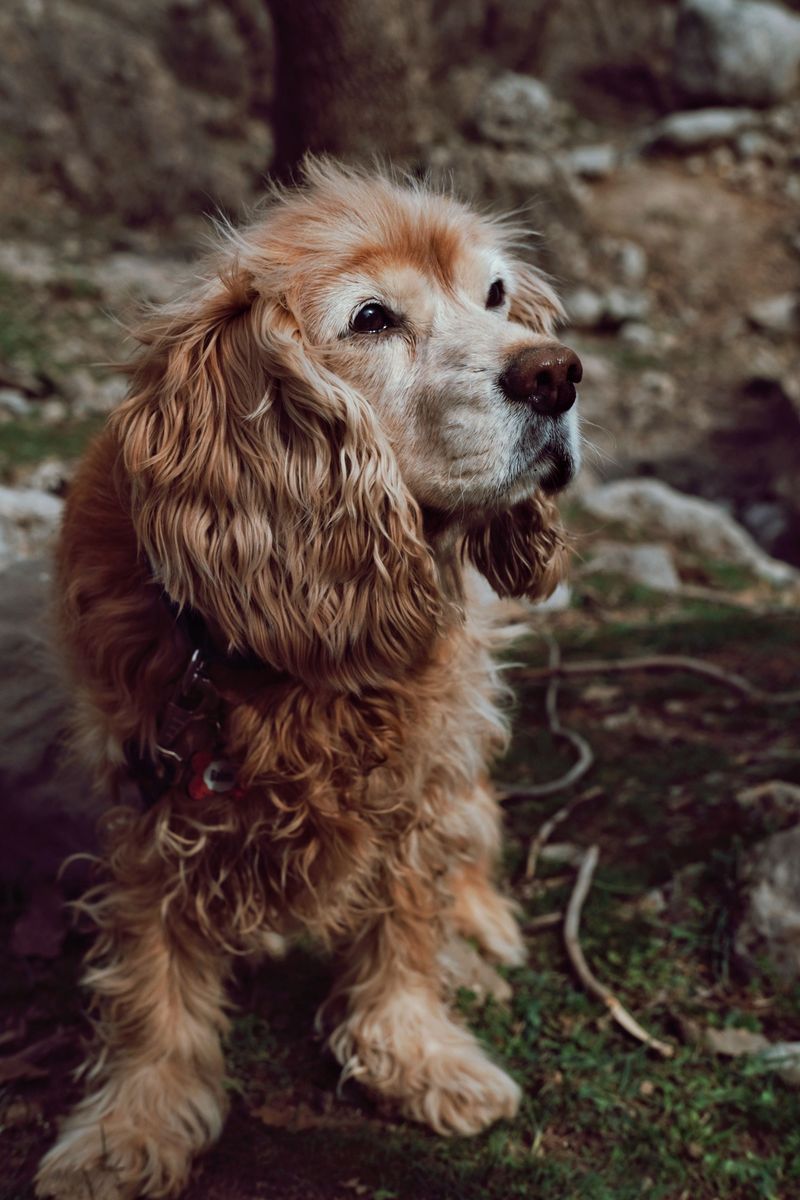
Soft eyes might promise cuddles, yet a Cocker’s heart beats like a bird dog’s metronome. In tall grass, that merry tail flags as it searches for scent pockets.
The instinct to flush and retrieve still shines during backyard play.
Blend manners with fun. Try gentle retrieves, nose work boxes, and settle-on-mat breaks between games.
Regular grooming prevents ear infections after field-style adventures. A fun note, the breed’s popularity soared in 1950s America, but the best Cockers still love honest work.
Basset Hound – slow and stubborn sleuth
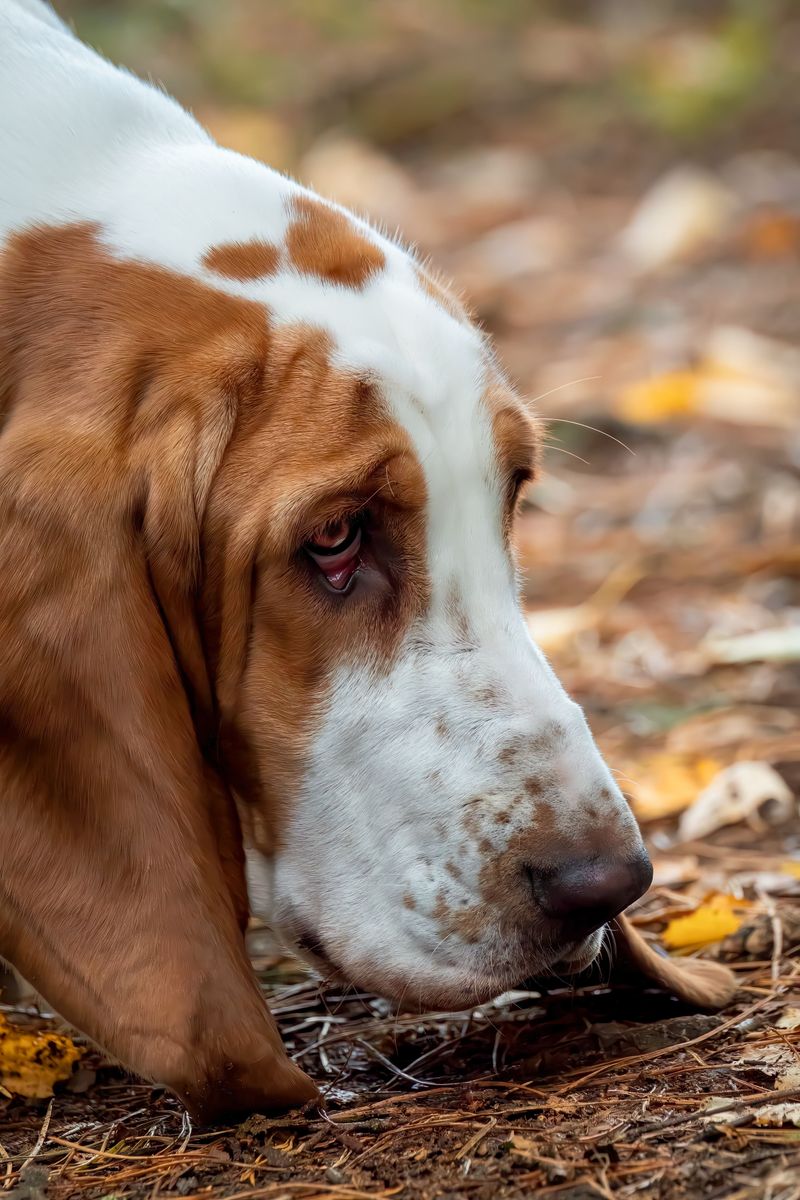
Those droopy ears sweep scent toward a super nose, and the Basset follows it like a slow train. Patience is their power.
Give them a trail, and they stick to it despite squirrels, traffic sounds, or your snack bag rustling.
Set up long, meandering sniff paths with safe checkpoints. Use a long line and tasty rewards to practice check-ins without fighting the pull.
Little history, monks in France refined Bassets for foot hunters who needed a steady pace they could follow.
Labrador Retriever – water-loving teammate
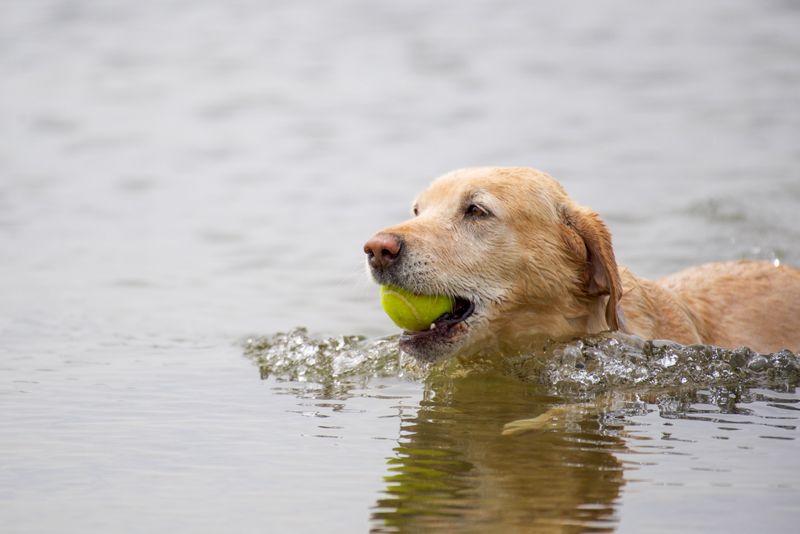
Toss something into water and watch a Lab light up. Webbed feet, a thick tail as a rudder, and a gentle mouth come from generations of hauling nets and fetching birds.
That eager spirit makes training feel like a shared game.
Balance excitement with structure. Teach hold and give, practice place between retrieves, and rotate in scent marks to temper speed with thought.
Quick fact, despite the name, Labradors trace to Newfoundland fishing dogs, later refined in Britain for field work.
German Shorthaired Pointer – statue with a heartbeat
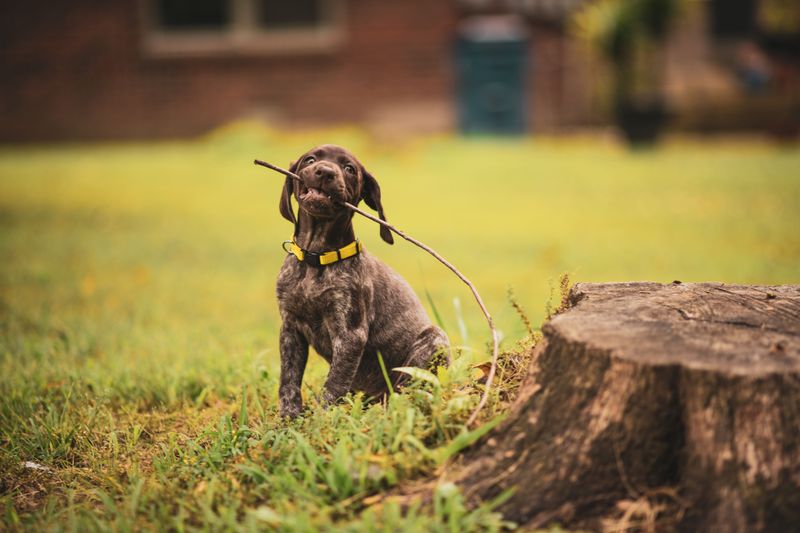
Freeze-frame moments make this breed famous. A German Shorthaired Pointer locks into a statuesque point when scent cones hit, ears lifted, body taut.
That stillness is control before the burst, a handshake between dog and handler from many seasons afield.
Channel it with hide-and-seek birds, place boards, and steady-to-release drills. Long jogs and field runs suit their engine, while mental tasks prevent mischief at home.
Historical note, breeders in Germany blended versatile traits so one dog could hunt fur, feather, and retrieve.
Brittany – bright spark in the brush
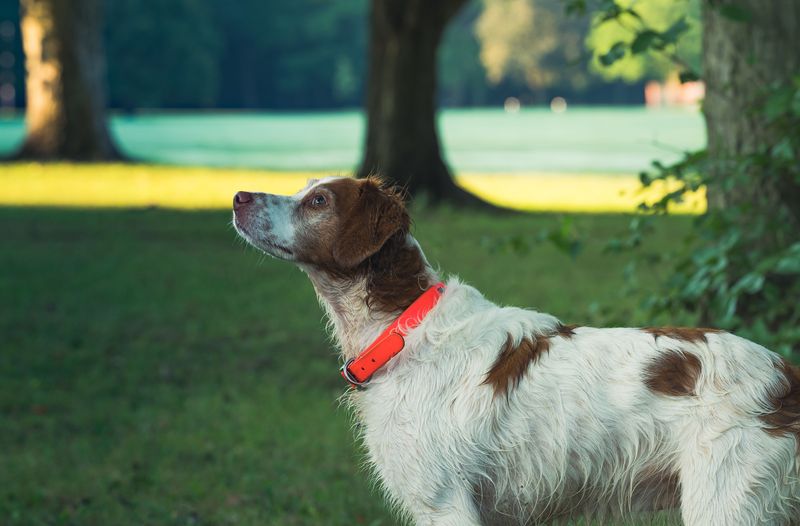
Compact and bright-eyed, the Brittany bounces like a spark in brushy fields. Many hold a tidy point, then zip forward with joyful efficiency.
You can almost hear the countryside in those ears, picking up wind shifts and distant wingbeats.
Keep training lively. Short drills, directional casts, and varied terrain walks build focus without crushing enthusiasm.
Because they are sensitive, praise travels far. Fun history, the breed grew in Brittany, France, where hunters needed an all-in-one partner for pointing and retrieving on foot.
Weimaraner – the gray ghost at work
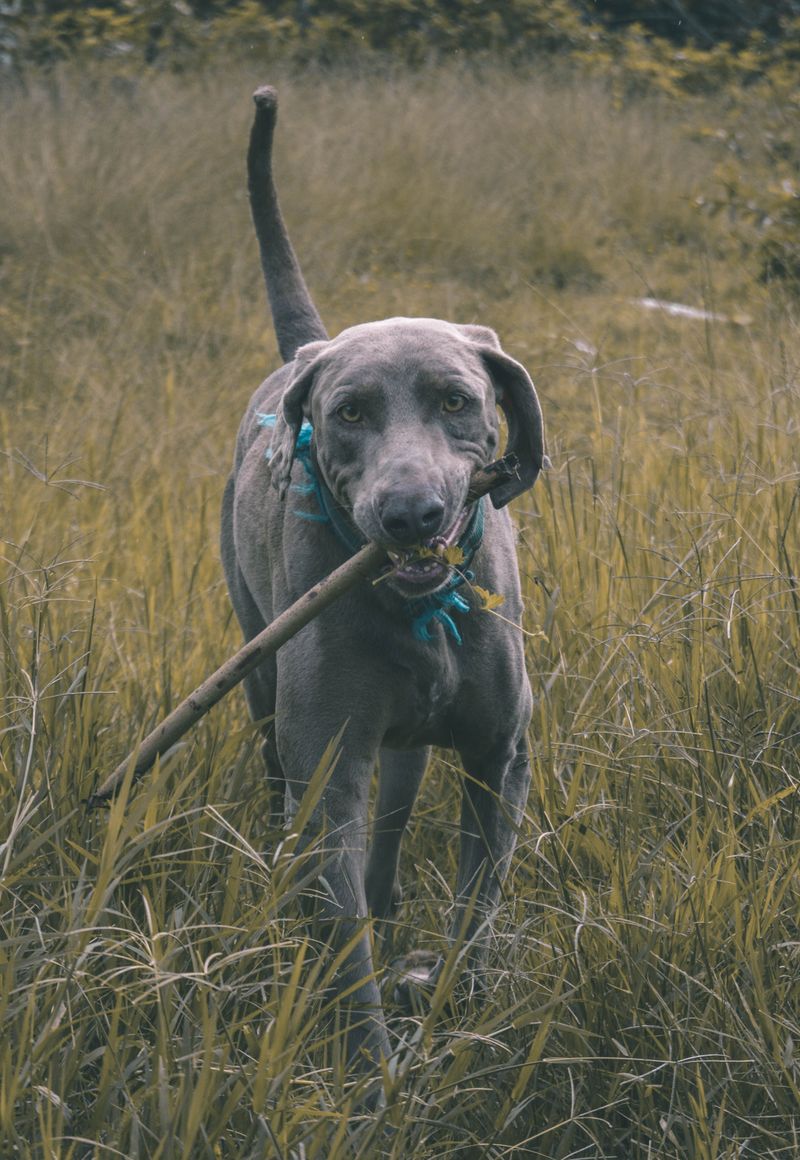
Silver-gray looks fool many, but the Weimaraner is a high-octane teammate with a radar nose. Fast, agile, and curious, it enjoys tracking, pointing, and vigorous games that ask for quick decisions.
Idle days often turn into creative redecorating.
Give big jobs to a big engine. Long line tracking, stair fetch for cardio, and impulse-control games like wait-to-release help settle the mind.
A royal backstory includes service with German nobles, where versatility around forests and fields earned the nickname gray ghost.
English Setter – graceful pause before the flush
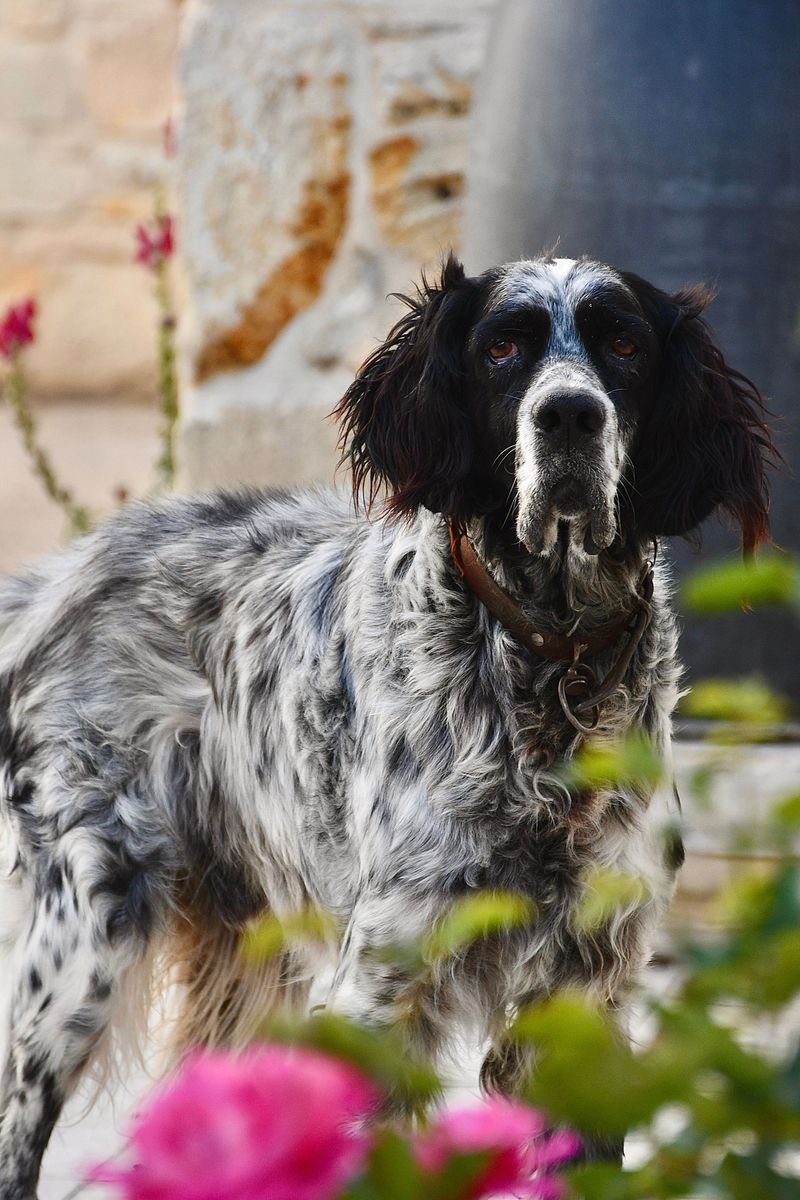
Feathered ears frame a gentle face, but the English Setter works like a seasoned scout. Classic style includes flowing movement, nose high to sample the breeze, then a graceful set as scent sharpens.
That elegant pause signals birds nearby.
Nurture the art with soft hands. Practice slow-to-quick transitions, recall to heel, and quiet praise at the set to build steadiness.
A tidbit from history says early setters crouched low so hunters could cast nets, which later evolved into modern pointing work.