
Some dogs can remember entire routines after a single great session, while others need a bit more structure to shine. If you have ever wondered which breeds lock in cues fastest, you are in the right place.
You will find practical, real world tips for harnessing memory in training and daily life. Plus, meet three lovable free thinkers who simply need extra consistency to deliver their best.
Border Collie
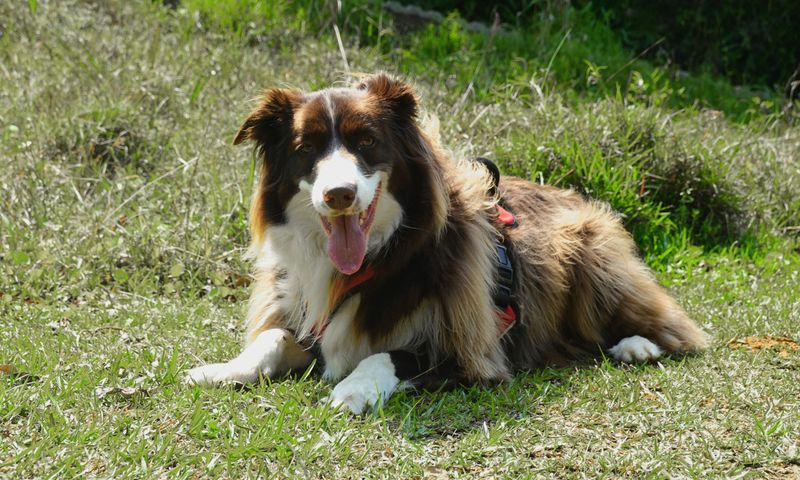
Border Collies are the benchmark for canine memory, combining sharp observation with relentless focus. You can teach chains of cues, and they will recall the sequence days later without rehearsal.
Their herding background wired them to map positions, voices, and micro signals, making training sessions feel like dialog.
To leverage that brain, use precise markers, short high energy drills, and variable reinforcement. Rotate locations and props so recall transfers anywhere you go.
Mental work tires them more than sprints, so finish with a calm decompression ritual, then log cues learned, latency, and distractions to keep progress measurable. If boredom appears, switch to scent games, object names, or back chaining, and you will see their remarkable memory light up again.
German Shepherd
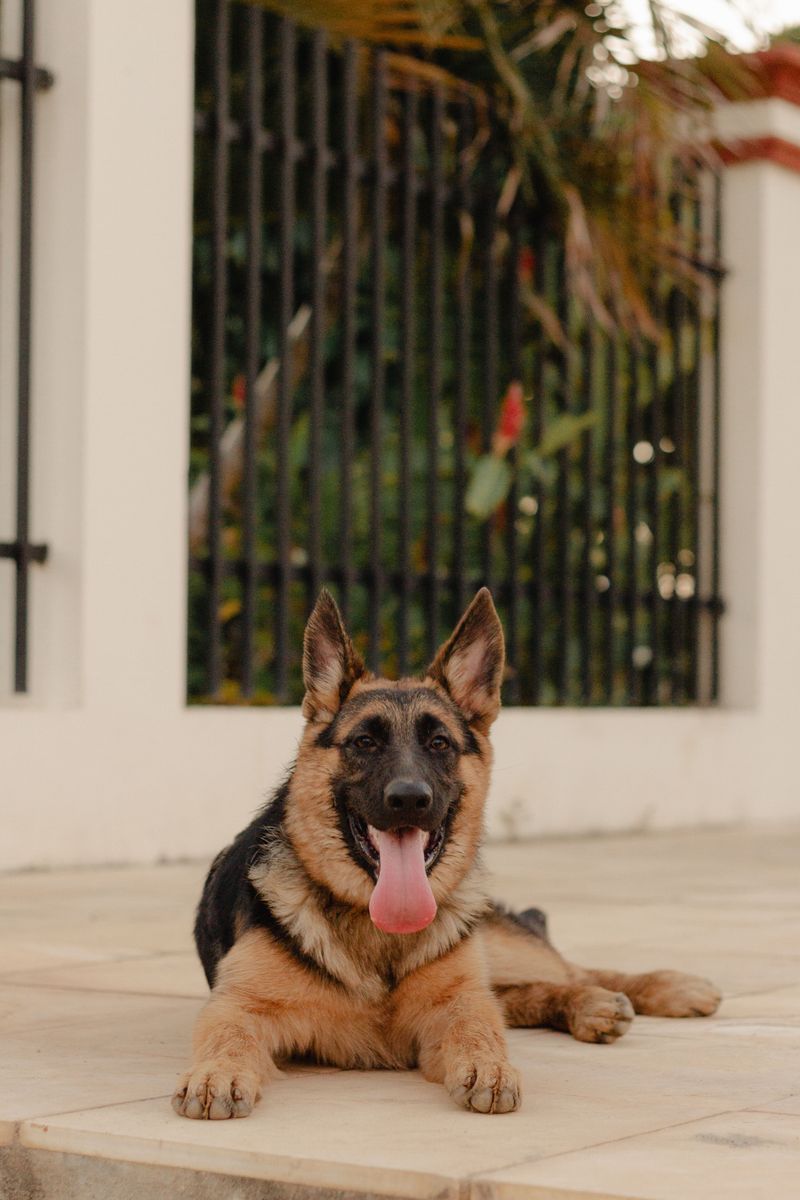
German Shepherds store patterns exceptionally well, which is why they excel in tracking, detection, and complex obedience. With clear criteria, they remember positions, articles, and handler posture long after a session ends.
You get reliability under pressure because their memory links scent pictures, surfaces, and context like a mental map.
Build that strength with methodical reps, proofed environments, and careful scent contamination control. Use distinct start cues and end rituals so they file tasks correctly.
Mix problem solving with impulse control, then note variables in a training log to reinforce accurate recall while steadily reducing prompts and increasing duration. When stress rises, switch to tracking puzzles or article searches that let memory lead action, restoring confidence without overhandling.
Poodle
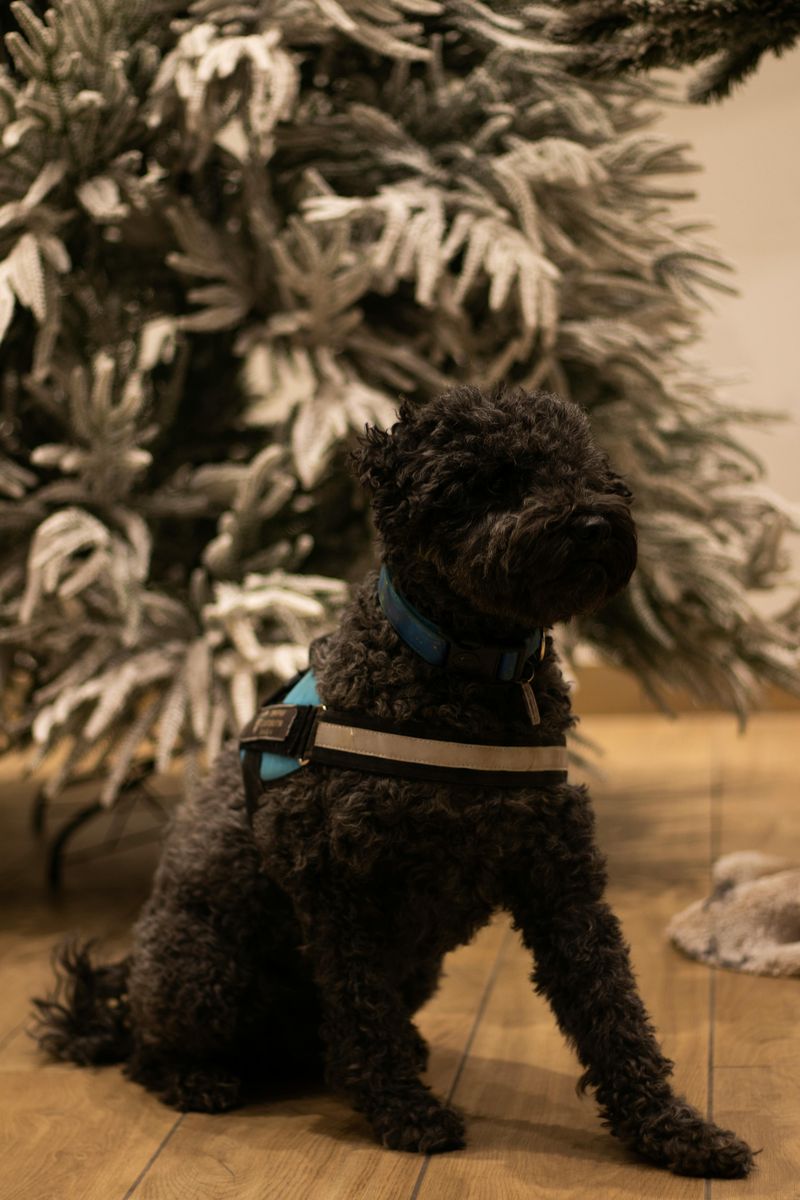
Poodles pair social intelligence with standout memory, which makes them brilliant at learning names, routines, and novel tricks. Once a sequence is clear, they reproduce it days later with playful precision.
You will notice they watch faces closely, banking tiny cues about timing, tone, and reward history to guide choices.
Capitalize using upbeat micro sessions, prop changes, and jackpot reinforcers when they nail a stretch. Rotate between shaping, capturing, and luring so memory strengthens from multiple angles.
If distraction spikes, shift to targeting or perch work, then return to the sequence and watch recall tighten even in busy spaces. Keep notes on cue names and reinforcement schedules so you can fade prompts smoothly while preserving crisp, joyful responses.
Golden Retriever
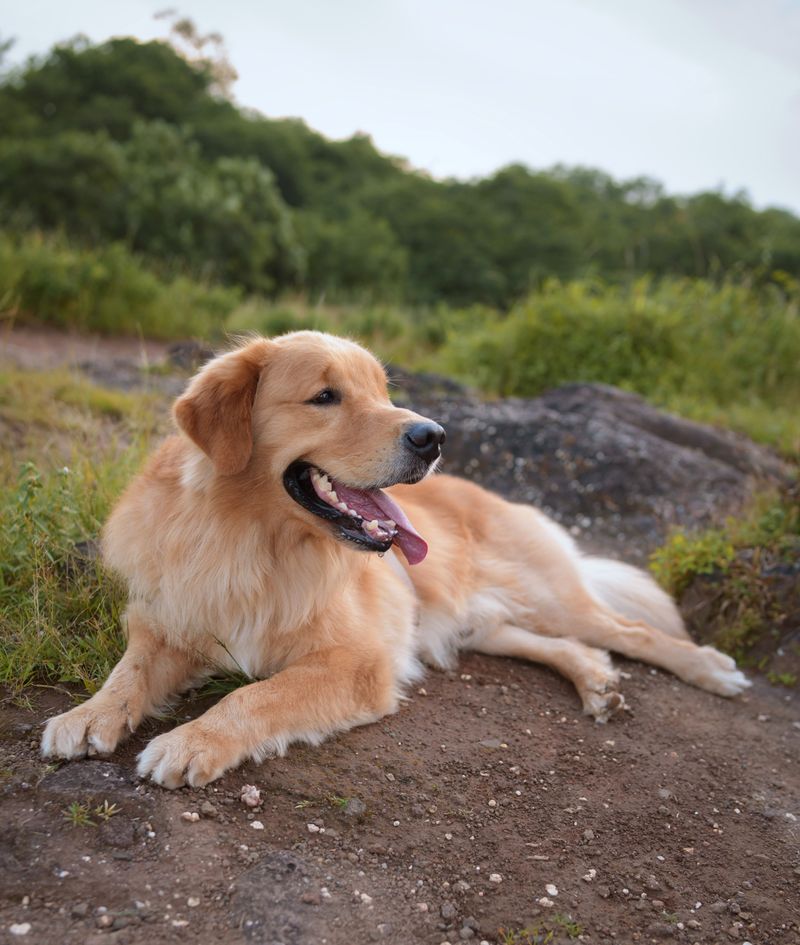
Golden Retrievers remember social experiences vividly, which helps them generalize cues to friends, family, and new handlers. They excel at task chains when each link predicts a pleasant payoff.
You will see soft eye contact, quick orientation to your voice, and confident repetition of skills practiced in different rooms.
Use happy markers, gentle pressure and release, and generous reinforcement for returning to you after distractions. Run short retrieval puzzles that require memory of placement, scent, and order.
Keep difficulty rising gradually, and log criteria so you can revisit earlier wins, refreshing their recall while protecting that famously sunny attitude. If arousal spikes, insert a reset sit, then resume the chain, letting success compound into durable, friendly consistency.
Labrador Retriever
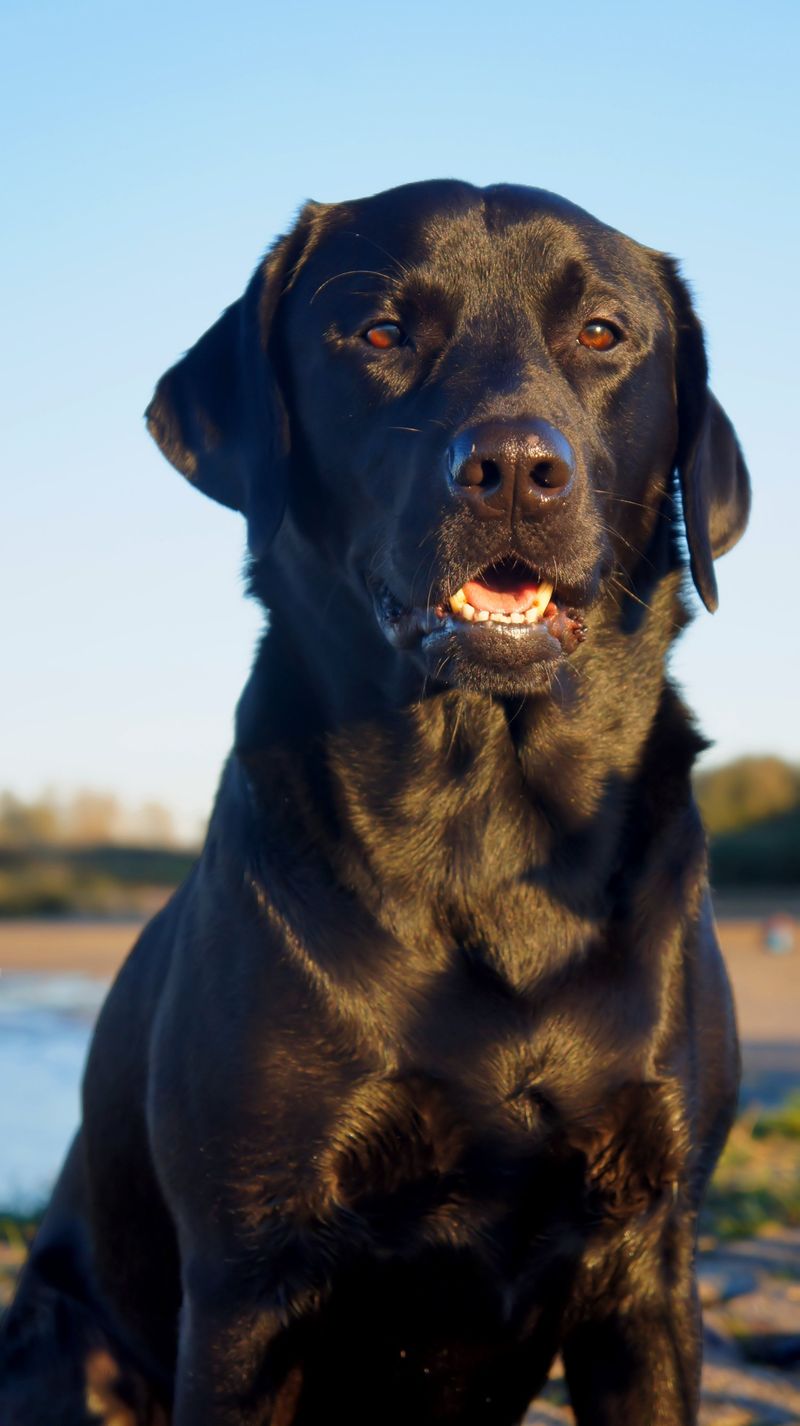
Labrador Retrievers blend eagerness with reliable memory, which is perfect for field marks, line drills, and household cues. They catalog locations of bumpers and people while staying cheerful.
You will enjoy how quickly they recall heel position, delivery to hand, and whistle sits when sessions are brief, clear, and upbeat.
Build durability with simple singles before complex multiples, varying terrain, wind, and water. Reinforce returns generously to anchor the chain in memory.
If excitement spills over, insert place breaks, then re run the pattern so accuracy becomes the habit you both trust during training days and relaxed family life. Track reps and environments in a notebook so you can fade help cleanly while keeping enthusiasm bright.
Belgian Malinois
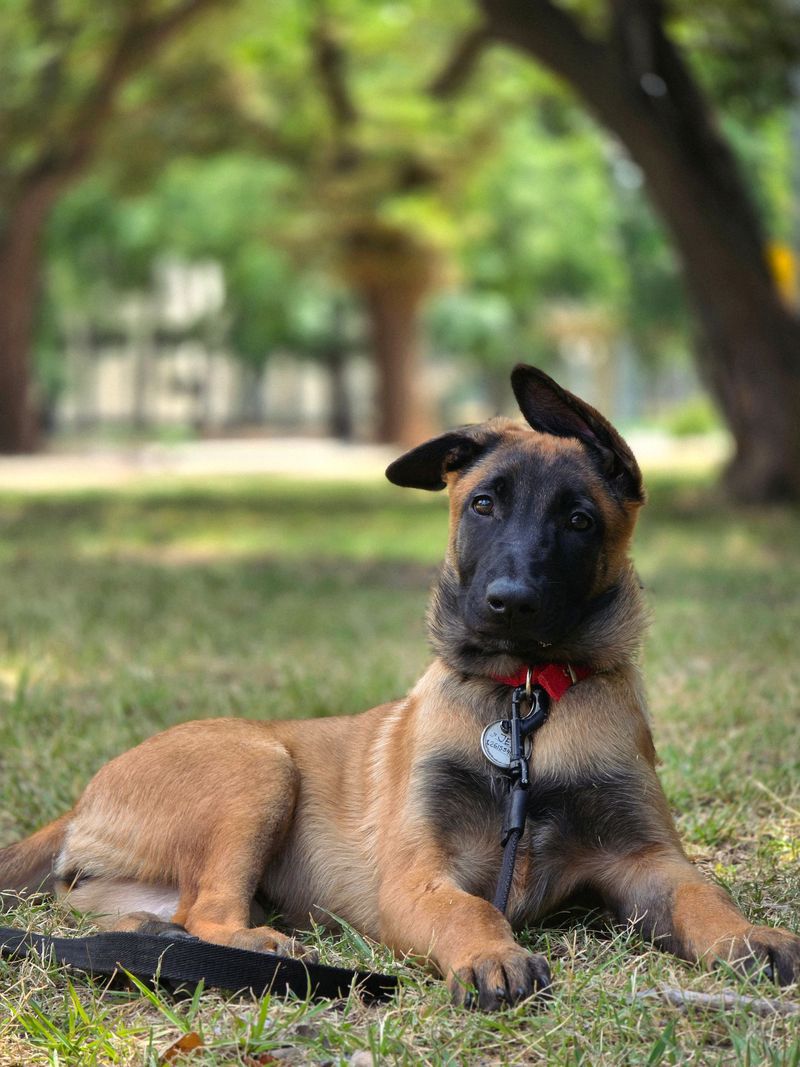
Belgian Malinois memorize intricate routines swiftly, yet they also anticipate, so clarity matters. Their working heritage primes them to record movement, decoys, doors, and surfaces like a live checklist.
You can channel that by defining criteria exactly, then rewarding precise hits while preventing rehearsals of sloppy reps that would stick.
Use energetic markers, structured drive capping, and frequent decompression to keep memory accurate under arousal. Alternate obedience chains with scent or search tasks to balance cognition and impulse.
If conflict appears, split behaviors smaller, lower intensity, and rebuild fluency so the last successful picture is the one the dog remembers. Document criteria, locations, and helper roles so you can replicate success and prevent sticky errors from resurfacing later.
Australian Shepherd
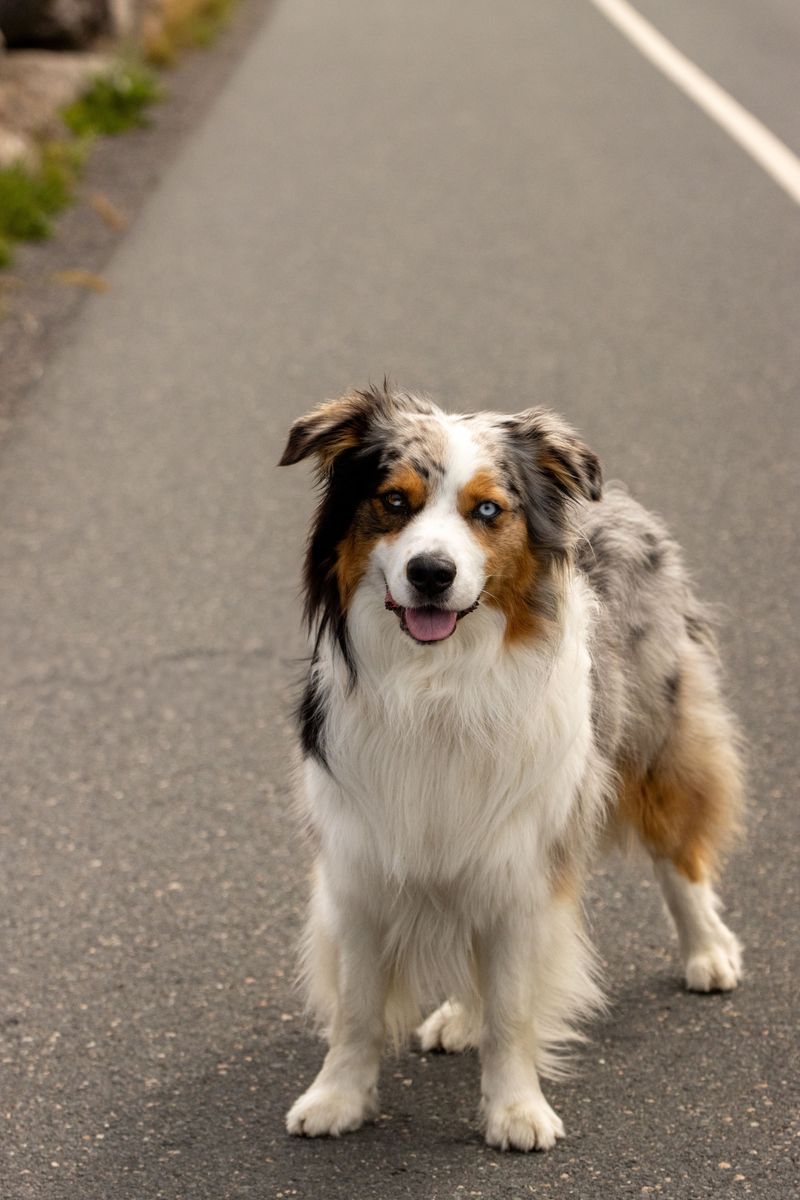
Australian Shepherds keep mental maps of movement and space, making them excellent at agility and herding style games. They remember lines, obstacles, and your motion cues with surprising durability.
You will notice quick orientation to pressure changes and crisp commitment when the picture matches previous wins stored in their heads.
Develop that memory with short sequencing, front and rear crosses, and frequent reinforcement for correct paths. Occasionally run silent handling to test picture strength, then add voice again.
If frustration bubbles up, lower complexity, reward commitment, and reset angles so they can recall the successful line and power forward happily. Track times, faults, and obstacles taken to make memory based decisions even more automatic over successive sessions.
Doberman Pinscher
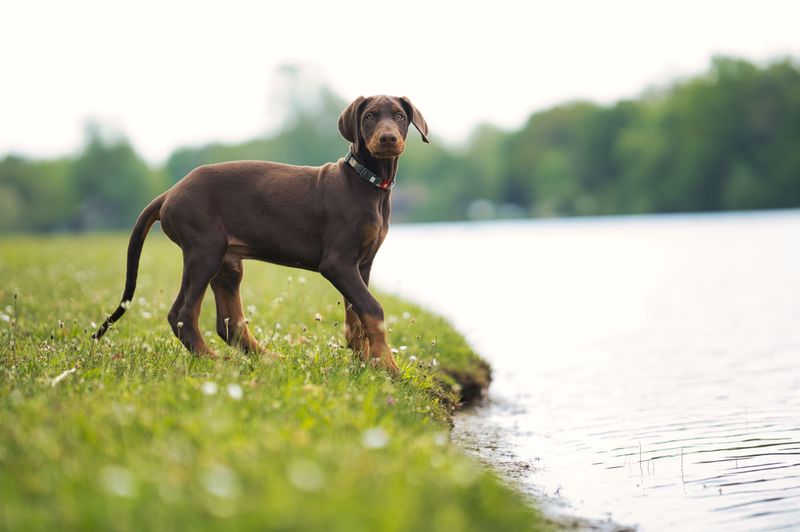
Doberman Pinschers thrive on clear structure, and their memory holds routines tightly once expectations are consistent. They notice patterns in your posture, leash handling, and timing, then repeat what was reinforced.
You will feel their confidence rise as familiar sequences click, especially when you keep sessions focused, fair, and steadily progressive.
Use clean markers, calm delivery, and predictable placements to cement the picture. Practice neutrality around triggers so recall beats reactivity.
If mistakes stack, shorten the chain, rehearse the clean slice, and reassemble gradually, letting memory celebrate each correct step until the whole routine flows again under mild distractions. Logging reps, context, and reinforcement ratios helps you fade prompts smoothly while preserving precision and attitude.
Shetland Sheepdog
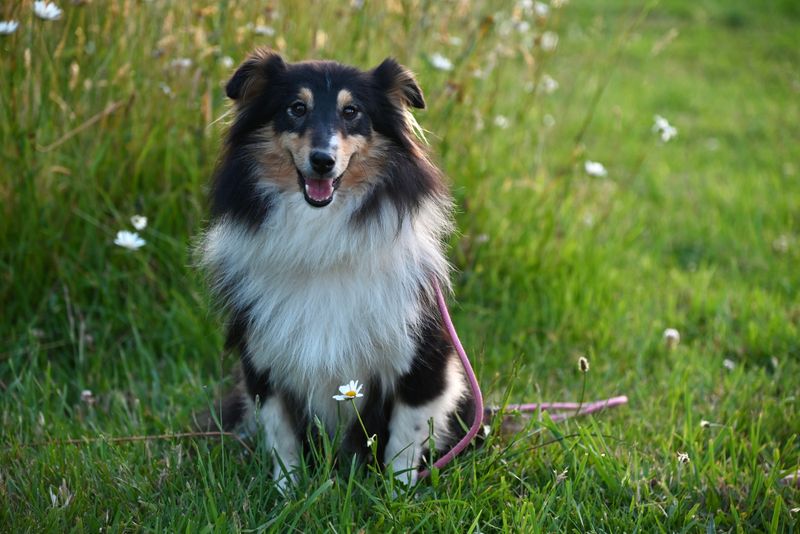
Shetland Sheepdogs are observant and sensitive, storing fine detail about cues and handler motion. Their memory favors consistency, which turns small successes into crisp habits.
You will see quick sits, fast downs, and snappy recalls when you keep criteria simple, rewards timely, and environments predictable while you raise difficulty slowly.
Use gentle shaping, low noise environments, and reinforcement for reorientation after spooks. Add tiny distractions one by one so retention stays strong.
If confidence wobbles, split behaviors further, cue softly, and celebrate easy wins, allowing their careful memory to rebuild a stable picture that holds during trials and daily walks. Track cues, durations, and distances to keep progress measurable and stress low over time with consistency.
Papillon
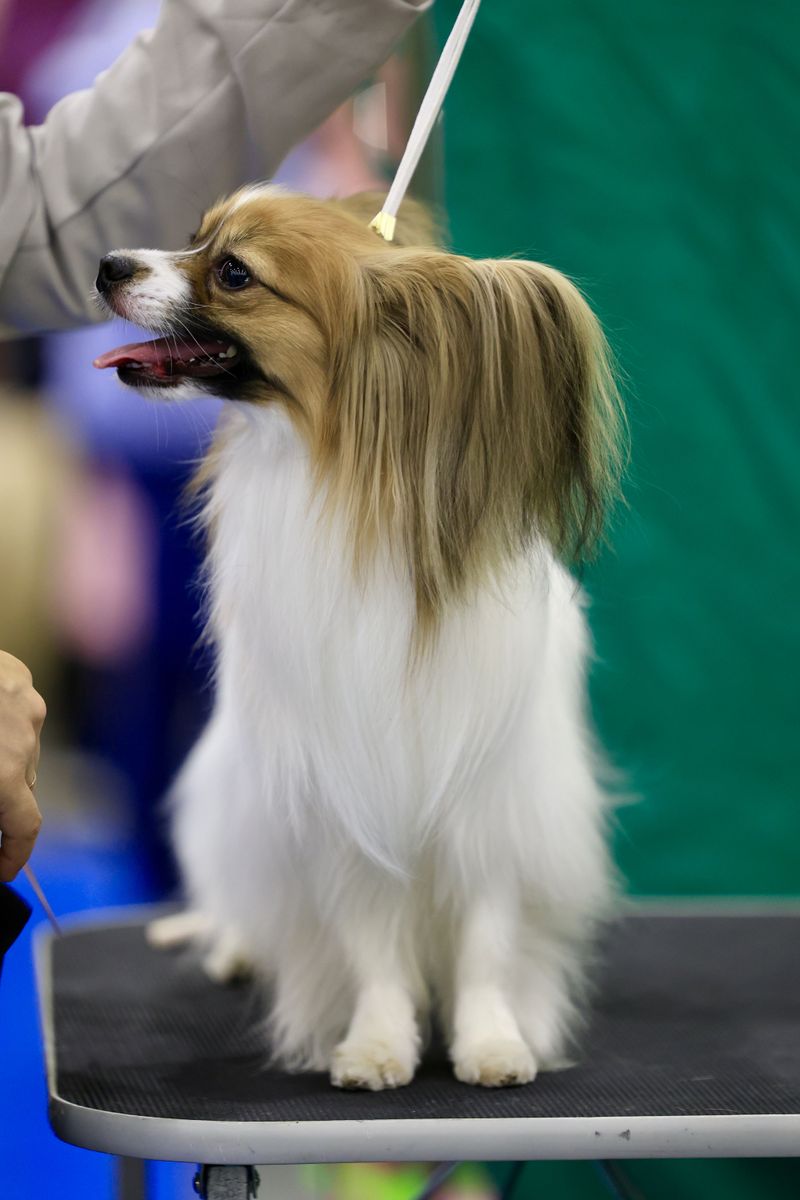
Papillons pack big brains into small frames, and their memory for tricks is delightful. They notice patterns in props and placement quickly, then repeat with flashy accuracy.
You will have fun chaining behaviors like spins, weaves, and retrieves because they remember the order and the feel of being right.
Keep sessions brief, rewards varied, and criteria crystal clear. Test recall by changing surfaces and handler position, then celebrate precise repeats.
If errors pop up, revisit the last clean slice, reinforce generously, and rebuild the chain, ensuring their eager memory latches onto success while you fade prompts and increase distance. Document prop placement and cue words so performance stays sparkling even after breaks.
Between sessions, play targeting games.
Beagle
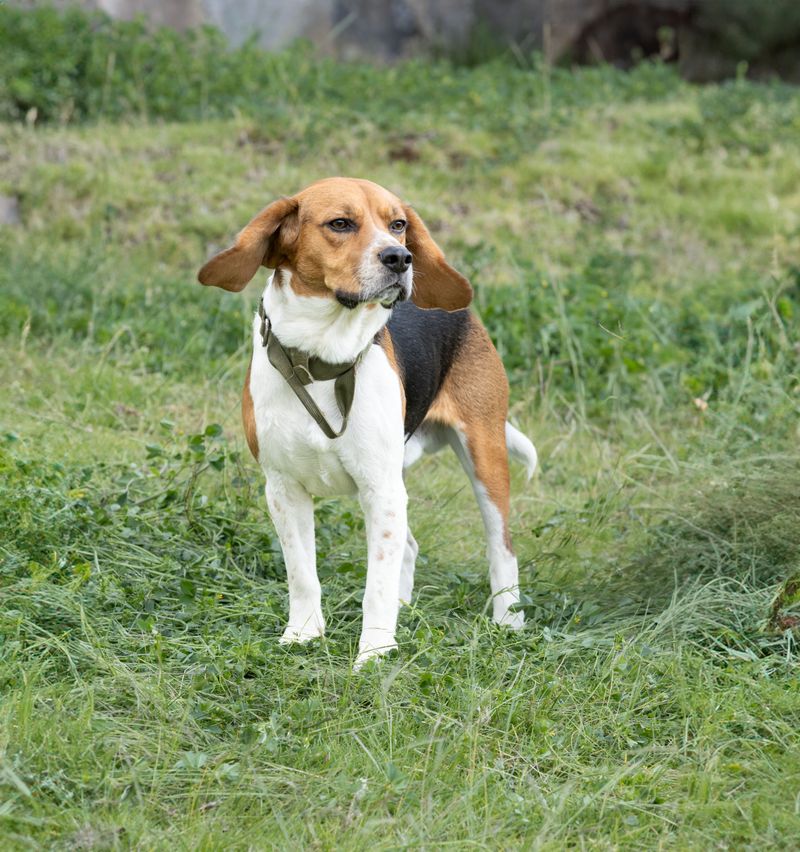
Beagles are bright, but scent can outvote memory unless you build consistency carefully. They remember routes, food locations, and routines, yet environmental odors are powerful competitors.
You can still get great recall on cues by making reinforcement huge, keeping criteria simple, and practicing where scent loads are predictable at first.
Use high value rewards, long lines, and structured sniff breaks to respect their nose while strengthening memory. Add distractions gradually, proofing sits, downs, and leash manners near tempting smells.
If focus collapses, retreat a step, raise value, and cap sessions short, letting success imprint while you steadily expand challenge and distance. Track terrain, wind, and food exposures so progress remains honest and repeatable over many outings.
Siberian Husky
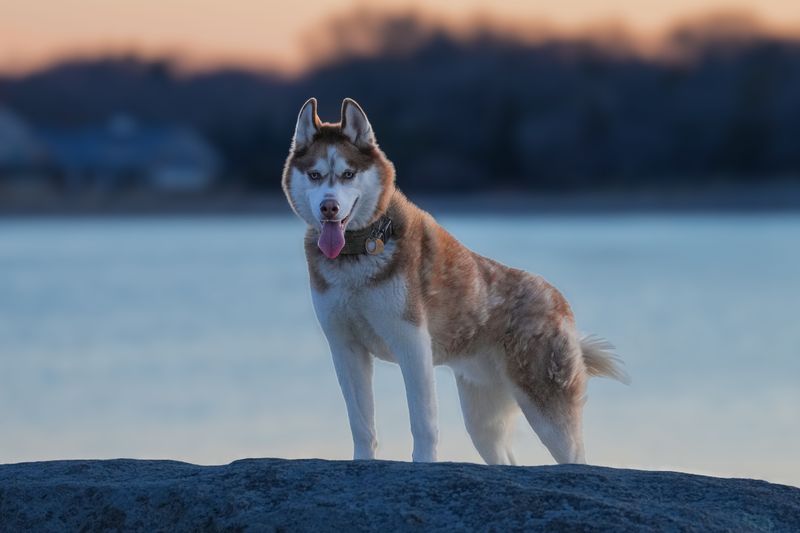
Siberian Huskies are clever and independent, which means memory competes with self directed choices. They remember routes, thresholds, and how equipment feels, sometimes leveraging that knowledge to bolt or bargain.
You can harness their recall by making cues crystal clear, keeping reinforcement generous, and practicing calm disengagement from excitement consistently.
Use structured leash work, predictable routines, and high value payoffs to anchor behavior. Keep sessions short and purposeful, ending on wins.
If stubbornness shows, simplify the ask, reduce arousal, and reward generously, letting memory attach to cooperative choices that build trust and responsiveness during hikes, neighborhoods, and snowy adventures. Log triggers, distances, and recovery times so improvements remain visible and sustainable.
Adjust criteria in tiny steps.
Shiba Inu
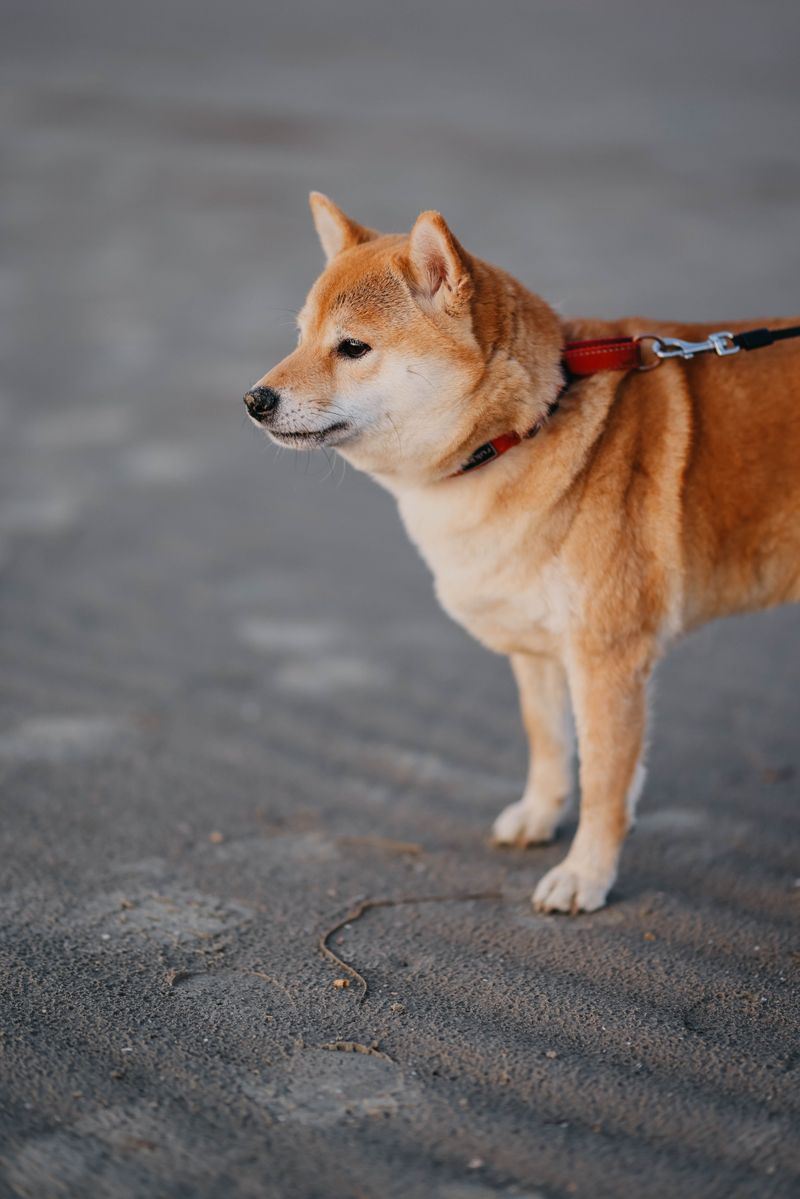
Shiba Inus are perceptive and opinionated, storing exactly what worked for them. They remember how to avoid pressure and how to gain freedom, so clarity is crucial.
You can inspire cooperation by pairing cues with meaningful rewards, managing environments, and keeping sessions engaging, brief, and predictable to build trustworthy memory.
Use simple criteria, cheerful markers, and immediate payouts for correct choices. Practice impulse control with doors, leashes, and greetings so routines sink in.
If resistance appears, reduce demands, increase reinforcement, and end on a success, letting memory record a clean win that you can repeat tomorrow with slightly higher expectations. Track tiny improvements, and protect momentum by quitting while you are ahead.
Consistency beats intensity every week.