
Your dog is always watching you, even when you think nobody is paying attention. Small things you do every day can teach your pup lessons you never meant to teach.
Some of those lessons lead to jumping, begging, barking, or pulling on the leash. The good news is that once you spot these habits, they are pretty easy to fix.
Saying Sit Five Times in a Row
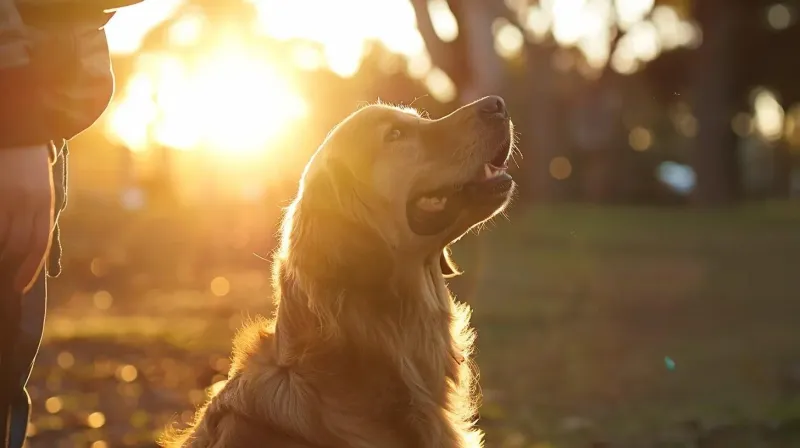
Sit. Sit.
Sit! Sound familiar?
Many owners repeat a cue over and over without noticing.
Your dog quickly learns that the first few words mean nothing. The real signal becomes the fifth one, or your frustrated tone.
That makes listening slower every single time.
Try saying the cue once, then wait a few seconds. If your pup does not respond, guide gently and reward.
Clear, single cues build a dog who listens the first time.
Sneaking a Bite from Your Plate
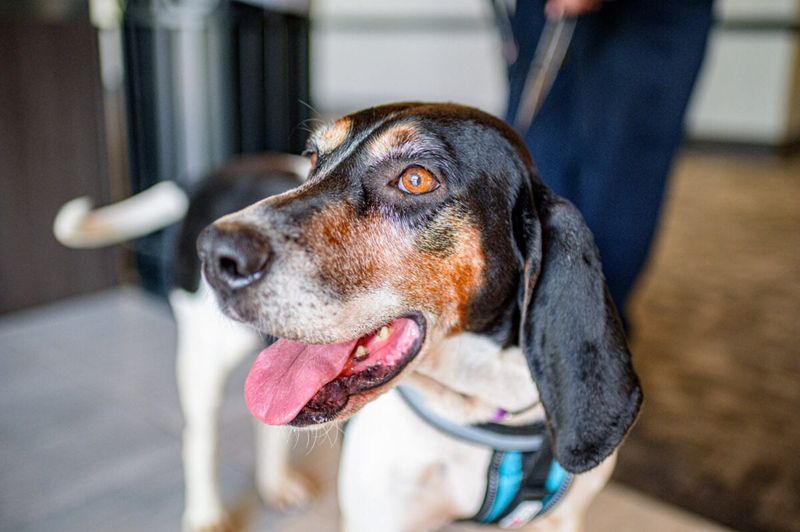
One little piece of chicken seems harmless. Your beagle, however, just learned that staring works sometimes.
Fun fact: rewards that come now and then can create stronger habits than steady ones. Slot machines work the same way on people.
Random scraps turn a polite dog into a persistent little beggar.
Pick a firm family rule and stick to it. Give your dog a chew or puzzle toy during meals instead, so dinnertime stays calm for everyone.
Petting a Dog Who Leaps on You
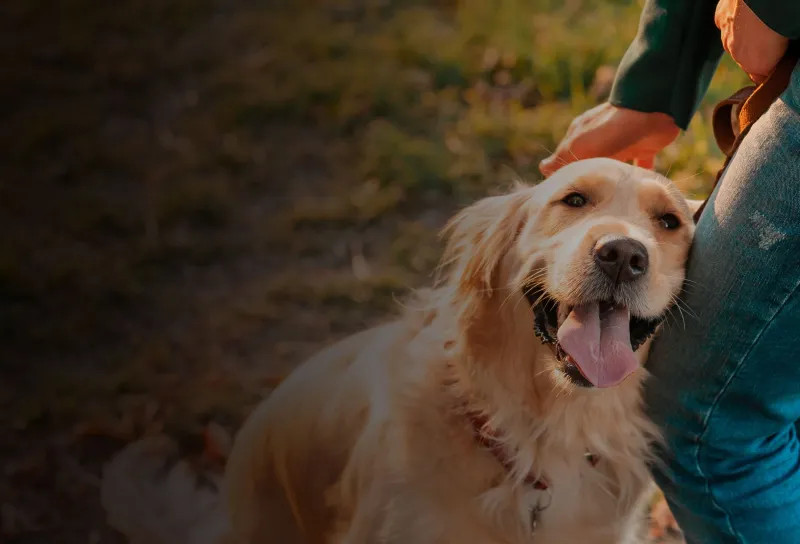
Picture this: you walk in, your Lab bounces up, and you laugh while scratching those ears. Sweet moment, right?
To your dog, that laugh and touch are a paycheck for jumping. Even pushing them away counts as attention.
Over time, guests get muddy paw prints too.
Turn away and stay quiet until all four paws are on the floor. Then shower your pup with praise.
Calm feet should earn the love, not flying ones.
Couch Yes on Monday, Couch No on Tuesday
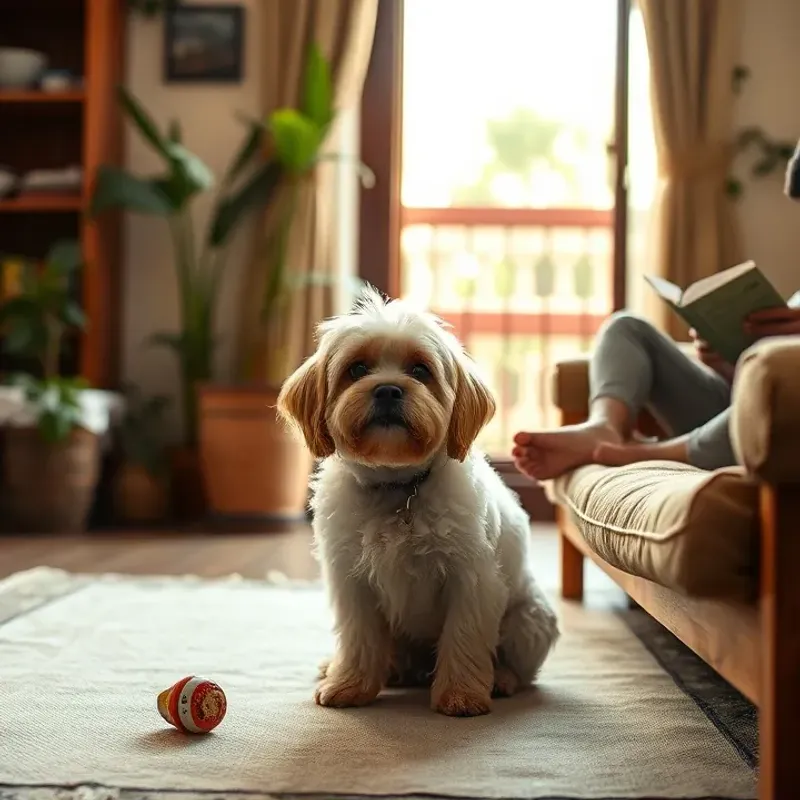
Dogs are not great at reading moods. If the couch is allowed on lazy Sundays but forbidden when company visits, your corgi has no idea what the real rule is.
Mixed messages often create stress, sneaky behavior, or stubborn testing. Your dog keeps trying because sometimes it works.
Sit down with your household and agree on clear rules. Write them on the fridge if needed.
Consistency helps dogs feel safe and confident in their home.
Missing Walks and Brain Games
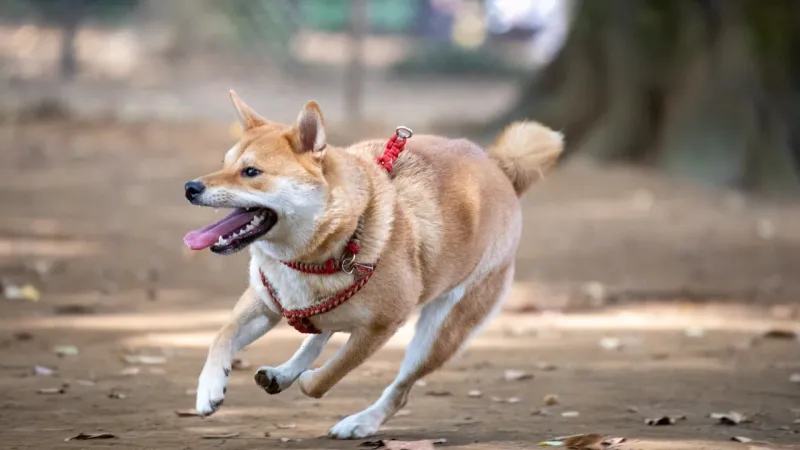
A chewed shoe is sometimes a cry for help. Bored dogs invent their own fun, and you might not like their choices.
Skipping daily walks or play leaves energy with nowhere to go. That energy can turn into digging, barking, or zooming around the house at midnight.
Even busy days can include a short sniff walk or a snuffle mat. Sniffing tires out a dog’s brain surprisingly fast, making it a great quick fix.
Yelling Back at a Barking Dog
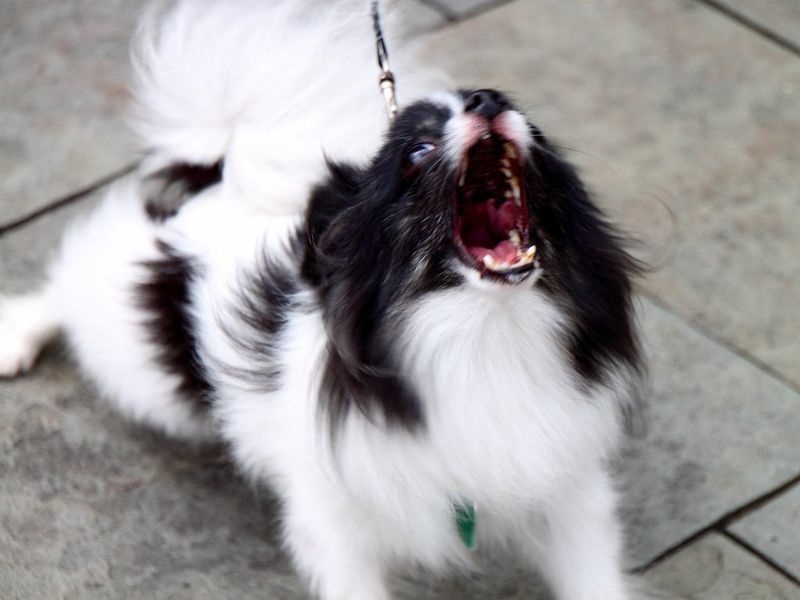
Woof! QUIET!
Woof woof! To your terrier, you just joined the barking party.
Loud reactions can sound like backup, so your dog barks even harder. Big drama also adds excitement, which keeps the noise going longer.
Stay calm and use a low, steady voice. Call your dog away from the window and reward silence.
Teaching a quiet cue during peaceful moments works much better than shouting in the middle of chaos.
Being Glued Together All Day
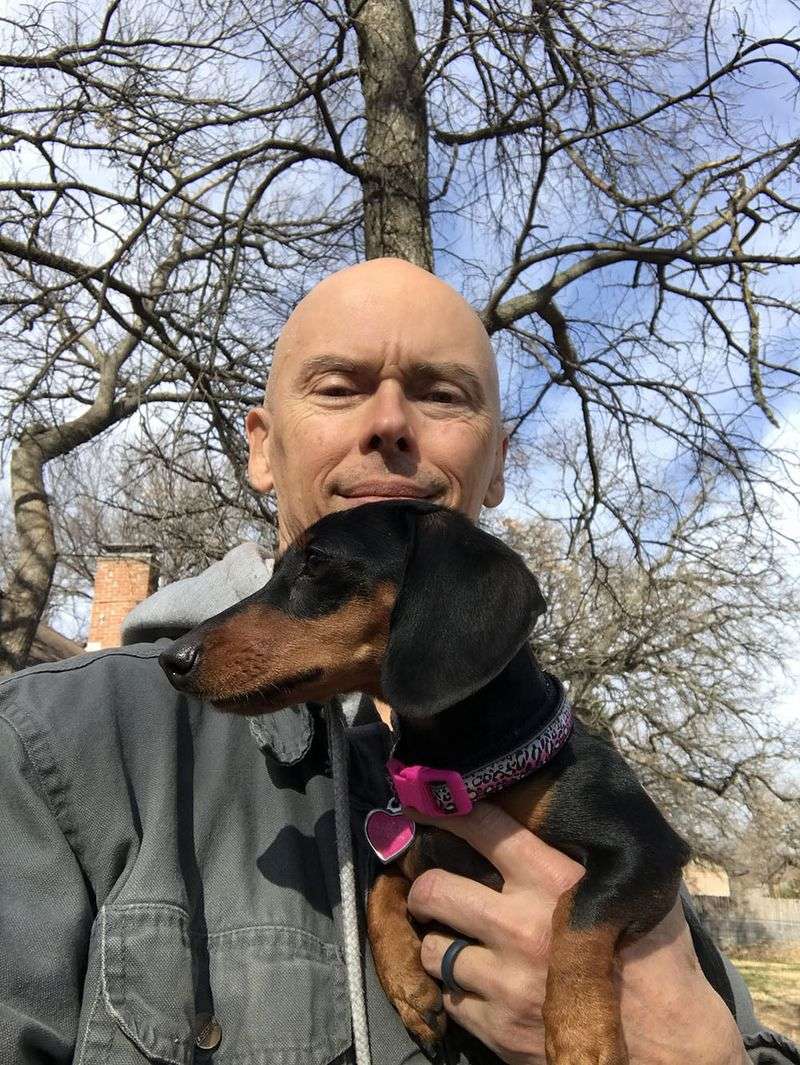
Working from home can feel like dog heaven. Your pup follows you to the kitchen, the desk, even the bathroom.
Here is the catch. Dogs who never practice time alone may panic when you finally leave.
Howling, chewing doors, or accidents can follow.
Start small by leaving your dog in another room with a tasty chew for a few minutes. Slowly stretch the time.
Independence is a skill, and it grows with practice.
Scolding Long After the Mess
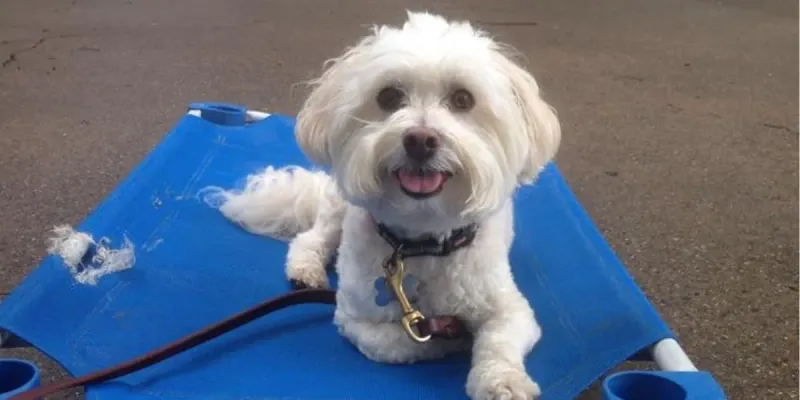
You come home to trash everywhere and scold your dog. That guilty look seems to prove they know what they did.
Actually, studies suggest that look is a reaction to your angry body language, not real guilt. Dogs connect consequences to what is happening right now, not an hour ago.
Late punishment only teaches your dog to fear your arrival. Instead, prevent problems by securing trash and rewarding good choices while they happen.
Turning Hello into a Party
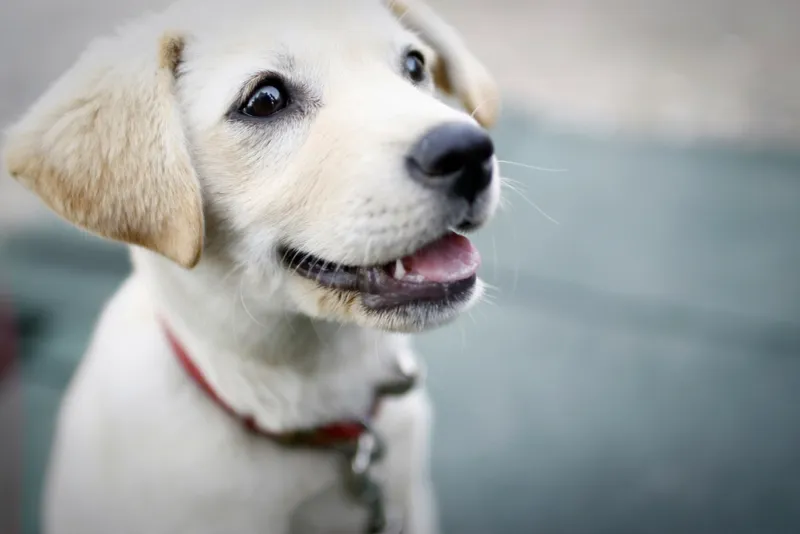
Honey, I am home! Cue squeals, hugs, and a happy dog spinning in circles.
Big, emotional greetings feel loving, but they can wind your dog up. Lots of hype at the door may lead to whining, nipping, and even stress when you leave again.
Try keeping arrivals low-key for the first minute. Put your bag down, breathe, then greet your dog calmly.
A relaxed hello sets a peaceful tone for the whole evening.
Following the Tug of the Leash
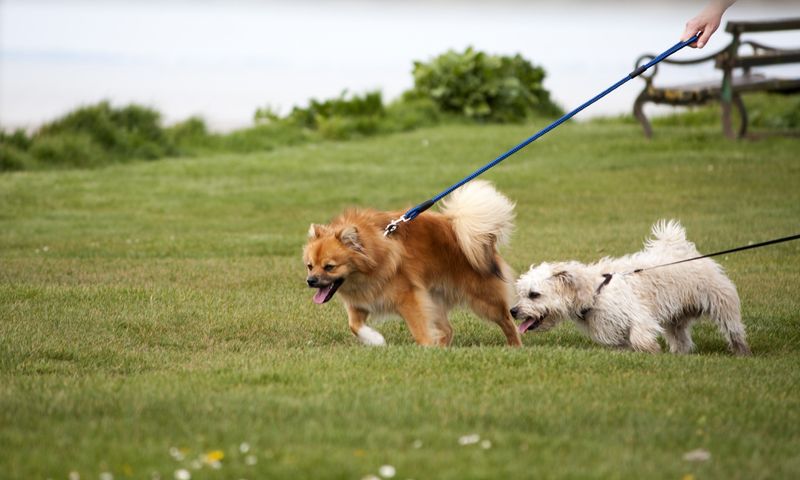
Every step forward while your dog pulls is a tiny reward. Your shepherd thinks, pulling gets me to the good smells faster!
Most owners do this without thinking, especially when they are in a hurry. Sadly, it builds a dog who drags you down the street.
Next walk, stop like a tree whenever the leash gets tight. Move again only when it loosens.
A few patient walks can make a surprising difference.