
Small daily choices can create a deeper, easier connection with your dog than any grand gesture. When you turn ordinary moments into intentional rituals, trust grows and problem behaviors often fade.
These simple practices fit naturally into busy days and help both of you feel calmer and more confident. Start with one, then stack a few, and watch your partnership transform.
Morning walks together
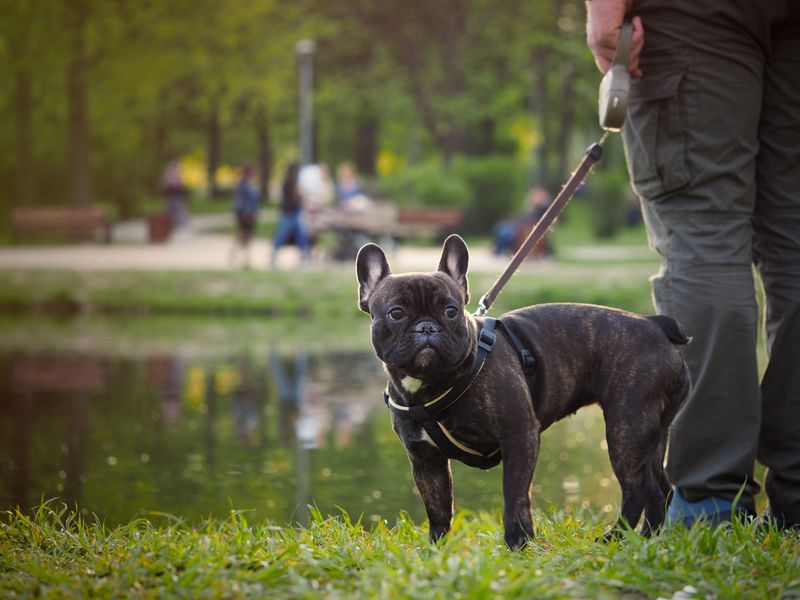
Morning walks set the tone for your day and your dog’s mood. Cool air, soft light, and fewer distractions help both of you reset.
Use this window to practice loose leash skills and patient sniffing.
Pause at corners, ask for a sit, then reward with forward movement. Let your dog read the neighborhood newspaper through safe, unhurried sniffs.
You return home connected, exercised, and ready to start everything on the right paw.
Carry treats, a reflective leash, and water if the route runs long. Notice what excites or worries your dog so you can guide calmly.
Consistency each morning builds communication, confidence, and mutual trust that lasts all day. It becomes your shared ritual, simple yet powerful, and deeply bonding.
Quiet bonding time at home
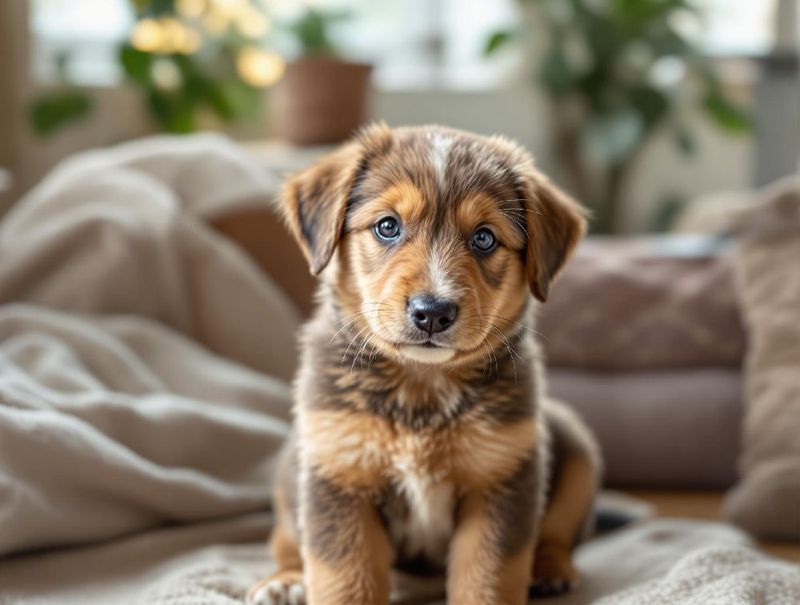
Quiet minutes at home can feel small but change everything between you. Sit together on the floor, breathe slowly, and let your dog settle.
No commands, just presence, soft touch, and relaxed eye blinks.
Stroke along the chest or shoulders, avoiding overstimulating pats on the head. Notice sighs, weight shifts, and that melting look that says I feel safe.
This is emotional maintenance, not training, and it steadies the relationship.
Turn off notifications, lower the lights, and match your exhale to theirs. Five calm minutes can reset an anxious afternoon and prevent miscommunications later.
You will both rise more grounded, better prepared for whatever comes next. Make it a habit after work, before dinner, or right before bedtime each day.
Consistent training sessions
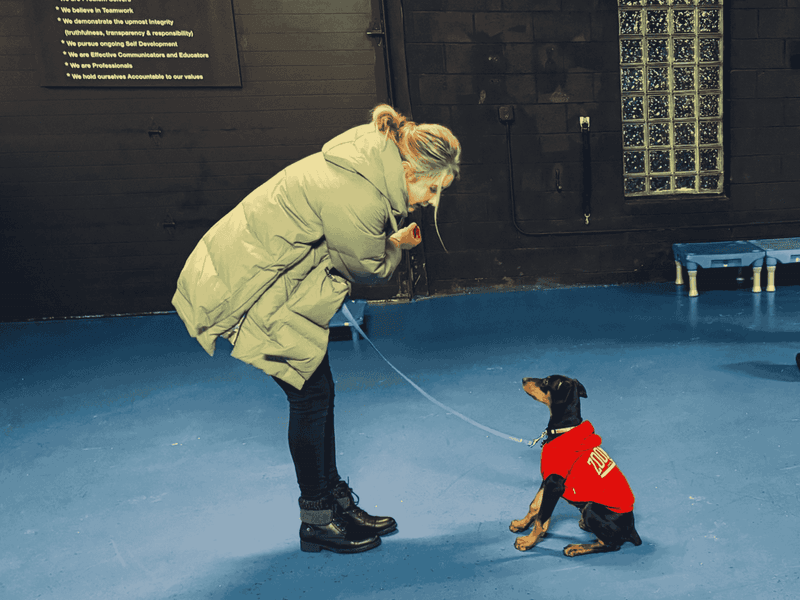
Short, predictable sessions teach faster and keep frustration low for both of you. Pick one goal, like a tidy sit stay, and focus for three minutes.
End while your dog still wants more so progress stays bright and fun.
Use marker words, clear hand signals, and tiny, frequent rewards. Practice in quiet rooms first, then add distractions and distance gradually.
Track reps and breakthroughs in a notebook so you actually see improvement.
Keep sessions at the same time daily to anchor expectations and build momentum. If motivation dips, switch to play, then slip back into one simple behavior.
Consistency reduces conflict because your dog understands the rules and your tone. Training becomes dialogue, not nagging, and your bond strengthens steadily.
Playing your dog’s favorite games
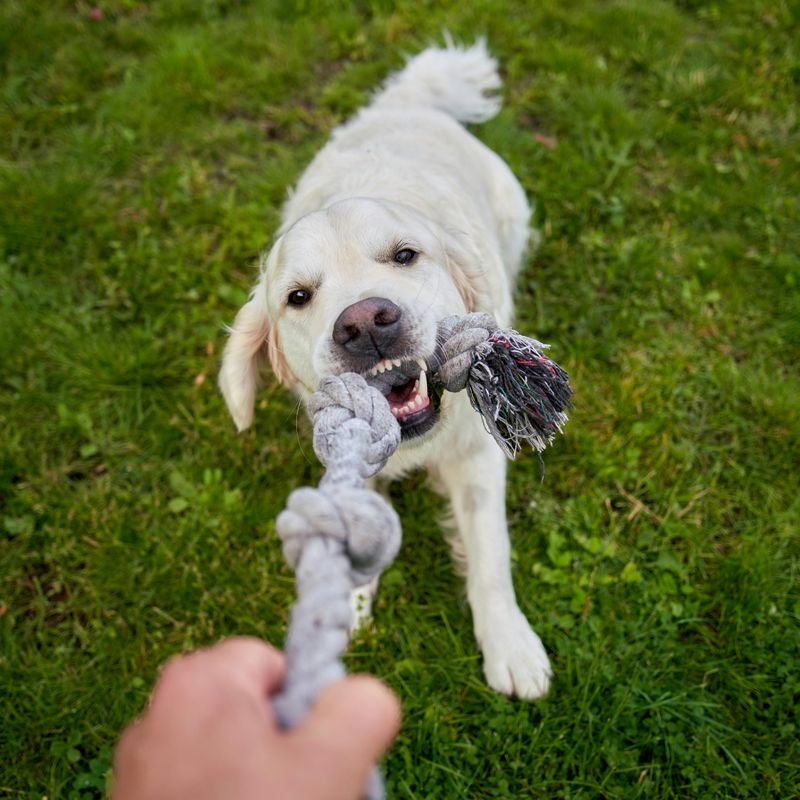
Play is rocket fuel for connection, especially when you choose your dog’s favorites. Tug, fetch, or hide and seek each build different skills and joys.
Follow a start cue and a clear end cue so arousal returns to neutral.
Let your dog win often to boost confidence and trust in playing fair. Use soft toys indoors and durable discs outside to match the environment.
When excitement spikes, ask for a quick sit, then resume the fun immediately.
You will see brighter eyes, bouncier movement, and faster learning after playful breaks. Ten focused minutes can satisfy needs that long walks sometimes miss entirely.
Games remind both of you that teamwork is joyful, safe, and worth repeating. Make room for silliness daily.
Gentle grooming routines
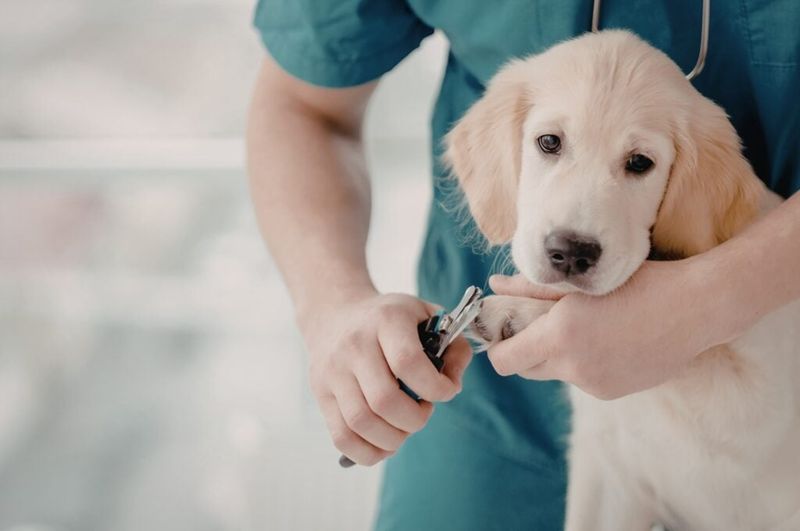
Grooming becomes bonding when you slow down, reward, and respect boundaries. Brush a little, treat a little, then pause for a consent check.
Pair nail touches with peanut butter smears so the experience stays positive.
Work near windows for better light and calmer breathing for both of you. Name each body area as you go to build comfort with handling.
Stop before frustration shows, then celebrate with play or a relaxed chew.
Over time, mats vanish, ears stay clean, and vet visits feel less scary. Your dog learns that your hands predict comfort, not restraint, and trusts deeper.
A gentle routine saves minutes later and builds everyday cooperation without pressure. Clean moments today prevent messy battles tomorrow for you both.
Sharing calm downtime
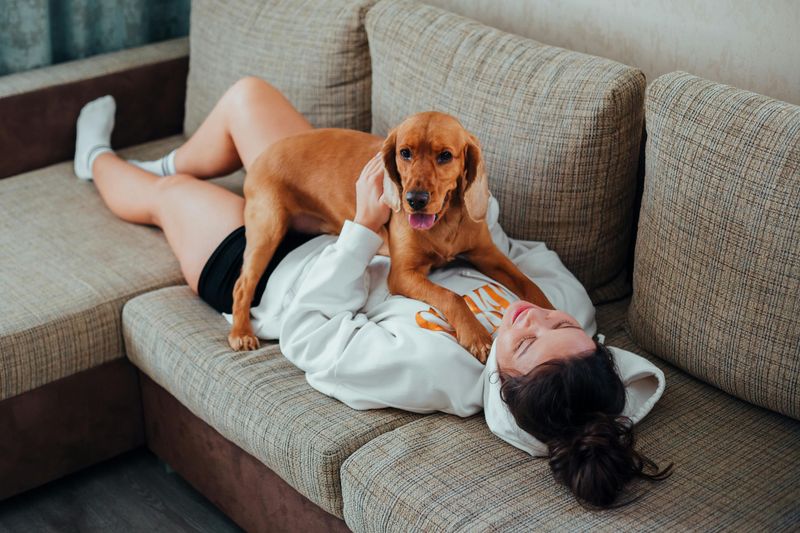
Not every moment needs action, and rest can be the glue between you. Cozy up with a book while your dog chews a snuffle mat find.
Quiet proximity teaches that togetherness is safe even without constant attention.
Use a calming cue, like settle, paired with a bed or blanket. Reward relaxed hips, soft eyes, and slow breathing more than stillness alone.
Over days, the habit spreads into cafes, patios, and friendly visits.
Your life feels roomier when peace is practiced, not left to chance. This shared stillness makes exciting adventures later less chaotic and more delightful.
Downtime together nourishes resilience so you can both handle surprises gracefully. It is quiet training that strengthens patience, optimism, and trust in daily life.
Talking to your dog regularly
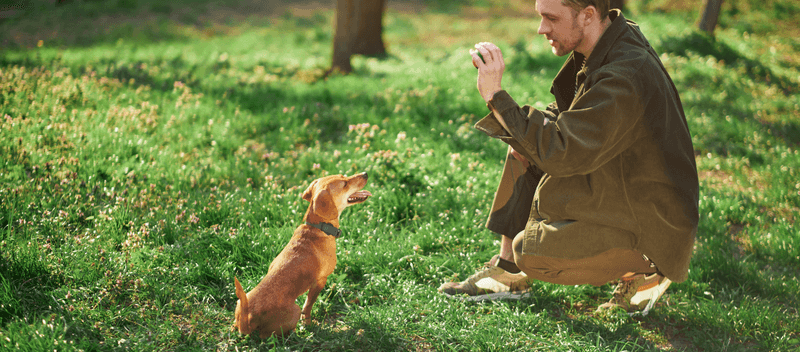
Your voice is a bridge, carrying calm information your dog can rely on. Narrate simple plans like going outside, turning left, or guests arriving soon.
Pair words with gestures so meaning lands even amid distractions.
Keep tone steady, vowels long, and praise warm without squealing. Name feelings you observe, like nervous or sleepy, to practice empathy aloud.
Over time, your dog learns patterns that make daily life clearer and easier.
Talking regularly also slows you down, which reduces mistakes and tension. You start noticing tiny choices and can reward the best ones quickly.
Small conversations become safety nets, a shared language you build every day. It feels silly at first, then suddenly it feels like teamwork in every small moment.
Rewarding good behavior
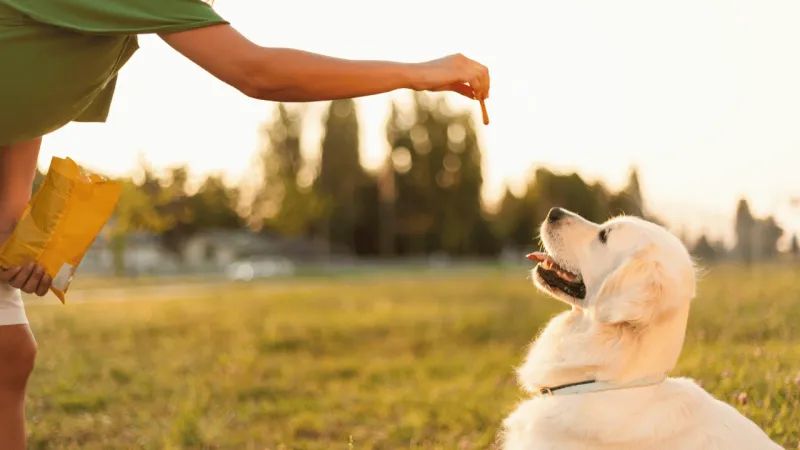
Catch your dog doing right and pay generously to make good choices stick. Treats, toys, and praise are currencies that teach which behaviors earn success.
Mark the moment with yes or a click so timing stays precise.
Pay for calm choices like ignoring squirrels, loose leashes, or greeting politely. Sprinkle reinforcement throughout the day instead of waiting for long sessions.
Behavior you reward becomes behavior you see more because motivation aligns.
Keep treats tiny, fingers safe, and criteria realistic to prevent frustration. Your dog realizes the world makes sense, and you become the reliable coach.
Soon the good stuff becomes habit, turning everyday moments into proud wins. Kind reinforcement builds resilience, optimism, and beautiful manners that last under real pressure.
Exploring new places together
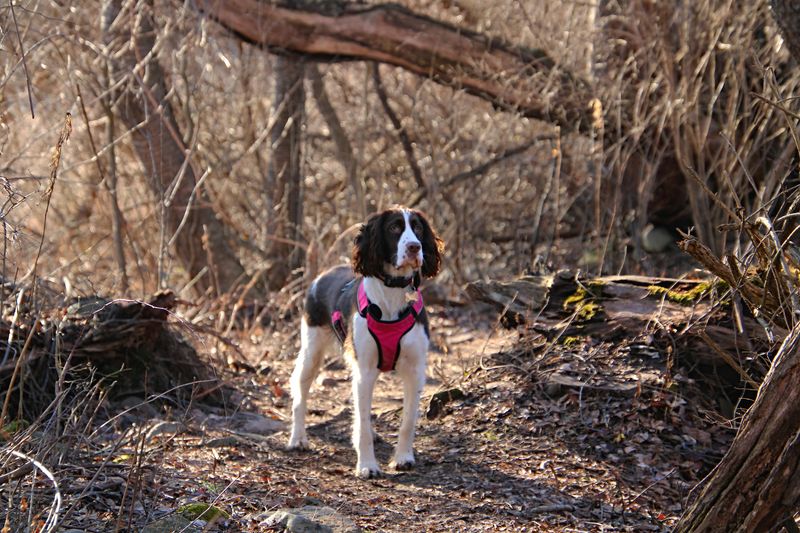
Novel environments refresh the brain and deepen trust as you navigate side by side. Visit a quiet trail, a dog friendly store, or a calm beach at dusk.
Scout exits, watch body language, and keep choices generous.
Practice check ins, hand targets, and polite passes to stitch safety into adventure. Let curiosity lead, but support with distance when sights or sounds feel big.
Celebrate brave moments, then relax together and watch the world go by.
New places teach flexible coping, strengthening your partnership in subtle, lasting ways. You collect shared memories that make everyday sidewalks feel more interesting later.
Exploration, when thoughtful, becomes confidence training disguised as fun. Bring snacks, patience, and a sense of humor for unexpected little detours.
Keeping a stable daily routine

Predictability helps nervous systems relax, and routines turn chaos into comfort. Feed, walk, play, and rest at similar times so needs feel met.
Use anchors like morning potty, noon nap, and evening training.
Write the schedule on the fridge and protect it like a gentle promise. When life shifts, adjust gradually and cushion changes with extra rewards.
A predictable rhythm reduces reactivity, potty accidents, and nagging behaviors.
Routines free mental space because fewer decisions steal energy from training and play. Your dog starts anticipating kindly, which turns ordinary days into cooperative flow.
The result is steadier moods, deeper rest, and more joy for everyone. Stable routines are love made visible, guiding both of you gently through busy changing seasons.